• Link to X
  • Link to Facebook
  • Link to Instagram
  • Link to TikTok
  • Link to Youtube
  • About
    • About Us
      • President
      • Board of Directors
      • Board of Advisors
      • Financials
      • Our Methodology
      • Success Tracker
      • Contact
  • Act Now
    • 30 Ways to Help
      • Email Congress
      • Call Congress
      • Volunteer
      • Courses & Certificates
      • Be a Donor
    • Internships
      • In-Office Internships
      • Remote Internships
    • Legislation
      • Politics 101
  • The Blog
  • The Podcast
  • Magazine
  • Donate
  • Click to open the search input field Click to open the search input field Search
  • Menu Menu

Archive for category: Food Security

Information and stories about food security news.

Food Security, Global Poverty

Mexico’s Milpa Farms Offer Model of Sustainability

Milpa farms
For more than 4,000 years, the Mayan practice of milpa farming has thrived in Mexico’s Yucatán Peninsula. Now, researchers believe that studying milpa farms could offer new solutions to many of the lingering problems plaguing modern agriculture.

An Ancient Practice

The milpa system’s origins lie in the ancient domestication of maize. Maize, also known as corn, is a particularly nutritious grain that rapidly became the staple crop of the Americas. From tortillas to popcorn, maize offers a wealth of different uses even today, making it widely appreciated for its versatility.

A key difference that sets maize apart from other grains like wheat and rice is that maize is open-pollinated, meaning that it relies on the wind for its dissemination. In practical terms, this means that maize can spread its seeds around a wider, less restricted area. Thus, maize often grows in mixed fields alongside other plants like beans and squash, practicing a kind of mutualism.

Maize benefits from the presence of the beans, for example, whose roots process the nitrogen in the soil that maize requires, while the beans themselves gain the opportunity to climb the tall maize stalks and soak-in the sun. Observing this natural pattern, Mesoamericans extended the concept to their own fields of maize, creating the first milpa farms.

How Milpa Works

So, what is it that makes milpa farms so sustainable? In a word: diversity. Modern agricultural techniques typically rely on rotating fields of single-crop yields, which, while productive, place enormous stress on the soil. Over time, as repeated cultivation leads to intensifying erosion, the fields become less capable of absorbing the nutrients necessary to sustain healthy crops. Milpa farms avoid this problem by hosting an assortment of different crops within the same field. This mimics the real-life diversity that exists in nature.

In a traditional milpa farm, farmers plant around a dozen crop varieties simultaneously (most commonly maize, beans and squash). Because each plant provides the nutrients that another requires, the soil never fully depletes. As a result, there exist fields in Central America which have seen continuous cultivation for 4,000 years without a loss of productivity, something unheard of in other parts of the world

Benefits of Milpa Farms

The milpa’s enduring success has led researchers in recent years to turn to it as a potential model for tackling some of the biggest problems facing modern agriculture. Indeed, while it is unlikely that the milpa’s exact circumstances can function on an industrial scale, researchers believe that further study could potentially lead to major improvements in the way farms operate.

For one, the genetic diversity of the crops the milpa produces brings with it comparative advantages. Crop varieties that have seen traditional use in milpa farms are known for their tolerance and highly resilient nature. This helps them overcome pests, competition and resource limitation in a way that less-diverse modern varieties struggle with. Additionally, as this is process done without need of fertilizer or pesticides, it also prevents pollution of nearby groundwater. This makes it easier for local populations to maintain access to clean drinking water.

Tackling Food Insecurity in Mexico

While a full shift from modern agricultural techniques remains infeasible at the moment, researchers believe that strategic adoption of the milpa system could offer a potential solution to some of the food security issues that plague modern Mexico, where more than 10 percent of the population lacks access to adequate food supply.

For one, small farmers who operate traditional milpa farms are typically far more self-sufficient than those who use the alternative. Furthermore, a lack of need for expensive modern fertilizers and machinery makes milpa more cost-effective for those in Mexico’s impoverished rural regions.

Most crucially, however, milpa farms also require significantly less land than the large-scale industrial efforts that dominate Mexican agriculture. In a country increasingly pressed to make efficient use of its land resources, strategic adoption of the milpa system could benefit millions of Mexicans.

– James Roark
Photo: Wikimedia
May 13, 2020
https://borgenproject.org/wp-content/uploads/borgen-project-logo.svg 0 0 Lynsey Alexander https://borgenproject.org/wp-content/uploads/borgen-project-logo.svg Lynsey Alexander2020-05-13 12:35:042024-05-29 23:15:44Mexico’s Milpa Farms Offer Model of Sustainability
Food & Hunger, Food Security, Global Poverty

A Humanitarian Crisis After the 2010 Haiti Earthquake

2010 Haiti Earthquake
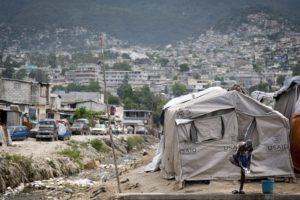
The catastrophic earthquake that struck Haiti a decade ago has birthed a very different humanitarian crisis. On January 12, 2010, the 7.0 magnitude earthquake killed over 250,000 people with 300,000 more injured. The 2010 Haiti earthquake was the most destructive natural disaster the region had suffered, displacing over 5 million people and destroying nearly 4,000 schools. The earthquake’s epicenter was at the heart of the metropolitan area in the capital city Port-au-Prince. Ten years later, 4 million people are experiencing severe hunger with 6 million living below the poverty line.

The Root Problem

These consequences led to many social and political setbacks. Before the 2010 earthquake, 70 percent of people lived below the poverty line. Now, a nationwide study indicates that one in three Haitians needs food aid and 55,000 children will face malnutrition in 2020. Despite others allocating $16 billion in aid to the island, the nation has lapsed in food security due to a lack of international investments and funding.

Humanitarian Response

Recurring climate events such as prolonged droughts and Hurricane Matthew, which struck Haiti on October 4, 2016, have resulted in the destruction of agricultural sectors and infrastructure. The hurricane took the lives of an estimated 1,000 people. The island also suffered a cholera epidemic in 2010 that resulted in over 8,000 deaths. Since then, thousands reside in makeshift internal camps—once regarded as temporary housing—without electricity or running water.

World Vision’s relief fund aims to provide essential care to residents through agricultural support, emergency food supplies and medicinal materials. Donations and sponsorship of children alleviate many of the poverty-stricken burdens. After the 2010 earthquake in Haiti, the organization’s unified efforts brought food to over 2 million people. Other international humanitarian organizations have received critical reception over discrepancies in rebuilding efforts and the disbursement of funds.

Political Unrest

Various ambassadors and nations followed with many humanitarian responses and appeals for public donations such as the European Council providing millions of dollars in rehabilitation and reconstruction aid. Frequent political turmoil has curbed humanitarian progress in Haiti. In September 2019, thousands demanded the resignation of President Jovenel Moise over his mismanagement of the economy, which impacted poorer populations the most. For more than 50 years, the World Food Program has attempted to build resilience in the political and economic framework of Haiti through school meals and nutrition, and disaster preparedness. By preparing food before the hurricane season, the program can meet over 300,000 people’s needs. It delivers daily meals to 365,000 children in approximately 1,400 schools across the nation. Other organizations that provide sustainable development projects and emergency relief include CARE, Food for the Poor, Midwest Food Bank and Action Against Hunger, among others.

The humanitarian crisis a decade after the 2010 earthquake in Haiti requires a level of urgency. Millions in Haiti are facing unprecedented levels of severe hunger due to a lack of funding and economic and political stability. International organizations are vital to providing aid and care to these populations, and the world’s growing awareness of this issue is just as important.

– Brittany Adames
Photo: Flickr

March 26, 2020
https://borgenproject.org/wp-content/uploads/borgen-project-logo.svg 0 0 Lynsey Alexander https://borgenproject.org/wp-content/uploads/borgen-project-logo.svg Lynsey Alexander2020-03-26 01:30:472020-03-23 13:47:23A Humanitarian Crisis After the 2010 Haiti Earthquake
Food & Hunger, Food Insecurity, Food Security, Food Security, Global Poverty

Agroforestry: Improving Food Security in Honduras

Food Security in HondurasHonduras is the second-poorest country in Central America, and although its economy relies heavily on agriculture, about 1.5 million Hondurans are still food insecure. Barriers like natural disasters and unpredictable weather continue to threaten the country’s food production, but recently, advancements in agroforestry are restoring the faith in farming nationwide. Alley cropping, a new method of agroforestry, is steadily showing how it is improving food security in Honduras.

Alley Cropping

For years, agroforestry has been transforming the lives of farming families by increasing food security in Honduras. However, before the introduction of alley cropping to farms in the country, crop failure continued to devastate farmers. While other agroforestry techniques have minimized the damage resulting from flooding, erosion and drought, alley cropping has proven to be a more successful method of crop farming. Alley cropping involves planting rows of crops between trees. This methodology creates an integrated ecosystem that improves and nourishes soil that supports both crop quality and quantity, thus increasing the amount the farmers are paid so that they can afford to support their families.

The Inga Foundation was the first to introduce and teach alley cropping techniques to Honduran farmers through demonstrational farming. These farmers also had the opportunity to obtain seeds from the demonstration and start their own alley cropping systems. According to the Inga Foundation, more than 300 farming families have been able to achieve food security through the new alley cropping method, and this number is only increasing as alley cropping starts to catch on.

Benefits of Alley Cropping

  1. Alley cropping regenerates degraded land, which helps crops grow.

  2. Alley cropping increases the nutritional value of fruits and vegetables.

  3. Unpredictable weather can be withstood, meaning crops are more resilient.

  4. Alley cropping is sustainable and benefits the natural environment.

  5. Families can stay on one plot of land without having to migrate to others due to soil degradation.

Inga Trees in Alley Cropping

In Honduras, Inga trees are among one of the most popular and successful trees used in alley cropping systems. The Inga Foundation’s demonstration farm showcased hedgerows of Inga trees, which are known to revitalize the soil and support crop growth. Here are a few reasons why the Inga tree was chosen as the model for alley cropping.

  1. Inga trees grow fast. This allows farmers to quick-start their alley cropping without much of a waiting period.

  2. Not only do Inga trees tolerate poor soil, but they nourish it.

  3. Inga trees reduce weeds.

  4. Seasonal pruning of Inga trees generates firewood and fuelwood for families.

  5. Inga trees produce edible fruit.

Because the Inga tree is both incredibly resilient and easy to grow, more and more farmers are seeking out their seeds in order to better provide for their families. This tree, when paired with agroforestry, is playing a huge role in improving food security in Honduras.

The benefits that come from agroforestry methods like alley cropping can mean the difference between life and death for some families in Honduras. Thankfully, the Inga Foundation has allowed for the breakthrough of improved farming which has saved hundreds of Hondurans from the burden of food insecurity.

– Hadley West

Photo: Flickr

March 22, 2020
https://borgenproject.org/wp-content/uploads/borgen-project-logo.svg 0 0 Lynsey Alexander https://borgenproject.org/wp-content/uploads/borgen-project-logo.svg Lynsey Alexander2020-03-22 21:40:382020-03-30 13:43:36Agroforestry: Improving Food Security in Honduras
Food & Hunger, Food Insecurity, Food Security, Global Poverty

7 Facts About the Locust Swarm Crisis in Ethiopia

Locust Swarms in Ethiopia
Brutal locust swarms have been decimating the food supply of Ethiopia and other African nations. Over 40 percent of Ethiopia’s GDP comes from agriculture, specifically the cultivation of grains like wheat and barley. Locust swarms attack the food supply of the livestock as well, of which Ethiopians consume at a much higher standard than most developing countries. Ethiopia consumes 15 kilograms of meat annually, 50 percent of which is beef. Locust swarms plaguing East Africa have the potential to create a famine that threatens to starve the people of Ethiopia. Here are some facts regarding the locust swarm crisis in Ethiopia recently.

7 Facts About the Locust Swarm Crisis in Ethiopia

  1. The locust swarm crisis in Ethiopia threatens to plunge several Eastern countries into famine. The United Nations (U.N.) has released a call to action, asking other nations around the world to provide $76 million for relief efforts in order to spray the affected areas with insecticide. This is one of the only ways to quell this impending famine.
  2. Ethiopia is no stranger to this kind of epidemic, as a similar influx of locust swarms preyed upon nearly 100 percent of green plant cover in Northern Ethiopia back in 1954. This locust swarm, along with extreme drought that year, plunged Ethiopia into a year-long famine.
  3. The locust’s ability to fly over 150 kilometers in one day makes it a traveling crop reaper. A single locust swarm, containing 40 million locusts, can consume the amount of food required to feed 35,000 people in a single day. This is the largest locust swarm Ethiopia has faced in 25 years.
  4. The United States Agency for International Development (USAID) supports the U.N. Food and Agriculture Organization (FAO) in order to monitor prime breeding locations of locusts to effectively eradicate them before a full-blown infestation comes to fruition. USAID also backs the research of naturally-occurring pest control agents over harmful chemicals.
  5. USAID aids in coordination with national authorities in order to quickly locate swarm locations so every party has the preparation to eliminate the swarms. Local farmhands and herdsmen often alert locust control staff when people have spotted locusts in a particular area, playing a primary role in the prevention of locust swarms. Locusts tend to destroy crops very quickly, so it is important for locust control staff to know whether it is necessary to intervene with the local sightings and data they collect.
  6. Biologist Arianne Cease believes that the practice of overgrazing livestock creates more severe locust swarms. The land management that farmers implement creates a humid climate that is perfect for spawning locusts. Cease says that farmers should feed crops to their livestock that are optimal for that specific animal and not for locusts. For example, locusts thrive on a high carbohydrate crop, such as the grain that farmers grow in Ethiopia, while a sheep thrives on a high protein crop. Therefore, selecting the right crop and not overgrazing can decrease the severity of swarms, according to Arianne Cease.
  7. Dr. Cease has begun working with over 1,000 Mongolian farmers at a university for agriculture in order to implement these farming strategies, all with the hope of decreasing locust swarm sizes, such as the city-sized swarm currently plaguing Ethiopia.

One locust swarm can threaten Ethiopia’s entire food security. With the right precautionary measures like selective crop growing, moderate grazing and reporting locust sightings to international and local authorities, Ethiopia and the rest of the East African nations that these swarms plague can work together to mitigate the destruction that these pesky insect swarms caused.

– William Mendez
Photo: Flickr

March 11, 2020
https://borgenproject.org/wp-content/uploads/borgen-project-logo.svg 0 0 Lynsey Alexander https://borgenproject.org/wp-content/uploads/borgen-project-logo.svg Lynsey Alexander2020-03-11 06:30:102020-03-11 13:07:427 Facts About the Locust Swarm Crisis in Ethiopia
Food Security, Global Poverty

Lanzhou Noodles: Traditional Food and Poverty

Traditional Food and Poverty
While China boasts the world’s second-largest economy and a growing number of billionaires, the country’s impoverished population continues to suffer. Although the national poverty rate fell from 10.2 percent in 2012 to 3.1 percent in 2017, China still estimated that over 16 million rural people were living below the poverty line in 2019.

The Chinese government, under the leader Xi Jinping, has made great strides in poverty reduction. A major goal is to eliminate extreme poverty in China by 2020. Efforts to aid the country’s poor include planning for road and housing construction in rural areas, as well as education. This is mainly because rural areas are home to most of China’s poor population. One practice occurring in the Gansu province of China adopts a less traditional approach. Here, traditional food and poverty link in a way that aims to help the rural poor.

The Gansu Province

The Gansu Province is a rural area in northwestern China and home to about 26 million people. Gansu is predominantly an agricultural area, yet frequent earthquakes, droughts and famines have strained the area’s agricultural output and economy.

Poverty is a significant issue that faces the residents of Gansu, but the Chinese government is taking note. Local authorities have been combating poverty from all angles. They recently adopted a rather unconventional approach to fight economic concerns. The local Gansu province authorities plan to teach residents how to make a traditional Chinese noodle dish from scratch.

Lanzhou Beef Noodles

Lanzhou beef noodles get their name from the province’s capital city and are a traditional and famous meal that people eat widely across China. Making the dish from scratch involves the combination of flour and water to create the chewy noodles. The noodles also include clear broth, beef, cilantro, green onions and chili oil.

Gansu government officials announced in 2019 that they planned to teach as many as 15,000 impoverished people how to make these noodles from scratch in an effort to reduce poverty in rural areas. This practice has two main focuses— teach residents how to cook a cheap, traditional and hearty meal and then use this knowledge to facilitate employment. Employment could be through an established noodle shop in the area or by opening their own shop.

Traditional Food and Poverty

While the noodle initiative in the Gansu Province may seem unorthodox, similar programs have occurred in other parts of China. Noodles, in all different varieties, have long been a vital part of cultures around the world. The names of different noodles often even mark certain historical persons or events. Noodles also serve as a way to commemorate specific events in one’s life, such as a birthday or a new year in other cultures.

Additionally, the link between traditional food and poverty is one that is gaining increasing attention as the world examines the nuances of poverty. One study on the traditional “poverty cuisines” of Arab food in Israel, connects the act of cooking and consuming these meals to empowerment in the face of adversity. This study alleges that food choices can allow autonomy and room for preservation and creation of identity.

In examining the link between traditional food and poverty, opportunities for both economic and ideological growth arise. The noodle-making efforts in the Gansu province and across China are a strong example of how food can influence social change. Speaking about the efforts to teach noodle-making in China, NPR reporter Yuhan Xu updated an old proverb, stating “Give a man a bowl of noodles and you feed him for a day; teach a man how to make noodles and you feed him for a lifetime.” Let this new proverb be one that people consider in the fight against global poverty.

– Elizabeth Reece Baker
Photo: Pixabay

January 21, 2020
https://borgenproject.org/wp-content/uploads/borgen-project-logo.svg 0 0 Kim Thelwell https://borgenproject.org/wp-content/uploads/borgen-project-logo.svg Kim Thelwell2020-01-21 07:30:072020-01-17 12:46:14Lanzhou Noodles: Traditional Food and Poverty
Food Security, Global Poverty

5 Modern Innovations Addressing Food Scarcity

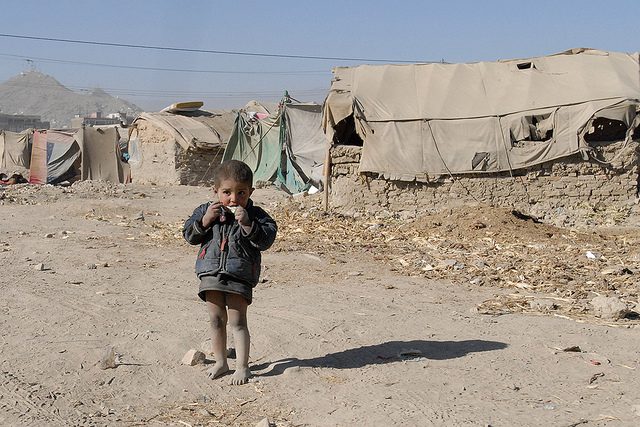
Innovations Addressing Food ScarcityFood scarcity is a major problem in the world today. Roughly 795 million people (this equates to one in 9 people) do not have enough food to survive. Specifically, developing countries face the highest levels of food scarcity These statistics, paired with the fact that 1.3 billion tons of food go to waste annually, necessitates reformation. Around the world, people have been working to help resolve this crisis and ensure that the hungry do not starve. These are five modern innovations addressing food scarcity.
5 Modern Innovations Addressing Food Scarcity

  1. SAP Digital Farming: SAP is a company that is working to combat global food shortages through revolutionary technology. After implementing state of the art sensors in crop fields, farmers would download SAP’s digital farm app. Then, the app would relay necessary information to the farmer. This information includes the supply of fertilizer, water needs, soil moisture and crop growth. Importantly, this information makes the agricultural process more efficient by helping the farmer realize optimal harvesting and planting times. Further, these additional benefits will maximize yield while minimizing costs.
  2. M-Farm: M-Farm serves as a tool to help farmers in Kenya. Often, in the case of farmers in developing countries, intermediaries between the producer and consumer will reap the rewards for a task they had very minimal involvement in. Further, the farmers will have a vast amount of their earnings usurped and will be charged ridiculous prices for necessities, carrying on the cycle of poverty. M-Farm enables Kenyan farmers to SMS the number 3555 to get relevant information. This information includes the price of their products and the ability to purchase the necessary equipment for affordable prices. Additionally, M-Farm also relays crucial trends in the local market for farmers to enhance their judgment. The app collects this information independently through location services and analysis.
  3. Share the Meal App: Developed by the World Food Program, the Share the Meal application on iOS and Android phones works to combat starvation across the world. In 2015, four years after the start of the Syrian Civil War, the organization sought to mobilize technology to feed starving children in refugee camps in Jordan. Additionally, the app enables people to donate 50 cents that will go toward securing meals for these children. Currently, the app has enabled over 48 million meals to be distributed to those in need.
  4. Plantwise: Launched in 2011 by the global nonprofit, CABI, Plantwise is a program that helps farmers understand tactics to increase efficiency and yield. CABI established a global plant clinic network that provides farmers with information about plant health. Qualified plant doctors advise farmers on techniques that will reduce the number of pests and diseases that afflict their crops. Plantwise works to disseminate information to farmers in rural areas that have little access to useful information regarding their agriculture. The goal is to emphasize healthy plant habits so farmers lose less yield and are effectively able to produce more food.
  5. Digital Green: The last of these five modern innovations addressing food scarcity, Digital Green uses modern technological advancements to uplift impoverished farmers. The project began in 2008 in India, where workers trained credible officials in villages to use video technology to convey crucial information, including agriculture techniques and market conditions. This effort was widely successful, as Digital Green reached a total of 1.8 million farmers in over 15,000 villages. In addition, this prompted the organization to expand into Ethiopia. There, almost 375,000 farmers were reached, which led to the commencement of initiatives to help farmers in countries including Afghanistan, Bangladesh, Niger and Tanzania.

Finally, it is undeniable that technology plays a very prominent role in society today. Technological innovations have revolutionized the lives of people across the world. Further, these innovations addressing food scarcity are prime examples of this rapid paradigm shift. Progress necessitates change and change is only possible through people working together to absolve adversity in the most effective way possible.

– Jai Shah
Photo: Flickr

December 26, 2019
https://borgenproject.org/wp-content/uploads/borgen-project-logo.svg 0 0 Kim Thelwell https://borgenproject.org/wp-content/uploads/borgen-project-logo.svg Kim Thelwell2019-12-26 12:54:252024-05-29 22:27:135 Modern Innovations Addressing Food Scarcity
Food Security, Global Health, Global Poverty

What is Global Fragility?

What is Global Fragility

Global fragility is a compelling global phenomenon. The Organisation for Economic Co-operation and Development (OECD) has defined it as, “the combination of exposure to risk and insufficient coping capacity of the state, system and/or communities to manage, absorb or mitigate those risks. Fragility can lead to negative outcomes including violence, the breakdown of institutions, displacement, humanitarian crises or other emergencies.”

The 2030 Agenda

Rising global challenges such as climate change, global inequality, the development of new technologies and illegal financial flows, are all aggravating global fragility. Now more than ever before, these challenges most severely affect low and middle-income countries. Global fragility is a pressing issue as poverty is increasingly present in fragile areas and those affected by conflict. It is estimated that by 2030, as much as 80 percent of the world’s extreme poor will be living in fragile areas, becoming both a threat to global security and a prominent barrier to achieving the Sustainable Development Goals (SDGs) 2030.

Within the 2030 Agenda, SDG 16 outlines achieving peaceful, just and equitable societies. Additionally, this SDG emphasizes the importance of sustaining peace and conflict prevention. Peace and conflict prevention are not achievable with increasing global fragility risks and inefficient responses. Indeed, 2016 was the year affected the most by violence and conflict in the past 30 years, killing 560,000 people and displacing the highest number of people in the world since World War II. Moreover, countries that are part of the 2030 development agenda all committed to leaving no-one behind, stressing the need to address fragile areas.

Addressing Global Fragility

Taking into account the elements mentioned above and the existing consensus on the matter, it is fundamental for countries and international organizations to address global fragility and take action by joining efforts. International institutions faced some blame for inadequate performance in fragile states. Recently, efforts began focusing on developing frameworks and tools to address fragility more efficiently. At the core of the solution to global fragility lies resilience. Additionally, this comprises of assisting states to build the capacity to deal with fragility risks and stabilize the country.

For example, the World Bank launched the Humanitarian Development Peace Initiative (HDPI) in partnership with the U.N. to develop new strategies to assist fragile countries. Under this initiative, the U.N. and World Bank will collaborate through data sharing, joint frameworks and analysis, etc. Additionally, the European Commission changed the way it approaches fragility, now concentrating more on the strengths of fragile states rather than their weakness, to assist them in resilience building and empowering them to do so.

All these efforts revolve around a set of core principles, stemming from lessons learned from the past. These mainly include empowering local governments and helping them escape the fragility trap. Another principle revolves around achievements in the long-term. Long-term achievements will ensure sustainability, as transforming deep-rooted governance takes time for effective implementation. Inclusive peace processes prioritizing the security of citizens, along with inclusive politics, are essential in the transformation of fragile states.

The Global Fragility Act

On December 20, the Global Fragility Act was passed as a part of the United States’ FY 2020 foreign affairs spending package, to address fragility more effectively. The Act emphasizes interagency coordination regarding development, security and democracy. In addition, the Act also highlights a more efficient alignment of multilateral and international organizations. As the first comprehensive, whole-of-government approach established by the United States, the efforts plan to prevent global conflict and instability.

The numerous actions and initiatives launched recently illustrate a significant step forward in addressing the threat of fragility. The common consensus between donor countries, multilateral and international institutions must now be translated into concrete actions.

– Andrea Duleux
Photo: Flickr

December 26, 2019
https://borgenproject.org/wp-content/uploads/borgen-project-logo.svg 0 0 Lynsey Alexander https://borgenproject.org/wp-content/uploads/borgen-project-logo.svg Lynsey Alexander2019-12-26 11:55:362024-06-04 01:17:55What is Global Fragility?
Food Security, Global Poverty

How Land Grabbing and Poverty Are Linked

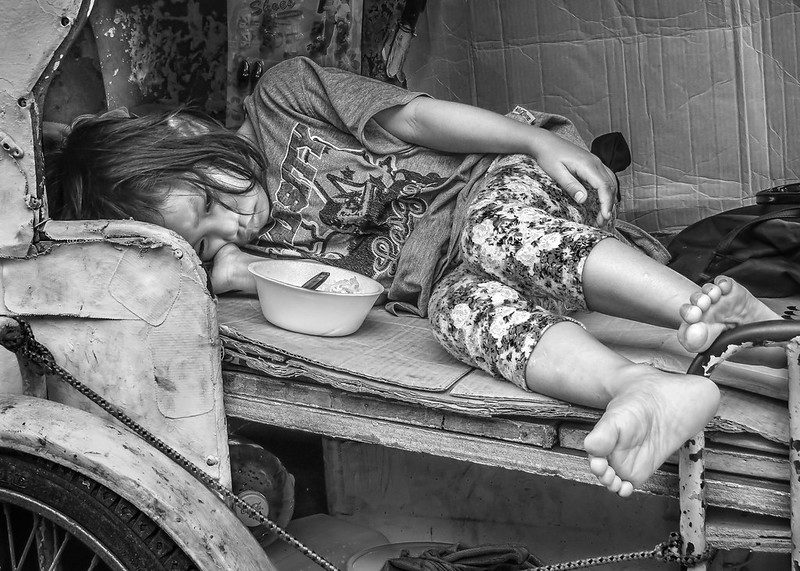
Land Grabbing and PovertyLand grabbing is not a new concept and it is not an isolated event. However, land grabbing and poverty have recently been linked together. While companies around the globe participate in this harmful process that drives farmers off their lands, farmers in industrial countries are especially susceptible to losing their lands, and therefore, their source of income. The act of industrial companies land grabbing not only costs a person their home but also their food and money. In countries such as Africa and South America, many people have fallen below the poverty line and suffer from displacement.


The Actions of Large Companies

The link between land grabbing and poverty is growing and has become a big issue. Major companies, such as the Teacher’s Insurance and Annuity Association of America College Retirement Equities Fund (TIAA-CREF or TIAA), are buying multiple acres of land at exceedingly high prices. This, in turn, raises the prices of rent above what nearby family farmers can afford to pay. In Brazil, the TIAA has ownership of over 600,000 acres of land. The company also has a stake of over $400 million in Malaysian and Indonesian palm oil, which has displaced established communities of indigenous people in addition to several endangered species.

Who Owns the Land?

Land grabbing hugely contributes to the loss of property which advances poverty levels. Indigenous people claim and manage about 50 percent of the world’s land. However, of that 50 percent, people who depend on it only legally own 10 percent. Big companies can easily buy out the remaining 40 percent of the land and repurpose it to maximize industrial gains. Most of this land goes towards fossil-fuels projects, tourism and even conservation. Because of this, many families become displaced and left without a source of income and experience a lack of food security. Companies, such as TIAA, have led directly to malnutrition in industrial countries where they held land.

Initiating Change

There have been many demonstrations to try and combat the act of land grabbing. Grassroots International has started a petition to end land grabbing. There are also The Tenure Guidelines that have the intention of ending global poverty through tenure rights and land access. Policies within these guidelines would give land rights to the person who has owned the land the longest, ensuring that those who depend on the land for their livelihoods can continue to use it. In Africa, 29 women farmers climbed Mount Kilimanjaro, the country’s tallest mountain, to raise awareness about the issue. The climbers met 400 fellow women farmers at the base of the mountain to help raise awareness about secure land rights and guarantee the farmers access to local and global markets.

Land grabbing and poverty reduction will give the people of the land a place to live as well as a food source and a dependable income. Crop sales will increase and farmers will have a more reliable income if others do not drive them from their land. The decrease of land grabbing will also increase access to both local and global markets, providing farmers with more ways to sell their food. Overall, restricting land grabbing, honoring tenure and giving land access to those who need it will lead to a decline in global poverty.

– Destinee Smethers
Photo: Flickr

December 20, 2019
https://borgenproject.org/wp-content/uploads/borgen-project-logo.svg 0 0 Lynsey Alexander https://borgenproject.org/wp-content/uploads/borgen-project-logo.svg Lynsey Alexander2019-12-20 01:30:362019-12-13 12:47:46How Land Grabbing and Poverty Are Linked
Food & Hunger, Food Security, Global Poverty

10 Disturbing Facts About Hunger

10 Disturbing Facts about Hunger
Hunger is not simply a lack of food. It is also the sustained physiological and psychological changes in a human body from the persistent unavailability of nutritious meals at least three times a day. Achieving zero hunger across the world by 2030 is the second of the United Nation’s Sustainable Development Goals. Here are 10 disturbing facts about hunger.

10 Disturbing Facts about Hunger

  1. One in nine people around the world goes to sleep hungry every night. At present, 25,000 people die of hunger each day which translates to around 9 million deaths annually. This is equivalent to the number of people living in the state of Virginia. Most of these deaths are preventable.
  2. The number of people suffering from acute hunger rose from 80 million in 2016 to 120 million in 2018. The highest rates of hunger are in Africa and South Asia. Among the 119 countries that the Global Hunger Index scores, the Central African Republic ranks last with a GHI score of 53.7, which is alarming. The global average GHI is 20.9.
  3. Hunger is gender-biased in many food-insecure households. Most of this has to do with the fact that many societies around the world encourage paternalism. In such households, sons and other male members are better fed than daughters and other female members. This bias in food insecurity between both sexes most prominently exists in Africa, followed by Latin America and Asia.
  4. When listing 10 disturbing facts about hunger, it is important to discuss food waste. Humans waste roughly one-third of the total food the world produces. North America and Oceania together waste the highest amount of food. Estimates show that food wasted in rich countries is equal to the total food that sub-Saharan Africa produces. The amount of food wasted in a year can feed 2 billion people for a year. Hence, the problem of hunger is not due to inadequate food production but rather the inefficient distribution of food to the world’s population.
  5. Poverty is the biggest cause of hunger. Other causes of hunger include war and conflict, political instability, poor infrastructure and food policies, population increases, rising urbanization, unstable economic conditions and climate change.
  6. Changing weather patterns are destroying agricultural land through acidification, desertification, flooding and rising sea-levels. Climate change reduces the crop yield due to erratic rain and drought seasons, which cause an increase in crop diseases and extreme heat. Global warming and rising levels of carbon dioxide also reduce the nutritional quality of food, meaning that people have to eat more to gain optimum levels of nutrition.
  7. Hunger forces people (especially in countries like Haiti and Cameroon) to eat mud. Mud cakes are a delicacy for the poorest earthquake survivors of Haiti. People mix mud, salt and margarine together and dry it in the sun. It is the cheapest way to assuage hunger in children and pregnant women who also believe it to be a source of calcium to help their growing fetus. Experts have determined that this is not true and that mud cakes have no nutritional value.
  8. Poor health and hunger form a vicious cycle. People suffering from chronic hunger also suffer from debilitating health conditions, including severe malnutrition and anemia, lowered immunity causing recurring infections and chronic health conditions such as heart diseases and diabetes. People who cannot afford food are also unlikely to access any health services. Their circumstances render them unable to go out and work leading to continuous poverty, bad health and hunger situations.
  9. Hunger damages the health of children irreversibly. Children born to undernourished mothers have lower rates of survival beyond 5 years of age. Data from UNICEF attributes half of all under-5 deaths to malnutrition which means that around 3 million children die of malnutrition every year. Such kids lose the opportunity to go to school. Children suffering from malnourishment lose up to 160 days of school. Some 66 million children in primary schools go to school hungry.
  10. Unfortunately, 80 percent of the families that face hunger are farmers. This is because although these people produce food for the world, most of the time they do not own the land they work on. Those who do own land are often not able to earn profits from their yield due to high input costs such as fertilizers, seeds and machines. These farmers also often do not have the means to store and transport their products.

These 10 disturbing facts about hunger may paint a grim picture of the world but all is not lost. Countries can fight hunger by adopting climate-smart agricultural practices, empowering women, donating food through food banks and creating an efficient food distribution network. With consistent political will, the zero hunger goal of the United Nations is achievable.

– Navjot Buttar
Photo: Flickr

December 12, 2019
https://borgenproject.org/wp-content/uploads/borgen-project-logo.svg 0 0 Lynsey Alexander https://borgenproject.org/wp-content/uploads/borgen-project-logo.svg Lynsey Alexander2019-12-12 03:00:022024-05-29 23:13:1610 Disturbing Facts About Hunger
Aid, Aid Effectiveness & Reform, Food & Hunger, Food Insecurity, Food Security, Global Poverty

Alleviating Food Shortages in Tajikistan

Food Shortages in Tajikistan

Tajikistan is a landlocked country in Central Asia that is home to 9 million people, many of whom have grappled with instability and poverty since its independence in 1992. In fact, half of Tajikistan‘s population lives in poverty today. Furthermore, the country is currently experiencing a food shortage crisis that is exacerbated by a number of factors including a heavy dependence on imported food products as well as inadequate agricultural practices.

Aid from US Initiatives

At least 30 percent of children under the age of five have stunted development. Increasing production in the local agriculture sector is a boost for Tajikistan’s economy, nutrition and general food supply. With equipment and training also provided by USAID, around 16,000 farmers were able to produce higher quality products that increased food security and nutrition. Improving agricultural production is a major step in alleviating the shortages that have plagued the population that currently live below the poverty line as well as helping the local farmers who struggled to make ends meet.

WFP Assistance

The World Food Programme has provided assistance to Tajikistan since 1993 and developed programs that aided people in need. The WFP helped with drafting policies and providing food to over 2,000 schools in rural Tajikistan, allowing over 370,000 students access to regular daily meals. Additional programs alongside the WFP have helped an estimated 119,500 infants under the age of 5 with their nutrition. Assistance is also provided to build new or improve infrastructure to provide security for supplies to rural areas, including additional agriculture production, disaster relief efforts and enrolling children into feeding programs to combat malnutrition. With aid from this program, Tajik children, alongside their parents, gained access to accessible food and medical facilities.

Domestic Poultry Market

Tajikistan’s domestic poultry market has been a major focus on increasing the country’s food security. An investment of expanding domestic poultry farming production in 2015, building new farms and increasing the number of eggs and meat produced for local markets. The poultry industry also got an additional boost in 2018 when the government lowered taxes on imported machinery and tools in 2017 to bolster internal production, though importing poultry still remains as one of the main drivers to meet domestic demand. There are currently 93 farms poultry farms with over 5 million birds currently in the poultry industry. The importance of poultry has on both the economy and the role it plays into combating hunger paves the way to alleviate the food shortages in Tajikistan.

Tajikistan’s effort, normally criticized for being lacking, has expanded upon its agriculture sector with significant investments. Much of Tajikistan’s battle against its internal food shortages have been from foreign aid programs, with various UN members providing the arid country with supplies and equipment to expand internal agriculture and food security alongside Tajikistan’s own national investment to expand them. The efforts have been slowly paying dividends in the Central Asian country, but it still remains a difficult road in alleviating the food shortages in Tajikistan.

– Henry Elliott
Photo: Flickr


November 6, 2019
https://borgenproject.org/wp-content/uploads/borgen-project-logo.svg 0 0 Kim Thelwell https://borgenproject.org/wp-content/uploads/borgen-project-logo.svg Kim Thelwell2019-11-06 17:51:382020-01-18 14:06:42Alleviating Food Shortages in Tajikistan
Page 11 of 31«‹910111213›»

Get Smarter

  • Global Poverty 101
  • Global Poverty… The Good News
  • Global Poverty & U.S. Jobs
  • Global Poverty and National Security
  • Innovative Solutions to Poverty
  • Global Poverty & Aid FAQ’s
Search Search

Take Action

  • Call Congress
  • Email Congress
  • Donate
  • 30 Ways to Help
  • Volunteer Ops
  • Internships
  • Courses & Certificates
  • The Podcast
Borgen Project

“The Borgen Project is an incredible nonprofit organization that is addressing poverty and hunger and working towards ending them.”

-The Huffington Post

Inside The Borgen Project

  • Contact
  • About
  • Financials
  • President
  • Board of Directors
  • Board of Advisors

International Links

  • UK Email Parliament
  • UK Donate
  • Canada Email Parliament

Get Smarter

  • Global Poverty 101
  • Global Poverty… The Good News
  • Global Poverty & U.S. Jobs
  • Global Poverty and National Security
  • Innovative Solutions to Poverty
  • Global Poverty & Aid FAQ’s

Ways to Help

  • Call Congress
  • Email Congress
  • Donate
  • 30 Ways to Help
  • Volunteer Ops
  • Internships
  • Courses & Certificates
  • The Podcast
Scroll to top Scroll to top Scroll to top