
The Philippines’ state of emergency during the COVID-19 pandemic has had an impact on farmers. While the new coronavirus guidelines halted city life, they were particularly damaging for individuals living in the lower-income rural parts of the island nation. Farmers primarily inhabited these regions of the Philippines and the new guidelines resulted in their isolation along with their farming businesses’ isolation from the major cities they feed. Luckily, a farmer rose to the challenge to tackle food waste during the pandemic.
COVID-19 Measures
When the first case of COVID-19 broke out in the Philippines in December 2019, the Filipino government had a severely delayed response over the course of four months which led to high and widespread transmission rates throughout major cities such as Quezon City and Manila. The spread quickly reached rural areas and had infiltrated much of the country before the Filipino government took action. Because the response was so late, it had to be immense. In turn, the Philippines declared a state of emergency and granted Filipino President Rodrigo Duterte emergency powers by mid-March; Duterte treated the pandemic as war and took warlike measures to fight the virus by using ex-military leaders to spearhead the pandemic efforts. Under this new state, Filipinos had to enter strict curfew and lockdown, and the country mandated the use of masks and shut down commercial roads, transportation and businesses.
Impacts of the COVID-19 Pandemic on Farmers
Just as the Philippines entered a state of emergency and lockdown took place, many of the Filipino farmers were harvesting the products of the dry season. Without the pandemic, these farmers would typically gather their crops and utilize commercial routes to bring them into the bigger cities. In these urban areas, the farmers would be able to sell their products to larger markets where the farmers could make a larger profit while simultaneously feeding the cities. However, the coronavirus lockdown in the Philippines shut down the major commercial traveling routes, effectively cutting farmers off from their major source of income. Moreover, lockdown prevented farmers from selling off their crops which resulted in a major food waste during the pandemic.
From March 2020 to May 2020, farmers amassed their Spring crops and eventually had to dispose of them due to a lack of consumers. Consequently, massive amounts of edible food underwent destruction while people in the urban areas did not have access to fresh produce. Moreover, Filipino farmers lost tremendous amounts of money by not being able to sell their fruits and vegetables.
Unfortunately, the government leaders did little to assist the movement of produce from rural areas to big cities and largely left Filipino farmers at a loss of money for months. This was particularly detrimental for the farmers because they were losing income while already living in a low-income area; in turn, the farmers’ access to additional job and income opportunities did not exist and made the farmers more vulnerable to falling into deep poverty. Moreover, these farmers became extremely susceptible to the coronavirus as they did not have access to medical resources or personal protective equipment or the money to obtain any medical resources. The pandemic created an extremely unique predicament for the farmers as they were left to fend for themselves against income loss and the spread of the virus.
However, a youth-led initiative fought food waste during the pandemic by providing an avenue of opportunity for these farmers to produce, harvest and sell their products in a manner where they would not experience exposure to the coronavirus while simultaneously maintaining their main source of income.
AGREA: The Road Ahead
Filipino farming organization AGREA saw the struggle that Filipino farmers were facing at the hands of the pandemic and decided to take action. Spearheaded by AGREA CEO Cherrie D. Atilano, AGREA sought to minimize food waste during the pandemic by creating alternative methods for farmers to transport and sell their produce.
Atilano and AGREA organized the #MoveFoodInitiative for many rural villages which sought to engage local communities in the efforts to fight food waste during the pandemic. The initiative mobilized youth food producer groups and local trucker groups which helped ship food from the local farmers to markets in the larger cities. Consumers of these products can easily access a list of fruits and vegetables with their respective prices on an order form, a method of contactless shopping that protects both the producers and the consumers.
AGREA’s #MoveFoodInitiative has become wildly successful as it has helped over 7,000 Filipino farmers reach and sell over 160,000 kilograms of fruit and vegetables to over 50,000 families across the Philippines. Additionally, AGREA has been able to utilize the surplus produce by donating the food to local kitchens that feed frontline medical workers who are fighting the coronavirus pandemic.
While the pandemic temporarily brought a stop to the businesses and livelihoods of many lower-income farmers and created massive food waste, AGREA’s quick work provided relief for farmers, food for consumers, and initiatives for youth groups to strengthen Filipino communities during these trying times. Due to her immense and important work in decreasing food waste during the pandemic, Cherrie d. Atilano has received the title of the Filipina U.N. Summit Food Systems Champion.
– Caroline Largoza
Photo: Flickr
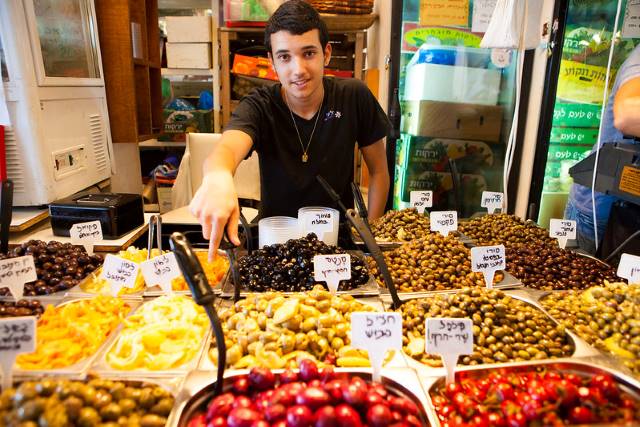 It is an indisputable fact that everyone needs food for survival. Even further, everyone needs enough nutritious food to truly thrive. That being true, the reality is that not everyone gets enough high-quality, nutritious food yet significant amounts of food are thrown away daily. This dilemma is present globally and Israel is no exception. Food waste and food insecurity in Israel is a growing problem, but one organization, Leket Israel, is working to address both.
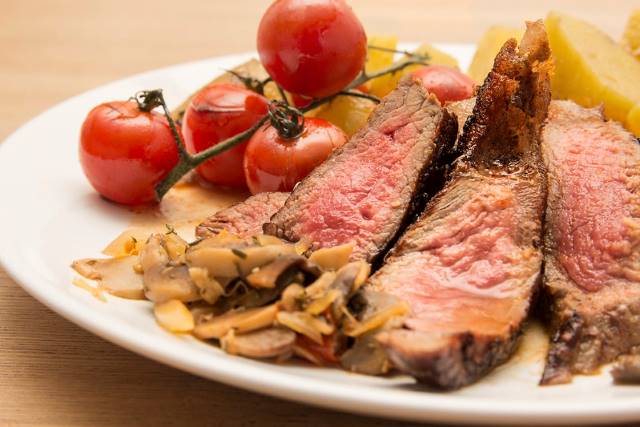 In the effort to reduce poverty around the world, scientific innovations and technological solutions are welcomed. Developments in technological capabilities provide new potential approaches to reducing poverty. One such development that has received increased attention is the emergence of lab-grown meat as an alternative source of food for populations in developing countries. Lab-grown meat has only emerged as a potential solution quite recently, and even at this young stage of development, there are many who argue both for and against its potential effectiveness and applicability in the effort to reduce poverty.
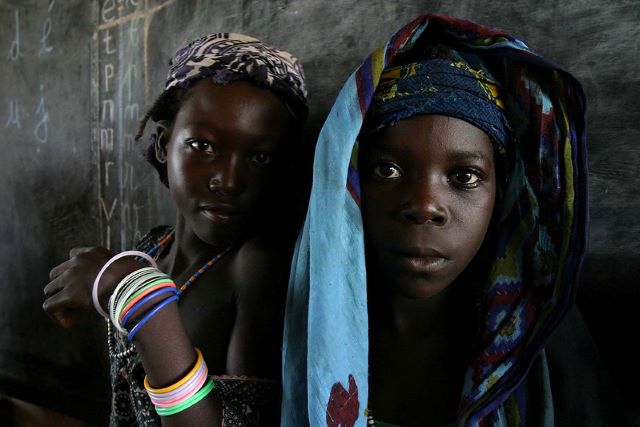 One year after repatriation efforts began, refugees from the Central African Republic are returning home. Although repatriation operations began in November 2019, the return of refugees from the Central African Republic was delayed by the COVID-19 pandemic. Enhanced health and safety precautions made their return possible. The United Nations Refugee Agency, a U.N. agency responsible for protecting refugees, organized the implementation of health and safety precautions. Measures included the use of masks and temperature screening. Handwashing stations were also installed to prevent the spread of disease.
 The East African country of Burundi is one of the poorest in the world. Its meager economy relies heavily on rainfed agriculture, which
  In the Central Asian nation of Tajikistan, which lies at the heart of
 Madagascar, an island country located in the Indian Ocean, is one of the most impoverished countries in the world, with
  The COVID-19 pandemic is deemed a global health crisis that has resulted in an economic crisis and a hunger crisis too. In the Dominican Republic, Cabarete Sostenible seeks to address the root cause of hunger.
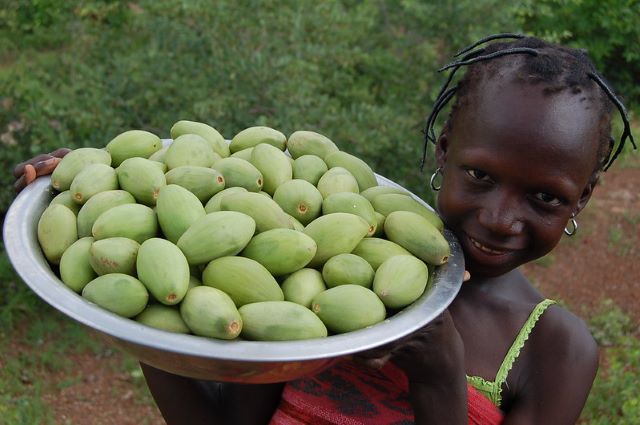 Calculating world hunger statistics is no easy task. The United Nations estimated that in 2018, more than 820 million people suffered from food shortages all around the globe. The Global Hunger Index (GHI) is a tool developed by Concern Worldwide and Welthungerhilfe to annually assess world hunger trends in developing nations. The organization uses child mortality rates, youth undernutrition numbers and food supply totals provided by agencies such as the United Nations, World Health Organization and UNICEF, to produce a hunger index for each nation. Depending on a nation’s index, the country is placed on a scale of hunger severity of low, moderate, serious, alarming and extremely alarming. The 2020 Global Hunger Index results are now available and show promising developments for sub-Saharan Africa.