 People can often feel hopeless nowadays when addressing global poverty and hunger on a personal level. One can only donate so many times before it feels pointless. For decades there was a decrease in poverty and hunger all around the world. However, with the pandemic in full force, the numbers are once again increasing.
So what should can each individual consumer do to help those in need and bring these statistics down? They must change daily patterns, so nearly all of their “normal” actions start benefitting someone else. One way is to switch up the food consumers eat. Many brands in a variety of food categories use their profits to fight global poverty and hunger. Switching to one of these brands allows people to effectively snack against hunger and poverty. Below are just a few of the brands aiding in poverty and hunger-reduction.
1. Bobo’s
Bobo’s donates their profits from selling oat-based products to eight organizations. Two of the organizations focus on food security in the U.S. (Community Food Share and Conscious Alliance), and one nonprofit provides housing for low-income families (Habitat for Humanity). Get in a dose of nutritious oats to snack against hunger and poverty.
2. This Saves Lives
This Saves Lives has something for everyone. They have 10 different flavor options, a variety of kid’s options and five types of crispy treats. For each purchase, This Saves Lives provides a calorie-dense packet of paste filled with nutrients to a child in need. So far, over 24 million packets have been sent out!
3. Barnana
Barnana is a company that produces plantain-based chips in normal chip form, tortilla style and flavor bites. All consumers can find a chip that will satisfy whether that’s salty or sweet. The plantains used for the chips are upcycled from those that were deemed not perfect enough for mainstream market standards. By upcycling the produce, Barnana fights food waste and secures extra income for small scale farmers that depend on every sale.
4. Project 7
Project 7 is a healthy candy brand that makes gummies, lollipops and everything in between. They partner with nonprofits to help the seven areas of need: healing, saving, housing, food, drink, teaching and hope. Make chewing a life-giving activity and snack against hunger and poverty.
5. Beanfields
Beanfields is another company that creates chips both sweet and salty, similar to Barnana. The company — centered in a kitchen and not a boardroom — cooks up a variety of bean-based tortilla chips and cracklings. They get creative by producing an environment-conscious snack while also supporting people in need. Beanfields partners with Homeboy Industries, an organization that helps ex-gang members find peace and stability in their new lives. Homeboy Industries partners with many nonprofits fighting hunger and poverty that provide ex-offenders jobs and a sense of community.
Buying snacks and snacking are often mindless activities. Helping people should have that same ease and it does. Yet, it often falls on the back burner and gets forgotten. Buying from companies donating to those in need is one easy solution. People can enjoy their favorite foods in a more effective way. Why just snack when one can snack against hunger and poverty?
– Anna Synakh
Photo: Flickr
 Cabarete Sostenible began as a response to the COVID-19 crisis by providing emergency food aid to families in need in Cabarete, Dominican Republic. Its Festival of Masks aimed to raise money for further emergency food relief efforts, community farming and educational initiatives for the community.
 During the past several years, Eastern Africa has experienced the worst swarms the region has seen in decades. Typically, the arid desert environment kills off locusts but multiple tropical cyclones have hit the region thereby creating wetter soil conditions that are more hospitable for these insects. Due to the weather patterns within the last few years, several overwhelming

 Peru is a country in South America home to some of the world’s natural wonders, such as the Amazon rainforest and the Andes mountains. Thanks to stable economic growth, social initiatives, and investments in health, education and infrastructure, poverty and hunger have significantly decreased in Peru over the last decade. However, according to World Food Program USA (WFP-USA), one in five Peruvians live in a district with high vulnerability to food insecurity. Rural Indigenous populations, representing 52% of Peruvians in poverty, face particular concerns over hunger. Inequalities in lack of access to water and education lead to chronic hunger and malnourishment in these populations. However, Indigenous populations are learning to adapt to food insecurity in the Andes.
 Despite being one of the wealthiest and most productive countries in the world, Canada does not provide equally for all of its citizens. Specifically, Canada’s Indigenous population constitutes 4% of the nation’s population of about 34.7 million. Despite their name of “First Peoples,” Indigenous people in Canada receive less priority for public aid and infrastructure. Canada’s Indigenous population disproportionately lives in poverty. For example, 25% of First Nations, Métis and Inuit people live in poverty. Out of the population of First Peoples’ children, 40% live below the poverty line as well.
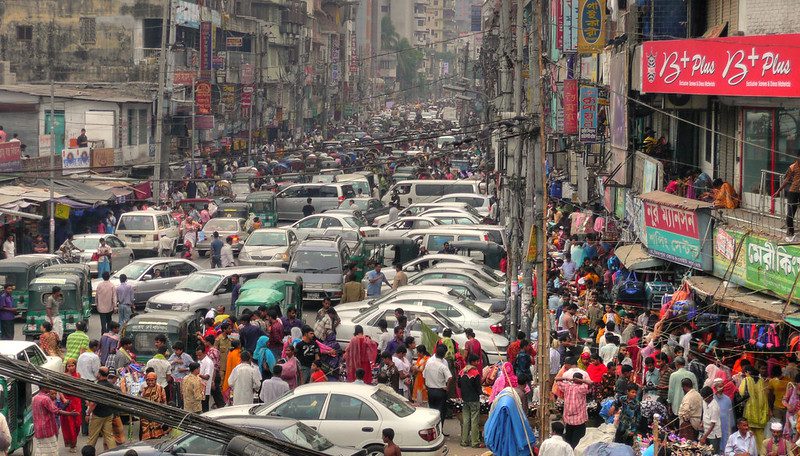 Pollution impacts people’s air, water and food worldwide. In general, pollution affects impoverished individuals the most.