• Link to X
  • Link to Facebook
  • Link to Instagram
  • Link to TikTok
  • Link to Youtube
  • About
    • About Us
      • President
      • Board of Directors
      • Board of Advisors
      • Financials
      • Our Methodology
      • Success Tracker
      • Contact
  • Act Now
    • 30 Ways to Help
      • Email Congress
      • Call Congress
      • Volunteer
      • Courses & Certificates
      • Be a Donor
    • Internships
      • In-Office Internships
      • Remote Internships
    • Legislation
      • Politics 101
  • The Blog
  • The Podcast
  • Magazine
  • Donate
  • Click to open the search input field Click to open the search input field Search
  • Menu Menu

Archive for category: Food Insecurity

Food Insecurity, Food Security

The UN Believes the Prickly Pear Could Be the Key to Food Security

Prickly PearThe opuntia, better known as the prickly pear, could be the key to food security in the world’s most arid countries, according to the U.N.’s Food and Agriculture Organization (FAO). This statement is born from the results of a five-year study conducted by the University of Nevada, Reno. The study sought to examine the potential benefits of cultivating the prickly pear on a mass scale. Many people who live in rural areas consider this cactus to be little more than a formidable and even dangerous weed. It proliferates easily, is difficult to uproot and poses a threat to livestock who can injure themselves and their digestive systems on the sharp spines. However, the FAO believes the benefits can outweigh the downsides. Here is why this international humanitarian organization thinks the prickly pear is fundamental in the fight for food security.
Resistance to Drought and Heat

The study states that the prickly pear requires up to 80% less water than crops such as corn, rice and soy. Additionally, those crops have upper-temperature limits, whereas the prickly pear is able to grow in extreme heat. Africa’s largest country, Algeria, is classified as being around 80% arid or semi-arid, which leaves its population of more than 43 million vulnerable to food insecurity. In 2013, the country formed a cooperative of farmers, scientists and traders to begin cultivating the prickly pear. For this project, they consulted with Mexico, whose people and ancestors have ample experience with the cactus.

The cooperative built its first processing factory in 2015. The factory produces oil that is exported to France, Germany and Qatar. Since then, the enterprise has steadily grown. The cooperative built another factory in 2018 and plans to begin exporting its goods to the United States.

Can be Used as a Biofuel

The primary crops grown for biofuels are corn, sugar cane, soybean and palm oil, which comprise 97% of the biofuel industry. Sugar cane and corn require three to six times more water than the prickly pear, though they produce the same amount of energy. When grown as biofuel, corn, sugar cane, soy and palm oil crops can only be used for that very purpose. In contrast, farmers can first harvest the prickly pear for food before its waste-product is converted into fuel. It’s a circular system versus a linear system. When it comes to the question of the prickly pear as the key to food security, this distinction makes all the difference.

Food for Humans and Livestock

The prickly pear borders on being a superfood. It’s rich in vitamins, minerals and phytonutrients. It contains antioxidants and is anti-viral and anti-inflammatory. For animals, the plant’s pads, or “nopales,” contain nearly 80% water, making them ideal feed for livestock. It can also be prepared in countless ways, though many people around the globe are unfamiliar with its myriad of uses.

Eritrea, a northeast African country is a prime example of this missed opportunity. Here, they sell the prickly pear on roadsides and in marketplaces alongside more popular fruits such as bananas, guavas and oranges. However, the Eritrean people, who regularly face food shortages, are largely unfamiliar with the number of ways the plant can be consumed. As a result, it has yet to be cultivated on a mass scale. Nearly all of the prickly pears that are brought to market are harvested from wild cacti.

Can Function as a Carbon Sink

One of the strongest arguments for the prickly pear as the key to food security is its function as a “carbon sink.” The fruit grows in areas where other plant life can not be established and then captures excess CO2 from the atmosphere. Cultivated on a mass scale, this could lead to lower temperatures and more rainfall, thus decreasing the number of droughts that threaten food security worldwide.

Challenges and Opportunities Ahead

In 2015, Madagascar faced a drought-induced famine. The lack of rain laid waste to their chief crops, including rice, cassava and sweet potatoes. Desperate for nourishment, many turned to the prickly pear, which was then regarded as a weed. The FAO points to the plant’s usefulness during the direst conditions as proof of the potential benefits of cultivating it on a larger scale. Droughts have continued to plague the people of Madagascar, with approximately one million inhabitants living on the brink of famine. The continued suffering of those living in the world’s most precarious conditions underscores the need for attainable, wholesale solutions. The FAO believes one such solution, agriculture or “green gold,” is well within reach.

– Greg Fortier
Photo: Flickr

May 20, 2021
https://borgenproject.org/wp-content/uploads/borgen-project-logo.svg 0 0 Kim Thelwell https://borgenproject.org/wp-content/uploads/borgen-project-logo.svg Kim Thelwell2021-05-20 07:31:202021-05-21 08:28:14The UN Believes the Prickly Pear Could Be the Key to Food Security
Food Insecurity, Global Poverty

Food Insecurity in Venezuela

Food Insecurity in VenezuelaAccording to the World Food Programme’s 2019 report, in the current Venezuelan economy, food insecurity has brought approximately 2.3 million Venezuelans into extreme poverty. Thankfully, international organizations are coming in to help mitigate this reality.

Food Insecurity and Poverty in Venezuela

Andres Burgos wakes up around 3 a.m. every day to prepare arepas: the Venezuela staple of cornbread. After filling his backpack, he rides his bicycle through the streets of Caracas, Venezuela. He looks for people prying into trash bags for food and offers them this bread stuffed with ham, cheese or vegetables. There are many others like Burgos that do the same in Venezuela’s major cities.

According to the Food and Agricultural Organization of the United Nations (FAO), levels of food insecurity are higher in 2021 than in the WFP study from 2019. In the same line of analysis, ENCOVI, a group of national universities, conducted a survey that concluded 74% of Venezuelan households face extreme poverty and food insecurity.

Due to the economic situation in the country, the pattern of consumption has forced the fragile population to change diet habits. Individuals are forced toward consuming more carbohydrates such as rice, pasta and beans. Items including meat, fish, eggs, cheese and vegetables are often too expensive for this sector of society. This type of diet leads to chronic malnutrition.

Addressing Food Insecurity in Venezuela

Numerous organizations are advocating to improve the lives of Venezuelans in need. Recently, Executive Director of the WFP David Beasley arrived in the country to set up the program: The Venezuela Humanitarian Response Plan with Humanitarian Needs Overview 2020. The goal is to reach out to the most vulnerable populations and include them in the program’s three objectives: to ensure the survival and well-being of the most vulnerable, to continue sustaining essential services and strengthening resilience and livelihoods and to strengthen institutional and community mechanisms to prevent, mitigate and respond to protection risks

Cuatro Por Venezuela Foundation is another organization that collects funds with the goal of empowering vulnerable Venezuelans with the skills to provide for their own needs and ultimately improve their quality of life. Programs include a health program, a nutrition program and an empowerment program. The health program provides medicine and supplies and hosts educational health drives. The focus of the nutrition program is providing food staples, including formula, to orphanages, nursing homes, schools, hospitals and organizations that cook for the homeless. Additionally, the empowerment program offers training for success in micro-business and funds educational programs centered around children’s creativity, social dialogue and use of their free time.

GlobalGiving is a website that hosts groups and organizations that are collecting funds for a variety of social programs. This one site offers the ability to donate to programs targeting a large spectrum of vulnerable individuals, including the food insecure in Venezuela. Likewise, Alimenta la Solidaridad is an organization that develops sustainable solutions to the food security challenges of Venezuelan families. The organization promotes community organization and volunteer work as a way to provide daily lunches to children at risk of or experiencing a nutritional deficiency as a result of the complex humanitarian crisis.

These organizations are just a handful from the vast number working toward helping the most vulnerable populations of Venezuela who are facing food insecurity and poverty.

– Carlos Eduardo Velarde Vásquez
Photo: Flickr

May 19, 2021
https://borgenproject.org/wp-content/uploads/borgen-project-logo.svg 0 0 Kim Thelwell https://borgenproject.org/wp-content/uploads/borgen-project-logo.svg Kim Thelwell2021-05-19 01:31:312024-12-13 18:02:29Food Insecurity in Venezuela
Food Insecurity

Desert Locust Control Act Hopes to Aid Struggling African Countries

Desert Locust Control ActDue to a recent outbreak of desert locusts in East Africa, the 117th Congress has written and introduced the H.R 1079 – Desert Locust Control Act on February 15th, 2021. In general terms, this act would “develop a comprehensive, strategic plan to control locust outbreaks in the East African region and address future outbreaks in order to avert mass-scale food insecurity and potential political destabilization.”

The Act Explained

In more specific terms, the Desert Locust Control Act would create an interagency working group that comprises several representatives from varying federal departments and agencies carrying out the act’s requirements. These duties would include monitoring the effectiveness of regional efforts to mitigate the outbreak and finding opportunities for additional support. Furthermore, the act asks to ensure the delivery of necessary assets to control the outbreak and provide humanitarian assistance to those affected. Lastly, the act would improve coordination among the involved government agencies, relieve the impact of restrictions due to the COVID-19 pandemic and work to prevent future desert locusts as well as other potentially harmful outbreaks.

What Desert Locusts Cause

This act has become necessary for a variety of reasons. For example, the Food and Agriculture Organization has reported that as of December 2020, there were 42 million people suffering from food insecurity in East Africa. This number will increase if the locust outbreak is not handled. It becomes especially disheartening when considering the highly destructive nature of the desert locust. A small swarm can eat enough food for 35,000 people in one day, while a larger swarm can devour enough to leave 81 million people starving. It’s important to note the urgency of the situation as well. By June of this year, the number of desert locusts could increase by 400 times, due to there currently being favorable weather conditions for their breeding and each locust generation increasing by 20 times on average.

Problems Amplifying the Crisis

Another concerning factor of this recent outbreak is the economic damage to these countries, with locust-related losses being estimated at $8.5 billion for livestock production and asset damages. Furthermore, COVID-19 regulations have already created unfavorable conditions for agricultural production by disrupting supply chains, transportation and access to services and labor. These conditions have consequently increased the chances for a potential food security crisis in the past months. The desert locust outbreak only compounds these issues and creates a crisis within a crisis, making a worse situation out of an already dire issue. Unfortunately, the desert locust will also place vulnerable citizens, including women and children, into further vulnerability, when accounting for the fact of the eventual increase in crime due to food shortages. The International Rescue Committee (IRC), has estimated that 5,000 households, especially those run by women, will need humanitarian assistance by August of 2021.

The immediacy of this outbreak, the drastic results and the economic and political difficulties present, have made it necessary for the U.S. and other foreign countries to involve themselves and provide assistance. As evidenced, the Desert Locust Control Act will be crucial for the well-being of several impacted African countries as the second wave is almost 20 times larger than the first one. Due to this, African communities will need foreign aid in order to safely and effectively nullify this issue.

– Juan Vargas
Photo: Flickr

May 18, 2021
https://borgenproject.org/wp-content/uploads/borgen-project-logo.svg 0 0 Kim Thelwell https://borgenproject.org/wp-content/uploads/borgen-project-logo.svg Kim Thelwell2021-05-18 01:30:172024-06-06 00:59:33Desert Locust Control Act Hopes to Aid Struggling African Countries
Food Insecurity, Global Poverty, Hunger

The Hunger Crisis in the United Kingdom

hunger crisis in the United KingdomThe United Kingdom has the fifth-largest economy in the world. However, the country continues to struggle with national hunger. Since the implementation of budget cuts and tax increases to combat the financial crisis of 2010, struggling families trying to feed their children have suffered. Since the COVID-19 pandemic, the food shortage in the U.K. has gotten exponentially worse. Food insecurity stands at 47% among people without jobs. People who fall in the lowest income quartile also report high levels of food insecurity at 34%. Women are also more vulnerable to food insecurity and some ethnic groups are more affected than others. The efforts of food banks attempt to address the growing hunger crisis in the United Kingdom.

COVID-19 and the Hunger Crisis

COVID-19 has exposed the true extent of the hunger crisis in the United Kingdom. Many people have experienced wage cuts and unemployment since the onset of the pandemic. In addition, many rushed out to supermarkets to stock up on food, which only caused more damage. Families who were impoverished before COVID-19 struggled the hardest to compete with panic buyers. Lower-income families can only afford store brand products and discounted goods, but stockpilers left only the more expensive products on the shelves. School closures have also made feeding families more difficult. Many families relied on schools and childcare services to provide daily meals for their children. Despite this, the government refused to extend free meal packages for students into the holiday season.

Food Banks

Food banks have helped curb some of the hunger issues in the U.K. The largest food bank network in the U.K., the Trussell Trust, continues to make a huge impact. The Trussell Trust food banks make up two-thirds of all the food banks in the U.K. Between April 2018 and March 2019, the network delivered more than 1.6 million food parcels to families in need. This amounts to a need increase of 26 times more since 2010. Due to COVID-19, however, the Trussell Trust reported handing out 2.5 million food packages from January 2021 until the end of March 2021. These numbers reflect the dire hunger crisis brought about by the COVID-19 pandemic. The COVID-19 pandemic exacerbated hunger in the United Kingdom, but the efforts of food banks have promptly addressed the issue.

The Road Ahead

Although food banks have helped reduce the food shortage in the United Kingdom, food banks are not a permanent solution. Many have criticized the U.K. for not doing enough to address hunger. Some even think that the British Government itself has exacerbated hunger in the country. Considering that the U.K. is not a low-income country, it has the means to do more. The Department for Education and Minister for Children and Families has funded programs to address hunger in schools and the hunger children experience in the holidays when they are out of school.

Human Rights Watch has made suggestions about how the government should proceed. Most importantly, it has emphasized that the U.K. needs to first acknowledge the right to food as a fundamental human right and compensate people for violations of this right. The government also needs to monitor and survey food insecurity in the country to get an accurate reflection of the true extent of hunger in the U.K. Human Rights Watch also suggests that the U.K. devise a national anti-hunger strategy and reassess the impacts of its previous welfare cuts. Welfare benefits for low-income households should be lifted to ensure food security for impoverished households.

With commitment and dedication to addressing hunger in the United Kingdom, the government can turn the situation around and ensure the well-being of people in the country.

– Samantha Fazio
Photo: Flickr

May 10, 2021
https://borgenproject.org/wp-content/uploads/borgen-project-logo.svg 0 0 Kim Thelwell https://borgenproject.org/wp-content/uploads/borgen-project-logo.svg Kim Thelwell2021-05-10 03:38:392024-05-30 22:23:31The Hunger Crisis in the United Kingdom
Food Insecurity, Global Poverty, Hunger

Top Organizations Fighting Food Insecurity in Chad

Food Insecurity in Chad
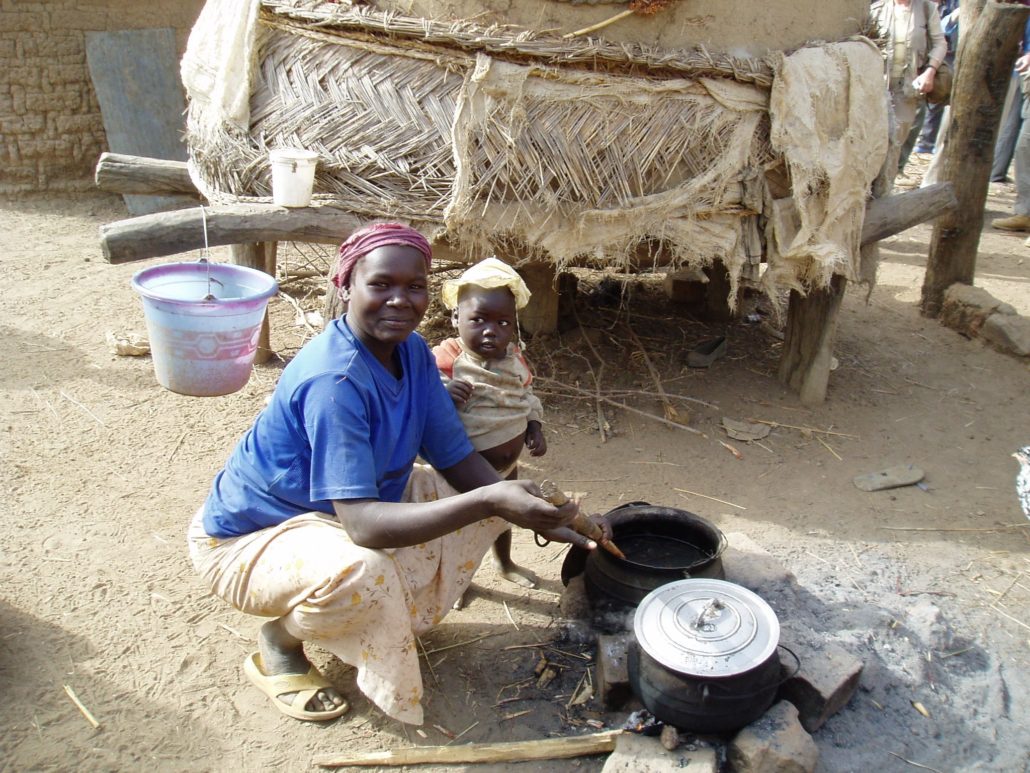
Citizens of Chad suffer from food insecurity and malnutrition. This is due to a number of reasons such as geographical location. Humanitarian crises and poverty have impacted approximately 6.3 million Chadians. However, three notable organizations are working to fight food insecurity in Chad including Action Against Hunger, CARE and the World Food Program U.S.A. (WFP). These groups are working to ensure a direct solution, by providing food to Chad’s citizens. Moreover, these programs are attempting to implement long-term solutions, such as creating more fiscal opportunities and supplying clean water.

Food Insecurity in Chad

The country’s geographical location does not provide a reliable agricultural system. Chad is a landlocked country without any bodies of water. The country’s location also entails a hot, dry climate and the country experiences periods of drought. This has led to a lack of water for drinking and producing food. Moreover, conflict with bordering countries has applied further pressure to Chad’s limited resources. This has led to political instability, social unrest and a great influx of refugees. The country has accepted around 465,000 refugees from Sudan and the Central African Republic. Lack of food supply has resulted in over 317,000 children suffering from acute malnutrition in 2019. An estimated 790,000 inhabitants in Chad live with food insecurity.

Action Against Hunger

In 2019, Action Against Hunger helped 579,092 Chadians combat food insecurity. The organization reached those in need with programs focusing on nutrition and health, sanitation and hygiene and food security and livelihood. Action Against Hunger has worked to create solutions for the long term. For example, it initiated health and nutrition courses in Kanem, Bar El Gazal and Logone Oriental. Moreover, to promote behavioral change, the organization implemented husbands’ schools and care groups.

Action Against Hunger has also provided emergency, short-term and long-term solutions directly related to food. This includes supplying food, teaching new agricultural techniques (solar-powered irrigation systems and farmers’ field schools) and providing job opportunities to young people and women.

CARE

Although CARE does not directly focus on food relief, it offers a number of programs to improve the well-being of Chadians into the future. This includes initiatives such as natural resource management, farming classes and education on water and sanitation.

World Food Program USA (WFP)

WFP has partnered with the United States Agency for International Development (USAID) Office of Food for Peace to provide nourishment to underserved Chadians. The organizations collect food from producers in the United States and local markets. They also distribute food vouchers, cash transfers and specialized nutrition products to struggling Chadians.

WFP has three other initiatives that it focuses on titled Emergency Operation, the School Meals Program and Protracted Relief and Recovery Operation.

  • Emergency Operation: This program focuses on those seeking refuge in southern Chad. WFP provides them with nourishment, food vouchers and e-cards, and gives nutrition support for mothers and children.
  • School Meals Program: This initiative seeks to increase school attendance, specifically amongst girls. The school meals program reaches approximately 265,000 elementary school children. All students in attendance receive a hot meal and girls can take a monthly ration of oil home to their families. This in turn encourages parents to send their daughters to school, and thus increases the rate of educated females.
  • Protracted Relief and Recovery Operation: This program can assist up to 2.2 million Chadians and refugees in need. Health centers and clinics provide supplementary feeding to local and conflicted populations.

Despite food insecurity in Chad, the country is benefitting from significant aid from prominent organizations. Through these organization’s continued support, Chad should be able to improve nutrition for its entire population in time.

– Ella Kaplun
Photo: Flickr

May 2, 2021
https://borgenproject.org/wp-content/uploads/borgen-project-logo.svg 0 0 Yuki https://borgenproject.org/wp-content/uploads/borgen-project-logo.svg Yuki2021-05-02 01:30:042021-04-27 11:48:40Top Organizations Fighting Food Insecurity in Chad
Food Insecurity, Food Security, Global Poverty

Addressing Food Insecurity in Palestinian Territories

Addressing Food Insecurity in Palestinian Territories
In 2018, the World Food Programme reported that 68.7% of urban Palestinian territories and 67.4% of refugee camps experienced food insecurities. As the poverty rate continues to increase, COVID-19 has further damaged the nation’s economy. Despite the Palestinian market’s dependence on agriculture, many factors have affected the region including foreign occupation, insufficient governance and distanced global intervention. Palestine’s history of unsustainable farming practices and social pressures to sell land still exist, making food insecurity in Palestinian territories an ongoing struggle.

A History of Hunger

Poverty has affected these regions since the early 15th century as governing entities have deterred progression in agricultural advancement. Until the 1920s, the British occupation of Palestinian territories did not emphasize its agricultural sectors, leaving many farmers with elementary techniques.

In the 1950s, the neighboring Israeli state emerged, vastly increasing economic competition. The Arab-Israeli War of 1948  resulted in widespread poverty, creating an overflow of Palestinian refugees in the Gaza Strip. The rule of the Jordanian annexation of the West Bank in the 1950s changed land and water policies and increased taxation on Palestinian lands. Shortly after, Israeli’s markets began to bleed into Palestinian territories, and the two nations’ economies began to blend. Many Palestinians became the cheap labor source under the Israeli market system.

Considering the lack of diplomatic unity and relocation of labor and resources, the state of Palestine has never had a chance to renovate agricultural practices to sustain a consistent food source. One major source of stagnation exists that perpetuates the cycle of economic recession and insufficient production in Palestinian territories: the neighboring Israeli nation. Palestinian resources often go to Israeli markets due to the merging of the two nations’ economies. With Palestinian refugees working within Israel’s economy, Palestinian land, water, livestock and agriculture sectors work to fuel the neighboring commercial systems, deducting from Palestinian progress or self-efficiency.

An Ongoing Challenge

In 2021, Palestinians are still facing severe food insecurity along the Gaza Strip, battling various levels of poverty that the pandemic exacerbated. State efforts have undergone fragmentation, as the governing body is thinly spread between responding to COVID-19, severe food insecurity and the Israeli threat of annexation of the West Bank.

To combat this turbulence and provide aid to Palestinian territories, the UNRWA and IRUSA have collaborated to donate $2.44 million to provide COVID-19 relief and support food security. These nonprofit organizations target refugees and children in need of food assistance and contribute to education, health, food, livelihood and women’s initiatives.

Though these U.S. organizations have supplied funding to alleviate some poverty and food insecurity in Palestinian territories, these projects are temporary assistance because the problem has not experienced complete elimination.

Systemic Solutions

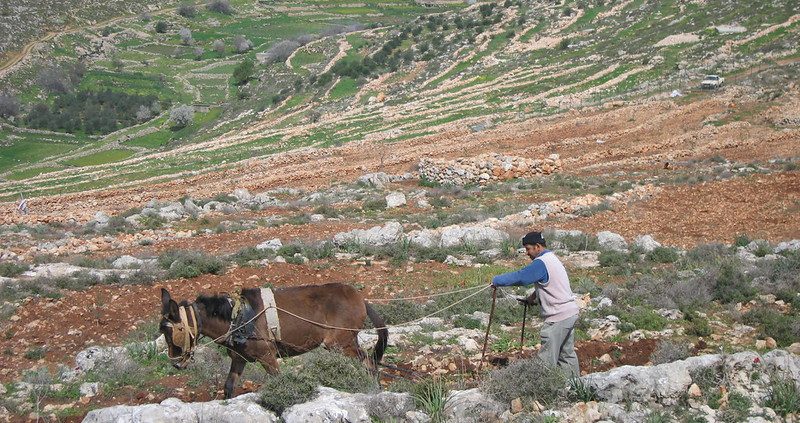
In efforts to mitigate the recession, Palestinian sectors are taking part in “agro-resistance” to reclaim independence and labor. Localization tactics are constantly circulating; the Palestinian people participate in nonviolent demonstrations and work to redefine methods of agriculture. Locals work together to catch rainwater from rooftops, preserve and catalog seeds and create gardens within households to support self-sustainability.

The most crucial advancement within this process is the education of farmers. Nonprofit organizations such as the Union of Agricultural Work Committees and Ma’an Permaculture Center work with the locals to reduce food insecurity in Palestinian territories and to rebuild the economy. The effort still continues as each sector receives education and renovation, even amid COVID-19 and existing poverty.

– Linda Chong
Photo: Flickr

April 30, 2021
https://borgenproject.org/wp-content/uploads/borgen-project-logo.svg 0 0 Kim Thelwell https://borgenproject.org/wp-content/uploads/borgen-project-logo.svg Kim Thelwell2021-04-30 07:30:142021-04-27 14:43:03Addressing Food Insecurity in Palestinian Territories
Food & Hunger, Food Insecurity, Global Poverty, Hunger

How Students are Fighting Food Insecurity in Mexico

Food Insecurity in Mexico
When the COVID-19 pandemic first struck in March 2020, a group of college students came together to start The Farmlink Project, a nonprofit organization that works to alleviate food insecurity among poor people. Now, nearly a year later, Farmlink is making its mission an international one with The Farmlink Project: Mexico, which will fight food insecurity in Mexico. At the same time that Farmlink was forming, Mexicans living in poverty were experiencing the same disproportionate effects that the pandemic has had on the world’s poor communities.

Food Insecurity in Mexico

The pandemic hit Mexico early. The country had the fourth-highest death toll in the world by June 2020. As a result, impoverished communities suffered the brunt of the consequences. A government agency estimated that about 10 million people in Mexico fell into extreme poverty due to the economic effects of the pandemic. Food insecurity in Mexico became an immediate problem in many communities. Moreover, the government did little to support its citizens. Mexico did not provide stimulus checks or similar measures. Essentially, citizens ended up fending for themselves.

The Farmlink Project has been incredibly successful in its mission to deliver unused food to communities in need. This organization’s strategy is simple, straightforward and effective. It finds inefficiencies in the food distribution system that leads to food waste. Thus, the nonprofit implements measures to prevent that waste. Additionally, it receives donations for supporters. The nonprofit facilitates the transfer of that food directly to impoverished communities through food banks.

Food insecurity in Mexico is a prominent problem. However, the nation produces enough food to feed its citizens. Yet, the infrastructure necessary to feed everyone does not yet exist. Thus, The Farmlink Project is leaving a big impact on citizens by addressing food waste. This is more important now as Mexicans continue to sink into extreme poverty.

The Farmlink Project

The Farmlink Project’s Data Analytics lead Jake Landry talked to The Borgen Project about how it is approaching the unique challenges and opportunities of fighting hunger in Mexico. He stated that the nonprofit’s transfer into Mexico has started positively. It has delivered 112,160 kilograms of produce to Mexico since the beginning of the mission. Additionally, it has prevented 113,464 kilograms of carbon emissions in Mexico. Furthermore, it has begun working with GrupoPaisano, a fair trade organization that supports Mexican farmers. Together the organizations are creating media collaborations and promotional videos to raise awareness of The Farmlink Project’s mission.

This organization has been successful in the United States and is now providing hope to Mexicans during the pandemic. The Farmlink Project’s goal is to lay the groundwork for new infrastructure in the food distribution network in Mexico. It hopes to eliminate the large amount of food waste that Mexico generates every year.

– Leo Ratté
Photo: Flickr

April 5, 2021
https://borgenproject.org/wp-content/uploads/borgen-project-logo.svg 0 0 Kim Thelwell https://borgenproject.org/wp-content/uploads/borgen-project-logo.svg Kim Thelwell2021-04-05 01:30:272024-06-06 00:59:31How Students are Fighting Food Insecurity in Mexico
Food Insecurity, Food Security

Canadian Food Banks: Providing Meals During COVID-19

Canadian Food BanksCanadian food banks have been providing meals for those in need across Canada for the past 40 years. The more than 11,000 food banks in Canada saw a spike in clients in 2020, with a report of more than 1.1 million people going to food banks in March alone. Additionally, in 2020, 20,000 people a week used food banks in Canada, up significantly from 15,000 a week in 2019. However, food banks and donators have doubled their efforts amid COVID-19 to address food insecurity in Canada.

Food Insecurity in Canada

The 2019 Food Insecurity Policy Research report states that in 2018 one in eight households was food insecure. Moreover, in 2018, 4.4 million people ranged between marginal food insecurity (with roughly 1.5 million people), moderate food insecurity (with roughly two million people) and severe food insecurity (with roughly 500,000 thousand people) in those tiers.

Within the provinces, Nunavut reported the worst level of food insecurity at 57%, and the Northwest territories at 27%. The rest of the provinces, such as Yukon, faired a bit better at 16.9%, with the Quebec province being the lowest at only 11.8%. Additionally, 84% of those who reported food insecurity live in either Ontario, Alberta, Quebec or British Columbia.

Compared to reports in 2015-2016, food insecurity in the province of Nunavut rose roughly by 6% between 2017-2018 from 51% to 57%. In the Northwest Territories food insecurity rose by 7% from 20% to 27%, Yukon remained the same, British Columbia remained the same at 12% and Quebec went down 1% from 12% to 11%.

Food Banks’ Donations

In 2020, donations rose by approximately 5% in food banks across Canada, and they received over 24 billion pounds of food. It went up more than a million dollars compared to 2019, with a total of $24 million in food donations. In 2019, food banks received a total of $64 million of donations of all varieties, which was an overall decline from $54 million in total donations in 2020.

These statistics indicate 2019 was a drastically more prosperous year. However, 2020 saw an outflow of $56 million back to the people through other donated goods, money to other food banks and money donated overall back to the community. In contrast, 2019 only saw a $9 million return to the community.

In 2020, food banks had a higher return of goods back to the public than monetary donations, with over a $2 million difference. The demand is so high it begs the question of what is being done to help support food banks and Canadians in need.

Alternative Solutions for the Hungry

Canadians who may need to use food banks fall into several categories: people lacking the skills necessary for labor jobs within the Canadian market, the loss of well-paying blue-collar jobs, pensions not covering the basics, and inadequate programs to help those in serious need. Various reports have shown the several ways in which the Canadian government can better help those who are at risk of going hungry.

One way to address hunger insecurity is to increase investments in federal housing. Creating housing such as social housing that is controlled by the government results in capped rental prices, allowing vulnerable populations to pay rent each month at an affordable level. Addressing the higher levels of food security in the northern regions is another important goal. The Canadian Government should focus on areas such as Nunavut that have the highest rates of food insecurity.

Canada Child Benefit

Another way to provide more effective support to low-income families with children is to replace the current range of federal child benefits with a strengthened Canada Child Benefit. The Canada Child Benefit provides financial support to eligible families that have children under the age of 18. While the benefit does support households to a degree, it has not been seen as nearly enough. Moreover, the more funding given to families in need, the less likely they are to be food insufficient.

Thanks to the work of the Canadian food banks, thousands of people can enjoy hot meals. However, a sustainable solution to food insecurity must also include other solutions and government programs to eradicate hunger in Canada.

– Claire Olmstead
Photo: Flickr

March 17, 2021
https://borgenproject.org/wp-content/uploads/borgen-project-logo.svg 0 0 Kim Thelwell https://borgenproject.org/wp-content/uploads/borgen-project-logo.svg Kim Thelwell2021-03-17 07:30:012024-05-30 22:23:18Canadian Food Banks: Providing Meals During COVID-19
COVID-19, Food Insecurity, Global Poverty

Tackling Food Waste During the Pandemic

Food Waste During Pandemic
The Philippines’ state of emergency during the COVID-19 pandemic has had an impact on farmers. While the new coronavirus guidelines halted city life, they were particularly damaging for individuals living in the lower-income rural parts of the island nation. Farmers primarily inhabited these regions of the Philippines and the new guidelines resulted in their isolation along with their farming businesses’ isolation from the major cities they feed. Luckily, a farmer rose to the challenge to tackle food waste during the pandemic.

COVID-19 Measures

When the first case of COVID-19 broke out in the Philippines in December 2019, the Filipino government had a severely delayed response over the course of four months which led to high and widespread transmission rates throughout major cities such as Quezon City and Manila. The spread quickly reached rural areas and had infiltrated much of the country before the Filipino government took action. Because the response was so late, it had to be immense. In turn, the Philippines declared a state of emergency and granted Filipino President Rodrigo Duterte emergency powers by mid-March; Duterte treated the pandemic as war and took warlike measures to fight the virus by using ex-military leaders to spearhead the pandemic efforts. Under this new state, Filipinos had to enter strict curfew and lockdown, and the country mandated the use of masks and shut down commercial roads, transportation and businesses.

Impacts of the COVID-19 Pandemic on Farmers

Just as the Philippines entered a state of emergency and lockdown took place, many of the Filipino farmers were harvesting the products of the dry season. Without the pandemic, these farmers would typically gather their crops and utilize commercial routes to bring them into the bigger cities. In these urban areas, the farmers would be able to sell their products to larger markets where the farmers could make a larger profit while simultaneously feeding the cities. However, the coronavirus lockdown in the Philippines shut down the major commercial traveling routes, effectively cutting farmers off from their major source of income. Moreover, lockdown prevented farmers from selling off their crops which resulted in a major food waste during the pandemic.

From March 2020 to May 2020, farmers amassed their Spring crops and eventually had to dispose of them due to a lack of consumers. Consequently, massive amounts of edible food underwent destruction while people in the urban areas did not have access to fresh produce. Moreover, Filipino farmers lost tremendous amounts of money by not being able to sell their fruits and vegetables.

Unfortunately, the government leaders did little to assist the movement of produce from rural areas to big cities and largely left Filipino farmers at a loss of money for months. This was particularly detrimental for the farmers because they were losing income while already living in a low-income area; in turn, the farmers’ access to additional job and income opportunities did not exist and made the farmers more vulnerable to falling into deep poverty. Moreover, these farmers became extremely susceptible to the coronavirus as they did not have access to medical resources or personal protective equipment or the money to obtain any medical resources. The pandemic created an extremely unique predicament for the farmers as they were left to fend for themselves against income loss and the spread of the virus.

However, a youth-led initiative fought food waste during the pandemic by providing an avenue of opportunity for these farmers to produce, harvest and sell their products in a manner where they would not experience exposure to the coronavirus while simultaneously maintaining their main source of income.

AGREA: The Road Ahead

Filipino farming organization AGREA saw the struggle that Filipino farmers were facing at the hands of the pandemic and decided to take action. Spearheaded by AGREA CEO Cherrie D. Atilano, AGREA sought to minimize food waste during the pandemic by creating alternative methods for farmers to transport and sell their produce.

Atilano and AGREA organized the #MoveFoodInitiative for many rural villages which sought to engage local communities in the efforts to fight food waste during the pandemic. The initiative mobilized youth food producer groups and local trucker groups which helped ship food from the local farmers to markets in the larger cities. Consumers of these products can easily access a list of fruits and vegetables with their respective prices on an order form, a method of contactless shopping that protects both the producers and the consumers.

AGREA’s #MoveFoodInitiative has become wildly successful as it has helped over 7,000 Filipino farmers reach and sell over 160,000 kilograms of fruit and vegetables to over 50,000 families across the Philippines. Additionally, AGREA has been able to utilize the surplus produce by donating the food to local kitchens that feed frontline medical workers who are fighting the coronavirus pandemic.

While the pandemic temporarily brought a stop to the businesses and livelihoods of many lower-income farmers and created massive food waste, AGREA’s quick work provided relief for farmers, food for consumers, and initiatives for youth groups to strengthen Filipino communities during these trying times. Due to her immense and important work in decreasing food waste during the pandemic, Cherrie d. Atilano has received the title of the Filipina U.N. Summit Food Systems Champion.

– Caroline Largoza
Photo: Flickr

March 5, 2021
https://borgenproject.org/wp-content/uploads/borgen-project-logo.svg 0 0 Lynsey Alexander https://borgenproject.org/wp-content/uploads/borgen-project-logo.svg Lynsey Alexander2021-03-05 12:12:122024-05-30 07:56:33Tackling Food Waste During the Pandemic
Food & Hunger, Food Insecurity, Global Poverty, Hunger

Battling Food Waste and Food Insecurity in Israel

Food Insecurity in IsraelIt is an indisputable fact that everyone needs food for survival. Even further, everyone needs enough nutritious food to truly thrive. That being true, the reality is that not everyone gets enough high-quality, nutritious food yet significant amounts of food are thrown away daily. This dilemma is present globally and Israel is no exception. Food waste and food insecurity in Israel is a growing problem, but one organization, Leket Israel, is working to address both.

Israel’s Food Dilemma

Food waste is an excess of food that usually gets thrown into landfills instead of being consumed. The amount of food wasted in Israel is striking, but possibly more striking is the economic impacts it has on individual and infrastructural levels.

The Environmental Protection Ministry in Israel cited that Israeli families throw away about $1,000 worth of food per year. This equates to $352 million in waste treatment and a month and a half of average household food expenses.

Food waste is present not only on the household level but also prominently in the restaurant and agricultural sectors. Remedying food waste would likely lift a considerable economic weight from the shoulders of many Israeli individuals and communities.

Remedying food insecurity in Israel would do the same. Food insecurity is widely considered as a lack of consistent access to balanced, nutritious food sources. Many in Israel suffer from food insecurity and the number continues to climb.

The Latet organization’s yearly Alternative Poverty Report revealed that the 20.1% of Israeli households in poverty grew to 29.3% in 2020 due to COVID-19.

So naturally, food insecurity has worsened because of the pandemic. The number of food-insecure households in Israel grew from 17.8% before the pandemic to 22.6% in December 2020. Further, the number of households in extreme food insecurity increased by 34,000 during the pandemic, per the National Insurance Institute of Israel.

There is a great need to address the dilemma of food waste and food insecurity in Israel.

Leket Israel

Leket Israel is an organization that recognizes the importance of addressing the increased need for more accessible food sources and reducing food waste. Joseph Gitler started an organization in 2003 that would become Leket Israel, a food bank and the largest food rescue chain in the country.

Specifically, Leket takes nutritional food excesses and distributes them to thousands of Israelis who need them. The food provided mostly consists of agricultural surpluses and gathered cooked meals that would become food waste, with special focus on the quality and nutritional value of the food distributed to beneficiaries across Israel.

Nutritional Education

Within food insecure populations that do not have access to reliable nutritious food, there can also be a lack of knowledge about balanced nutrition. For this reason, Leket Israel implements multiple nutrition workshops to make its impact and fight to promote food security more lasting. Nutritional workshops involve lessons on how to select and prepare diverse, healthy meals on a restricted budget. They are given in Hebrew, Amharic, Arabic and Russian to increase accessibility.

There is a greater demand for the work that Leket Israel is doing because of the COVID-19 pandemic and the increase in food insecurity across Israel. The organization’s affirmative response to this demand is undeniable. Take, for example, the experience of Natalie Digora. During the pandemic, Leket Israel is helping people like Natalie Digora in Ramat Gan, Israel, who turned to the organization after being sent home from her occupation as an opera singer in March 2020. They have continued serving her.

Turning Food Trash into Food Treasure

Digora’s story is one of thousands. To date, Leket Israel has served more than 2,300,000 cooked meals to more than 200,000 individuals. As it continues this, turning one person’s trash into another’s treasure, Leket gives hope to people struggling with food insecurity in Israel.

– Claire Kirchner
Photo: Flickr

February 17, 2021
https://borgenproject.org/wp-content/uploads/borgen-project-logo.svg 0 0 Yuki https://borgenproject.org/wp-content/uploads/borgen-project-logo.svg Yuki2021-02-17 05:20:302021-02-17 05:20:30Battling Food Waste and Food Insecurity in Israel
Page 21 of 31«‹1920212223›»

Get Smarter

  • Global Poverty 101
  • Global Poverty… The Good News
  • Global Poverty & U.S. Jobs
  • Global Poverty and National Security
  • Innovative Solutions to Poverty
  • Global Poverty & Aid FAQ’s
Search Search

Take Action

  • Call Congress
  • Email Congress
  • Donate
  • 30 Ways to Help
  • Volunteer Ops
  • Internships
  • Courses & Certificates
  • The Podcast
Borgen Project

“The Borgen Project is an incredible nonprofit organization that is addressing poverty and hunger and working towards ending them.”

-The Huffington Post

Inside The Borgen Project

  • Contact
  • About
  • Financials
  • President
  • Board of Directors
  • Board of Advisors

International Links

  • UK Email Parliament
  • UK Donate
  • Canada Email Parliament

Get Smarter

  • Global Poverty 101
  • Global Poverty… The Good News
  • Global Poverty & U.S. Jobs
  • Global Poverty and National Security
  • Innovative Solutions to Poverty
  • Global Poverty & Aid FAQ’s

Ways to Help

  • Call Congress
  • Email Congress
  • Donate
  • 30 Ways to Help
  • Volunteer Ops
  • Internships
  • Courses & Certificates
  • The Podcast
Scroll to top Scroll to top Scroll to top