• Link to X
  • Link to Facebook
  • Link to Instagram
  • Link to TikTok
  • Link to Youtube
  • About
    • About Us
      • President
      • Board of Directors
      • Board of Advisors
      • Financials
      • Our Methodology
      • Success Tracker
      • Contact
  • Act Now
    • 30 Ways to Help
      • Email Congress
      • Call Congress
      • Volunteer
      • Courses & Certificates
      • Be a Donor
    • Internships
      • In-Office Internships
      • Remote Internships
    • Legislation
      • Politics 101
  • The Blog
  • The Podcast
  • Magazine
  • Donate
  • Click to open the search input field Click to open the search input field Search
  • Menu Menu

Archive for category: Employment

Development, Employment, Global Poverty

SPOONS Cambodian Restaurant: Transforming Young Lives

Cambodian RestaurantCambodia has seen rapid economic improvement in the past decade, with around 16% of Cambodians living in poverty in 2023, less than half the percentage in 2016, around 37%. However, many in rural areas and provincial regions still experience destitute conditions. One Cambodian restaurant in Siem Reap, however, is giving young individuals a chance to escape these conditions, giving them a sustainable career path and a better life.

SPOONS, operating a cafe and restaurant out of Cambodia’s popular tourist city, Siem Reap, serves traditional and fusion Cambodian dishes alongside coffee and pastries. This would be impressive enough, but SPOONS is not only a Cambodian restaurant. Doubling as a locally-run charity training young people in culinary, hospitality and barista skills, SPOONS specifically recruits from disadvantaged communities across Cambodia.

The Program

Students are chosen from a pool of more than 350, spanning 10 different provinces. Last year, the 12-month program took on 75 students, 23 of whom had not even completed high school. Most come from rural towns and villages, with the SPOONS organization completing in-person interviews and home visits, to get to know the candidates and their conditions. After selection, they go from the remote jungles to Siem Reap’s budding restaurant scene in no time, transforming their lives.

Living in dorms only a few kilometers away from the restaurant, the students pick specializations and begin their hands-on experience, working with customers from across Cambodia and the world. Not only do they learn to cook, serve customers or bake, they practice vital English language skills alongside this. Last year, the program had no drop-outs – all 75 students graduated, according to the 2024 SPOONS report.

The Vision

This process furthers the SPOONS vision: to engage with the community and allow these young people a chance to escape their disadvantaged lives and make a living. Giving back to the Cambodian people remains the key focus, however. Originally U.S.-based Everything is Going to be Okay (EGBOK) organization shut down during the pandemic due to multiple difficulties, but current president Mao Sophany saw an opportunity to take the project back to Cambodia and start from scratch.

Beginning with just 10 students, the organization trained them up and began to involve the project with local community organizations. With this grassroots focus, by 2024, SPOONS gave back to Siem Reap by offering short courses in hospitality for hotels and Community-based ecotourism projects. The SPOONS organization is quickly expanding from a simple Cambodian restaurant to an influential community charity.

All 75 students found employment within just two weeks of graduation last year. Soon, SPOONS plans on continuing the main program whilst expanding community outreach alongside this, promoting local products and sustainability through its partnerships with other local and international nonprofits, according to the 2024 report.

The Focus

For many young Cambodians, education transforms their lives. Many, however, sacrifice this education for work or struggle to find proper infrastructure in rural communities. Struggling to provide for their families, young people drop out of high school and begin earning, rather than getting an education. SPOONS recognises this. After 12 months, graduates have a year’s experience in their chosen field and an education to support this career path.

The focus in the coming years is to prioritize these high school drop-outs who left education for work. Sophany affirms that, as a local charity it keeps focusing on “empowering Cambodia’s youth and creating a more inclusive society,” according to the 2024 report.

Even after these students start their careers, the SPOONS alumni network slowly builds. The program fosters a desire to give back, helping the next generation’s poor. 150 alumni pledge $2 a month, generating an additional $3,600 annually, which the charity puts towards supporting current students, according to the 2024 report. Graduates, through these donations, directly support the next generation of SPOONS alumni in their goals, creating a connection across generations. Through just one Cambodian restaurant, hundreds of lives are affected.

The Impact

Rachana, one of last year’s graduates, went from feeling hopeless and lost in her rural province of Banteay Meanchey to working at a five-star luxury hotel on Song Saa Private Island. She hopes “that the next generation will try their best to complete their study and create a better life for themselves,” SPOONS repots.

Many in Cambodia never complete high school or, like Rachana, feel this lack of opportunity to escape poverty after graduation. SPOONS is more than just a Cambodian Restaurant; it gives these young people security from uncertainty, and hope from their poverty.

– Lee Stonehouse

Lee is based in Newcastle upon Tyne, UK and focuses on Good News and Politics for The Borgen Project.

Photo: Flickr

July 9, 2025
https://borgenproject.org/wp-content/uploads/borgen-project-logo.svg 0 0 Naida Jahic https://borgenproject.org/wp-content/uploads/borgen-project-logo.svg Naida Jahic2025-07-09 01:30:552025-07-08 13:59:42SPOONS Cambodian Restaurant: Transforming Young Lives
Education, Employment, Global Poverty

Higher Education in Venezuela

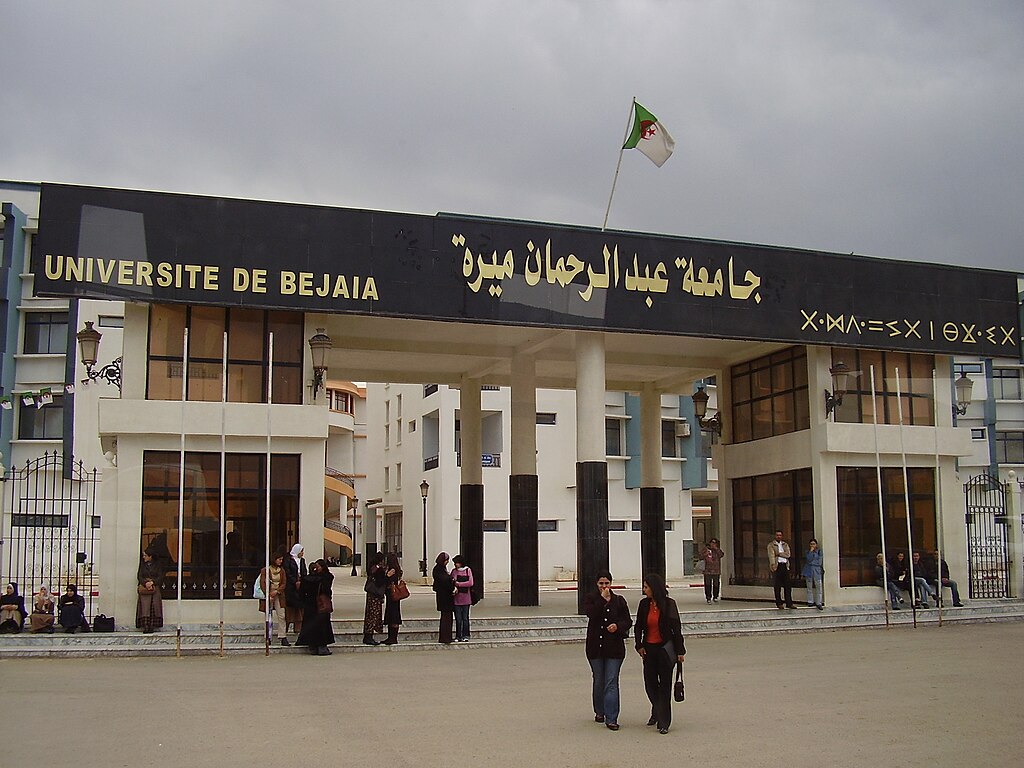
Higher Education in VenezuelaThe pursuit of a college degree in Venezuela has become a powerful testament to the resilience of its students. Amid a complex humanitarian crisis, these students bravely confront power outages, food shortages, unreliable transport and the breakdown of public institutions. Here is information about higher education in Venezuela and efforts to improve it.

Higher Education in Venezuela Under Pressure

Public universities operate with minimal budgets. Autonomous institutions struggle to maintain operations. Most professors earn $8 a month, making them the lowest-paid in Latin America.

These challenging conditions have led to a brain drain, delayed graduation timelines and a decline in academic quality. Yet, many universities continue to function, fueled by the unwavering commitment and resilience of students and professors.

Endurance

In interviews with The Borgen Project, students shared how endurance, not just academic effort, has helped them carry on.

Take Víctor Solórzano, for instance, who recently earned a degree in social communication from Universidad Católica Andrés Bello (UCAB). His college years were a mix of trauma, fun and enrichment. Balancing part-time jobs and scholarships, he navigated frequent blackouts and inflation. His motivation was the thought of his mother’s pride on his graduation day.

Meanwhile, Jeremy Mata, a computer science student at Universidad Nacional Experimental de Guayana (UNEG), is completing his thesis despite a shortage of faculty and materials. “Many professors left because their salaries couldn’t support them,” he said. He credited study groups with helping him stay focused. “For me, finishing this thesis proves I didn’t give up.”

Poverty, Inflation and Brain Drain

In Venezuela, university costs reflect the hardship students endure rather than traditional tuition rates. Hyperinflation has a severe impact on daily life and the education sector, with the government allocating only 2.6% of its budget to universities in 2024.

Electricity, water and internet access are far from reliable. According to the Venezuelan Universities Observatory (OBU), 95% of universities lack stable internet, and more than 80% experience frequent power and water outages. These issues interrupt classes regularly and limit access to digital learning tools.

On top of this, most professors earn under $10 per month, nowhere near enough to cover basic expenses. In 2024, a single household needed more than $530 a month to afford a basic food basket.

This situation is why more than 40% of professors have left their positions in the last three years. Those who stay often juggle multiple classes, skip meals or rely on outside jobs to make ends meet.

Professor Lilia (a pseudonym), who teaches at UNEG in the southern part of the country, said some of her students arrive at class without eating or miss lectures due to transportation issues. “Sometimes they don’t choose a career based on interest, but based on what’s available nearby or what they can afford,” she said. To keep classes going during outages, they often use WhatsApp voice notes or meet in person when possible.

According to the NGO Aula Abierta, between 40% and 70% of students have dropped out of their studies since 2023, mainly due to migration or a lack of financial means to continue.

Ramón Rivera Verde, a former university professor, witnessed this collapse up close. “My salary didn’t cover the basics. I resisted as long as I could,” he said. He now lives abroad but still follows the state of education in his country. “The resilience of the institutions that continue to serve students under impossible circumstances.”

Innovation as a Lifeline

Despite adversity, local organizations and universities have developed creative ways to support students. Fundación Andrés Bello, which is affiliated with the Universidad Católica Andrés Bello, offers scholarships, school supplies and community support to low-income students.

Meanwhile, the now-closed Alimenta la Solidaridad operated more than 300 community kitchens across Venezuela, providing daily meals to families and students. It ended activities in May 2025 due to a lack of government protection.

Cáritas de Venezuela is an organization that addresses malnutrition by distributing food and monitoring the health of children. Its work improves cognitive performance and helps students stay in school.

To respond to new challenges, UCAB launched shorter, job-oriented programs, such as associate degrees (TSU) in software design and occupational safety and insurance.

Students can also pursue technical certifications in areas such as cooking and pastry arts at CIAP-UCAB. These programs offer quick paths to employment. The UCAB Fashion Academy links design skills with income opportunities.

Looking Ahead

The higher education system in Venezuela faces significant challenges, but students and educators are addressing these issues through grassroots initiatives. Education becomes a form of resistance, providing hope for a brighter future.

– Su Ying Lee Yang

Su is based in Chicago, IL, USA and focuses on Good News for The Borgen Project.

Photo: Unsplash
July 6, 2025
https://borgenproject.org/wp-content/uploads/borgen-project-logo.svg 0 0 Jennifer Philipp https://borgenproject.org/wp-content/uploads/borgen-project-logo.svg Jennifer Philipp2025-07-06 07:30:442025-07-06 01:37:22Higher Education in Venezuela
Employment, Gender Equality, Global Poverty

Understanding the Gender Wage Gap in Bulgaria

Gender Wage Gap in BulgariaBulgaria has made notable progress in improving conditions for women, including higher employment and workforce participation rates. However, gender inequality remains a widespread issue. The 2023 Gender Equality Index indicates that Bulgaria still ranks below the EU average, despite an increase by 4.4 points since 2020.

The gender wage gap in Bulgaria serves as a key indicator of progress in economic and social gender equality. For every euro men make per hour, women earn 86 cents. By closing the gap, the risk of poverty amongst women and vulnerable groups can be significantly reduced.

The Gender Wage Gap in Bulgaria 

The gender wage gap reflects the difference between the average hourly earnings of men and women. According to the European Commission, the gender wage gap in Bulgaria currently ranks 2% below the EU average of 16.2%, placing the gap at 14%.

A study that the Zangador Research Institute conducted reveals that the health care, finance and insurance sectors have the largest pay disparities. Women were found to earn more than men in just two fields: construction and support and administrative services.

Understanding the Gap

There are many underlying reasons that explain the gender wage gap in Bulgaria. Understanding the factors behind pay disparities helps highlight the specific challenges women face in the workplace. 

  • A Divisive Labor Market: Men and women tend to cluster in different trades, creating pay disparities, sectoral segregation and career barriers. Fields like teaching and sales, which employ a larger share of women, typically offer lower wages. Comparable sectors that require similar levels of experience and education often pay more.
  • Men Typically Dominate Leadership Roles: Men more frequently receive promotions, leading to faster career advancement and higher earnings. However, more women have entered managerial roles in Bulgaria. In 2014, women led one inf four firms; by 2019, that figure rose to one in three. Despite this growth, a 2022 World Values Survey found that one-third of Bulgarians still believe men make better executives than women.
  • The “Dual Burden”: Women carry out more unpaid labor, including childcare, housework and caregiving. These responsibilities often reduce their working hours. In Bulgaria, nearly three-quarters of women perform household duties daily, compared to just one-tenth of men.

Poverty Amongst Women in Bulgaria

Financial improvements in Bulgaria across 2006 to 2014 doubled the standard monthly wage for men and women. However, data from the Gender Equality Index in 2019 indicates 24% of women and 20% of men are still at risk of poverty. Single women faced the highest risk at 52%, followed by disabled women at 39%.

Reducing the gender wage gap in Bulgaria lowers the risk of poverty amongst women and helps create greater equality in the workforce. To secure economic empowerment for women in Bulgaria, policymakers must address the gender wage gap by establishing equality in the labor market.

What the Future Holds

Since joining the EU, Bulgaria has seen improved living standards, though income disparities persist. The 2021-2030 National Strategy for Promoting Gender Equality outlines concrete legal and policy measures to support disadvantaged groups. The Bulgarian government approved this strategy in 2020 and continues to lead efforts to eliminate gender inequality and social exclusion.

The program aims to establish equality between men and women in the workplace, reduce the gender wage gap and promote women’s economic independence. In 2021, the government upgraded the employment policy framework to strengthen women’s economic empowerment and increase their participation in the workforce.

The Ministry of Labor and Social Policy aims to implement key objectives of the Employment Priority Strategy. Policymakers will encourage employers to create jobs for disadvantaged groups, thereby increasing the participation of women from vulnerable communities. These measures directly support the core aims of Bulgaria’s National Development Program, specifically Objective 1: Eradication of poverty and Objective 5: Achieving Gender Equality and Empowerment of All Women and Girls.

Additionally, the EU Pay Transparency Directive will require employers to monitor and report gender pay statistics. Starting in June 2027, companies with 150 or more employees must submit annual reports using the prior year’s data. Businesses with 150-249 employees will report every three years, while those with more than 250 will report annually.

Looking Ahead

Ongoing policy initiatives signal a promising path towards narrowing the gender wage gap and advancing economic equality for women in Bulgaria. By actively addressing pay disparities, policymakers can reduce the risk of poverty amongst women and create more equitable economic opportunities across Bulgarian society.

– Beatrice Punt

Beatrice is based in Manchester, UK and focuses on Business and New Markets for The Borgen Project.

Photo: Wikimedia Commons

July 4, 2025
https://borgenproject.org/wp-content/uploads/borgen-project-logo.svg 0 0 Jennifer Philipp https://borgenproject.org/wp-content/uploads/borgen-project-logo.svg Jennifer Philipp2025-07-04 07:30:132025-07-04 03:07:12Understanding the Gender Wage Gap in Bulgaria
Employment, Global Poverty

Being Poor in Panama: Challenges and Pathways To Progress

Being Poor in PanamaBeing poor in Panama reveals a troubling paradox. The country has enjoyed rapid economic growth and ranks among Central America’s wealthiest nations, buoyed by revenue from the Panama Canal and foreign investment. Yet, stark inequality persists, with poverty visible even in the capital’s skyscraper-dominated urban core.

Panama’s GDP grew by 7.4% in 2023, and its poverty rate declined from around 50% in the late 1980s to 13.6% in 2024. However, these gains remain unevenly distributed. An economic slowdown in 2024—driven by mining shutdowns and droughts affecting the Panama Canal—coincided with a one-point increase in poverty, underscoring the country’s ongoing challenge: entrenched inequalities that disproportionately affect rural communities, Indigenous populations and urban peripheries. The disparities are especially stark between urban areas (4.8% poverty rate) and Indigenous comarcas (76%), highlighting how geography and ethnicity continue to shape opportunity. 

Contributing Factors to Poverty in Panama

Three primary factors contribute to being poor in Panama:

  • Income Inequality: According to the World Bank, Panama has one of the highest levels of income inequality globally, ranking third in Latin America behind Colombia and Brazil. Contributing issues include:
    • Urban wealth concentration: which deepens the rural-urban divide.
    • Weak fiscal redistribution, limiting the reach of economic growth.
    • Demographic disparities that reduce income-generating opportunities for marginalized groups.
    • Climate vulnerability, which disproportionately affects poor households.
  • Limited Access to Basic Services: Nearly half of households in Indigenous comarcas lack electricity, potable water or sanitation. Educational outcomes in these regions also fall significantly below national averages. While infrastructure projects have laid some groundwork, targeted support remains essential to bridge persistent service gaps.
  • Education Gaps: Panama’s education system struggles to promote economic mobility. Data from the World Bank shows only 16% of middle school students meet minimum standards in mathematics, and just 20% of youth complete higher education—often with degrees that fail to match labor market demands. Indigenous students face even greater systemic barriers, further limiting long-term income potential and reinforcing intergenerational poverty.

How Poverty Shapes Everyday Life in Panama

Being poor in Panama affects every aspect of daily life. Here are some ways poverty affects people in Panama:

  • Health: According to the nonprofit Food for the Poor, 15% of children below the age of 5 experience stunting due to chronic malnutrition—a condition that impairs cognitive development and long-term earnings potential. These early setbacks create lasting disadvantages across generations.
  • Employment: Panama’s 8.2% unemployment rate masks deeper labor inequities. Most impoverished workers are in the informal sector, earning less than half of formal wages and lacking job protections. Workers without degrees earn up to 74% less than those with tertiary education, and Indigenous workers face an additional 36% wage gap. Despite 2.2% annual labor income growth since 2001, job quality has declined sharply, especially since the COVID-19 pandemic.
  • Climate Risk: Changing weather patterns compound economic challenges. The World Bank reports that nearly 19% of poor households experience weather-related shocks—such as floods and droughts—compared with 8% of middle-class families. Events like the recent Panama Canal water shortages have disrupted livelihoods and food security, particularly in Indigenous and rural communities.

Initiatives Driving Progress Against Poverty

While Panama’s challenges remain substantial, coordinated efforts across sectors demonstrate measurable progress in poverty reduction.

  • Red de Oportunidades: Launched in 2006 by Panama’s Ministry of Social Development, Red de Oportunidades provides monthly transfers of PAB 50 (about $50 USD) to low-income households—especially women, children and Indigenous communities—in exchange for school attendance, health checkups and skills training. Payments are delivered through fixed and mobile methods, including post offices and biometric kiosks. By 2008, it had reached 95% of targeted areas and continues to operate under a national beneficiary registry with regular eligibility reviews to ensure transparency.
  • Plan Colmena: Ratified in 2022, Plan Colmena is Panama’s main intersectoral strategy to reduce poverty. It targets vulnerable districts through localized projects in health, education, infrastructure and employment. Key initiatives include expanding health coverage, building training centers to support income generation and improving access to clean water and electricity through rural electrification. Local governors lead implementation with citizen participation. The plan aims to lift more than 777,000 people out of poverty while advancing SDGs such as nutrition, education and environmental protection.
  • Disaster Resilience: Panama joined the Caribbean Catastrophe Risk Insurance Facility (CCRIF SPC) in 2019, holding policies for excess rainfall and earthquakes as part of its national disaster risk strategy. In November 2024, CCRIF issued a $26.7 million payout—Panama’s largest—after floods and landslides affected 1,500 people and claimed 11 lives. In 2020, the country also received $2.7 million following Hurricane Eta. These funds enabled rapid emergency response, road and bridge repairs, and support for farmers. CCRIF’s parametric model helps Panama protect its economy and vulnerable communities by providing fast, flexible relief during disasters.
  • Civil Society & International Partnerships: TECHO Panamá has built more than 1,000 transitional homes, benefiting more than 4,000 people through dignified housing and access to water and sanitation. Meanwhile, the World Bank supports systemic reforms through policy loans targeting job training, climate adaptation and better links between education and employment.

A Path Forward

Being poor in Panama results from overlapping geographic, economic and institutional inequalities, but progress is possible. With sustained investment in education, inclusive job creation and climate-resilient infrastructure, Panama can convert growth into shared prosperity. By scaling proven programs and strengthening cross-sector collaboration, no community must be left behind.

– Jacobo L. Esteban

Jacobo is based in Cali, Colombia and focuses on Technology and Politics for The Borgen Project.

Photo: Pixabay

June 21, 2025
https://borgenproject.org/wp-content/uploads/borgen-project-logo.svg 0 0 Jennifer Philipp https://borgenproject.org/wp-content/uploads/borgen-project-logo.svg Jennifer Philipp2025-06-21 01:30:522025-06-20 09:50:29Being Poor in Panama: Challenges and Pathways To Progress
Employment, Global Poverty

How Employment in Bangladesh Is Empowering the Poor

Employment in BangladeshAn older woman, Sheela, lived in poverty in Dhaka, Bangladesh, when the nonprofit Payra offered her a chance to start a business selling saris (clothes). “She was really scared. But we got her a place so she was safe, we got her the products and after two months, we got her a new supply of products. After that, she was able to roll her money and get the products to run the business herself,” says Risalat Karim, who, as a student, helped found Payra.

Unemployment and Poverty in Bangladesh

Employment opportunities remain scarce in Bangladesh, even for university graduates preparing to enter the workforce. According to the World Bank, Bangladesh’s unemployment rate stood at approximately 4.7% in 2024. Each year, more than two million young people join the workforce. However, formal job creation lags, pushing many into low-paying, informal sectors. This persistent shortage underscores the critical role of job creation in tackling the country’s widespread poverty.

In 2016, nearly 90% of Bangladesh’s population survived on just $6.85 per day or less. This figure reflects the country’s deep-rooted income inequality and underscores the urgent need for sustainable economic development.

Barriers to Employment in Bangladesh

Many people living in poverty in Bangladesh are willing to work but face a severe shortage of employment opportunities or are systematically excluded from the labor force. With few options available, some beg on the streets to survive. “They’re hurt, they’re homeless. Some are blind, some are missing limbs,” said Karim. “We spoke with one man who didn’t have legs. He was interested [in working], but he was afraid he wouldn’t be able to do certain things.”

Beyond the natural challenges of finding work, some individuals in Bangladesh are trapped in street begging by dangerous criminal syndicates. These groups often prey on those already vulnerable, such as the homeless and unemployed, coercing them into continued begging through threats and, in some cases, physical violence. Disturbingly, there have been reports of syndicates mutilating individuals, including the deliberate removal of limbs, to increase sympathy from passersby.

According to Karim, this made security a major concern when approaching beggars and those who considered leaving the streets feared for their safety.

Employment as a Tool of Empowerment

Despite significant barriers to employment, conditions in Bangladesh have gradually improved alongside the country’s development. Data indicates a positive correlation between rising employment rates and GDP growth, with poverty levels steadily declining in recent years. As more people gain access to stable work, many have been able to break free from the cycle of poverty—and, in some cases, escape the control of exploitative street syndicates.

While Payra lacked the resources to drive large-scale societal change, the organization demonstrated that meaningful impact at the individual level is still possible. With just 20,000 BDT—roughly $164 per person—it helped several individuals escape poverty by supporting them in launching small businesses, including tea stalls, clothing shops and food vendors.

Women in the Workforce

There is a clear correlation between increased female workforce participation and the declining poverty rate in Bangladesh. “Before, there was a very low percentage of women working. Now, there are more working in industries like garments and food and that’s a leading reason why poverty data has decreased. Women being able to enter the market has helped families,” says Karim.

This trend aligns with broader economic logic: as more of the population gains access to employment, living conditions improve over time. Historically excluded from the workforce, women have played a critical role in this shift. Between 1974, shortly after Bangladesh’s founding and 2019, female labor force participation rose from just 4% to more than 36% and the upward trend continues. At the same time, the national poverty rate has steadily declined, highlighting the transformative impact of inclusive employment.

– Jesse Correll

Jesse is based in Boston, MA, USA and focuses on Business and New Markets for The Borgen Project.

Photo: Flickr

June 16, 2025
https://borgenproject.org/wp-content/uploads/borgen-project-logo.svg 0 0 Hemant Gupta https://borgenproject.org/wp-content/uploads/borgen-project-logo.svg Hemant Gupta2025-06-16 01:30:082025-06-16 00:46:53How Employment in Bangladesh Is Empowering the Poor
Agriculture, Employment, Global Poverty

Banana Fiber in Uganda: A Sustainable Solution

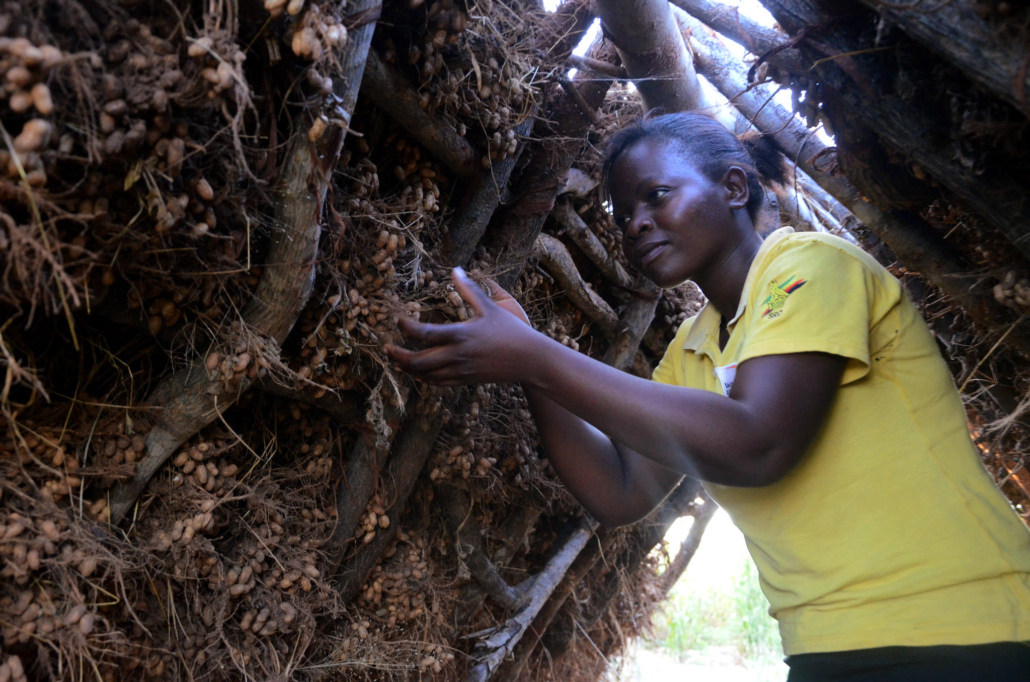
Banana FiberThe East African Highland banana, a staple food crop, is cultivated by roughly 75% of Ugandan farmers, making it a cornerstone of both agriculture and daily life. ​​Uganda is also the top banana consumer per capita globally and Africa’s largest producer of the crop. However, this agricultural abundance has a downside: every banana harvest leaves behind heaps of pseudostems, an organic waste that typically rots in the field.

Now, innovators are reimagining that waste as the basis of a growing industry that produces biodegradable textiles, boosts rural employment and positions Uganda to meet global demand for sustainable materials.

What Is Banana Fiber and Why Now?

Banana fiber is a strong, biodegradable material extracted from the pseudostem of the banana plant. Previously discarded after harvest, these stems are now being repurposed into textiles, rope, hair extensions and even vegan leather. Compared to cotton, banana fiber requires less water and fewer chemicals and decomposes naturally. This makes it a timely alternative in the global push for sustainable materials.

This transformation was initially spearheaded by the Banana Textiles in East Africa (Banatex-EA) project at Busitema University, with support from partners like TEXFAD, a local startup. The project’s goal is to commercialize banana fibers as an alternative to cotton. According to project lead Edwin Kamalha, banana fibers share several desirable properties with cotton but with a lighter environmental footprint.

Yet regulatory and technological barriers remain. Uganda has yet to pass a biotechnology bill that would allow for genetic improvements to banana varieties better suited for fiber production. Production costs are high and large-scale mechanization is still limited, which has so far restricted the market’s ability to scale.

An Industry Takes Root: Rural Jobs and Local Impact

Banana cultivation has expanded steadily in Uganda, especially in the southwest, boosting regional incomes. Despite these gains, several smallholder farmers live below the poverty line. In response to this economic disparity, attention is now turning to banana fiber in Uganda. Its value chain is labor-intensive by nature, involving cultivation, stem harvesting, fiber extraction, spinning, weaving and final product design. This structure creates a spectrum of skilled and semi-skilled jobs, particularly in rural areas where unemployment can reach nearly 10%.

TEXFAD is currently employing both full-time and part-time workers across the fiber-to-product pipeline. The Small and Medium-sized Enterprise (SME) sources stem from local farmers, train artisans in fiber processing and produce items like rugs, table runners and biodegradable hair extensions. More than 50% of TEXFAD’s hires are women, many of whom previously worked informally or were unemployed.

Similarly, the Banatex-EA initiative has created at least 30 full-time jobs, with more anticipated as the project scales. Three recent graduates from Busitema University have been recruited into technical roles, helping bridge academia and industry.

A Sustainable Market on the Rise

Globally, the demand for sustainable and circular materials is surging. From fashion brands seeking biodegradable textiles to eco-packaging solutions and plant-based alternatives to leather, banana fiber aligns well with these market trends. With its abundant raw materials and growing technical know-how, Uganda is well-positioned to be a leader in this space.

Still, structural challenges such as regulatory gaps and a lack of industrial-scale fiber processors must be addressed to reach export viability. As innovation continues and pilot programs like Banatex-EA demonstrate success, Uganda could unlock new export revenues while reducing rural poverty.

– Sriya Regulapati

Sriya is based in Vancouver, Canada and focuses on Business and Good News for The Borgen Project.

Photo: Pexels

June 14, 2025
https://borgenproject.org/wp-content/uploads/borgen-project-logo.svg 0 0 Hemant Gupta https://borgenproject.org/wp-content/uploads/borgen-project-logo.svg Hemant Gupta2025-06-14 01:30:012025-06-14 01:45:50Banana Fiber in Uganda: A Sustainable Solution
Education, Employment, Global Poverty

3 Facts About Higher Education in Tunisia

Higher Education in TunisiaTunisia is a small North African country with a population of approximately 12 million people. The nation achieved independence from France in 1965 and has suffered a revolution since. It is a developing nation and, therefore, subject to certain idiosyncratic issues, one of which is the cultivation of higher education in Tunisia. Compared to other polities in a similar predicament and geographic region, Tunisia has a robust system and continues to develop research and pedagogical institutions through a myriad of methods.

Public higher education is free in Tunisia, and this opportunity allows for the population to develop the necessary skills for economic growth. In 2023, 261,000 students were enrolled in public institutions, and 45,000 were matriculated in private ones. Specialized programs are offered for certain degrees, and the remainder of academic disciplines abide by the typical bachelor-masters-doctorate system. Further, these degrees are recognized nationally and are held with respect in other nations elsewhere. Historically, the education system was reminiscent of the colonial French one; however, in recent years, they have begun the process of Arabization to separate themselves from western dependence and establish themselves as fiscally independent with a unique cultural identity.

The Tunisian poverty rate is 17.1% and the unemployment rate, as of this most recent fiscal quarter, is 16.2%. Recent graduates constitute a significant portion of the unemployment rate, which is often thought to be the result of skill mismatches between universities and companies. Individuals who resign to enlist in informal sectors of employment are frequently subject to suboptimal wages and limited mobility. The issue for Tunisian higher education is not one of aggregate matriculation, but one of skill optimization that is rectifying errors in the current apparatus by aligning the demand of the market with the production of the education system, or introducing foreign competitors into the domestic market. 

3 Facts About Higher Education in Tunisia

  1. Huawei’s Partnership With the Al-Khawarizmi Institute of Computer Science: Through a collaboration with the Chinese employee-owned technology company Huawei and the Tunisian Al-Khawarizmi Institute of Computer Science, 14 universities received the ability for AI and data computation. This partnership is prudential in the manner that it will allow for thousands of students to utilize advanced technology for research purposes. Under the auspices of the 2025 Digital Economy Development Plan, this partnership, amongst others, will seek to modernize the nation by establishing a digital platform to benefit both educators and students. With technological innovation, Tunisia can compete with Western markets and participate in the international service economy.
  2. Collaboration With Other Universities: Recently, Tunisian universities have been partnering with nations across the globe to facilitate cross-cultural communication and exchange of ideas. In the United States, for example, the University of Wyoming signed Memoranda of Understanding with four Tunisian universities. These universities can work together in favor of common interests, most exigently, since they both focus on agrarian studies, water management and animal husbandry. Further, the Italian University of Bologna and the Tunisian University of Carthage devised three strategic partnerships with the intent of generating new opportunities in the field of sustainable energy and innovation. Fostering scientific collaboration is a necessary condition for the development of cutting-edge technology and, therefore, the production of new capital. Yielding classes of well-traveled students may create new opportunities for domestic businesses by establishing prosperous relationships.
  3. The Tertiary Education for Employability Project: To ease the difficulty for graduates finding a job, the Tunisian government has endeavored to implement the Tertiary Education for Employability Project. It is an all-encompassing education reform that prepares students for employment by prioritizing attributes beneficial to the labor market. Matching market demands through cooperation with prominent industries and intensive internships offered throughout four-year programs, students find themselves with ample experience by the end of their tenure. More than 22,000 students have received help throughout the program’s history by participating in internships and receiving certificates. The World Bank funded the program and it served the interests of the nation for 8 years. The program was able to successfully expedite the process of job searching and cultivate a generation of students capable of aiding industries immediately.

Concluding Thoughts

The culmination of these programs helps create a promising future for higher education in Tunisia. Education is integral for the success of a country, and higher education allows for specialized acumen in potentially lucrative fields. Programs, such as the aforementioned ones, allow for developing nations to actualize their potency by creating a strong domestic market, which will, in turn, attract foreign investors. The process of creating a strong education system inevitably invites innovation and capital, allowing for the production of a service economy, one predicated on independent structures of wealth accumulation. Poverty is highest in rural areas, and a galvanization of the Tunisian higher education system will allow for a greater base of students to enroll, creating opportunity for those who were previously unable to infiltrate the developed sectors.

The rate of poverty is in tandem with the unemployment rate, and the rectification of the university system solves both issues by diminishing the unemployment rate, which therein reinstitutes the flow of capital. In the past, the nation has suffered from a mismatch between the skills that graduates acquired and the expertise necessary for the prosperity of the market, but slowly, these issues are being rectified. Tunisia is continuing to develop and finds itself with a bright, luminescent future.

– Jackson Hufman

Jackson is based in Glenwood, MD, USA and focuses on Business and Good News for The Borgen Project.

Photo: Wikipedia Commons

June 11, 2025
https://borgenproject.org/wp-content/uploads/borgen-project-logo.svg 0 0 Jennifer Philipp https://borgenproject.org/wp-content/uploads/borgen-project-logo.svg Jennifer Philipp2025-06-11 07:30:442025-06-11 00:54:543 Facts About Higher Education in Tunisia
Economy, Employment, Global Poverty

The Hidden Struggles of Japan’s Working Poor

Japan's Working PoorHidden beneath cutting-edge industries, technological advancements and economic resilience, Japan’s working poor is rising. Due to a lack of visibility and cultural stigma, many workers in Japan are left struggling without any safety net or means of improving their circumstances.

The Reality of the Working Poor

The term “working poor” originated in the United States (U.S.) and refers to individuals who remain below the poverty line despite being employed. More than 30% of employed individuals in Japan fall into this category. Those most affected include younger workers earning lower wages, graduates unable to secure stable employment and middle-to-older generations with limited access to skills development.

A significant factor contributing to the growing population of Japan’s working poor is the decline of Shūshin koyō or lifetime employment. This traditionally guarantees job stability from graduation to retirement. In contrast, there has been an increasing shift toward temporary and contract-based employment, leaving workers vulnerable to financial instability. Budget cuts, particularly within Japan’s civil service, have also led to an increase in irregular jobs that offer lower wages and uncertain futures.

Japan’s economic stagnation has exacerbated financial insecurity, reducing the government’s role in providing social welfare and emphasizing individual responsibility more. As irregular work contracts become more common, private pensions and health care benefits decline, leaving workers unprotected. Critics say “years of deregulation of the labor market and competition with low-wage China have brought a proliferation of such low-paying jobs in Japan. These jobs are “largely uncovered by an outdated social safety net, created decades ago as a last resort in an era when most men could expect lifetime jobs,” compounding the circumstances of Japan’s working poor.

Cultural Barriers

With 80% of those living in poverty included in Japan’s working poor, the country’s deeply ingrained societal norms further complicate matters. The stigma surrounding financial struggle discourages individuals from seeking government aid, even when entitled to assistance. Many people avoid discussing poverty due to concerns about social judgment or personal shame.

The concept of “invisible homelessness” is on the rise. Financially unstable workers, though employed, often resort to living in internet cafés rather than renting permanent housing. The bureaucratic complexity of accessing public assistance discourages individuals from getting the needed help.

Efforts to Combat the Issue

Government intervention has played a role in alleviating poverty through tax reforms and welfare policies. However, historically, Japan has emphasized family and community-based support rather than direct state intervention. Many relief laws, such as the 1874 Relief Regulations and the 1929 Relief and Protection Law, limited aid to only the most vulnerable individuals while excluding the working poor.

However, Japan’s welfare programs have expanded since the Daily Life Security Law (1946, revised 1950). Policymakers have now reviewed plans to increase Japan’s spousal tax deduction threshold to help relieve household financial pressures further. Additionally, in October 2021, Japan’s minimum wage increased from approximately $6.3 to $6.4. For context, Japan’s average loaf of bread costs roughly $1.58. Many argue, therefore, that this minimum wage must be increased further or that a universal “basic income” should be introduced. This would mean that the Japanese government would provide every individual with a standard fund needed to live.

However, this is contentious as there is, as yet, no other country in the world with such a system. There are concerns over where the funds could come from and objections because it could reduce the country’s work ethic. Nongovernmental organizations (NGOs) also play a vital role in supporting struggling workers. Groups such as the Moyai Support Center in Tokyo and HomeDoor in Osaka provide housing assistance, job training and community advocacy efforts. However, as these organizations are only local to certain cities and with the perpetuation of stigma, there are still members of Japan’s working poor who need help.

Key Takeaways

Japan’s working poor continue to face economic uncertainty exacerbated by stagnating wages, irregular employment contracts and deeply ingrained cultural stigma. While governmental policies and NGO efforts aim to combat the issue, lasting change requires systemic reform and societal shifts.

Expanding employment assistance can help workers transition to stable jobs with better pay and benefits and strengthening vocational training will also improve their chances of securing steady work. Critics maintain that increased state involvement is paramount for protecting wages and benefits, regardless of employment type.

Greater awareness and open conversations about financial struggles are critical for breaking the stigmas that reinforce the cycles of poverty. By fostering a culture of support and advocacy, Japan could create a future where no worker is left to struggle in financial hardship.

– Amber Lennox

Amber is based in Suffolk, UK and focuses on Business and Politics for The Borgen Project.

Photo: Pexels

May 25, 2025
https://borgenproject.org/wp-content/uploads/borgen-project-logo.svg 0 0 Hemant Gupta https://borgenproject.org/wp-content/uploads/borgen-project-logo.svg Hemant Gupta2025-05-25 01:30:262025-05-24 23:05:48The Hidden Struggles of Japan’s Working Poor
Employment, Global Poverty, Government

Solidarity Income: Building Futures With Cash Transfers

Solidarity IncomeMillions of Colombian citizens live in abject poverty. As of 2022, the overall poverty rate was approximately 37%. However, the country has significantly improved in decreasing poverty over the past few decades, mainly due to its cash transfer programs, which provide regular cash assistance to low-income families.

Programs such as Families in Action, Youth in Action and Solidarity Income have proven imperative in promoting youth education and improving the health and well-being of citizens. They also provide emergency financial assistance. The nation has implemented these initiatives to support vulnerable communities in achieving long-term economic stability and building futures in Colombia.

Families in Action

In 2000, Colombia started its main conditional cash transfer program, Families in Action. The program aims to assist low-income families with consistent financial support if they meet specific conditions. These include ensuring their children attend school regularly and get routine health checkups for children aged less than 5.

Since its inception, Families in Action has helped around 2.7 million Colombian families and about 10 million people. The program has increased the use of preventive health care services. More families are taking their children to growth and development check-ups and ensuring increased diversity in rural children’s diet. The program aims to break the intergenerational cycle of poverty and help future generations lead successful lives by building futures in Colombia.

The program is supported by numerous international agencies such as the World Bank and the Inter-American Development Bank (IDB). These influential partners ensure that the program is running smoothly and has enough funding, which is crucial to continued success.

Youth in Action

Another initiative launched by the Colombian government in 2001 is Youth in Action. Aimed at easing the challenges many low-income youth face during their transition to adulthood, the program supports individuals aged 14 to 28 in college or attending vocational training programs. It provides regular cash payments to eligible students, which help pay for important expenses such as transportation, school supplies and housing. The main goal is to reduce youth unemployment and help students stay in school.

The initiative has been able to help approximately 300,000 young people through job training in semi-skilled trades, particularly in major cities where many struggle with unemployment. The program also connects these students with essential career services and job placement programs, guaranteeing their education leads to future opportunities.

The program has helped increase earnings and employment. For example, earnings for women increased by almost $18 per month (at the time of the evaluation). Additionally, 20% of program beneficiaries work in government-recognized firms, compared with 17.4% of other women. Overall, Youth in Action is an investment in Colombia’s future workforce and a strategic tool for building futures in Colombia through a fairer society.

Solidarity Income

Social inequalities among informal workers and families excluded from traditional social safety nets were exacerbated by the COVID-19 pandemic. In response, the government launched Solidarity Income in 2020 to provide unconditional cash transfers to support families not protected by other assistance initiatives.

Unlike Families in Action, Solidarity Income has no conditions. Instead, it is specifically designed to quickly help struggling people who lost jobs and could not afford food during the pandemic. The program used data from government databases and financial institutions to pinpoint exact households, allowing them to send money, even to those in remote areas.

In only a few years, the initiative reached more than three million families, with most in extreme poverty. An example is Heidy Barrera, who said, “this money will allow me to buy food for my household.” Solidarity Income was crucial during the height of the pandemic, when many other forms of financial support were unavailable.

Conclusion

Colombia’s Families in Action, Youth in Action and Solidarity Income programs show the impact of how organized cash transfer programs can positively influence millions of lives. These initiatives provide short-term relief and long-term development by helping people grow through education and health, which are essential in preventing regression and help build futures in Colombia. Strengthening and expanding these programs will be of utmost importance to create a more equitable society for the future generation of Colombians.

– Rafe Photopoulos

Rafe is based in Gainesville, FL, USA and focuses on Good News for The Borgen Project.

Photo: Flickr

May 21, 2025
https://borgenproject.org/wp-content/uploads/borgen-project-logo.svg 0 0 Hemant Gupta https://borgenproject.org/wp-content/uploads/borgen-project-logo.svg Hemant Gupta2025-05-21 01:30:432025-05-21 01:08:23Solidarity Income: Building Futures With Cash Transfers
Economy, Employment, Global Poverty

India’s Economic Transformation Builds New Future

India's Economic TransformationSeveral decades ago, India faced widespread poverty that created significant challenges for what would become the world’s most populous country. Unlike the Soviet Union or China, India chose a different development path in the mid-20th century.

Although all three began as agrarian societies, China and the Soviet Union chose to undertake rapid industrialization. Contrasting forced industrialization which would alienate the farming population, Indian Prime Minister Jawaharlal Nehru had other priorities. Nehru oversaw the construction of new political institutions and build democratic support among the population, before embarking on large-scale economic transformation. This resulted in India’s largely state driven and gradual approach to development and modernization.

The consequences of this path were evident by 1974, a decade after Nehru’s leadership ended, as poverty remained pervasive throughout the country. At that time, the government measured poverty through calorie consumption. 

Using this metric, roughly 300 million Indians experienced abysmal poverty. This was compounded by the economy’s dependence on agriculture, low productivity, high inflation and the economic shock of the 1973 oil crisis. However, in the years since, a new India has taken shape and stepped onto the world stage. Here is information about India’s economic transformation.

India’s Economy

Despite the Indian economy ballooning into the ranks of China and Germany, agriculture still employs the largest amount of people. In 2024, nearly half of India’s population make their livelihood in agriculture. 

Nevertheless, new sectors are quickly gaining steam. Recent gains in construction and manufacturing, particularly pharmaceutical production, have transformed the economy. Government estimates have concluded that roughly 60% of global vaccine production comes from India.

Technology sector growth, supported by both government and private initiatives, has accelerated urbanization rates nationwide. Bengaluru in southern India, often called “India’s Silicon Valley,” has become a focal point for domestic and international tech companies. This rapid development has made Bengaluru one of the fastest growing cities in the nation foreign IT conglomerates relocating there leading to an ongoing housing shortage.

Construction, now India’s second-largest industry by employee count, has expanded alongside urbanization and export growth. While construction contributes a small percentage to India’s total GDP, infrastructure projects have helped alleviate extreme poverty in many regions with particular success in rural areas. Here is more information about India’s economic transformation.

How India’s Economy Has Mitigated Poverty

Long before India adopted the MPI model in 2021, rural communities experienced poverty at disproportionate rates in terms of both frequency and intensity. Recognizing this stark disparity, in 2006, India enacted the Mahatma Ghandi National Rural Employment Guarantee Act (MGNREGA) in which the federal government allocated money for infrastructure projects. Low-skilled farm workers received 100 days of guaranteed wages to do manual work. Infrastructure projects built using government money varied, ranging from roads to irrigation systems. Women saw historic gains as millions attained independent employment from these projects. Its success would see later initiatives targeting homelessness and lack of health care.

In conjunction with overhauling domestic policy, the Indian government also ushered in sweeping economic changes as well. Although traditional economic theory suggested developing nations must rapidly transition agricultural workers to manufacturing, India has charted a different course. Industrializing while maintaining a large agricultural sector has been India’s state of affairs since Nehru.

These developments have not come without challenges. Construction projects and urbanization have sometimes displaced rural communities, and wages often fail to cover living expenses adequately. However, when viewed long-term, these initiatives contribute to reducing extreme poverty as India develops its economic capacity. According to the World Bank, “India remains the world’s fastest growing major economy, growing at a rapid clip of 8.2 percent in FY23/24.”

The Future of Indian Poverty

At the start of the century, India’s Planning Commission, which oversaw national development estimated national poverty rates using the Tendulkar methodology. This system calculated poverty based on consumption rates rather than income. In the year 2000, the national poverty rate hovered around 40% with the majority being living in rural areas. Fast forward to 2023 and reports using the MPI that the country experienced a reduction in overall poverty from 24.95% in FY 2015-16 to 11.28% FY 2021-22. In other words, more than 135 million Indians have moved out of poverty in between those two points. From the same report, India’s impoverished population are still overwhelmingly rural.

While some experts have questioned India’s poverty calculation methods, the country has made significant progress in reducing extreme poverty. According to a study from the Brookings Institution, India has effectively eliminated extreme poverty as defined by international metrics.

With this milestone achieved, researchers at Brookings suggest that India should consider adopting a higher poverty threshold more aligned with developed nations. “The transition to a higher poverty line provides an opportunity to redefine existing social protection programs particularly with the objective of better identification of intended beneficiaries and providing greater support to the genuine poor,” the Brookings report states.

Looking Ahead

The elimination of extreme poverty represents a significant achievement for India’s economic transformation as it works toward becoming a major global power by the middle of the 21st century. However, continued economic reforms and social programs  may be essential to sustain this progress and address remaining inequalities.

– Max Marcello

Max is based in Pittsburgh, PA, USA and focuses on Business and Politics for The Borgen Project.

Photo: Unsplash

May 13, 2025
https://borgenproject.org/wp-content/uploads/borgen-project-logo.svg 0 0 Jennifer Philipp https://borgenproject.org/wp-content/uploads/borgen-project-logo.svg Jennifer Philipp2025-05-13 01:30:112025-05-12 23:55:29India’s Economic Transformation Builds New Future
Page 6 of 9«‹45678›»

Get Smarter

  • Global Poverty 101
  • Global Poverty… The Good News
  • Global Poverty & U.S. Jobs
  • Global Poverty and National Security
  • Innovative Solutions to Poverty
  • Global Poverty & Aid FAQ’s
Search Search

Take Action

  • Call Congress
  • Email Congress
  • Donate
  • 30 Ways to Help
  • Volunteer Ops
  • Internships
  • Courses & Certificates
  • The Podcast
Borgen Project

“The Borgen Project is an incredible nonprofit organization that is addressing poverty and hunger and working towards ending them.”

-The Huffington Post

Inside The Borgen Project

  • Contact
  • About
  • Financials
  • President
  • Board of Directors
  • Board of Advisors

International Links

  • UK Email Parliament
  • UK Donate
  • Canada Email Parliament

Get Smarter

  • Global Poverty 101
  • Global Poverty… The Good News
  • Global Poverty & U.S. Jobs
  • Global Poverty and National Security
  • Innovative Solutions to Poverty
  • Global Poverty & Aid FAQ’s

Ways to Help

  • Call Congress
  • Email Congress
  • Donate
  • 30 Ways to Help
  • Volunteer Ops
  • Internships
  • Courses & Certificates
  • The Podcast
Scroll to top Scroll to top Scroll to top