Providing Clean Water in India
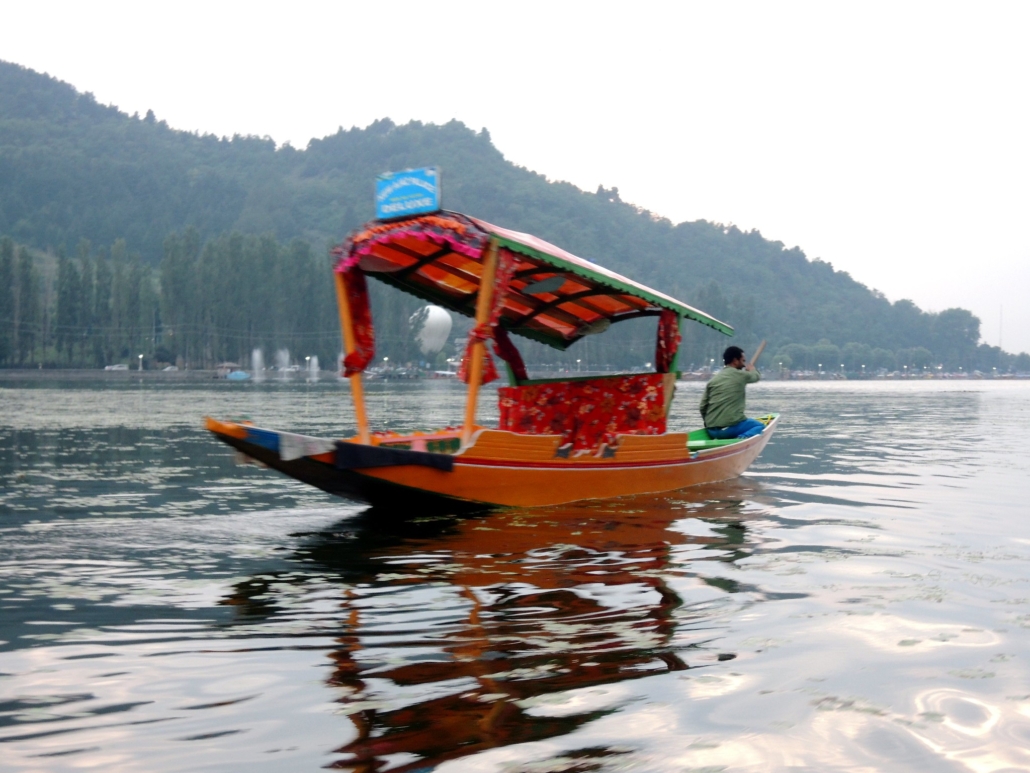
According to UNICEF, India loses more than $600 million annually due to waterborne diseases. Additionally, it is not just clean water that India’s people lack. UNICEF adds that nearly two-thirds of Indian districts face extreme water depletion. With such an immense gap in the need for water and the resources available, a question arises. What is limiting clean water in India?
Limitations to Clean Water in India
Many rural areas lack water infrastructure. Eighty-five percent of drinking water in rural areas comes from groundwater. For the locals, while this source may not be as clean, it is convenient and the only option that has so far been reliable. Leaky pipes, lack of water treatment facilities and improper water management hinder rural areas. They cannot access water in ways similar to their urban counterparts. However, the Indian government has been making steps towards improving water access, and new legislative goals on sustainable development should boost accessibility to water treatment facilities in the coming years.
Pollution in Water Sources
According to a study by the National Institution of Transforming India (a government think tank), nearly 70% of India’s water is contaminated. While groundwater is still the primary water source for most people, wells and aquifers are depleting nationwide. This forces people to shift towards unsanitary drinking water. These devastating circumstances lead to millions of people being ill.
Children are especially at risk, with 1.5 million children dying annually of diarrhea directly due to a lack of clean water in India. India’s water pollution stems from a lack of infrastructure for waste disposal and an understanding of how human activities damage water resources. Recent initiatives have aimed to combat the problem of pollution by creating sewage treatment plants and looking into technology that could potentially recycle wastewater on a large scale.
A Lack of Education About Water Resources
When rural areas saw an increase in clean water accessibility, it turned out that less than half of the locals were using these new water systems. While providing water is essential, educating the public on its importance is also crucial for its adoption. Additionally, another important step is changing the narrative around certain holy streams. For example, the Ganges, a holy river in India, experiences 3 million liters of sewage daily. With this river being a primary source of water for millions, it becomes crucial to prevent contamination.
Several nonprofits, such as the GANGES Project, are partnering with the Indian government to spread awareness of the importance of clean water. The project started in the early 2000s. The National Institute of Advanced Studies learned that the amount of pollution in the river was getting toxic. Since its start, the project has made massive strides by collecting more data about the water flow and its relationship to pollution. Team members are lobbying for policy changes, empowering community leaders to change the lifestyle of people along the river and initiating campaigns to practice proper waste management.
While the Indian government has several obstacles to overcome, it has shown progress. By establishing infrastructure and working with outside organizations, clean water in India is becoming more possible. With each step, thousands of people can access clean water in India, and many disease vectors will be eliminated.
– Aman Chaudhary
Photo: Flickr
