Using Renewable Energy in Chad to Combat Poverty
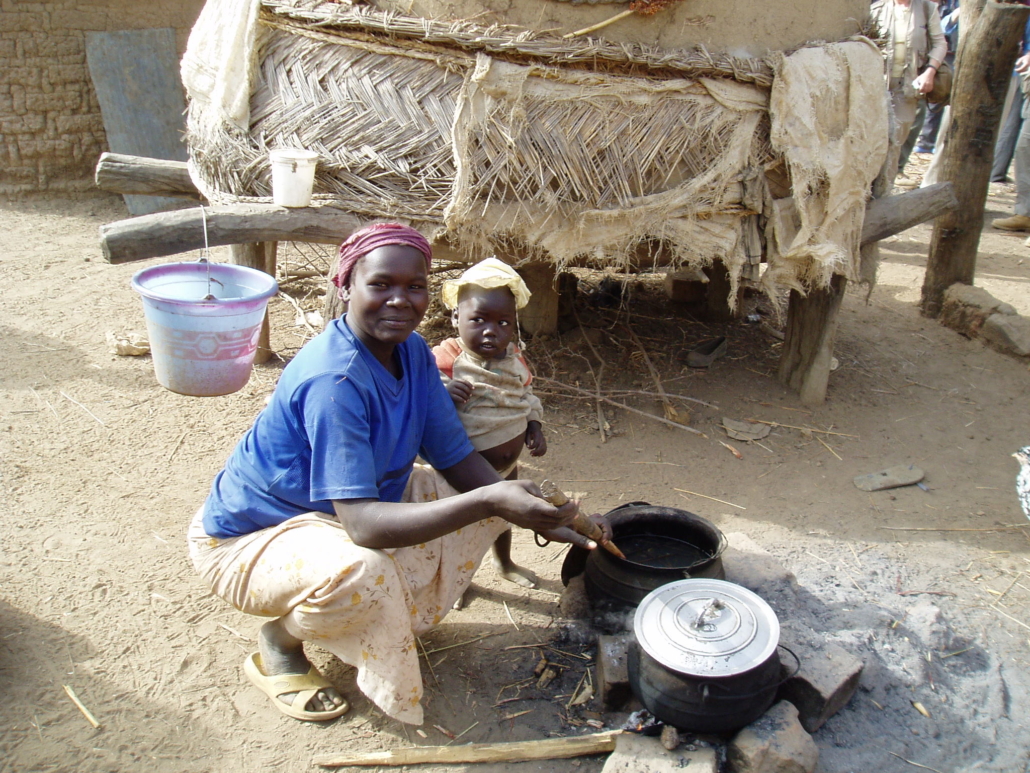 Located in North Central Africa, Chad is an exceptionally diverse country, home to more than 200 ethnic groups and 100 different languages. However, with a cumulation of political instability and natural disasters, Chadians are suffering from rising food insecurity and poverty levels. In 2023, extreme poverty across the country was recorded at 35.4%. Energy is scarce and unreliable across Chad. Only 4% of the population has access to electricity. Currently, traditional wood fuel is the primary source of energy consumption across the country. Despite this, the country has optimistic targets to achieve nearly a 50% increase in electricity access by 2050.
The source of this increase derives substantially from the innovation and expansion into renewable energy. Utilizing Chad’s high levels of solar irradiation, The Djermaya Solar Project is paving the way for socio-economic prosperity that can combat the rising poverty levels. Here is information about renewable energy in Chad.
The Djermaya Solar Project
Initiated in 2015, the Djermaya Solar Project has two stages. Firstly, a 36 MWp solar photovoltaic (PV) plant in Djermaya will be constructed, 30km north of N’Djamena, Chad’s capital. Following this, there will be a 24 MWp phase. This will gradually integrate renewable power into Chad’s national grid, according to InfraCo Africa.
Chad’s first renewable energy project is jointly developed by InfraCo Africa and Denham Capital, as well as supported by government agencies, including the African Development Bank Group (ADB).
The European Investment Bank (EBI) described the solar PV plant as a “pioneering project” that “will help liberalise the energy sector, and mobile private investment in Chad.” It is calculated that the cost of electricity will be less than half the current cost of power following the project.
Catalyzing Chad’s Socio-Economic Prosperity
The Djermaya Solar Project will significantly improve Chad’s socio-economic prosperity. Not only will the project provide lower cost energy, increasing accessibility across the country, but it will also create 250 jobs during construction, as well as 12 permanent positions during the operational phase.
Once online, the Djermaya solar project could power 60,000 households and reduce the overall cost of electricity generation. USAID’S Power Africa has guided tariff approaches, indicating that the Djermaya plant will produce electricity at a cost that is 40% less than existing sources. Overall, Chadians will have an increased access to cleaner, sustainable energy.
In the long term, this project will provide a sustainable and reliable source of energy for the Chadian electricity distribution network. Subsequently, this increases high-speed internet access and improves the transport routes used for business.
People across Chad have to use conventional energy resources, such as biomass and charcoal in order to cook, light their house and other economic activities. In particular, it is women and children who spend a lot of time sourcing the biomass materials, which increases their risks of harmful respiratory diseases. Therefore, this creation of renewable energy in Chad offers a new alternative to the old conventional way of energy production. Women and children could then dedicate this time to income-generating activities instead.
A Pathway Out of Poverty
Investment director at Emerging Africa Infrastructure Fund, Paromita Chatterjee, emphasizes that The Djermaya project is the key to “unlock the country’s economic potential and to fly the flag for more green energy projects”.
The Djermaya Project will help alleviate poverty, as well as foster universal economic activity across Chad. This is because the solar project provides lower cost power to the grid, in comparison to the current fossil fuel-fired generation. This is a fundamental step in achieving Chad Vision 2030’s target of becoming an emerging country.
Resultantly, this will enable the government to reduce its current subsidies to the energy sector, and instead, focus its limited resources on other essential services, such as education and health.
In addition, the Djermaya Project is a pioneer in liberalizing Chad’s energy sector, encouraging independent power producers. This mobilizes private investment across Chad, spurring sustainable economic prosperity. Alongside this, this is a crucial development into renewable energy within Chad, adding to the sustainable eradication of poverty.
Looking Ahead
Overall, the Djermaya Solar Project yields a significant role in the alleviation of poverty across Chad, on both a small and large scale. Not only does Chad’s renewable energy project maintain its climate commitments under the Paris Agreement, but, crucially, it offers a solution to the destitute poverty suffered by millions of Chadians. As development begins, this is an exciting and prosperous project for the long term socio-economic success of Chad.
– Sian Ameer-Beg
Sian is based in Durham, UK and focuses on Technology and Solutions for The Borgen Project.
Photo: Flickr
