Renewable Energy in Romania: A New Way To Fight Poverty
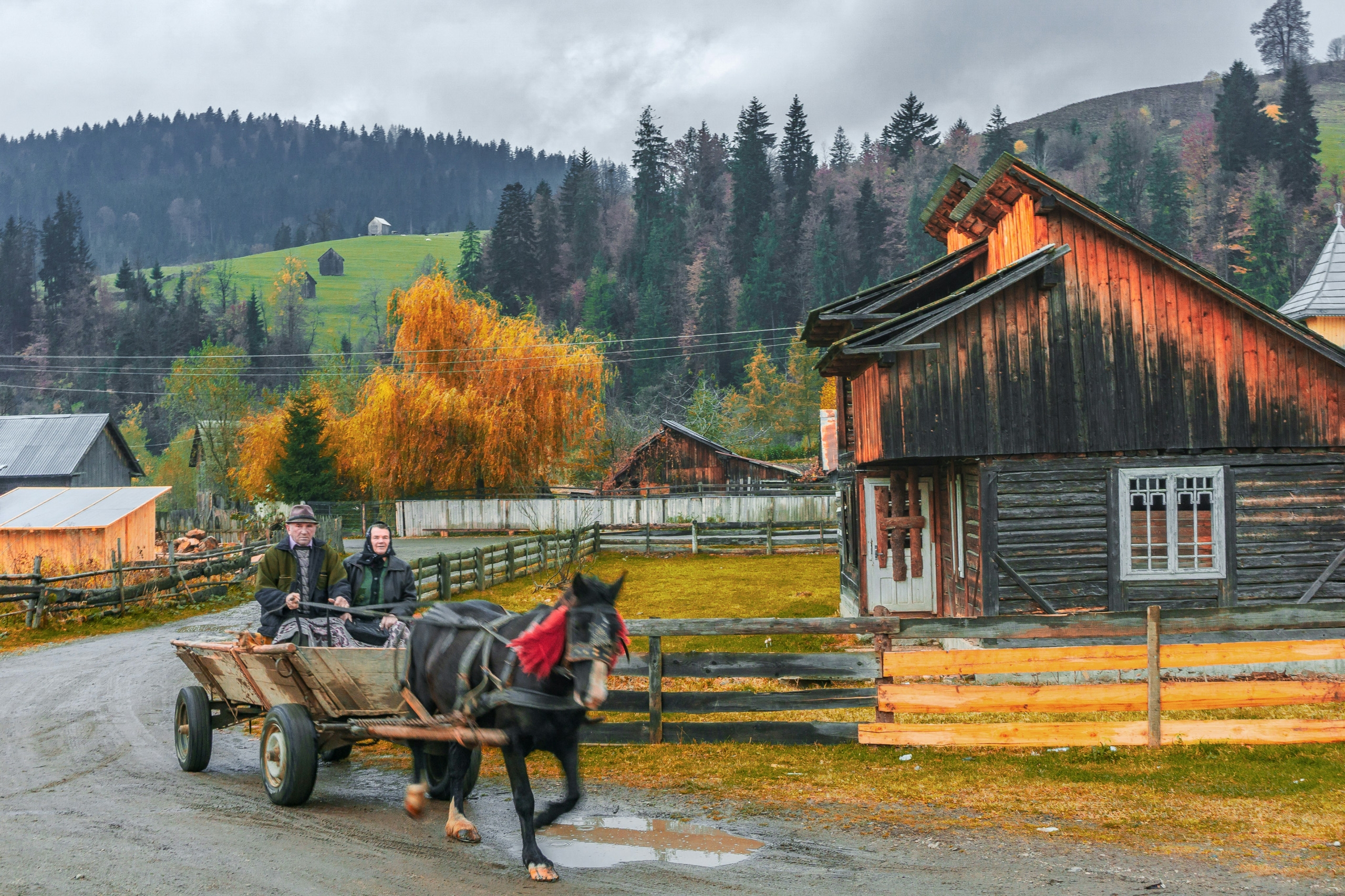 Romania is a semi-presidential republic located at the crossroads of Central, Eastern and Southeastern Europe, with a population of more than 19 million citizens. Like many other developing countries, much of its population suffers from energy poverty, defined as a lack of access to modern energy services in homes that negatively impacts one’s physical health, mental well-being and living standards. Nevertheless, Romania has been steadily progressing toward the European Union’s (EU) goal of full electrification with the breakthrough of new renewable energy projects.
The Extent of Energy Poverty in Romania
Almost a third of the Romanian population (28%) is affected by energy poverty, experiencing difficulties paying their bills on time and being unable to heat their homes properly. Moreover, about 7% of all households have no access to affordable energy sources at all. This issue partially stems from economic struggles, including regional disparities, weak institutions and skilled labor shortages, resulting in severe inequality throughout the country.
According to the World Bank, Romania’s Gini index of equivalized disposable income reached 34.3 in 2020, the fourth highest in the EU. The bottom 40% of society is largely disconnected and lives in impoverished, rural areas, which limits their access to productive jobs. However, there is hope for the future as Romania’s poverty rate declined significantly from 27.8% in 2015 to 10.7% in 2020, with economic growth accelerating due to rising disposable incomes, increased private consumption and new EU-financed investments.
Clean Energy: Out With the Old, in With the New
Despite growing concerns, Romania’s solar and wind energy output has remained flat since 2014 due to a lack of funding. However, in March 2024, the European Commission approved funding for €3 billion (approximately $3.24 billion) under the Temporary Crisis and Transition Framework to support the construction of new solar photovoltaic facilities and onshore wind farms.
The fund will be split between installing three gigawatts of solar energy and two gigawatts of wind energy. One gigawatt of solar or wind energy can power approximately 750,000 homes per year, representing a significant step forward to supporting clean energy sectors and reducing fossil fuel dependencies.
These new solar and wind farms will also promote equality, as they will be built in remote rural areas with the highest rates of energy poverty. They will allow for decentralized power generation that will help stabilize and prevent future disruptions or blackouts. Opening up new solar and wind plants will also allow for new job opportunities, not only providing long-term benefits for energy usage but also regarding education and training.
Furthermore, compared to traditional fossil-fueled power plants, solar and wind farms require less continuous maintenance and simultaneously benefit the environment, so through this plan, more homes will have access to reliable, clean and affordable power without electricity and restore their heating systems. An expert from the Romanian Energy Poverty Observatory stated, “Energy is a basic need. The poorest consumers prefer to put less food on the table but not stay in the dark or cold.”
Thus, not only will this plan raise the standard of living within the communities, but Romania as a whole will experience both economic and societal benefits with an increase in productivity and the overall standard of living within all communities.
Big Plans for the Future
Looking ahead, the Social Climate Fund has initiated discussions about a €6 billion (about $6.48 billion) fund for Romania to continue supporting efforts to reduce its energy poverty rate to the national level, set to occur from 2026 to 2032. The fund has a diverse range of purposes, which include transitioning the rural community’s inefficient housing structure from thin panel-type building blocks and adopting new heating appliances rather than continuing to rely on a mix of wood, gas and coal.
Moreover, it will help vulnerable groups pay energy bills and access transportation services. This action, alongside other subsidized government programs, will allow Romania to have the needed support in combating increasing consumer costs and reaching its aim of raising the share of renewable energy consumption to 30.7% by 2030.
– Kewe Chen
Kewe is based in Memphis, TN, USA and focuses on Good News and Global Health for The Borgen Project.
Photo: Unsplash
