• Link to X
  • Link to Facebook
  • Link to Instagram
  • Link to TikTok
  • Link to Youtube
  • About
    • About Us
      • President
      • Board of Directors
      • Board of Advisors
      • Financials
      • Our Methodology
      • Success Tracker
      • Contact
  • Act Now
    • 30 Ways to Help
      • Email Congress
      • Call Congress
      • Volunteer
      • Courses & Certificates
      • Be a Donor
    • Internships
      • In-Office Internships
      • Remote Internships
    • Legislation
      • Politics 101
  • The Blog
  • The Podcast
  • Magazine
  • Donate
  • Click to open the search input field Click to open the search input field Search
  • Menu Menu

Archive for category: Education

Information and stories on education.

Education, Global Poverty

Education in the Cook Islands

education in the cook islandsThe Cook Islands, a self-governing island state in free association with New Zealand, offers a unique example of how a small nation can effectively balance the preservation of cultural traditions with the integration of modern education. This island nation, which spans approximately 3,000 football fields in size, boasts not only stunning natural beauty but also a thriving culture and a population deeply committed to education.

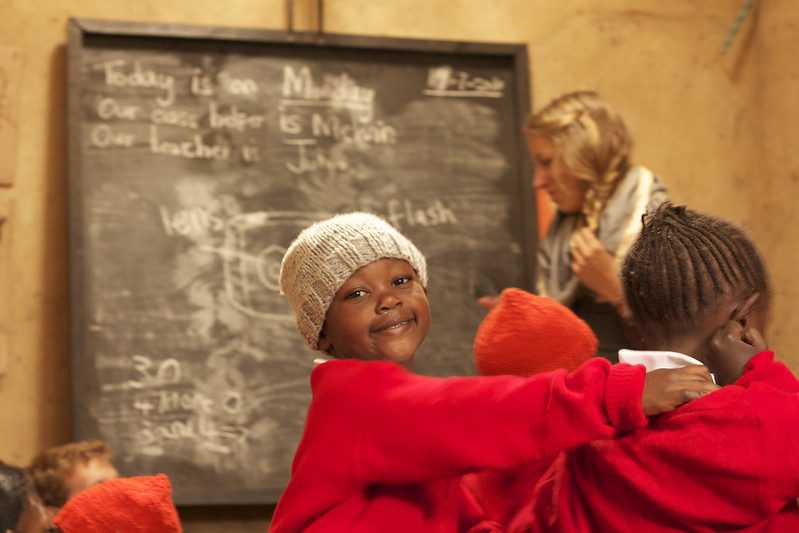
During a visit to the Cook Islands in 2017, this author had the opportunity to witness firsthand the vibrant educational system of the country. The visit, which took place during the author’s junior year of high school, was a formative experience that left a lasting impression. One of the most memorable aspects of the trip was interacting with the students at a local school. The children were enthusiastic, welcoming and curious, often offering gifts such as candies, toys, and food during recess. They seamlessly switched between Māori and English, showcasing their bilingual proficiency—a testament to the effectiveness of the country’s education system, which fosters both linguistic and cultural fluency.

Statistics For Diverse Representation of Students

Another intriguing aspect of the Cook Islands education is their value of gender equality through education. According to the Education Statistics Report, in 2021, the total number of students in the Cook Islands reported that there were 209 girls and 228 boys enrolled. While this may not be an even amount, it is close. This statistic shows a bit of a plummet in enrollment overall, with a “Gross Enrollment Rate” at around 85% compared to prior years at around 90% listed on page 8. Yet, on page 19, the 2020 statistics show that girls are more literate in English and Māori than boys overall.

As they continue to develop ways for girls and boys to be equally taught in their school systems, the Cook Islands has also created accessibility for disabled students there as well. In the 1990s, handicapped children had undergone discrimination for education in the Cook Islands, but now they have built a welcome change to this. Now, students with disabilities have legal rights enacted by the Cook Islands government which helps them be protected from educational discrimination.

Free Education in the Cook Islands

Another uplifting aspect of education in the Cook Islands is that it is free. According to the Education Statistics Report, the government emphasizes that education is its highest priority to bolster student enrollment. Its efforts show a hopeful angle for future generations of Cook Islanders.

– Madeline Star Heintz

Madeline is based in Los Angeles, CA, USA and focuses on Business and Politics for The Borgen Project.

Photo: Wikimedia Commons

December 6, 2024
https://borgenproject.org/wp-content/uploads/borgen-project-logo.svg 0 0 Naida Jahic https://borgenproject.org/wp-content/uploads/borgen-project-logo.svg Naida Jahic2024-12-06 01:30:072024-12-12 11:30:38Education in the Cook Islands
Education, Global Poverty, Innovations

Luminus Education Model in Jordan

Luminus: New Education Model Emerges in JordanThe Middle East and North Africa have some of the highest youth unemployment rates in the world; 24% of individuals aged 15 to 24 are unemployed, which is double the global average. In Jordan, the rate reached 40.8% among 15 to 24-year-olds in 2023, with women in that age group experiencing an even higher rate of more than 47%. Traditionally, young Jordanians have pursued university education, while vocational training has been considered a secondary option. However, the university route has resulted in 25% of graduates remaining unemployed, lacking the skills the job market demands.

Bridging the Skills Gap Through Vocational Training

To address this issue, the Jordanian social enterprise Luminus offers high-quality vocational education tailored to meet labor demands and bridge the skills gap for young people. Focused on supporting low-to-middle-income households, refugees and women, Luminus provides financial assistance to underrepresented groups in the labor market. Remarkably, 40% of its students are refugees or from underserved communities. With more than 40,000 graduates, Luminus has achieved significant success; 80% of its students secure employment upon completing their courses.

Transforming Education and Cultivating Entrepreneurship

Since Ibrahim Safidi took over Al-Quds College from his father in 1999, his primary mission has been to improve the lives and incomes of Jordanian youth. He identified a significant gap between the skills of Jordanian youth and the demands of the job market and he responded by emphasizing vocational training tailored to those needs. Under his leadership, Luminus Education set three main goals: job security, social stability and economic growth. In 2017, Al-Quds College transformed into Luminus Technological University College and expanded its offerings to include 10 specialized schools. These schools focus on disciplines such as civil, construction, mechanical and electrical engineering, computing, medical sciences, automotive technology, beauty, media, tourism and hospitality. Additionally, the university introduced an entrepreneurship pathway that has incubated more than 120 startups.

Empowering Vulnerable Communities

Luminus Education’s employment hub model uniquely combines building strong relationships with employers, analyzing private sector demands and providing thorough career and interview training for students. This approach is successfully countering the cultural norm that values theoretical education as the only desirable path for school-leavers. In 2018, half of its students had the qualifications for university but opted for Luminus’ vocational pathways instead. The system is holistic and caters to both students and employers by maintaining connections with hundreds of employers across Jordan, monitoring workforce demands and skills and incorporating these into its vocational training programs. Additionally, Luminus offers English language and soft skills training alongside career counseling services, which are essential for enhancing student employability.

Accessibility for the Vulnerable

Luminus Education initially provided Syrian refugees, who make up 10% of Jordan’s population, with scholarships covering 50% of tuition fees but soon realized this was insufficient. Consequently, the institution secured $37 million in grants through international partnerships to support refugee education further. Additionally, its new campus in Irbid, ShamalStart, enhances access to education for the northern population, particularly the significant refugee community there. This initiative has led to refugees comprising 25% of the student body, with 40% of all students receiving full scholarships. Luminus Education also plays a crucial role in upskilling vulnerable youth and young adults. In collaboration with Jordan’s Ministry of Labour, which funds vocational training for these groups, Luminus ensures students secure employment upon completing their courses.

Advocacy and Expansion

In 2023, female unemployment in Jordan ranked as the 10th highest globally, reaching an alarming 47%. In contrast, in 2018, 44% of Luminus Education’s student body were women. Luminus actively seeks to shift perceptions of women in the workforce and address family concerns through initiatives like “bring your father to work days” and one-to-one counseling with parents. The institution collaborates with employers across Jordan to adapt workplaces to be more inclusive for women, including advocating for hospitality sector employers to permit women to wear the hijab at work.

Looking Forward

Local enterprise Luminus Education addresses Jordan’s need to upskill its youth through international partnerships, including the International Finance Corporation, Agence Française de Développement and the European Union (EU), providing crucial education grants. With a campus already established in Iraq, Luminus Education Group plans to expand its tailored programs to new campuses in Jordan and throughout the Middle East, including Lebanon and Egypt, in the coming years.

– Miriam Hulley

Miriam is based in Cheltenham, Gloucestershire, UK and focuses on Business and Good News for The Borgen Project.

Photo: Flickr

December 3, 2024
https://borgenproject.org/wp-content/uploads/borgen-project-logo.svg 0 0 Precious Sheidu https://borgenproject.org/wp-content/uploads/borgen-project-logo.svg Precious Sheidu2024-12-03 01:30:332024-12-05 05:10:34Luminus Education Model in Jordan
Advocacy, Development, Economy, Education, Global Poverty, Innovations, UNICEF

Strengthening Education in Brazil

Strengthening the Education System in BrazilBrazil, South America’s largest country with a population of 216.4 million, shows mixed results in education. Student performance declined in the latest Programme for International Student Assessment (PISA), conducted by the Organization for Economic Cooperation and Development (OECD). Despite this, illiteracy rates dropped from 6.1% in 2019 to 5.6% in 2022, indicating some improvement in basic education. The country is experiencing increased outbound student mobility, driven by rising tertiary enrollments. Projections suggest Brazil will rank among the top five nations globally for total tertiary enrollments by 2035 despite an aging population. To address these ongoing challenges, the OECD and other organizations are collaborating to enhance Brazil’s education system.

Brazil’s Education System and Socioeconomic Progress

Education in Brazil is a guaranteed social right under the Federal Constitution, providing free public access at all levels. The education system is divided into basic and higher education. Basic education encompasses early childhood, primary and lower secondary and upper secondary education. Compulsory education begins at age 4 with pre-school and continues for 14 years through the end of upper secondary education. Historically, Brazil’s economic growth has benefited from favorable demographics and robust commodity prices. This growth, coupled with specific policies, has significantly improved living standards. Between 2003 and 2014, these efforts lifted more than 29 million people out of poverty, reduced child mortality by 73% from 1990 to 2011 and broadened access to basic education.

OECD’s 5 Steps to Strengthen Brazil’s Education System

  1. Impact of COVID-19 on Brazil’s Educational Funding. COVID-19 significantly affected Brazil’s economy, resulting in reduced education spending. The OECD criticizes the rigidity of this funding, which merely satisfies spending requirements without addressing effectiveness. The organization recommends a more flexible, outcome-focused approach to funding. According to the OECD, increased investment in education would substantially improve the quality of education that students receive.
  2. Enhancing the Teaching Profession in Brazil. To enhance Brazil’s education system, the OECD recommends upgrading the teaching profession. This upgrade should include better salaries, career progression and working conditions for teachers. The organization also suggests that new teachers pass a licensing test and receive induction support during their early years to ensure they have adequate training.
  3. Improving Teacher Effectiveness and Student Outcomes. Boosting student outcomes involves enhancing teachers’ effectiveness in the classroom. This could include proper teacher training and skill improvements in areas such as classroom management. Providing incentives, such as promotions and performance-based payments, can also motivate teachers.
  4. Creating a Positive School Environment. There is a need for improvement in handling bullying and harassment on school grounds, with appropriate punishments for offenders. Schools should strive to create a positive environment for both students and teachers to improve well-being and learning outcomes, reducing the risk of dropouts.
  5. Supporting Disadvantaged Students and Preventing Dropouts. Disadvantaged students should receive continuous support from early childhood education until they complete their education. To address dropouts, teachers should focus on supporting the weakest and least motivated students, possibly through individual teaching and tutoring. Students at risk should also receive additional funding and support to remain in education.

Looking Ahead

Brazil’s commitment to advancing its education system reflects the country’s efforts to prepare for future socioeconomic challenges. Prioritizing innovation, equity and effective resource allocation can potentially address long-standing disparities in education. By fostering collaborative partnerships and emphasizing strategic improvements in education, Brazil aims to create opportunities for all students, supporting both national development and individual growth.

– Indira Smith

Indira is based in Manchester and focuses on Global Health for The Borgen Project.

Photo: Flickr

November 30, 2024
https://borgenproject.org/wp-content/uploads/borgen-project-logo.svg 0 0 Precious Sheidu https://borgenproject.org/wp-content/uploads/borgen-project-logo.svg Precious Sheidu2024-11-30 07:30:542024-11-30 03:21:22Strengthening Education in Brazil
Developing Countries, Education, Global Poverty

Higher Education in Sri Lanka

Higher Education in Sri LankaThe higher education landscape in Sri Lanka reflects a nation that has prioritized education since gaining independence in 1948. The commitment to providing education up to the bachelor’s degree has contributed to the country’s impressive literacy rate of 92%. This is of the highest in South Asia, despite ongoing economic and social challenges, including the civil war. While the enrolment rate at secondary school is 99%, this drops to 21% at tertiary level, with women making up 65% of total university enrolment.

Funding State Education

After the end of British colonial rule, Sri Lanka established a state-funded educational system with a national framework in place in 1961, when the government took control of denominational schools. However, public spending on education has been persistently low in the last decade, accounting for only 2% of the gross domestic product (GDP), which fell to a historic low of 1.2% in 2022 due to a global economic crisis. As a result, household private spending on education in Sri Lanka tends to be significantly higher, indicating a gap between government support and the demand for educational services.

Private Higher Education in Sri Lanka

However, while Sri Lanka offers state education, there are more government-approved private universities. Private institutions play a crucial role in higher education, with 27 government-approved private universities compared to 18 public ones. Private universities are under the purview of the Ministry of Higher Education. In contrast, the purview of the University Grants Commission oversees public universities.

The National Human Resource Development Council of Sri Lanka data showed that in 2021, Sri Lanka Institute of Information Technology (SLIIT) was the largest private higher education provider, with 10,402 students. Other providers were the National Schools of Business Management (NSBM), Horizon College of Business and Technology, CINEC Campus and SLTC Campus. Many of these universities have also recently formed partnership arrangements with U.K. universities, enhancing their international recognition.

Recent Developments

The government has recently established the Ministry of Education Science and Technology, aiming to improve the standard of the country’s Science, Technology, Engineering and Mathematics (STEM) education system to a more competitive level. This initiative aims to boost STEM education to attract a competitive market for private providers. However, due to limited opportunities in the free government public universities, 80% of these students seek private higher education pathways.

As a result of the economic crisis in Sri Lanka, middle-class parents have been pushing for their children to join degree pathways after their O-Levels rather than after the General Certificate of Education (GCE) A-level examinations. This means they can graduate three to four years earlier and start their career. This shift allows students to complete degrees in a shorter time frame, immediately entering the workforce and addressing critical skills shortages in the job market. As a result of these developments, there is a clear link between the higher education system and encouraging sustainable economic growth in Sri Lanka.

Final Note

While Sri Lanka has made substantial progress in ensuring access to education, significant challenges remain in higher education enrollment and funding. The rise of private institutions, coupled with government initiatives to enhance STEM education, presents a pathway for improving the employability of graduates and fostering economic growth. Continued investment and strategic planning will be vital in overcoming current challenges and ensuring that Sri Lanka’s higher education system meets the needs of its population and economy.

– Amani Almasri

Amani is based in Durham, UK and focuses on Good News and Technology for The Borgen Project.

Photo: Flickr

November 29, 2024
https://borgenproject.org/wp-content/uploads/borgen-project-logo.svg 0 0 Lynsey 2 https://borgenproject.org/wp-content/uploads/borgen-project-logo.svg Lynsey 22024-11-29 01:30:562024-11-28 08:19:30Higher Education in Sri Lanka
Economy, Education, Global Poverty

Poverty Reduction in Vietnam: Economic Growth and Challenges

Poverty Reduction in VietnamOver the last three decades, poverty reduction in Vietnam has experienced unprecedented success. The Doi Moi Reforms in 1986 have been a success story in what was once one of the poorest nations. This progress continues today. With the average distance of the poverty line shrinking, upward mobility is widespread and welfare programs and public investment continue to improve lives. Despite these successes, there are remaining challenges. There are still many people living in transient poverty, and some areas of multi-dimensional poverty require solutions. For instance, gender equality, ethnic, minorities and rural communities bear the brunt of Vietnam’s current challenges.

Economic Growth

Poverty reduction in Vietnam is largely attributed to the reforms of the 1980s. Key Changes were incentives to diversify agrarian production, opening trade to the global market and domestic investment which contributed to exports and job creation in urban areas, according to the UNDP report. The income these policies generated drove the improvement of domestic services and improved quality of living.

The 2022 World Bank report found that the Low and Middle low-income country poverty rate dropped from 16.8% to 5% in 2010-2020. In the same decade, the size of the middle class has tripled from 7.3 million people in 2010 to 22.6 million people in 2020. Health outcomes have also improved. Vietnam’s universal health index is higher than global averages at 73, and infant mortality rates fell from 32.6 per 100 births in 1993 to 16 in 2022.

In 2015, the government implemented a National Target Program to reduce deprivation in some remote rural areas and regions where incomes have not risen as fast as in other areas. They are continuing to develop them into 2025, according to the UNDP report. These programs include the New Rural Development program, which aims to improve critical services for rural communities, such as education, health, transport, water supply, security, communication and more.

The impact of Foreign direct investment (FDI) should not be ignored either. After joining the World Trade Organization in 2007, formal jobs with foreign-owned enterprises opened up in the manufacturing sector. There were 2 million more manufacturing jobs in 2020 than in 2018, and 1.9 million had formal work contracts. Showing a link between FDI and an increasing number of jobs with higher wages, according to the World Bank report.

Addressing Inequality and Ethnic Minorities

These are encouraging trends and the economic achievements are monumental. However, poverty is dynamic, and despite these successes, most households are still vulnerable to transient poverty. For the majority, their households can be driven below the poverty line by a sudden change in their conditions. Sixty percent of households are vulnerable to income poverty, especially in rural regions. For instance, during the COVID-19 Pandemic, 73.3% of Vietnamese lost income, UNDP reports.

Children without access to technology suffered the most significant learning losses during lockdowns. The poorest regions of Vietnam, which are usually remote and mountainous, are disproportionately home to ethnic minorities. While ethnic minorities represented 6%-13% of Vietnam’s population in 2020, they accounted for 21%-42% of the nation’s poor, according to the World Bank report. These disparities indicate that ethnic minorities benefit the least from Vietnam’s poverty reduction efforts and are most vulnerable to conditions of poverty.

The government has focused on tailored plans to support ethnic minorities with central funding through National Targeted Programs (NTPs) to test innovation on a local level. The 4M initiative, (meet-match-mentor-move) aims to enable ethnic minority women to break their isolation by introducing them to non-agricultural markets like e-commerce, social media and multi-stakeholder networks, UNDP reports. Knowing production and business methods, these women have expanded their markets and enterprises, benefiting around 13,000 women.

NTPs can support interaction among government bodies and communication between government agencies and local authorities to test new solutions to poverty reduction in remote areas. For instance, incorporating digital technologies at a grassroots level, as they did with the 4M initiative and digitizing poverty reduction services targeting remote communities to reduce administrative costs and service time.

Steps Going Forward

According to a survey of the NTP-National Rural Development, much of NTP spending was on socio-economic infrastructure, but targeted household programs may lift the remaining poor above the poverty line. The concentration of poverty among ethnic minorities in rural areas also calls for NTPs which target these communities directly, ensuring access to resources, investment and digitization.

While challenges remain, particularly for ethnic minorities and vulnerable communities facing climate risks, Vietnam’s commitment to poverty reduction offers hope for continued progress. Poverty reduction in Vietnam is one of the three NTPs in 2021-2025. By adjusting the multidimensional poverty line, 10 million more people are eligible for government social assistance. Aim for a 1.5% annual reduction in MDP International cooperation and an adaptive approach to policy will be essential to ensure that Vietnam can continue its journey toward a more equitable and sustainable future.

– Jonathan King

Jonathan is based in London, UK and focuses on Global Health and Politics for The Borgen Project.

Photo: Pexels

November 28, 2024
https://borgenproject.org/wp-content/uploads/borgen-project-logo.svg 0 0 Jennifer Philipp https://borgenproject.org/wp-content/uploads/borgen-project-logo.svg Jennifer Philipp2024-11-28 07:30:462024-11-28 05:29:57Poverty Reduction in Vietnam: Economic Growth and Challenges
Children, Education, Global Poverty

EAA Is Tackling Barriers Faced by Out-Of-School Children

EAAThe distance to school, in many contexts around the world and particularly in remote, rural locations across developing countries, is one of the most obstructive barriers to education access for vulnerable primary-level children. According to the World Bank, “The single most important determinant of primary school enrolment is the proximity of a school.” Stated that as the distance between school and home grows, so, too, does the likelihood that a child will not have a chance to enroll or attend. The negative implications in such scenarios are apparent.

Education Above All Foundation

Since its inception in 2012, the Education Above All Foundation’s (EAA) Educate A Child (EAC) program has focused its energies on working in partnership to design interventions that address the range of barriers out-of-school children (OOSC) face. These efforts create opportunities for marginalized children to access quality primary education. That said, the mission has certainly not been a well-paved road, void of problems or pitfalls.

Yet, by holding fast to a set of core values, the EAA Foundation has shaped its development efforts, particularly by recognizing what works and building on effective strategies that produce results for the hardest-to-reach children. Early on, the EAA Foundation understood that the barriers that keep millions of children out of school, whether due to distance, poverty or other challenges, can “exist in different locations within a country or even within a single location, indicating the need for a variety of approaches and partners to address these challenges.”

That perspective has enabled the program to remain aware of real-world challenges that will inevitably arise while staying open to a variety of solutions—no matter the form they take—even when addressing the same persistent barrier. By now, it is clear OOSC will not benefit from one-size-fits-all approaches; their situations require tailored solutions. With this in mind, the EAA Foundation has recognized the merit of simple yet impactful interventions that have proven effective over the years and contributed significantly to reducing education exclusion.

A Critical Combination

Across the globe, where children on the margins find themselves several kilometers from the nearest classroom, the EAA Foundation and its partners rely on a critical combination of technical expertise and local knowledge to support the will of OOSC to realize their right to education. For instance, to address the distance barrier, the program has helped provide bicycles for children who might otherwise have no recourse but to drop out in Cambodia, The Gambia and Zambia.

This was achieved through respective joint initiatives with Action Education, the United Nations Children’s Fund (UNICEF) and World Vision. A buddy system where children travel in groups to and from school, with older peers offering guidance and groupings of mothers helping to ensure safe passage, has been introduced with effect in Nepal with United World Schools.

The Story of Tanzina

Tanzina, from Bangladesh’s remote Sunamganj District, a region prone to severe flooding, especially during monsoon season, grew up in a community where tradition and securing livelihoods against rising water levels often took priority over education. Moreover, traditional school buildings are generally impractical in the area’s natural floodplain.

As a result, young Tanzina had very limited opportunities to ever sit in a classroom. Nonetheless, through her own determination and a boat school initiative implemented in partnership with BRAC, which picks up children, holds classes on the boat and drops them off at home each day, Tanzina was finally able to realize her right to education.

Final Remark

It is remarkable how simple solutions and innovations in the most remote communities can have such an outsized impact on children who face daily challenges, like long distances to the nearest school, through no fault of their own. This serves as a reminder to be creative and seek solutions that fit the local context. After all, where there’s a will, there’s a way.

– Mary Joy Pigozzi, Executive Director, Education Above All Foundation’s Educate A Child Program.

Photo: EAA

November 21, 2024
https://borgenproject.org/wp-content/uploads/borgen-project-logo.svg 0 0 Lynsey 2 https://borgenproject.org/wp-content/uploads/borgen-project-logo.svg Lynsey 22024-11-21 01:30:592024-11-20 12:04:17EAA Is Tackling Barriers Faced by Out-Of-School Children
Education, Global Poverty

Kerala: Leading Education Reform In India

Education Reform In IndiaKerala, situated in the linguistic-cultural region of South India, ranks as the ninth-largest economy in India, with an annual gross state product of ₹9.78 lakh crore between 2020 and 2021. The state’s economic growth is fueled by sectors such as tourism, health care and education. Furthermore, Kerala stands out as a leader in accessible and equitable education across India, with a model that emphasizes literacy, gender parity, technology, quality and inclusivity. This approach effectively addresses disparities and broadens educational opportunities for marginalized groups. The following list highlights six areas where Kerala has achieved significant academic progress.

6 Ways Kerala Leads India in Education Reform

  1. High Literacy Rates and Universal Primary Education. Kerala’s literacy rate reached 93.91% in the 2011 census. This notable increase is attributed to early reforms and primary education mandates established by local kingdoms before Indian independence. Historians report that social movements in the early 20th century helped lay the foundation for Kerala’s educational success. This created a culture that values literacy. Currently, the emphasis on literacy allows many people in the state to pursue better opportunities and break cycles of poverty.
  2. Gender Parity in Education. Kerala’s Gender Parity Index (GPI) is among the highest in India, standing at 1.44 for general enrolment and increasing to 1.80 and 1.41 for Scheduled Castes and Scheduled Tribes, respectively, according to Education for All in India. Kerala’s policies supporting gender equity in education ensure that girls, including those from marginalized groups, have equitable access to schooling. Analysts suggest that this focus on gender balance empowers girls, enabling them to access higher education and professional opportunities.
  3. Technology Integration in Schools. Since its inception in 2001, the Kerala Infrastructure and Technology for Education (KITE) initiative has incorporated technology across all public schools in India. By 2018, KITE had equipped more than 4,500 schools with digital resources. Additionally, it has trained more than 80,000 teachers in AI and digital skills, according to The Hindu. This initiative ensures that students, especially those in underserved rural areas, gain access to essential digital skills. These skills prepare them for a competitive global economy.
  4. Recognition in Educational Quality. Kerala ranked highest in NITI Aayog’s School Education Quality Index for 2019, achieving a score of 76.6%. Education experts point to Kerala’s quality-focused policies as instrumental in improving educational standards across income groups. These policies ensure students receive a well-rounded education that prepares them for academic and professional success.
  5. Inclusive Education Programmes. Kerala has prioritized inclusive education with programs like Samagra Shiksha Abhiyan and the State Initiative on Disabilities. These programs provide barrier-free learning environments and specialized training for educators working with children with disabilities. Indeed, educational researchers note that these inclusive efforts help bridge gaps for students who may face physical or cognitive challenges, offering them the support needed to succeed.
  6. Expanding Impact Beyond Kerala. Kerala’s influence in education reform extends beyond its borders, with organizations founded by Kerala natives taking steps to improve education in other parts of India. An example is Our India Foundation, established in 2014 by a group from Calicut, Kerala. The foundation operates Our India International School (OIIS), which began with just 28 students and has now expanded to serve 662 students from kindergarten through Grade IX. Based on the success of OIIS in Kerala, the foundation has extended its mission to underserved areas outside Kerala, bringing educational resources and opportunities to communities in need. This expansion reflects Kerala’s broader commitment to educational equity across India.

Moving Forward

Kerala’s education system demonstrates how targeted policies can potentially create a significant impact, building a foundation of literacy, inclusivity and opportunity for all students. Furthermore, by focusing on solutions like technology integration, gender parity and inclusive practices, Kerala sets an example for how education reforms can drive positive change across diverse communities in India. This commitment to equitable education continues to transform lives and offer new pathways to success for future generations.

– Fiza Meeraj

Fiza is based in London, UKm and focuses on Good News for The Borgen Project.

Photo: Flickr

November 21, 2024
https://borgenproject.org/wp-content/uploads/borgen-project-logo.svg 0 0 Precious Sheidu https://borgenproject.org/wp-content/uploads/borgen-project-logo.svg Precious Sheidu2024-11-21 01:30:122024-11-20 12:15:32Kerala: Leading Education Reform In India
Education, Global Poverty

Academics Stand Against Poverty: Solutions for a World in Need

Academics Stand Against PovertyWith half of the human population, around 3.5 billion, still exposed to severe poverty, a group of dedicated scholars and researchers are taking a stand. Academics Stand Against Poverty (ASAP) is an international community committed to confronting the rules and practices that perpetuate global poverty. It aims to advocate for targeted, evidence-based reforms that can make a real difference in the lives of millions.

The Challenge: A Complex Web of Poverty

Poverty is not simply a lack of resources; it’s a complex web of interconnected issues. ASAP focuses on the structural drivers of poverty, which include:

  1. Illicit financial flows and tax havens
  2. Imbalanced trade agreements and intellectual property laws
  3. Economic policies such as austerity measures

These systemic issues create barriers that keep individuals and communities trapped in cycles of poverty. In our current “post-truth” world, where “alternative facts” often overshadow evidence-based research, ASAP’s work is crucial.

Academics Stand Against Poverty and Its Innovative Solutions

ASAP is tackling these challenges through a multi-faceted approach:

  1. Research and Advocacy: ASAP members conduct rigorous research to identify the root causes of poverty and develop evidence-based solutions. They then advocate for these solutions at various levels, from local communities to international policy-making bodies.
  2. AGAPE Initiative: ASAP has launched the Ambedkar Grants for Advancing Poverty Eradication (AGAPE) program, which provides competitive funding and mentoring for jumpstarting innovative pilot projects in severe poverty eradication. These projects are selected based on their potential for cost-effective scale-up.
  3. Collaborative Partnerships: ASAP works with other organizations to maximize impact. For example, it has partnered with Global Financial Integrity and Yale’s Global Justice Program to award the annual Amartya Sen Prizes, encouraging further research and innovation in addressing illicit financial flows.
  4. Education and Awareness: Through publications, conferences and public engagement, ASAP works to raise awareness about poverty issues and potential solutions among both academic and non-academic audiences.

Global Network: Fellowship Program and Chapters

ASAP’s global network of 19 chapters across the globe is a testament to its commitment to fostering academic dialogue and collaboration. With a strong presence among universities and academics in the global South, ASAP focuses on creating opportunities for those who face barriers to full participation in global academic dialogue.

ASAP’s growing network of members and national and regional chapters is the driving force behind its impact on global poverty. The organization connects like-minded faculty, students and researchers from different disciplines around the world with a common goal: to look at practical and achievable ways to tackle the systemic root causes that perpetuate poverty.

Success Stories

ASAP’s innovative approach is already yielding results. In its first year of operation, the AGAPE initiative made four awards in India, demonstrating the program’s commitment to supporting grassroots solutions. One notable project is the Snekithi Charitable Trust in Tamil Nadu, which received more than $2,300 for an initiative to raise the productivity and incomes of Dalit women farmers in the rain-fed areas of Karur District.

This project not only addresses poverty but also tackles issues of gender and caste inequality. While the full impact of these projects is still unfolding, they represent a promising start in ASAP’s mission to eradicate severe poverty. By supporting local initiatives with global expertise, ASAP is creating a model for sustainable, community-driven change.

Final Note

ASAP’s work offers hope in the face of daunting global challenges. By combining rigorous academic research with practical, on-the-ground solutions, ASAP is paving the way for a world structured to avert poverty. Its efforts show that when knowledge meets action, real change is possible.

In a world often divided by ideology and misinformation, ASAP stands as a beacon of evidence-based hope. ASAP challenges us all to think critically about the causes of poverty and to act decisively in creating a more just and equitable world for all.

– Staff Reports
Photo: Flickr

November 19, 2024
https://borgenproject.org/wp-content/uploads/borgen-project-logo.svg 0 0 Lynsey 2 https://borgenproject.org/wp-content/uploads/borgen-project-logo.svg Lynsey 22024-11-19 01:30:122024-11-18 12:23:21Academics Stand Against Poverty: Solutions for a World in Need
Disability, Education, Global Poverty

Inclusive Education: Agatha Obiageli Aghedo Memorial Foundation

Agatha Obiageli AghedoIn Satellite Town, a bustling and diverse community in Lagos State, Nigeria, the absence of a conducive and enabling school environment for children with disabilities and those from impoverished backgrounds has long been a glaring issue. For too many families, access to quality education feels like a distant dream, particularly for children who require special attention and care. The stark reality is that children with disabilities often face multiple layers of exclusion—first from the broader society and then from an educational system ill-equipped to meet their needs.

The Challenge: A Community in Need

Satellite Town is a microcosm of the broader challenges facing many urban areas across Nigeria. The town is home to a significant population of children who come from low-income families, where the struggle to make ends meet often means that education becomes a luxury rather than a necessity. For children with disabilities, the situation is even more dire. The lack of specialized schools or programs that can accommodate their needs often leaves them excluded from the education system entirely.

These children are not just missing out on learning; they are being denied their fundamental right to grow, develop and participate fully in society. Despite the high rate of migration into Satellite Town, driven by its commercial activities, many families continue to struggle for survival. The community is marked by stark economic disparities, where the influx of new residents seeking opportunity overshadows the persistent needs of the most vulnerable.

The Agatha Obiageli Aghedo Memorial Foundation

The Agatha Obiageli Aghedo Memorial Foundation, founded and registered in 2012, was established out of a strong commitment to address these inequities. Led by Dr. Akhere Marian Aghedo-Akran, a Diversity, Equity, Inclusion and Belonging (DEIB) Strategist with a Ph.D. in Educational Management specializing in inclusion strategies, the Foundation passionately advocates for inclusive education and the dignity of all individuals.

Born and raised in Satellite Town, Aghedo-Akran has a deep personal connection to her community and strongly believes in giving back to uplift those in need, especially in the place where her mother lived until her passing. The foundation honors her mother’s legacy, who was a dedicated humanitarian. She treated everyone with love and fairness, never perceiving anyone as less or impaired and the foundation continues this commitment to inclusive support for all.

St. Agatha’s Inclusive Learning Center

The organization launched St. Agatha’s Inclusive Learning Center eight year ago. The center is a free school dedicated to providing equitable and inclusive education for all children, regardless of their physical abilities or socioeconomic status. This initiative has since become a lifeline for more than 200 children and their families in the community. The Foundation’s approach extends beyond traditional education, aiming to create an environment where every child feels valued and included.

One of its most impactful initiatives has been the introduction of sign language in its school, which has inspired some private schools in the community to adopt similar inclusive practices. This initiative has significantly reduced the stigma and isolation that many children with disabilities face, fostering a sense of belonging and community. Additionally, through its #NoChildShouldBeLeftBehind campaign, the Foundation has worked tirelessly to reintegrate out-of-school children into the educational system. These children receive free education, meals, uniforms, shoes and writing materials, ensuring they have the resources needed to succeed.

Transforming Lives and Communities

In 2024, the Foundation expanded its impact through the launch of the Disability Arts, Robotics, Technology and Safety (DARTS) Project. This innovative program provides persons with disabilities in the community with free training in essential life skills. Participants have learned fire safety, basic life support, Cardiopulmonary resuscitation (CPR) and information technology, empowering them to live more independently and safely. The DARTS Project is a critical step in its ongoing mission to equip individuals with disabilities with the tools they need to thrive in a rapidly changing world.

The Agatha Obiageli Aghedo Memorial Foundation’s efforts extend beyond education into the broader community. Since its inception, the Foundation has organized more than 20 quarterly community outreaches, distributing relief items to vulnerable families. These initiatives have impacted more than 500,000 people, providing essential support to those facing daily struggles to make ends meet. Additionally, during the COVID-19 lockdown, the Foundation distributed relief packs to more than 3,000 families consistently for 11 weeks, ensuring they had essential supplies to survive the difficult period.

Conclusion

The Agatha Obiageli Aghedo Memorial Foundation has made a lasting impact through its commitment to inclusive education and community support. The initiative is committed to continuing its work until every child in Satellite Town and beyond has the opportunity to access quality education, regardless of their circumstances.

– Staff Reports
Photo: AOAMF

November 18, 2024
https://borgenproject.org/wp-content/uploads/borgen-project-logo.svg 0 0 Lynsey 2 https://borgenproject.org/wp-content/uploads/borgen-project-logo.svg Lynsey 22024-11-18 01:30:362024-11-17 22:38:44Inclusive Education: Agatha Obiageli Aghedo Memorial Foundation
Education, Global Poverty, Inequality

Poverty Reduction in Seychelles 

Poverty Reduction in SeychellesThose experiencing poverty in Seychelles live on less than $6.85 a day, which was estimated to be nearly 5.6% of the population in 2023. The majority of poverty is concentrated in certain districts of Mahé, the largest island. Issues like substance abuse and teenage pregnancy affect people in poverty – these can hinder efforts in poverty reduction, though they are taking steps.

Foreign Investment and Tax Reform

The government is utilizing its newest Fitch Rating to create more employment opportunities. A Fitch Rating evaluates an entity’s ability to pay back loans, keep promises and generally be a sound investment for a financial institution. This will lead to more FDI, allowing the government to further invest this money in creating employment. Recent increases in employment have been shown to reduce poverty in Seychelles from 5.9% to 5.6% from 2022 to 2023—this is vital for poverty reduction.

By reducing the tax from 30% to 25% for profits of more than 1 million SCR, the 2022 reform reduces strain on businesses in Seychelles and equally facilitates more Seychellois businesses.  Businesses below the 1 million threshold now also benefit from a 15% tax on profits, down from 25% before 2022. This is promising for smaller business owners who may experience levels of poverty.

Regional Disparities

One challenge to poverty reduction in Seychelles is a high level of income inequality. However, the government is helping to address this intra-regional inequality by investing in the education system. Currently, Seychelles spends 10% of its GDP on education. It has also invested in health care and created social safety nets; an example of this is how it increased pensions and the minimum wage.

The World Bank

In 2021, the World Bank gave Seychelles a loan of $30 million for reforms on its social protection system, which is important for poor Seychellois as it covers pensions, welfare and help for those with disabilities. The World Bank estimated that the COVID-19 pandemic halted efforts in poverty reduction. This resulted in the percentage increasing from 25% to 37%, which was essential for further poverty reduction.

Multidimensional Poverty Index Report

Seychelles released its 2019 MPI report, a useful resource to help understand poverty within the country. The Seychelles’ Poverty Alleviation Department created this report as a way to produce a guideline for future policies for poverty reduction in Seychelles. This makes it easier to understand the situation of the poorest Seychellois and understand the challenges they face.

Despite these challenges, the future is bright for Seychelles. It has demonstrated economic growth and investment in its workforce even after 2020. By securing foreign investment, a future is secured for the poorest and most vulnerable of the Seychellois.

– Callum Bennett

Callum is based in Colchester, Essex, UK and focuses on Global Health and Politics for The Borgen Project.

Photo: Flickr

November 12, 2024
https://borgenproject.org/wp-content/uploads/borgen-project-logo.svg 0 0 Jennifer Philipp https://borgenproject.org/wp-content/uploads/borgen-project-logo.svg Jennifer Philipp2024-11-12 01:30:012024-11-12 00:23:00Poverty Reduction in Seychelles 
Page 25 of 241«‹2324252627›»

Get Smarter

  • Global Poverty 101
  • Global Poverty… The Good News
  • Global Poverty & U.S. Jobs
  • Global Poverty and National Security
  • Innovative Solutions to Poverty
  • Global Poverty & Aid FAQ’s
Search Search

Take Action

  • Call Congress
  • Email Congress
  • Donate
  • 30 Ways to Help
  • Volunteer Ops
  • Internships
  • Courses & Certificates
  • The Podcast
Borgen Project

“The Borgen Project is an incredible nonprofit organization that is addressing poverty and hunger and working towards ending them.”

-The Huffington Post

Inside The Borgen Project

  • Contact
  • About
  • Financials
  • President
  • Board of Directors
  • Board of Advisors

International Links

  • UK Email Parliament
  • UK Donate
  • Canada Email Parliament

Get Smarter

  • Global Poverty 101
  • Global Poverty… The Good News
  • Global Poverty & U.S. Jobs
  • Global Poverty and National Security
  • Innovative Solutions to Poverty
  • Global Poverty & Aid FAQ’s

Ways to Help

  • Call Congress
  • Email Congress
  • Donate
  • 30 Ways to Help
  • Volunteer Ops
  • Internships
  • Courses & Certificates
  • The Podcast
Scroll to top Scroll to top Scroll to top