Transforming Waste Into Opportunity: Recycling Startups in Africa
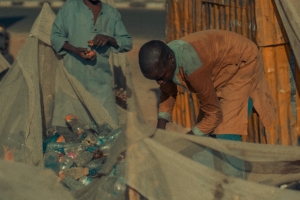 Recycling startups transforming waste into opportunity are not just a concept; it is a growing movement across Africa tackling plastic pollution while creating jobs and fostering economic resilience. Since 2019, innovative and locally led enterprises have proved that waste can become valuable resources. These startups transform discarded plastic into sustainable products, reducing environmental damage and creating livelihoods for underprivileged communities.
The United Nations Development Project (UNDP) reports that if circular economic models scale up, global employment could increase by 0.1% by 2030, potentially generating millions of new jobs worldwide. This work demonstrates that the fight against plastic pollution can go hand-in-hand with poverty reduction and community development.
EcoPost in Kenya
The circular economy comes to life through EcoPost in Kenya, where the company converts plastic waste into durable lumber. EcoPost replaces plastic waste with recycled fencing posts and paving blocks. Since 2019, EcoPost has recycled more than 13 million kilograms of plastic, creating 102 direct jobs and more than 10,000 indirect income opportunities for local waste collectors and suppliers.
These jobs targeted marginalized groups, especially women and youth, who face high unemployment. Using plastic waste as a resource, EcoPost has protected 4,300 acres of forest, supporting rural livelihoods that depend on forest ecosystems for food, water and climate stability. Thus, replacing timber has reduced deforestation while giving locals a stable income. Job creation reduces poverty as families are guaranteed stable incomes, while forest protection sustains rural livelihoods dependent on natural resources.
Gjenge Makers: Innovation Turning Waste Into Building Materials
Another stellar example of circular economy in action is Gjenge Makers, led by Kenyan engineer Nzambi Matee. Gjenge Makers turns plastic waste into strong, affordable paving blocks. This lowers infrastructure costs for small businesses and community projects. Since 2019, it has recycled 20 tonnes of plastic and produced blocks cheaper than regular bricks.
Cheaper, high-quality building materials help underserved communities afford improvements that attract investment, generate commerce and create ripple effects in local economies. Moreover, Gjenge Makers employs more than 110 people, mostly women and youth from marginalized backgrounds. This, in turn, strengthens local economies through jobs and economic resilience.
Innovative Recycling in Nigeria: Salubata
In Nigeria, Salubata, founded in 2018, repurposes plastic waste into customizable, modular shoes. This illustrates how the circular economy can spark social and environmental transformation. By transforming plastic pollution into stylish footwear, Salubata extends the concept of sustainable products from plastic beyond utility into everyday fashion. The brand also directs some of its profits to uplift vulnerable groups, combining entrepreneurial innovation with poverty reduction.
Since its founding, Salubata has developed unique, patented shoe designs from recycled plastic. The company donates 5% of profits from every sale to programs that feed children and empower women in underprivileged communities. Additionally, Salubata collaborates with about 50 waste collectors, many women, to source recycled plastic. By turning pollution into profit, Salubata creates job opportunities for women and youth, channels resources back to the community and fights poverty with style and purpose.
Conclusion
The circular economy demonstrates that environmental solutions and economic development can work together effectively. Recycling startups in Africa like EcoPost and Salubata show this by converting waste materials into valuable products while creating jobs for disadvantaged communities. These examples prove that addressing environmental problems and reducing poverty do not have to be separate efforts, but can be achieved simultaneously through well-designed initiatives.
We can accelerate progress toward environmental sustainability and economic opportunity by supporting and expanding these community-based enterprises. We can create a future where environmental responsibility and shared economic prosperity support each other.
– Anagha Rajithkumar
Anagha is based in Charlottetown, Prince Edward Island, Canada and focuses on Business and Technology for The Borgen Project.
Photo: Pexels
