• Link to X
  • Link to Facebook
  • Link to Instagram
  • Link to TikTok
  • Link to Youtube
  • About
    • About Us
      • President
      • Board of Directors
      • Board of Advisors
      • Financials
      • Our Methodology
      • Success Tracker
      • Contact
  • Act Now
    • 30 Ways to Help
      • Email Congress
      • Call Congress
      • Volunteer
      • Courses & Certificates
      • Be a Donor
    • Internships
      • In-Office Internships
      • Remote Internships
    • Legislation
      • Politics 101
  • The Blog
  • The Podcast
  • Magazine
  • Donate
  • Click to open the search input field Click to open the search input field Search
  • Menu Menu

Archive for category: disability and poverty

disability and poverty, Global Poverty

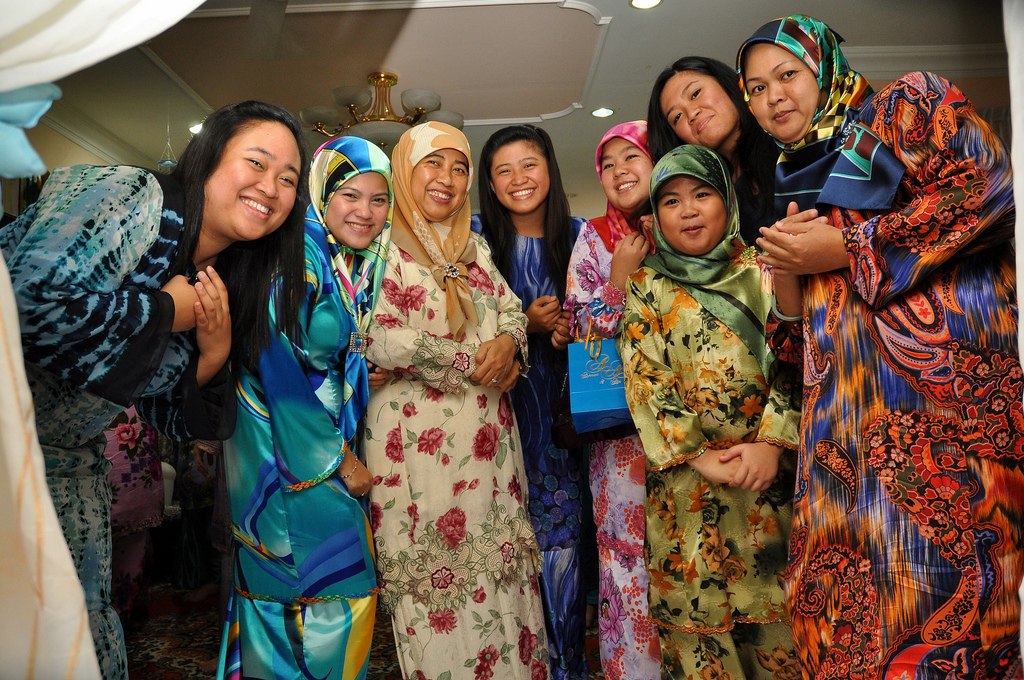
Addressing Disability and Poverty in Brunei

Disability and Poverty in BruneiDisability and poverty in Brunei is an emerging challenge despite the country’s high-income status. While Brunei provides universal health care and generous welfare programs, persons with disabilities (PWDs) continue to face systemic barriers that limit their full participation in society. The issues of limited employment, infrastructure gaps and social stigma persist yet new government and community initiatives show promise.

Disability and Poverty in Brunei: A Structural Link

According to the ASEAN Disability Forum, about 1% of Brunei’s population, roughly 4,100 people, live with a disability. Although the absolute poverty rate in Brunei is low, many PWDs face ‘relative poverty’ which relates to a lack of access to education, jobs and digital resources. A 2021 study by Universiti Brunei Darussalam revealed that PWDs face structural exclusion in both the labor market and education system, especially in rural areas. These limitations create a cycle of economic hardship that persists despite national wealth. Disability and poverty in Brunei must be understood as interconnected issues, where inclusion gaps not income levels contribute to vulnerability.

Welfare Programs and Legal Support

Brunei ratified the UN Convention on the Rights of Persons with Disabilities in 2016, marking a turning point in its legal commitment to PWD rights. Under the Welfare Assistance Act, PWDs with an “OKU card” (Orang Kelainan Upaya) are eligible for monthly financial support. As of early 2025, more than 3,800 PWDs hold the OKU card. In addition, more than 1,600 caregivers receive monthly care allowances, reflecting the government’s efforts to expand its safety net. However, challenges remain. Many PWDs struggle to find suitable jobs or gain access to inclusive education. Accessible infrastructure and digital equity also lag behind policy goals.

Recent Progress in Policy and Practice

Brunei’s 12th National Development Plan introduced “Different Abilities Design Guidelines” to make public buildings more accessible. The Ministry of Finance and Economy has pledged more than 4 billion Brunei dollars toward more than 300 national projects, including improvements in housing, education and health care.

In a 2025 New Year address, His Majesty Sultan Hassanal Bolkiah reaffirmed the nation’s commitment to leaving no one behind. He specifically emphasized the rights of persons with disabilities to live in dignity and self-reliance. Many advocacy groups, including SMARTER Brunei, an autism awareness nonprofit organization, welcomed his remarks.

In December 2024, the “Embrace Differences” campaign launched with support from public and private sectors. The initiative provides children with autism access to tablets and e-learning modules, helping bridge the digital divide in schools.

The Road Ahead

Despite these advances, more work remains. Less than 10% of working-age PWDs in Brunei are employed in the formal economy, according to the ASEAN Post. Creating inclusive hiring practices and investing in vocational training can help reduce reliance on welfare and foster economic independence.

Muhammad Hamzi, president of the Brunei Darussalam National Association of the Blind, explained, “The primary issue is awareness, particularly regarding the challenges PWDs face in the workplace, which includes relevant training programs.”

Education reform is equally critical. While digital learning efforts are expanding, only a few schools offer inclusive classrooms. Training teachers in disability awareness and scaling up assistive technologies could help to ensure children with disabilities are not left behind.

In underserved areas, community-based outreach through mosques, clinics and village councils can help identify and support PWDs who may not be registered for official aid. These local efforts can also reduce stigma and raise public understanding.

– Charlie Wood

Charlie is based in Liversedge, UK and focuses on Global Health for The Borgen Project.

Photo: Wikimedia Commons

August 3, 2025
https://borgenproject.org/wp-content/uploads/borgen-project-logo.svg 0 0 Jennifer Philipp https://borgenproject.org/wp-content/uploads/borgen-project-logo.svg Jennifer Philipp2025-08-03 07:30:352025-08-03 01:36:24Addressing Disability and Poverty in Brunei
Disability, disability and poverty, Education, Global Poverty

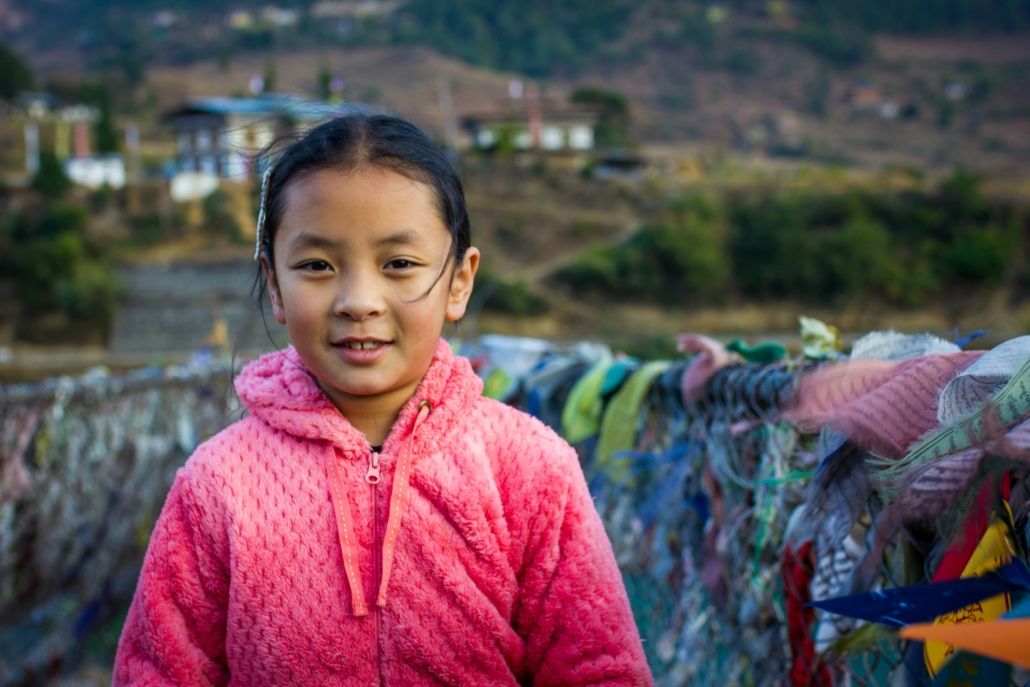
Inclusive Education: Confronting Disability and Poverty in Bhutan

Disability and Poverty in BhutanBhutan is a country with a unique culture and traditions. It is the only South Asian country that has a Gross National Happiness (GNH) philosophy, which emphasizes the importance of collective happiness and well-being over economic growth in the nation. This index is based on four pillars including sustainable socio-economic development, cultural preservation, environmental preservation and good governance, which help measure the quality of life and happiness of citizens.

Despite the importance given to GNH, the country faces a number of challenges with respect to poverty including access to education and basic resources, access to health care and social support. These factors disproportionately affect vulnerable populations in the country, especially children with disabilities. However, recent developments in regional and national policies and legislation aimed at addressing disability and poverty in Bhutan have resulted in positive changes in these areas. 

The Correlation Between Disability and Poverty in Bhutan

The Oxford Poverty and Human Development Initiative (OPHI) report (2018) indicated that people with disabilities experienced significantly higher levels of multidimensional poverty in Bhutan. It suggested that the multidimensional poverty rate of people was at a stark 11.1%, as compared to people without disabilities (5.6%). A 2022 report revealed that systematic barriers to education, vocational training and employment particularly affecting children and youth with disabilities reinforces the connection between disability and poverty in Bhutan. It further emphasized the role of Bhutanese social norms, like “Karuna” (compassion) and “Karma,” in perpetuating social and economic exclusions experienced by the disabled population especially.

The intersection of lack of coordination, funding for initiatives and targeted support were identified as both the cause and consequence of poverty in Bhutan. Another study noted a higher degree of prevalence of disabilities amongst poor children and those of mothers with lower levels of education. While this analysis does not paint a rosy picture regarding the intersection of disability and poverty in Bhutan, it acts as an entry point for change, grounded into local social institutions and realistic implementation, offering a roadmap to the policymakers for actionable goals—an approach that is already beginning to show tangible progress.

Disability and Education in Bhutan

In 2024, Kesang Chuki Dorjee, Chairperson of the Social and Cultural Affairs Committee (SCAC) presented a report titled “Review Report on the State of Persons with Disabilities.” In the report, Dorjee indicated how between the 12th and 13th Five-year plans, the government’s allocation towards educational activities for children with disabilities saw a rise from approximately Nu 87 million to Nu 1.115 billion.

The 2024 report estimated that 1,071 children with disabilities were attending in schools in a nationwide capacity. Bhutan has established three early childhood intervention centers offering services including communication skills, socialization behavior management, school readiness and other vocational training, like cooking, weaving tailoring and so on. Guided by the Sustainable Development Goals (SDGs), Bhutan has made important strides in implementing these inclusive strategies and policies for educating children with disabilities.

Education is an important aspect in the intersection of disability and poverty in Bhutan. The fact is that education is a critical point of intervention as it directly tackles the root cause of marginalization. As the abovementioned data suggests, children with disabilities are especially more likely to experience discrimination in mainstream educational settings. Ensuring that all children can participate in quality education regardless of ability can help build a stronger economic future for all, along with promoting equity. In Bhutan, where educational attainment has close links with future livelihoods, inclusive educational policies have become a key tool in breaking the cycle of intergenerational poverty, promoting social inclusion and fulfilling the country’s Gross National Happiness (GNH) philosophy of collective well-being and equity.

Looking Ahead

Despite many challenges stemming from the link between disability and poverty with respect to children in Bhutan, the momentum for change has been set into motion. The significant increase in government investment, along with inclusive educational initiatives, reflects a national commitment to ensuring that no child is left behind. As Bhutan continues incorporating principles of Gross National Happiness into its policies, the government and stakeholders are working to ensure that children with disabilities living in poverty, not only gain access to equitable education but also have the opportunity to contribute meaningfully to society. Though the journey may be long, the actions taken today are laying a strong foundation for a more inclusive and equitable Bhutan in the future.

– Vasudhaa Shakdher

Vasudhaa is based in Vancouver, Canada and focuses on Good News for The Borgen Project.

Photo: Unsplash

August 3, 2025
https://borgenproject.org/wp-content/uploads/borgen-project-logo.svg 0 0 Jennifer Philipp https://borgenproject.org/wp-content/uploads/borgen-project-logo.svg Jennifer Philipp2025-08-03 03:00:412025-08-02 11:11:33Inclusive Education: Confronting Disability and Poverty in Bhutan
disability and poverty, Global Poverty

How Disability and Poverty in Dominica Take Effect

Disability and Poverty in Dominica Dominica is a developing nation in the Eastern Caribbean with a population of more than 74,000. The economy is primarily based on agriculture, with a few smaller sectors, including tourism and manufacturing. Dominica is considered a developing country due to several factors, such as internal governmental issues and vulnerability to environmental disasters. While Dominica is not the poorest country, it does have a considerably high poverty rate. An unstable economic trajectory impacts those already considered poor and can lead to higher future poverty rates. This situation affects more than just poverty levels, and it can have a domino effect that can affect other areas such as crimes rates, education, health care and disability rates.

Disability and poverty rates often have a cause-and-effect relationship. Poverty can cause disability rates to increase, and disability can cause poverty rates to increase. Considering it is a developing country, disability and poverty in Dominica is always changing.

Poverty in Dominica

The most recent poverty percentages are unclear, but previous estimates suggest a rate of around 43% since its founding. A Country Poverty Assessment concludes that “poverty is more heavily concentrated in rural areas: more than 1 in 3 rural households are poor compared with 1 in 5 urban households.” Since this assessment, disasters like Hurricane Maria and COVID-19 have also affected the country’s economy. Other organizations report that the poverty rate is currently closer to 29%. As Dominica is vulnerable to disastrous natural events, economic challenges pose a continuous threat.

Solutions To Address Poverty

Expectations are in place for percental changes, but no official data is present for current households. Strategies to improve the country’s poverty rates have been presented in the National Resilience Development Strategy. This policy offers a broad range of solutions to issues, one being poverty. Three formal strategies offer improvement in poverty rates. One strategy focuses on creating opportunities for those with low/no income. Another strategy concentrates on other affected areas like education and housing. The final focuses on building assets and the availability of public services.

Poverty’s Effect on Disability

While disability and poverty rates are two separate categories, sometimes they can be interlinked. More than 60% of those with disabilities are facing a severe risk of poverty. Disability affects one in five people living in extreme poverty. Poverty can infect several factors of a person’s life-such as malnutrition and dangerous living conditions-which can directly result in disabilities. Poverty deals with an isolating economic pressure that can be amplified with a disability and vice versa.

In a regional report on Latin America and the Caribbean, “When persons with disabilities seek work, they tend to acquire low-skilled positions, especially in urban areas. The economic impact of having a household member with disabilities is also evident in high unemployment rates for heads of households.” With limited income, limited health care options and limited opportunities, this creates a dangerous pipeline for the disability and poverty percentages, let alone for those in a developing country.

Disability Representation in Dominica 

As it is considered a developing country, disability percentages have been on the rise since its establishment. A census done in 2011 provides inaccurate statistics that only further prove exclusivity in Dominica. The Population and housing Census estimates that around 3,400 citizens in Dominica live with a disability. The percentages between 2001 and 2011 provide increasing statistics, rather than decreasing. Sight-related disabilities increased by 46%. Those with body movement disabilities 35%, and in another category labeled “other,” experienced over 80% increased. Both men and women live with the effects of disability and poverty in Dominica, while women average higher in mobility-based disabilities. Men average a higher percentage in behavior-based disabilities. With the heightening vulnerabilities to natural disasters, policies are forming to advocate for those affected by disability and poverty in Dominica.

Policies and Organizations in Place

While Dominica faces critical evolving challenges with disability and poverty rates, promising policies and strategies are emerging. The Growth and Social Protection Strategy (GSPS) provides a strengthening foundation for growth ideas and development. This strategy offers a reformation process that promotes growth, economically and socially. The GSPS aims to reaffirm and enable internal growth investments and poverty reduction strategies.

More recently, successful investment opportunities are relocating to Dominica, which should provide both domestic and foreign investment relationships. Besides official policies, groups and organizations have been forming in support of an inclusive environment for everyone. The Dominica Association of Person with Disabilities (DAPD) is an organization that advocates for equal opportunities and supports those with disabilities. Nathalie Murphy, a founding member of the organization, lives with a sight disability. This organization advocates for the development and welfare of those with disabilities in Dominica. The DAPD has coined a National Dollar Day initiative, which has a goal of fundraising $70,000 for the cause. Other organizations can form on common ideals and beliefs and can inspire one another to take different approaches to shared policies.

Looking Ahead

The increasing population in Dominica offers the country a chance to build its economy to support its citizens. The connection between disability and poverty can create intertwining hardships that affect other surrounding factors. With current reformation plans in place, Dominica’s economy can grow. The International Monetary Fund (IMF) has concluded that Dominica is projecting positive economic shifts in the near future. Further expansion in growing markets can prove to change Dominica and its future. With the formation of organizations, forums, policies and committees, people can come together to strengthen Dominica and its citizens. 

– Emma Rowan

Emma is based in Boston, MA, USA and focuses on Global Health and Politics for The Borgen Project.

Photo: Unsplash

August 2, 2025
https://borgenproject.org/wp-content/uploads/borgen-project-logo.svg 0 0 Jennifer Philipp https://borgenproject.org/wp-content/uploads/borgen-project-logo.svg Jennifer Philipp2025-08-02 01:30:552025-08-01 13:59:47How Disability and Poverty in Dominica Take Effect
Disability, disability and poverty, Global Poverty

Disability and Poverty in Latvia

Disability and Poverty in LatviaLife becomes a hardship when an injury causes disability. The case is even worse for individuals with permanent disabilities, and often experience neglect from society. As such, without proper care, they are significantly more at risk of living below the poverty line. For disabled individuals living in impoverished nations, resources and care can be nonexistent. Although the perception of disabled persons in Latvia improved, disability still has significant links to being at risk of poverty and social exclusion. Here is more information about the links between disability and poverty in Latvia.

Social Isolation and Mistreatment

Eurostat, the statistical office of the European Union, links poverty and social isolation together through the at risk of poverty or social exclusion metric (AROPE). Isolation and mistreatment from society can in turn exacerbate poverty. In 2021, Eurostat projected that in Latvia, 37.5% of disabled persons over the age of 16 were considered AROPE. Latvia’s rate was the highest in the Baltic States and was among the highest in the European Union. This number has grown since 2015, whereas only 566,000, or 28.5% of residents, were considered AROPE.

Paired with the fact that the number of disabled persons in Latvia is growing, individuals under AROPE require even greater attention in order to not suffer poverty’s devastation.

Poverty Alleviation for the Disabled

Latvia has one of the largest wealth gaps in the European Union. Data from 2012 demonstrates that the top 10% of the population received 26% of the entire income. In 2023, data from the Central Statistical Bureau listed that the richest population’s income was 6.3 times greater than the income of the poorest, rendering Latvia as a top country with wealth inequality. 

With a percentage of the affluent population, it is possible to provide greater support to individuals in poverty. However, little is occurring to benefit disabled and impoverished individuals. Since 2005, the social minimum has been 64.03 Euros per month, equivalent to that of the benefit given to disabled individuals. In addition, the minimum disability pension ranges from 64.03 Euros to 170.75 Euros per month. 

Given that these rates have been unchanged since 2005, it is difficult for individuals under these funds to sustain a viable lifestyle, especially as inflation increases the cost of living every year. In addition, Latvia’s classification of a poor person, an individual who is not earning more than 128.06 Euros per month, has not changed since 2001. As the minimum benefit that disabled citizens receive is significantly less than the minimum amount necessary to be in poverty, disabled individuals experience significant disadvantages.

A Path Forward for the Disabled

Despite clear societal hardships for disabled individuals and increased risk of poverty, treatment has improved. In 2010, the Independent Living Institute, which is dedicated to promoting rights of individuals with disabilities, stated that “the view of people with disabilities has improved.” Latvia addressed the matter of living conditions for the disabled in 2009 with draft legislation discussing personal assistance and the specifics of individual care. The legislation provided minimum requirements for social services and assistance to the disabled, and outlined the responsibilities of local governments in providing such care. Although the legislation did not move forward due to a financial crisis, the fact that officials discussed this demonstrates that Latvia acknowledged disability and the risk of poverty.

This shift is due to borders opening and the changing of stereotypes of disabled persons. As Latvians gained the ability to travel abroad and view how disabled individuals were treated in other countries, their own perceptions began to change positively. 

Since the increased awareness of disability and poverty in Latvia, greater progress has occurred to ensure that the disabled are cared for and less at risk. Interest groups such as the Independent Living Institute have played a significant role in lobbying the Latvian government to consider and implement disability care legislation, and was critical in signing onto of the UN Convention on the Rights of Persons with Disabilities. 

Looking Ahead

While stigma surrounding disabled individuals still exists, more respect and acknowledgement of their capabilities and hardships ultimately create better treatment and greater equity. The first step to reducing disability and poverty in Latvia is to first understand and take issues of disabled individuals seriously. With support from individuals and groups fighting to promote accessible resources, the disabled population will be less likely to be at risk of poverty, and should live happier lives.

– Owen Wu

Owen is based in Westborough, MA, USA and focuses on Technology and Politics for The Borgen Project.

Photo: Unsplash

August 1, 2025
https://borgenproject.org/wp-content/uploads/borgen-project-logo.svg 0 0 Jennifer Philipp https://borgenproject.org/wp-content/uploads/borgen-project-logo.svg Jennifer Philipp2025-08-01 07:30:232025-08-01 05:02:18Disability and Poverty in Latvia
Disability, disability and poverty, Global Poverty

Disability and Poverty in Guinea

Disability and Poverty in GuineaIn 2018, the poverty rate of people who lived in Guinea was at an astounding high, with 43.7% of Guineans living below the poverty line, which is equivalent to about 5.8 million people. One year before, in 2017, 1.5% of the population lived with disabilities. Although these percentages are vastly different, the correlation between disabled individuals and poverty is hard to miss. Here is information about the relationship between disability and poverty in Guinea.

Effects of Poverty

Increases in global commodity prices led to rising inflation levels, pushing more people into poverty as they were unable to access affordable food, effectively depriving them of their necessary nutritional intake. The effects of high food inflation caused Guineans to resort to unhealthy coping mechanisms, which have a long-term impact on their daily lives and, ultimately, their ability to earn a living. More than half of the entire population is also experiencing extreme food insecurity and poverty. This ultimately also leads to high rates of malnutrition.

Despite this, the percentage of people below the poverty line has decreased from 55.2% in 2012, suggesting that living conditions are actively improving over time.

Effects of Disability

People with disabilities in Guinea face significant discrimination and are highly vulnerable to violence. For example, people with albinism are subject to many myths and stereotypes about their condition, such as the belief that they bring good luck. This myth often results in these individuals being kidnapped or becoming victims of ritual crimes.

Guinea signed and ratified the United Nations Convention on the Rights of Persons with Disabilities in 2007-8. This convention works to help individuals see disabled people as subjects with rights who are capable of claiming those rights, making their own decisions rather than just objects of charity and social services. After this, Guinea adopted multiple measures to help foster human rights and the rights of people with disabilities. Multiple organizations originated as well in order to protect disabled people.

Organizations Addressing Disability and Poverty in Guinea

Disability and poverty in Guinea correlate, as disabled people have a poverty rate of 14.4%. Numerous organizations advocate for disabled rights, such as the Guinean Network of Disability Organizations for the Promotion of the International Convention on the Rights of Persons with Disabilities (ROPACIDPH). This organization directly advocates for the rights of disabled children and adults with education, health support, training/advice/parental guidance, etc. While there are some good things in place to advocate for disabled people who may be suffering from poverty or other related issues, their lives will only be improved if the laws put in place are strictly enforced. For example, recently, there was an event held in support of the deaf community for the International Day of Sign Languages by ROPACIDPH that its Facebook page showed.

There are also many organizations, like the World Food Programme (WFP), actively working to provide food assistance to those in need. “In 2023, WFP provided vital nutritious food to more than 1 million vulnerable people, including schoolchildren and pregnant or breastfeeding women. This work improves food security and nutrition, reducing maternal malnutrition, mortality risk, low birth weight rates, and malnutrition among children under 5.”

Organizations such as the United Nations Development Programme (UNDP) have also helped people with reduced mobility start 100 businesses to help them become self-sufficient and not need to rely on the government or other people to survive. These businesses were all met with great success. One business has ended up making more than $6,000 a month.

Looking Ahead

As these organizations continue to work to improve the lives of these individuals, their living conditions continue to get better and better with continued support and advocacy. As time has progressed, the poverty level and food insecurity continue to drop, and more help has been provided over the years. Disabled individuals have also become more recognized in Guinean communities, and many conventions were put in place to help support them.

– Bowie Aldrich

Bowie is based in Syracuse, NY, USA and focuses on Good News and Global Health for The Borgen Project.

Photo: Unsplash

July 31, 2025
https://borgenproject.org/wp-content/uploads/borgen-project-logo.svg 0 0 Jennifer Philipp https://borgenproject.org/wp-content/uploads/borgen-project-logo.svg Jennifer Philipp2025-07-31 01:30:522025-07-31 01:21:54Disability and Poverty in Guinea
Disability, disability and poverty, Global Poverty

A Brief Overview of Disability and Poverty in Angola

Disability and poverty in AngolaAngola, a Portuguese-speaking country located in southwestern Africa, records a history of prolonged civil conflict and high poverty rates. These two situations result in the phenomenon of war-based disability and poverty in Angola, which profoundly influences the development of Angolan society in the present day.

Background

In the 1970s, Angola fought a war of independence against Portuguese colonial rule, followed by a prolonged civil war between rival political factions until 2002. This extended period of conflict left behind a large population of disabled individuals and severely damaged the country’s infrastructure and potential for economic development.

As of 2018, approximately 53% of Angola’s population earns less than $3.65 daily. The majority of this vulnerable population resides in rural areas, which, incidentally, were also the most heavily impacted by military action during the Civil War period. The land still bears marks of physical destruction, including destroyed infrastructure and other dangers affecting the population.

The presence of unexploded ordnances such as landmines is of particular concern: between 60,000 and 88,000 Angolans have been injured by landmines. However, the number is likely higher due to underreporting. Reports suggest that there are as many as 1,000 minefields left in Angola. Given the lack of reliable data and access to survivors, it is even more challenging to ascertain the extent of war-related psychological disabilities, such as PTSD.

At the same time, compensation is practically nonexistent: military veterans are entitled to pensions equivalent to $67 per month. However, even this relatively minor payment is only issued to a small percentage of eligible recipients. The Angolan government has similarly failed to deliver housing and infrastructure development promises.

Addressing the Problems

International organizations and aid groups have worked to alleviate problems relating to disability and poverty in Angola. The HALO Trust, a British charity that works to clear away explosives in former conflict areas, has been active in Angola since 1994. It reported eliminating 123,000 landmines as of 2025.

These efforts have helped restore access to farmland, schools and roads, reducing injury risks and improving livelihoods, especially for communities where landmine-related disabilities remain common. HALO’s work also supports Angola’s broader goals of rural development, poverty reduction and rehabilitation for those injured during the conflict.

Mine clearing operations are directly connected to infrastructure work. For example, it would permit the development of the so-called Lobito Corridor, a railway project linking the resource-rich African interior to the Angolan port of Lobito, facilitating mineral exports and providing economic opportunities for Angolans.

Conclusion

Disability and poverty in Angola go hand in hand. Clearing landmines would not only reduce injuries and disabilities but also support rebuilding efforts. These advances may help to restore economic productivity across the country. At the same time, greater involvement from authorities, particularly toward investing in issues that originate from the war’s legacy, will help improve the life quality of Angolans.

– Rafael Saavedra

Rafael is based in San Antonio, TX, USA and focuses on Politics for The Borgen Project.

Photo: Flickr

July 27, 2025
https://borgenproject.org/wp-content/uploads/borgen-project-logo.svg 0 0 Hemant Gupta https://borgenproject.org/wp-content/uploads/borgen-project-logo.svg Hemant Gupta2025-07-27 13:00:082025-07-27 03:22:36A Brief Overview of Disability and Poverty in Angola
Disability, disability and poverty, Global Poverty

Addressing Disability and Poverty in Kazakhstan

Disability and Poverty in KazakhstanKazakhstan, which gained its independence from the USSR in 1991, has been making efforts to operate on the world stage for many years. A country the size of Western Europe, it now has the biggest economy in Central Asia, thanks to huge reserves of oil, natural gas and minerals. Its first Constitution was created in 1993, but it was not until the 2010s under the “Kazakhstan 2050” program that it aimed to transform the country into one of the 30 most developed countries during the 21st century. How it compares to other developed countries in the implementation of things like government social security programs, particularly for those struggling with disability and poverty in Kazakhstan, however, has reportedly been lagging behind, though there are those who are trying to help.

The official report shows that 5.3% of Kazakhstan’s population is below the poverty line, though it is estimated that almost 50% of the nation survives just above the poverty line. Additionally, it shows that about 750,000 people are living with a disability in Kazakhstan, which includes 101,000 who are children under 18 years old. As of 2022, there were about 36,000 new cases of cancer, whereas 0.4% experienced blindness as of 2025 and about 150,000 people had hearing or hearing-related impairments.

Human Rights Watch: Holding Kazakhstan Accountable

A recent that the Human Rights Watch did looked into the condition of poverty and disability in Kazakhstan, particularly the role of Targeted Social Assistance (TSA). TSA is a state-led program that Kazakhstan implemented in 2001, which aims to give financial assistance to individuals and families with a monthly average per capita income below the poverty line. However, findings determined there were significant hitches to the TSA program.

TSA, which serves almost 1 million citizens of Kazakhstan, is designed to provide financial aid to the nation’s poor and disabled people through monthly payments and they have opened social centers which provide legal and financial services as well as free training programs. However, the 2022 study reported that there have been problems with widespread stigma for people with disabilities who seek aid from TSA, a lack of education (especially in rural areas) regarding the opportunities for TSA benefits and an application system that makes it hard to sign up.  

“A relatively prosperous country such as Kazakhstan should be able to step up and meet its human rights obligations to ensure that everyone has access to social security that offers an adequate standard of living,” Hugh Williamson, the Europe and Central Asia director at Human Rights Watch said. “At present, meager payments, bureaucratic hurdles, and stigma mean this is not happening.”

Stigma and Discrimination

Another recent study, a research study called “Disability, Livelihood and Poverty in Asia and the Pacific,” by the ESCAP Social Development Division, under the overall direction of Nanda Krairiksh, which included Kazakhstan among eight other countries, showed Kazakhstan doing favorably in comparison to countries like Fiji and the Republic of Korea. However, the study also highlighted that there are low numbers of people struggling with disability and poverty in Kazakhstan attending public or even private schools. According to a 72-page report entitled “On the Margins:” Education for Children with Disabilities in Kazakhstan” published in 2019, the education system segregates and isolates children with disabilities, teach children in separate classrooms, when they can make it to school and their closed psychiatric institutions receive very little or no education.

The ESCAP study generally showed that poverty in different countries often leads to disability and disability often leads to poverty, a compounding problem, and that access to social security benefits and gainful employment, when possible, is the key to stability—39% of people with disabilities are employed in Kazakhstan, with most of the people working in the research sector. Beyond that, “Policy should not only build and expand on the resources and opportunities that persons with disabilities have, but also remove the barriers that they face, including stigma and discrimination,” a rife issue that the Human Rights Watch found with Kazakhstan’s TSA program and society in general.

Solutions

There are those in Kazakhstan who are trying to use their experience with poverty and disability to better the conditions in the country for others in the same circumstances. Two such champions are Zhannat Yessmaganbetova, who lives in the western city Atyrau, and Roza Akzharkenova, who lives in the southeast. Zhannat, who considers that her own disability created the patience and fortitude to make her the perfect advocate, has been addressing issues like urban infrastructure and social space, dealing with details like access to state facilities by means of ramps, lifts and appropriate places for consultation. Roza is addressing the same issues in her region of Kazakhstan and also advocating for more research into a situation that she believes is more widespread and urgent than most people believe. 

The way advocates like Roza and Zhannat come at the issue from several directions in an effort to make social security programs like TSA more accommodating and accessible for people who struggle with disability and poverty in Kazakhstan, seem to be Kazakhstan’s road to keeping up with developed countries. Kazakhstan is catching up with modern expectations for how to deal with poverty and disability, after years of having almost no systematic research or international accountability. Studies by the likes of the Human Rights Watch and ESCAP, as well as figures like Zhannat Yessmaganbetova and Roza Akzkarkenova, have attempted to better the conditions for those dealing with disability and poverty in Kazakhstan.

– Gregory Walker

Gregory is based in York, PA, USA and focuses on Global Health for The Borgen Project.

Photo: Flickr
July 27, 2025
https://borgenproject.org/wp-content/uploads/borgen-project-logo.svg 0 0 Jennifer Philipp https://borgenproject.org/wp-content/uploads/borgen-project-logo.svg Jennifer Philipp2025-07-27 03:00:532025-07-27 03:04:32Addressing Disability and Poverty in Kazakhstan
Disability, disability and poverty, Global Poverty

Disability and Poverty in Trinidad and Tobago

Disability and Poverty in Trinidad and Tobago Despite Trinidad and Tobago’s status as one of the Caribbean’s wealthiest nations, subpopulations of the islands continue to face impoverishment. While Trinidad and Tobago have financial assistance programs in place, these programs are not always enough to counteract disability as a determiner of socioeconomic status. The government of Trinidad and Tobago does however recognize this intersection of disability and poverty. Here is information about disability and poverty in Trinidad and Tobago.

Disability on the Rise

Consistent with international trends, an aging population in Trinidad and Tobago has led to an increase in individuals living with disabilities or chronic diseases. Recent figures show that roughly 5% of the nation’s population has a disability. For a small country of 1,300,000 citizens, that means that 52,000 individuals are living with a disability. About 6% of this figure is believed to be children, accounting for around 3,000 members of the population, although a lack of early detection likely skews these numbers.

Disenfranchisement of the Disabled

The medical or charity model is the persistent model for disability treatment in Trinidad and Tobago. The medical and charity model of disability largely ostracizes the disabled community. This is due to the conceptualization of disabled individuals as other and dependent. As a strategic analysis of disability in Trinidad and Tobago has suggested, disabled individuals experience consistent disenfranchisement and exist on the peripheries of society due to prevailing social, legal and economic barriers to social integration. This social positioning acts as a financial determiner, as there is a lack of systemic support for disabled individuals to be independent income earners. As the United Nations specifies in their strategic analysis, “poor access to essential services like health care, education, employment, and transportation[…]have led to poor economic outcomes and the inability of [people with disabilities] to live self-determined lives.”

Impact of COVID-19 on Disability and Poverty in Trinidad & Tobago

The COVID-19 pandemic that began in 2020 exacerbated these institutional and social barriers. While the entirety of the population was facing disruption to their employment and ability to receive an education, individuals with disabilities were particularly impacted. Many people with disabilities faced increased health risks from COVID-19 and during this time many support systems that are usually in place for the disabled community were unable to effectively function.

Government Assistance Programming

Trinidad and Tobago has several governmental ministries that provide assistance to individuals with disabilities, the most prominent of which is the Ministry of Social Development and Family Services. This ministry includes the dedicated Disability Affairs Unit and provides the Disability Assistance Grant to disabled adults who are unable to earn a living due to their disability. In 2019, the Ministry of Social Development and Family Services also introduced a grant for minors with disabilities to assist families in receiving costly services related to their child’s disability.

Institutional and Governmental Improvements

In addition to these existing social services for disabled individuals, the government of Trinidad and Tobago made a commitment in 2018 to update their policies surrounding the disabled population. The National Policy on Persons with Disabilities stands as a prominent component of the Government of Trinidad and Tobago’s Vision 2030 National Development Strategy. This policy recognizes how disability and poverty are related and has a newfound focus on improving the quality of life and social experience of disabled individuals. The policy recommends education, awareness raising, improved health care and health care access, transportation, housing and employment opportunity among other systematic improvements. The goal of these reforms is to improve not only the quality of life for disabled individuals, but also provide social integration and a form of justice to a community that has historically faced disenfranchisement and ostracization.

Looking Ahead

Historically, disability and poverty have been deeply interconnected in the Caribbean. However, recent legal and social developments aim to change the experience of disabled individuals in Trinidad and Tobago. In the wake of COVID-19 and with a changing understanding of the disabled community, the nation seeks to reform their treatment of the disabled population. As the policy states, the primary goal of these changes is to “protect and promote the human rights of all persons with disabilities.”

– Gwyneth Connor

Gwynethis based in Kensington, MD, USA and focuses on Global Health for The Borgen Project.

Photo: Pixabay

July 26, 2025
https://borgenproject.org/wp-content/uploads/borgen-project-logo.svg 0 0 Jennifer Philipp https://borgenproject.org/wp-content/uploads/borgen-project-logo.svg Jennifer Philipp2025-07-26 07:30:242025-07-25 16:52:14Disability and Poverty in Trinidad and Tobago
disability and poverty, Global Poverty

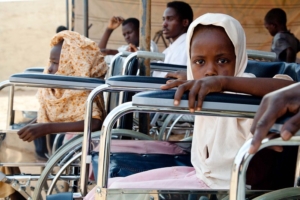
Disability and Poverty in Yemen: What NGOs Are Doing Right Now

Disability and Poverty in YemenBombing, blockades and economic collapse have pushed Yemen into one of the world’s most severe humanitarian crises. Disability and poverty in Yemen are deeply intertwined with 82.7% of Yemenis now living in multidimensional poverty as of 2023. Amid this emergency, at least 4.5 million people (about 15% of the population) live with a disability, the World Health Organization (WHO) estimates. Poverty and disability interact in a vicious cycle: conflict injuries and chronic conditions raise household expenses while stigma and inaccessible services block income opportunities.

Intersecting Barriers

Destroyed roads, damaged bridges and collapsing health facilities isolate rural districts. Families often travel for hours to reach the nearest functioning clinic, only to discover medicine shortages or unaffordable fees. Children with disabilities rarely enter classrooms because buildings lack ramps, teachers lack training and transport costs exceed family budgets. A 2023 policy study found that the Ministry of Education and the Social Fund for Development must still reach 70% of rural areas with inclusive services. Exclusion starts early and lasts a lifetime, trapping entire households in chronic poverty.

Poverty and Disability by the Numbers

  • About 82.7% of Yemenis experience multidimensional poverty (2023 UNDP survey).
  • According to the World Bank, 4.5 million Yemenis live with a disability.
  • Households that include a person with a disability are 20% more likely to fall below the poverty line,

War continues to expand these figures. Landmines, air-delivered munitions and improvised explosives have caused thousands of amputations since 2015, swelling rehabilitation queues and deepening poverty gaps. Disability and poverty in Yemen continues to reinforce each other with every passing year of conflict.

NGO Response: Humanity & Inclusion

Humanity & Inclusion (HI) returned to Yemen in 2014 and built a nationwide rehabilitation network. Between 2015 and 2024, HI:

  • Delivered rehabilitation sessions to 42,500 people injured or disabled by the conflict
  • Fitted 660 people with prosthetic or orthotic devices
  • Supplied 43,200 mobility aids such as crutches and wheelchairs
  • Trained 820 Yemeni health workers in disability-inclusive care
  • Provided psychosocial support to 29,800 survivors of violence and displacement

HI teams operate inside hospitals in Sana’a, Hajjah, Aden, Lajih and Taizz. Mobile outreach units extend care to frontline villages where no other provider can travel safely. By pairing physical rehabilitation with mental-health counselling, HI helps survivors regain mobility, return to school or work and reduce their dependence on cash assistance.

Government and Donor Action

While NGOs rebuild individual lives, large-scale income support remains critical. The Emergency Cash Transfer Project, which Yemen’s Social Welfare Fund launched with support from UNICEF and the World Bank’s International Development Association in August 2017, channels quarterly payments to every district in the country. By May 2018, the program had reached 1.5 million of the poorest families—about 9 million people or one-third of the population.

Each household receives the local-currency equivalent of $30 USD, a sum that covers staple foods and basic medicines and keeps children in school. Because registration lists include people with disabilities, the project injects direct purchasing power into some of the most excluded households.

Inclusive Education

The Social Fund for Development works with the Ministry of Education to expand inclusive schooling. By late 2024, the partnership had integrated children with disabilities into 400 public schools through teacher training, resource rooms and small-scale infrastructure upgrades.

Although coverage remains uneven, the initiative demonstrates how low-cost adaptations—braille textbooks, sign-language modules and community-based rehabilitation volunteers—can open classrooms and reduce long-term dependency.

Toward an Inclusive Recovery

Conflict still blocks Yemen’s path to stability, yet targeted interventions prove that progress is possible. Humanity & Inclusion restores mobility and dignity one patient at a time. The Emergency Cash Transfer Project prevents destitution for millions and keeps the economy alive at neighborhood level. Government-supported inclusive education starts to break the link between disability and illiteracy. Donors and policymakers can scale these models by:

  • Funding additional rehabilitation centers and prosthetic workshops in underserved governorates
  • Increasing cash-transfer amounts to match inflation and prioritizing recipients with disabilities
  • Embedding accessibility standards in every reconstruction contract

Yemen cannot afford to rebuild without its most vulnerable citizens. A recovery strategy that places people with disabilities at its center will not only cut poverty but also strengthen social cohesion and economic resilience. The numbers show that inclusive solutions already work; sustained investment will multiply those gains and move Yemen closer to a future where disability and poverty in Yemen no longer dictate a person’s fate.

– Nafeesah Rahman

Nafeesah is based in London, UK and focuses on Global Health for The Borgen Project.

Photo: Unsplash

July 14, 2025
https://borgenproject.org/wp-content/uploads/borgen-project-logo.svg 0 0 Jennifer Philipp https://borgenproject.org/wp-content/uploads/borgen-project-logo.svg Jennifer Philipp2025-07-14 07:30:532025-07-14 01:11:56Disability and Poverty in Yemen: What NGOs Are Doing Right Now
disability and poverty, Global Poverty, Inequality

Disability and Poverty in Senegal

Disability and Poverty in SenegalWith the international poverty line being at $2.15/day (USD), roughly 1.7 million Senegalese live below this margin as of April 2025. While this is alarming, it is important to note that the poverty rate is steadily decreasing. As of 2023, approximately 8% of those 15 and older experience some form of functional difficulty. In terms of being considered multidimensionally poor, 88% of people with “at least a lot of functional difficulty’ are classified as such, compared to 76% of people who experience ‘no difficulty.” With both disability and poverty in Senegal being common, accessing necessary health care, education and accommodations for individuals with disabilities becomes increasingly challenging.

The Creation of the Equal Opportunity Card

Disability and poverty in Senegal impact each other. Living with a disability may be more expensive due to necessary accommodations such as wheelchairs, health care or visual assistance. Therefore, intervention is frequently necessary. First implemented in 2012, The Carte d’Égalité des Chances (CEC) originated to provide accommodations to people with disabilities. These accommodations include the Family Allowance Programme, health care such as the Universal Health Coverage Plan, assistance with employment, vocational training, education, transportation and other services that may otherwise be challenging to access.

While receiving health care prior to the CEC was possible, it was extremely difficult – especially for individuals with disabilities – due to financial reasons.

As of 2019, Senegal issued at least 50,006 cards which resulted in 17,614 individuals registering in mutual health funds, 25,507 benefitting from a family security grant and 633 gaining free access to “Dakar-Senegal dem dikk,” a public transport network. Although further work is needed to fully implement this card in society, as the International Budget Partnership explains, this card has assisted many and has the potential to continue doing so.

Inclusive Schooling

The United Nations International Children’s Emergency Fund encouraged the Government of Senegal to re-engage with a national policy draft that supports inclusive education. Lt. Aliou Badara Diallo Elementary School, with support from the Sensorial Handicap Cooperation, has given many children the opportunity to thrive, flourish and grow, all while getting a quality education in a supportive environment.

Advancing Equal Opportunities

Humanity & Inclusion’s (HI) program in Senegal encourages the integration of people with disabilities into the workforce and society through training, vocational and economic inclusion projects. Projects that HI is running include the creation of a Master’s degree in inclusive education, introducing sign language to inclusive employment spaces and a national campaign that’s dedicated to fight prejudices which prevent children with disabilities from going to school. In addition, HI works to spread awareness and improve the accessibility of infrastructure and services.

Access to Education

Statistics prove that most disabled people in Senegal have less than primary school education. The rate is higher among people who experience “at least a lot of functional difficulty” (82%), compared to “no difficulty” (66%).

This is likely because some standard schooling lacks inclusive programs that accommodate different ways of learning. Sightsavers’ inclusive education pilot project – launched in three mainstream schools in Dakar, Senegal – ensures children with disabilities receive a proper education that meets their needs. This project is a great example of an initiative that increases education access to those with disabilities. 

The Promotion of Awareness and Support

In 2010, Senegal signed the social orientation law n°2010-15 of July 6 into law to protect the rights of people with disabilities. This law is meant to put social measures into action that ensure fair treatment and equality, however, it is loosely followed. In order for people with disabilities to fully benefit from the social orientation law n°2010-15, the implementing texts must be signed and enforced.

Accommodating Sanitation Facilities

People with disabilities, particularly those who use wheelchairs, may find it challenging to use a standard sanitation facility. Including amenities such as universally accessible toilets and showers can promote the equal treatment of people who are disabled in public spaces. A four component project called the Rural Water Supply and Sanitation Project for Senegal aims to increase the accessibility of improved water and sanitation services in selected rural areas, benefiting all individuals.

Looking Ahead

With initiatives like the Equal Opportunity Card and Lt. Aliou Badara Diallo Elementary School, decreasing discrimination while promoting equality is clearly on Senegal’s agenda. Although disability and poverty in Senegal are prevalent, they do not go ignored. Despite being a developing country that fights widespread poverty, Senegal has shown its commitment to supporting disabled individuals and ensuring fair treatment. 

– Casey Relyea

Casey is based in Moneta, VA, USA and focuses on Good News and Global Health for The Borgen Project.

Photo: Unsplash

July 14, 2025
https://borgenproject.org/wp-content/uploads/borgen-project-logo.svg 0 0 Jennifer Philipp https://borgenproject.org/wp-content/uploads/borgen-project-logo.svg Jennifer Philipp2025-07-14 01:30:582025-07-13 10:11:00Disability and Poverty in Senegal
Page 4 of 6«‹23456›»

Get Smarter

  • Global Poverty 101
  • Global Poverty… The Good News
  • Global Poverty & U.S. Jobs
  • Global Poverty and National Security
  • Innovative Solutions to Poverty
  • Global Poverty & Aid FAQ’s
Search Search

Take Action

  • Call Congress
  • Email Congress
  • Donate
  • 30 Ways to Help
  • Volunteer Ops
  • Internships
  • Courses & Certificates
  • The Podcast
Borgen Project

“The Borgen Project is an incredible nonprofit organization that is addressing poverty and hunger and working towards ending them.”

-The Huffington Post

Inside The Borgen Project

  • Contact
  • About
  • Financials
  • President
  • Board of Directors
  • Board of Advisors

International Links

  • UK Email Parliament
  • UK Donate
  • Canada Email Parliament

Get Smarter

  • Global Poverty 101
  • Global Poverty… The Good News
  • Global Poverty & U.S. Jobs
  • Global Poverty and National Security
  • Innovative Solutions to Poverty
  • Global Poverty & Aid FAQ’s

Ways to Help

  • Call Congress
  • Email Congress
  • Donate
  • 30 Ways to Help
  • Volunteer Ops
  • Internships
  • Courses & Certificates
  • The Podcast
Scroll to top Scroll to top Scroll to top