• Link to X
  • Link to Facebook
  • Link to Instagram
  • Link to TikTok
  • Link to Youtube
  • About
    • About Us
      • President
      • Board of Directors
      • Board of Advisors
      • Financials
      • Our Methodology
      • Success Tracker
      • Contact
  • Act Now
    • 30 Ways to Help
      • Email Congress
      • Call Congress
      • Volunteer
      • Courses & Certificates
      • Be a Donor
    • Internships
      • In-Office Internships
      • Remote Internships
    • Legislation
      • Politics 101
  • The Blog
  • The Podcast
  • Magazine
  • Donate
  • Click to open the search input field Click to open the search input field Search
  • Menu Menu

Archive for category: disability and poverty

Disability, disability and poverty, Global Poverty

Disability and Poverty in Paraguay

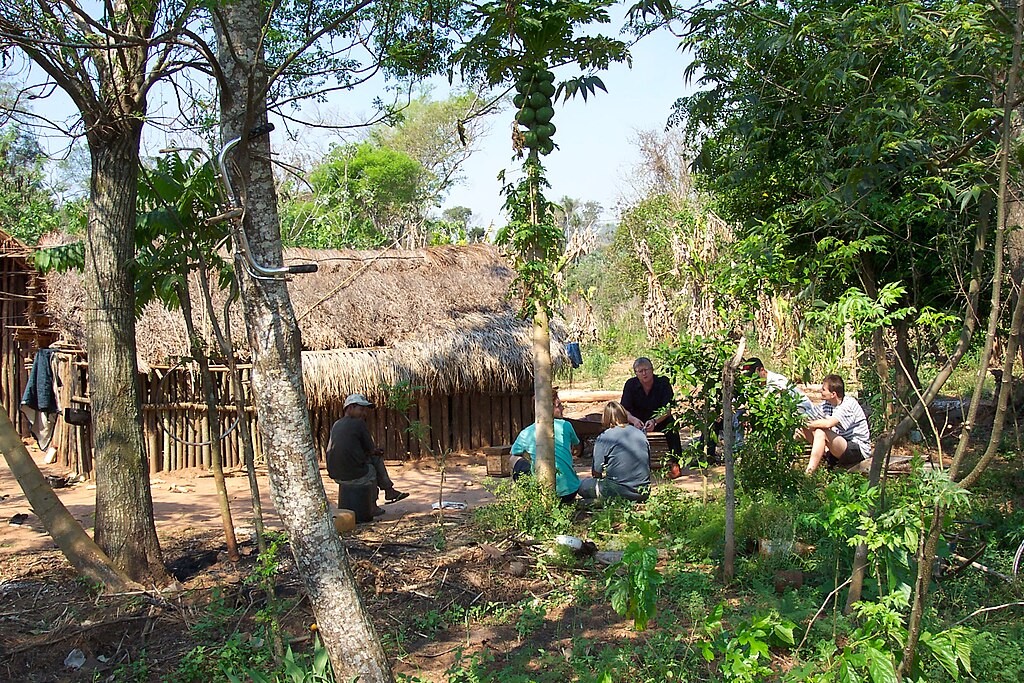
Disability and Poverty in ParaguayLandlocked between Brazil, Bolivia and Argentina, Paraguay is a small country located in the center of South America. Of the working-age population (all individuals aged between 18 and 65 years old) in Paraguay, 6.9% are disabled. A disproportionate number of these individuals, when compared to able-bodied individuals, are impoverished, a clear indication of the relationship between disability and poverty in Paraguay.

Discrepancies in Disability

Though disability rates remain relatively the same across rural and urban areas, a difference exists across gender. Disability rates are nearly doubled in women at 9.7% versus 4% in men. Women make up 71% of the total disabled population in Paraguay and only 49% of non-disabled individuals.

Regarding education and employment, disabled individuals fall behind when compared with their able-bodied counterparts. For one, individuals with disabilities typically complete 0.45 fewer years of education. Additionally, 56% of individuals with disabilities complete primary school versus 72% of able-bodied individuals.

Only 49% of individuals with disabilities are employed compared with the 65% of able-bodied individuals that are employed. This gap becomes even more apparent in rural areas, where 47% of disabled individuals are employed versus 66% of able-bodied individuals. Disabled individuals are also more likely to be self-employed than able-bodied individuals (68% versus 52%).

Disability and Poverty in Paraguay

There exists a relationship between disability and poverty in Paraguay. Households with disabilities typically own fewer assets than other households. Disabled households have an asset index of 48.23, while other households have an asset index of 51.73. Households with disabilities also face higher poverty rates than those without disabilities. In both rural and urban areas, households with disabilities face a 40% poverty rate while able-bodied households face a 29% poverty rate. Notably, 9.06% of impoverished households have a disability, while only 5.93% of non-impoverished households have a disability.

Making Changes

A meeting with the Committee on the Rights of Persons with Disabilities revealed that Paraguay is taking strides to improve the conditions of life for its disabled population. For one, Paraguay has started compiling an atlas of disabled individuals. Additionally, Paraguay’s Permanent Representative to the United Nations Marcelo Scappinni Ricciardi stated that Paraguay’s “National Secretary for the Human Rights of Persons with Disabilities had implemented a biopsychosocial model of disability with a rights-based approach.” By this model, Paraguay has established a method to monitor its progress with regard to disabled persons.

Legal Changes in Paraguay

Paraguay’s government has made various legal changes to improve conditions for individuals with disabilities. Created in 2013, Law 5136, for instance, enhances education for disabled students. This is achieved by promoting the use of accessible resources (teachers, technology, etc.) and prohibiting discrimination from members of the educational community. Not only has this law formed a more equitable environment for learning, but it also has initiated further action, providing opportunities for gifted students.

Meanwhile, Law 5421, which Paraguay implemented in 2015, forbids discrimination against disabled persons in the workplace and mandates that training services must be at least 5% aimed at individuals with disabilities. In passing this law, Paraguay creates equal opportunity to disabled individuals to seek job training and employment.

Law 6354, which Paraguay created in 2019, ensures that at least one official trained to communicate with hard-of-hearing individuals is in every State entity. This was closely followed by Law 6530 in 2020, which officially recognizes Paraguayan Sign Language. Both 6354 and 6530 have spurred the inclusion of sign language in both its education and public service sectors. Paraguay has also taken additional steps to improve mental health care. 

By improving both its educational and working environment for individuals with disabilities, Paraguay promotes equal opportunity. Furthermore, this reduces the disparity in poverty rates between its disabled and able-bodied populations. In this way, the government fights disability and poverty in Paraguay.

Looking Ahead

While discrepancies in poverty, education and employment rates remain between individuals with and without disabilities, Paraguay has taken large steps to close this gap. By implementing change in the form of legal action and fleshed-out plans for the future, Paraguay is on its way to creating an equal playing field for its disabled population.

– Ariana Wang

Ariana is based in Dallas, TX, USA and focuses on Global Health for The Borgen Project.

Photo: Wikipedia Commons

July 10, 2025
https://borgenproject.org/wp-content/uploads/borgen-project-logo.svg 0 0 Jennifer Philipp https://borgenproject.org/wp-content/uploads/borgen-project-logo.svg Jennifer Philipp2025-07-10 07:30:172025-07-10 02:13:09Disability and Poverty in Paraguay
Disability, disability and poverty, Global Poverty

Everything To Know About Disability and Poverty in Andorra

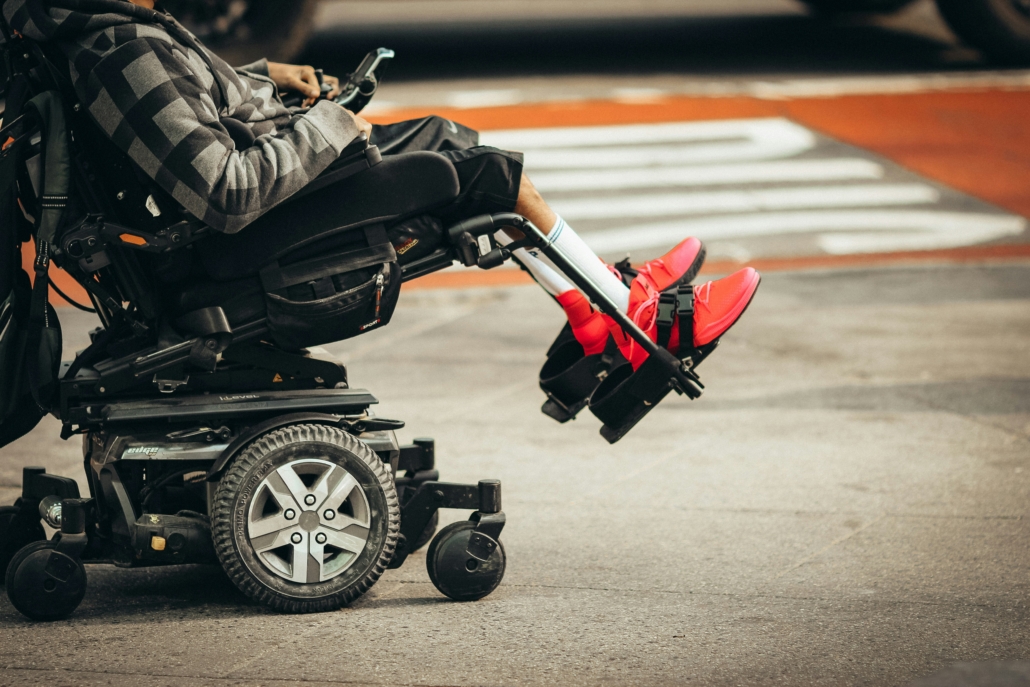
Disability and Poverty in AndorraMany countries have developed plans and programs to help the disabled, be it through funding, services or a mix of both. For example, Andorra’s government provides many different benefits and social programs to help combat disability and poverty in Andorra.

An Overview of Disability and Poverty in Andorra

Andorra, as a country, has impressive anti-discriminatory laws when it comes to disabled groups in its nation. Andorra is a signatory of the 2006 United Nations (UN) resolution, “Convention on the Rights of Persons with Disabilities (CRPD).” In accordance with being a signatory to this resolution, Andorra offers numerous provisions to “general obligations of the public authorities with respect to the exercise of human rights and fundamental freedoms by persons with disabilities.” This includes “[improving] access to communication for all persons with disabilities,” providing protections for service dogs, and regulating that landlords will not charge renters for improvements to their dwellings with the intention of improving accessibility.

In addition, disabled members of Andorra’s population are allowed to access public funds—such as disability pensions and social insurance—in order to help them pay for food, rent and other basic necessities, provided they meet a certain number of criteria.

Disability Benefits

The government of Andorra gives much to the disabled community to combat disability and poverty in Andorra. For most, the government calculates the amount of a disability pension that someone is entitled to by “multiplying the insured’s total lifetime pension points by the value of the pension point.”

There are multiple pension types in Andorra as well, each corresponding to a specific disability benefit that the government offers. For example, Andorra offers social insurance to the disabled so long as the disabled are younger than the retirement age. Additionally, recipients must have an assessed earning loss of at least 60% due to their disability and have at least 12 months of contributions if they are under the age of 21.

The disability solidarity pension, meanwhile, offers disability benefits to those who are older than 18 but younger than the retirement age of Andorra. The income of the disabled must also be less than the “social cohesion threshold,” which is “100% of the legal monthly minimum wage for a person living alone[…] plus 50% for each dependent child younger than age 14.”

Once someone who is disabled reaches the Andorran retirement age, the Andorran government phases out of the disability pension program they are on, and phases them into Andorra’s old age pension system.

Looking Ahead

Studying how the Andorran government is combating disability and poverty in Andorra can be beneficial in numerous ways. For one, it can allow people to fully understand how Andorra can apply the social policies it has to help the disabled to the general population. Understanding the framework for how Andorra cares for its disabled can help to combat areas of social division where Andorra is lacking. One such example is coverage of essential health services, which, as of 2021, UNICEF marked as only average compared to other nations.

– Caelan Caukin

Caelan is based in Los Angeles, CA, USA and focuses on Global Health and Politics for The Borgen Project.

Photo: Unsplash
July 8, 2025
https://borgenproject.org/wp-content/uploads/borgen-project-logo.svg 0 0 Jennifer Philipp https://borgenproject.org/wp-content/uploads/borgen-project-logo.svg Jennifer Philipp2025-07-08 08:54:412025-08-04 14:07:38Everything To Know About Disability and Poverty in Andorra
Disability, disability and poverty, Global Poverty

Disability and Poverty in Rwanda

Disability and Poverty in RwandaPoverty is a worldwide issue; statistics show that 700 million people (8.5% of the population) suffer from extreme poverty. Rwanda has a poverty rate of 27.4%, with 5% of the population being disabled. Being impoverished causes disabilities due to inadequate medical care and long distances to hospitals for aid. Here is information about disability and poverty in Rwanda.

About Poverty in Rwanda

In Rwanda, poverty has decreased for the past two decades, with the Human Development Report (HDR) reporting that Rwanda’s Human Development Index (HDI) is ranked 159 of 193 countries. The gross network income is an estimated 2,971 in 2023, compared to 2013, which was 1,995. One of the direct causes of poverty in Rwanda is the corruption that has been prominent for 60 years. During the late 1950s to 1994, the genocide of Tutsi led to “thousands being displaced and forced to flee to neighboring countries.” Tutsis in Rwanda were unable to financially or physically provide care for themselves or their children due to the discrimination that they faced and the fear of being killed.

The genocide of Tutsis still impacts Rwanda because, according to journalists, Rwanda is “not free” regarding civil liberties such as freedom of speech, and points to a lack of free and fair elections. In addition to the genocide, there is no trust within the government and the people of Rwanda. Government corruption and lack of transparency damage public institutions by the misuse of funds, and the lack of equality between the government and its people, “reducing social trust.”

Disabilities in Rwanda

Poverty is a pipeline for disabilities. Physical work is essential to earning money in Rwanda as statistics from the Comprehensive Food Security and Vulnerability Analysis (CFSVA) “demonstrate that 90% of households are farmers and 83% raise livestock.” Certain physical and mental disabilities do not allow people to work in Rwanda. As statistics show, since 90% of households rely on physical labor, it is difficult for disabled individuals to financially provide for themselves. As a result, disabled individuals are likely to experience poverty unless they have a caretaker. 

Causes of Disabilities in Rwanda

A disease that is likely to cause mobility issues, which then turns into a disability, is malaria. Malaria was a prominent issue in Rwanda, with the CDC reporting that travelers should take prescriptions for malaria medication before, during, and after a trip. With Rwanda being impoverished, malaria is unlikely to be treated due to the lack of funding that medical care does not receive, and as a result, people lose their limbs. However, statistics from the Malaria Journal demonstrate that malaria, from 2018 to 2023, has significantly decreased, with only 50,000 people dying from malaria in 2023 in staggering comparison to 2018, where 500,000 people, including children, died of malaria.

Malaria has rapidly decreased due to the increase in medical care provided by medical professionals. Medical professionals are more accessible in Rwanda, including impoverished areas. As a result, they diagnose malaria early on, and consequently, this leads to proper health care and treatment, preventing death.

Ignorance of disabilities in young children who live in poverty-stricken countries such as Rwanda leads to malnutrition, mistreatment, diseases and death. Specifically, children with physical disabilities like cerebral palsy and craniofacial deformities such as a cleft lip and palate are more likely to suffer due to neglect.

Prosthetics in Rwanda

For decades, individuals who have lost their limbs due to those circumstances were not able to have the proper care or financial stability to have options of having a prosthetic limb. Recently, that has changed. In 2020, UNDP Rwanda and “non-profit Swiss Limbs and Home de la Vierge des Pauvres (HPV) Gatagara Centre in Rwanda established a technology that creates state-of-the-art prosthetics.” The collaboration between the organizations produced around 2,000 devices to provide for the people of Rwanda who had lost some or full mobility in specific body parts.

According to Emile Niyonkuru, one of the technicians who has helped with the process of prosthetics, “Producing a positive cast of a corset to correct the posture of Jolie Mwubahamana, a 12-year-old girl with scoliosis, only took us one hour using 3D milling technology.” The use of prosthetics in Rwanda improves people’s quality of life by allowing them to choose a prosthetic if needed. 

Disability and Poverty in Rwanda

Disability and poverty correlate in Rwanda because the lack of care for disabled individuals causes poverty in an already impoverished country. According to UNDP Rwanda, minorities, such as disabled people, are more likely to “systematically experience poorer health outcomes; lower educational achievements; less economic, political, and cultural participation; higher rates of poverty; increased dependency and less legal protection than others.”

The Development of Smart White Canes

The accommodations for disabled individuals have become more prominent over the last decade, with innovative inventions from other countries being imported to Rwanda, having a helpful impact on the disabled community. An example of this is smart white canes, a walking stick for people in Rwanda who are visually impaired. The UNDP Accelerator Lab, a local tech company in Rwanda called Beno Holdings and the Rwanda Union of the Blind developed the smart white cane in 2021. Amani Niyoyita, one of the pioneers and inventors of the cane, mentions that it is fully electronic, and that it “tracks where they are located because it has GPS of wherever they are. This means the stick can’t be stolen and go missing because it can be tracked using a mobile phone or machine using a software we have developed,” meaning that it is extremely reliable and convenient.

Looking Ahead

Rwanda still has the issue of poverty and the lack of social understanding from the government, but the country has taken many steps to elevate itself. Compared to the last decade since 2013, the life expectancy has increased by 3.1%, from 64.7 to 64.8. There is also an increase in care for disabled individuals via nonprofit organizations and collaborations to decrease poverty. With added resources for able people and to address disability and poverty in Rwanda, poverty in Rwanda is likely to decrease significantly over the next decade.

– Erin Lee

Erin is based in Queens, New York, USA and focuses on Good News for The Borgen Project.

Photo: Pixabay

July 8, 2025
https://borgenproject.org/wp-content/uploads/borgen-project-logo.svg 0 0 Jennifer Philipp https://borgenproject.org/wp-content/uploads/borgen-project-logo.svg Jennifer Philipp2025-07-08 01:30:222025-07-08 01:26:42Disability and Poverty in Rwanda
Disability, disability and poverty, Global Poverty

Economic Prospects: Disability and Poverty in Italy

Economic Prospects: Disability and Poverty in ItalyItaly’s young people with disabilities live at the intersection of two systemic failures: underfunded support services and a labor market that often views them as liabilities. A 2023 study by CBM Italia and Fondazione E. Zancan found that nearly nine in 10 families with a disabled member struggle financially, highlighting the link between disability and poverty in Italy. Instead of cash handouts, 90% of these families emphasized the need for “humanized” support such as home care, accessible therapies, mobility aids and social programs. Drawing from interviews with nearly 300 individuals aged 14 to 55, the survey highlights the persistent link between disability and poverty in Italy.

Poverty and Isolation Undermine Independence

Approximately 5.6 million Italians—about 9.7% of the population—live in absolute poverty. The study also found that one in six families received no institutional support and more than 70% had no friends or community network to help. Without access to day centers or assisted living, parents become full-time carers, which limits young people’s independence. Despite legal frameworks like Law 104/1992 and Italy’s 2009 ratification of the UN Convention on the Rights of Persons with Disabilities, many young Italians with disabilities still face marginalization in both policy and practice.

Gaps in Education Access

Italy’s inclusive education reveals significant shortcomings upon closer inspection. About 338,000 students with disabilities (4.1% of pupils) attended school in 2022–23, but demand continues to outpace support. The student–aide ratio is 1.6:1 and one-third of support teachers lack specialized training. Additionally, 12% are assigned after the school year begins. Inclusion is highly discontinuous: some 60% of disabled students change their support teacher every year. Parents report that once children reach the age of 16–18, most free supports end abruptly. As a result, many families privately pay for therapies or aides, from physiotherapy to educational tutors. According to the European Commission, in the Piedmont region, only 2.9% of people with disabilities have attained a university degree, with most leaving the education system after lower secondary school.

Barriers to Employment

Limited qualifications restrict future opportunities. Only about 36% of Italians with disabilities hold paid employment, compared to 60% of their nondisabled peers. The unemployment rate for disabled adults sits at 20%, nearly double that of others. In the CBM/Zancan survey, 38% of respondents were declared legally unable to work. In the South, that figure rises to 46%. Law 68/1999 mandates companies to hire workers with disabilities, but participation remains limited. Many eligible youths do not register for job quotas and few secure long-term employment. Northern regions offer more services and placements, while southern youth rely primarily on disability pensions.

Toward Inclusive Solutions

Italy’s disability policy still has critical gaps. Public spending on social and support services is low and uneven and complex bureaucratic assessments fragment aid. To foster autonomy and inclusion, the OECD’s 2023 report recommends expanding day centers, improving training programs and enforcing quota laws with real incentives.

– Lucrezia Frascati

Lucrezia is based in London, UK and focuses on Global Health for The Borgen Project.

Photo: Flickr

May 13, 2025
https://borgenproject.org/wp-content/uploads/borgen-project-logo.svg 0 0 Precious Sheidu https://borgenproject.org/wp-content/uploads/borgen-project-logo.svg Precious Sheidu2025-05-13 07:30:192025-05-13 00:15:42Economic Prospects: Disability and Poverty in Italy
Disability, disability and poverty, Global Poverty

Disability and Poverty in Nicaragua 

Disability and Poverty in NicaraguaNicaragua is home to almost 7 million people and is known for its bewitching terrain of grand lakes and vibrant volcanoes. The Central American country is rich in agriculture and colonial architecture. However, disability and poverty in Nicaragua is a concern to many. The efforts to take action on these issues are very low, with political officials choosing to ignore them. People with disabilities often live in extreme poverty due to the lack of measures taken to protect them.

Roughly 10-15% of the population in Nicaragua is disabled, which is around 700,000 to 1 million people. People experience numerous types of disabilities, ranging from physical, mental and intellectual. The most common being limb amputees and individuals with paralysis. The causes can vary from conditions present at birth, chronic diseases such as noncommunicable diseases, or exposure to occupational hazards. A large contributor is deficiencies in pre- and post-natal care and not having proper access to medical resources during pregnancy. 

The Parallels Between Disability and Poverty in Nicaragua

About 12.5% of the population lived in poverty as of 2023. While it is unknown how many people with disabilities are living in extreme poverty, disability and poverty are exceedingly relevant to each other. Disabled citizens in Nicaragua often do not have access to employment opportunities, increasing their chances of living in poverty.

They often face nationwide discrimination and ridicule. The social stigma in Nicaragua perceives these people as “less than human.” People with disabilities in Nicaragua often do not have access to public health facilities and other institutions. In Nicaragua, in the absence of modern medical advances, those with disabilities struggle for services beyond basic care. Only 10%, who are classified as having severe disabilities, receive regular health care and are able to do home improvements.

Individuals with disabilities encounter inhumane treatment in their homes and in public. They experience neglect domestically and often cannot meet their basic needs, such as adequate shelter and food. Being isolated from their families because they are perceived as inferior can hinder their emotional development, causing serious effects on their mental health. Both their families and the government often abandon them, failing to protect their rights.

Political State of Nicaragua

In recent events, Nicaragua has amended its constitution to grant expansive powers to the president, Daniel Ortega. This comprises influence over media, extending the presidential term to six years, the vice president, Rosario Murillo, becoming a co-president, and permission to pick any number of vice presidents. These tyrannical sets of laws will block any Nicaraguan process. This also could be critical for the protection of persons with disabilities, which previously under laws were deficient.

Under the Nicaraguan law “Law on the Rights of Persons with Disabilities,” 2% of public officials should be people with disabilities, yet legislation does nothing to enforce this or meet the quota by any means. The law that aims to protect people with disabilities is not respected. The United Nations has stated its concerns about the measures “acted upon” under the law. On Apr.23, 2024, the UN, in the Convention on the Rights of Persons with Disabilities, expressed observations on the treatment of the disabled in Nicaragua. Some of the topics discussed were what legislation has done to recognize their discrimination, if there is a system in place for receiving grievances and action taken in this connection and the poverty among children with disabilities. With these repercussions from the government, the safety of these citizens will be endangered.

Efforts From the Community

There are rare services offering aid to disabled people in Nicaragua. In Juigalpa, Nicaragua, there is a small organization that helps protect disabled people. External funding and local efforts to create a safe haven for people supports Fundacion Cristiana Comunitaria para Personas con Discapacidad Ruach, translated Ruach Christian Community Foundation for People With Disabilities. It provides care and attention. Individuals participate in activities that boost social skills, self-esteem and overall happiness. It protects them from abuse and neglect that comes within their households.

Ruach has stated that its main goal is to change society’s perspective and remind others that these people, individually, have something positive to offer to the world—that they have skills and attributes that are capable of creation. The project currently works with seven adults but hopes to expand to support 24 disabled people across the nation. Today, it has raised enough money to give people with disabilities a home to be themselves. Its dedication shows that disability and poverty in Nicaragua are not hopeless.

Conclusion

Individuals with disabilities in Nicaragua face economic hardships, jarring discrimination and difficulty accessing health facilities. These pressing concerns showcase an intersection of poverty and political neglect. As the government continues to ignore the marginalized group, the social stigma of persons with disabilities worsens. This makes it essential for change in Nicaragua. Society, organizations and individuals should address discrimination, advocate for modern medicine and reinforce the laws that are intended to protect their rights. Ultimately, fostering an inclusive environment can benefit in recognizing the contributions and skills disabled citizens possess.

 – Kassandra Ticas

Kassandra is based in Gardner, MA, USA and focuses on Global Health for The Borgen Project.

Photo: Flickr

April 13, 2025
https://borgenproject.org/wp-content/uploads/borgen-project-logo.svg 0 0 Jennifer Philipp https://borgenproject.org/wp-content/uploads/borgen-project-logo.svg Jennifer Philipp2025-04-13 01:30:342025-04-13 01:31:35Disability and Poverty in Nicaragua 
disability and poverty, Employment, Global Poverty

Disability and Poverty in Bulgaria

Disability and Poverty in BulgariaAs of 2023, 13.6% of Bulgaria’s population was living with a recognized disability. While this is below the EU average, the intersection of disability and poverty in Bulgaria remains a pressing issue. Ongoing challenges have marked the country’s journey toward building a more inclusive society since ratifying the UN Convention on the Rights of Persons with Disabilities in 2012, as many individuals with disabilities continue to endure persistent systemic barriers and economic hardships.

The Realities of Disability and Poverty in Bulgaria

In 2019, Bulgaria introduced the Persons with Disabilities Act (PDA), reaffirming its commitment to safeguarding the rights of individuals with disabilities. This legislation notably established an individual needs assessment to foster greater self-determination and active participation in society.

However, many individuals with disabilities in Bulgaria continue to face significant barriers to education, employment and health care. These challenges are particularly severe in rural and less-developed areas, where limited infrastructure, such as inaccessible transportation systems, exacerbates the difficulty of accessing essential services.

Despite the simultaneous adoption of the Personal Assistance Act, institutional care and dependence on family members remain prevalent among individuals with disabilities in Bulgaria, further isolating this group from community life. This ongoing lack of accessibility hinders personal growth and perpetuates a cycle of financial hardship and social marginalization. According to Eurostat, a staggering 42.4% of Bulgaria’s disabled population were at risk of poverty and social exclusion in 2023 – a significantly higher rate compared to the general population and other EU countries.

Disability and Economic Exclusion

Structural barriers in the labor market intensify disability and poverty in Bulgaria by preventing many people with disabilities from securing stable employment. Eurostat data from 2023 reveals that Bulgaria’s disability employment gap stands at 39.5%, nearly double the EU average of 21.5%. The inclusivity deficit in the education system contributes significantly to this disparity, leading to higher early school leaving rates among young people with disabilities. As a result, there is a shortage of skilled professionals with disabilities entering the workforce.

To address these challenges, the Persons with Disabilities Act (PDA) prioritizes equal access to employment, mandating that companies with 50 or more employees meet quotas for hiring permanent disabled personnel. However, organizations are failing to consistently implement these obligations,  resulting in a low number of individuals being hired. Discrimination, inadequate workplace accommodations and an inflexible labor market continue to hinder job prospects for persons with disabilities.

Progress Toward Inclusion for People With Disabilities

The National Strategy for Persons with Disabilities 2021-2030 seeks to break the cycle of disability and poverty in Bulgaria. This comprehensive initiative aims to ensure equal opportunities for people with disabilities by prioritizing inclusive education, accessible public spaces and labor market activation—key drivers in reducing poverty and income inequality for people with disabilities. The strategy places a key emphasis on digital skills training to open up new employment opportunities for people with disabilities across the country, providing specialized programs to develop key competencies and increase both productivity and employability.

The Social Future Foundation, founded in 2017, is an NGO that actively connects job seekers with disabilities to employment opportunities in Bulgaria through its JAMBA Career for All initiative. Since its inception, JAMBA has built a talent pool of more than 2,500 candidates, established multidisciplinary training programs for more than 600 individuals, and provided diversity and inclusion training to 60 partnering organizations to help them effectively integrate employees with disabilities into their workplaces. JAMBA also runs awareness campaigns, reaching more than two million people, to combat social stereotypes and shift public attitudes toward disability inclusion.

Looking Ahead

Both governmental and non-governmental efforts are actively working to dismantle the deep interconnection between disability and poverty in Bulgaria, highlighting a strong commitment to advancing inclusivity and accessibility. Nevertheless, to effectively combat poverty for this vulnerable community, these initiatives must go beyond addressing the shortage of sustainable employment opportunities. 

– Charlotte Codd

Charlotte is based in Waterford, Ireland and focuses on Good News and Technology for The Borgen Project.

Photo: Pixabay

March 10, 2025
https://borgenproject.org/wp-content/uploads/borgen-project-logo.svg 0 0 Jennifer Philipp https://borgenproject.org/wp-content/uploads/borgen-project-logo.svg Jennifer Philipp2025-03-10 01:30:382025-03-10 01:08:24Disability and Poverty in Bulgaria
disability and poverty, Global Health, Global Poverty, Poverty Reduction, WHO

Disability and Poverty: Barriers to Education and Health Care

Disability and Poverty: Barriers to Education and Health CareChildren with disabilities face significant barriers to education, health care and economic opportunities, particularly in developing countries. Studies indicate that children with disabilities experience poverty at nearly three times the rate of their peers without disabilities. They are also 50% less likely to attend school and 25% less likely to receive medical care, making disability both a cause and consequence of poverty. These disparities highlight the urgent need for systemic solutions to ensure children with disabilities receive equal access to essential services.

How Disability and Poverty Intersect

Families caring for children with disabilities often face higher costs for medical treatment, assistive devices and specialized education. In low-income countries, where disability resources are limited, these families struggle to meet their children’s basic needs. The lack of accessible schools forces many disabled children into isolation, depriving them of an education and future employment opportunities. Estimates suggest that 10% of children with disabilities do not receive basic rights such as education, health care or legal protection. In many cases, government policies fail to address these needs, leaving families without adequate support. Without systemic intervention, these children remain trapped in cycles of poverty, unable to access opportunities that could improve their quality of life.

Global Efforts to Address Disability and Poverty

International organizations play a crucial role in advocating for children with disabilities. The World Health Organization (WHO) leads initiatives to educate the public on disability rights and push for policy changes that promote inclusion. WHO also supports the United Nations Disability Inclusion Strategy (UNDIS), implemented in 2019, which provides a global framework for integrating disability rights into development efforts. In addition to global advocacy, nongovernmental organizations (NGOs) address disability and poverty at a local level.

Accomplish Children’s Trust, a United Kingdom (U.K.)-based nonprofit, focuses on medical intervention, education access and income generation for children with disabilities in Uganda and Malawi. Many of these children previously lacked access to health care and schooling, but the organization works to integrate them into support systems that improve their long-term well-being.

The Role of NGOs in Reducing Disability Inequality

  • Community-based Approaches. Unlike large global institutions, NGOs often focus on local solutions tailored to community needs. By involving local leaders and residents, they create sustainable programs that continue without relying on long-term external aid. This grassroots approach helps address immediate challenges while fostering long-term systemic change.
  • Small-Scale, High-Impact Interventions. Smaller organizations, such as Accomplish Children’s Trust, have made measurable differences despite limited resources. The trust has facilitated physiotherapy and occupational therapy for 3,500 disabled children at Kyaninga Child Development Centre, provided epilepsy medication to 700 children and helped 356 children enroll in school—90% of whom had never attended school before. Additionally, 200 families receive financial support to care for their disabled children.
  • Targeting Key Risk Factors. Children with disabilities are at higher risk of malnutrition, disease and unemployment. Many NGOs address these risks by providing health care services, advocating for inclusive education policies and supporting vocational training programs. These efforts not only improve the quality of life for disabled children but also increase their future economic independence.

The Importance of Awareness and Policy Change

Governments and international organizations have begun increasing efforts to address the challenges faced by children with disabilities. While progress has been made, raising awareness remains critical to ensuring disability rights receive sustained attention. Increased public engagement could drive policy changes, secure funding and expand successful programs to reach more children in need. Addressing disability-related poverty requires coordinated efforts from governments, NGOs and the global community. Investments in accessible education, health care and employment programs could not only improve the lives of children with disabilities but also contribute to broader economic and social development.

– Kaleb Monteith

Kaleb is based in Greeley, CO, USA and focuses on Good News and Global Health for The Borgen Project.

Photo: Flickr

March 6, 2025
https://borgenproject.org/wp-content/uploads/borgen-project-logo.svg 0 0 Precious Sheidu https://borgenproject.org/wp-content/uploads/borgen-project-logo.svg Precious Sheidu2025-03-06 07:30:032025-03-06 01:18:03Disability and Poverty: Barriers to Education and Health Care
Disability, disability and poverty, Global Poverty

People with Disabilities in Taiwan

Disabilities in TaiwanTaiwan’s official poverty rate is 2.6%, however, the Taiwan Social Welfare League reports that 9% of Taiwanese people believe they are living in poverty and 7.8% in near poverty, as they are unable to overcome hardships such as unemployment and illness. Government regulations are largely what prevent people from registering as low-income, as stateless people, those with property and those without family, are all unable to register. People with disabilities in Taiwan are frequently among those within this gap.

Health Care Expenses

Taiwan has universal health care, but despite this, health care costs are significantly more expensive for people with disabilities. Expenses commonly include medications, supplements, transportation, mobility aids and prosthetics, but these are just some of the expenses that come with disabilities. While the universal health care and public assistance (for those that qualify) in Taiwan, reduce or cover the cost of medical expenses, the truth is that health care expenses add up over time.

Additionally, there is the ever-present issue that having a disability does not guarantee that Taiwan will officially recognize the disability, nor does having an officially recognized disability guarantee a person financial assistance for their medical expenses.

Limited Employment Opportunities

Most jobs are inaccessible to people with disabilities because the average Taiwanese business lacks the resources to accommodate disabilities. Moreover, there are more than 1 million people (or 5%) registered as having a disability in Taiwan. However, disabled people make up 8% of the unemployed people in Taiwan. The people with disabilities who are able to find work on average make a salary of NT $30,000 or about $917.

Families in Poverty

For families with family members who have a disability the loss of a job often means an indefinite loss of income because of how difficult it is to get a job with a disability in Taiwan. The same loss of income occurs when a family member develops a physical or mental disability and becomes unable to work and the family loses a portion or all of their income. Moreover, a newly developed disability requires additional medical care, increasing the amount of money needed for health care, and creating an additional financial strain. For many families, this can lead to poverty, and for families who are already low-income or living in poverty, this only worsens their circumstances.

Together, these issues correlate and or compound on one another, increasing the number of people with disabilities in Taiwan experiencing poverty.

National Human Rights Commission (NHRC)

The government established the National Human Rights Commission (NHRC) in 2020. NHRC works to monitor and protect the human rights of Taiwanese people. The NHRC pays close attention to upholding the rights of vulnerable groups such as indigenous peoples, homeless people, senior citizens and people with disabilities.

In 2022, the NHRC launched its first action plan, which states its methods to address the inequity that vulnerable groups experience. It specifically states that it will address the inequity people with disabilities in Taiwan face, such as inaccessible work environments, housing injustices, and poor health care accessibility.

The NHRC states that it intends to “provide necessary and appropriate reasonable accommodations” to persons with disabilities based on their individual needs. Simultaneously, Taiwan’s Workforce Development Agency Ministry of Labor updated its “Supportive Employment Services for Persons with Disabilities” plan. This allows a person with a disability who desires to work but cannot compete within the employment market with the ability to have access to resources, such as individualized job training or assistance, along with individualized job placement.

Within its action plan, the NHRC acknowledges that “there is a lot of room for improvement when it comes to housing rights issues in Taiwan” for vulnerable groups in particular. As part of this initial action plan, it will identify the issues at hand so they can be addressed in the Medium-Term Strategic Plan which will be a continuation and more defined action plan to address the concerns originally brought up in the first action plan.

Housing and Health Care

Concurrently, in 2023, the Ministry of the Interior Real Estate Information Platform began addressing the creation of “Barrier-Free Housing” to comply with updated housing laws. This “Barrier-Free Housing” would remove all tangible and intangible barriers within homes so that people with disabilities can have a home and amenities designed to be accessible.

Taiwan also lacks an adequate amount of accessible transportation and medical facilities. However, the NHRC plans to promote the increased implementation of accessible resources within these sectors.

Furthermore, in 2023 the Executive Yuan (the executive branch of the government of Taiwan) announced that the Ministry of Health and Welfare (MOHW) would be investing more than NT$48 billion ($1.5 billion) into more comprehensive health care services for people with disabilities in Taiwan. The funding is intended to increase the accessibility of medical facilities along with creating more effective health care services. The MOHW believes these improvements will not only benefit people with disabilities but also the guardians of people with disabilities.

Disabilities in Taiwan

Currently, people with disabilities in Taiwan disproportionately experience poverty. However, with these new efforts made by the NHRC, Taiwan’s Workforce Development Agency Ministry of Labor, Ministry of the Interior Real Estate Information Platform and MOHW low income rates within people with disabilities in Taiwan are being addressed and over time these measures put in place along with future plans should alleviate disproportionate poverty.

– Nivea Walker

Nivea is based in Elon, NC, USA and focuses on Good News and Global Health for The Borgen Project.

Photo: Flickr

February 18, 2025
https://borgenproject.org/wp-content/uploads/borgen-project-logo.svg 0 0 Naida Jahic https://borgenproject.org/wp-content/uploads/borgen-project-logo.svg Naida Jahic2025-02-18 07:30:242025-02-18 01:33:40People with Disabilities in Taiwan
disability and poverty, Global Poverty

Disability and Poverty in Barbados

Disability and Poverty in Barbados
The eastern Caribbean island of Barbados is a popular tourist destination, but despite its foreign allure the country struggles severely with poverty, specifically amongst the disabled community. Here is some information about disability and poverty in Barbados.

Disabilities in Barbados

The United Nations Convention on the Rights of Persons with Disabilities defines a person with a disability as “someone with a long-term or short-term impairment that affects their physical, mental, intellectual, developmental or sensory abilities.” Barbados follows this definition.

People with a disability are more likely to live in poverty due to social, cultural and economic hindrances. About 85 million persons with disabilities in Latin America and the Caribbean face vulnerability in education, the labor market and health care. 

According to the Barbados Survey of Living Conditions, the rate of poverty increased from 15.1 % in 2010 to 17.2 % in 2016 and as of 2010. Additionally, 7% of the total population live with a disability.

The Barbados Council for the Disabled includes a section on common disabilities in the country which include autism, deafness, down syndrome, intellectual challenges, visual impairment and muscular dystrophy. The council works to spread awareness about these disabilities.

The Good News

On June 14th, 2024, The Minister of Home Affairs in Barbados, Edmund Gregory Hinkson, wrote to the United Nations a statement on the Rights of Persons with Disabilities Convention. Hinkson states that “Our Government is ensuring that persons with disabilities are provided with the essential opportunities, including accessibility to decent housing and to benefits such as access to State trust loans for entrepreneurial ventures, leading to their increased meaningful participation and inclusion in all aspects of Barbadian life.”

A recent accomplishment of the Barbados Council for the Disabled is the Fully Accessible Barbados (FAB) Programme. The program focuses on services like accessible transportation and inclusive education, as well as making structural changes to tourist attractions and all public spaces in order to provide accessibility for persons with disabilities.

Living With Disability 

The Barbados Council for the Disabled also recognizes achievements of those with disabilities. In December 2024, the council celebrated Swanye Brown and Kimberly Puckering. Swanye Brown, a Barbadian with cerebral palsy, received the Harambee Award for Leadership Development. Brown is known for speaking out about challenges that the disabled community faces, such as employment and accessibility. Kimberly Puckering, a Barbadian with a hearing impairment, received the Harambee Award for Entrepreneurship for her business. In 2024, Puckering launched Kim’s Delight which has had significant success in the community. 

Moving Forward

Barbados is implementing a seven year plan to improve conditions for the disabled community referred to as The 2023-2030 National Policy for Persons with Disabilities. The goal for disability and poverty in Barbados is to “promote, advance, and protect the full human rights and fundamental freedoms of all persons with disabilities in Barbados.” The policy received approval on September 21, 2023 and includes the following categories: 

  1. “Accessibility
  2. Adequate standard of living and social protection
  3. Awareness building
  4. Education, training and lifelong learning
  5. Employment, work and economic participation
  6. Health, habitation and rehabilitation
  7. Legal recognition and access to justice
  8. Participation in society
  9. Protection in disasters and emergencies
  10. Protection of right to life, integrity, freedoms and liberties
  11. Regional and International Cooperation
  12. Respect for privacy, home and family life
  13. Statistics and data collection on disabilities
  14. Women and children with disabilities”

Since the establishment of the policy, 10% of new state housing has been designated to those with disabilities including the blind, deaf or hard of hearing, and those with mobility challenges. Barbados has also seen a 40% increase in funding to non-government organizations supporting conditions for persons with disabilities. 

Disability and poverty in Barbados are still daunting to address. The Awareness Raising and Accessibility programs like the Fully Accessible Barbados program and The Barbados Council for the Disabled strive to initiate support and representation for the community.

– Cora Andreoli

Cora is based in New York, NY, USA and focuses on Global Health for The Borgen Project.

Photo: Pixabay

January 25, 2025
https://borgenproject.org/wp-content/uploads/borgen-project-logo.svg 0 0 Jennifer Philipp https://borgenproject.org/wp-content/uploads/borgen-project-logo.svg Jennifer Philipp2025-01-25 01:30:332025-02-22 02:48:24Disability and Poverty in Barbados
Developing Countries, disability and poverty, Global Poverty

Disability and Poverty in Morocco

Disability and Poverty in MoroccoMorocco is working to create an equitable society that is inclusive of people living with disability and poverty. The king and ministers of government in recent years have expressed concerns regarding the connection between disability and poverty in Morocco and have set out to address those concerns. The Moroccan government in conjunction with international nonprofit and aid organizations has made significant progress toward reaching reform goals.

The King’s Decree

King Mohammed VI decreed in 2022 that social protections for citizens experiencing disability and poverty in Morocco would be a top priority moving forward. That year, the king set a 2025 goal for finalizing initial reforms to Morocco’s social protection programs. 

The Arab Reform Initiative has called King Mohammed VI’s decree to focus on health care and social reforms, “one of the most significant decisions since the nation’s independence.”

The Relationship: Poverty and Disability

According to 2023 statistics from the United Nations Development Program, 5.5% of Morocco’s population (727,833 people) have a disability. UNICEF statistics from 2022 show that one in seven children in The Middle East and North Africa live with a disability. Children with disabilities in the region are often marginalized from society due to social stigmas and lack of access to health care and social protection services.

People with disabilities, both visible and invisible, are more likely to experience multidimensional poverty than their peers without disability. One can attribute this to several interrelated factors which cause people with disabilities to experience more barriers when attempting to access education, employment, transportation and health care.

Assistive devices give people with disabilities the opportunity to hear and be heard, to communicate, be mobile and access services. However, these devices, hearing aids and wheelchairs for example, are often costly.

Social stigma and lack of access to services create prohibitive barriers to social and economic inclusion for people experiencing poverty and disability in Morocco. The Moroccan government hopes to reduce those barriers and stigma with its new social reforms.

Urgent Reforms

By the end of 2023, Morocco had already made significant progress towards its goals by working with international organizations and nonprofits. In 2023, the World Bank contributed $350 million USD to social protection initiatives in Morocco.

Dalal Moosa, Senior Economist and Program Co-Leader at the World Bank commended Morocco’s reforms, saying, “The implementation of [social protection programs] will be critical to protecting vulnerable populations such as women, children, people with disabilities and isolated populations in rural or remote areas against health risks.” 

Reforms supportive of those living with disability and poverty in Morocco continued to progress when the government introduced its 2024 budget plan. The 2024 budget specifically allocates funding to programs for children with disabilities. 

About $36.6 million USD of the 2024 Moroccan governmental budget is going to programs and initiatives supporting children with disabilities in Morocco. Minister Naima Ben Yahya estimated that programs funded by the 2024 budget would reach and support 27,500 children living with disabilities.

First Steps

Morocco took its first step toward its goal of providing its citizens with universal health care by merging the private and public health care sectors in 2022. Since then, access to private health care options has reduced the stress on the public health care sector.

In an added push towards its goal of universal health care, Morocco is funding initiatives to support telehealth options for its citizens. The positive impact of the telehealth initiatives is especially noticeable in rural areas of Morocco where health care facilities can be few and far between.

Human Rights and Autonomy

Social stigma is a significant barrier to inclusion and fulfilment for people living at the crossroad of disability and poverty in Morocco. The United Nations Development Programme (UNDP) is focused on breaking down those barriers by upholding and strengthening the human rights and autonomy of people with disability. 

UNDP projects in Morocco include the standardization of sign language within the nation, improvements to the disability certification process and increasing the accessibility of buildings and restrooms. Additional projects that the UNDP is managing in Morocco aim to reduce social stigma by actively dismantling prejudice, spreading awareness and information and promoting social inclusion of people with disability. 

The United Nations Development Programme has expressed optimism about Morocco’s reforms, saying,  “Imagine a world where every person, regardless of their disability, can thrive, actively participate, and fully contribute to society. In Morocco, this paradigm is becoming a reality.”

– Caitlyn Erwin

Caitlyn is based in Asheville, NC, USA and focuses on Good News for The Borgen Project.

Photo: Wikimedia Commons

January 21, 2025
https://borgenproject.org/wp-content/uploads/borgen-project-logo.svg 0 0 Jennifer Philipp https://borgenproject.org/wp-content/uploads/borgen-project-logo.svg Jennifer Philipp2025-01-21 07:30:582025-01-21 00:20:59Disability and Poverty in Morocco
Page 5 of 6«‹3456›

Get Smarter

  • Global Poverty 101
  • Global Poverty… The Good News
  • Global Poverty & U.S. Jobs
  • Global Poverty and National Security
  • Innovative Solutions to Poverty
  • Global Poverty & Aid FAQ’s
Search Search

Take Action

  • Call Congress
  • Email Congress
  • Donate
  • 30 Ways to Help
  • Volunteer Ops
  • Internships
  • Courses & Certificates
  • The Podcast
Borgen Project

“The Borgen Project is an incredible nonprofit organization that is addressing poverty and hunger and working towards ending them.”

-The Huffington Post

Inside The Borgen Project

  • Contact
  • About
  • Financials
  • President
  • Board of Directors
  • Board of Advisors

International Links

  • UK Email Parliament
  • UK Donate
  • Canada Email Parliament

Get Smarter

  • Global Poverty 101
  • Global Poverty… The Good News
  • Global Poverty & U.S. Jobs
  • Global Poverty and National Security
  • Innovative Solutions to Poverty
  • Global Poverty & Aid FAQ’s

Ways to Help

  • Call Congress
  • Email Congress
  • Donate
  • 30 Ways to Help
  • Volunteer Ops
  • Internships
  • Courses & Certificates
  • The Podcast
Scroll to top Scroll to top Scroll to top