• Link to X
  • Link to Facebook
  • Link to Instagram
  • Link to TikTok
  • Link to Youtube
  • About
    • About Us
      • President
      • Board of Directors
      • Board of Advisors
      • Financials
      • Our Methodology
      • Success Tracker
      • Contact
  • Act Now
    • 30 Ways to Help
      • Email Congress
      • Call Congress
      • Volunteer
      • Courses & Certificates
      • Be a Donor
    • Internships
      • In-Office Internships
      • Remote Internships
    • Legislation
      • Politics 101
  • The Blog
  • The Podcast
  • Magazine
  • Donate
  • Click to open the search input field Click to open the search input field Search
  • Menu Menu

Archive for category: disability and poverty

disability and poverty, Global Poverty

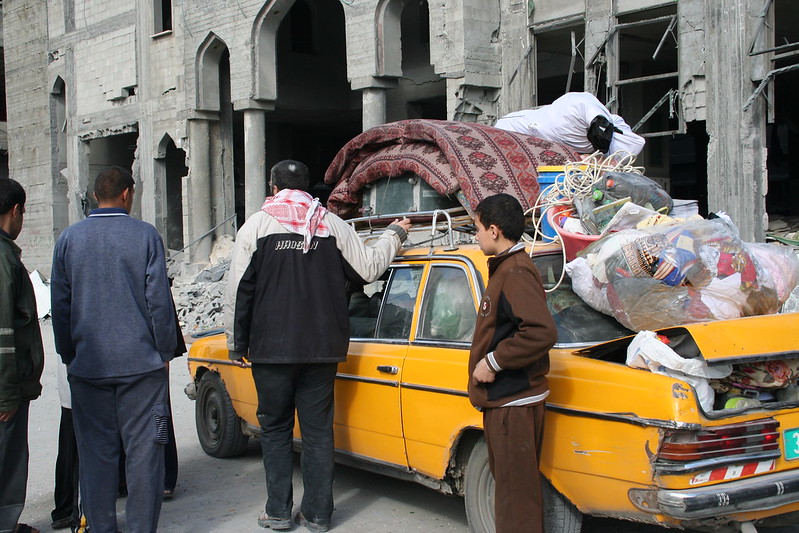
Protecting People with Disabilities in Gaza

Disabilities in GazaThe ongoing humanitarian crisis in Gaza has left countless vulnerable, though those with cognitive or physical disabilities face particularly severe risks due to difficulty accessing humanitarian aid. These individuals may encounter separation from primary caregivers, loss of assistive devices and medication, or struggles processing or responding to evacuation orders. For those already living with heightened challenges, the crisis exacerbates these vulnerabilities, requiring targeted interventions to ensure their safety, health and dignity.

Overview

Before October 7, 2023, 21% of Gazan households reported at least one family member with a disability. This population encompasses approximately 441,000 people, with 98,000 being children between the ages of 2 and 17. The humanitarian needs of these individuals are worsened by ongoing violence, as well as blockades that have restricted access to critical resources.

In addition to pre-existing disabilities in Gaza, the escalating conflict has led to a surge in individuals suffering from injuries that result in permanent disabilities. As of July 2023, the World Health Organization (WHO) estimated that over 22,500 people in Gaza have sustained “life-changing injuries” requiring extensive rehabilitation services, the Human Rights Watch (HRW) reports. These injuries include damage to the peripheral nerve, spinal cord and brain, as well as fractures, burns, and amputation of one or several limbs.

Disabled individuals in Gaza, like those with disabilities worldwide, depend on caregivers or assistive devices to meet their basic needs. Displacement, loss of property and often restricted movement make it increasingly difficult to maintain quality of life.

Organizations Stepping Up

In the face of these challenges, key organizations are working to address the urgent needs of individuals with disabilities in Gaza. These efforts aim to provide critical resources and improve access to humanitarian aid.

In December 2023, Humanity and Inclusion (HI) facilitated the entry of eight trucks loaded with critical aid supplies. Among the delivered items were 300 wheelchairs, 50 wheeled toilets, 250 crutches and 150 crutch tips alongside hygienic supplies, according to the HI website. The organization has been active in the West Bank and Gaza since 1996, working to promote disability inclusion and ensure that disabled individuals are systematically considered in humanitarian efforts.

United Nations Relief Works and Agency (UNWRA) plays a crucial role in promoting disability inclusion, both through direct and indirect services, such as health and rehabilitation services, assistive devices and inclusive education. Its 2023 – 2028 Strategic Plan continuously emphasizes the commitment to programs that meet the needs of persons with disabilities, and between October 7, 2023, and December 9, 2024, UNRWA supported 21,043 disabled persons with Psychosocial Support. Of these individuals, 7,752 received assistive devices and rehabilitation services.

Between October 7, 2023, and November 30, 2024, the International Committee of the Red Cross (ICRC) provided pre-prosthetic rehabilitation services to 179 amputation cases, 80 wheelchairs for individuals with double amputations or paralysis, and served 600 people through the support of the Artificial Limbs and Polio Center (ALPC). It also launched the registration and documentation process for those suffering from permanent disability, registering 2,451 individuals into the system.

Looking Ahead

Despite the substantial challenges that remain, continued advocacy and collaboration between international and local organizations offer a pathway to providing alleviation to those with disabilities in Gaza. By ensuring the integration of disability-specific needs into humanitarian response, organizations can help protect the rights and dignity of those most vulnerable.

– Olivia Young

Olivia is based in New York, NY, USA and focuses on Global Health, Politics for The Borgen Project.

Photo: Flickr

January 6, 2025
https://borgenproject.org/wp-content/uploads/borgen-project-logo.svg 0 0 Naida Jahic https://borgenproject.org/wp-content/uploads/borgen-project-logo.svg Naida Jahic2025-01-06 01:30:582025-01-05 03:35:49Protecting People with Disabilities in Gaza
Disability, disability and poverty, Global Poverty

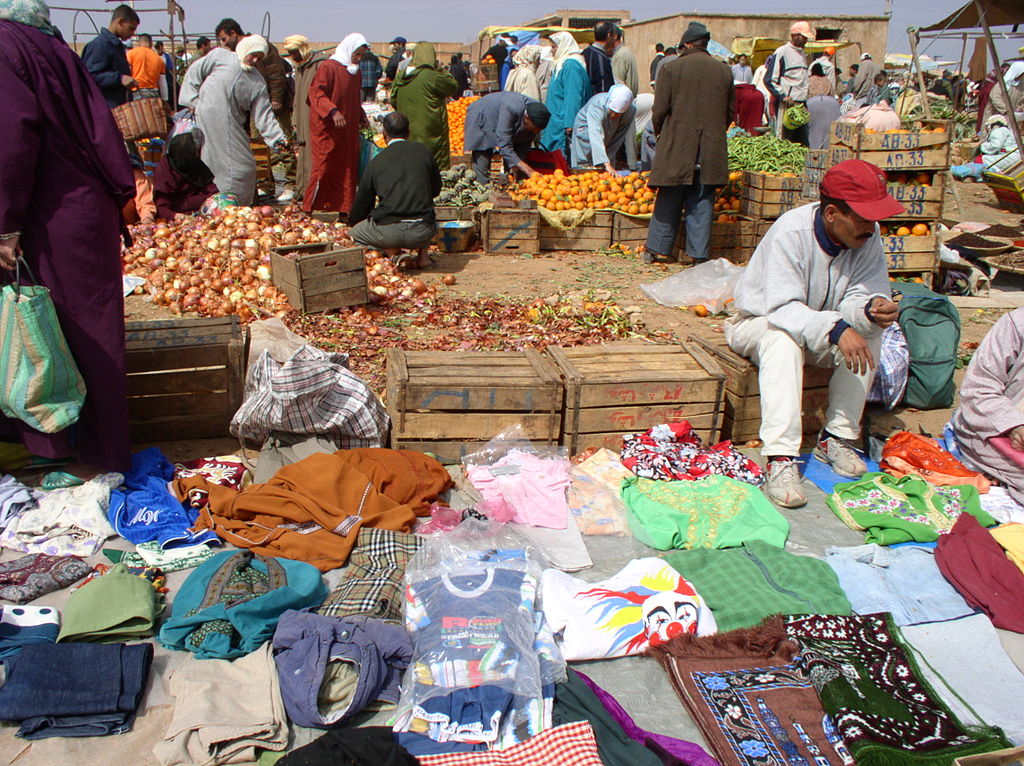
Disability and Poverty in Mauritania

Disability and Poverty in MauritaniaThe Islamic Republic of Mauritania lies in the Sahel region in North West Africa. It is a dry, hot region that has struggled with high poverty rates for decades. However, according to The Last Two Permanent Surveys on Household Living Conditions (EPCV) cited in the June 2024 International Monetary Fund (IMF) report, Mauritania reduced its poverty rate from 30.9% to 28.2%.

However, poverty remains a significant issue, especially in rural areas, where 41.2% of the population experience poverty compared to 14.4% of those in urban areas. Recent data also shows that the majority of those in poverty have disabilities. These numbers have enabled the Mauritanian government to look at disability and poverty in Mauritania with help from social protection projects and international organizations. 

Poverty in Mauritania

The World Bank in 2019 estimated that only 15% of the rural population had access to sanitation services, which leaves 85% of the population vulnerable to diseases. Access to water remains a significant challenge in Mauritania’s desert climate. As of 2020, 78% of the population had access to water, a notable increase from 40% in 2010. However, 22% of the population still lacks access to water. The World Bank also estimates that only 47% of the population has access to electricity. 

Not having the necessary amenities has made day-to-day life difficult in Mauritania for many people, especially for those with disabilities. A strong link exists between disability and poverty in Mauritania. Data collected by the Disability and Data Initiative from 2019 to 2021 shows that 85% of individuals with multiple functional difficulties live in poverty, often in rural areas in the country. In comparison to those with fewer or no functional challenges, 71.2% and 71.3% were found. The lack of public service institutions in rural areas leaves many disabled individuals without the proper care, treatment or education necessary for survival.

The Stigma Associated With Disability

Despite many Mauritanians living with some disability, the stigma and discrimination that affect them are very real. Mauritanian law prohibits discrimination against individuals with physical, sensory, intellectual or mental disabilities. Yet, a 2023 country report on human rights practices in Mauritania conducted by the U.S. Department of State found that this law is not enforced. It found that people with disabilities do not have access to education, health services or any other types of public services. 

Solutions

Mauritania has been trying to help its needy citizens by adopting adaptive social protection. As of September 2024, 200,000 impoverished households are registered in the social registry database, where they can benefit from the Tekavoul National Social Transfer Program. This program provides families with cash transfers from the Mauritanian government every few months. 

The Mauritanian government implemented this program with support from the International Development Association. The program allows families to spend the money on whatever they choose. However, people typically use it to buy hygiene products, school supplies and food. This program is meant to cover struggling families’ basic needs while encouraging them to invest in things like their children’s future. 

To end the stigma surrounding people with disabilities, the World Vision Organization, a nonprofit organization, organized an inclusion project in partnership with the National Federation of People Living with Disabilities earlier this year. More than 120 explored disability issues through activities to break down stereotypes and promote a better understanding of the realities of living with a disability. 

Overall, Mauritania is currently working to end poverty and reduce stigmatization for those who are disabled. It’s just going to take some time.

– Aya Diab

Aya is based in Queens, New York, USA and focuses on Global Health and Politics for The Borgen Project.

Photo: Wikimedia Commons

December 24, 2024
https://borgenproject.org/wp-content/uploads/borgen-project-logo.svg 0 0 Hemant Gupta https://borgenproject.org/wp-content/uploads/borgen-project-logo.svg Hemant Gupta2024-12-24 01:30:392025-02-21 08:44:04Disability and Poverty in Mauritania
disability and poverty, Global Poverty, Health

Disability and Poverty in Jamaica

Disability and Poverty in Jamaica Disability and poverty in Jamaica are intertwined, perpetuating a cycle of hardship. Despite the enactment of the 2014 Disabilities Act, which aims to eliminate discrimination and ensure equal rights for persons with disabilities, many still struggle with maintaining a decent quality of life due to systemic barriers and economic instability. Approximately 200,000 Jamaicans live with a disability and they disproportionately suffer from poverty and unemployment. Census data from 2001 revealed that just over 6% of Jamaica’s population or about 160,000 people, identified as living with a disability. Yet, fewer than 1% of these individuals are in paid employment, highlighting the extreme vulnerability of the disabled community in Jamaica.

Challenges for People with Disabilities in Jamaica

Surviving in Jamaica is particularly challenging for people with disabilities who live in poverty. About 15% of the Jamaican population lives with a disability, yet many lack access to high-quality education and employment opportunities. In 2019, the unemployment rate among disabled individuals in Jamaica reached 90%, severely limiting their ability to maintain a satisfactory standard of living. This high unemployment rate restricts their financial ability to afford food and essential items, trapping them in a cycle of poverty. Consequently, many people with disabilities struggle to achieve independence due to insufficient income and barriers to securing housing. Additionally, accessing many public places remains physically challenging for disabled people.

Globally, half of the people living with disabilities cannot afford health care and among those who can access practitioners, more than double report finding their medic’s skills inadequate for their needs. In Jamaica, access to health care, like many other public services, varies widely based on the individual’s location, the nature of their disability, their mobility and ability to communicate with health care professionals. Consequently, certain groups do not receive the necessary level of treatment and fall through the cracks.

Disability Support Initiatives in Jamaica

  • Jamaica Council for Persons with Disabilities (JCPD). JCPD advocates for disabled rights and promotes participatory policies, providing vocational training for persons with disabilities (PWDs). Its programs create pathways out of poverty by improving employability for PWDs.
  • Mustard Seed Communities. The organization provides accommodation, care and vocational training to persons with disabilities, helping them gain independence and learn marketable skills. Its projects focus on engaging participants through practical training in agriculture and construction. Currently, the organization supports more than 440 Jamaicans, including children affected by HIV and teen mothers with their infants.
  • The World Bank. The World Bank has collaborated with Jamaica to enhance the economic inclusion of persons with disabilities through social protection programs. This effort involves collecting data on disabilities to better tailor responses.

Looking Forward

Breaking systemic barriers remains crucial to improving the lives of people with disabilities in Jamaica. Efforts to enhance vocational training, expand employment opportunities and strengthen social protection systems are essential to reducing the socioeconomic disparities they face. By fostering inclusion and accessibility, these ongoing initiatives aim to address the root causes of inequality, offering individuals the chance to lead independent and dignified lives.

– Georgia de Gidlow

Georgia is based in Watford. UK and focuses on Global Health for The Borgen Project.

Photo: Flickr

December 4, 2024
https://borgenproject.org/wp-content/uploads/borgen-project-logo.svg 0 0 Precious Sheidu https://borgenproject.org/wp-content/uploads/borgen-project-logo.svg Precious Sheidu2024-12-04 07:30:402026-04-16 09:59:41Disability and Poverty in Jamaica
Developing Countries, disability and poverty, Global Poverty

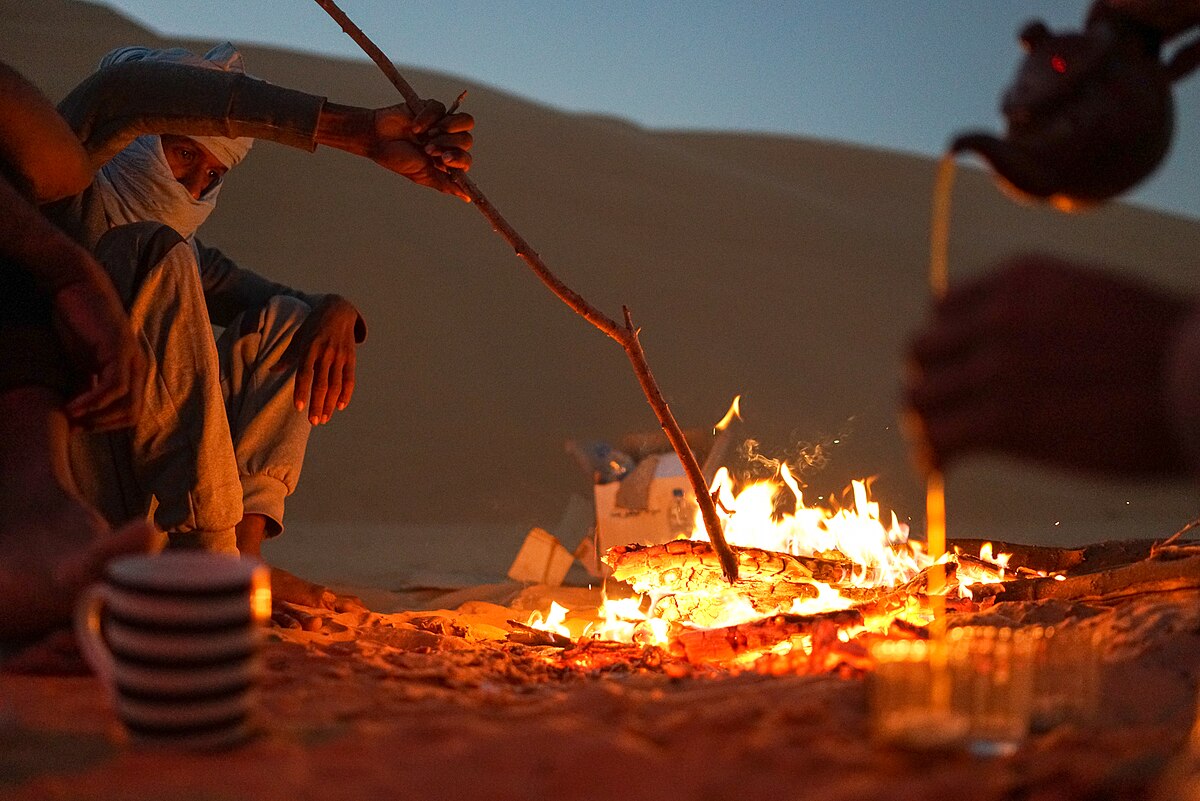
3 Organizations Helping People With Disabilities in Burundi

Disabilities in BurundiAccording to the World Health Organization (WHO), around 15% of Burundi’s population has a disability. This group of people endures societal exclusion and a lack of consistent investments, inhibiting their opportunities to succeed and contribute to the economy. However, many organizations are working to help people with disabilities in Burundi work their way up the economic ladder and stay out of poverty.

The United Nations Children’s Fund in Burundi

The United Nations Children’s Fund (UNICEF) in Burundi is assisting individuals with disabilities in the country, specifically regarding the accessibility of essential items, such as toilets, for daily activities. Also, this organization continues to train teachers to use LEGO Braille Bricks to effectively and successfully teach children who are blind or who have low vision through educational games.

UNICEF Burundi is also working on expanding access to resources and services, particularly for people with disabilities. In 2022, the organization planned to guarantee health care access for thousands of women and children, provide clean water access for 150,000 people, offer mental health services to more than 100,000 children and ensure educational resources for nearly 100,000 children.

RCPHB

The Network of Centre for Persons With Disabilities in Burundi (RCPHB) continues to be acknowledged by the African Disability Rights Yearbook for its work in protecting the rights and liberties of people with disabilities in Burundi. The organization does this by defending the right of people with disabilities to access education, health care, job training and the chance to contribute to their neighborhoods and communities. After providing people with disabilities with these programs, RCPHB works to get them acclimated in the real world regarding holding a job and maintaining their residence. Another program that this organization offers is helping both children and adults with orthopedic conditions access rehabilitation programs and treatments.

CARE Burundi

CARE International, established in Burundi in 1994 after the “assassination of Burundi’s first elected President in 1993,” delivers humanitarian aid and anti-poverty resources to people with disabilities in the country. The organization does this by focusing on women and ensuring that they have the resources and tools needed to achieve their own economic independence, including health care services. CARE Burundi also ensures that vulnerable people, especially women and girls, have adequate access to nutritious food. This is because such groups are even more susceptible to the health implications of starvation due to their pre-existing conditions.

Final Remark

Apart from these organizations, the Government of Burundi has also made efforts to strengthen and increase the number of individuals with disabilities participating in the country’s political affairs. One of these is the establishment of a national body, the National Committee of the Rights of People with Disabilities (CNDHP), that addresses the violation of persons with disabilities’ rights.

– Ryan Patrick

Ryan is based in Brooklyn, NY, USA and focuses on Good News for The Borgen Project.

Photo: Wikimedia Commons

May 18, 2024
https://borgenproject.org/wp-content/uploads/borgen-project-logo.svg 0 0 Hemant Gupta https://borgenproject.org/wp-content/uploads/borgen-project-logo.svg Hemant Gupta2024-05-18 07:30:362024-05-18 02:12:313 Organizations Helping People With Disabilities in Burundi
Developing Countries, Disability, disability and poverty, Global Poverty, Nonprofit Organizations and NGOs

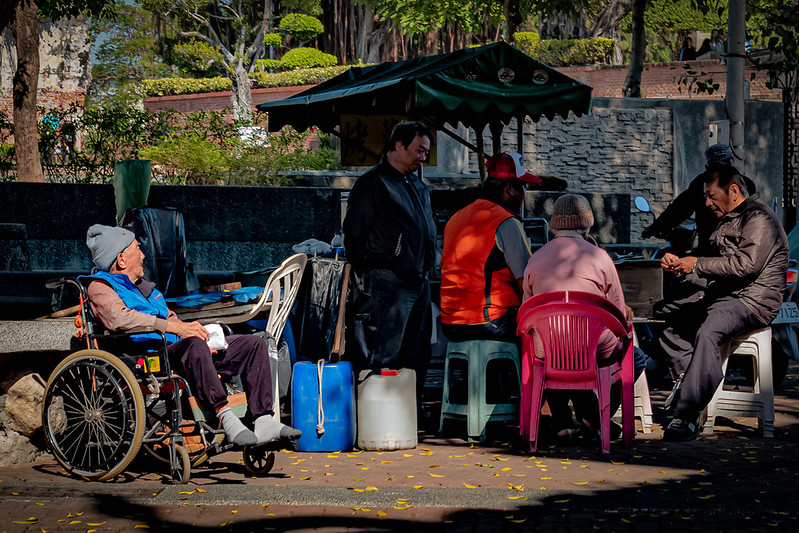
Bolivians Without Disabilities: Helping Poor Amputees in Bolivia

Bolivians Without DisabilitiesBolivia has seen a reduction in poverty. However, current statistics suggest that 11% of people live in extreme poverty and 36.3% live in moderate poverty. This may be due to the fact that Bolivia suffers from 160 major weather conditions, which result in food shortages and lower amounts of drinkable water. Yet, conditions are worse for people with disabilities in Bolivia. The Borgen Project spoke with Matthew Pepe, the founder and president of Bolivians Without Disabilities, about the life of amputees in Bolivia and explained the help the organization provides to these people.

The Bolivians Without Disabilities

“Our main focus is to work with nonprofit Bolivian prosthetic organizations that provide prostheses to low-income Bolivian amputees,” says Pepe. The Bolivians Without Disabilities accomplish this by collaborating with Bolivian companies that physically construct artificial limbs and provide these to amputees.

Bolivians Without Disabilities gives monetary support and teaching resources to associations that help people with disabilities in Bolivia. This greatly enhances those with disabilities in a physical and mental sense by:

  • Having the opportunities to help their relatives and their local communities.
  • Improving their self-confidence and job prospects.

Why Are They Important

Pepe describes the life of an amputee in Bolivia, stating, “Living with a disability in Bolivia is not easy, especially if you are poor. Streets and sidewalks are often crowded and very narrow with lots of dips and broken concrete, making walking, even with two good legs, very difficult.” If this is not bad enough, experiencing an amputation can cause despair and unhappiness due to the sense of loss of autonomy and self-perception.

Furthermore, when asked if the Bolivian government was doing enough to help amputees, Pepe answered, “Definitely not, but I am not sure that I can fault them very much since the issue is largely financial.” Indeed, Bolivia is one of the poorest countries in the world. Additionally, the Bolivian government has failed to pass adequate legislation that identifies discrimination based on disability.

Disability is a critical problem since people who have gone through an amputation suffer terrible financial issues and poverty as they encounter more hurdles to health care. This is unsurprising since Pepe explains that “Social stigma is also a serious concern. Disabled people suffer serious discrimination.” In comparison with the general population, amputees are more likely to experience inadequate access to health care.

Furthermore, people with an amputation are more likely to be unemployed. As stated by Our World in Data, in 2022 in Bolivia, the unemployment rate is 5.16% among amputees, in comparison with 3.81% among the general population. Pepe explained this by saying, “It is also very difficult to get a job if you are disabled. Many jobs are very physical and you need all your hands, feet and abilities to work at most jobs.”

The Impact on Poverty

According to Pepe, “The government also does very little to provide prosthetic limbs.” Pepe continues, “I think that I fairly believe that the little prosthetic clinic that I created provides far more prosthetic limbs than the practically non-existent government attempts to provide limbs.” With the Bolivians Without Disabilities intervening and providing low-income amputees a prosthetic limb, this will create a positive change and will improve their well-being while decreasing their chances of falling into the poverty cycle. This is because they will be encouraged to participate in education and employment activities.

The Bolivians Without Disabilities has shared many personal stories. Here are two examples:

  1. Pabio is a Bolivian man and while he was working, he accidentally inserted his left arm into a mechanical machine. As a result, his arm was amputated because it was severely crushed. After the incident, Pabio was unable to work and he felt depressed. After Bolivians Without Disabilities provided the financial means to construct an artificial arm and hand for Pabio, his job prospects improved.
  2. A woman named Mariana had a job accident while working at a sawmill. One day, she accidentally cut off her hand since there were no safety precautions. After this incident, Mariana was miserable and dependent on others on a day-to-day basis. After receiving an artificial arm from Bolivians Without Disabilities, Mariana’s self-confidence improved. She hoped to study petrochemistry and find a job.

Looking Ahead

The interview with Pepe provided a snapshot of the life of an amputee in Bolivia. Stigma and discrimination are felt more by disabled people and they find it harder to live in Bolivia due to the little help provided by the government. The work done by Bolivians Without Disabilities is vital to help people with disabilities so they can avoid the poverty cycle by improving their job prospects and self-confidence.

– James McAlinden

James is based in Rosehearty, Scotland and focuses on Good News for The Borgen Project.

Photo: Wikimedia Commons

April 16, 2024
https://borgenproject.org/wp-content/uploads/borgen-project-logo.svg 0 0 Hemant Gupta https://borgenproject.org/wp-content/uploads/borgen-project-logo.svg Hemant Gupta2024-04-16 07:30:302024-04-16 02:43:53Bolivians Without Disabilities: Helping Poor Amputees in Bolivia
Page 6 of 6«‹456

Get Smarter

  • Global Poverty 101
  • Global Poverty… The Good News
  • Global Poverty & U.S. Jobs
  • Global Poverty and National Security
  • Innovative Solutions to Poverty
  • Global Poverty & Aid FAQ’s
Search Search

Take Action

  • Call Congress
  • Email Congress
  • Donate
  • 30 Ways to Help
  • Volunteer Ops
  • Internships
  • Courses & Certificates
  • The Podcast
Borgen Project

“The Borgen Project is an incredible nonprofit organization that is addressing poverty and hunger and working towards ending them.”

-The Huffington Post

Inside The Borgen Project

  • Contact
  • About
  • Financials
  • President
  • Board of Directors
  • Board of Advisors

International Links

  • UK Email Parliament
  • UK Donate
  • Canada Email Parliament

Get Smarter

  • Global Poverty 101
  • Global Poverty… The Good News
  • Global Poverty & U.S. Jobs
  • Global Poverty and National Security
  • Innovative Solutions to Poverty
  • Global Poverty & Aid FAQ’s

Ways to Help

  • Call Congress
  • Email Congress
  • Donate
  • 30 Ways to Help
  • Volunteer Ops
  • Internships
  • Courses & Certificates
  • The Podcast
Scroll to top Scroll to top Scroll to top