• Link to X
  • Link to Facebook
  • Link to Instagram
  • Link to TikTok
  • Link to Youtube
  • About
    • About Us
      • President
      • Board of Directors
      • Board of Advisors
      • Financials
      • Our Methodology
      • Success Tracker
      • Contact
  • Act Now
    • 30 Ways to Help
      • Email Congress
      • Call Congress
      • Volunteer
      • Courses & Certificates
      • Be a Donor
    • Internships
      • In-Office Internships
      • Remote Internships
    • Legislation
      • Politics 101
  • The Blog
  • The Podcast
  • Magazine
  • Donate
  • Click to open the search input field Click to open the search input field Search
  • Menu Menu

Archive for category: Development

Information and stories on development news.

Agriculture, Development, Global Poverty

Milky Way Program Transforms the Dairy Sector and Poverty

Milky Way ProgramNepal faces tough circumstances considering the living standards of the common population. Reported as of February 2024, Nepal currently sees a “less than expected decline in poverty” falling from 25% in 2011 to “just over 20% in 2023.” While it is unfortunate that a country with such warm people faces a tough time, recent poverty alleviation initiatives have helped boost living standards by strategically centring around the Bangladeshi dairy sector. The Milky Way program is a prime example of this. Supplying cattle to households in a Nepalese village has encouraged dairy farming in poverty-stricken village households, even resulting in farmers finally being able to send their children to school.

Milky Way Program

The Milky Way program is supported by Heifer International – a development organization working to end hunger and poverty around the world through the provisions of livestock to supplement dairy farming endeavors – in addition to local and Korean partners to upscale the dairy sector in Nepal.

The initiative supplies high-quality Korean Holstein cattle to households in Nepalese villages to engender better-quality output in the dairy sector. For instance, it supplied 100 cows and eight bulls from Korea to the Kamamalai municipality in the Sindhuli district of Nepal. Farmers received training to help them make the most of these cows and learn to produce milk for money thereby increasing their living standards and income while having the ancillary effect of improving their vocational skillsets.

Bishnu Chopai and Heifer International

Aside from the Milky Way program, the main sponsor – Heifer International – has played a crucial role in improving the quality of life in Nepal. Residing in Phalebas, Nepal, Bishnu recounts the trying days when her husband worked as an expatriate in India, and money was still scarce. She was the primary caretaker for the family during the time and worked on raising their goats to earn more money, but only merely survived on that income. She states “I wished for a time when we could all be together as a family… and we could create a better life for ourselves” until Heifer International supplied their family with cows to raise, alongside training for handling those cows. They recognized dairy farming as a legitimate chance to change the fate of their family, and “transitioned from raising goats to cows.”

Raising cows that Heifer provided proved to be life-changing for Bishnu. Their income increased exponentially, and with that so did their living conditions. It also enabled them to break generational poverty by bestowing a guaranteed better future for their children. Both of their children, aged 12 and 14, are now able to receive an education there in Phalebas, thanks to the newfound income. Bishnu and her husband now operate a full-fledged dairy farm, being able to afford to educate their children and cover health expenses, according to Heifer.

Reinforcing These Initiatives

Initiatives like the Milky Way program in Kamamalai, and the provision of cows in Phalebas, have been instrumental in encouraging the growth of the dairy sector and engendering increased dairy farming interest in struggling households. Considering that the extreme poverty rate could rise from 4.9% to 5.1% in the 2024 fiscal year, it is more important than ever to ensure that the progress seen by the country is not undone.

– Disheta Anand

Disheta is based in Dubai, United Arab Emirates and focuses on Politics for The Borgen Project.

Photo: Flickr

September 2, 2024
https://borgenproject.org/wp-content/uploads/borgen-project-logo.svg 0 0 Naida Jahic https://borgenproject.org/wp-content/uploads/borgen-project-logo.svg Naida Jahic2024-09-02 03:00:352024-09-02 00:12:50Milky Way Program Transforms the Dairy Sector and Poverty
Development, Economy, Global Poverty

6 Things to Know about Vietnam’s Economic Development

Vietnam’s Economic DevelopmentVietnam’s economy is steadily growing, with remarkable development following decades of economic reform and strategic investments. Once an underdeveloped nation, Vietnam has significantly reduced poverty. This economic growth is driven by reforms, industrialization, infrastructure development and improved access to education and health care.

Doi Moi

Vietnam implemented the Doi Moi reforms in 1986, transitioning from a strictly communist economy toward a more open market with socialist influences. Before these reforms, the country was considered “underdeveloped.” The Doi Moi reforms modernized Vietnam’s trade economy, setting the foundation for its subsequent economic boom.

Industrialization and Infrastructure Development

Industrialization in Vietnam began in the early ’90s and continues today, driving economic development as the country transitions from a primarily agricultural economy to a more diversified and advanced industrialized one. Vietnam now manufactures products such as cars, electronics and textiles. Between 2020 and now, the country’s manufacturing, construction, services and industrial sectors grew from 81.1% to 85.2%.

Investment in public infrastructure has been one of the fundamental driving forces behind Vietnam’s economic development in recent decades. The country has mainly focused on roads, airports and seaports. Private and public investment in infrastructure has accounted for as much as 5.7% of the gross domestic product (GDP) in recent years. This is the second highest in all of Asia, following China.

Better Access to Education

Since gaining independence in 1945, Vietnam has prioritized education and reduced illiteracy rates. Today, the country places even greater emphasis on improving education. In 2002, the government allocated 3.9% of its GDP to education, which increased to 6.3% by 2014. Vietnam has enhanced access to education by ensuring universal preschool education through public spending and engaging communities and the private sector. The country has also improved learning outcomes, with Vietnamese students outperforming the average students in Organisation for Economic Cooperation and Development (OECD) countries.

In 2012, Vietnamese youth ranked 8th in science, 17th in mathematics and 19th in reading out of 65 countries. The Vietnamese government also prioritizes equity in education, contributing to these high learning outcomes. The central government allocates more funding per capita to geographically disadvantaged provinces and teachers in these areas are paid more than those working in cities. Vietnam’s progress in education has been a critical factor in its ranking of 48 out of 157 countries on the Human Capital Index.

Better Access to Health Care

Along with the economic growth, the health of the Vietnamese people has improved between 1990 and 2020. Life expectancy grew from 69 to 75. The aged than 5 child mortality rate decreased from 30 to 21 per 1000 live births. While the health care system has improved significantly in the past decades, Vietnam stands before an inevitable challenge: it has one of the fastest-growing aging populations in Asia.

Looking Forward

Vietnam’s transition from a centrally planned to a market economy has transformed it from one of the poorest countries in the world into a lower-middle-income nation. Since the Doi Moi reforms, GDP per capita has increased sixfold. Economic growth is projected to reach 5.5% by the end of 2024. Vietnam aims to become a high-income country by 2045, requiring an average annual growth rate of about 6% per capita to achieve this goal.

Vietnam has experienced significant development over the past few decades, with investments in health and human skills playing a central role in this progress and delivering substantial economic benefits. Despite this development, the country faces significant social issues. Vietnam is dealing with an aging population, persistent inequalities in the education sector and ongoing economic effects from the pandemic. Like many other countries, Vietnam’s economy faced a downturn in 2023 due to post-pandemic challenges. However, Vietnam’s economic development is now on the rise again.

– Sigrid Nyhammer

Sigrid is based in Bergen, Norway and focuses on Good News and Politics for The Borgen Project.

Photo: Pexels

August 30, 2024
https://borgenproject.org/wp-content/uploads/borgen-project-logo.svg 0 0 Lynsey 2 https://borgenproject.org/wp-content/uploads/borgen-project-logo.svg Lynsey 22024-08-30 01:30:462024-08-29 23:57:026 Things to Know about Vietnam’s Economic Development
Development, Health

Jordan’s Universal Health Care Service: Expanding and Improving

Jordan's Universal Health Care Poor health is one of the leading causes of poverty and one of the main barriers to escaping poverty. Poverty can also cause or increase the likelihood of an individual having poor health. Given this symbiotic relationship between poverty and health one of the most effective things a government can do to attempt to reduce it is to provide effective universal public health care.

Jordan is an upper-middle-income country with a population of around 11.3 million people. As of 2023, around 35% of Jordan’s total population, around 3.98 million people were classified as poor, living below $7.9 a day. This is nearly a 20% increase from 2018 when 15.7% of people were estimated to be poor. Around only 60% of Jordanians get health services from the government according to a 2023 study, a number that is quite low for a country aiming to achieve full universal health care coverage by 2030.

Jordan’s Universal Health Care and Hakeem

Although Jordan has not yet achieved full universal health care coverage it has made it one of its key priorities to achieve this by 2030, in line with the U.N.’s sustainable development goals (SDGs). With this aim in mind, Electronic Health Solutions (EHS), a Jordanian health company that focuses on providing improved health care technology launched its flagship program “Hakeem” in 2009.

This program provides access to electronic health records, linked to a central system, allowing health professionals access to patient’s medical records from any facility covered by ‘Hakeem’. As of June 2024, EHS has partnered with the U.S. Trade and Development Agency (USTDA), signing a grant agreement to provide technical assistance to expand Hakeem, increasing the number of health care facilities it covers. The grant will also “improve patient access, facilitate processing of patient data management records” and provide new services to increase the efficiency of care, according to USTDA. This recent partnership is a continuation of an original partnership between EHS and USTDA started in 2013.

Medical Record Access

Hakeem provides quick and easy access to patient medical records, allowing for continuity of care between hospitals and health care professionals for patients.

Ease of access to a patient’s health care records may seem like a trivial thing but its importance should not be understated. This is because it can drastically decrease the time it takes to diagnose a patient and provide them with the correct health care by aligning treatment with any potential underlying health condition or unique health care need of a patient. It also allows for disclosure of previously received treatment, potentially for the same health condition which will only help to speed up the health care process and reduce the time they are in hospital and the time they may take to recover.

A study from Erasmus University in Rotterdam noted that “[r]esponsive primary care and prompt referral for effective hospital treatment quicken recovery from illness and minimize disruption on earnings.”

Cost of Health Care

Given the main ways in which ill health can cause someone to enter poverty is via out-of-pocket spending on health care and loss of earnings due to not being able to work – the World Health Organisation (WHO) noted that “in 2019, out-of-pocket health spending dragged 344 million people further into extreme poverty and 1.3 billion into relative poverty.” Hakeem helps in reducing the time to receive treatment and recover, decreasing the likelihood that a patient’s ill health will cause them to enter into or worsen their condition of poverty.

The positive impact of ‘Hakeem’ has also already been demonstrated through its use during the COVID-19 pandemic where health care professionals in Jordan utilized it “to provide continuity of care for patients with conditions including diabetes, oncology, and renal systems” when the pandemic restricted movement, according to USTDA. This shows how it allows patients to still receive health care even in extraneous circumstances, reducing out-of-pocket spending and risk to patients.

Poverty Reduction

Universal health care, its maintenance and improvement, is a key and extremely impactful step a government can take to reduce poverty rates within a country. The study from Erasmus University also notes that due to the ability of ill-health to cause poverty, “[p]overty alleviation is therefore a tenable motivation for investment in health” with universal health care being a key step in this. This is because “[u]niversal health coverage […] can protect against the burden of medical expenses that may otherwise be impoverishing”. Immediate access to health care can also “ensure that patients recover quickly from illness, allowing them or their parents to return to work earlier with minimal loss of earnings.”

Improved population health, something universal health care aims to support can also reduce poverty through the economic growth generated by a healthy and therefore more productive workforce. Therefore, all this evidence points towards the importance of providing effective universal health care in attempting to reduce poverty, something Jordan is striving for.

Final Remarks

Given the risk ill health presents by potentially pushing one into poverty, the USTDA’s support of Hakeem and the continued efforts to better Jordan’s universal health care system is a key step to tackling poverty in the country. Hakeem and its continued support by both the Jordanian government and the USTDA demonstrates Jordan’s commitment to reducing poverty and providing essential services to its citizens and the global cooperation and commitment needed to effectively fight poverty as we strive for sustainable development and a better future for all.

– Archie Day

Archie is based in St Andrews, Scotland and focuses on Technology and Global Health for The Borgen Project.

Photo: Flickr

August 28, 2024
https://borgenproject.org/wp-content/uploads/borgen-project-logo.svg 0 0 Naida Jahic https://borgenproject.org/wp-content/uploads/borgen-project-logo.svg Naida Jahic2024-08-28 07:30:442024-08-27 13:28:32Jordan’s Universal Health Care Service: Expanding and Improving
Development, Global Poverty

Reduced Poverty in the Philippines

Poverty in the PhilippinesIn July 2024, the Philippine Statistics Authority released the official poverty statistics showing that the 2023 poverty rate stood at 15.5%. In 2021, the poverty in the Philippines stood at 18.1%. This 2.6% drop has surpassed the target from the Philippine Development Plan and means that 2.45 million Filipinos are no longer living in poverty. Also since 2021, there has been a significant fall in the family poverty incidence. In 2021, the rate was 13.2%, and in 2023, the rate fell to 10.9%. This means that there are now 3 million families out of poverty.

Poverty in the Philippines: Single-Digit by 2028

President Ferdinand R. Marcos Junior has a goal to reduce poverty in the Philippines to a single-digit rate by 2028. With the significant drop from 2021 to 2023, it seems like that goal may be possible. The Philippines has one of the best-performing economies in Asia, with its GDP growth rate averaging 5.5%. Its economic growth has been driven by the domestic domain and the expansion of some major sectors. This is helping provide secure and well-paying jobs to Filipinos.

The Philippines government has also implemented a targeted cash transfer program to help alleviate poverty. This program assists poor households, giving them cash grants for six months, with 12.4 million households qualifying for the program. With the fuel prices rising, the government has also started a fuel subsidy program. This program provides financial assistance to jeepney drivers as well as taxis, shuttle buses, minibuses, etc. There are currently 377,443 beneficiaries of the subsidy. There is also a fuel discount program, which offers a discount on fuel to fishermen and farmers.

Social Protection Floor

Although the inflation rate hit a 22-month low of 3.9% in December 2023, inflation is still high in the Philippines, according to the Philippine News Agency (PNA). To help keep prices stable, Executive Order 50 was signed, which reduced tariffs on key agricultural products. These products include corn, pork and rice. Keeping prices stable on these commodities helps ensure that Filipinos can afford them.

President Marcos approved a Social Protection Floor (SPF) that will protect and guarantee basic social security. The SPF will protect the vulnerable against poverty in the Philippines. It will help ensure that everyone has access to basic health care and social services.

One of the goals of SPF is universal health care for the Philippines. There is also a focus on children and ensuring that they are meeting their nutritional needs. Part of the SPF includes initiatives such as emergency employment, social insurance coverage, employee compensation benefits for overseas workers and integrated health services for older persons.

Walang Gutom 2027

The government also implemented the Walang Gutom 2027 Food Stamp Program to help alleviate poverty in the Philippines. This initiative aims to feed 1 million food-poor families by 2027. Initially, the food stamp program was rolled out to 2,300 households and now has reached 300,000 households. The food stamp program reduces hunger by providing monetary-based assistance in the form of Electronic Benefit Transfer (EBT) cards. The ultimate goal is to reduce the incidence of malnutrition and hunger. For families to be a part of the program, they must attend a nutrition education program.

With more opportunities for jobs, government assistance programs to help alleviate the burden of costs of essentials such as food and fuel, better access to health care and an active effort by the Philippine government to reduce poverty, poverty in the Philippines has been reduced significantly since 2021.

– Rachel Padden

Rachel is based in Baltimore, MD, USA and focuses on Good News for The Borgen Project.

Photo: Flickr

August 28, 2024
https://borgenproject.org/wp-content/uploads/borgen-project-logo.svg 0 0 Naida Jahic https://borgenproject.org/wp-content/uploads/borgen-project-logo.svg Naida Jahic2024-08-28 03:00:492024-08-27 13:09:46Reduced Poverty in the Philippines
Development, Global Poverty, Water

5 Corporations Working with WaterAid

Corporations Working with WaterAidWater scarcity is one of the most pressing global challenges of our time, impacting more than 2 billion people worldwide. In response, various corporations have stepped up to support initiatives that address this critical issue. Among them, PepsiCo, Hogan Lovells, Belu, Boeing and Google are notable for their impactful partnerships with WaterAid, a leading organization dedicated to improving access to clean water and sanitation in developing countries. This is a closer look at how these corporations working with WaterAid are making a difference.
PepsiCo

PepsiCo, one of the corporations working with WaterAid, is a global leader in the beverage and food industry and focuses on water stewardship as part of its sustainability strategy. The company recognizes the crucial role water plays in its operations. Partnering with WaterAid, PepsiCo has directed its efforts towards improving water access in communities where the company operates. The partnership between WaterAid and PepsiCo aims to achieve three pillars: “empowering women, building resistance and protecting children.”

PepsiCo and WaterAid’s “Water, Sanitation and Hygiene Improvement project” provided clean water and toilets to more than 700 students in Lagos, Nigeria. Working with the Lagos state government, PepsiCo and WaterAid helped commission toilets and handwashing stations for schoolchildren, hoping to reach more than 170,000 people in three years.

Hogan Lovells

Hogan Lovells, an American-British law firm, brings a unique perspective to its partnership with WaterAid through its legal expertise and advocacy efforts. Partnering with WaterAid in August 2023, Hogan Lovells provides pro bono legal advice, volunteer support and unique fundraising and awareness initiatives to assist WaterAid’s mission in combating water scarcity. 

This partnership enables WaterAid to navigate complex legal landscapes and secure necessary resources and permissions for its initiatives. Hogan Lovells’ involvement goes beyond legal assistance. The firm also engages in fundraising efforts and awareness campaigns to highlight the importance of water access and sanitation. By leveraging its legal knowledge and network, Hogan Lovells amplifies WaterAid’s mission and supports its global impact.

Belu

Belu, a British bottled water company, is a prime example of how corporations can integrate sustainability into their core operations. It has committed to a unique partnership with WaterAid, channelling profits from its bottled water sales directly to the organization. This approach not only supports WaterAid’s projects but also raises awareness about the importance of clean water and sustainability.

Belu’s commitment to WaterAid entails giving 100% of its net profits to the latter organization. According to the Belu’s website, it has given WaterAid approximately £5.8 million since their 2011 partnership, aiding the latter corporation’s goal of providing clean water across 27 countries.

Boeing

As a global aerospace leader, Boeing brings its engineering prowess and innovation to its partnership with WaterAid. The company supports WaterAid through funding, contributing to projects such as the WASH Project, that tackle water scarcity and improve sanitation in underserved communities. Boeing’s involvement often includes leveraging its technological capabilities to develop sustainable solutions for water access and management.

A WASH project that exemplifies Boeing and WaterAid’s partnership is their 2022 workshop in Ethiopia’s Gimbichu District. Only 52% of Ethiopians have access to clean water and are also susceptible to long droughts and famines. With Boeing and WaterAid’s planned WASH project, the two corporations devised an objective to increase access to clean water, hygiene facilities and sanitation in the Gimbichu community. The WASH project targeted areas such as schools and health care facilities, aggregating a total of approximately 25,000 Ethiopians.

Google

Google collaborates with WaterAid to enhance the effectiveness of water and sanitation projects to help many impoverished regions, such as Hyderabad, India. It helped build 25 handwashing stations at local schools and health care facilities, along with 21 additional water projects in the region. This collaboration underscores the transformative potential of technology and corporations in addressing complex global challenges.

Conclusion

The partnerships between PepsiCo, Hogan Lovells, Belu, Boeing and Google with WaterAid exemplify the diverse ways corporations can contribute to solving global water issues. Each company brings unique strengths to the table, from financial support and legal expertise to technological innovation and sustainable practices. By working together with WaterAid, these corporations advance their own sustainability goals. Furthermore, they play a crucial role in improving water access and sanitation for millions of people worldwide.

These collaborations are a testament to the power of cross-sector partnerships in addressing pressing global challenges. As water scarcity continues to affect communities around the world, the efforts of these corporations working with WaterAid offer a beacon of hope.

– Christian Core

Christian is based in Princeville, HI, USA and focuses on Good News for The Borgen Project.

Photo: Flickr

August 28, 2024
https://borgenproject.org/wp-content/uploads/borgen-project-logo.svg 0 0 Naida Jahic https://borgenproject.org/wp-content/uploads/borgen-project-logo.svg Naida Jahic2024-08-28 01:30:582024-08-27 13:05:535 Corporations Working with WaterAid
Development, Global Poverty

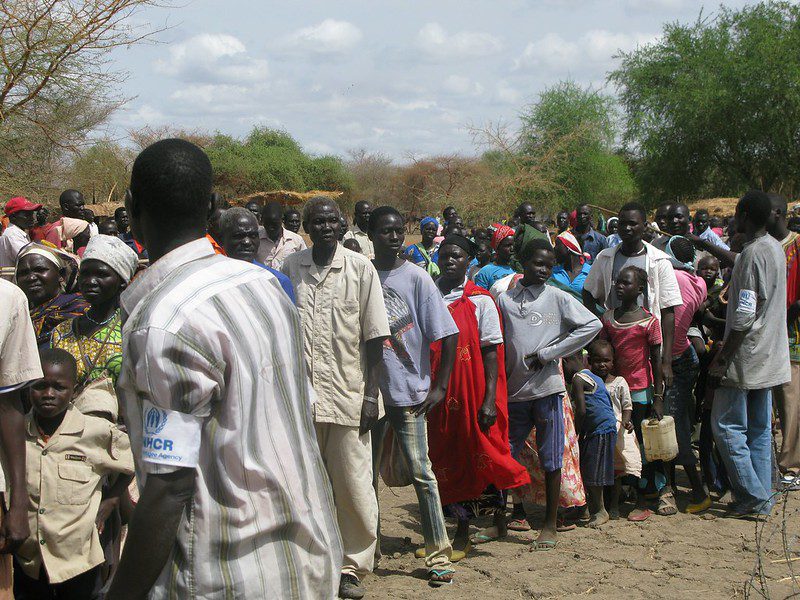
Refugee-Led Innovation Fund: UNHCR Empowering Communities

Refugee-Led Innovation FundUNHCR has launched a groundbreaking initiative to empower refugees and displaced persons: the Refugee-Led Innovation Fund. The fund offers financial support, mentorship and technical expertise to organizations whose leaders are individuals with firsthand experience of forced displacement. Fostering innovation and community leadership plays a crucial role in combating poverty and building resilient communities.

At its core, the Refugee-Led Innovation Fund is a recognition of the untapped potential within refugee populations. It challenges the traditional humanitarian aid model and places refugees at the forefront of problem-solving. The fund provides a platform for individuals to identify pressing community needs. Furthermore, it encourages the development of innovative solutions that directly address their challenges.

Refugee-Led Innovation Fund

One of the primary objectives of this fund is to empower refugee communities. These communities often face significant challenges in accessing resources and funding, which can limit their ability to create lasting positive change. This fund provides up to $45,000 in financial support, along with mentorship, technical expertise, and networking opportunities.

This fund is unique in its approach. It prioritizes organizations led by people with lived experience of forced displacement, including refugees, asylum-seekers, internally displaced persons and stateless individuals, according to FundsForNGOs. The fund focuses on those who have firsthand experience of these challenges, to ensure that solutions are driven from the people who understand the needs of their communities best.

The fund places a special emphasis on supporting underrepresented groups, women, people with disabilities, and Indigenous populations. These groups often face additional layers of marginalization, making it even more difficult for them to access traditional forms of funding and support. The UNHCR’s Refugee-Led Innovation Fund not only provides financial resources but also helps these groups build their organizational capacity, ensuring that their voices are heard and their initiatives can thrive.

Application Process and Criteria

The application process for the fund is designed to be accessible and supportive. It involves two stages: an initial expression of interest, followed by a full proposal for shortlisted organizations. The criteria for assessment include innovation, impact, engagement, and the feasibility of implementation.

This process ensures that only the most promising and impactful projects receive funding, while also providing support to applicants throughout the process. This helps to level the playing field, allowing smaller or less established organizations to compete on equal footing with larger, more established ones.

These four organizations from 2024 are prime examples of how community-driven innovation drives meaningful change in the fight against poverty

Bridging Gaps and Afri-Youth Network – Uganda

In Uganda’s Bidibidi Refugee Settlement, a lack of access to financial markets, entrepreneurship education and banking systems hinders refugees from starting social enterprises and becoming self-sufficient. This perpetuates cycles of poverty and inequality. The Bridging Gaps and Afri-Youth Network addresses this challenge by providing entrepreneurship training, micro-loans and long-term coaching. Its work focuses on increasing female participation, empowering up to 60 refugee entrepreneurs to break free from poverty and create sustainable income sources for their communities, according to UNHCR.

Fundación MUEVE – Ecuador

Ecuador has seen an influx of Venezuelan refugees and migrants, leading to elevated levels of unemployment and economic marginalization. Fundación MUEVE is establishing a creative and digital hub focused on technological training and innovation to address these challenges. The hub will offer training in digital skills, such as 3D printing and scanning and foster a collaborative ecosystem to promote socioeconomic integration and social cohesion, according to UNHCR. Reaching more than 500 individuals, the project aims to reduce unemployment and promote economic and social inclusion through digital innovation.

Let’s Read – Jordan

In Jordan’s Zaatari Refugee Camp, educational barriers, including unreliable internet connectivity and a lack of digital resources, negatively impact refugee children’s learning and development. According to UNHCR, girls are disproportionately affected. Let’s Read is working to bridge this gap by providing easy access to learning through both technological and offline solutions. The project will create and distribute educational content via WhatsApp. Additionally, it offers personalized learning experiences through AI-based platforms, and develops offline learning resources, UNICEF reports. The project will enhance educational outcomes and boost digital literacy. It will create a resilient learning ecosystem that empowers refugees, especially girls and women, to thrive despite challenges.

Kalobeiyei Initiative 4 Better Life – Kenya

Kenya is facing a severe food crisis due to prolonged drought, affecting millions and leading to increased malnutrition rates, particularly among children and pregnant women, UNHCR reports. The Kalobeiyei Initiative 4 Better Life is addressing these food security and nutrition challenges in the Kakuma refugee community. The program is cultivating nutrient-rich sprouts in recycled plastic containers. This innovative approach not only improves food security and well-being but also provides skill-building opportunities for up to 200 individuals from both refugee and host communities, according to UNICEF. This project is helping to mitigate the impact of the food crisis on vulnerable populations through community cooperation and resilience.

Refugee-Led Innovation Fund: The Potential

The UNHCR’s Refugee-Led Innovation Fund is a transformative initiative that is redefining the role of refugees in humanitarian response. The fund is providing the necessary resources and support to unlock the potential of refugee-led organizations to drive innovation, create sustainable livelihoods and build resilient communities.

– Sumaiya Sultana

Sumaiya is based in London, UK and focuses on Business and Good News for The Borgen Project.

Photo: Flickr

August 27, 2024
https://borgenproject.org/wp-content/uploads/borgen-project-logo.svg 0 0 Naida Jahic https://borgenproject.org/wp-content/uploads/borgen-project-logo.svg Naida Jahic2024-08-27 07:30:332024-08-26 12:41:48Refugee-Led Innovation Fund: UNHCR Empowering Communities
Africa, Development, Electricity and Power

Renewable Energy in Nigeria: Bringing Solar Panels to Locals

Renewable Energy in NigeriaNigeria, Africa’s most populous country, faces a significant energy deficit. The nation’s grid infrastructure is inadequate, leaving vast rural areas and many urban centers without consistent electricity. This reality means that millions of Nigerians rely on polluting and expensive alternatives such as diesel generators, which are not only harmful to human health but also detrimental to the environment. These challenges make the work of the Renewable Energy Association of Nigeria (REAN) critical, it seeks to champion renewable energy solutions in Nigeria that are sustainable, affordable, and accessible to all.

Addressing Energy Poverty

Energy poverty in Nigeria is not just a technical issue; it is deeply intertwined with social and economic inequalities. Women and girls, in particular, bear the brunt of energy shortages, as they are often responsible for household energy procurement, which can be both time-consuming and dangerous. REAN recognizes this and is working to ensure that women in Nigeria are a part of the renewable energy revolution, both as beneficiaries and as active participants in the industry.

Renewable Energy in Nigeria

REAN is at the forefront of addressing Nigeria’s energy crisis, a challenge that significantly hampers the nation’s development. It focuses on making fossil fuels a thing of the past, driving the shift toward renewable energy in a country where only about 55.4% of the population has access to grid electricity. This lack of reliable power affects nearly every aspect of life for millions of Nigerians, contributing to poor health outcomes, limited educational opportunities, reduced socioeconomic mobility and gender inequality.

REAN focuses on promoting solar energy as a viable alternative to fossil fuels. Through partnerships with local stakeholders, it has been instrumental in increasing the deployment of solar panels across the country. This initiative provides cleaner energy and supports local industries’ growth, fostering job creation and economic development. By encouraging the use of locally sourced materials and expertise in the renewable energy sector, REAN aims to boost Nigeria’s self-sufficiency in this critical area.

An impactful example of REAN’s work is evident in its support of Ajima Farms, where solar energy has significantly improved productivity by ensuring a consistent power supply. This story highlights how renewable energy can transform local businesses and communities by providing reliable and sustainable power.

Broader Implications for Society

The impact of REAN’s work extends beyond just providing power. Access to reliable and clean energy has profound implications for improving education, as schools can function more effectively with consistent electricity. It also enhances health care delivery, enabling clinics and hospitals to offer better services, particularly in remote areas. Furthermore, by reducing the reliance on fossil fuels, REAN’s initiatives contribute to a healthier environment, helping Nigeria to meet its commitments to global climate goals.

Promoting Renewable Energy in Nigeria

REAN plays a pivotal role in addressing one of the country’s most pressing challenges. By promoting renewable energy in Nigeria, particularly solar power, REAN is not only providing a solution to Nigeria’s energy deficit but also driving broader social, economic, and environmental benefits. REAN’s efforts are crucial in ensuring that the transition to renewable energy is inclusive, sustainable, and beneficial for all Nigerians, thereby making fossil fuels a relic of the past.

– Lydie Udofia

Lydie is based in London, UK and focuses on Technology and Solutions for The Borgen Project.

Photo: Unsplash

August 25, 2024
https://borgenproject.org/wp-content/uploads/borgen-project-logo.svg 0 0 Naida Jahic https://borgenproject.org/wp-content/uploads/borgen-project-logo.svg Naida Jahic2024-08-25 07:30:382024-08-26 02:36:31Renewable Energy in Nigeria: Bringing Solar Panels to Locals
Development, environment, Global Poverty

Combating Air Pollution in Ulaanbaatar

Air Pollution in UlaanbaatarAccording to the World Bank, Ulaanbaatar, the capital of Mongolia, contains 39% of the country’s population and generates upwards of 60% of the Mongolian GDP. This population and economic growth, however, is sustained by a heavy reliance on raw coal, which is essential to surviving harsh winters but has also fueled the crisis of air pollution in Ulaanbaatar.</p><h2>Air Pollution in Ulaanbaatar

Pollution from coal-burning disproportionately impacts Mongolians who live in poverty in yurts known as gers on the outskirts of the city. It is estimated that upwards of 80% of pollution in the city comes from the ger district, where residents rely on coal-fired stoves for cooking and heating. In 2018, UNICEF reported that Ulaanbaatar’s PM-2.5 levels, which measure the content of dangerous tiny particles in the air, sometimes reach up to 133 times the World Health Organization (WHO)-certified safe maximum.

Children in Mongolia especially struggle with lung problems, bronchitis and pneumonia, which is the second leading cause of death for Mongolian children under 5. In 2018, UNICEF reported that the past 10 years have seen a 2.7-fold increase in respiratory infections. The outsized impact of air pollution on Ulaanbaatar’s youngest and most vulnerable formed part of the impetus behind the Mongolian government’s 2017 decision to declare air pollution a state of emergency.

Making a Change

Founded in the wake of a 2018 protest movement in New York City, Breathe Mongolia is a loose coalition of advocates and volunteers seeking to end air pollution in Mongolia. The nonprofit’s three-fold approach prioritizes acting as a watchdog, increasing transparency and serving as a platform for collaboration.

While Breathe Mongolia emerged as a grassroots movement, Switch Off Air Pollution is a part of the EU-funded SWITCH-Asia program. Founded in 2007, SWITCH-Asia seeks to promote sustainable development and green technology through a grants scheme that funds relevant pilot projects.

Switch Off Air Pollution seeks to combat air pollution in Mongolia through investing in sustainable consumption and energy efficiency in the housing sector. From 2018 to 2021, Switch Off Air Pollution aimed to retrofit 1,000 houses, saving an estimated 1,600 metric tons of coal and preventing the emission of 6,000 TeqCO2. Upon the project’s completion in 2022, 73 newly trained construction brigades had successfully retrofitted 1,546 households, saving 5,665 CO2 emissions. A new phase of the project is working to further improve energy efficiency.

Although Ulaanbaatar is facing a momentous challenge in the form of its air pollution crisis, these nonprofits are working hard to solve the problem. This innovative combination of grassroots and institutionally funded approaches, channeled through the infrastructure of nonprofit organizations, is bringing hope to the fight against air pollution in Ulaanbaatar and globally.

– Josephine Koch

Josephine is based in New York City, NY, USA and focuses on Good News and Politics for The Borgen Project.

Photo: Flickr

August 21, 2024
https://borgenproject.org/wp-content/uploads/borgen-project-logo.svg 0 0 Naida Jahic https://borgenproject.org/wp-content/uploads/borgen-project-logo.svg Naida Jahic2024-08-21 07:30:432024-08-21 05:22:01Combating Air Pollution in Ulaanbaatar
Agriculture, Development, Global Poverty

Public-Private Innovation: Agricultural Markets in Cambodia

Agricultural Markets in Cambodia Market access remains a concern for Cambodian farmers. Many small-scale farmers report facing debt due to unsold crops. Agricultural development is a priority of the government, but the market connection in the supply chain requires improvements. To tackle this, public and private institutions are enhancing crop production value, information, and market opportunities via education, administrative and technological initiatives.

Poverty and Agriculture in Cambodia

Agriculture employs more than 49% of the Khmer population and makes up 22% of the nation’s GDP. The government also seeks to continue to develop the industry to drive growth and reduce the country’s poverty rate of 17.8% under the national poverty line. However, efforts to enhance the productive capacity of farmers via infrastructure and financing can become stagnant without appropriately matched markets.

CamboJA News, an independent journalist’s alliance in Cambodia, illustrated farmers’ struggles. Many farmers report unsold produce, which has led to additional debt for following harvest seasons and migration from Cambodia. Microfinance institutions have issued $1.34 billion in debt for agricultural purposes, and farmers whose crops do not sell are forced to keep borrowing.

Farmers claim their difficulties arise from low prices, driven downward by import competition. Local authorities have discouraged farmers’ attempts to vocalize these issues online, though the government claims they have tried to reduce market frictions, according to CamboJA News.

Innovations in Access to Agricultural Markets in Cambodia

In May 2023, the World Food Programme (WFP) and Cambodian Agriculture Cooperative Corporation (CACC) announced their collaboration in a $3 million initiative to improve agricultural markets in Cambodia. The CACC is a private partner that also purchases food crops from cooperatives, which pool skills, knowledge and production scale. The goal of the initiative is to reach 1,200 families in northeastern Cambodia and provide them with education and help them create valuable organic food products, which compared to the farming staple of rice offer higher prices and profits. The project also emphasizes sustainable farming practices, gender equality and nutrition.

In November 2020, the Asian Development Bank (ADB) approved the Agricultural Value Chain Competitiveness and Safety Enhancement Project, targeting 27,000 households. The ADB is focusing on transport infrastructure, building roads of which only 5% in rural areas are paved. They are also supporting agricultural businesses and cooperatives with credit and market ties.

Grocerdel is a grocery delivery app that provides consumers with fresh food from local farmers in zero-plastic packaging. With its technology, farmers are more closely connected with market demand. In addition to food, the platform also offers local-brands and wholesale goods. They work with more than 300 smallholder farmers and service the capital Phnom Penh, facilitating urban-rural connectivity. Originally catered towards expats, the platform is reporting increasing local users.

These multidimensional initiatives strengthen value chains and market access for smallholder farms, providing them with greater opportunities for profit outside of international, large-scale agribusiness.

– Imme Koolenbrander

Imme is based in Beijing, China and focuses on Business and Technology for The Borgen Project.

Photo: Flickr

August 16, 2024
https://borgenproject.org/wp-content/uploads/borgen-project-logo.svg 0 0 Naida Jahic https://borgenproject.org/wp-content/uploads/borgen-project-logo.svg Naida Jahic2024-08-16 03:00:192024-08-16 02:00:44Public-Private Innovation: Agricultural Markets in Cambodia
Developing Countries, Development, Global Poverty

Everything You Need to Know about Health Care in Bangladesh

Health Care in BangladeshAs of March 2024, Bangladesh has committed to transforming into a Smart-Bangladesh High-Income Country by 2041, with health care identified as a key priority in this plan. A collaboration between the World Health Organization (WHO) and the Bangladeshi government has been established to advance health care. As of 2022, Bangladesh had only 13 doctors, nurses and midwives per 10,000 people, compared to the global median of 49. This partnership aims to improve these figures and enhance health care access for millions.

Life Expectancy in Bangladesh

Life expectancy in Bangladesh has increased significantly, from 65.6 years in 2000 to 73.1 years in 2021. This compares favorably to Southeast Asia’s overall life expectancy, which rose by 5.01 years from 63.4 years to 68.4 years in the same period. Bangladesh has improved the accessibility of health care, but there is more to be done.

Smiling Sun Clinics 

Smiling Sun Clinics has been a prominent part of health care in Bangladesh since 1997. It is the world’s largest nongovernmental organization (NGO) network of maternal and child health clinics globally. The NGO Health Services Delivery Project supports the Smiling Sun network, allowing millions of Bangladeshis to access health care. This network is composed of 25 NGOs and 399 clinics that are located in both urban and rural areas.

The services provided include emergency obstetric care and maternity care. More than 10,000 part-time clinics also operate and refer clients to full-time clinics if they believe more care is required. This allows community health workers to offer personal health care to their communities and helps to ensure universal health coverage.

The World Bank and USAID’s Roles in Health Care in Bangladesh

By 2025, one in every 10 people in Bangladesh will be 60 or older and this figure is expected to rise to one in five by 2050. In response, the World Bank organized a workshop in August 2023 to bring together health experts, stakeholders and policymakers. The goal is to foster progress in shaping health care to better address the needs of an aging population in Bangladesh.

Additionally, in August 2023, the World Bank approved $200 million to support primary health care in the country. This pledge benefited the Urban Health, Nutrition and Population Project, which will help 2.5 million children and provide 250,000 pregnant women with at least four antenatal checkups. Furthermore, in 2019, the United States Agency for International Development (USAID) programs in Bangladesh provided more than 46 million health service consultations. Technological improvements included developing solutions to detect deadly drug-resistant TB within two hours and digitizing national health information.

UNICEF’s Role

UNICEF’s immunization programs in Bangladesh have reached 3.5 million newborns with the Measles and rubella vaccine (MR1). Additionally, its nutrition interventions have improved the health and growth of countless children. The organization also helps strengthen health care infrastructure and train health workers to enhance service delivery for vulnerable populations.

– Amy Fox

Amy is based in Birmingham, UK and focuses on Good News and Global Health for The Borgen Project.

Photo: Flickr

August 14, 2024
https://borgenproject.org/wp-content/uploads/borgen-project-logo.svg 0 0 Lynsey 2 https://borgenproject.org/wp-content/uploads/borgen-project-logo.svg Lynsey 22024-08-14 07:30:272024-08-14 06:03:47Everything You Need to Know about Health Care in Bangladesh
Page 18 of 163«‹1617181920›»

Get Smarter

  • Global Poverty 101
  • Global Poverty… The Good News
  • Global Poverty & U.S. Jobs
  • Global Poverty and National Security
  • Innovative Solutions to Poverty
  • Global Poverty & Aid FAQ’s
Search Search

Take Action

  • Call Congress
  • Email Congress
  • Donate
  • 30 Ways to Help
  • Volunteer Ops
  • Internships
  • Courses & Certificates
  • The Podcast
Borgen Project

“The Borgen Project is an incredible nonprofit organization that is addressing poverty and hunger and working towards ending them.”

-The Huffington Post

Inside The Borgen Project

  • Contact
  • About
  • Financials
  • President
  • Board of Directors
  • Board of Advisors

International Links

  • UK Email Parliament
  • UK Donate
  • Canada Email Parliament

Get Smarter

  • Global Poverty 101
  • Global Poverty… The Good News
  • Global Poverty & U.S. Jobs
  • Global Poverty and National Security
  • Innovative Solutions to Poverty
  • Global Poverty & Aid FAQ’s

Ways to Help

  • Call Congress
  • Email Congress
  • Donate
  • 30 Ways to Help
  • Volunteer Ops
  • Internships
  • Courses & Certificates
  • The Podcast
Scroll to top Scroll to top Scroll to top