The Togolese-German Program: Togo’s Path to Development
 Togo’s political history has impeded the country’s democratic aspirations. The recent parliamentary approval to extend President Faure Gnassingbé’s term, following his father’s 38-year rule, has heightened tensions. However, the government is transitioning from a presidential to a parliamentary system. This promises an end to decades of dictatorship and fosters opportunities for progress.
According to the United Nations Human Development Index (HDI), Togo is one of the most impoverished countries globally. Years of autocratic rule have exacerbated corruption and hindered development. Amid these challenges, Togo’s move toward democratization is reflected in its new partnership with the German Federal Ministry for Economic Cooperation (BMZ).
The Togolese-German Program
This collaboration aims to achieve food security and provide job opportunities. Initiatives include loan programs, infrastructure funding for rural roads and vocational training programs, such as motor vehicle mechanics courses. The aim is to attract private investment and boost the economy.
The Togolese-German program focuses on creating jobs suited to the local market and attracting private investors. Vocational training, including motor vehicle mechanics courses, equips young people with skills to repair motorcycles and engines. Recognizing agriculture’s economic potential, the BMZ program supports the sector with school-based and industry-based training in six cities, enhancing skills nationwide.
Ensuring Food Security While Expanding Opportunities
Agriculture is vital to Togo’s economy. However, it remains largely traditional, with widespread poverty in rural areas driving youth to cities due to limited job prospects. To address this, Germany supports improving key agricultural value chains like coffee, cocoa and fruit through tailored farmer training, which boosts yields, reduces costs and creates income opportunities.
Efforts also include developing financial products for smallholders, improving rural infrastructure and enhancing national food security under the “Transformation of Agricultural and Food Systems” initiative. From 2012 to 2020, more than 80,000 farmers received training, leading to increased incomes for most, the creation of thousands of jobs and significant improvements in food security and rural infrastructure.
Enhancing Local Infrastructure and Services
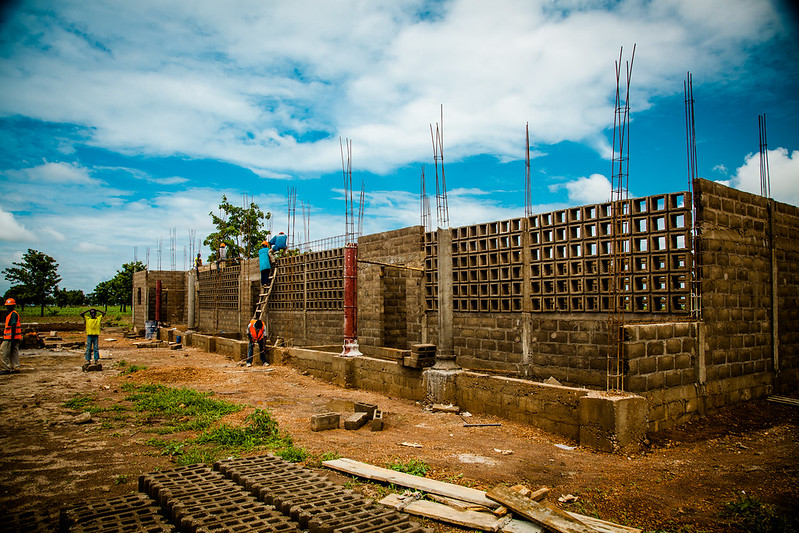
Germany is focused on strengthening local infrastructure and services in Togo by enhancing public service delivery, increasing municipal revenues and promoting civic participation. Efforts include supporting the construction of markets, town halls and citizens’ affairs offices, modernizing civil registration and training municipal workers.
These initiatives empower local communities, ensure more responsive governance and provide citizens with better access to essential services. As a result, millions of Togolese now benefit from improved public services, active participation in community development and greater access to education through streamlined civil registration processes.
Final Remark
Germany is committed to empowering local communities in Togo by improving infrastructure, enhancing public services and promoting civic participation. These efforts ensure better governance, increased municipal revenue and greater access to essential services, benefiting millions of citizens nationwide.
– Lydie Udofia
Lydie is based in London, UK and focuses on Global Health for The Borgen Project.
Photo: Flickr
