• Link to X
  • Link to Facebook
  • Link to Instagram
  • Link to TikTok
  • Link to Youtube
  • About
    • About Us
      • President
      • Board of Directors
      • Board of Advisors
      • Financials
      • Our Methodology
      • Success Tracker
      • Contact
  • Act Now
    • 30 Ways to Help
      • Email Congress
      • Call Congress
      • Volunteer
      • Courses & Certificates
      • Be a Donor
    • Internships
      • In-Office Internships
      • Remote Internships
    • Legislation
      • Politics 101
  • The Blog
  • The Podcast
  • Magazine
  • Donate
  • Click to open the search input field Click to open the search input field Search
  • Menu Menu

Archive for category: Development

Information and stories on development news.

Development, Global Poverty

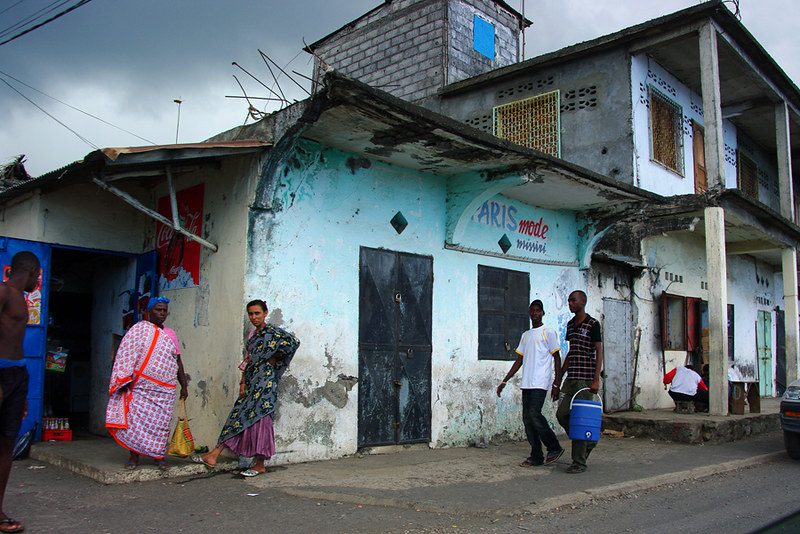
Community-Led Development in Comoros Driving Progress

Comoros Rising: Community-Led Innovations Driving ProgressComoros, a small island nation with one of the world’s most climate-vulnerable locations and topographies, faces significant challenges. More than 54.2% of the population lives in at-risk areas and 45% falls below the national poverty line. Amid these challenges, women’s cooperatives and marine conservation projects are reshaping livelihoods and ecosystems. These grassroots initiatives highlight how community-led development in Comoros can potentially address poverty while promoting environmental sustainability, turning vulnerability into opportunity and offering a model for resilience.

Reshaping the Vanilla Industry

Vanilla farming, a key source of income for many in Comoros, has long been hindered by fluctuating markets and outdated methods. However, women-led cooperatives are transforming this industry into a sustainable and profitable venture.

The Union of Women Vanilla Farmers of Comoros, established in 2015, trains farmers to use agroforestry techniques that preserve biodiversity while boosting crop yields. By combining vanilla cultivation with tree planting, farmers protect the soil and reduce the environmental impact of farming.

Direct trade agreements have empowered Comorian vanilla farmers by eliminating intermediaries, allowing them to earn significantly higher prices for their crops. For example, direct market access has contributed to Comoros becoming the 11th largest exporter of vanilla, with exports valued at $7.72 million in 2022.

Revitalizing Marine Ecosystems

Fishing is a vital industry in Comoros, but overfishing and environmental degradation have impacted fish stocks. Community-led marine protected areas (MPAs) are reversing this trend, promoting sustainable fishing and alternative livelihoods.

The Moheli Marine Park (MMP), established in 2000, involves local communities in managing marine resources. Studies in similar regions suggest that effective MPAs can lead to a 2 to 4 times increase in fish biomass. Additionally, MPAs have created opportunities in eco-tourism, such as snorkeling and marine research. These ongoing efforts align with Comoros’ Blue Economy National Plan, aiming to restore ecosystems and boost sustainable economic growth.

International Support Driving Grassroots Innovation

International support has significantly bolstered grassroots innovations in Comoros. The Global Environment Facility’s Small Grants Programme (SGP) has funded numerous community-led projects, directly benefiting local households. In 2017, three cooperative companies in Comoros secured trade financing worth more than $400,000 for vanilla and clove harvesting and export, due to a joint project by the International Trade Centre (ITC) and the Enhanced Integrated Framework (EIF). These initiatives have strengthened the vanilla industry’s contribution to the national economy, enhancing production efficiency and reducing post-harvest losses. 

A Model for Sustainable Growth

Women’s cooperatives are revitalizing the vanilla industry, while marine conservation projects protect ecosystems and create sustainable livelihoods. For instance, the Enhanced Integrated Framework (EIF) has supported cooperatives and provided training for female entrepreneurs in the vanilla sector, laying the foundation for increased trade in the country. 

Comoros’ story demonstrates the potential of local initiatives to drive change in low- and middle-income countries. By building on its successes and strengthening international collaborations, the nation offers a model for sustainable growth that can inspire others worldwide. The launch of the ReSea Project in 2024, for example, aims to empower coastal communities for climate resilience, further contributing to sustainable development. Through determination and innovation, Comoros is not only addressing poverty but also building a future of resilience and opportunity.

Looking Ahead

Community-led development in Comoros exemplifies how local solutions can address global challenges. Through the empowerment of women in vanilla farming and the revitalization of marine ecosystems, the nation has demonstrated that community-driven innovation can lead to sustainable economic growth and environmental stewardship. Supported by international partnerships and a commitment to grassroots leadership, these initiatives have improved livelihoods and provided a blueprint for development in other low-and-middle-income countries. Community-led development in Comoros is a reminder that resilience and creativity at the local level could drive transformative change, paving the way for a brighter and more sustainable future.

– Fiza Meeraj

Fiza is based in London, UK and focuses on Good News for The Borgen Project.

Photo: Flickr

December 27, 2024
https://borgenproject.org/wp-content/uploads/borgen-project-logo.svg 0 0 Precious Sheidu https://borgenproject.org/wp-content/uploads/borgen-project-logo.svg Precious Sheidu2024-12-27 07:30:092024-12-26 10:52:04Community-Led Development in Comoros Driving Progress
Development, Global Poverty, Migration

Migration to Guyana

Migration to GuyanaGuyana has entered a pivotal economic development thanks to its emerging oil and gas sector, which increased its gross domestic product (GDP) by 32.2% in 2023 alone. This development has been attracting migrants from neighboring countries, mainly from Venezuela, where a political crisis has caused almost eight million Venezuelans to emigrate abroad. However, migrants in Guyana still face significant barriers to integrating into the workforce and broader society.

An Overview

  • Guyana discovered offshore oil reserves in 2015, with production starting in 2019. With a population of only 800,000 (about one-third of which live below the poverty line), one of the most impoverished countries in South America is now one of the fastest-growing economies in the world. This is making Guyana an attractive destination for economic migrants.
  • Venezuelan political refugees make up the largest migrant group. Many have settled in Guyana’s rural areas, particularly the Indigenous Warao people.
  • Although Guyana offers legal stay permits, health care and education regardless of a migrant’s status, the country is not a signatory of the United Nations’ (U.N.) 1951 Refugee Convention or the Complementary provisions of the International Labor Organization (ILO) Convention on Migrant Workers. This denies Venezuelans refugee status and exposes migrants in Guyana to a greater risk of exploitation and informal work.
  • A Regional Migration Policy for Caribbean countries is set to launch in 2025 to address new migration trends. 

Why Is Migration to Guyana Increasing?

The country’s growing oil and gas sector demands a larger workforce and both Guyanese and foreign nationals respond positively. In the year following the discovery of oil reserves, Guyana experienced more people entering than leaving the country. This trend is set to increase throughout the 2020s. 

Furthermore, the ongoing humanitarian crisis in Venezuela has prompted an influx of forcibly displaced Venezuelans into neighboring Guyana. Venezuelans constitute about 3% of Guyana’s population. Many are fleeing the collapse of their country’s socioeconomic and political infrastructure, seeking relief from poverty and food insecurity.

What Is Life in Guyana Like for Migrants?

Migrants must first apply for a work permit through a work visa. The pre-arrival recruitment process for migrant workers in Guyana typically takes about 90 days. However, the process does not always conform to ethical standards, with some migrants reporting they had to pay to apply for a job. 

Migrants can also request stay permits, subject to renewal every three months. However, these permits do not grant foreign nationals the right to work. The United Nations High Commissioner for Refugees (UNHCR) reports that 23,412 forcibly displaced Venezuelans have received stay permits since 2018. As this figure does not account for undocumented migrants, the number is likely much higher.

Due to these challenges, many migrants work in informal places and thus lack social protection. As the International Organization for Migration (IOM) noted, “The informal economy accounts for a significant amount of employment and livelihood, with official estimates ranging from 45% to 52% of total Guyanese economic activity.” This exposes migrants to labor exploitation and even human trafficking. Informality increases in rural areas where many Indigenous Venezuelans from the Warao community have settled. 

Warao migrants account for 10% of Venezuelan nationals in Guyana. IOM reported in 2023 that 48% of Indigenous Venezuelans had no recognized status in Guyana. This makes them more vulnerable to exploitation in a context where Indigenous Guyanese already face disproportionately high poverty rates. The UNHCR and The New Humanitarian shared that the Warao community faces limited access to food, clean water, sanitation and education. 

Language barriers compound these difficulties as Guyana is the only anglophone country in South America. Additionally, there are escalating tensions between the Guyanese and Venezuelan governments, with Venezuela claiming Guyana’s western Essequibo region. This dispute risks causing friction between Venezuelan migrants and Guyanese citizens.

How Are the Migration Issues in Guyana Being Addressed?

  • A new Regional Migration Policy: The intergovernmental organization Caribbean Community (CARICOM), headquartered in Guyana, is developing a “people-centered” Regional Migration Policy. It aims to “streamline migration processes, enhance security, promote regional development” and improve protection for vulnerable migrant groups. CARICOM member states are set to review the policy in February 2025. 
  • Spanglish Bee: The UNHCR is playing an active role in improving migrant access to education. The annual “Spanglish Bee” competition is held in partnership with the Ministry of Education to improve refugee children’s English and Spanish skills. 
  • Supporting integration: Blossom Inc., a child-protection nonprofit in Guyana, has been collaborating with UNHCR to offer case management services to forcibly displaced children and their caregivers. These aim to develop migrants’ independence in Guyana, including providing information on accessing social services. These services supported 56 children and caregivers from July to September 2024.

Migration to Guyana has the potential to offer many domestic and regional benefits, including boosting the economy and providing refuge for Venezuelans escaping a humanitarian crisis. IOM reported that Guyana must welcome at least 100,000 people into its workforce to maximize its economic growth. Though it is uncertain how migration flows to Guyana will develop in the long term, organizations and world leaders are gradually seizing opportunities for improvement.

– Nesreen Yousfi

Nesreen is based in Watford, Hertfordshire, UK and focuses on Good News for The Borgen Project.

Photo: Flickr

December 24, 2024
https://borgenproject.org/wp-content/uploads/borgen-project-logo.svg 0 0 Lynsey 2 https://borgenproject.org/wp-content/uploads/borgen-project-logo.svg Lynsey 22024-12-24 07:30:462024-12-23 11:07:30Migration to Guyana
Africa, Development, Global Poverty

Lobito Trading Corridor: Growing Africa’s Economy

Lobito Trading CorridorLobito is a municipality in Angola with a population of 484,000. It is known for its shipping port, constructed in 1903 to transport goods worldwide. Also at this time, building began on the Benguela Railway connecting the Port of Lobito to the resource-rich Democratic Republic of Congo (DRC). During Angola’s civil war from 1975-2002, many of its transport systems were damaged, and goods could no longer reach the port for export. This heavily impacted the African economy. The Lobito Corridor initiative is the flagship project of the Partnership for Global Infrastructure and Investment (PGI). In 2022, the G7 formed the PGI, intending to invest $600 billion by 2027 to improve the infrastructure globally. Re-establishing its Lobito Trading Corridor could increase the efficiency of resource mobilization from the DRC to Angola’s port for trade with developed countries globally.

The Impact of The Lobito Trading Corridor on Africa

The Lobito Corridor is likely to improve international relationships. In August 2024, the first Lobito Corridor train carrying copper reached Lobito’s export port after its refurbishment. It took just six days to reach the port from the DRC, a journey that by road would usually take over 30 days, according to CNN. Before this, most of Africa’s resources went to Asia. Positive relationships between the U.S. and Africa hope to see increased trading efforts and economic growth for the developing country. Economic growth would allow continued building of Africa’s infrastructures and investment in humanitarian services.

Currently, 30% of Angola’s population lives below the poverty line. The country suffers from high and widespread unemployment, according to CNN. The Lobito Trading Corridor Initiative could bring many jobs to Angola and areas feeding the Lobito Corridor to keep the railway functioning. With more of its citizens in employment, poverty levels could decrease.

The Lobito Corridor could also provide transport assistance to support local businesses, such as agriculture. Businesses along the Lobito Corridor could use the railway to transport their crops and other services to regional communities or further afield. On a larger scale, the Angolan food production company, Carrinho Industry, also has the potential to benefit from this initiative. With initially poor road and communication infrastructure, transportation of food to supply Africa was difficult and expensive. However, with the more efficient Lobito Corridor, essential food supplies can reach those in need much faster, CNN reports.

The Future

Feasibility studies are currently taking place to assess the viability of extending the railway 800 kilometers to service Zambia, another mineral-rich African country. With more than 60% of its population living in poverty, the success of this phase could lead to economic growth and job security. Similarly, another future phase of the initiative is extending the railway to the Indian Ocean through Tanzania. This would allow an even more expansive trading opportunity for Africa.

– Millie Trussler

Millie is based in London, UK and focuses on Technology and Politics for The Borgen Project.

Photo: Flickr

December 23, 2024
https://borgenproject.org/wp-content/uploads/borgen-project-logo.svg 0 0 Naida Jahic https://borgenproject.org/wp-content/uploads/borgen-project-logo.svg Naida Jahic2024-12-23 01:30:552024-12-22 02:06:02Lobito Trading Corridor: Growing Africa’s Economy
Development, Electricity and Power, Global Poverty

How Seaweed Biofuel Could Boost Investment in Barbados

Seaweed BiofuelBarbados generates around 95% of its electricity from imported fossil fuels, making energy expensive and environmentally unsustainable for the island nation. At the same time, the invasive Sargassum seaweed has overwhelmed its coastlines, damaging tourism—a sector that contributes nearly 17% of Barbados’s GDP. Researchers in Barbados have found a solution to both challenges: turning Sargassum seaweed into biomethane biofuel, a clean and renewable energy source. Tested successfully in a specially adapted vehicle, this breakthrough could reduce energy costs, restore tourism and position Barbados as a leader in sustainable energy innovation.

Seaweed Power Cars

The process of converting seaweed into fuel combines three key components: wastewater from the rum industry, sheep dung and Sargassum, a type of seaweed commonly found in Barbados. These elements undergo anaerobic digestion, producing a biofuel known as biomethane. This biofuel powers a specially modified Nissan Leaf owned by the Caribbean Centre for Renewable Energy and Energy Efficiency (CCREE). While biofuel is currently limited to a test vehicle, it has the potential to become a mainstream energy source. Rum and Sargassum experts claim a petrol car can be upgraded to run fully on biomethane in just four hours.

Barbados’ Seaweed Challenge

In June 2018, the government declared a national emergency as the invasive plant inundated coastlines, creating significant economic challenges. The sheer volume of seaweed takes a large toll on the tourism industry in Barbados and has plagued its many hotels. According to STR, hotels unaffected by Sargassum experienced a 3% year-over-year increase in revenue per available room (RevPAR) in 2018, while those in affected areas saw declines of 4.4% in RevPAR and 4.7% in occupancy. The sheer volume of seaweed has burdened the country’s infrastructure and harmed its reputation as a pristine travel destination. However, if scaled up, the seaweed biofuel concept could offer a dual solution: powering a new generation of vehicles while removing Sargassum from coastlines.

Driving Investment and Economic Growth

Barbados has set an ambitious goal to become a 100% renewable energy and carbon-neutral island state by 2030. Seaweed-based biofuel aligns perfectly with this vision, positioning the country as a global leader in renewable innovation. Achieving this target would not only bring international recognition but also attract foreign investors eager to support sustainable projects. The country’s pioneering efforts could also open doors for international collaboration and funding in the renewable energy sector. According to the International Renewable Energy Agency (IRENA), investments in clean energy are increasing annually and Barbados’s proactive approach may secure a significant share of this funding.

Boosting Tourism with a New Purpose

The benefits of seaweed biofuel extend beyond energy. By creating value for Sargassum, Barbados can transform a long-standing problem into an economic asset. The incentive to clear beaches will increase, allowing the tourism sector to recover and thrive. Hotels that once struggled with declining occupancy due to the unsightly and smelly seaweed will regain their appeal, attracting visitors and boosting local businesses. For a country with a population of fewer than 300,000 people, this innovation places Barbados on the global stage. What began as a challenge with an invasive plant could now position the island as a leader in renewable technology and sustainable development.

Moving Forward

The development of seaweed-based biofuel in Barbados provides a practical solution to two longstanding challenges: renewable energy production and environmental management. By transforming Sargassum seaweed into a valuable resource, Barbados has an opportunity to lead in sustainable innovation. Furthermore, as the country works toward its carbon-neutral goals, this breakthrough could improve local energy independence, attract investment and restore its vital tourism sector, creating a cleaner and more resilient future.

– Andrew Nicoll

Andrew is based in Long Melford, Suffolk, UK and focuses on Business and Politics for The Borgen Project.

Photo: Flickr

December 22, 2024
https://borgenproject.org/wp-content/uploads/borgen-project-logo.svg 0 0 Precious Sheidu https://borgenproject.org/wp-content/uploads/borgen-project-logo.svg Precious Sheidu2024-12-22 07:30:412024-12-30 12:36:25How Seaweed Biofuel Could Boost Investment in Barbados
Aid, Development, Global Poverty

Housing Ministry Addresses Lack of Affordable Housing in Oman

Affordable Housing in OmanAcross Oman, many struggle with unemployment (40% of the population), employer underpayment and limited economic diversity. As a result, countless low-income families in Oman need financial assistance. Without help, these issues often lead to the inability to afford basic necessities which results in issues such as learning poverty, currently impacting more than 40% of children in Oman.

Reason For More Affordable Housing

Oman is located in Southwest Asia on the coast of the Arabian Peninsula. Immigrants and expatriates make up approximately 46% of Oman’s population due to the region’s close proximity to numerous countries. Therefore, the country’s financial markets rely heavily on foreign investments.

As of May 2024, Oman’s capital market has seen a 19% increase in foreign investment. This growth is in response to additional policies favoring foreign investments, which the government hopes will decrease the public debt and encourage investments in essential services.

With the increase in foreign investments comes an increase in population. Consequently, Oman’s population is nine times larger than it was in 1964, previously sitting at just half a million people. As the population rises, so does the demand for housing and housing prices. This limits the number of available homes while also pricing out those who previously qualified for housing assistance. These factors directly contribute to the lack of affordable housing in Oman.

The lack of affordable housing in Oman is a longstanding issue and is the reason the Omani Government created Social Housing Policy in 1973 and, more recently, began a housing assistance program.

Steps Taken to Address Housing Insecurity

In 2020, the Ministry of Housing and Urban Planning (MHUP) began its social housing assistance program. The program’s goal is to improve the living standards of those with limited income by providing adequate housing. The program constructs housing units to support modern living, thereby providing essential tools to support these standards.

In 2022, the MHUP spent 35 million Omani Rial, approximately 90.5 million U.S. dollars, on the construction of affordable housing for Omani citizens. The following year, the MHUP spent 40 million Omani Rial and in 2024, it set aside 70 million Omani Rial for affordable housing efforts. From 2022 to 2024, the MHUP delivered 747 homes to Omani citizens and as of September 2024, there were 478 housing units under construction. The MHUP’s latest housing report also details the future construction of 109 housing units across Oman, along with efforts to ensure the equitable distribution of services.

Building Homes of Various Sizes

During this time, the MHUP also reconsidered how it takes diverse family makeups into account during construction. In the future, the MHUP intends to build homes of various sizes. This will allow the MHUP to better aid more families by more strategically distributing funding.

However, the Ministry’s social housing assistance program does more than construct homes. The MHUP also provides grants and loans. Those in need of affordable housing can then qualify for government financial assistance with the help of the MHUP so they can build or repair their homes.

The MHUP strives to address the lack of affordable housing in Oman through each of these components as a part of its program and represents the government’s goal of achieving a secure and successful future for all citizens.

– Nivea Walker

Nivea is based in Elon, NC, USA and focuses on Good News and Global Health for The Borgen Project.

Photo: Unsplash

December 21, 2024
https://borgenproject.org/wp-content/uploads/borgen-project-logo.svg 0 0 Naida Jahic https://borgenproject.org/wp-content/uploads/borgen-project-logo.svg Naida Jahic2024-12-21 01:30:012024-12-20 02:11:25Housing Ministry Addresses Lack of Affordable Housing in Oman
Development, Electricity and Power, Global Poverty

Renewable Energy in Myanmar

Renewable Energy in MyanmarMyanmar is a Southeast Asian nation with approximately 55 million people. While Myanmar has faced economic and political challenges and is currently facing civil conflict, its renewable energy resources offer hope for sustainable development and improved living standards. Currently, the country has the lowest electrification rate in Southeast Asia, with around 70% of its population having access to electricity.

Solar, wind and hydropower investments are transforming lives by increasing electricity access in rural areas and reducing reliance on fossil fuels. The country aims to achieve 100% electrification by 2030, relying heavily on renewable sources to bridge its energy gaps.

Current Renewables

Hydropower dominates Myanmar’s renewable capacity, contributing around 45% to the national grid. The country boasts an estimated potential of more than 100 gigawatts (GW) in hydropower. However, development faces challenges such as environmental impacts and high implementation costs. Additionally, Myanmar encourages private sector involvement by permitting 100% foreign ownership of renewable projects and offering supportive policies. Some of these policies include streamlined power purchase agreements (PPAs) tailored for hydroelectric and other renewable initiatives​.

One of the current projects in development is the Minbu Solar Power Plant, located in the Magway Region. This project is Myanmar’s first large-scale solar facility, which began operations in its initial phase and has plans to expand further. It represents a significant step in integrating solar energy into the national grid​. Finally, concurrently, China plays a key role in supporting renewable energy initiatives in Myanmar, particularly in wind and solar projects. However, the political situation following the 2021 coup poses challenges to investment and implementation.

Power of Solar

Renewable energy has transformed lives in Hin Ka Pi, a remote village in Myanmar’s mountainous border region. A group of five women, including Naw Yoe Lay, trained in India as solar engineers or “Solar Mamas” through a World Wildlife Fund (WWF) initiative, returned to bring electricity to their communities. With newfound skills, they installed solar-powered systems, creating access to light and energy for the first time. Families now cook, sew and study safely at night without fearing venomous snakes or the unreliability of candles. The project provided light and empowered women like Naw Yoe Lay, earning them respect and pride as changemakers in their villages.

Future Potential

Myanmar is rich in renewable energy resources, from wind to hydropower to holding 20% of the world’s rare earth elements. These resources are key to addressing Myanmar’s electricity challenges and reducing carbon emissions​. Myanmar has significant solar and wind energy potential, with estimated capacities of 26.96 GW and 33.83 GW, respectively. Initiatives like solar mini-grids and wind projects are being developed to address electricity shortages, especially in rural areas​.

In addition, the government has outlined ambitious goals, such as achieving 53.5% renewable energy in its power mix by 2030 and providing electricity access to 100% of households. Large-scale projects, such as a wind farm in Chaung Thar and solar farms in the dry zones, are currently under development to meet these goals.

– Avery Hazard

Avery is based in Segovia, Spain and focuses on Technology and Solutions for The Borgen Project.

Photo: Flickr

December 20, 2024
https://borgenproject.org/wp-content/uploads/borgen-project-logo.svg 0 0 Lynsey 2 https://borgenproject.org/wp-content/uploads/borgen-project-logo.svg Lynsey 22024-12-20 07:30:302024-12-19 02:47:09Renewable Energy in Myanmar
Development, Global Poverty, Government

Rwanda Leverages Technology to Become Africa’s Innovation Hub

Africa's Innovation HubRwanda, a landlocked nation in East Africa, is making significant progress toward becoming Africa’s innovation hub. Once defined by the devastation of the 1994 genocide, the country has undergone a remarkable transformation. Indeed, Rwanda has emerged as one of the continent’s most forward-thinking nations. With a clear vision to drive economic growth, the government has partnered with various stakeholders to foster technological advancement, particularly in the fintech sector. By positioning technology and innovation as cornerstones of its development strategy, Rwanda continues to solidify its reputation as a leader in Africa’s digital transformation.

Kigali Innovation City: A Catalyst for Growth

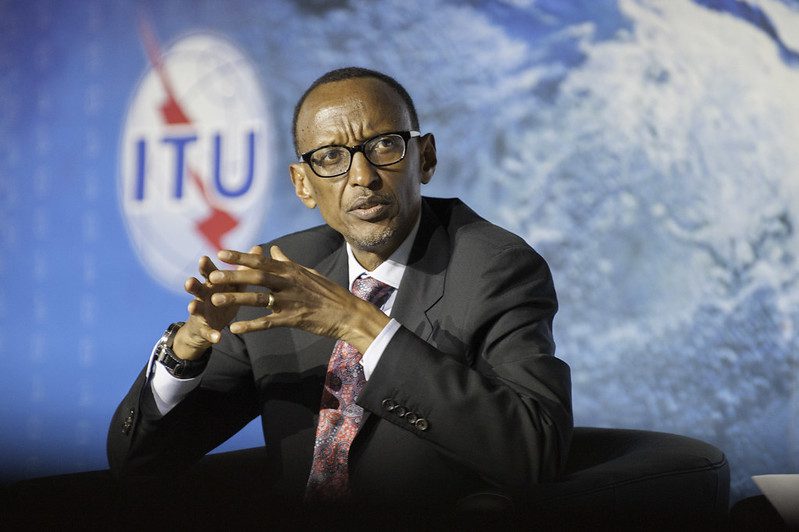
Kigali Innovation City lies at the center of Rwanda’s digital transformation. The city serves as a flagship project under the Smart Rwanda Master Plan. It drives the nation’s efforts to position itself as Africa’s hub for innovation. The City integrates university campuses, research and development facilities and business hotels to accelerate the digital transformation to stimulate regional economic growth. President Paul Kagame’s administration has led advancements in ICT infrastructure, laying the groundwork for Rwanda’s digital revolution.

Startups like Zipline and SafeMotos have become key players in Rwanda’s growing tech hub, revolutionizing health care and transportation. SafeMotos, a ride-hailing platform, provides safe and reliable motorcycle taxi services in Kigali. The startup is improving road safety and transportation efficiency while offering affordable mobility solutions to underserved communities. Zipline, a drone technology company, delivers life-saving blood and medical supplies to remote areas, addressing health care gaps worsened by poverty. These innovations highlight the role of technology in solving societal challenges and improving living standards, revealing Rwanda’s success in becoming a hub for innovation in Africa.

Technology’s Role in Poverty Reduction

The rapid growth of Rwanda’s ICT sector has had profound impacts on poverty alleviation, with tangible benefits across multiple areas: 

  • Job Creation. The ICT sector is a significant employer, directly providing thousands of jobs. As of 2020, the sector contributed 3% to Rwanda’s GDP, a figure projected to triple within the next decade. ICT developments have helped to increase productivity in agriculture through the use of mobile phones and drones. These advancements have reduced post-harvest losses and improved crop yields. The changes have increased farmers’ incomes and contributed to national GDP growth, directly addressing rural poverty where it is most acute.
  • Health Care Access. Zipline, a part of Rwanda’s technological transformation, has expanded health care access to essential health care in underserved regions by delivering medical supplies to remote areas of the country. By improving health care outcomes, these innovations reduce the economic burden of disease.
  • Export Diversification. The ICT sector is now Rwanda’s second-largest export contributor, accounting for 17% of total exports. This diversification reduces the country’s reliance on primary commodities such as coffee and tea. Additionally, diversification strengthens Rwanda’s economic stability, creating a more resilient environment for poverty reduction. The revenue generated by ICT exports fuels critical investments in infrastructure like that of the Kigali project, perpetuating a positive multiplier effect. 

A Model for Africa and Beyond

Rwanda’s transformation demonstrates how technology and strategic planning can potentially drive sustainable development and economic resilience. Indeed, by investing in innovation and digital infrastructure, the country has created solutions to address health care gaps, improve transportation and diversify its economy. This success positions Rwanda as a model for other nations seeking to reduce poverty and stimulate growth through technology. Furthermore, its journey highlights the potential for strategic leadership and innovation to create lasting progress across Africa and beyond.

– Edzhe Miteva

Edzhe is based in London, UK and focuses on Global Health and Politics for The Borgen Project.

Photo: Flickr

December 16, 2024
https://borgenproject.org/wp-content/uploads/borgen-project-logo.svg 0 0 Precious Sheidu https://borgenproject.org/wp-content/uploads/borgen-project-logo.svg Precious Sheidu2024-12-16 07:30:442024-12-16 09:44:20Rwanda Leverages Technology to Become Africa’s Innovation Hub
Aid, Development, Global Poverty

Foreign Aid to Egypt: Balancing Stability and Reform

Foreign Aid to EgyptSince the Arab Spring uprising in 2011, Egypt has faced significant economic and political challenges. Foreign aid to Egypt, primarily directed for economic support and military financing, is a significant element of the country’s international relations and development strategy, with the state being one of the largest recipients of foreign aid globally.

Egypt’s economic situation is deteriorating in the current geopolitical climate, marked by the ongoing Israeli war in Gaza, and its expansion into other Middle Eastern and North African countries, compounded by political instability in Libya, the civil war in Sudan and President El-Sisi’s numerous infrastructure developments. As the country contends with inflation, debt and instability in neighboring nations, foreign aid remains critical to its economic and strategic stability.

Foreign Aid from the United States

Since 1946, the United States has provided around $85 billion in foreign aid to Egypt, primarily targeting military and strategic initiatives, with Egypt the second-largest recipient of military funding globally.

This aid aims to modernize Egypt’s military, strengthen regional security and ensure access to the Suez Canal. U.S. foreign aid has been conditioned based on fulfilling human rights criteria in attempts to boost regional stability and safety. However, in September 2024, the Biden administration granted Egypt the full $1.3 billion aid package, waiving democratic and human rights conditions. This decision drew criticism from activists who argued it undermined efforts to hold Egypt accountable for human rights violations, but the U.S. government emphasized Egypt’s key role in mediating the ongoing Israel-Gaza conflict.

USAID programs offer a solution by channeling funds into health, education and infrastructure, with more than $30 billion allocated to development projects since 2010. USAID has built more than 2,000 schools, improved water access for millions and eliminated polio. Expanding such initiatives can mitigate the risks of mismanagement.  With Egypt’s role in regional geopolitics becoming increasingly complex, U.S. foreign aid highlights Egypt’s importance as a regional stabilizer and a critical ally in countering conflict in the Middle East and North Africa.

Foreign Aid from the European Union

The European Union (EU) is a major provider of economic aid to Egypt, focusing on governance, economic sustainability and migration management. Earlier this year, the EU launched a new strategic partnership with Egypt, including an aid package of €7.4 billion to reinforce stability. This is one of the most expensive financial aid deals the EU has ever partaken in and emphasizes the EU-Egypt partnership based on peace and security and a commitment to human rights, democracy and improved governance.

The EU’s funding also prioritizes renewable energy, agricultural development and socio-economic programs. For example, the EU-Egypt Renewable Energy Project has installed solar and wind farms in desert regions, generating clean energy and providing electricity to millions of households.

The IMF and the World Bank

The International Monetary Fund (IMF) and the World Bank support Egypt through loans and technical assistance tied to economic reforms and structural adjustment programs. Their involvement aims to stabilize Egypt’s economy while addressing long-term development challenges. IMF investments saw a $3 billion loan in 2022 to boost growth after external shocks, including the COVID-19 pandemic and rising food prices caused by the war in Ukraine. The program prioritized reducing public debt, enhancing social protection and promoting private-sector growth.

The World Bank complements the IMF’s approach by funding projects aimed at poverty alleviation, infrastructure development and social protection. World Bank initiatives have improved access to clean water and sanitation, developed renewable energy sources and focused on vulnerable groups. By balancing reform measures with expanded social protections, the IMF and World Bank can help Egypt achieve sustainable economic growth without disproportionately impacting its vulnerable populations.

A Critical Recipient

Egypt remains a critical recipient of foreign aid, balancing its role as a stabilizing force in the region with ongoing domestic challenges. While its diplomatic and humanitarian contributions, especially in Gaza, underscore its importance, concerns over human rights and economic instability highlight the complexities of international assistance. While U.S. military aid ensures regional stability, European, Gulf and institutional support fosters long-term development. Collaborative solutions, like linking governance reform to aid and expanding social safety nets, could transform foreign assistance into a catalyst for sustainable development in Egypt.

– Isobel Hurst

Isobel is based in Graz, Austria and focuses on Good News and Politics for The Borgen Project.

Photo: Unsplash

December 11, 2024
https://borgenproject.org/wp-content/uploads/borgen-project-logo.svg 0 0 Naida Jahic https://borgenproject.org/wp-content/uploads/borgen-project-logo.svg Naida Jahic2024-12-11 01:30:012024-12-11 00:25:15Foreign Aid to Egypt: Balancing Stability and Reform
Development, Foreign Relations, Global Poverty

Nigeria’s Nonoil Exports Reach $4.52 Billion

Nigeria's Nonoil Exports Reach $4.52 BillionNigeria, naturally endowed with various resources, has the potential to rank among the world’s top emerging economies. Unfortunately, the nation has not fully capitalized on the economic prosperity expected from such wealth. Global economic indices from reputable international organizations consistently categorize it as an underperforming economy. For instance, in 2005, the UNDP Human Development Index placed the country 164th among 197 nations for low per capita income and 141st for low quality of life. Research using the ARDL approach indicates that with proper management, Nigeria’s nonoil exports could significantly reduce poverty, transform rural areas, create jobs, ensure food security and improve the nutritional health of its people, similar to the oil sector.

Growth Through Nonoil Exports

Nigeria’s recent surge in nonoil exports represents a vital boost for the national economy and a significant step toward poverty alleviation. By expanding nonoil exports, Nigeria is creating new job opportunities, encouraging local industry growth and reducing its dependence on oil, often subjecting it to volatile global oil prices. This economic diversification strengthens the country’s resilience against economic shocks. It helps lift many Nigerians out of poverty by providing more consistent income sources in agriculture, manufacturing and other nonoil sectors.

In 2023, Nigeria’s nonoil export sector surged, achieving a total export value of $4.52 billion from 6.685 million metric tonnes of products. This 28.04% increase from the previous year underscores Nigeria’s focused efforts to reduce its reliance on oil and diversify its economy. The Nigerian Export Promotion Council (NEPC) celebrated this achievement at a recognition dinner in Lagos, attended by major stakeholders in the nonoil sector.

International Trade Agreements

Nonye Ayeni, the Executive Director/CEO of the Nigerian Export Promotion Council (NEPC), recently highlighted the success of Nigeria’s nonoil exports in 2023, which showcased the country’s capacity to diversify its economy. Nigeria exported more than 273 unique products, including urea, cocoa beans, sesame seeds, soybeans, gold ore, cashew nuts, aluminum ingots and hibiscus flowers, to various global markets, significantly bolstering its foreign exchange inflows and supporting the naira’s stability. This growth in Nigeria’s nonoil export sector marks a promising shift, underscoring the potential to generate sustainable revenue beyond oil.

Further reinforcing this strategic focus, Dr. Doris Uzoka-Anite, Minister of Industry, Trade and Investment, discussed Nigeria’s recent trade agreements with nations such as the United Kingdom, the United States, China and India. These agreements aim to remove trade barriers and open international markets, supporting the growth of Nigeria’s nonoil exports. The government has also bolstered this sector by improving exporters’ access to financing through partnerships with the Bank of Industry (BOI) and Nexim Bank, offering single-digit interest rates to support their expansion. This comprehensive approach demonstrates Nigeria’s commitment to fostering an economically resilient nonoil sector, pivotal for stabilizing the country’s long-term economic growth trajectory.

The “Double Our Nonoil Export, DONE” Initiative

The Nigerian Export Promotion Council (NEPC) has launched the “Double Our Nonoil Export, DONE” initiative, which aims to bolster Nigeria’s nonoil export sector. Nonye Ayeni, the Executive Director/CEO of NEPC, highlighted that this initiative aligns with the country’s economic revitalization strategy, focusing on key objectives such as job creation, poverty alleviation and sustainable economic growth. The plan includes prioritizing 20 key products, supporting 10 leading exporters for each product and identifying five international markets for expansion.

The Export Support Officers (ESO) program, a significant aspect of this initiative, assigns dedicated officers to help major exporters overcome operational challenges. This program is expected to streamline business processes, further enabling Nigerian exporters to strengthen their presence in international markets. Through these ongoing efforts, Nigeria’s nonoil export sector is positioned for growth, enhancing the country’s economic stability and resilience, which in turn enhances living standards and economic stability for communities, ultimately contributing to poverty reduction.

Government Support for Export Manufacturing

At the event, Uzoka-Anite commended the achievements of the top 30 companies involved in export manufacturing, emphasizing that the government would continue to encourage industrialization and processing of raw materials for export. Such strategies, she argued, increase revenue and create employment opportunities. The government also introduced tax credits, reduced tariffs and other incentives to ensure the continued growth of the nonoil sector. “We want to enhance our industrialization efforts and support businesses by offering access to financing, market entry support and operational resources,” Uzoka-Anite explained.

The NEPC’s latest achievements in nonoil trade reflect Nigeria’s ability to become a competitive player in global markets. The efforts to prioritize value-added sectors indicate a clear direction in Nigeria’s economic transformation strategy, which aligns with the country’s broader industrial and trade goals.

Nigeria’s Path to a More Diversified Economy

Nigeria’s Path to a More Diversified Economy The nonoil sector has been a focal point in government policy, as the country aims to reduce its vulnerability to the fluctuations of oil prices on the global market. By boosting sectors such as agriculture and manufacturing, Nigeria is establishing a more sustainable path for long-term economic growth. The NEPC’s investment in quality standards and enhanced market access for Nigerian goods reflects the agency’s commitment to enhancing the global competitiveness of the country’s nonoil exports. 

The recent success in nonoil exports, as recognized by the nation, is that Nigeria is on the right track. Ayeni expressed her optimism about the future of the sector, commending the resilience of Nigerian exporters and the critical role they play in diversifying the economy. As Nigeria continues to attract foreign investment and prioritize nonoil products, the country’s economic landscape is poised for substantial growth in the coming years.

Building on Progress

Nigeria’s nonoil export growth has set a new precedent for economic diversification in the country. With initiatives like the DONE program, partnerships with financial institutions and government support for exporters, Nigeria is laying the foundation for a rich and diversified economy. As Ayeni and Uzoka-Anite emphasized, the government and the NEPC are committed to creating an environment conducive to export growth, marking a promising future for Nigeria’s nonoil sector.

– Alaya Laila

Alaya is based in Abuja, Nigeria and focuses on Business and New Markets for The Borgen Project.

Photo: Flickr

December 1, 2024
https://borgenproject.org/wp-content/uploads/borgen-project-logo.svg 0 0 Precious Sheidu https://borgenproject.org/wp-content/uploads/borgen-project-logo.svg Precious Sheidu2024-12-01 07:30:452024-12-01 00:24:15Nigeria’s Nonoil Exports Reach $4.52 Billion
Advocacy, Development, Economy, Education, Global Poverty, Innovations, UNICEF

Strengthening Education in Brazil

Strengthening the Education System in BrazilBrazil, South America’s largest country with a population of 216.4 million, shows mixed results in education. Student performance declined in the latest Programme for International Student Assessment (PISA), conducted by the Organization for Economic Cooperation and Development (OECD). Despite this, illiteracy rates dropped from 6.1% in 2019 to 5.6% in 2022, indicating some improvement in basic education. The country is experiencing increased outbound student mobility, driven by rising tertiary enrollments. Projections suggest Brazil will rank among the top five nations globally for total tertiary enrollments by 2035 despite an aging population. To address these ongoing challenges, the OECD and other organizations are collaborating to enhance Brazil’s education system.

Brazil’s Education System and Socioeconomic Progress

Education in Brazil is a guaranteed social right under the Federal Constitution, providing free public access at all levels. The education system is divided into basic and higher education. Basic education encompasses early childhood, primary and lower secondary and upper secondary education. Compulsory education begins at age 4 with pre-school and continues for 14 years through the end of upper secondary education. Historically, Brazil’s economic growth has benefited from favorable demographics and robust commodity prices. This growth, coupled with specific policies, has significantly improved living standards. Between 2003 and 2014, these efforts lifted more than 29 million people out of poverty, reduced child mortality by 73% from 1990 to 2011 and broadened access to basic education.

OECD’s 5 Steps to Strengthen Brazil’s Education System

  1. Impact of COVID-19 on Brazil’s Educational Funding. COVID-19 significantly affected Brazil’s economy, resulting in reduced education spending. The OECD criticizes the rigidity of this funding, which merely satisfies spending requirements without addressing effectiveness. The organization recommends a more flexible, outcome-focused approach to funding. According to the OECD, increased investment in education would substantially improve the quality of education that students receive.
  2. Enhancing the Teaching Profession in Brazil. To enhance Brazil’s education system, the OECD recommends upgrading the teaching profession. This upgrade should include better salaries, career progression and working conditions for teachers. The organization also suggests that new teachers pass a licensing test and receive induction support during their early years to ensure they have adequate training.
  3. Improving Teacher Effectiveness and Student Outcomes. Boosting student outcomes involves enhancing teachers’ effectiveness in the classroom. This could include proper teacher training and skill improvements in areas such as classroom management. Providing incentives, such as promotions and performance-based payments, can also motivate teachers.
  4. Creating a Positive School Environment. There is a need for improvement in handling bullying and harassment on school grounds, with appropriate punishments for offenders. Schools should strive to create a positive environment for both students and teachers to improve well-being and learning outcomes, reducing the risk of dropouts.
  5. Supporting Disadvantaged Students and Preventing Dropouts. Disadvantaged students should receive continuous support from early childhood education until they complete their education. To address dropouts, teachers should focus on supporting the weakest and least motivated students, possibly through individual teaching and tutoring. Students at risk should also receive additional funding and support to remain in education.

Looking Ahead

Brazil’s commitment to advancing its education system reflects the country’s efforts to prepare for future socioeconomic challenges. Prioritizing innovation, equity and effective resource allocation can potentially address long-standing disparities in education. By fostering collaborative partnerships and emphasizing strategic improvements in education, Brazil aims to create opportunities for all students, supporting both national development and individual growth.

– Indira Smith

Indira is based in Manchester and focuses on Global Health for The Borgen Project.

Photo: Flickr

November 30, 2024
https://borgenproject.org/wp-content/uploads/borgen-project-logo.svg 0 0 Precious Sheidu https://borgenproject.org/wp-content/uploads/borgen-project-logo.svg Precious Sheidu2024-11-30 07:30:542024-11-30 03:21:22Strengthening Education in Brazil
Page 15 of 163«‹1314151617›»

Get Smarter

  • Global Poverty 101
  • Global Poverty… The Good News
  • Global Poverty & U.S. Jobs
  • Global Poverty and National Security
  • Innovative Solutions to Poverty
  • Global Poverty & Aid FAQ’s
Search Search

Take Action

  • Call Congress
  • Email Congress
  • Donate
  • 30 Ways to Help
  • Volunteer Ops
  • Internships
  • Courses & Certificates
  • The Podcast
Borgen Project

“The Borgen Project is an incredible nonprofit organization that is addressing poverty and hunger and working towards ending them.”

-The Huffington Post

Inside The Borgen Project

  • Contact
  • About
  • Financials
  • President
  • Board of Directors
  • Board of Advisors

International Links

  • UK Email Parliament
  • UK Donate
  • Canada Email Parliament

Get Smarter

  • Global Poverty 101
  • Global Poverty… The Good News
  • Global Poverty & U.S. Jobs
  • Global Poverty and National Security
  • Innovative Solutions to Poverty
  • Global Poverty & Aid FAQ’s

Ways to Help

  • Call Congress
  • Email Congress
  • Donate
  • 30 Ways to Help
  • Volunteer Ops
  • Internships
  • Courses & Certificates
  • The Podcast
Scroll to top Scroll to top Scroll to top