• Link to X
  • Link to Facebook
  • Link to Instagram
  • Link to TikTok
  • Link to Youtube
  • About
    • About Us
      • President
      • Board of Directors
      • Board of Advisors
      • Financials
      • Our Methodology
      • Success Tracker
      • Contact
  • Act Now
    • 30 Ways to Help
      • Email Congress
      • Call Congress
      • Volunteer
      • Courses & Certificates
      • Be a Donor
    • Internships
      • In-Office Internships
      • Remote Internships
    • Legislation
      • Politics 101
  • The Blog
  • The Podcast
  • Magazine
  • Donate
  • Click to open the search input field Click to open the search input field Search
  • Menu Menu

Archive for category: Development

Information and stories on development news.

Development, Entrepreneurship and Business, Global Poverty

PretaHub: Stimulating Growth in Brazil

pretahubIn Brazil, where economic inequality disproportionately affects Black communities, one woman is driving transformative change through entrepreneurship. Adriana Barbosa, founder of PretaHub, has dedicated her career to empowering Black entrepreneurs and reducing poverty by fostering economic inclusion. Through initiatives like the Feira Preta Festival, Barbosa has built a thriving network that strengthens Black-owned businesses, promotes financial independence, and challenges systemic barriers.

PretaHub: A Platform for Economic Empowerment

Adriana Barbosa launched PretaHub as a business accelerator that focuses on supporting Black entrepreneurs, many of whom face limited access to funding, mentorship and networking opportunities. The platform provides essential resources such as business training, financial literacy programs and investment connections.

PretaHub helps create sustainable businesses that generate employment and uplift communities by equipping entrepreneurs with these tools. It helps entrepreneurs overcome challenges they often face, such as denied credit.

Barbosa’s work through PretaHub directly addresses these disparities by creating opportunities for economic mobility. PretaHub is responsible for investing $2.2 million into assisting entrepreneurs, as of February 2024. By strengthening Black-owned businesses, she not only helps individuals but also contributes to broader economic development, reducing poverty by increasing financial stability within marginalized communities.

Celebrating Black Innovation

A key initiative of PretaHub is the Feira Preta Festival, an annual event that highlights and supports Black entrepreneurship, culture and innovation. This festival serves as a marketplace and networking hub where Black business owners can showcase their products, connect with potential investors and gain media visibility. It also includes workshops, panel discussions and mentorship programs designed to equip entrepreneurs with valuable skills, according to the Atlas of the Future.

The festival has become a crucial platform for economic inclusion, attracting thousands of participants and contributing to a growing ecosystem of Black-owned businesses in Brazil. Furthermore, by fostering visibility and market access, Feira Preta directly supports financial growth and job creation, helping to break the cycle of poverty in Black communities.

Reducing Poverty Through Business Growth

The impact of PretaHub extends beyond individual business success—it is part of a larger movement that could reduce poverty by empowering historically excluded communities. When small businesses succeed, they strengthen local economies while creating jobs for the working class.

PretaHub’s initiatives have provided Black entrepreneurs with the tools to grow, helping them achieve financial independence and, in turn, uplift their communities. One of the most significant ways PretaHub reduces poverty is by addressing the financial barriers that often prevent Black entrepreneurs from scaling their businesses. Through partnerships with financial institutions, PretaHub has facilitated greater access to microloans, grants and investment opportunities, ensuring that small businesses have the resources needed to grow, according to the Atlas of the Future.

Additionally, the organization provides training in financial literacy, helping entrepreneurs manage their businesses more effectively and build long-term stability. This financial support and education not only help individual business owners but could also contribute to broader economic development by fostering job creation and local economic stimulation. By empowering Black entrepreneurs to succeed, PretaHub is actively working to close the racial wealth gap and create a more equitable future for all.

Creating Initiatives That Reduce Poverty

Adriana Barbosa’s leadership in PretaHub exemplifies how women-led businesses can be a driving force for economic and social change. Through initiatives like the Feira Preta Festival, she has created opportunities for Black entrepreneurs to thrive, reducing poverty and challenging systemic inequality. Indeed, her work is a testament to the power of innovation, resilience, and community-driven economic development. As PretaHub continues to grow, its impact on Brazil’s economic landscape will only strengthen, paving the way for a more inclusive and prosperous future.

– Bailie Cross

Bailie is based in Pensacola, FL, USA and focuses on Global Health and Politics for The Borgen Project.

Photo: Flickr

April 1, 2025
https://borgenproject.org/wp-content/uploads/borgen-project-logo.svg 0 0 Naida Jahic https://borgenproject.org/wp-content/uploads/borgen-project-logo.svg Naida Jahic2025-04-01 01:30:472025-03-31 17:13:02PretaHub: Stimulating Growth in Brazil
Agriculture, Aid, Development

The Sustainable Agriculture Foundation: Improving Farmer’s Lives

Sustainable Agriculture FoundationThe Sustainable Agriculture Foundation provides agricultural support to smallholder farmers in developing nations to mitigate food insecurity, boost rural economies and make sustainable markets accessible. The foundation has worked with more than 1 million farmers to improve yield and advance economic prospects, with more than 700 farmer hubs in Bangladesh alone that have helped to improve approximately 595,000 smallholders’ yields and income levels.

Farming in Bangladesh

The majority of agriculture workers in Bangladesh are smallholder farmers. Limited opportunities to obtain training and use contemporary technology curbs farmers from working at a sustainable and attainable level. Bangladeshi farmers face the ramifications of extreme weather patterns which hamper the quality and quantity of crops. Deficient yields reduce the income made by smallholder farmers, significantly impacting their livelihoods and worsening their quality of life, according to the Sustainable Agriculture Foundation.

Agriculture and Poverty Reduction

Research indicates that approximately 70% of the Bangladeshi population live in rural areas, the majority of which have or are from a low-income background. Poverty in rural areas is often extreme and ensues at a higher rate than in urban areas. In rural Bangladesh, primary agriculture is the main employer of residents, with this type of agriculture remaining the least-productive.  A key driver of agricultural growth is technology that promotes high crop yields.

Agricultural technology has positive implications for the community. Due to the high proportion of people who live in extreme poverty and work in agricultural sectors, the development that new technology offers significantly helps to aid poverty reduction. Improvements in agricultural technology focus on productivity growth rather than resource growth. Instead of working to boost the availability of resources, such as accessing more water to grow more crops, new technology utilizes resources already in existence to improve and increase the productivity and quality of yields.

Growth Reducing Poverty

Growth in the agricultural sector is approximately two to three times more beneficial to poverty reduction than growth in other sectors. This is proportional to the rate at which poverty coincides with those in agricultural work; for example, those in developing countries may have a low level of literacy and therefore rely on agriculture for their livelihood.

Crucially, the advantages that agricultural development and technology present can be used in both coastal and inland regions. The stretch of these technologies is not geographically limited, making poverty reduction via agriculture technology an initiative that can be implemented across developing countries.

Enhancing Food Security

One way in which agricultural technology contributes to the alleviation of extreme poverty is by enhancing food security. Genetic modification bolsters food supply, which makes the availability of crops with desirable characteristics more prevalent. In turn, this increases the food supply and crops have high quality. Similarly, biofortification – the process of filling produce with nutrients – aids in the reduction of malnutrition and deficiency. Post-harvest losses are also tackled through agro-processing technologies that improve the quality, availability and accessibility of produce.

Agricultural technology also enables the use of territory surveillance, such as drones, to monitor and map the health of crops, allowing for early prevention if various issues in early stages. The technology also helps with weather forecasts, using sensors that make decisions on irrigation and crop control. The use of sustainable resources also augments soil health, pest control and water management by increasing effectiveness and decreasing dependency on chemicals and pesticides.

The Sustainable Agriculture Foundation in Bangladesh

The Sustainable Agriculture Foundation aims to improve the lives of smallholder farmers in Bangladesh by boosting economic growth and the livelihoods of locals via an emphasis on risk mitigation related to extreme weather patterns.

In Surokkha, Bangladesh, the Sustainable Agriculture Foundation carried out an initiative that promoted risk mitigation measures for natural disaster adaptability. From September 2018 to September 2022, the Sustainable Agriculture Foundation targeted 233,000 farmers to improve the resilience of agriculture and create stable livelihoods for smallholder farmers. Alongside providing farmers insurance, the program also emphasized the projection of the crop insurance market.

The key measures included the building of insurers and stakeholders, improving farmers’ literacy and awareness, market development studies, weather index crop insurance product expansion and risk management studies.

The outcome of the initiative meant that 421,767 farmers held insurance for potato, rice and maize – a quarter of which were women. Additionally, the initiative developed 21 weather index insurance products and on average, 6.60 decimals per farmer land gained insurance. Significantly, a further 149,343 farmers received payouts of BDT 84,016,858.

The work of the Sustainable Agriculture Foundation has provided stability and insurance to thousands of smallholder farmers in Bangladesh, strengthening the community’s ability to handle extreme weather patterns and mitigate associated risks. In turn, the lives of those experiencing extreme poverty improved through the stability of the resources that agricultural technology offers.

– Ella Dorman

Ella is based in Worcestershire, UK and focuses on Technology and Solutions for The Borgen Project.

Photo: Flickr

March 31, 2025
https://borgenproject.org/wp-content/uploads/borgen-project-logo.svg 0 0 Naida Jahic https://borgenproject.org/wp-content/uploads/borgen-project-logo.svg Naida Jahic2025-03-31 07:30:002025-03-30 06:57:56The Sustainable Agriculture Foundation: Improving Farmer’s Lives
Africa, Development, Global Poverty

CPF in Madagascar

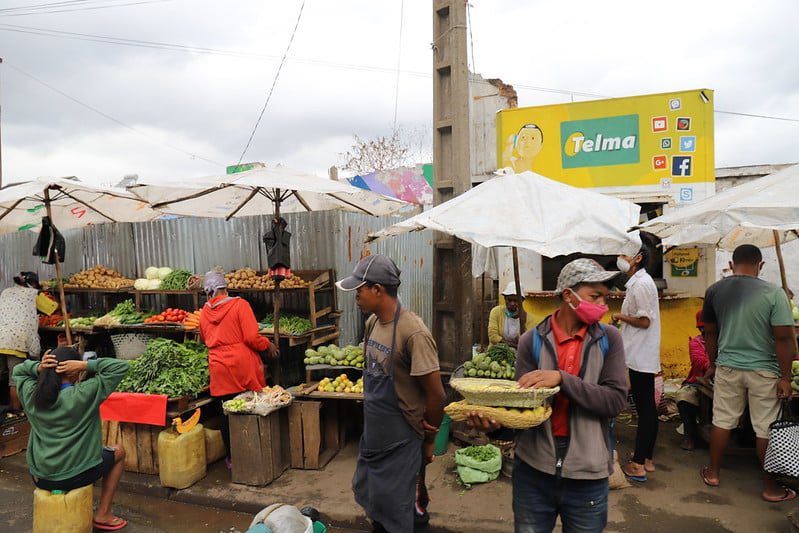
cpf madagascarMadagascar is the world’s fifth-largest island just off the coast of Africa with a population of about 30.3 million. As of 2023, 80.7% of these 31.2 million people live in poverty. In the south and southwest regions of Madagascar, natural disasters make this number soar to about 91.2% in these areas. However, hope still exists for the citizens of Madagascar, as with the support of the World Bank Group, a new Country Partnership Framework (CPF) in Madagascar will be in effect for four years between 2023-2027. The CPF is a World Bank’s plan/strategy to amplify its goal to end extreme global poverty.

CPF in Madagascar: Employment and Natural Disasters

The CPF in Madagascar specifically caters to Madagascar’s needs, and overall aims to lessen poverty rates, provide long-standing solutions and improve overall quality of life. One way they plan to do this is by improving job opportunities for citizens. The Integrated Growth Pole Project (IGPP) is one of the initiatives that could make this possible. The IGPP’s job focuses on pivotal economic sectors that have high growth potential. These include agricultural businesses, tourism businesses and building a foundation for a digital economy. While they help manage business, gain revenue and generate jobs they are also setting up for a digital economy which will benefit the economy because of its inclusion as well as its estimate to increase economic activity overall.

The CPF has also taken the initiative to strengthen the island’s resilience against natural shocks by investing in both landscape and seascape management, as well as creating a space within their funding and budget to account for these shocks with financial management that’s purpose is to create an economic resilience and overall improve public finances, according to the World Bank. This building of resilience is essential as it provides stability and security to the economy.

Additional Projects

Considering these two previous initiatives it’s clear the overall goal for the CPF is to improve the quality of life within Madagascar and multiple projects have been implemented by the World Bank that have greatly improved the lives of many, including the Agriculture Rural Growth and Land Management Project (CASEF). Thanks to the enactment of the land law, CASEF provided land tenure security for more than 800,000 farmers, as well as deliver certificates that benefited more than 500,000 farmers, according to the World Bank.

Other projects such as the Connectivity for Rural Livelihood Improvement Project (PACT) positively affected 110,000 people as it upgraded and paved 70 miles (113km) of road, giving residents better access to transport and services. The IGPP has also successfully created more than 20,000 jobs and has supported more than 28,000 agricultural producers working with specific crops, the World Bank reports.

The overall impact of the CPF in Madagascar has been incredibly beneficial for its economy and its people. From creating jobs to improving infrastructure on the island the CPF has improved the lives of many and continues to do so.

– Cheyenne Weller

Cheyenne is based in Boston, MA, USA and focuses on Good News for The Borgen Project.

Photo: Flickr

March 26, 2025
https://borgenproject.org/wp-content/uploads/borgen-project-logo.svg 0 0 Naida Jahic https://borgenproject.org/wp-content/uploads/borgen-project-logo.svg Naida Jahic2025-03-26 01:30:482025-03-25 05:12:21CPF in Madagascar
Development, Global Poverty, Government

China’s Precision Poverty Alleviation Policy

Precision Poverty Alleviation policyIn 2020, China declared victory over extreme poverty, marking the largest poverty reduction campaign in modern history. More than 700 million people were lifted out of poverty, a feat unmatched globally. A combination of rapid economic growth, targeted government policies and rural development initiatives played a key role in China’s poverty alleviation strategy. By implementing market reforms, direct poverty relief programs and infrastructure investments, China built a sustainable model for long-term poverty reduction.
Market Reforms That Transformed the Economy

China’s economic transformation began in the late 1970s under Deng Xiaoping, who introduced market-oriented reforms to transition from a planned economy to a more open market system. The Household Responsibility System (HRS), implemented in the late 1970s and early 1980s, marked a significant shift in agricultural policy. Before this reform, agriculture was collectivized under Mao Zedong’s leadership, forcing farmers to work in state-run communes with little incentive to improve productivity. Deng Xiaoping ended the commune system, allowing farmers to lease land, choose their crops and sell surplus produce after meeting government quotas.

The shift significantly boosted agricultural productivity, raised rural incomes and granted farmers greater economic freedom. The success of these agricultural reforms laid the foundation for further market-based changes across industries, attracting foreign investment, expanding industrial production and integrating China into the global economy. These reforms created millions of new jobs, increased urbanization and played a critical role in poverty reduction.

The Precision Poverty Alleviation Policy

The Chinese government implemented targeted poverty relief strategies to address specific needs within impoverished communities. The Precision Poverty Alleviation Policy, launched under President Xi Jinping’s administration, introduced a more individualized approach to poverty relief. Instead of applying broad, one-size-fits-all programs, this strategy identified and assisted individual households, tailoring aid to their unique circumstances. Data-driven tracking systems ensured that resources reached those most in need, preventing misallocation and inefficiencies. By focusing on precise identification, the policy allocated resources more effectively and addressed the root causes of poverty rather than just its symptoms.

Rural Revitalization and Agricultural Development

Rural development played a key role in bridging the gap between urban and rural economies. The Rural Revitalization Strategy, launched in 2017, focused on modernizing agriculture, improving infrastructure and expanding economic opportunities in rural communities. A three-year plan introduced in 2021 reinforced these efforts by prioritizing sustainable farming, food security and environmental protection to improve rural living conditions. Reflecting its commitment to food security, China raised its 2024 grain production target to more than 700 million tons, up from its previous goal of 650 million tons. Strengthening food production and ensuring agricultural sustainability have remained central to China’s long-term poverty alleviation strategy.

Looking Ahead

While China’s poverty alleviation campaign has set a global precedent, challenges remain in addressing income inequality, regional disparities and long-term economic sustainability. However, its approach offers valuable insights into how economic reforms, targeted policies and rural investments can potentially lead to transformative change.

– Emina Bolic

Emina is based in Birmingham, UK and focuses on Good News and Technology for The Borgen Project.

Photo: Flickr

March 23, 2025
https://borgenproject.org/wp-content/uploads/borgen-project-logo.svg 0 0 Precious Sheidu https://borgenproject.org/wp-content/uploads/borgen-project-logo.svg Precious Sheidu2025-03-23 01:30:052025-03-21 14:16:41China’s Precision Poverty Alleviation Policy
Development, Economy, Global Poverty

Cambodia’s GFT Sector Sees Wage Increase

cambodia's gftSince the 1990s Cambodia’s exports from the garment, footwear and travel (GFT) sector has grown significantly. Keeping labor costs low and the intensive nature of the industry have fueled the growth of this industry, as well as the signing of international trade agreements and presence of good investment conditions.

Cambodia’s GFT

In 2017, Cambodia became the world’s ninth largest producer of apparel and this accounted for 1.5% of worlds export value. In 2022, the GFT industry accounted for 56.1% of Cambodia’s total export of $22.48 billion, according to Textile Today.

Cambodia’s exported products had a 14.9% increase from 2021-2022 alone. The GFT (Garment, Footwear and Travel) sector was also crucial for Cambodia’s economy during the pandemic. “The sector accounted for 11% of the economy and contributed to half of Cambodia’s real GDP growth,” although the country was not operating at full capacity, the GFT sector was still functioning relatively well.

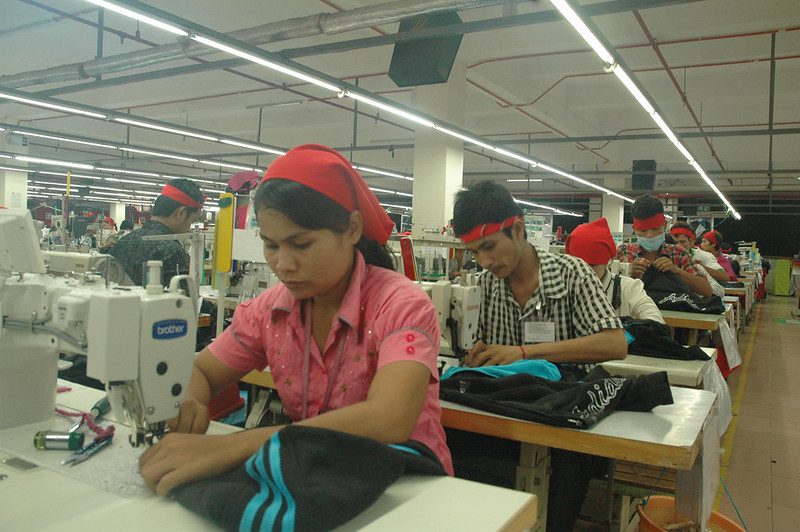
The garment worker industry consists of 1,188 factories and employs around 750,000 workers, most of whom are women. Around 76% of the female population work in the GFT sector which serves to stand as the backbone of the Cambodian economy.

Despite being one of the main drivers of the Cambodian economy, the GFT sector faces challenges when it comes to long-term sustainability, the sector is currently reliant on preferential market access granted by the U.S. and the EU which makes it susceptible to the withdrawal of the trade agreements.

New Plan

In September 2024, Cambodia increased the minimum wage in the GFT sector to $208 per month, an increase of $4. The plan has received both negative criticism and praise but ultimately lies in favor of the workers which is a step in the right direction. The decision follows discussions by the National Council for Minimum Wage, which initially proposed the wage be set at $206, however, Prime Minister Hun Manet, raised the figure an additional $2, in an ongoing effort to improve worker living standards.

In addition to the minimum wage increase, workers will also receive benefits like a $10 monthly bonus for regular work attendance and an extra $7 to aid with transport and rent. These benefits will help workers manage their daily living expenses alongside their base wages.

Cambodia, like many other countries, faces pressure to make sure that workers receive compensation without undermining the competitive nature of the GFT manufacturing sector. This approach by the government aims to ensure a balance between the workers’ needs and the industry’s sustainability.

Reception of the New Plan

Labor groups have acknowledged the rise in wages, however, have also addressed that the increase may not fully address the cost of living in many urban areas, where many workers reside. Industry leaders have also raised questions and concerns about the impact on production costs as the GFT sector remains competitive, both economically and production-wise, according to the Cambodia Investment Review.

Kim Chansamnang, a representative of the union stated that the workers are “satisfied with the increase”, however, he also urged the landlords not to raise rent prices and added that “the minimum wage has not risen significantly,” Khmer Times reports.

According to Prime Minister Manet, the government focuses on improving the living standards of the people, he also stated that he would “urge relevant ministries and authorities to monitor and implement measures to reduce worker costs”

Sin Sovan, of the Russey Keo district, said that she accepts the new figures but also appeals to markets and landlords to not increase prices of food. She also acknowledged that this was the government’s intervention and appeal to prevent raised rents and to keep food prices stable, according to Khmer Times.

The Future of Cambodia’s GFT

The recent minimum wage increase in Cambodia’s GFT sector marks another step in the right direction for the workers. It holds a significant place in the government’s plan to improve the livelihoods of workers in general, particularly those in the GFT (garment, footwear and travel) sectors. The raise provides relief to the workers, however, some concerns remain regarding the cost of living. Employers must now navigate survival in the competitive nature of the market alongside higher labor costs.

Cambodia continues to develop its economy and so a balance between worker satisfaction and business sustainability. The government, employers and workers must continue to work together and hold discussions to ensure that future wage policies are fair for all. Additional measures such as social protection and improved worker training could also complement the wage increase and contribute to long-term economic stability for the country.

– Ayat Aslam

Ayat is based in London, UK and focuses on Good News and Global Health for The Borgen Project.

Photo: Flickr

March 17, 2025
https://borgenproject.org/wp-content/uploads/borgen-project-logo.svg 0 0 Naida Jahic https://borgenproject.org/wp-content/uploads/borgen-project-logo.svg Naida Jahic2025-03-17 01:30:512025-03-17 01:09:53Cambodia’s GFT Sector Sees Wage Increase
Conflict, Development, Global Poverty

Virunga Alliance: Rebuilding the DRC

Virunga AllianceThe Democratic Republic of the Congo (DRC) is actively working to rebuild and redevelop after decades of war and mismanagement that crippled the nation. The DRC, one of the largest countries in Africa, has a population of more than 100 million people. The nation has been at the center of regional conflicts, including the First and Second Congo Wars, which were among the most destructive in recent history. These conflicts created long-term socio-economic instability, which continues to impact the region. To combat these challenges, the Congolese government has implemented National Action Plans (NAPs)—a series of strategies designed to promote social cohesion and economic development.

National Action Plans for Stability and Growth

The first National Action Plan (NAP), implemented in 2010, focused on improving the rights of women and girls within local communities. The plan aimed to integrate women into the local economy and improve their societal standing. However, the government viewed this initial effort as a learning experience, identifying implementation weaknesses, according to PeaceWomen.org.

Applying these lessons, the government adopted the second NAP in 2018, with an implementation period from 2019 to 2022. This plan built upon the first by increasing women’s participation in local political organizations, allowing them to advocate for their rights and economic opportunities. Additionally, the second NAP aimed to curb the small arms trade in eastern DRC, where the majority of rebel groups operate. These armed groups control a large portion of the Congo River Basin, home to nearly 60 million people. Restricting the flow of small arms limits their firepower, but the root cause of these groups—economic instability—remains a significant challenge.

While the region is fertile, many people lack access to credit, preventing them from fully developing agricultural markets. Instead, most rural inhabitants rely on subsistence farming and fishing, with little opportunity for economic advancement. Economic instability has forced many individuals into illegal trades, including poaching for ivory, extortion and kidnapping. From 2017 to 2019, these activities resulted in more than 6,000 civilian deaths.

Virunga Alliance: A Model for Sustainable Growth

To address these ongoing issues, the Congolese government partnered with Virunga National Park to launch the Virunga Alliance—an initiative aimed at creating a sustainable economic model that expands the job market and aligns local economies with the natural landscape.

The Virunga Alliance focuses on three key sectors: tourism, energy and agriculture.

  • Reviving Tourism. Before armed conflicts disrupted the region, Virunga National Park was as popular as the Serengeti. The Alliance aims to rebuild infrastructure and improve governance, paving the way for a new wave of tourists. Since the park reopened in 2014, more than 17,000 visitors have returned—an early sign of progress.
  • Sustainable Energy Development. Revitalizing the energy sector is key to economic recovery. The Virunga Alliance has constructed three hydroelectric facilities, providing electricity to nearly 1 million people. The initiative also offers a loan-based electricity system for businesses, allowing them to access power and repay loans based on usage. More than 127 local entrepreneurs have joined this program, using sustainable energy to develop businesses.
  • Expanding Agricultural Markets. Infrastructure and electricity improvements are enabling local farmers to tap into regional and international markets. With better food storage facilities and improved roads, agricultural businesses can increase exports, creating a cycle of economic growth. As these businesses expand, job opportunities multiply, strengthening local economies.

Looking Ahead

The implementation of these programs is expected to strengthen local economies and stabilize communities affected by decades of conflict. While challenges remain, initiatives like the National Action Plans and the Virunga Alliance demonstrate that sustainable economic development is possible. By investing in women’s empowerment, small business support and infrastructure projects, the Democratic Republic of the Congo is taking critical steps toward long-term economic recovery.

– Jonathan Joseph

Jonathan is based in Milwaukee, WI, USA and focuses on Good News for The Borgen Project.

Photo: Flickr

March 15, 2025
https://borgenproject.org/wp-content/uploads/borgen-project-logo.svg 0 0 Precious Sheidu https://borgenproject.org/wp-content/uploads/borgen-project-logo.svg Precious Sheidu2025-03-15 07:30:312025-03-16 07:30:25Virunga Alliance: Rebuilding the DRC
Africa, Development, Global Poverty

Alleviation of Poverty Through Entrepreneurialism

Alleviation of poverty through entrepreneurialismStreet Business School (SBS) is a social enterprise that strives to provide entrepreneurial education to impoverished women. The fundamental entrepreneurial teachings delivered through Street Business School, help to empower communities and provide effective guidance to the potential attainment of additional financial income through entrepreneurial ventures. SBS are a global leader in this progressive approach and has achieved considerable success in the alleviation of poverty through entrepreneurialism.

Bead For Life (BFL)

SBS is the product of the 2004 Bead For Life (BFL) initiative from Uganda. During this period, Uganda was struggling with the HIV/AIDS epidemic and war, which forced more than three-quarters of the population into extreme poverty, and surviving on less than $1 a day.

BFL was an innovative approach to help lift women out of poverty by supporting the creation of small independent and self-sustaining businesses selling jewelry. The women learned how to create jewelry beads from rolling recycled paper, and their finished jewelry products were sold as far as North America and Europe.

In total, the BFL training scheme reached nearly 8,000 Ugandan women living in poverty. The successful launch of thousands of small jewelry businesses and the subsequent revenue they generated, provided an additional source of income which allowed many of the women to lift themselves out of poverty. The BFL initiative clearly displayed that; incentivization and education in independent and sustainable entrepreneurial ventures, are a viable and effective method for the alleviation of poverty.

SBS Trainings

SBS delivers training and teaches a specially designed entrepreneurial training curriculum to women living on less than $2.90 a day. The custom-made programs instruct women living in poverty on how to successfully start and develop independent micro-businesses.

For the cost of around $50 per person, the SBS provides a three-month training, accessible irrespective of education, location and finance. The recipients receive education through many valuable models. The overarching objective of the scheme is to provide and instil knowledge in the fundamentals of business operations, and thus pave the way for future entrepreneurial endeavors, as a sustainable alleviator of poverty. The completion of the SBS curriculum led to a doubling income of women living in poverty.

SBS from Strength to Strength

SBS is now active in 37 countries and has directly provided entrepreneurial education to more than 53,000 people living in poverty, according to the 2024 report. A key component to the sustained growth of SBS is its successful partnering schemes with more than 300 NGOs and INGOs. SBS provides teaching on the delivery of their localized programmes to NGO’s. Additionally, the SBS curriculum is now also integrated within many large-scale humanitarian programs, such as BRAC’s “Empowerment and Livelihoods for Adolescents” which supports girls with and at risk of HIV/Aids in five sub-Saharan African countries.

SBS has also been trialling a Community Teaching Based approach to the delivery of its entrepreneurial program. This utilizes community leaders as certified SBS coaches and direct deliverers of the course. This has proven to be hugely successful, as locals bring an additional innate understanding of the problems faced by those within their community. Moreover, using locals as trainers further empowers and inspires others, whilst also creating a deeper level of engagement and feeling of shared success. In 2024, SBS directly trained more than 5,000 women and 99% saw a positive change in their income within two years post-graduation, according to the 2024 report.

Positive Impacts

A tangible example of the alleviation of poverty through entrepreneurialism and the positive impact of SBS is Usher, who transformed her roadside shop with the help of SBS’s CBT programme. Usher was taught fundamental business principles including the importance of diversification, managing profits and saving.

After attending SBS training and implementing their teachings, Usher’s shop started to generate more business and improved her income. Usher is now able to better provide for her children and even plans on further expanding her business portfolio to include a mobile money shop. Usher said, “Many people have started businesses, and women have improved their lives.” Usher’s story is a testament to the positive work of SBS and proves the power of entrepreneurialism in helping to alleviate poverty.

Alleviation of Poverty through Entrepreneurialism

SBS is achieving tangible success in the alleviation of poverty through entrepreneurialism, by providing entrepreneurial education to women in poverty. Furthermore, whilst the SBS approach focuses on creating a sustainable improvement in income, its progressive approach is multi-faceted and is just as valuable in its creation of hope, inspiration and prospects within the communities it supports.

– Ollie Roberts

Ollie is based in North Wales and focuses on Good News and Politics for The Borgen Project.

Photo: Flickr

February 26, 2025
https://borgenproject.org/wp-content/uploads/borgen-project-logo.svg 0 0 Naida Jahic https://borgenproject.org/wp-content/uploads/borgen-project-logo.svg Naida Jahic2025-02-26 07:30:232025-02-25 23:40:11Alleviation of Poverty Through Entrepreneurialism
Development, Global Health, Global Poverty

Eco-Friendly Search Engines Fight Poverty and Pollution

Eco-Friendly Search Engines Fight Poverty and PollutionThe internet has revolutionized communication and access to information, but its environmental impact is often overlooked. According to the International Energy Agency, global data centers consumed around 200 terawatt-hours of electricity in 2022—equivalent to the energy use of some mid-sized countries. Search engines contribute to this consumption, with each Google search generating an estimated 0.2 to 7 grams of CO₂, depending on the device used. This environmental strain disproportionately affects low-income communities, where pollution, waste and water scarcity worsen poverty. To address these challenges, eco-friendly search engines like Ecosia, Ekoru and GiveWater have emerged, transforming everyday internet use into a force for environmental restoration and community support.

Ecosia

Ecosia, an eco-friendly search engine with the same functionality as Google, offers users a greener alternative. Its tagline, “familiar search, greener impact,” reflects the company’s commitment to sustainability. Ecosia has planted more than 225 million trees and dedicated approximately €92 million to climate action.

The Ecosia team channels 100% of its profits into climate initiatives, with a significant portion supporting its global tree-planting program. Working with local organizations in more than 35 countries, Ecosia’s efforts yield widespread benefits. In Brazil, reforestation protects endangered species, while in Senegal, it restores land fertility.

In Senegal, Ecosia collaborates with Trees for the Future to establish forest gardens, where trees and shrubs grow alongside fruits and vegetables. These gardens improve soil water retention, increase crop diversity and create new income opportunities for small farmers. As a result, farmers can cultivate produce previously unsuited to dry soil while expanding their agricultural capacity. This initiative generates sustainable income for low-income rural communities. Since 2018, Ecosia has planted more than 17 million trees and restored 5,909 hectares of land across Senegal.

Ekoru

Ekoru operates as an eco-friendly search engine that generates revenue through clicks. Unlike traditional platforms, each click on a sponsored link supports ocean restoration efforts. Founders Ati Bakush and Alison Lee allocate 60% of Ekoru’s profits to initiatives like Big Blue Ocean Cleanup and Operation Posidonia. These organizations possess the labor and resources needed to advance Ekoru’s mission of restoring ocean health.

Ekoru’s impact extends across its partnerships, facilitating beach cleanups and microplastic research. Plastic waste and nonrecyclable materials pose significant threats to low-income countries, where limited infrastructure prevents proper disposal. When plastic washes ashore, it disrupts local ecosystems and undermines fishing enterprises.

Recognizing the potential for change, Ekoru aims to counteract ocean pollution and broader environmental harm. The platform operates on hydroelectric power, while its data centers rely on convection cooling instead of traditional air conditioning. This approach ensures that every Ekoru search promotes sustainability from the outset.

Give Water

GiveWater offers a search engine alternative designed to improve global health by expanding access to clean water. The platform tackles the impact of drought and environmental challenges that limit water availability. Safe, clean water not only provides hydration but also supports sanitation and hygiene. According to GiveWater, 844 million people lack access to clean water, exposing communities to illness and even death. In many remote villages, families must travel long distances to fetch water, wasting time and facing health risks that deepen poverty in low-income areas.

GiveWater channels a portion of its profits from sponsored clicks to partners like Water.org and Living Water International. Water.org bridges the financial gap for impoverished families lacking access to safe drinking water. Living Water International installs water systems tailored to community needs, guided by regional experts who understand local cultures and landscapes.

Janaki, a South Asian resident, highlighted the impact of these ongoing efforts, explaining how a nearby water source has transformed her community’s outlook. The convenience allows more time for school and work, eliminating the need for long journeys to secure basic needs. This increased access to water fosters educational and professional advancement, reducing poverty in vulnerable communities.

Small Changes Make a Big Difference

By choosing eco-friendly search engines, internet users could transform routine web browsing into meaningful action. These platforms fund tree planting, ocean cleanup and clean water initiatives, tackling both environmental degradation and poverty. As digital consumption continues to rise, such innovations reveal that small changes in technology use can potentially drive sustainable development and improve lives worldwide.

– Sarah Lang

Sarah is based in Pittsburgh, PA, USA and focuses on Technology and Politics for The Borgen Project.

Photo: Pexels

February 26, 2025
https://borgenproject.org/wp-content/uploads/borgen-project-logo.svg 0 0 Precious Sheidu https://borgenproject.org/wp-content/uploads/borgen-project-logo.svg Precious Sheidu2025-02-26 01:30:062025-02-25 23:25:56Eco-Friendly Search Engines Fight Poverty and Pollution
Development, Economy, Employment, Global Poverty

endPoverty Creating Job Opportunities in Bangladesh

Job Opportunities in Bangladesh endPoverty is a charity that strives to alleviate poverty through resources and support related to entrepreneurship, enabling sustainable growth and creating job opportunities around the world and in Bangladesh. This foundation focuses on economic development rather than relief programs as they believe that the power of business opportunity can become a means of alleviating poverty, via the creation of stable income streams and job opportunities in Bangladesh.

Lack of Employment for Women in Bangladesh

Despite steady economic growth in recent years, a stark contrast between rates of male and female employment remains prevalent in Bangladesh. Women are significantly more likely to experience unemployment than men, with rates of labour participation at around 80% for men, and 37% for women.

Prejudice permeates much of Bangladeshi culture, which in turn influences how many women enter work. UNDP estimates that approximately 90% of the population hold a distorted view of women, according to the Light Castle Partners. This bias includes beliefs that suggest women should marry young and therefore rely financially on their husbands and become primary caregivers, rather than completing education and pursuing a career. For women who are employed, misogyny is common as male colleagues may hold a bias against their female peers, which can result in exclusion and a lack of progression opportunities.

Women may also not receive the same access to opportunities as men due to a lack of networks and available information. Many jobs are posted through informal networks that women do not often have access to, again because of prejudice and lack of social mobility which also means many women do not have phones or the internet. Similarly, as women are often stuck in the home they receive less information about potential jobs than their male counterparts, making finding work more difficult which impedes their ability to attain employment, further increasing the gender employment gap.

The 3C Model

endPoverty utilizes the 3C Model to assist small businesses in creating both viable and maintainable growth opportunities, spearheading positive economic progress.

The first C – capital – ensures that small businesses can access low-cost, malleable capital that allows for innovation and economic advancements.

The second C – coaching – offers small businesses support in the form of personalised coaching sessions that tackle the individual needs and skills of the business, intending to spark further economic development.

The third C – community – situates like-mindedness and people at the forefront of business development by prioritising a faith-based community where people can meet other local entrepreneurs.

The Harvest Project: Job Opportunities in Bangladesh

The Harvest Project is one of endPoverty’s campaigns, aimed at tackling poverty through business and job opportunities. Based in Bangladesh, the Harvest Project works with local female entrepreneurs and offers them the support and guidance needed to be leaders in their communities.

This project follows a holistic approach, meaning that it works with micro-entrepreneurs who are seeking help to kickstart a business and provide for their families. Through this initiative, endPoverty aims to create a community for vulnerable women who are seeking financial relief to improve their family’s quality of life, as well as to safeguard one another in cases of domestic abuse.

endPoverty has provided support to many women in Bangladesh, for example, Romesa, who is from Ramnagar in Bangladesh. Before she discovered endPoverty, Romesa had been experiencing financial worries for three years due to her husband’s poor health and inability to work. She then came across a microentrepreneur in her community, named Minara, who taught Romesa administrative and technical skills that allowed her to create an income for herself. Romesa now continues to share her knowledge and the work of endPoverty, as the skills learned from Minara allowed her to create a better life for herself and her family.

Alleviating Poverty

endPoverty’s Harvest Project contributes to the alleviation of poverty by offering sequential training and a support network that, when combined, comprise a web of microenterprises that enable vulnerable women to support themselves and their families and ultimately improve their quality of life.

– Ella Dorman

Ella is based in Worcestershire, UK and focuses on Business and New Markets for The Borgen Project.

Photo: Flickr

February 23, 2025
https://borgenproject.org/wp-content/uploads/borgen-project-logo.svg 0 0 Naida Jahic https://borgenproject.org/wp-content/uploads/borgen-project-logo.svg Naida Jahic2025-02-23 01:30:522025-02-22 23:51:08endPoverty Creating Job Opportunities in Bangladesh
Development, Global Poverty, Technology

Electric Vehicles in India: Driving Affordability and Sustainability

Electric Vehicles in India: Driving Affordability and SustainabilityElectric vehicles are transforming transportation in India, offering a cost-effective and environmentally friendly alternative to traditional fuel-powered vehicles. With India ranking as the third-largest emitter of carbon dioxide globally, the shift toward cleaner transportation is crucial. According to the International Energy Agency (IEA), the rollout of electric vehicles is set to avoid the need for nearly 6 million barrels of oil per day by 2030. The electric vehicle industry in India experienced an 80% increase in sales between 2010 and 2023, reflecting the growing adoption. Most freight transportation relies on diesel-powered trucks, making electrification a key strategy to reduce carbon emissions while lowering fuel expenses for millions.

Government and Public Adoption of Electric Vehicles

The use of electric vehicles in India continues to rise, with reports showing that more than 2 million electric vehicles were in use by 2023. A primary reason for this increase is the rising cost of petrol. In April 2020, petrol prices in Indian cities averaged 70 rupees per liter, reaching nearly 110 rupees per liter at their peak in 2022. As fuel prices continue to fluctuate, many citizens are turning to electric vehicles to save money on transportation costs. In an interview with AP News, an electric rickshaw driver highlighted the financial benefits of the switch. He reported that charging his electric rickshaw costs 60 rupees, compared to 300 rupees for petrol to cover the same 80-kilometer distance. Given these cost savings, many others are making the transition to electric vehicles.

Supportive Policies for Electric Vehicle Adoption

The Indian government has introduced financial incentives and policies to accelerate the adoption of electric vehicles. In September 2024, officials approved a 109 billion rupee ($1.3 billion) incentive package to promote the use of two- and three-wheeled electric vehicles, as well as electric trucks and ambulances. Reducing pollution from diesel-powered trucks remains a primary focus of this policy, as they are among the largest contributors to poor air quality in India. To address this, the government has introduced additional incentives for scrapping old diesel trucks in favor of electric alternatives. By 2030, India aims to have 70% of its commercial vehicles running on electricity, significantly reducing emissions while making transportation more affordable for businesses and individuals.

Charitable Initiatives and Market Growth Projections

The shift to electric vehicles has created opportunities for low-income communities. The Shishu Mandir charity has been donating electric vehicles to individuals in need, allowing them to establish sustainable livelihoods through ride-hailing services. A transgender woman who had previously relied on street begging for survival after being disowned by her family received an electric vehicle donation from Shishu Mandir. The initiative provided her with a safer and more stable income while also contributing to environmental sustainability.

While Shishu Mandir has donated 17 electric vehicles so far, efforts are ongoing to expand the program, providing licenses and driving lessons to those in poverty. These initiatives demonstrate how electric vehicle adoption serves as both a climate solution and a tool for economic empowerment.

Organizations such as the India Brand Equity Foundation (IBEF) are also playing a pivotal role in expanding India’s electric vehicle market. Through investments, policy support and government lobbying, IBEF estimates that India could become the largest electric vehicle market in the world by 2030. The organization advocates for subsidies, improved charging infrastructure and lower production costs to make electric vehicles more accessible.

Looking Ahead

India’s transportation sector is undergoing a major transformation as the adoption of electric vehicles continues to accelerate. Beyond lowering emissions and reducing fuel costs, this shift is creating new economic opportunities for marginalized groups and demonstrating the broader social benefits of sustainable mobility. With government policies, private investments and charitable initiatives driving change, millions more people could gain access to affordable, clean transportation. The rise of electric vehicles in India not only signals progress toward a greener future but also highlights the power of technology and policy in improving livelihoods.

– Lizzie Mazzola

Lizzie is based in Raleigh, NC, USA and focuses on Good News and Technology for The Borgen Project.

Photo: Flickr

February 19, 2025
https://borgenproject.org/wp-content/uploads/borgen-project-logo.svg 0 0 Precious Sheidu https://borgenproject.org/wp-content/uploads/borgen-project-logo.svg Precious Sheidu2025-02-19 01:30:062025-02-19 00:00:03Electric Vehicles in India: Driving Affordability and Sustainability
Page 13 of 163«‹1112131415›»

Get Smarter

  • Global Poverty 101
  • Global Poverty… The Good News
  • Global Poverty & U.S. Jobs
  • Global Poverty and National Security
  • Innovative Solutions to Poverty
  • Global Poverty & Aid FAQ’s
Search Search

Take Action

  • Call Congress
  • Email Congress
  • Donate
  • 30 Ways to Help
  • Volunteer Ops
  • Internships
  • Courses & Certificates
  • The Podcast
Borgen Project

“The Borgen Project is an incredible nonprofit organization that is addressing poverty and hunger and working towards ending them.”

-The Huffington Post

Inside The Borgen Project

  • Contact
  • About
  • Financials
  • President
  • Board of Directors
  • Board of Advisors

International Links

  • UK Email Parliament
  • UK Donate
  • Canada Email Parliament

Get Smarter

  • Global Poverty 101
  • Global Poverty… The Good News
  • Global Poverty & U.S. Jobs
  • Global Poverty and National Security
  • Innovative Solutions to Poverty
  • Global Poverty & Aid FAQ’s

Ways to Help

  • Call Congress
  • Email Congress
  • Donate
  • 30 Ways to Help
  • Volunteer Ops
  • Internships
  • Courses & Certificates
  • The Podcast
Scroll to top Scroll to top Scroll to top