• Link to X
  • Link to Facebook
  • Link to Instagram
  • Link to TikTok
  • Link to Youtube
  • About
    • About Us
      • President
      • Board of Directors
      • Board of Advisors
      • Financials
      • Our Methodology
      • Success Tracker
      • Contact
  • Act Now
    • 30 Ways to Help
      • Email Congress
      • Call Congress
      • Volunteer
      • Courses & Certificates
      • Be a Donor
    • Internships
      • In-Office Internships
      • Remote Internships
    • Legislation
      • Politics 101
  • The Blog
  • The Podcast
  • Magazine
  • Donate
  • Click to open the search input field Click to open the search input field Search
  • Menu Menu

Archive for category: Development

Information and stories on development news.

Advocacy, Business, Development, Global Poverty, Poverty Eradication

How Supporting Poverty Eradication Benefits Global Business

How Supporting Poverty Eradication Benefits Global BusinessWith more than 700 million people worldwide living in extreme poverty—defined as surviving on less than $1.90 per day—poverty remains a pressing issue that impacts both individuals and economies on a global scale. Businesses have a unique opportunity to contribute to poverty eradication while simultaneously achieving significant benefits, including brand loyalty, sustainable growth and stronger, more resilient supply chains. Supporting poverty eradication is not only a moral imperative but also a sound business strategy that aligns with long-term corporate sustainability goals.

The Business Case for Supporting Poverty Eradication

Poverty reduction creates economic opportunities that benefit businesses in various ways. As incomes rise, more people can potentially afford goods and services, directly expanding the consumer base for companies. For instance, when businesses invest in fair wages and decent working conditions, they build a more reliable, engaged and productive workforce. Supporting poverty eradication also cultivates a positive brand reputation.

Companies actively working to reduce poverty attract consumers who value corporate responsibility, as studies reveal, consumers increasingly favor businesses aligned with social impact initiatives. Moreover, poverty eradication promotes social stability, which is essential for a thriving global economy. Poverty often correlates with social unrest, political instability and migration issues, all of which can disrupt business operations and supply chains. 

Strategies for Businesses to Support Poverty Eradication

Businesses could support poverty eradication through strategic actions focused on fair labor practices, community development and sustainable supply chains. Here are three effective strategies:

  1. Ensure Decent Work Conditions. An effective way for companies to support poverty eradication is to ensure decent work conditions within their organizations and supply chains. Decent work, as defined by the International Labour Organization (ILO), includes fair wages, safe work environments and equal opportunities for all. A business that provides fair wages and adequate social protections enables its employees to achieve a higher standard of living, which lifts entire communities out of poverty.
  2. Adopt Sustainable Procurement Practices. Businesses have considerable influence as buyers, particularly in sectors that rely on extensive supply chains. By adopting sustainable procurement practices, companies can prevent poverty-related issues within their supply chains. For instance, businesses can conduct human rights due diligence to identify potential poverty risks, such as child labor or exploitative wages and address them directly. Sustainable procurement also includes sourcing materials from ethical suppliers and prioritizing fair trade partners, which strengthens global supply chains and reduces poverty.
  3. Invest in Community Development and Education. Investing in community development programs and education can create lasting social and economic benefits. Companies that contribute to local infrastructure, health or educational initiatives improve the overall well-being of the communities where they operate. Programs that provide skills training and resources for entrepreneurship empower individuals to generate income and establish local businesses, creating a multiplier effect that stimulates the economy and alleviates poverty.

The Global Impact

The global impact of business support for poverty eradication extends far beyond individual companies or communities. When businesses commit to poverty eradication, they contribute to several Sustainable Development Goals (SDGs), including SDG 1: No Poverty. Such commitments promote economic inclusivity, gender equality and environmental sustainability, which are essential for a balanced global economy. As businesses align with the SDGs, they drive sustainable development and support the vision of a world where no one is left behind.

Supporting poverty eradication is also critical in addressing urgent global challenges such as climate change and migration. Poverty often forces people to rely on environmentally harmful practices like deforestation and overfishing, which exacerbate climate change. Additionally, poverty-driven migration can strain resources in neighboring regions, creating humanitarian crises. By helping eradicate poverty, businesses play a role in mitigating these interconnected issues, making a significant contribution to global stability and resilience.

A Sustainable Future Built on Poverty Eradication

Supporting poverty eradication is good for business and it fosters a sustainable future where companies, communities and economies can potentially thrive. Businesses that prioritize fair labor practices, ethical sourcing and community development enhance their reputation and build a loyal consumer base while contributing to global stability. By embracing these strategies, companies play a crucial role in creating an equitable world, ensuring a positive legacy that supports economic and social progress for generations to come.

– Olivia Barker

Olivia is based in Guildford, Surrey, UK and focuses on Business and New Markets for The Borgen Project.

Photo: Flickr

November 21, 2024
https://borgenproject.org/wp-content/uploads/borgen-project-logo.svg 0 0 Precious Sheidu https://borgenproject.org/wp-content/uploads/borgen-project-logo.svg Precious Sheidu2024-11-21 07:30:572024-11-21 00:16:24How Supporting Poverty Eradication Benefits Global Business
Development, Global Poverty, Technology

The Evolution of Uruguay’s Technological Infrastructure

Uruguay’s technological infrastructureUruguay boasts a technology literacy rate of more than 98%, the highest in South America, with telecommunications networks that are 100% digital. Between 2021 and 2022, Uruguay’s imports of IT and telecommunications equipment surged from $549 million to $706 million. Here are some key factors in Uruguay’s technological infrastructure that have earned it the name “Silicon Valley of South America.”

Expanding Fiber Optic Infrastructure in Rural Areas

In 2021 and 2022, ANTEL, Uruguay’s largest telecommunications company, invested $161 million into the country’s telecommunication sector, with 80% of that allocated to expanding fiber optic infrastructure in rural areas. ANTEL currently holds 57% of the market share, followed by Spain’s Telefónica/Movistar with 26% and Mexico’s Claro with 17%. The company is focused on replacing outdated copper connections with fiber optic technology. This aims to improve and strengthen internet access, particularly in the country’s rural regions.

The 2025 Digital Agenda

In May of 2021, Uruguay approved a guideline for further digital developments called the “2025 Digital Agenda,” which is managed by the Knowledge Management Agency. This will open doors to more opportunities for hardware and software providers, as well as telecommunication and network service companies. The basis of the plan is to expand the “fiber-to-the-home” networks to remote locations.  Additionally, the plan looks to increase the range of 5G networks and new digital health services.

Programa Ibirapitá

This program in Uruguay focuses on the digital inclusion of older adults, aiming to improve social inclusion, participation and equity. Through workshops designed to increase digital literacy and consultations, the initiative empowers elderly individuals. The program specifically targets individuals aged 65 and above whose annual income is at most $30,885. These participants are granted access to mobile devices through the Ibirapitá Mobile Plan, a service provided by ANTEL, which helps bridge the digital divide and fosters greater connectivity and independence for older adults.

Plan Ceibal

In 2007, Uruguay launched a program aimed at promoting nationwide digital literacy and skill development by providing each student with access to a laptop in school. This initiative became a key part of the country’s education strategy. Furthermore, it has been supported by tax incentives for tech companies and significant investments in communications infrastructure. Furthermore, the program has helped bridge the digital divide and enhance technological skills among students across the country.

Looking Ahead

Uruguay’s next step in its technological evolution is focusing on the “Internet of Things” (IoT). Development will be driven by both public and private stakeholders. Indeed, these efforts are taking place in the “Open Digital Lab,” a dedicated test space for IoT technologies and their applications. As the country continues to grow and expand its technological capabilities, discussions around artificial intelligence (AI) and robotics have become more prevalent, reflecting Uruguay’s ongoing push to enhance its telecommunications infrastructure and embrace emerging technologies.

– Isabella Chavez

Isabella is based in Swampscott, MA, USA and focuses on Technology and Solutions for The Borgen Project.

Photo: Wikimedia Commons

November 19, 2024
https://borgenproject.org/wp-content/uploads/borgen-project-logo.svg 0 0 Lynsey 2 https://borgenproject.org/wp-content/uploads/borgen-project-logo.svg Lynsey 22024-11-19 01:30:292024-11-18 00:49:31The Evolution of Uruguay’s Technological Infrastructure
Development, Electricity and Power, Global Poverty

Renewable Energy in Uzbekistan

Renewable Energy in UzbekistanRecently, the government of Uzbekistan has made notable strides toward achieving SDG 1: No Poverty, as highlighted in a roundtable discussion by the Oliy Majlis of the Republic of Uzbekistan and UNDP. A key factor in this progress could be the introduction of renewable energy in Uzbekistan. This article examines how renewable energy could play a crucial role in alleviating poverty in Uzbekistan.

The Introduction of Renewable Energy

The World Bank, Abu Dhabi Future Energy Company (Masdar) and the Government of Uzbekistan have entered into a financial agreement to develop a 250-megawatt solar photovoltaic plant, paired with a 63-megawatt battery energy storage system (BESS). This project aims to deliver clean and reliable electricity to approximately 75,000 households.

It stands out as Central Asia’s first renewable energy initiative to include an integrated BESS, enhancing the efficiency and flexibility of the power system. This initiative will improve supply security and mitigate the intermittency associated with renewable energy generation. Thanks to the World Bank’s guarantee, the project ensures an affordable supply of renewable energy in Uzbekistan for both households and businesses throughout the country.

Affordable and Steady Energy Supply

Access to affordable and reliable renewable energy in Uzbekistan could be critical for improving the quality of life and economic opportunities for the poor. In many remote areas of Uzbekistan, access to electricity is limited or nonexistent. Yet, a steady supply of energy is crucial to rural farmers, especially for irrigation, as the impact of natural disasters could intensify soon. Therefore, the implementation of cost-effective renewable energy such as solar energy could greatly enhance the agricultural production of wheat landscapes in key regions in Uzbekistan, thus increasing incomes for the agricultural sectors, which account for approximately a quarter of the national economy

Also, these initiatives could help address the electricity shortages. For instance, the introduction of energy-saving technologies could improve living conditions reducing reliance on expensive and harmful fuels for cooking and heating and facilitating the establishment of small businesses.

In October 2019, the Uzbek government adopted a strategy to transform the Republic of Uzbekistan into a Green Economy by 2030. This strategy aims to increase the share of renewable energy to over a quarter of total energy use and to modernize industrial infrastructure with environmentally safe technologies.

Economic Growth and Job Creation

Renewable energy can significantly combat poverty by fostering economic growth and job creation. A reliable supply of renewable energy can bolster the national and regional economies, leading to the expansion of small and medium-sized enterprises. This growth can create employment opportunities during the construction, maintenance and operation phases of renewable projects.

For instance, in 2018, Uzbekistan joined the World Bank’s Scaling Solar program to kickstart the development of 1 GW of solar energy. This investment in solar power could assist the country in lowering greenhouse gas emissions and reducing the carbon intensity of its GDP. This green approach ensures that every sector such as business and social services could have a stable supply of clean and reliable energy. Moreover, the renewable energy sector can attract foreign investment, driving technological advancements and skill development among the local workforce.

The Future

In conclusion, Uzbekistan has set ambitious targets to halve its poverty rate by 2026 and become an upper-middle-income country by 2030. Renewable energy presents a formidable opportunity for Uzbekistan to combat poverty while promoting sustainable development. By investing in renewable technologies, Uzbekistan could stimulate economic growth, create jobs and improve the quality of life for its citizens. Furthermore, transitioning to cleaner energy sources could enhance environmental sustainability and resilience against climate change. As Uzbekistan continues its development journey, harnessing the potential of renewable energy could be crucial in empowering its population and reducing poverty.

– Hoi Ieng Chao

Hoi is based in Macau, China and focuses on Good News and Technology for The Borgen Project.

Photo: Unsplash

November 9, 2024
https://borgenproject.org/wp-content/uploads/borgen-project-logo.svg 0 0 Naida Jahic https://borgenproject.org/wp-content/uploads/borgen-project-logo.svg Naida Jahic2024-11-09 07:30:452024-11-09 00:50:21Renewable Energy in Uzbekistan
Development, Economy, Global Poverty

Economic Growth in El Salvador: Key Areas

Economic Growth in El SalvadorEl Salvador, once known for its high crime rates and violence, is now witnessing a remarkable transformation. The nation’s economy has significantly improved, contributing to peace and stability. This article explores five key ways of economic growth in El Salvador: an increase in tourism, a surge in foreign investments, substantial infrastructure development, the implementation of rehabilitation and social programs, and the growth of entrepreneurship and small and medium enterprises. These changes are paving the way for a brighter future for El Salvador, highlighting the profound economic benefits of a more stable society.

Tourism

El Salvador has experienced significant growth in tourism in recent years, highlighting its appeal as a travel destination. Reforms in public security and government efforts to improve safety have resulted in a safer environment for tourists. According to the World Travel and Tourism Council (WTTC), El Salvador has had an exponential growth of 157% during the first six months of 2023 compared to previous years. The organization forecasts El Salvador to be the leading country in international tourism in Latin America in 2024. Improvements in public security have created a more favourable environment for tourism, contributing to the country’s economic growth and sustainable development in the tourism sector.

Foreign Investments

El Salvador has seen a noticeable increase in foreign investments, reflecting growing confidence in the country’s economic potential. As the country has become safer, international businesses and investors have started to take a big interest in the opportunities available. This surge of foreign capital has stimulated economic growth which could create more jobs. This has opened the door for sustainable economic progress, positioning El Salvador as an attractive destination for future investments. A recent report by the Central Reverse Bank reflects a notable surge in foreign investments in the first three months of 2024; investments from abroad increased by 8%. El Salvador’s economy expanded by $14.33 million more than in 2023.

Infrastructure Development

El Salvador’s government has made significant strides in several major projects, including the construction of a new international airport and a port in La Unión. These projects are at various stages of development, alongside the modernization of road infrastructure and the health care system with new hospitals and roads. These achievements reflect the government’s commitment to the country’s development and set the stage for a more prosperous and stable future in El Salvador.

Entrepreneurship and Small and Medium Enterprises

The reduction of violence in El Salvador could significantly impact entrepreneurship and the growth of small and medium enterprises (SMEs). According to the Bloomberg article based on Moody’s Investors Service information, the decrease in crime could encourage local companies to increase their investments. This is largely due to the implementation of the Territorial Control Plan (PCT) and the Exception Regime by the government, which has restored peace of mind and confidence among both the population and business owners. With more than 64,000 terrorists captured and one of the lowest homicide rates in the world, the safer environment has allowed SMEs to prosper, contributing to the country’s economic growth and creating new opportunities for employment and development.

Community Development Programs

The government, in collaboration with organizations like the Peace Corps, is providing training in entrepreneurship, employability skills, financial management and life skills. These programs aim to empower communities, especially the youth and women, to take advantage of new economic opportunities. By focusing on these areas, El Salvador is promoting economic security and mobility, ultimately contributing to the nation’s growth and stability.

Conclusion

To conclude, economic growth in El Salvador illustrates the significant effects of stability and growth on national prosperity. The boost in tourism, rise in foreign investments, extensive infrastructure improvements, community development programs and the expansion of entrepreneurship and small businesses are key factors driving this transformation. These developments not only emphasize El Salvador’s potential but also set the stage for a brighter and more prosperous future, pointing out the substantial benefits of a stable and succeeding economy.

– Maria Urioste

Maria is based in Maspeth, NY, USA and focuses on Good News for The Borgen Project.

Photo: Unsplash

November 9, 2024
https://borgenproject.org/wp-content/uploads/borgen-project-logo.svg 0 0 Naida Jahic https://borgenproject.org/wp-content/uploads/borgen-project-logo.svg Naida Jahic2024-11-09 07:30:352024-11-09 00:47:41Economic Growth in El Salvador: Key Areas
Africa, Development

Revitalising Private Sector Growth in Sierra Leone

Private Sector Growth in Sierra LeoneIn fragile economies like Sierra Leone, where political instability and economic challenges have slowed growth, developing a resilient private sector plays a critical role in driving economic recovery and reducing poverty. With 26.1% of the population living on less than $2.15 a day and a GDP per capita of just $433.4, the country faces profound economic challenges that underscore the need for sustainable development. The U.K. government in collaboration with British International Investment (BII), is bolstering private sector growth in Sierra Leone through targeted programs like Invest Salone. These initiatives provide risk-sharing facilities, technical support, and access to markets, empowering Sierra Leone’s high-impact sectors, such as agriculture, manufacturing, and water services, to thrive and contribute to the nation’s economic resilience.

Challenges for Private Sector Growth in Sierra Leone

Entrepreneurs and private businesses in Sierra Leone face multiple challenges, from limited access to capital and restricted market access to structural infrastructure issues. Political instability further deters foreign investment and creates an uncertain environment for growth. In this context, U.K. aid is supporting initiatives like Invest Salone and BII’s Africa Resilience Investment Accelerator (ARIA) to help the private sector overcome these barriers and foster sustainable growth in key sectors, including agriculture, manufacturing and services—areas pivotal for job creation and poverty reduction.

In partnership with local organizations, the U.K. has implemented the Invest Salone project, which offers grants, technical support and market access tailored to the Sierra Leonean business environment. By targeting sectors with substantial growth potential, Invest Salone aims to help local businesses build resilience, expand into larger markets and support the broader economic recovery through increased employment and improved infrastructure, according to its website.

British International Investment

British International Investment (BII), the U.K.’s development finance institution, has played a crucial role in strengthening private sector growth in Sierra Leone. Through ARIA, BII provides risk-sharing facilities and access to capital, allowing local financial institutions like Ecobank to lend more freely to SMEs in high-impact sectors. BII’s strategic investments focus on boosting local employment, generating economic opportunities and fostering a more resilient economy, according to Ecobank. By focusing on industries that drive sustainability and self-sufficiency, BII helps Sierra Leonean businesses access larger markets and improve production capacity.

Catalysing Growth in Key Sectors

Through U.K. aid initiatives, several businesses in Sierra Leone’s high-impact sectors have successfully expanded their operations and contributed to economic resilience.

The Water and Sanitation Promotion Company (WaSAP) participated in Invest Salone’s investment-readiness bootcamp, which enabled it to grow annual revenue from $129,000 to more than $500,000. By focusing on financial management and diversifying its customer base, WaSAP demonstrates how targeted pre-investment support can prepare businesses to scale sustainably and attract additional investment.

Through the ARIA, BII’s $25 million risk-sharing facility with Ecobank Sierra Leone allows for an estimated $50 million in lending capacity to high-impact sectors, including agriculture and manufacturing, according to Ecobank. This facility supports businesses facing collateral constraints by enabling larger loans and extended repayment terms. Such financial flexibility allows these enterprises to expand operations, hire more workers, and contribute to local economic stability.

These examples illustrate how U.K. aid, through initiatives like Invest Salone and BII partnerships, is driving sustainable growth by empowering Sierra Leone’s private sector to overcome structural barriers and access larger markets.

Economic Recovery and Poverty Reduction

These U.K. aid initiatives play a key role in bolstering Sierra Leone’s private sector growth and reducing poverty. The Invest Salone program focuses on empowering high-impact sectors such as agriculture and manufacturing by providing financial support and market access to small and medium-sized enterprises (SMEs). Combined with ARIA’s $25 million risk-sharing facility, these programs enable local banks to extend crucial financing to SMEs, allowing businesses to grow, create jobs and increase income stability within communities. By helping local businesses overcome market barriers, these initiatives not only stimulate economic resilience but also support poverty reduction efforts across Sierra Leone.

Through the FCDO and BII, U.K. aid is revitalizing private sector growth in fragile economies like Sierra Leone. By providing risk-sharing facilities, grants, and technical support, these initiatives help develop high-impact sectors such as agriculture, manufacturing, and water services. This targeted aid not only fosters job creation and income growth but also builds a resilient, self-reliant economy capable of withstanding future challenges.

– Safa Musa

Safa is based in London, UK and focuses on Good News for The Borgen Project.

Photo: Unsplash

November 6, 2024
https://borgenproject.org/wp-content/uploads/borgen-project-logo.svg 0 0 Naida Jahic https://borgenproject.org/wp-content/uploads/borgen-project-logo.svg Naida Jahic2024-11-06 07:30:182024-11-06 02:12:18Revitalising Private Sector Growth in Sierra Leone
Development, Global Poverty, Nonprofit Organizations and NGOs

Tourism in Ethiopia: A Promising Path to Poverty Alleviation

Tourism in Ethiopia: A Promising Path to Poverty Alleviation Ethiopia, often called the “Cradle of Humanity,” is rich in cultural heritage, historic landmarks and diverse natural landscapes. From the majestic Simien Mountains to the ancient rock-hewn churches of Lalibela, the country holds immense potential for tourism, which has grown steadily over the years. However, beyond its economic benefits, Ethiopia is actively exploring tourism as a powerful tool to alleviate poverty.

The Role of Tourism in Ethiopia’s Economy

Tourism in Ethiopia has made significant strides, contributing more than 6% to the nation’s Gross Domestic Product (GDP). The sector directly and indirectly employs more than two million Ethiopians, a number that continues to rise as the country attracts more international visitors. Ethiopia experienced a 48% increase in tourism over the past decade due to government efforts to improve infrastructure and market the country as a top destination.

The growth of the tourism sector is especially crucial in rural Ethiopia, where poverty is more pronounced. Tourism is seen as a pathway to economic diversification, providing new income opportunities, especially for women and youth, through job creation in hospitality, guiding, transport services and artisanal handicrafts. But for tourism to effectively reduce poverty, the benefits must flow to the poorest and most vulnerable members of society.

Government Policies

Recognizing the sector’s potential, the Ethiopian government has put in place several policies to align tourism with national poverty alleviation goals. The Growth and Transformation Plan (GTP)  identifies tourism as a key sector in driving economic growth and employment. It encourages investment in rural areas to spread the economic benefits beyond major cities like Addis Ababa. Infrastructure improvements, such as road networks and airports, are also part of the strategy to open up remote areas to tourists, helping locals benefit from tourism revenues.

Another important policy is the Sustainable Tourism Master Plan (STMP), which aims to develop sustainable, eco-friendly tourism that benefits local communities. The plan emphasizes the conservation of the environment and cultural heritage while promoting community-based tourism initiatives that ensure tourism revenue stays within the local economy.

Promoting Pro-Poor Tourism in Ethiopia

Several international organizations, nonprofits and local alliances are working on the ground to promote tourism as a means of poverty alleviation in Ethiopia. The World Bank has invested in projects like the Sustainable Tourism Development Project, which aims to create jobs and increase incomes for people living near key tourist destinations such as the Simien Mountains, Lalibela and Lake Tana. Similarly, the United Nations World Tourism Organization (UNWTO), through its Sustainable Tourism-Eliminating Poverty (ST-EP) initiative, works with the Ethiopian government to promote eco-tourism and community-based tourism projects that can directly benefit impoverished populations.

At a more localized level, the Ethiopian Sustainable Tourism Alliance (ESTA) focuses on empowering rural communities through community-based eco-tourism projects. ESTA provides training in hospitality and entrepreneurship, allowing local people to capitalize on tourism in their regions. These ongoing initiatives help locals set up guesthouses, provide guiding services, or sell handicrafts, ensuring that they can directly benefit from the growing number of tourists visiting the country.

SNV Ethiopia, a nonprofit development organization, also plays a significant role in fostering community-based tourism initiatives. SNV’s projects emphasize the empowerment of local communities, helping them build sustainable tourism businesses that offer authentic cultural experiences to visitors.

Initiatives for Local Communities

Several tourism initiatives have been developed across Ethiopia with a specific focus on alleviating poverty. Community-based tourism projects are among the most promising, particularly in areas like the Simien Mountains, where locals serve as guides, porters and lodge operators. In these projects, tourism provides a direct source of income for the community.

Looking Ahead

Ethiopia’s tourism sector holds immense promise, but challenges such as infrastructure limitations and a lack of community resources still need addressing. Expanding access to rural areas and enhancing local skills could be key to unlocking tourism’s full potential. Ensuring sustainable practices in tourism development can potentially protect Ethiopia’s rich cultural and natural heritage while continuing to foster economic growth. With targeted investments and a focus on inclusive development, Ethiopia is well-positioned to turn tourism into a driving force for poverty reduction and a better future for its citizens.

– Yuhan Ji

Yuhan is based in Cambridge, MA, USA and focuses on Good News for The Borgen Project.

Photo: Flickr

October 21, 2024
https://borgenproject.org/wp-content/uploads/borgen-project-logo.svg 0 0 Precious Sheidu https://borgenproject.org/wp-content/uploads/borgen-project-logo.svg Precious Sheidu2024-10-21 07:30:132024-10-21 02:41:50Tourism in Ethiopia: A Promising Path to Poverty Alleviation
Development, Global Health, Global Poverty

Smartphone-Powered Diagnostics in Nepal

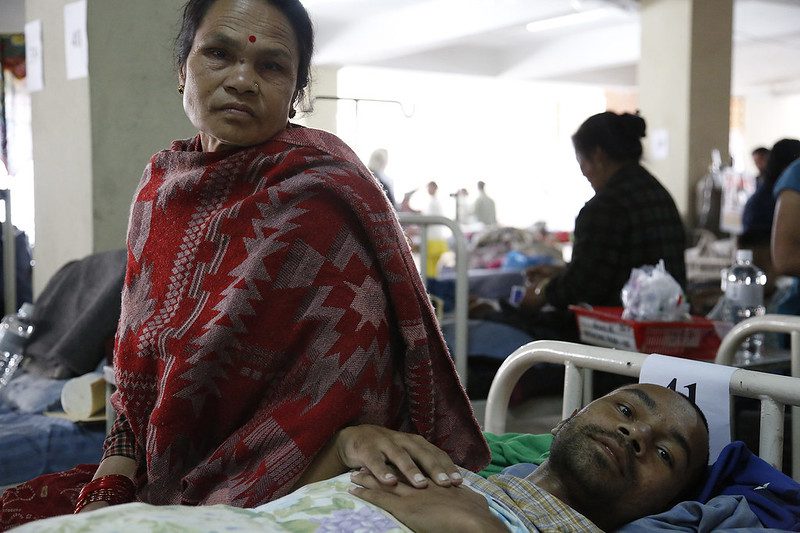
Smartphone-Powered Diagnostics: Transforming Health Care in NepalIn the remote regions of Nepal, where geographical and infrastructural challenges often restrict health care access, an innovative wave of smartphone-powered diagnostics is revolutionizing the delivery of medical care. Cutting-edge mobile technology from the United States  (U.S.) is driving these innovations, empowering health care workers with diagnostic tools that transform disease detection, monitoring and management in rural areas. Consequently, these advances are significantly improving efficiency, early disease detection and the overall quality of medical services in Nepal’s health care system.

The Health Care Landscape in Nepal

The health care landscape in Nepal, despite incorporating both public and private sector services, often fails to meet international standards. As of 2019, health-related expenditures constituted 4% of the country’s GDP, with infectious diseases accounting for roughly two-thirds of all health issues. Although Nepal has made considerable progress in enhancing its health care system, significant challenges persist in access and quality of care. Smartphone-powered diagnostics have emerged as a pivotal solution, bridging the gap between patients and health care providers. This mobile health technology enables health care workers to perform medical tests, diagnose diseases and provide care in previously inaccessible areas.

US Innovations Leading the Charge

Researchers at the University of Washington developed a smartphone attachment that enables remote eye exams using optical microangiography, allowing health care providers to conduct vision assessments in underserved areas. Another breakthrough involves using smartphone apps to analyze facial blood flow, aiding in the early detection of stroke risks. These innovations illustrate how medical care in low-resource regions can be transformational. With these tools, health care has become more accessible, portable and affordable, significantly improving health care access.

In Nepal, for instance, a feasibility study reveals how smartphone-powered diagnostics can make a major impact through the use of the General Movement Assessment (GMA) to screen infants for high-risk cerebral palsy. This technology empowers parents with smartphone-based apps, allowing diagnostics once confined to clinical settings to be available in remote regions. The integration of smartphone-powered diagnostics in Nepal marks a major milestone that overcomes resource barriers and extends quality care to all as a result of global technological advancements.

Empowering Rural Health Workers

Smartphone-powered diagnostics are revolutionizing health care by empowering rural health workers, especially in regions of Nepal where medical professionals are scarce. In remote areas, health workers are often the first line of care but have traditionally lacked access to advanced diagnostic tools. With smartphone-based technologies, these workers can perform critical tests without requiring patients to travel to hospitals. For example, a health worker in a remote village can use a smartphone-connected lab-on-a-chip device to conduct blood tests for diseases like malaria or dengue fever. Health workers transmit results electronically to doctors in urban areas who confirm them, enabling swift treatment decisions. This not only enhances patient care but also eases the pressure on overwhelmed health care facilities.

Overcoming Barriers to Health Care Access

Smartphone-powered diagnostics profoundly impact health care access by overcoming geographical barriers that traditionally isolated rural populations. The country’s mountainous terrain and inadequate infrastructure often hinder patients from traveling to hospitals or clinics for routine medical care. Mobile health technology addresses this challenge by delivering diagnostic tools directly to communities, eliminating the need for long journeys to receive medical attention. Furthermore, these innovations not only enhance accessibility but also reduce health care delivery costs. Unlike traditional diagnostic equipment, which is typically expensive, bulky and requires specialized training, smartphone-based tools are affordable, portable and user-friendly, making them ideal for low-resource settings.

The Future of Smartphone Diagnostics in Nepal

Smartphone-powered diagnostics are set to revolutionize developing countries’s health care by empowering local health workers and enhancing diagnostic capabilities. Innovations, such as apps that measure blood oxygen levels using smartphone cameras and deep-learning algorithms, enable patients to monitor their health at home, particularly benefiting those with respiratory conditions. Collaboration between Nepali providers and international tech innovators could be crucial to scaling these technologies, improving health care access and promoting self-reliance in local communities.

– Alaya Laila

Alaya is based in Nigeria and focuses on Technology and Solutions for The Borgen Project.

Photo: Flickr

October 15, 2024
https://borgenproject.org/wp-content/uploads/borgen-project-logo.svg 0 0 Precious Sheidu https://borgenproject.org/wp-content/uploads/borgen-project-logo.svg Precious Sheidu2024-10-15 07:30:552024-10-15 07:16:59Smartphone-Powered Diagnostics in Nepal
Agriculture, Development, Global Poverty

A Look at Sustainable Agriculture in Bolivia

A Look at Sustainable Agriculture in BoliviaBolivia is nestled between Peru, Brazil and Chile in South America. The country derives 14% of its GDP from agriculture in 2020, while hydrocarbon production and mining contribute significantly more, being four and two times more lucrative, respectively. The country’s small-scale farmers often struggle with limited access to financing, training, technology and support for natural disasters. In response, a project has been implemented to help agriculture in Bolivia adopt more sustainable practices that benefit both people and the planet.

Introduction of the Rural Alliances Project

The Rural Alliances Project (PAR), was launched in 2006 with backing from the World Bank Group. The project aims to foster sustainable solutions that reduce poverty and promote shared prosperity in developing countries. This project’s goal is to refine a model that enhances market access for impoverished rural producers in select pilot regions. The success of PAR hinges on four main pillars: fostering productive alliances across different economic sectors, strengthening rural producers through the development of self-managed grassroots organizations, enhancing access to productive assets and technology and supporting the creation of effective, responsive and accountable local service organizations.

Implementation and Impact of PAR in Bolivia

Participants in the project were selected based on their economic potential and the extent of poverty in their area. Initially, 54 municipalities were chosen, 77% of which had significant Indigenous populations. Later records revealed that 90% of the beneficiaries belonged to these Indigenous groups. The selection criteria included the ability of participants to contribute financially to the subprojects, which served as an indication of their “productive potential.” This approach also provided a means to test the project’s model for improving market access.

PAR Bolivia: Outcomes and Future Prospects

The project identified six key outcomes and learning components:

  1. Small farmers produced higher quality and quantity of crops.
  2. Producer groups managed finances directly with systematic record-keeping and public account presentation, which built trust with the bank.
  3. Stringent quality control during staff and participant selection enhanced project management.
  4. Technological support proved most effective when customized to specific project needs rather than a one-size-fits-all approach.
  5. Government funds distributed via direct deposit fostered greater trust.
  6. Appointing a national coordinator improved the completion rate of project objectives.

These outcomes, validated by surveys of 86 randomly selected producer groups, demonstrate the project’s success. The project led to improvements in product quality and quantity, increased labor productivity, enhanced organizational tactics, higher net incomes and expanded market access. Notably, agricultural sales grew from 28% to 39% on average. Building on this success, the project has secured $300 million to launch another phase of the PAR. The next phase will support approximately 130,000 producers in rural Bolivia. This new phase will focus on food security, introducing innovative practices for resilient and sustainable agriculture and boosting the involvement of female producers.

Looking Ahead

The PAR has equipped rural farmers with new technology and structures, enabling them to adopt more sustainable practices that benefit both the planet and their quality of life. As the project expands, it can potentially empower more producers to succeed and strengthen the rural economy. This growth opens opportunities for other projects to take root, enhancing support for addressing climate challenges and expanding networks of small farmers.

– Isabella Chavez

Isabella is based in Swampscott, MA, USA and focuses on Technology and Solutions for The Borgen Project.

Photo: Flickr

October 5, 2024
https://borgenproject.org/wp-content/uploads/borgen-project-logo.svg 0 0 Precious Sheidu https://borgenproject.org/wp-content/uploads/borgen-project-logo.svg Precious Sheidu2024-10-05 01:30:532024-10-04 13:54:33A Look at Sustainable Agriculture in Bolivia
Development, Global Poverty, Innovations

Globalization and Poverty in Ghana

Globalization and Poverty in GhanaGhana’s history runs deep with its rich cultural heritage and diverse landscapes. Home to more than 33 million people, with a projected increase of 56% by 2050, around 38% of the population are youth ages 15 to 35, with the other 35% children under 15. Globalization, in its various forms, has shaped the education and job opportunities available to the youth in Ghana. With the spread of globalization and the influence of technology, better job opportunities have opened, contributing to low unemployment and poverty rates.

Globalization and Economic Development in Ghana

Globalization has had an impact on Ghana, shaping and changing its economy. While also influencing cultural exchange and ultimately reshaping the country’s rapid development. Though it has had positive effects, globalization and poverty in Ghana have impacted urban and rural areas, creating challenges in poverty reduction. Kent Mensah, a journalist with African Report and freelancer based in Ghana, emphasized the interconnectedness brought about by globalization. “We are all connected. Everything that we do is interconnected, especially in the areas of trade, in the areas of diplomacy and in the areas of cooperation. We all need each other before we can survive,” Mensah stated in an interview with The Borgen Project, highlighting the broad impacts of globalization on the country.

The history of Ghana’s trade dates back to its days as the Gold Coast, a former British colony in West Africa, now known as the Republic of Ghana. Colonizers called West Africa the Gold Coast due to its excessive supply of gold. In 1879, a blacksmith brought cocoa beans from Spanish Fernando Po to the Gold Coast. By the 1890s, local African farmers, with support from the British administration, had purchased thousands of cocoa seedlings. The British colonial decisions allowed African farmers to maintain control of cocoa production, asserting that Europeans could not purchase land owned by Africans.

Economic Trade and Policies

Currently, Ghana is the second-largest cocoa-producing country. Cocoa is one of Ghana’s most crucial products in distribution. Their export of cocoa is critical in boosting the country’s economy. Not only do countries like the Netherlands, United States (U.S.), Malaysia, France and Japan depend on their products (aka chocolate), but farmers depend on the products to make a living. Discussing how globalization has helped reduce poverty in Ghana, Mensah noted that expanding trade opportunities significantly benefits the families of farmers and workers.

Trade is a significant part of the economy, impacting job opportunities and farmers’ livelihoods. Through the African Continental Free Trade Agreement (AfCFTA), Ghana hopes to expand and boost growth and reduce poverty – while reaching a larger market size. In April of this year, it was reported that South Africa started offering trade benefits under the AfCFTA. As a result, traders in Algeria, Cameroon, Egypt, Ghana, Kenya, Rwanda and Tunisia can now trade with South Africa under the AfCFTA. Allowing these countries to buy and sell goods more efficiently. 

Education and Jobs

Globalization has led to partnerships and policies, opening up opportunities for the youth to strengthen their education, which can potentially lead to better jobs. Education access in Ghana has had its challenges, as access to free education was limited and not for everyone. In 2014, less than 45% of students were enrolled in higher secondary education. Many students were missing out on furthering their education. “A lot of people get qualified to go to senior high school, but because their parents don’t have the money, they are unable to enroll in schools. But now, because of subsidies and support that we are getting from our donor partners, about 1.4 million children have had access to go to school,” Mensah added. 

The number of secondary school students switched after Ghana launched the Free Public Senior High School Policy in 2017. The policy implicated removing cost barriers to secondary education, including textbooks and boarding. In the 2017/2018 academic year, a record was set with the highest enrollment, with around 470,000 students enrolled in senior high school. 

Without the policy-making an impact, the likelihood of the youth becoming dropouts is high. With the widespread trade economy, jobs within the area have opened up opportunities. However, there still seems to be high unemployment in Ghana. It has remained a consistent challenge, especially for the youth. Technology has created an opening for those struggling with finding a job. 

Role of Technology

Technology is an ever-changing commodity. With the rise of new forms of communication and the spread of social media, anything seems possible. New markets and opportunities have opened that were never available before.  “Because there are no jobs, a lot of the youth are using technology, which is creating a lot of jobs for the young. For instance, most of them are tunneling a lot of energy into e-commerce. People are now starting online shops,” Mensah mentions with the rise of technology, media outlets like Instagram and TikTok can advertise products and reach more revenue. 

During the pandemic, e-commerce in Ghana rose as online purchasing became more accessible for food delivery and clothing, shifting consumer behavior. With approximately 15 million internet users and 40 million mobile connections, users can access e-commerce daily. New technology isn’t only changing markets but opening up new opportunities for farmers. Agriculture is a crucial contributor to Ghana’s GDP, accounting for 54%, employing more than half of the population. 

With the help of the United States Agency for International Development (USAID), Feed the Future, a U.S. government global food security initiative, created a project part of Feed the Future. The ADVANCE 11 project aims to improve the farmer’s livelihoods by enhancing the productivity of produce. Aiming to target around 113,000 farmers and use a range of digital tools to reach this goal.

Looking Ahead

Ghana’s efforts to improve trade, education and technology access have made strides in fostering economic opportunities and supporting youth development. As policies evolve and digital advancements continue to reshape markets, the nation is working to empower its population, particularly young people, to build sustainable livelihoods and reduce poverty. Continued focus on these areas could be essential to drive lasting progress for future generations and reduce poverty in Ghana.

– Savannah Garza

Savannah is based in New York, NY, USA and focuses on Business and Technology for The Borgen Project.

Photo: Flickr

October 4, 2024
https://borgenproject.org/wp-content/uploads/borgen-project-logo.svg 0 0 Precious Sheidu https://borgenproject.org/wp-content/uploads/borgen-project-logo.svg Precious Sheidu2024-10-04 07:30:142024-10-04 01:59:28Globalization and Poverty in Ghana
Development, Global Poverty, Technology

Novissi Platform: 6 Components of Togo’s Future Program

Novissi Platform: 6 Components of Togo's Future Program Togo, a West African nation with a population of 8 million, saw nearly 22% of its population requiring humanitarian assistance in 2020. In response to the COVID-19 pandemic, Togo launched the Novissi emergency cash transfer program, which proved highly effective. This program targeted the poorest 100 cantons, enabling vulnerable individuals to access contactless social protection payments. Indeed, by 2021, it facilitated 170,278 mobile money accounts and added 57,000 new beneficiaries, marking it a key strategy in combating poverty in Togo. Building on the success of the Novissi platform, Togo introduced the Interoperable Social Information System. The aim of the new system is to further prioritize social protection through enhanced cybersecurity and data protection. The new social assistance system comprises six core components.

6 Components of Togo’s Future Program

  1. National Identification System. Togo plans to implement a national biometric ID system for every citizen aged 5 and above. This system will enable the country to deploy targeted interventions for those suffering from poverty.
  2. Social Registry. Togo will introduce a new social registry using AI to assess the needs of its population. Furthermore, it will guide those who meet the criteria into social safety net programs.
  3. Direct Payment Platform. Inspired by the Novissi platform, a more advanced direct payment platform will be established to facilitate high-volume benefit transfers quickly to beneficiaries.
  4. Data Lab Policymaking. A Data Lab in Lomé will manage data and AI to craft policies. The lab will evaluate the system adeptly and monitor efficiency effectively.
  5. Cybersecurity. As Togo embraces new cybersecurity measures, the government has established an agency to oversee cybercrime prevention and contribute to new data protection legislation.
  6. Partnerships. Togo collaborates with the World Economic Forum as part of the EDISON Alliance Lighthouse Countries Network. The collaboration aims to advance digital inclusion and accessibility, making health care, education and finance easily accessible on digital platforms.

Digital Aid Boosts Rural Economy in Togo

Eric Dossekpli, a middle-aged farmer in rural Togo, faced challenges in affording fertilizers for his crops and meeting the basic needs of his family of eight. Through the Novissi platform, he received a cash transfer that alleviated some of his financial pressures. The success of the Novissi program has paved the way for the new Interoperable Social Information System aimed at enhancing the prioritization, monitoring and delivery of social aid. With funding from the World Bank and the International Development Association, this new system is expected to help lift 1.24 million people out of poverty by 2029. By leveraging Togo’s advancements in technology and data services, the country aims to improve social service delivery, thereby boosting financial security, combating food insecurity and increasing household incomes.

Looking Ahead

Togo’s strategic approach to social protection through technology aims to provide targeted support to its most vulnerable populations. Furthermore, with the integration of digital platforms, biometric identification and enhanced data management, the country is working to expand its reach and improve the efficiency of aid distribution. The ongoing developments are expected to play a significant role in alleviating poverty. Furthermore, they will enhance financial stability for rural communities in the coming years.

– Chelsey Saya McLeod

Chelsey is based in Southampton, Hampshire, UK and focuses on Good News and Technology for The Borgen Project.

Photo: Flickr

October 2, 2024
https://borgenproject.org/wp-content/uploads/borgen-project-logo.svg 0 0 Precious Sheidu https://borgenproject.org/wp-content/uploads/borgen-project-logo.svg Precious Sheidu2024-10-02 07:30:402024-10-02 00:15:26Novissi Platform: 6 Components of Togo’s Future Program
Page 16 of 163«‹1415161718›»

Get Smarter

  • Global Poverty 101
  • Global Poverty… The Good News
  • Global Poverty & U.S. Jobs
  • Global Poverty and National Security
  • Innovative Solutions to Poverty
  • Global Poverty & Aid FAQ’s
Search Search

Take Action

  • Call Congress
  • Email Congress
  • Donate
  • 30 Ways to Help
  • Volunteer Ops
  • Internships
  • Courses & Certificates
  • The Podcast
Borgen Project

“The Borgen Project is an incredible nonprofit organization that is addressing poverty and hunger and working towards ending them.”

-The Huffington Post

Inside The Borgen Project

  • Contact
  • About
  • Financials
  • President
  • Board of Directors
  • Board of Advisors

International Links

  • UK Email Parliament
  • UK Donate
  • Canada Email Parliament

Get Smarter

  • Global Poverty 101
  • Global Poverty… The Good News
  • Global Poverty & U.S. Jobs
  • Global Poverty and National Security
  • Innovative Solutions to Poverty
  • Global Poverty & Aid FAQ’s

Ways to Help

  • Call Congress
  • Email Congress
  • Donate
  • 30 Ways to Help
  • Volunteer Ops
  • Internships
  • Courses & Certificates
  • The Podcast
Scroll to top Scroll to top Scroll to top