5 Developing Nations Harnessing Solar Power
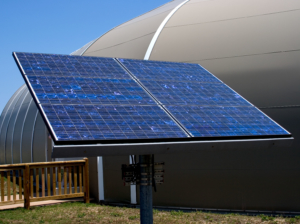
Approximately 840 million people lack access to electricity, most of whom live in developing nations in South Asia, Latin America and rural Africa. In India, around 300 million people live without electricity. In addition, the number is twice as high in sub-Saharan Africa. Yet, the majority of developing nations have enormous solar power potential. Almost all of Africa receives 325 days of strong sunlight a year. Countries in Central Asia have an average of 250 days of sunlight a year. Additionally, many nations are capitalizing on that resource to increase access to electricity and alleviate energy poverty. In 2017, the developing world surpassed first world countries in renewable energy production, largely due to investments in solar. Here are examples of five developing nations harnessing solar power.
5 Developing Nations Harnessing Solar Power
- China: China has more solar energy capacity than any other nation in the world, with 130 gigawatts of solar photovoltaic (PV). If all the solar grids were to operate at once, it would generate enough electricity to power the entire United Kingdom several times over. In addition, China is home to many solar farms, including the world’s largest solar plant located in the Tengger Desert. The advent of solar power has directly benefited more than 800,000 poverty-stricken families. Since 2014, when the Chinese government launched a Solar PV for Poverty Alleviation Program, more than 7.9 gigawatts of power has gone to impoverished rural areas. These solar-powered facilities provide employment opportunities and boost household income, in addition to supplying affordable and reliable electricity.
- India: Although India’s power system is one of the largest in the world, per capita electricity consumption is less than one-third of the global average. This is largely due to the need for reliable, affordable and sustainable power. To alleviate energy poverty, the Indian government announced an ambitious target of 175 gigawatts of power. Additionally, around 100 gigawatts would come from solar by 2022. Starting with less than 1 gigawatt of solar in 2010, India has around 34 gigawatts of solar power today. In addition to alleviating energy poverty, estimates determined that this project could create over 670,00 new, clean-energy jobs.
- Bangladesh: Bangladesh is pursuing solar home systems and microgrid programs to alleviate energy poverty in rural areas. The country has installed more than 5.2 million solar-home systems. This provides electricity to almost 12 percent of Bangladesh’s 160 million people. In cooperation with the World Bank and other private organizations, the government supplies more than 1,000 solar irrigation pumps and microgrids. Off-grid solar power is rapidly transforming the lives of Bangladesh’s rural population, where more than a quarter still lack access to electricity. The introduction of solar power has brought reliable, sustainable energy to households, allowing families to work, study and go out after dark.
- Kenya: More than a quarter of Kenyans still lack access to electricity. In response to this challenge, the Kenyan government launched the Kenya National Electrification Strategy. This strategy outlines a plan to achieve universal access to electricity by 2022. Additionally, this roadmap emphasizes the importance of solar power as a means for electrifying rural areas. The government’s commitment to increasing access to clean electricity and partnership with private institutions is working to alleviate energy poverty. For instance, a local company called Solibrium provides affordable solar panels and lamps to more than 50,000 households. Another example is M-KOPA Solar, a private Kenyan corporation, that has installed 225,000 solar energy products in the country.
- Rwanda: Rwanda is home to Africa’s fastest built solar power project, which builders constructed within six months in 2014. The power plant has some 28,360 solar panels that produce 8.5 megawatts of energy. The grid increases Rwanda’s generation capacity by 6 percent and powers more than 15,000 homes. Other solar plants across the country provide sustainable and affordable electricity. Rwanda is conducting feasibility studies on the development of further solar power plants in Rwanda.
Energy poverty or the lack of, including electricity and clean cooking facilities, remains a barrier to global prosperity and individual well-being. That is why ensuring basic energy for 100 percent of the world’s population by 2030 is one of the United Nation’s Sustainable Development Goals. These five developing nations harnessing solar power are leading the way in turning the lights on.
– Kayleigh Rubin
Photo: Flickr
