4 Technologies Improving Water Sanitation
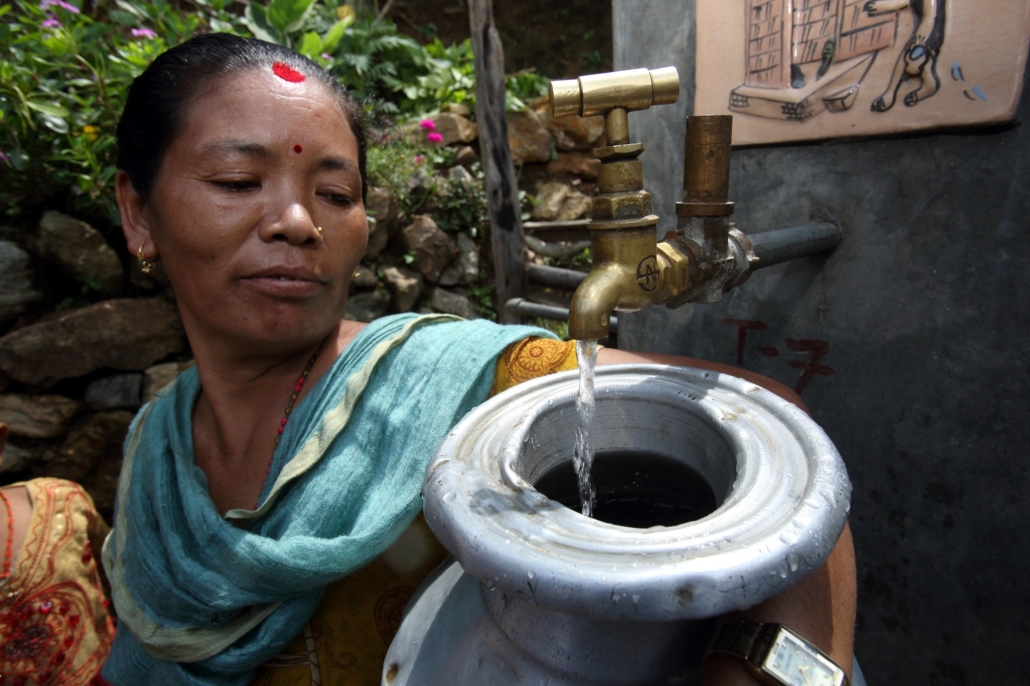
According to the World Health Organization (WHO), 3.4 million people die annually from water-related diseases. These illnesses disproportionately affect children, making up 90% of the 2.2 million deaths that diarrhea causes every year. Trachoma, another condition that unclean water causes, is the leading cause of preventable acute blindness across the world. Simple filtration mechanisms can prevent all of these water-related diseases. Yet, the world’s poor lack access to the life-saving filtration devices available in other parts of the world, leaving them with high numbers of water-borne diseases. New technologies improving water sanitation are reaching the impoverished and saving new lives each day. Here are four innovative technologies helping to guarantee clean water for all.
4 Technologies Improving Water Sanitation in Developing Countries
- The Drinkable Book. The effect of The Drinkable Book is two-fold. First, it provides vital water sanitation information to readers in the developing world who would not otherwise receive such education. Second, the pages of the book themselves act as water filters. These filters are incredibly effective, removing 99.9% of all bacteria to make water safe to drink. The books have experienced distribution across Haiti, India and several countries in sub-Saharan Africa. One book can produce 5,000 liters of clean drinking water to users, or enough to last up to four years.
- Fog Catchers. The Morocco-based nonprofit Dar Si Hmad has developed a revolutionary new technology that improves water sanitation by harvesting water from fog. The device consists of large nets built on the sides of mountains that collect moisture from the air and store it for later use. Dar Si Hmad has intentionally involved women in the organization and maintenance of the project in order to provide a holistic community impact. The new technology can produce up to 6,300 liters of water per day and has garnered attention from international investors across the world.
- Livinguard Water Filter. The India-based company Livinguard developed an innovative way to fight water-related diseases in India and across the world. The Livinguard water filter has a design suitable for remote locations and depends only on gravity to function. The installation process takes under three hours and the filter lasts up to seven years, making it reliable easy to use. The Livinguard filter uses microscopic knives rather than potentially hazardous chemicals to provide safe drinking water for consumers.
- Ceramic Filters. Places across the world are using ceramic water filters as affordable ways to limit the spread of water-related diseases. With microscopic pores that filter out bacteria and other impurities, potable water can pass through. Many have touted these filters as the most cost-effective water sanitation devices and have thus been in wide use worldwide. Ceramic filters caused a 50% reduction in diarrheal disease in Cambodia since 2002, demonstrating the power of this technology in combating water sanitation issues.
These devices exhibit the innovation necessary to rid the world of prevalent yet avoidable water-related diseases. Entrepreneurs across the world are challenging the deaths that lack of clean drinking water causes head-on. With the continued development of new technologies aimed at improving water sanitation, there is hope that water-related diseases might become preventable for all.
– Garrett O’Brien
Photo: Flickr
