Poverty in Nepal: 4 Affected Groups
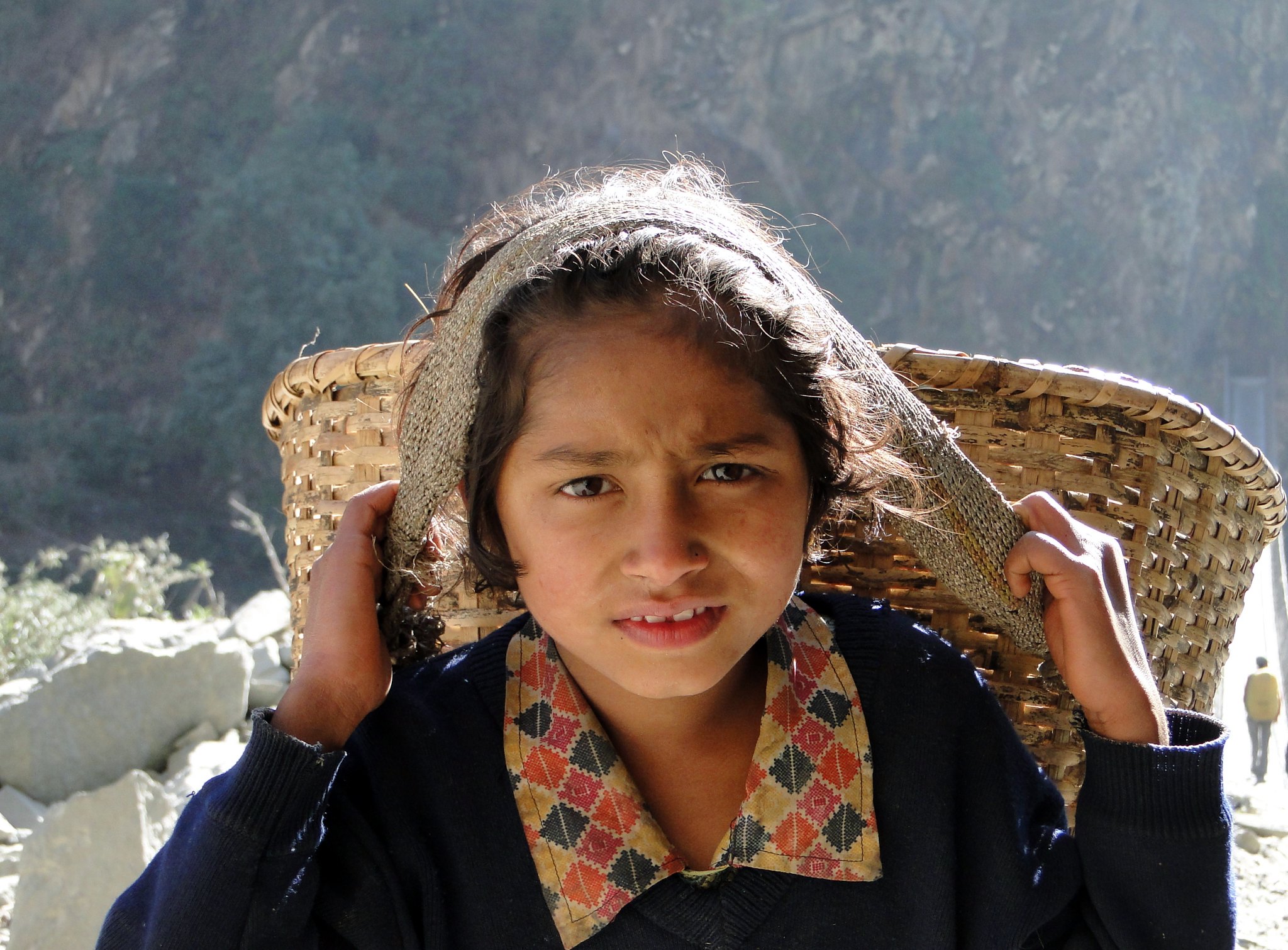
Nepal is a landlocked country in South Asia along the Himalayan Mountain Range. According to the United Nations, it is one of the least developed nations in the world. Natural disasters, geographical isolation, ongoing political conflict and poverty exacerbate the challenges of large populations in Nepal.
4 Major Groups that Poverty in Nepal Affects
- The Dalit people live outside of the caste system and have no social mobility, facing extreme discrimination. Lower members and untouchables experience restrictions from moving up in the caste system; 46% of the Dalit people in Nepal experience poverty. Dalit women are poorer than Dalit men. Women work for their landlords while men work low social status jobs. Some women are unpaid because they work in Haliya Pratha (bonded labor) or Khala Pratha (forced labor). The Dalit population does not receive equal job opportunities and earns unfair wages. Nepal should enforce laws against discrimination to improve the lives of the Dalit.
- Women and girls in poverty need stronger government protections to prevent crime. There is little legal accountability for those who commit violence and rape against women. Girls who have the responsibility of walking miles to get clean water are often at risk of human trafficking. In 2018, authorities refused to recognize the rape and murder of a 15-year-old Dalit girl. Gender discrimination is legal in Nepal and the 2015 Constitution grants men a higher legal status than women. Unfortunately, the government does not strongly enforce laws against chhaupadi (menstrual seclusion) and child marriage.
- Landlords control the land-poor or landless people in rural areas. Land ownership results in food access and control over one’s own resources. The feudalistic land system contributes to the fact that the top 5% of people own 37% of the land. Tenants constantly face the threat of face eviction and have no land to grow food on. Landless people do not get access to services such as running water and electricity in their homes whether on private or public property. Nearly 25% of the population owns no land and 85% of people living in rural areas are land poor. Women and Dalits make up a large portion of landless people that poverty in Nepal affects.
- The struggling middle class is at risk of falling back into poverty. Although people in the middle class have overcome adversity, chronic poverty still threatens a significant portion. For every two people that overcome poverty, one falls back into poverty. This means that even though Nepal has been successful at reducing poverty, 45% of people are in the vulnerable class that is struggling to stay above the poverty line. If Nepal can provide more social safety nets, it can prevent the vulnerable class known as the struggling middle class from falling back into poverty.
The Poverty Alleviation Fund
The Poverty Alleviation Fund is working in 55 districts to improve Nepali lives. Community building and social inclusion methods uplift groups customarily discriminated against, including the Untouchables, women, rural land-poor and the vulnerable middle class. Using approaches to provide relief and resources to communities, the Poverty Alleviation Fund is working directly with those experiencing poverty in Nepal.
– Hannah Nelson
Photo: Flickr
