Period Poverty in Somalia
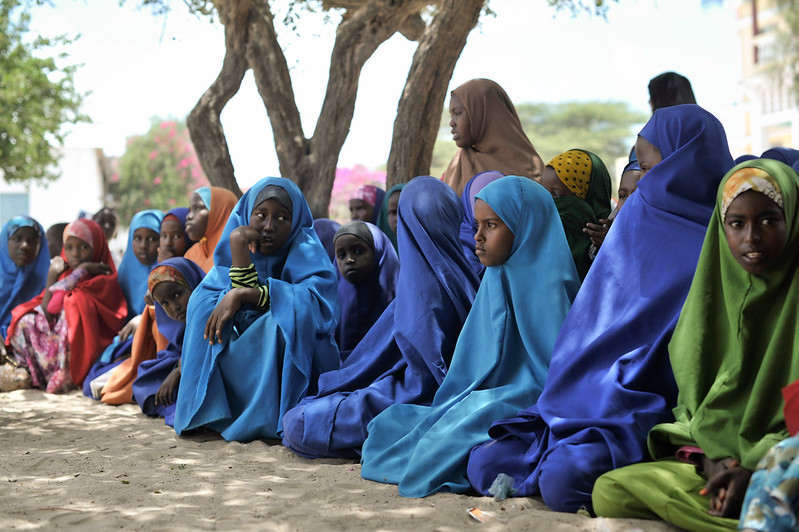 Somalia stands as an exceedingly impoverished nation, ranking as one of the poorest countries in Africa. The Voluntary National Review of 2022 acknowledges that nearly seven out of 10 Somalis endure poverty, falling below the international poverty line. The country consistently faces recurrent droughts, attributed to unsuccessful rainy seasons. These droughts have resulted in the loss of tens of thousands of lives and caused extensive crop failures.
What Is Period Poverty?
Period Poverty is a global issue. According to the World Bank, as many as 500 million people across the globe face Period Poverty. Consequently, 500 million girls and women have a lack of access to menstrual hygiene products (commonly pads, tampons and menstrual cups), sanitation facilities (disposal and washing) and education/information regarding menstruation and period products.
Examining Period Poverty in Somalia
In Somali society, people often consider menstruation a taboo. Menstruating girls and women are viewed as unclean, making them deemed unfit for regular daily activities. This lack of awareness surrounding menstruation contributes to a shortage of proper sanitary hygiene products in Somalia. Furthermore, this lack of understanding makes girls and women refrain from seeking necessary treatment for menstrual pain.
Consequently, numerous girls and women turn to utilizing leaves, aged fabric, socks, the interiors of worn-out mattresses and newspapers. The results of such desperation are heartbreaking. The use of unhygienic materials as sanitary products heightens the risk of urogenital symptoms and infections among Somali girls and women.
Period poverty in Somalia significantly impacts girls’ education. Many girls in the Somali capital regularly miss classes during menstruation. The lack of access to sanitary products leaves them feeling uncomfortable and fearful of potential embarrassment or staining their clothes. This disadvantage faced by females in Somalia hinders their academic progress and diminishes their prospects for future success, further perpetuating gender inequality.
Positive Action
The Youth Peer Network supported by UNFPA Somalia has initiated a campaign addressing sexual reproductive health for young people. Launched in 1999 and established in 2011, the Youth Peer Network has branches in more than 50 countries around the world.
The campaigns main priority is menstrual hygiene. Mohamed Arshad Ibrahim, a peer educator for the Youth Peer Network, states, “We aim to eradicate the lack of menstrual hygiene products, and we have distributed reusable sanitary pads to many vulnerable girls for use during their periods, which allows them to stay in school.”. The campaign has been carried out in several schools and universities. Over 2,000 girls suffering from period poverty in Somalia, have benefitted from packs of reusable sanitary supplies. These reusable sanitary supplies are included in the campaign’s dignity kits. The kits include disposable and reusable menstrual pads, underwear, soap and other essentials.
Founded in 2005, the GBV Area of Responsibility currently has operational presence in 44 countries across 5 regions of the world. GBV Area of Responsibility is actively working to distribute dignity kits to vulnerable women and girls throughout Somalia. In 2020, GBV Area of Responsibility provided 12,816 people with dignity kits in 17 coordination hubs across Somalia. Upon receiving these kits, women and girls gain access to essential items such as soap and hand sanitizers, contact details for GBV service providers, laundry soap, baby-safe antibacterial wipes, chamber pots with privacy shields and sanitary products.
A Look Ahead
Unfortunately, the Somalian government has shown no initiative in providing support for women regarding healthcare needs and finances. The commendable efforts made by organizations such as UNFPA and GBV Area of Responsibility to aid women and girls in Somalia should be greatly applauded.
– Libby Jackson
Photo: Flickr
