• Link to X
  • Link to Facebook
  • Link to Instagram
  • Link to TikTok
  • Link to Youtube
  • About
    • About Us
      • President
      • Board of Directors
      • Board of Advisors
      • Financials
      • Our Methodology
      • Success Tracker
      • Contact
  • Act Now
    • 30 Ways to Help
      • Email Congress
      • Call Congress
      • Volunteer
      • Courses & Certificates
      • Be a Donor
    • Internships
      • In-Office Internships
      • Remote Internships
    • Legislation
      • Politics 101
  • The Blog
  • The Podcast
  • Magazine
  • Donate
  • Click to open the search input field Click to open the search input field Search
  • Menu Menu

Archive for category: COVID-19

COVID-19, Global Poverty

Impact of COVID-19 on Poverty in Singapore

Impact of COVID-19 on Poverty in Singapore
Like most of the world throughout the COVID-19 pandemic, Singapore has undergone a health and economic crisis while battling the novel coronavirus. However, the impact of COVID-19 on poverty in Singapore has disproportionately affected Singapore’s low-wage migrant workforce as the country continues the fight against the virus and the race to distribute vaccines.

COVID-19 Within Singapore’s Low-Wage Workforce

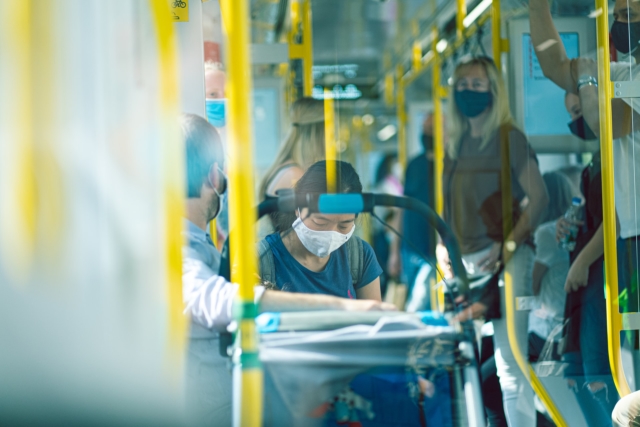
As early as the fall of 2020, Singapore seemed to return to life as normal with restaurants reopening and malls filling with crowds. However, the nation’s low-wage workforce, which included primarily migrant workers, faced a COVID-19 surge and a battle of its own.

Singapore’s low-wage workforce consists of more than 300,000 foreign construction and manufacturing workers from countries such as India and Bangladesh. These workers live in crowded dorms throughout their work period where COVID-19 quickly becomes rampant. Migrant workers accounted for nearly 95% of the country’s novel coronavirus cases as of September 8, 2020. With the placement of quarantine orders on these workers after numerous outbreaks, many had to stay in hot, overcrowded rooms without ventilation. As a result, the workers became exposed to the virus.

These workers have been extremely vulnerable to both the novel coronavirus and economic fallout due to factors such as overcrowded dorms, “hazardous working conditions,” low pay and lack of access to social protection. Many workers did not receive full wages throughout the quarantine order and faced high health costs when eventually returning home.

Poverty in East Asia: The Effects of the COVID-19

Despite recent post-COVID-19 economic recoveries in many East Asian countries, the World Bank reported that emerging post-pandemic recovery is and will continue to be uneven as the country’s most impoverished bear the brunt of the COVID-19 economic crisis. Poverty in East Asia and the Pacific stopped declining for the first time in more than 20 years as an estimated 32 million citizens across the region were unable to escape poverty as a result of unequal access to social, medical, educational and technological support.

A Future of Hope and a United Fight

Hope for Singapore’s citizens continues to come in the form of vaccines. More than a third of the country’s 5.7 million citizens have been fully vaccinated and nearly half of the population received at least one dose of a COVID-19 shot as of June 19, 2021. The government plans to complete vaccinations by the end of 2021.

Additionally, the World Bank Group has begun numerous relief programs in Eastern Asia and the Pacific region. Part of the organization’s $125 billion fund will go toward combating the “health, economic and social impacts” of the novel coronavirus globally and the World Bank Group plans to establish COVID-19 fast-track facilities. The World Bank Group intends to provide emergency funding for medical supplies and medical training while also working to strengthen national public health systems.

Returning to “Normal”

As Singapore eases back into normality as its population becomes vaccinated, a new awareness of social inequality is spreading domestically and internationally. A BBC article from September 18, 2020, states that the crisis exposes a “pandemic of inequality” within the country. Meanwhile, a foreign policy piece, published on May 6, 2020, describes Singapore’s lack of action in combating the economic crisis as a failure to see migrant workers as people.

While inequalities and poverty in Singapore have worsened throughout the COVID-19 pandemic, activists around the world and across the nation are advocating for better conditions and awareness as the reopening process occurs. Organizations such as the World Bank Group, the Human Rights Campaign and Amnesty International are continuing to provide aid and advocacy for extremely impoverished people in Singapore. As the country climbs out of the COVID-19 pandemic, a future of hope and awareness presents itself. There is hope that the distribution of vaccines, education about the crisis and international funding will reduce the impact of COVID-19 on poverty in Singapore.

– Lillian Ellis
Photo: Flickr

August 14, 2021
https://borgenproject.org/wp-content/uploads/borgen-project-logo.svg 0 0 Kim Thelwell https://borgenproject.org/wp-content/uploads/borgen-project-logo.svg Kim Thelwell2021-08-14 01:30:562021-08-16 00:22:00Impact of COVID-19 on Poverty in Singapore
COVID-19, Global Poverty

The Impact of COVID-19 on Poverty in Poland

Impact of COVID-19 on Poverty in PolandGlobally, the COVID-19 pandemic has negatively impacted those already struggling with poverty. Here is some information about the impact of COVID-19 on poverty in Poland and the country’s response.

The Impact of COVID-19 on Poverty in Poland

The COVID-19 pandemic increased income inequalities by reducing the employability of those with lower levels of education. For example, the populations who were already at a greater risk of poverty due to their positions in the labor market became more impoverished. In 2020, the poverty rate amounted to 5.2%, which is 1% higher than in 2019.

Prior to the virus reaching Poland, citizens expressed greater fear of the virus’ impact on the economy than its health effects. Given that less than 30% of Poles have any savings and a quarter of workers are in flexible forms of employment and do not receive coverage from unemployment insurance, the government’s reaction to COVID-19’s effects on the economy is crucial. In 2020, Poland’s economic activity showed a  decline of several percentage points for the first time in several decades.

In a survey that More in Common conducted, nearly half of the respondents stated that COVID-19 worsened their financial situation, with the 40 to 45 age range expressing the most concern. COVID-19 affected the hotel, catering and recreational industries the hardest as it prevented the industries from operating. Additionally, 70% of entrepreneurs reported that the pandemic reduced their income, which will inevitably affect their businesses and employees. In January 2021, Poland reported 6.5% unemployment, which is more than 3% higher than in 2019.

Poland’s Response

Poland acted fast and prepared the country before the first case of COVID-19 arrived, minimizing the pandemic’s effect. Poland closed borders and enforced strict quarantine measures before many other countries in Europe and the government put strategies in place to minimize economic impact despite having an unprepared health system.

On April 1, 2020, the Polish government introduced the Anti-Crisis Shield to provide employers and employees with solutions to cushion the impacts on employment. The Anti-Crisis Shield included more flexible employment, subsidized salaries of employees, gave loans to micro-entrepreneurs and gave sickness benefits to those required to quarantine. The government updated the Anti-Crisis Shield five times during the COVID-19 pandemic in order to cater to the industries and workers that suffered most, such as the cultural sector, the wood processing sector and the catering and transport industries.

Minimum Wages and Vulnerable Populations

Protecting income from work through implementing a minimum wage is an important factor in reducing poverty and minimizing the impact of COVID-19 on poverty in Poland. In 2020, Poland increased the minimum wage by 11%. This change was crucial in order to prevent major changes in household income. Additionally, as COVID-19 led to more workers losing their jobs and wages, the government introduced temporary benefits to compensate for the loss. Still, the crisis had a greater effect on weaker regions of Poland and disadvantaged workers.

Even before COVID-19, people in rural areas of Poland were 11% more at risk of poverty than those in cities. The risk of poverty for women in Poland is higher than men, and due to COVID-19, the rate of women who had to stop working was almost twice the rate of men. Furthermore, the majority of healthcare workers at the frontline of the pandemic are women. This raises the question of whether or not the Polish government is doing enough to aid women during this crisis.

Learning and Growing Following Crisis

While COVID-19 brought many negative effects, it has also presented an opportunity to learn and use the pandemic as a catalyst for change. Globally, the pandemic highlighted the importance of quality governance and today’s technology offers the potential to optimize government functioning, resource allocation, efficiency and transparency. Projections determine that Poland will rebound from the pandemic with an expected economic growth of 3.3% in 2021.

In May 2021, Poland revealed the Polish Deal, an economic package to aid in recovering from the pandemic. The package focuses on improving economic and social systems with an aim to make systems more crisis-proof. The Polish Deal aims to bridge income gaps by supporting people with the lowest incomes and placing more of the tax burden on large companies and higher-income groups.

COVID-19 exposed weaknesses in Poland’s healthcare system, and by 2023, Poland plans to spend 6% of GDP on improved healthcare. Additionally, the Polish Deal plans to provide support for parents and homebuyers, reduce the tax burden on lower-income Poles and create more than 500,000 new jobs. Many of the jobs will come from infrastructural investments including plans to build a network of expressways, railroad lines, sports infrastructure and an airport.

The Road Ahead

Overall, the Polish Deal aims to build the foundation for developments that will help future generations earn more and work in better conditions. Poland is on the cusp of vast civilizational changes and the Polish Deal plans to assist in bringing about these improvements. Poland is still waiting to see the effects of its new policies, but in the meanwhile, the future looks promising.

– Jacqueline Zembek
Photo: Flickr

August 13, 2021
https://borgenproject.org/wp-content/uploads/borgen-project-logo.svg 0 0 Jennifer Philipp https://borgenproject.org/wp-content/uploads/borgen-project-logo.svg Jennifer Philipp2021-08-13 07:30:552024-05-30 22:24:50The Impact of COVID-19 on Poverty in Poland
COVID-19, Global Poverty, Health

The Impact of COVID-19 on Poverty in Tanzania

covid-19 and poverty in tanzaniaThe East African country of Tanzania is one of the largest nations on the continent. Despite a population of more than 58 million, Tanzania has reported fewer than 600 COVID-19 cases and just 21 deaths as of July 22, 2021. However, widespread denial of the gravity of the virus is making COVID-19 in Tanzania more dangerous. While Tanzania has experienced minimal physical health impacts of COVID-19 in contrast to other countries, the impact of COVID-19 on poverty in Tanzania has been harsh as the virus has slowed overall economic growth.

Tanzania’s COVID-19 Response

On March 16, 2020, Tanzania reported its first case of COVID-19. Months later, in April, the country’s bustling region of Tanga also reported its first case. To help prevent the further spread of the virus, the government in Tanga began working with the CDC to train health professionals “on case investigation, contact tracing, home and community isolation, quarantine, infection prevention control (IPC) and case management,” providing a strategy to respond to new cases.

Furthermore, the CDC aided Tanzania in hiring and training drug dispensaries to monitor the number of people looking for COVID-19 treatment. This allowed pharmacists to watch out for probable cases in their communities in order to ramp up precautions and prevent the spread of the disease. In total, the CDC helped train 116 healthcare personnel in COVID-19 response strategies, “creating a holistic, community response to detect and respond to the COVID-19 crisis.”

Unreported Cases and COVID-19 Denial

On the surface, Tanzania has done an exceptional job preventing the spread of COVID-19. However, a few less discussed issues have prevented the country from fully recovering. For instance, in June 2020, the country’s then-president, John Magufuli, stopped reporting COVID-19 data, claiming that the country was virus-free even though Tanzania had already reported 509 cases and 21 deaths. Magufuli asserted that a “three-day prayer had saved the country.” Similarly, the secretary of the Ministry of Health, Mabula Mchembe, disregarded accusations that the country’s denial of the virus was only causing more deaths. Overall, the Tanzanian government has “downplayed the seriousness of the pandemic.”

A New President Brings Hope

When the former president passed away on March 17, 2021, President Samia Suluhu Hassan replaced him as the first female president of the country. The mark of Hassan’s presidency also marked the release of Tanzania’s official COVID-19 statistics after “more than a year.” Hassan confirmed 100 new COVID-19 cases since the third wave of COVID-19 began in Tanzania. Bringing hope to Tanzania, President Hassan also allotted $470 million for the purchase of COVID-19 vaccines, helping the country’s citizens protect themselves from the virus.

The Impact of COVID-19 on Poverty in Tanzania

Tanzania has made significant progress in tackling COVID-19, but the pandemic has still worsened poverty in the country. Due to the extensive measures put in place to track the virus, including quarantine and lockdowns, roughly 140,000 formal jobs were lost in June 2020 alone. In addition, 2.2 million “nonfarm informal workers” experienced loss of income. Similarly, the poverty rate increased from 26.1% in 2019 to 27.2% by the end of 2020.

In 2021, however, Tanzania’s economic outlook is much different. In fact, Tanzania’s GDP is projected to rise by up to 5.3% this year due to President Hassan’s COVID-19 programs and vaccine distribution plan. President Hassan has promised to improve infrastructure and resource management, reflecting a vision of future economic growth in the country. As Tanzania moves in a more transparent and positive direction, hope is on the horizon for overall poverty reduction and economic growth.

– Calvin Franke
Photo: Flickr

August 13, 2021
https://borgenproject.org/wp-content/uploads/borgen-project-logo.svg 0 0 Kim Thelwell https://borgenproject.org/wp-content/uploads/borgen-project-logo.svg Kim Thelwell2021-08-13 01:30:492024-05-30 07:56:47The Impact of COVID-19 on Poverty in Tanzania
COVID-19, Education, Global Poverty, Technology

COVID-19’s Educational Impact

COVID-19's Educational Impact
As the COVID-19 pandemic persists around the world, it is important to examine how life has changed over the past year and a half. COVID-19’s educational impact is one area that deserves attention because education is a key in the fight against global poverty. Low- and middle-income (LMIC) countries across the world have significant poverty and the COVID-19 pandemic has exacerbated many challenges that one can associate with poverty, including obtaining an education. However, despite the challenges, COVID-19’s educational impact on LMICs should benefit from cutting-edge technological solutions. These technologies are changing how the poor receive an education.

COVID-19’s Educational Impact

Save the Children has estimated that even before the pandemic, the world was in a “learning emergency” with more than half of the children in LMICs designated as “learning poor” before they are 10 years old. Since COVID-19 school closures have left many children unable to access remote learning, COVID-19’s educational impact has included an increase in “learning poverty.” Save the Children has said that as of 2021, more than 11 million additional children are among the learning poor.

The economic hardship that has come as a result of the pandemic is negatively impacting education in a major way. As tax revenues have declined, budget cuts are leaving an estimated $77 billion gap in education spending for impoverished children around the world. Save the Children estimated that 10 million children may have dropped out of school for good in 2020. Meanwhile, the students who have managed to remain in school are at an increased risk of having to repeat grades and fall behind due to the pandemic.

Through the pandemic, girls have often had to drop out to marry early and boys have had to leave school to find work. Save the Children has pointed out that school closures have not only had an impact on education losses, but it has also take safe spaces away from children so that they “can play with friends, have meals and access to health services.”

Creative Technological Solutions to Alleviate “Learning Poverty”

A 2021 United Nations International Children’s Fund (UNICEF) study estimates that more than 2 billion, or two-thirds of those under age 25, lack internet access at home. New technology solutions bring hope in low-bandwidth areas to help sustain some access to education and skills training.

The World Bank has highlighted downloadable content, mobile vans and low-cost hardware as strong low-bandwidth education solutions. Learners who do not have access to a reliable internet connection can download libraries of content and access them offline. If learners are in a remote area and face high transportation costs, mobile vans can bring an education anywhere. Also, these vans with mobile internet access and computers meet learners at their precise learning levels and provide courses that allow learners to gain skills in a matter of weeks. Low-cost hardware is available to give more learners access to computers. One group providing such hardware is the Raspberry Pi Foundation. A simple USB charger powers the Raspberry Pi Foundation’s small computer that runs a free operating system.

COVID-19’s educational impact has exacerbated existing problems to educate learners in LMICs. On the other hand, while the “learning poverty” alarm is sounding around the world, new creative solutions bring hope to meet these challenges. Technology will continue to be important to education in its fight against global poverty.

– Alex Muckenfuss
Photo: Wikipedia Commons

August 9, 2021
https://borgenproject.org/wp-content/uploads/borgen-project-logo.svg 0 0 Lynsey Alexander https://borgenproject.org/wp-content/uploads/borgen-project-logo.svg Lynsey Alexander2021-08-09 13:11:002021-09-16 13:15:40COVID-19’s Educational Impact
COVID-19, Global Poverty

Impact of COVID-19 on Poverty in Ecuador

Impact of COVID-19 on Poverty in EcuadorEcuador is a South American country with a population of more than 17 million. The country relies heavily on oil exports and was battling a global oil crisis when the first COVID-19 case broke out there in February 2020. Since then, the combined effects of the oil crisis and COVID-19 have created many problems for Ecuador. However, there are many sources offering aid to alleviate the impact of COVID-19 on poverty in Ecuador.
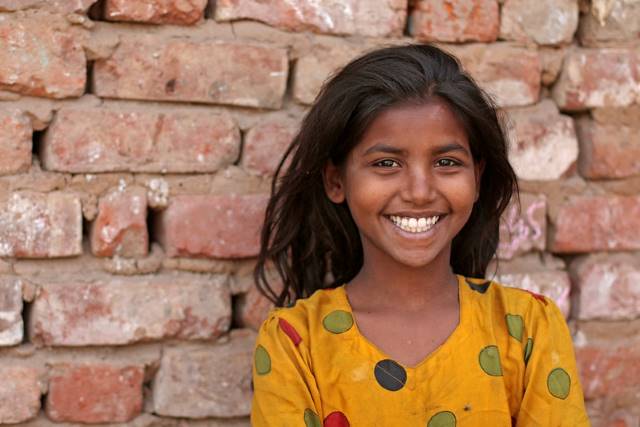
The Impact of COVID-19

As the COVID-19 pandemic spread across the world, Ecuador was one of the hardest-hit countries. Not only was it the first Latin American country affected but it also ranks ninth worldwide in confirmed deaths per million, according to the World Health Organization. The impact of COVID-19 combined with the effects of a global oil crisis could cause up to an 11% decrease in GDP for the nation.

Organizations Offering Aid

Despite the negative effects people across the world have felt and the impact of COVID-19 on poverty in Ecuador, organizations are helping the country recover.

  • U.S. Department of State – The Department of State/U.S. Agency for International Development sent almost $18 million in aid to Ecuador. This will fund improvements to the medical system, purchase rapid test kits and provide medical and personal protective equipment.
  • International Monetary Fund – On Sept. 30, 2020, the Executive Board of the IMF approved a “$6.5 billion Extended Fund Facility arrangement” with the goal of helping Ecuador recover from the economic impacts of COVID-19. By providing these additional funds, the Ecuadorian government will be able to spend more on health and education services. The government can also give cash transfers to Ecuadorians who lost their jobs because of the pandemic.
  • The World Bank – The World Bank provided a line of credit of $500 million to help the Ecuadorian government support families affected by COVID-19. In addition to this, it approved “$14.1 million in nonreimbursable resources from the Global Concessional Financing Mechanism” to provide additional support to the government for its admittance of a large number of refugees.
  • UNICEF – UNICEF reallocated $2.7 million in funds to help with the COVID-19 response. These funds were used to provide PPE, handwashing stations, nutritional supplements, hygiene materials and teachers to help distribute supplies and educate the population on proper sanitation techniques. In addition, UNICEF also provided funds to help cash transfers to Venezuelan refugees who have been unable to receive any from the Ecuadorian government.

There are also other non-governmental and international organizations that are providing aid to the people of Ecuador. The services provided range from telemedicine and hospital care to assisting with sanitation efforts. The U.S. Embassy and Consulate in Ecuador has a list of organizations that are active in Ecuador. It is working to help with the recovery.

Next Steps

As the country faces a difficult recovery, international support is vital to jumpstart the economy and support Ecuadorians. The government will need help to continue providing the necessary equipment, testing and social safety nets for the impacted population. Donating to organizations or urging representatives to continue supporting these forms of aid are great ways to help.

Despite this large impact of COVID-19 on poverty in Ecuador, aid increases recovery efforts. International organizations, foreign governments and non-governmental organizations are working hard to provide funding and supplies to help Ecuador.

– Taryn Steckler-Houle
Photo: Flickr

August 5, 2021
https://borgenproject.org/wp-content/uploads/borgen-project-logo.svg 0 0 Kim Thelwell https://borgenproject.org/wp-content/uploads/borgen-project-logo.svg Kim Thelwell2021-08-05 01:30:082021-08-02 07:38:14Impact of COVID-19 on Poverty in Ecuador
Child Labor, Child Marriage, Child Poverty, Children, COVID-19, Developing Countries, Global Poverty

UNICEF’s Pledge to Help Children During COVID-19

UNICEF's pledge to help children The COVID-19 pandemic has brought with it physical, social and economic impacts that have been felt worldwide. Developing countries, in particular, are more vulnerable to the effects of COVID-19. Furthermore, women and children are disproportionately affected by the impacts of COVID-19. In September 2020, UNICEF called on the international community to take action “to prevent this health crisis from becoming a child-rights crisis.” UNICEF’s pledge to help children during the COVID-19 pandemic targets 192 vulnerable countries.
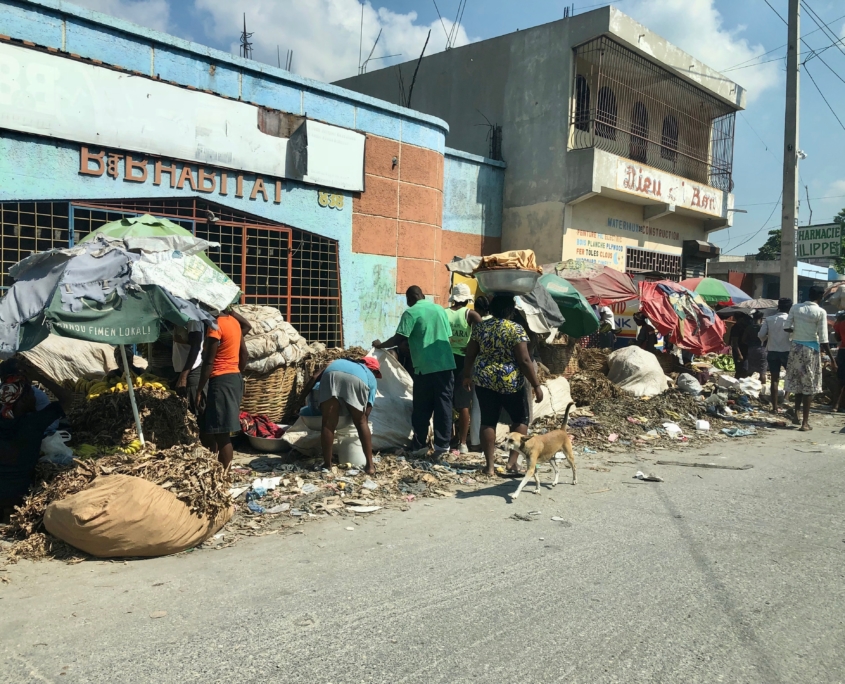
The Impact of COVID-19 on Children’s Health

Children are not as vulnerable to the direct physical impacts of COVID-19, but nevertheless, children worldwide suffer from the indirect impacts of COVID-19. The BBC reports that in South Asia, the disruption of essential services such as nutrition and immunization programs has led to 228,000 deaths of children younger than 5. During COVID-19, “the number of children being treated for severe malnutrition fell by more than 80% in Bangladesh and Nepal.”

Furthermore, “immunization among children dropped by 35% and 65% in India and Pakistan respectively.” In 2020, across South Asian nations, India experienced the highest increase in child mortality at 15.4%. The COVID-19 virus has abruptly halted many essential programs and services that helped safeguard the lives of vulnerable children in developing countries.

The disruption of health services has also affected adolescents battling diseases such as typhoid, malaria, HIV/AIDS and tuberculosis. The BBC reports almost 6,000 deaths across South Asia stemming from the inability to access the required treatment. The deficiency in medical services also resulted in 400,000 unwanted pregnancies in teenagers due to inadequate access to contraception.

Child Labor and Child Marriage

The COVID -19 pandemic has resulted in widespread unemployment and reduced household income, causing a rise in cases of child labor, reports Human Rights Watch. Parental deaths stemming from COVID-19 leave children orphaned, unable to have their basic needs met. UNICEF warns the international community that “school closures, economic stress, service disruptions, pregnancy and parental deaths due to the pandemic are putting the most vulnerable girls at increased risk of child marriage.” The organization estimates that 10 million more girls are now at risk of child marriage due to the impacts of COVID-19.

The Impacts of School Closures

At the peak of COVID-19 in 2020, 91% of all students across more than 188 countries could not receive an education due to school closures. School closures deprive children “of physical learning opportunities, social and emotional support available in schools and extra services such as school meals.” Children from disadvantaged backgrounds face more barriers than children from more affluent families. These vulnerable children are at risk of losing the most in terms of educational progress.

The UNICEF Pledge

UNICEF has committed to work alongside “governments, authorities and global health partners” to ensure medicines, vaccines, nutritional resources and other vital supplies reach the most vulnerable people. UNICEF is prioritizing safe school reopenings, ensuring all safety protocols are in place. Where schools cannot reopen, UNICEF is working to develop “innovative education solutions” and provide remote learning support.

Since a lack of internet connectivity and electricity presents a barrier to online learning in impoverished communities, UNICEF has committed to ” bridge the digital divide and bring internet connectivity to 3.5 billion children and young people by 2030.” UNICEF is also working with governments and partners to ensure that children’s rights form a central part of COVID-19 response plans.

As the pandemic continues, the future is still unclear. During an unprecedented global crisis, UNICEF’s pledge to help children during COVID-19 shows its ongoing commitment to upholding children’s rights globally.

– Jessica Barile
Photo: Flickr

August 1, 2021
https://borgenproject.org/wp-content/uploads/borgen-project-logo.svg 0 0 Lynsey Alexander https://borgenproject.org/wp-content/uploads/borgen-project-logo.svg Lynsey Alexander2021-08-01 01:30:362021-07-28 04:48:50UNICEF’s Pledge to Help Children During COVID-19
COVID-19, Global Poverty

The Impact of COVID-19 on Poverty in Haiti

impact of covid-19 on poverty in haitiIn 1804, Haiti officially declared its independence from France following the Haitian Rebellion. Similar to the United States, the legacy of colonization and slavery continues to affect the country. Haiti is one of the countries in the Western Hemisphere with the highest poverty rates, ranking 168 out of 187 on the 2014 Human Development Index. Although the impact of COVID-19 on poverty in Haiti has taken a backseat to the current political unrest, it has set the island’s economic development back years. However, foreign aid from both the United States and other countries has been helping get Haiti back on its feet.

Residual Struggles from the Earthquake

In 2010, Haiti experienced a massive earthquake that left many without homes or income. The earthquake cost many lives and also hit farmers hard. Massive aftershocks that still exacerbate the island’s financial woes arrived after the earthquake. In order to move forward, Haiti relied on donations and volunteer work from other countries. However, a large portion of the billions donated disappeared due to corruption, and as the world’s attention shifted elsewhere, people once again forgot Haiti.

COVID-19’s Economic Impact on Haiti

Following the setbacks of the massive 2010 earthquake, the island began to make slow strides toward improvement. Between 2000 and 2012, extreme poverty declined from 31% to 24%. However, due to the COVID-19 pandemic, Haiti is once again seeing increasing rates of extreme poverty. The country has also begun to see a high number of COVID-19 cases that are “threatening to overwhelm Haiti’s fragile health care system.”

Though reported COVID-19 cases in Haiti are increasing, the overall number remains comparatively low. The recent increase was due largely to increased access to COVID-19 testing. However, as cases begin to spike, Haiti lacks the financial ability to buy COVID-19 vaccines, instead relying on donations from other countries and the World Bank.

COVID-19’s Political Impact on Haiti

As Haiti continues to battle COVID-19, it is also in the midst of political unrest that the assassination of Haitian President Jovenel Moïse caused. For many, COVID-19’s impact on poverty in Haiti is a low priority because of more pressing issues such as kidnappings, political turmoil and natural disasters.

Public Awareness and Health Needs

Following the assassination of President Jovenel Moise, the country is on the verge of a public health emergency. The impact of COVID-19 on poverty in Haiti has lost its place as a top priority due to the country’s current political turmoil. The fear of war, famine, corruption and outside interference has left the country at a standstill. However, in July 2021, U.S. President Joe Biden donated 500,000 doses of the Moderna vaccine to Haiti. According to Dr. Jacqueline Gautier, a member of the national technical advisory group on COVID-19 vaccination, “Because COVID-19 did not impact us badly, people don’t think it is worth it actually.” This came after fears of vaccine side effects from AstraZeneca spread throughout the island.

Haiti’s economic advancement and wellbeing rely on the generosity of other countries. According to some scholars, France should be a key player in aid to the country since it has exploited Haiti the most.

Another pressing issue is the lack of vaccine promotion in the country. The disconnect between the public and health officials has contributed to the lack of awareness and understanding of the virus and the vaccine. As the Haitian government continues to try and prevent the country from dropping further into unrest, it will be extremely important for the government to educate its citizens on how important COVID-19 awareness is.

Under the leadership of former Haitian president Jovenel Moise, government reform and reshaping government affairs played a key role in combatting the COVID-19 crisis. Unfortunately, President Moise’s death has placed Haiti’s progression to a halt. It is now up to the international community to unite and extend care to Haiti. With vaccine donations coming in from major powers such as the United States and China, Haiti still has a chance to see its vaccination rate improve while also getting the COVID-19 crisis under control.

– Jordyn Gilliard
Photo: Unsplash

July 31, 2021
https://borgenproject.org/wp-content/uploads/borgen-project-logo.svg 0 0 Kim Thelwell https://borgenproject.org/wp-content/uploads/borgen-project-logo.svg Kim Thelwell2021-07-31 06:44:312021-08-31 04:17:04The Impact of COVID-19 on Poverty in Haiti
COVID-19, Global Poverty

How AI Helps India Combat COVID-19

AI Helps India Combat COVID-19When COVID-19 struck globally, India, like other nations worldwide, experienced a high volume of citizens infected with the coronavirus. By the end of May 2020, more than 150,000 Indian people tested positive for COVID-19. As a result, the country’s leaders not only wanted to curb the rising numbers of COVID-19 cases but also wanted to address misinformation. To combat the COVID-19 “infodemic,” the Indian government needed a tool that could provide regularly updated COVID-19 guidance to reduce the transmission of COVID-19 throughout the country. For instance, MyGov Saathi shows how AI helps India combat COVID-19.
MyGov Saathi

The Indian government’s Digital India Corporation (MyGov) aimed to provide 1.3 billion people with a reliable artificial intelligence tool that provides factual and helpful guidance on COVID-19. By collaborating with Accenture and Microsoft, MyGov quickly developed an “AI-powered virtual agent” called MyGov Saathi, which means “companion” in the Hindi language. The AI tool was launched on April 24, 2020, and possesses similar abilities to Microsoft’s Power Virtual Agent and Azure.

“Self4Society” Webpage

MyGov Saathi is accessible on the Indian government’s “self4society” website where it is embedded. By managing communications automatically, more human capital is available to address “urgent and complex situations” that require human skill. Moreover, the artificial intelligence tool is able to provide “fact sheets, information on government initiatives, professional and medical advice and alerts and lists of myth busters” to address misinformation. Through MyGov Saathi, AI helps India combat COVID-19.

Extending its Reach

At first, the artificial intelligence agent only operated in English. Now, however, it communicates and offers information in Hindi and other local languages to extend its reach. In January 2021, MyGov Saathi had approximately 250,000 monthly users. The daily interactions on the platform range from hundreds to thousands. On average, over a 16-day period, MyGov Saathi has close to 600,000 “total active sessions.” AI helps India combat COVID-19 by providing individuals with speedy and valuable information to guide them through the pandemic.

COVID-19 WhatsApp Support Counter

Haptik, an artificial intelligence firm, created the MyGov Corona Helpdesk in March 2020. The “WhatsApp chatbot” operates 24/7 to answer COVID-19 questions and combat misinformation. The chatbot has capabilities such as:

  • A symptom checker and probable diagnosis function
  • Providing guidelines to prevent COVID-19 transmission
  •  Sharing up-to-date information from the Ministry of Health
  • Dispelling COVID-19 myths and misinformation
  • Sharing the contact details of the official COVID-19 hotline

By January 2021, the MyGov Corona Helpdesk served more than 25 million people and answered more than 36 million pandemic-related questions. These statistics show how AI helps India combat COVID-19.

MyGov Saathi’s Future Updates

Currently, the MyGov Saathi artificial intelligence agent only interacts with persons through a list of options. However, the country plans to update the software to “evolve from the menu model to engage in actual intuitive conversations with users.”

Overall, MyGov Saathi and MyGov Corona Helpdesk illustrate how AI helps India combat COVID-19, showing the growing importance of technology, even in unprecedented times. Above all, this demonstrates the universe of possibilities present in seemingly impossible circumstances.

– Jannique McDonald
Photo: Flickr

July 29, 2021
https://borgenproject.org/wp-content/uploads/borgen-project-logo.svg 0 0 Kim Thelwell https://borgenproject.org/wp-content/uploads/borgen-project-logo.svg Kim Thelwell2021-07-29 01:30:302021-07-26 07:33:20How AI Helps India Combat COVID-19
COVID-19, Global Poverty, Inequality, Migration

Social Inequality in Germany and COVID-19

Social inequality in GermanyResearch shows that levels of social inequality in Germany could increase COVID-19 transmission rates among people experiencing poor living and working conditions. Evidence does not conclusively determine that poverty directly causes Germany’s COVID-19 cases. However, it is apparent to scientists and medical professionals that a large number of COVID-19 patients come from low socioeconomic standing. In 2015, 2.8 million German children were at risk of poverty. The influx of migrants flowing into Germany has also increased rates of poverty in Germany.
Poverty and COVID-19

According to the CIA World Factbook, 14.8% of the German population lives below the poverty line as of June 2021. According to data from the World Health Organization (WHO), the North Rhine-Westphalia area has the highest number of COVID-19 cases. The area is home to Gelsenkirchen, the most impoverished German city based on a 2019 report by the Hans Böckler Foundation.

Risks of Overcrowding

Overcrowded living areas are more susceptible to airborne illnesses, medical sociologist Nico Dragono said in an interview with The Borgen Project. In 2019, 8% of Germans lived in overcrowded dwellings, meaning there were fewer rooms compared to inhabitants. This percentage has increased in recent years, according to Statistisches Bundesamt (German Federal Office of Statistics).

In November 2020, statistics showed that 12.7% of the population residing in cities lived in overcrowded dwellings. Comparatively, 5.5% reside in small cities or suburbs and 4% reside in rural areas. Dragono says that social inequality in Germany plays a significant role in the spread of disease across the country’s large cities. This especially impacts those living in close proximity to others. “Infections clustered in the areas of the city where the poor live because there simply was no space,” Dragono says. He says further that with many people living in one household, traveling to school, work and other places holds an increased risk of bringing infections into the home.

The Centers for Disease Control and Prevention stated on February 26, 2021, that COVID-19 is transferable through respiratory droplets from people within close proximity of each other. This puts those in poverty at a higher risk of contracting COVID-19. Those living in areas such as refugee camps and impoverished neighborhoods are especially vulnerable. Therefore, social inequality in Germany may contribute to the spread of COVID-19.

Migrants Potentially at Higher Risk

Dragono says that, unlike the United States, Germany does not document patients’ ethnicities. In other words, Germany cannot collect the demographics of who contracts COVID-19. He said it appears the association between COVID-19 and social inequality in Germany is universal for migrants and non-migrants. However, many hospitals across Germany reported that close to 90% of COVID-19 patients in the intensive care unit have an immigrant background, according to Deutsche Welle.

“Migrants are more often poor because they do many of the bad jobs,” Dragono says. There are indications that COVID-19 is more prevalent in the areas inhabited by migrants. “Migrant workers, as they grow older, many have diseases, because in general, they are doing hard work… so their hospitalization rates could be a bit higher.” Dragono says Germans’ social status and income determine how much access they have to quality resources. It is easier for upper-class citizens to purchase masks and use personal travel and they do not have to rely on public transportation or low-quality protective gear.

On June 5, 2021, the German health ministry came under fire regarding a report that dictated its plan to dispose of unusable face masks by giving them to impoverished populations. However, the health ministry released a statement that all of its masks are high quality and receive thorough testing. Any defective masks are put into storage.

Assistance From Caritas Germany

As the virus continues to spread, many organizations are extending assistance to disadvantaged citizens in Germany. Some services translate COVID-19 information into migrants’ languages or modify other services to fit COVID-19 guidelines. Caritas Germany, one of the largest German welfare organizations, typically operates childcare services, homeless shelters and counseling for migrants.

To comply with COVID-19, Caritas began offering online services such as therapy and counseling. The organization also travels to low-income areas and focuses on providing personal protective equipment to those working with the elderly. Many Caritas volunteers use technology to maintain distance while also maintaining communication with patients. Since the beginning of the pandemic, hundreds of volunteers have trained in online counseling.

However, Dragono says that while the country has systems in place to avoid broadening the poverty gap, the serious implications of COVID-19 on social inequality in Germany are yet to emerge. Fortunately, organizations are committed to mitigating some of the impacts of COVID-19 on disadvantaged people in Germany.

– Rachel Schilke
Photo: Unsplash

July 24, 2021
https://borgenproject.org/wp-content/uploads/borgen-project-logo.svg 0 0 Jennifer Philipp https://borgenproject.org/wp-content/uploads/borgen-project-logo.svg Jennifer Philipp2021-07-24 07:30:042021-07-26 01:51:57Social Inequality in Germany and COVID-19
COVID-19, Global Poverty, Women's Empowerment

Women’s Health in Papua New Guinea

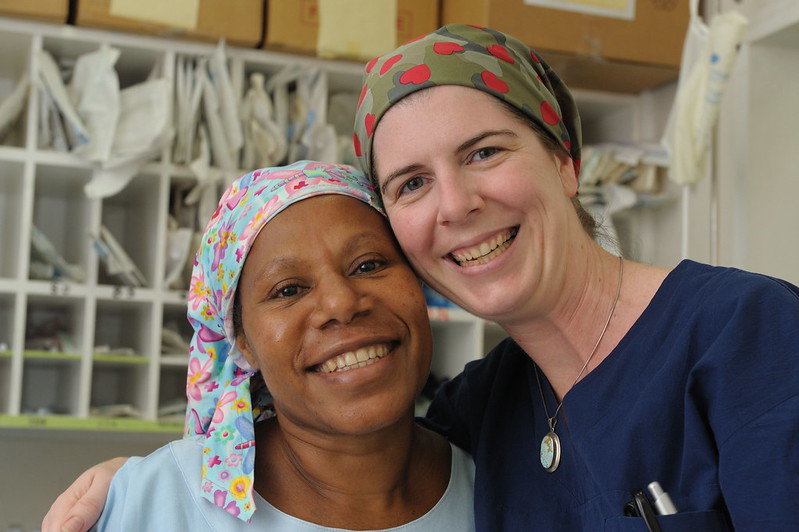
Women's Health in Papua New GuineaWomen’s health in Papua New Guinea is wrought with struggles, stemming from both inadequate healthcare centers and the country’s law. The gender inequity of the situation sees men receiving more comprehensive medical care than women. Unfortunately, Papua New Guinea’s adherence to its healthcare policies does not include extending further care to women. Many of those who identify as women on official documents get pushed under the general term of “population,” resulting in a lack of gender-specific reports on women’s overall medical conditions. Women’s health in Papua New Guinea needs prioritizing, especially in the maternity category. With 230 deaths per 100,000 live births, the country has the highest maternal mortality rate in the Pacific.

Women’s Health in Papua New Guinea

Papua New Guinea is a mainly patriarchal society where women are often discriminated against and looked down upon due to gender norms. Many women do not achieve higher education, which then perpetuates a cycle of early marriages and motherhood at a young age. This cycle has made it difficult for women to establish themselves within the workforce. Even within the workforce, it is relatively uncommon for women to receive fair benefits and wages. Discrimination against women presents a significant barrier to women’s health in Papua New Guinea.

The Effect of COVID-19 in Papua New Guinea

Unfortunately, many women in Papua New Guinea cannot afford healthcare even if it were available and accessible. In households, women are responsible for the majority of unpaid care work and domestic duties. With school closures amid COVID-19, the domestic workload of women has only increased. The pandemic has exacerbated the financial struggle for many with job losses and wage cuts.

With vulnerable populations unable to leave their homes during COVID-19, gender-based violence is on the rise. With quarantines and lockdowns underway, many essential service centers had to close their doors, leaving vulnerable populations without help. Furthermore, many organizations that provided funding for women’s health centers had to divert the funding toward addressing the impacts of the COVID-19 pandemic.

The insurgence of COVID-19 made already inaccessible services even more difficult to obtain. Though the number of COVID-19 cases reported in official documents is already high, studies and institutions suspect that the number is actually much higher. The pandemic brings high mortality rates and government-instilled quarantines have led to businesses temporarily closing or shutting down completely. The COVID-19 pandemic strains healthcare in Papua New Guinea. As a result, women’s health has not taken priority.

World Vision

To combat the gender inequality in healthcare, groups such as World Vision have projects dedicated to specifically aiding women in Papua New Guinea. World Vision’s project, the Papua New Guinea Health and Nutrition Project, focuses on the health of mothers and children. Since its establishment, the project has helped 28,628 people by providing essential medicines and treatments, including HIV treatment.

Additionally, the program trained 200 people and stationed them as community health workers and birth assistants. One of the project’s biggest objectives was providing access to healthcare centers for pregnant and lactating women. This kind of aid will ensure lower maternal mortality rates as prenatal conditions can be diagnosed and treated more easily if mothers regularly access healthcare services.

UN Women

U.N. Women has made it a goal to bring more awareness to societal gender issues, creating awareness programs that encourage female leadership roles in society and politics. U.N. Women encourages the involvement of women in governmental decisions to address discrimination against women and the resulting impact on women’s health. U.N. Women believes that female-led organizations encourage women to better their communities. The impact and efforts of individuals can be used as stepping stones to work toward more extensive healthcare access outside of the pandemic.

Looking Ahead

Organizations are trying to alleviate the negative impact of COVID-19 on healthcare. Furthermore, organizations are putting women’s health at the center of healthcare priorities. With the establishment of female-targeted health centers, women who either lost or struggled to access healthcare, including vaccinations, will receive the prioritized care necessary for their well-being. These organizations continue to push for changes to both mitigate the impacts of COVID-19 and ensure that women’s health in Papua New Guinea improves for the better.

– Seren Dere
Photo: Flickr

July 22, 2021
https://borgenproject.org/wp-content/uploads/borgen-project-logo.svg 0 0 Kim Thelwell https://borgenproject.org/wp-content/uploads/borgen-project-logo.svg Kim Thelwell2021-07-22 07:30:312024-05-30 22:24:06Women’s Health in Papua New Guinea
Page 9 of 25«‹7891011›»

Get Smarter

  • Global Poverty 101
  • Global Poverty… The Good News
  • Global Poverty & U.S. Jobs
  • Global Poverty and National Security
  • Innovative Solutions to Poverty
  • Global Poverty & Aid FAQ’s
Search Search

Take Action

  • Call Congress
  • Email Congress
  • Donate
  • 30 Ways to Help
  • Volunteer Ops
  • Internships
  • Courses & Certificates
  • The Podcast
Borgen Project

“The Borgen Project is an incredible nonprofit organization that is addressing poverty and hunger and working towards ending them.”

-The Huffington Post

Inside The Borgen Project

  • Contact
  • About
  • Financials
  • President
  • Board of Directors
  • Board of Advisors

International Links

  • UK Email Parliament
  • UK Donate
  • Canada Email Parliament

Get Smarter

  • Global Poverty 101
  • Global Poverty… The Good News
  • Global Poverty & U.S. Jobs
  • Global Poverty and National Security
  • Innovative Solutions to Poverty
  • Global Poverty & Aid FAQ’s

Ways to Help

  • Call Congress
  • Email Congress
  • Donate
  • 30 Ways to Help
  • Volunteer Ops
  • Internships
  • Courses & Certificates
  • The Podcast
Scroll to top Scroll to top Scroll to top