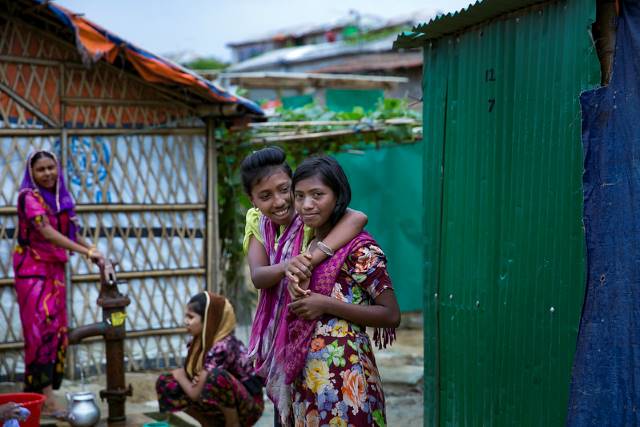
 Vaccine rollout plans around the world often overlook the world’s 26 million refugees. A whole 126 countries have refugee populations of more than 500 people. As refugees make up a significant part of the population, during a global health pandemic, the world will not truly be safe until nations safeguard the health of refugees too. Although many countries are making efforts to protect refugees, barriers remain prevalent. Global inequalities continue to exacerbate the situation. Wealthy countries administered 85% of the world’s vaccines, however, 85% of the world’s refugees live in developing countries that struggle to access vaccines. Bangladesh is prioritizing vaccinating refugees and the rest of the world needs to follow suit by including the most vulnerable populations.
Bangladesh’s Vaccine Campaign for Rohingya Refugees in Cox’s Bazar
In August 2017, spikes of violence in Myanmar forced 745,000 Rohingya citizens to flee into Cox’s Bazar, Bangladesh. Cox’s Bazar is now the world’s largest refugee settlement with more than one million refugees living in the cramped camps.
At the end of July 2021, devastating monsoons in Cox’s Bazar killed about eight refugees and displaced 25,000 people, simultaneously destroying thousands of facilities, including health clinics and latrines. Damaged roads hinder humanitarian access, making Rohingya refugees in Bangladesh more vulnerable than ever.
In addition to the recent natural disasters, Bangladesh is experiencing an upward trend in positive COVID-19 cases. Bangladesh authorities recognize the extreme vulnerability of the refugee population. As such, on August 9, 2021, Bangladesh launched a vaccine drive in the Cox’s Bazar refugee camps. With the help of the United Nations High Commissioner for Refugees (UNHCR), the World Health Organization (WHO) and other humanitarian organizations, Bangladesh plans to vaccinate all refugees in waves. The first cohort includes 65,000 refugees made up of community leaders, health volunteers and anyone older than the age of 55.
The Importance of Vaccinating Refugees
Although refugees seem to be the last group receiving vaccines, the WHO has placed refugees in the second priority group for vaccinations. Refugees fall into the same group as at-risk people and those suffering from serious health conditions because refugees tend to live in crowded communities that lack clean water and basic healthcare, making the spread of COVID-19 cases inevitable. No country can curb the spread of COVID-19 while the virus continues to ravage its way through refugee communities.
Barriers to Refugee Vaccination
Most countries understand how crucial vaccinating refugees is to ending the pandemic, however, these major barriers remain:
- Language barriers lead to misinformation and vaccine distrust.
- Online registrations exclude those who lack access to the internet.
- Volunteers are registering refugees at camps, however, a portion of refugees do not live in camps, they live with relatives or family friends.
- Many refugees fear arrest or deportation at vaccine sites.
- Vaccine shortages as some countries like India paused vaccine exports due to rising cases in India.
- The question of liability — who will take responsibility for refugees that suffer serious side effects from the vaccine?
The world not only needs to make vaccines accessible for refugees but must also make refugees feel safe enough to pursue vaccination. Refugees are among the most vulnerable people on the planet, therefore, it is imperative for the world to join Bangladesh in prioritizing the vaccination of refugees because no one is safe until everyone is safe.
– Ella LeRoy
Photo: Flickr
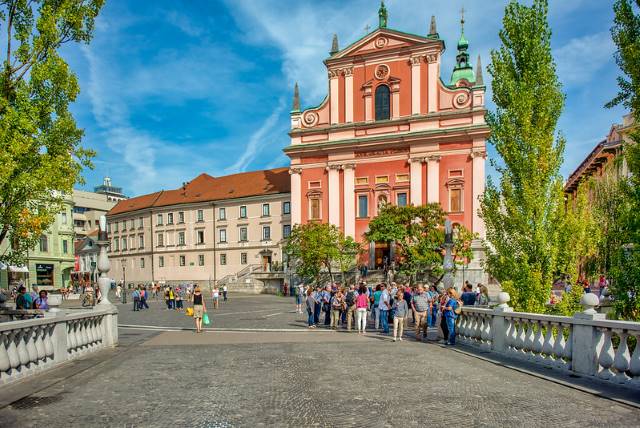 Slovenia has made notable efforts to alleviate mental health difficulties during the COVID-19 pandemic. This is especially remarkable considering the Slovenian government’s substantial battle in improving mental health in Slovenia over the past two decades.
 COVID-19 has displayed the vast interdependence of the world in 2021. The pandemic disrupted global supply chains, highlighted the impact of migration and travel and prompted international coordination on an unprecedented scale. The distribution and
 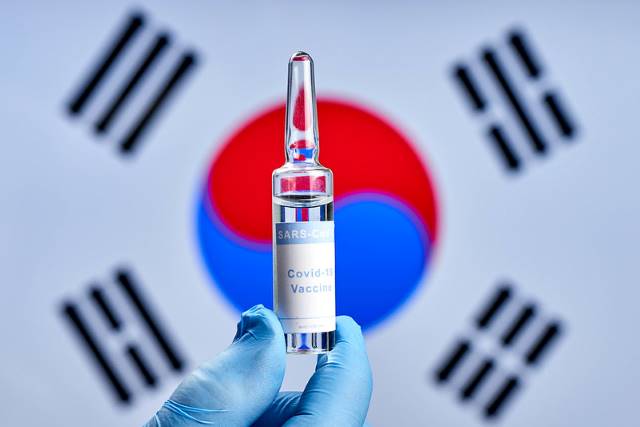 Originating from Asia, it is no surprise that COVID-19 has affected many Asian countries. However, there is one prominent country that has persevered despite the drastic impacts of the pandemic — South Korea. Shrouded in technology, entertainment and education, South Korea has transformed itself from a lower-developed economy to a high-income leader in innovation. COVID-19 has impacted South Korea for better and for worse. Here are six facts about COVID-19’s impact on South Korea.
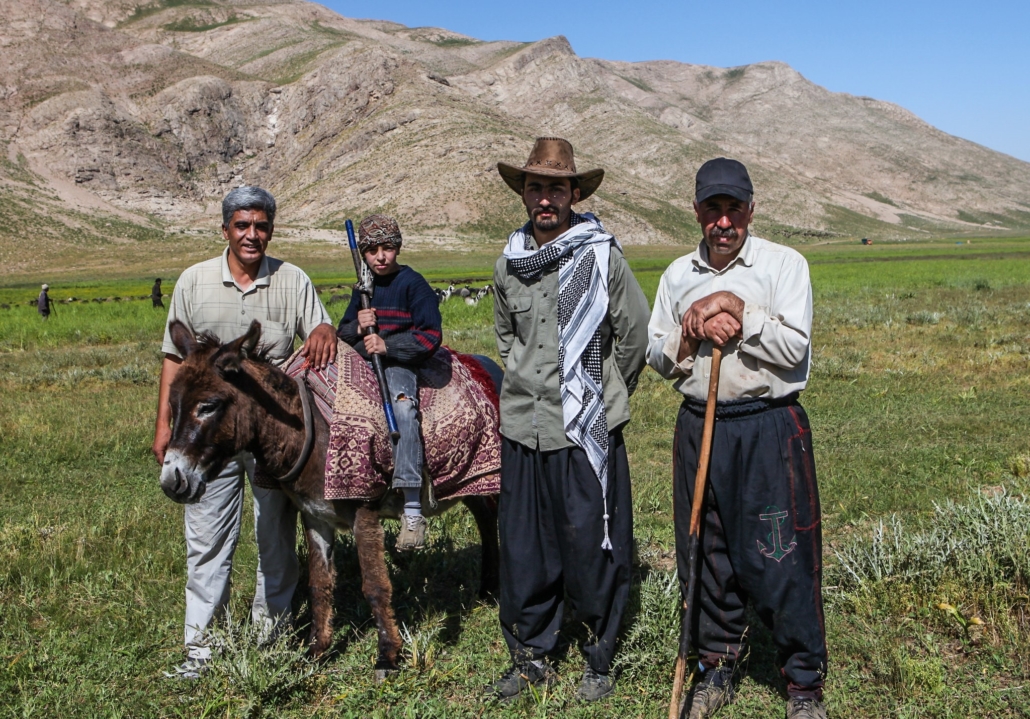

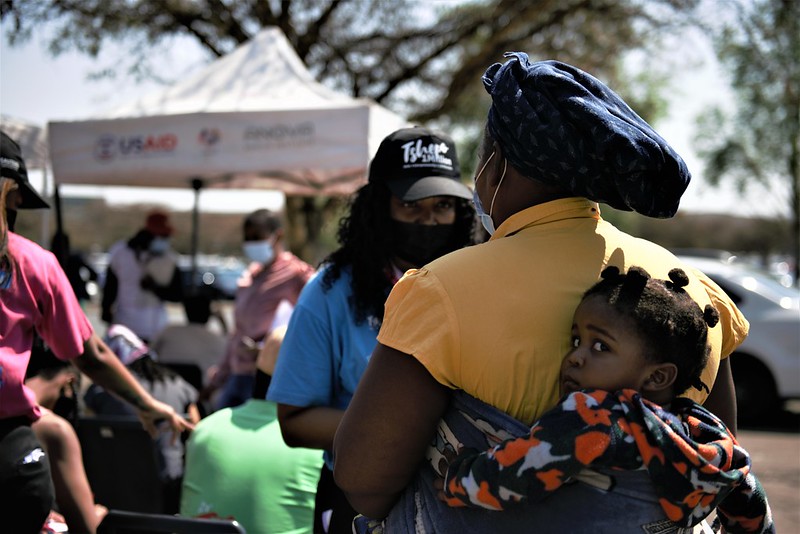 African governments have struggled to vaccinate their populations, which has become more imperative with recent surges of COVID-19 in the continent and more variants arising as time passes by. As of September 2021, less than
 Singer and businesswoman Rihanna has taken on many ventures including a music career, a lingerie brand, a makeup brand and more. However, many Rihanna fans do not know about her work to help people in global poverty. Rihanna founded the Clara Lionel Foundation, which helps people in global poverty recover from natural disasters as well as funding education initiatives.
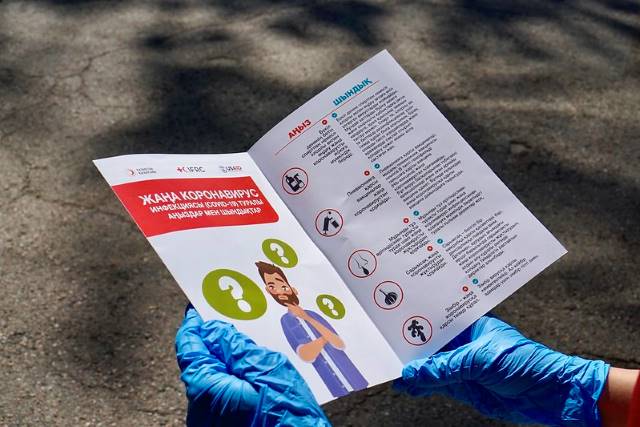 The impact of COVID-19 on poverty in Russia is quite significant. Like many other nations worldwide, the pandemic has proven to be a sizable obstacle in the fight against poverty. Measures meant to limit the spread of COVID-19 within Russia have resulted in the Russian economy shrinking overall. With this