• Link to X
  • Link to Facebook
  • Link to Instagram
  • Link to TikTok
  • Link to Youtube
  • About
    • About Us
      • President
      • Board of Directors
      • Board of Advisors
      • Financials
      • Our Methodology
      • Success Tracker
      • Contact
  • Act Now
    • 30 Ways to Help
      • Email Congress
      • Call Congress
      • Volunteer
      • Courses & Certificates
      • Be a Donor
    • Internships
      • In-Office Internships
      • Remote Internships
    • Legislation
      • Politics 101
  • The Blog
  • The Podcast
  • Magazine
  • Donate
  • Click to open the search input field Click to open the search input field Search
  • Menu Menu

Archive for category: COVID-19

COVID-19, COVID-19, Education, Global Poverty, Health

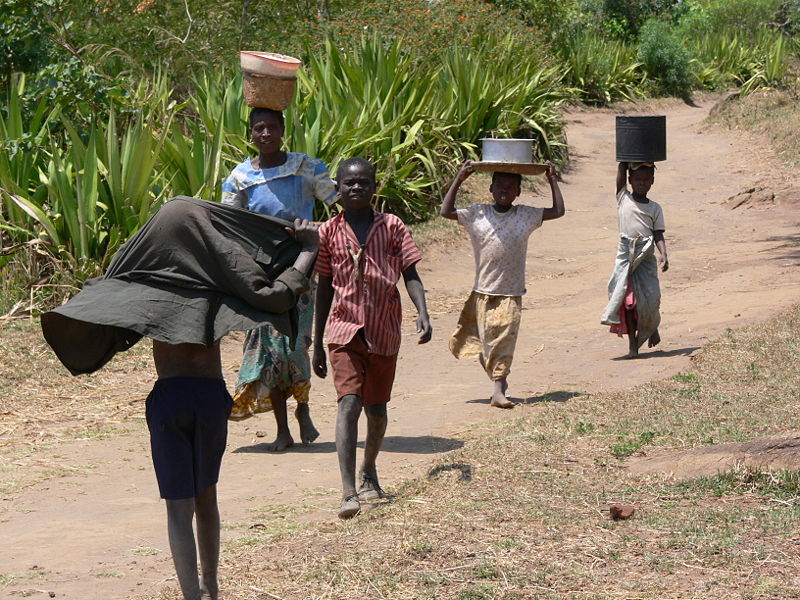
COVID-19 in Malawi

Covid -19 in Malawi
Malawi, a landlocked southeastern nation in Africa, faces hardship during the COVID-19 pandemic. As of October 2021, COVID-19 in Malawi say a rise in over 61,700 COVID-19 cases and over 2,200 deaths. The biggest spike that Malawi experienced began on January 25, 2021, with a seven-week average case count of 994. The cases diminished significantly by September 2021, with most 7-week average counts bordering 40 cases. Already deep in poverty, Malawians certainly did not benefit from imposed lockdowns and a rising unemployment rate.

Effects on Poverty

Malawi continues to be one of the poorest countries in the world. It ranks 222 of 225 countries in terms of the greatest GDP per capita, with 526.93 in December 2020. Additionally, Malawi’s poverty rates can be attributed to its economy, which employs about 80% of the population in the agricultural sector. The COVID-19 pandemic greatly affected most urban areas and forced services and businesses to terminate.

The last demographic statistics of Malawi dates back to 2016 and recorded a poverty rate of 69.2%, which increased from the previous statistic of 62.4% in 1997. This means that this population lives with an income averaging below the extreme poverty line of $1.90 per day. Though no definitive statistics of Malawi’s current poverty rate exist, experts estimate it to be near or greater than the last census of 69.2% due to the unemployment rates caused by COVID-19. The unemployment rate of Malawi increased from 5.6% in 2019 to 6% in 2020, accounting for the jobs terminated by COVID-19.

Economic Development

As mentioned previously, the agriculture business in Malawi accounts for 80% of jobs. However, agricultural production is not necessarily abundant. By September 2020, over 2.6 million Malawians suffered food shortages from a combination of COVID-19 and weather complications.

Prior to the COVID-19 pandemic, Malawi experienced economic development with 3.5% economic growth in 2018 and 4.4% in 2019. The Malawi Growth and Development Strategy (MGDS) was created in 2017 to aid Malawi in several different sectors, including industry, health and poverty. However, the pandemic abruptly paused the project, and some fear that the effects of COVID-19 in Malawi will reverse the progress made in previous years. The Malawi Economic Monitor (MEM) predicts long-term and widespread negative effects from the pandemic, even though measures such as the Emergency Liquidity Assistance should mitigate some of the damage. If the effects do not worsen by the end of COVID-19 in Malawi, the nation will likely be able to reconstruct its economy with the 5-year installment plans within the MGDS.

Social Conditions

One of the greatest worldwide challenges of the pandemic continues to be providing schooling for students at home. With Malawi’s poor standards for education, where only 8% of students finish secondary school, the pandemic posed a great challenge. In a survey of 100 parents of school-attending children, 86% reported that they had no contact with any teachers or the school throughout the lockdown. Additionally, there is a lack of school materials in Malawi, making learning at home even more difficult.

Another social issue due to COVID-19 in Malawi is the rise in suicide rates. The lack of professional services available for mental health in Malawi resulted in drastically increased suicide rates. In 2020, the Malawi police service reported an increase of up to 57% during the pandemic. Additionally, statistics found that 92% of suicides in Malawi during this period were men, with 8% being women. Certain psychologists associate this with the loss of jobs and rising poverty levels in Malawi. These struggles place intense pressure on the men of a household to provide for their family during drastic times.

All Is Not Lost

Though it may seem like the current conditions in Malawi are beyond hope, there is still a chance that Malawi can recover from the pandemic and return to its course of economic improvement. With COVID-19 cases lowering, Malawi may be seeing the end of the pandemic. Also, the implementation of The Malawi Growth and Development Strategy will help with Malawi’s economic reset and assist the country in its recovery.

– Andra Fofuca
Photo: Wikimedia


October 25, 2021
https://borgenproject.org/wp-content/uploads/borgen-project-logo.svg 0 0 Lynsey Alexander https://borgenproject.org/wp-content/uploads/borgen-project-logo.svg Lynsey Alexander2021-10-25 07:30:162021-10-22 10:31:29COVID-19 in Malawi
COVID-19, Food Security, Global Poverty

COVID-19’s Impact on Armenia

Impact of COVID-19 on Poverty in Armenia
As of August 2021, the World Bank found that increases in food prices account for about two-thirds of Armenia’s rise in inflation. The World Bank also pointed to rising transportation and health prices as contributors to inflation. COVID-19’s impact on Armenia has resulted in increases in unemployment, food insecurity and poverty. Accessible medicine and transportation would stimulate Armenia’s economy following its economic shutdown.

Since July 2021, Armenia’s currency has depreciated by 2%. In December 2020, the World Bank estimated that Armenia’s economic reaction to the pandemic could impoverish 70,000 Armenians and cause 720,000 people to experience a downward economic shift.

The pandemic expanded Armenia’s lower welfare group considerably. In 2019, about 26% of Armenia’s population lived below the poverty line. The 2020 economic shutdown will ultimately expand Armenia’s impoverished population. Unfortunately, the COVID-19 pandemic is not the only stressor on Armenian welfare.

Conflict and COVID-19’s Impact on Armenia

Before the pandemic, Armenia was working to recover from the first Nagorno-Karabakh conflict, which lasted from 1988 to 1994. In September 2020, the dispute arose once again and ended after six weeks. Although Russia brokered a cease-fire between Azerbaijan and Armenia in November 2020, the conflict’s effects persist. The second Nagorno-Karabakh dispute exacerbated the effects of the pandemic by displacing 100,000 civilians.

In an interview with UNICEF, Dr. Naira Stepanyan, an infectious disease specialist in Yerevan, compared the sobering effects of the war to the pressures that the pandemic brought on. Together, conflict and COVID-19 place a significant burden on Armenians in need. Additionally, as of October 8, 2021, Armenia has had 269,874 confirmed cases and 5,499 deaths. Reuters estimates that only about 8.7% of the population has been fully vaccinated. Slow vaccination turnout curbs economic recovery.

International Aid

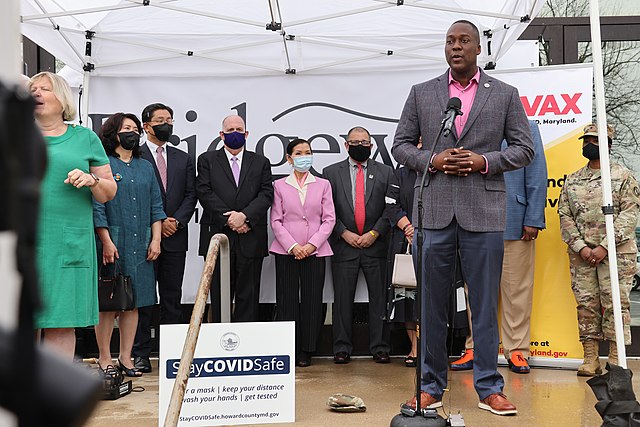
The COVAX Initiative and the Ministry of Health have spearheaded vaccination efforts in Armenia. In March 2021, the Ministry of Health received 24,000 doses of the AstraZeneca vaccine. Additionally, UNICEF and USAID united to provide and distribute personal protective equipment and hygiene materials to Armenia.

Armenia also received aid from the World Bank’s development projects. The World Bank has provided 70 ventilators and 80 patient monitors to Armenia. The World Bank’s Country Partnership Framework established the State Health Agency and the Disease Prevention and Control Project in Armenia, creating a more secure infrastructure to address the COVID-19  pandemic. The framework’s goals include:

  • Saving lives
  • Protecting the vulnerable and impoverished
  • Encouraging economic growth
  • Reinforcing policies, institutions and investments within the country

Cohesive COVID-19 responses, economic stimulation and international partnerships are working to place Armenia back on the path to recovery.

The Path to Recovery

Although COVID-19’s impact on Armenia has been significant, the path to progress is not far. Despite the increased inflation and unemployment rate, Armenia’s macroeconomic recovery continues to develop. For instance, foreign trade continues to increase along with copper, agriculture and textile exports.

Additionally, Armenia’s government outlined a series of actions to address the pandemic’s economic impact. For instance, Armenia established a loan program aimed to support agriculture, small businesses and tech industries. Armenia’s domestic investments offer stability to citizens in need.

Aid and support significantly shifted the pandemic’s course in Armenia. The World Bank’s continued help through the Country Partnership Framework supports the economy and serves to reduce the unemployment rate. Overall, international aid, domestic investment and growing vaccination rates work to ease the pandemic’s effect on Armenia.

– Dana Gil
Photo: Flickr

October 14, 2021
https://borgenproject.org/wp-content/uploads/borgen-project-logo.svg 0 0 Jennifer Philipp https://borgenproject.org/wp-content/uploads/borgen-project-logo.svg Jennifer Philipp2021-10-14 01:30:212021-10-12 12:15:44COVID-19’s Impact on Armenia
COVID-19, Global Poverty

USAID Programs in Bosnia and Herzegovina

USAID Programs in Bosnia and Herzegovina
After the conclusion of the Bosnian War of 1992-1995, USAID has been instrumental in charting a path forward for positive economic development in Bosnia and Herzegovina. In fact, since 1996, USAID has helped provide more than $1.7 billion in assistance to foster democratic, social and economic growth. This has significantly improved the standard of living of Bosnian citizens over the past two decades. USAID programs in Bosnia and Herzegovina have been especially noteworthy in their outcomes of significantly reducing poverty.

For instance, USAID’s initial business development loan program aided private businesses in restarting operations and increasing job opportunities for citizens. It helped massively decrease the country’s unemployment rate from 50% in 1996 to 29.3% in 1998. USAID’s 1,600 projects in the country over the past two decades have been crucial in minimizing poverty as well as improving the health and education infrastructure of Bosnia and Herzegovina.

Previous Major Programs

In just three years prior to the outbreak of the COVID-19 pandemic, there were multiple USAID programs in Bosnia and Herzegovina targeting job creation and community investment. There were two notable programs, which began in 2017, that proved key in addressing the aforementioned goals.

The first project, USAID’s Workforce and Higher Access to Markets (WHAM) Activity, underwent implementation in June 2017 and sought to further integrate Bosnia and Herzegovina into E.U. and regional trade markets. The results were notable for jobs with the creation of nearly 2,000 new jobs, allowing for “female participation [at] 31 percent and youth participation [at] 56 percent.”

The second program that USAID launched, called the Diaspora Invest project, began in April 2017. It proved instrumental to investment in Bosnia’s diaspora communities to tackle poverty and enable socioeconomic development. The outcome of the project is evident; as of February 2020, the project has supported 86 diaspora companies, created nearly 300 jobs and has produced around $9.5 million in new investments.

COVID-19 Initiatives

Since the outset of the COVID-19 pandemic, USAID has significantly stepped up its initiatives in Bosnia to address multiple aspects of poverty that have worsened as a consequence of the pandemic. One of the most crucial policies USAID conducted in April 2021 was to coordinate with UNICEF. The coordination provided $4.8 million in additional funding for pandemic relief for the country. Bosnia and Herzegovina plan to use the relief over the next two years. Beyond COVID-19 relief policies, USAID has additionally established two significant programs in the country as part of COVID-19 recovery and poverty reduction in the long term.

  1. The Sustainable Tourism Development Project: The first program established is called the Sustainable Tourism Development Project. USAID launched this five-year, $20 million project in January 2021 to substantially improve the country’s tourism industry through three main facets: strengthening the quality of tourism services, expanding access to finance for businesses connected to tourism and opening the country to broader international tourism markets. The program will look to have a notable simultaneous effect on reducing poverty in the nation as it expects to create more than 3,000 jobs associated with tourism and inject over $40 million in private investment. This will improve the standard of living of communities within numerous tourist hotspots.
  2. The CARE-GBV Program: Another notable USAID program in Bosnia and Herzegovina that underwent implementation as recently as the beginning of August 2021 to tackle a sporadically spoken aspect of poverty. As part of its $500,000 grant to multiple countries, the Collective Action to Reduce Gender-Based Violence (CARE-GBV) Small Grants Program is contributing significantly to Bosnia and Herzegovina. This is a part of its mission to address gender-based violence, a phenomenon that is increasingly characteristic of low-income family households in the country. By giving grants to the local organization Žene sa Une (ZSU), USAID aims to establish a Staff Wellness and Resiliency-Building Program which will cover a planned 30%-40% increase in aid for household safety services as part of domestic violence prevention. In addition, the program will also accommodate the increased support necessary for its childcare center.

As efforts continue to address issues in Bosnia and Herzegovina, USAID programs in Bosnia and Herzegovina will work to tackle different dimensions of poverty in multiple ways throughout the region.

– Gabriel Sylvan
Photo: Flickr

October 7, 2021
https://borgenproject.org/wp-content/uploads/borgen-project-logo.svg 0 0 Lynsey Alexander https://borgenproject.org/wp-content/uploads/borgen-project-logo.svg Lynsey Alexander2021-10-07 01:30:502024-05-30 22:25:05USAID Programs in Bosnia and Herzegovina
COVID-19, Economy, Global Poverty

COVID-19’s Effects On Asia’s Economy

Asia's Economy
The COVID-19 pandemic has caused severe economic disparities globally. Specifically, those living on the Asian continent have experienced significant economic damage and hindrance to their broad economic goals. About 15 million Southeast Asians have become impoverished since the onset of the pandemic in 2019. The delta variant, along with a resurgence of national lockdown measures, has caused another case of economic damage. Through analyzing COVID-19’s effects on Asia’s economy, it is clear that the continent can implement strategies in order to combat these high rates of poverty and economic disparity.

Low Vaccination Rates

Overall, Southeast Asia has lower-than-average vaccination rates compared to the rest of the world. However, some Southeast Asian countries have better vaccination rates than others. Singapore has the highest vaccination rate, at 77.3%, whereas Vietnam has the lowest vaccination rate at 7%. As Southeast Asia is Asia’s major area for good economic production, this has led to a decline in economic growth. These low vaccination rates have allowed COVID-19’s effects on Asia’s economy to be extremely negative as low-income countries have had low vaccine rates due to their economic disadvantage. Around 55% of individuals who live in higher-income countries have been vaccinated with at least one of two vaccination dosages whereas 1% of individuals who live in lower-income countries have received one of two vaccinations.

National Lockdowns

In Southeast Asia, as cases have risen due to the delta variant beginning in July 2021, strict lockdown restrictions have become reimplemented. The implementation of lockdowns worldwide in 2020 was common as countries felt this would be an effective way to quickly decrease the number of people who contracted COVID-19. Lockdowns were extremely effective in decreasing the spread of COVID-19; however, they also caused a negative effect on the global economy. In Asia, lockdowns caused a severe drop in retail sales. For example, vehicle sales in China have been steadily decreasing each month; more recently, they decreased by 11.9% in July 2021. Factories have also stopped production as a response to the surge of cases since July 2021. Southeast Asian countries have also had to enter lockdowns again. This has caused the negative effects of COVID-19 on Asia’s economy to resurface, with yet another decrease in retail sales.

The Delta Variant

The COVID-19 delta variant is more infectious than the original COVID-19 strain, causing a spike in cases for Southeast Asian countries that began in July 2021. The delta variant of COVID-19 has caused both a surge in COVID-19 cases worldwide and a resurgence of the 2020 economic downturn that came with the very beginning of the COVID-19 pandemic. The effects of Southeast Asia’s low rates of vaccination have caused a spike in COVID-19 cases in addition to the delta variant, factoring into the reasoning behind the reimplementation of national lockdown measures.

Looking Ahead

A large and overarching goal of Asia in its entirety is to increase rates of vaccination in each Asian country as a response to this economic decline. The World Health Organization’s (WHO) regional director of Southeast Asia, Dr. Poonam Khetraapal Singh, has a goal to have the Southeast Asian population 40% fully vaccinated by 2021. This strategy against economic disparity uses the COVAX initiative, a plan that WHO put in place that advocates for global access to COVID-19 vaccines. The COVAX initiative especially targets low-income countries and works to help them gain equitable access to not only vaccines but also to COVID-19 testing and treatments.

If Asia successfully increases its vaccination rates, there is hope that the Asian economies will be able to continue with their goals of economic growth.

– Francesca Giuliano
Photo: Unsplash

October 7, 2021
https://borgenproject.org/wp-content/uploads/borgen-project-logo.svg 0 0 Lynsey Alexander https://borgenproject.org/wp-content/uploads/borgen-project-logo.svg Lynsey Alexander2021-10-07 01:30:362021-10-24 04:38:56COVID-19’s Effects On Asia’s Economy
COVID-19, Global Poverty

5 Facts about Ghana’s #FixTheCountry Protests

Ghana's #FixTheCountry Protests
Recent protests have broken out in Accra, Ghana, as Ghanaians express their displeasure with the nation’s current democratic government. Rallying behind the hashtag #FixTheCountry, an overwhelmingly youthful group of protesters has taken to the streets, donning red and black and chanting patriotic songs. As these protesters call for change, it is worthwhile to investigate what they are fighting for and how certain conditions in Ghana have precipitated their outcry. Here are five facts about the causes, execution and stakes of Ghana’s #FixTheCountry protests.

5 Facts About Ghana’s #FixTheCountry Protests

  1. A young social media influencer masterminded the protests: People know social media influencer Joshua Boye-Doe as Kalyjay. With Twitter as his primary platform, Kalyjay, who boasts more than 450,000 followers on the site, began the movement back in May 2021 in response to raised prices and tax increases. On Kalyjay’s Twitter account, one might discover an interesting variety of memes, videos and retweets about Ghanaian soccer players and other Ghanaian athletes. Most significant, however, are the tweets that end in #FixTheCountry —“Enough is enough,” one reads, or “Tomorrow we go on a peaceful walk to rewrite history.” Each one of his tweets reaches hundreds of thousands of followers, and on August 4, his movement came to a head as he helped organize several thousand people to peacefully protest in the nation’s capital.
  2. Discontent and turmoil have been brewing since President Nana Akufo-Addo’s December reelection: The current democratically elected President of Ghana is Nana Akufo-Addo of the New Patriotic Party. He narrowly won reelection in December 2020 in a race against John Dramani Mahama of the National Democratic Congress. According to the BBC, Ghana has a history as one of the more stable democracies in all of Africa when it comes to fair and legal elections. At the same time, there has still been plenty of public outcry to Akufo-Addo’s reelection. In the week following the December election, at least 60 incidents of violence related to the election took place, with five Ghanaians killed as a result. Though independent officials described voting and polling as fair and free, Mahama refused to concede the election for several days after the announcing of the results.
  3. The COVID-19 pandemic has exacerbated Ghana’s economic problems: Following a difficult economic year during the COVID-19 pandemic, President Akufo-Addo promised to reinvigorate Ghana’s economy, which had suffered due to price fluctuations of oil and cocoa, two of the nation’s key exports. Now in mid-2021, #FixTheCountry protesters are frustrated with the administration’s apparent inaction. Prices of basic goods and services have risen over the past year, and the government has imposed several new COVID-era taxes. Some are particularly displeased with the president’s decision to build a $200 million national cathedral, asking for $16 monthly donations from citizens. Many protesters view this project as non-essential, urging the administration to focus on fixing the economy at large.
  4. This kind of public protest is unusual for Ghana: Due to its strong democracy, Ghana is not a country well known for large, public demonstrations from its citizens. Ghana has a history of maintaining free media and holding relatively peaceful elections with subsequent transfers of power. Ghanaians typically utilize the power of the ballot box to voice their dissatisfaction. The 2020 election saw a voter turnout of 79%, higher than the U.S.’s 67% turnout in the same year. Though the population is incredibly politically active, perceptions abound that individuals cannot influence or pressure political officials. Eighty-five percent of responders from a 2019 survey stated that they had never contacted a member of parliament. The #FixTheCountry protests are thus somewhat unusual to see, but they connect to the fears of poverty that worry many young Ghanaians.
  5. This nonpartisan hashtag has become a movement: Ghana’s #FixTheCountry protests have denounced both of Ghana’s primary political parties. Rather than focusing on partisan politics, the #FixTheCountry movement has swelled around passionate, frustrated young people. With more than 70% of Ghana’s population younger than 35, this young crowd hopes to tackle and address unemployment and other economic issues. Just 10% of graduates from Ghanaian universities find a job within their first year of graduation. Among the movement’s specific demands is a new constitution with limits on the power of the executive and an economic charter that directly guarantees economic liberty, ensuring liberation from poverty.

Looking Ahead

Accra’s recent #FixTheCountry demonstration highlights the ways in which the fight to downsize poverty is continually evolving. In a developing nation like Ghana, where poverty and inequity continue to plague many pockets of the population, young people have found a voice through Ghana’s #FixTheCountry protests, organized through social media, to fight economic inequality.

– Sam Dils
Photo: Flickr

October 4, 2021
https://borgenproject.org/wp-content/uploads/borgen-project-logo.svg 0 0 Yuki https://borgenproject.org/wp-content/uploads/borgen-project-logo.svg Yuki2021-10-04 07:30:332021-09-30 14:59:105 Facts about Ghana’s #FixTheCountry Protests
COVID-19, Global Poverty, Poverty Reduction

5 Strategies to Progress Poverty Reduction in Brazil

Poverty Reduction in Brazil
The COVID-19 pandemic placed a lot of countries in difficult positions regarding their economies and poverty rates. Those already struggling were unable to make progress, and in some cases, poverty rates even increased due to the stress the pandemic placed on society. Brazil is just one of the many countries facing an increase in poverty today. However, five strategies exist to progress poverty reduction in Brazil.

About Poverty in Brazil

Before the pandemic, Brazil already faced difficulties in the country with many lower-class citizens facing extreme poverty. Since 2014, the poverty rate grew steadily, and by the beginning of 2020, almost 11% of the population of Brazil was living on a statistically meager amount every day. Because of the pandemic, about an estimated 13% of Brazil finds itself in poverty as of March 2021. In order to combat the rising poverty rates throughout Brazil, there are certain steps that the country can take. Here are five strategies to progress poverty reduction in Brazil after the COVID-19 pandemic.

5 Strategies to Progress Poverty Reduction in Brazil

  1. A Rise in Vaccination Rates: So far, the vaccination rates in Brazil have remained quite low in comparison to other advanced countries across the globe. Though infection rates in Brazil have not returned to their pandemic peak, cases still tend to rise after they are brought down and the country opens up again. This has proven to be hard on the economy because communities have to continuously lockdown and then reopen time and time again. With a rise in vaccination rates, however, this would no longer have to be the case. As Deloitte Insights pointed out, “Evidence from the United States, for example, shows that consumer sentiment and willingness to spend has gone up with rising vaccinations.”
  2. American Involvement Can Help: The United States is equipped with resources to aid other countries with global poverty relief. Over the past century, other efforts have proved the U.S.’s ability to deliver effective assistance. Kate Schecter wrote for New Security Beat, saying, “There have been notable successes, such as the President’s Emergency Plan for AIDS Relief, which started in 2003.” As the U.S. appears to be recovering financially from the pandemic, it could utilize aid resources to assist other countries’ recoveries as well, including Brazil’s.
  3. A Commitment to Investments Within Local Communities: In order for poverty-stricken communities within Brazil to build themselves up financially, an effort to helping communities create jobs and access to resources remains essential. “These investments can both reduce poverty and mitigate out-migration by reducing ‘push factors,’ such as lack of jobs and food scarcity which force people to leave their homes and seek basic subsistence in other countries,” wrote Schecter.
  4. Open the Economy: Brazil has some of the lowest import and export rates among countries with major economies. In 2017, it recorded a less than 30% GDP sum in terms of imports and exports. International Money Fund (IMF) states that “opening up to more trade is essential to improve competitiveness and could give a much-needed fillip to investment.”
  5. Increased COVID-19 Aid from the Government: During the initial economic blow from the pandemic, the government implemented an emergency aid program to help families in need of financial support. Consequently, poverty levels throughout the country took a dramatic decline. This positively impacted the country, but “the aid program is not sustainable and the positive trend in terms of poverty reduction is likely to reverse once the benefit ends,” based on a study from the think-tank Fundação Getúlio Vargas. A better-supported and considered aid program to mitigate the effects of the pandemic could still reduce the poverty rate with careful planning.

Looking Ahead

The recovery process is still ongoing, but as Brazil continues to improve, it can now look forward to poverty reduction throughout the country. Effectively considering and enacting policies throughout Brazil could alleviate the difficulties of the nation’s poor and reduce poverty broadly.

– Riley Prillwitz
Photo: Wikipedia Commons

October 3, 2021
https://borgenproject.org/wp-content/uploads/borgen-project-logo.svg 0 0 Lynsey Alexander https://borgenproject.org/wp-content/uploads/borgen-project-logo.svg Lynsey Alexander2021-10-03 07:30:012021-09-30 07:43:465 Strategies to Progress Poverty Reduction in Brazil
COVID-19, Global Poverty

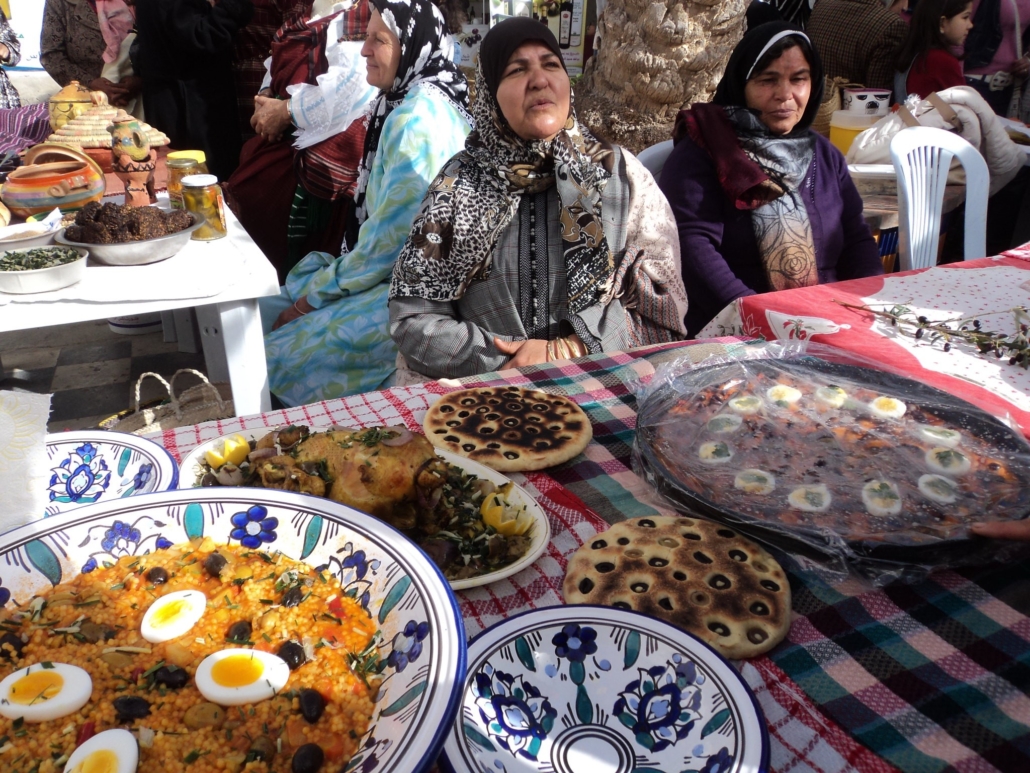
Silver Lining in Tunisia’s Crisis

Tunisia's Crisis
On July 25, 2021, Tunisia’s President, Kais Saied, used his emergency powers to decommission parliament and dismiss the Prime Minister. Saied claims that he did so per article 80 of Tunisia’s constitution, which allows him to use “exceptional measures in the event of imminent danger” for 30 days. At the time, the Ennahda Movement, an Islamist political party, was facing violent protests. Citizens have also been criticizing the government for its response to the COVID-19 pandemic, which has created economic instability in a country already dealing with other forms of poverty and socioeconomic inequalities. As such, Saeid not only believes he is justified, but according to a poll conducted after the act, only 3% of Tunisians disagreed with his actions while 87% were in full support. However, many critics are calling Saied’s actions unconstitutional with multiple headlines referring to Saied’s takeover as a coup, a crisis and an affront to the democracy that the nation has worked to attain over the years. Still, many believe that a silver lining in Tunisia’s crisis exists.

Tunisia’s History

Tunisia has a history of political turmoil, poverty and inequality, beginning with the Arab Spring rebellions about a decade ago. These bloody protests resulted in the removal of Tunisia’s then-dictator of 27 years, turning the country into the first and only democracy to come out of the rebellions.

Unfortunately, Tunisia and its people have not had it easy since then. In fact, “for many Tunisians, it has been a decade of disappointment.” One man, Aroussi Mejri, claimed that “from what we’ve seen so far, democracy has no value,” and asked, “why did we revolt?” Tunisia has experienced increased unemployment rates of around 17%, a declining economy that, in the last year, has diminished by 8% and a corrupt government that has done little to help. As a result, some Tunisians have resorted to leaving the country or even suicide.

The last straw, it seems, was the government’s poor handling of the COVID-19 pandemic, which exacerbated all of the aforementioned issues. Therefore, when President Kais Saied used his emergency powers to take control of the government, many Tunisians flooded the streets to show their support. For them, Saied is a silver lining in Tunisia’s crisis that has always been there.

Backlash After President Kais Saied’s Actions

When President Kais Saied took control of the government in Tunisia, headlines criticized and attacked Saied, referring to his takeover as a “coup,” “crisis” and “unconstitutional power grab.” In a United States Department of State press statement about the situation, Department Spokesperson Ned Price said, “Tunisia must not squander its democratic gains,” referring to the country’s time as an autocracy before the Arab Spring rebellions.

Criticisms of Saied continued as police attacked Al Jazeera offices in Tunis and detained Vivian Yee, a New York Times reporter, for two hours. Between assuming absolute power over the government and targeting journalists, some fear a return to authoritarian rule in Tunisia.

Support of President Kais Saied’s Actions

Shocking to many on the outside looking in, most Tunisians support President Kais Saied’s acquisition of power. This is because all of Tunisia’s governments after the Arab Spring rebellions have failed to fix poverty and inequality in the country, including the current government. As a matter of fact, according to Arab Barometer, in March 2021, three-fourths of the country claimed to be dissatisfied with the nation’s education system and two-thirds with the healthcare system. Only 10% do not believe Tunisia’s government is corrupt in some way. Tunisians are hoping that Saied can make a change and be the silver lining in Tunisia’s crisis.

The Silver Lining

Some news outlets and westerners might find that the silver lining in Tunisia’s crisis is its democracy and the reestablishment of Tunisia’s government, while most Tunisians might find that it is President Kais Saied. However, with so many questions left to answer about Saied’s intentions and what the future will hold, one could determine that Tunisia’s silver lining is really the aid that the country has received amid the chaos. For instance, with COVID-19 cases and related deaths increasing rapidly during the protests surrounding Saied’s coup, the country has received millions of coronavirus vaccine donations from other countries. Whether or not this is because of Tunisia’s heightened infection rates following Saied’s takeover is uncertain. Still, since the nation has been facing vaccine shortages, the donations will definitely help Tunisia tremendously, especially since 93% of Tunisians had not garnered vaccinations as of early August 2021.

Additionally, if Saied keeps his promise to allow civil society groups “freedom to operate,” like the International Labour Organization (ILO), an NGO with the mission to “break the cycle of poverty in Tunisia,” at least those in need should be able to receive the help and representation they deserve.

– Jared Faircloth
Photo: Flickr

October 2, 2021
https://borgenproject.org/wp-content/uploads/borgen-project-logo.svg 0 0 Jennifer Philipp https://borgenproject.org/wp-content/uploads/borgen-project-logo.svg Jennifer Philipp2021-10-02 13:12:312021-10-20 13:13:27Silver Lining in Tunisia’s Crisis
COVID-19, Global Poverty

New Initiatives Focus on Vaccine Equity

Vaccine Equity
Vaccine equity is important when it comes to distributing COVID-19 vaccines within different parts of the world. Some global initiatives plan on reaching out to many communities by spreading the importance of getting a COVID-19 vaccine. Additionally, other factors exist that one should consider when it comes to the importance of promoting vaccine equity.

COVAX Initiative

The purpose of the COVID-19 Vaccines Global Access Facility, also known as COVAX, is to promote vaccine equity by increasing the availability of vaccines globally. COVAX’s main focus is on providing vaccines to citizens of many countries between now and the rest of 2021. This includes prioritizing countries that would benefit from receiving free vaccines. While working with organizations such as the World Health Organization (WHO) and UNICEF, COVAX will receive enough support to ensure that more people will contribute to improving vaccine access.

Voices for Vaccines

The goal of one global challenge is to expand information regarding COVID-19 vaccines around the world. In collaboration with the Nursing Now Challenge Global Solutions Initiative, the Voices for Vaccines challenge encourages healthcare workers to spread awareness about COVID-19 vaccines and help improve vaccine equity. Anyone who applies will be able to share experiences they have had with other patients, along with sharing their personal knowledge. This challenge will also give workers the opportunity to have open discussions about the importance of promoting equal access to vaccines.

Intrepid Travel’s Vaccine Equity Campaign

One company recently came up with a plan to promote vaccine equity in different parts of the world. One of the things Intrepid Travel’s campaign focuses on is increasing the availability of COVID-19 vaccines. This will occur by informing people about COVID-19 vaccines and expanding access to improve access to vaccines. A donation from the Intrepid Foundation will also go towards supporting the cause. Some places such as Peru and Sri Lanka have provided transportation and hosted informational sessions to help increase people’s access to vaccines.

Other Ways to Increase Vaccine Equity

 One fact that one should consider when it comes to increasing vaccine equity is the creation process of COVID-19 vaccines. The process of tech transfer makes it more difficult for manufacturers to prepare vaccines due to supply, leading countries that need more vaccines to lose access to them. Some forms of technology can help increase the availability of needles and other important items. Companies choosing to work together will be helpful in promoting vaccine equity and saving lives.

The COVAX initiative plans to prioritize expanding access to COVID-19 vaccines and help improve access to vaccines. The Voices for Vaccines challenge is a way to encourage health care workers to emphasize the importance of receiving vaccinations. Intrepid Travel’s vaccine campaign focuses on eliminating barriers to vaccine access. Focusing on where vaccines go after manufacturers create them can have a positive impact on vaccine equity.

– Chloe Moody
Photo: Wikipedia Commons

October 2, 2021
https://borgenproject.org/wp-content/uploads/borgen-project-logo.svg 0 0 Jennifer Philipp https://borgenproject.org/wp-content/uploads/borgen-project-logo.svg Jennifer Philipp2021-10-02 07:30:232021-09-29 10:34:00New Initiatives Focus on Vaccine Equity
COVID-19, Global Poverty

The COVID-19 Vaccination in Hungary

The covid-19 vaccination in HungaryThe coronavirus infection rate is dropping rapidly throughout Hungary thanks to a steadily increasing rate of COVID-19 vaccination. From a peak of around 10,000 daily new cases in March 2021, as of June Hungary sees fewer than 200 daily new cases.

In May, Hungarian prime minister Viktor Orban’s chief of staff Gergely Gulyas announced that Hungary will not join the new vaccination deal. As part of the deal, Pfizer and BioNTech will provide an additional 2.6 billion doses throughout the European Union (EU). Hungary is the only EU country that has opted out of the deal.

According to Gulyas, the Hungarian government is confident in its current supply. Gulyas stated that in the event a booster becomes necessary, “there are plenty of vaccines from Eastern and Western sources as well.”  Orban used his strong ties with Russia and China to purchase and deploy vaccines from those countries even before the EU approved them.

Vaccination Campaign Successes

Since January, almost half of Hungarians have received their second dose of the COVID-19 vaccine. As a result, infection rates have declined rapidly across the country. Compared to the rest of the EU, Hungary had a relatively low infection rate throughout the pandemic.  Hungary peaked at about 10,000 new cases per day. In the first week of July, there was an average of 41 new infections reported per day. That’s less than one percent of the daily average during the country’s peak on March 25. Furthermore, the country has seen fewer than one million COVID-19 cases overall.

Hungary has also expanded vaccine eligibility quickly. It is the first EU country to approve vaccination for citizens as young as 16, who are eligible to receive the Pfizer/BioNTech doses. Around 90,000 young people have already registered for the shot, accompanied by parental permission for those under 18. Euronews reported that “according to government plans, by mid-June, all Hungarians willing to get a Western-developed jab can be vaccinated.” Hungary is hoping to be able to vaccinate children as young as age six which would mean virtually all schoolchildren by early fall when school starts.

Low-Income Families and Vaccination

The percentage of Hungarians at risk of poverty has declined steadily in recent years, dropping around 3% from 2013 to 2020.  Hungary’s at-risk poverty rate was 12.3 % in 2020.  COVID-19 has been harsher on the at-risk population, especially the Roma population living in poor settlements.  The Hungarian Civil Liberties Union (HCLU), a human rights non-governmental organization (NGO) advocates for targeted measures to protect the Roma from COVID.  HCLU claims that the Hungarian government has overlooked the fact that the Roma have been more vulnerable to COVID’s economic consequences because they lack any financial reserves and rely on day-to-day odd jobs.

A Promising Start

With half of Hungarians vaccinated and many more eligible, working life is returning to normal, allowing the economy to thrive. As low-income citizens including the Roma get vaccinated, they will be able to return to work without fear of illness. Also, fewer people will lose their jobs due to business closures. This successful COVID-19 vaccination campaign is leading Hungary toward a safe return to life as it used to be. Furthermore, the government is confident that its current supply of vaccine doses can sustain the campaign’s success.

– Riley Prillwitz
Photo: Unsplash

September 30, 2021
https://borgenproject.org/wp-content/uploads/borgen-project-logo.svg 0 0 Jennifer Philipp https://borgenproject.org/wp-content/uploads/borgen-project-logo.svg Jennifer Philipp2021-09-30 01:30:242021-09-30 05:10:18The COVID-19 Vaccination in Hungary
COVID-19, Global Poverty

Lingering Effects of Hurricanes Eta and Iota on Honduras 

Hurricanes Eta and Iota
Honduras is a Central American country bordering the Caribbean Sea. Because of its location, Honduras is able to produce valuable goods like textiles, sugar cane and coffee. However, 2020 proved to be a challenging year for the country and its economic output. COVID-19’s impact on Honduras was undoubtedly destructive but the added impact of Hurricanes Eta and Iota further affected Honduras’ economy and overall conditions in the nation.

COVID-19 in Honduras

Honduras confirmed its first official case of the SARS-CoV-2 virus in early March 2020. Schools closed shortly after March 13, 2021, and businesses were limited to 50% capacity per a nationwide mandate. These commissions stunted the economy and placed Honduras in a financial crisis. While the country’s GDP contracted, Honduras experienced a period of inflation. Prices of everyday items, like coffee, skyrocketed. In addition, a decrease in worldwide tourism led to growing economic instability. The World Bank reports about 45% of Honduran households facing income losses in the wake of the pandemic. Suspended operations and businesses put approximately half of Honduras’ citizens out of work. The emotional toll of the virus itself is equally notable. The significant number of deaths reflects COVID-19’s impact on Honduras. More than 9,000 citizens have died since the start of the pandemic.

Hurricanes Eta and Iota and Honduras

On November 3, 2020, Hurricane Eta made landfall in Honduras as a Category 4 storm, affecting more than 1.8 million people. Not even two weeks later, Hurricane Iota made landfall on November 17, 2020. An astounding number of vulnerable families experienced displacement, forcing many to relocate to crowded collective shelters. Helpful and necessary resources in shelters dwindled fast and the lack of proper social distancing mandates contributed to Honduras’ increase in COVID-19 infections. The devastating effects of Eta and Iota’s flooding had major impacts in the flooded San Pedro Sula airport, restricting people’s abilities to seek refuge elsewhere via flights.

Vaccine Rollout in Honduras

COVID-19’s presence was difficult for most countries to endure, but with the destructive addition of Hurricanes Eta and Iota, the year was undeniably life-threatening for Honduras. Honduras has vaccinated about 24% of its total population. Compared to other countries, it also has a decreasing number of peak cases. However, as of April 2021, COVID-19 vaccine rollouts have slowed in Honduras because of the United States’ own complicated vaccine rollout.

As newly mutated strains of the virus can easily prolong Honduras’ medical and economic ruin, COVID-19’s impact on Honduras is apparent. With the introduction of the COVAX initiative in August 2020, co-led by WHO, CEPI and Gavi, more developing countries will be able to access vaccines. However, with the United States’ slowed distribution and environmental challenges like Hurricanes Eta and Iota, it is difficult to ascertain how long it will take Honduras to rebuild itself. Addressing the country’s needs with sufficient funding and resources will, most likely, be an incredibly instrumental means of aiding Honduras.

The Road Ahead

Caritas Internationalis created a two-month-long emergency relief program to assist Honduras, Nicaragua and Guatemala in recovery. Each nation received €250,000 worth of aid for “food, hygiene kits, access to safe drinking water and ensuring people can protect themselves from COVID-19.” Caritas committed to aiding in the recovery and well-being of about 2,500 families in this period, which equates to 12,500 citizens. Additionally, increased congressional support of the COVAX initiative could help Honduras access more vaccines, stabilizing the nation and protecting it from further impacts of the virus.

– Maia Nuñez
Photo: Flickr

September 29, 2021
https://borgenproject.org/wp-content/uploads/borgen-project-logo.svg 0 0 Jennifer Philipp https://borgenproject.org/wp-content/uploads/borgen-project-logo.svg Jennifer Philipp2021-09-29 04:04:302024-05-30 22:25:11Lingering Effects of Hurricanes Eta and Iota on Honduras 
Page 7 of 25«‹56789›»

Get Smarter

  • Global Poverty 101
  • Global Poverty… The Good News
  • Global Poverty & U.S. Jobs
  • Global Poverty and National Security
  • Innovative Solutions to Poverty
  • Global Poverty & Aid FAQ’s
Search Search

Take Action

  • Call Congress
  • Email Congress
  • Donate
  • 30 Ways to Help
  • Volunteer Ops
  • Internships
  • Courses & Certificates
  • The Podcast
Borgen Project

“The Borgen Project is an incredible nonprofit organization that is addressing poverty and hunger and working towards ending them.”

-The Huffington Post

Inside The Borgen Project

  • Contact
  • About
  • Financials
  • President
  • Board of Directors
  • Board of Advisors

International Links

  • UK Email Parliament
  • UK Donate
  • Canada Email Parliament

Get Smarter

  • Global Poverty 101
  • Global Poverty… The Good News
  • Global Poverty & U.S. Jobs
  • Global Poverty and National Security
  • Innovative Solutions to Poverty
  • Global Poverty & Aid FAQ’s

Ways to Help

  • Call Congress
  • Email Congress
  • Donate
  • 30 Ways to Help
  • Volunteer Ops
  • Internships
  • Courses & Certificates
  • The Podcast
Scroll to top Scroll to top Scroll to top