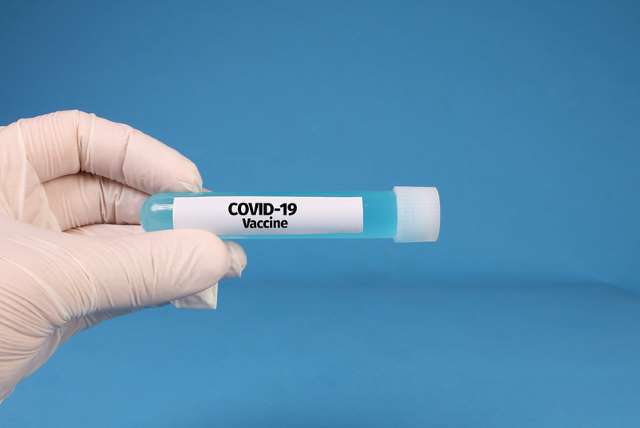
 Bahrain is a leading regional actor in COVID-19 vaccination efforts, with more than half of its population fully vaccinated. In addition, it has used technology to its advantage as one of the first countries in the world to create a vaccine passport app, a tool that allows citizens to register for vaccines and track their status. In the Middle East at large, Bahrain has modeled diligent leadership with high vaccination rates.
5 Facts About the COVID-19 Vaccination in Bahrain
- Bahrain was one of the first countries to approve the Pfizer COVID-19 vaccine, aiding in its high vaccination rates. In December 2020, Bahrain became the second country to officially approve the Pfizer vaccine, following the U.K. As Bahrain was able to administer doses early, a higher percentage of its population was vaccinated early on.
- Vaccines are easily accessible in Bahrain. Bahrain has led vaccination efforts by offering cost-free vaccines to all citizens. Making vaccines easily accessible has also contributed to Bahrain’s high vaccination rates, with nearly two million doses administered thus far. Citizens can also choose which vaccine to receive by using the registration feature in the BeAware app.
- A digital COVID-19 passport app allows citizens to keep track of their vaccination status and register for vaccines. In February 2021, through an app called BeAware, Bahrain became one of the first countries to create a digital vaccine passport. Using the app, users can present their official vaccination status, detailing both personal information and the type of vaccine received. This allows users to present an easily verifiable vaccination status to authorities and officials by scanning a QR code. In addition, users who have not yet been vaccinated can make an appointment through the app.
- More than half of Bahrain’s population is fully vaccinated. With a population of 1.6 million, 50.55% of Bahrain’s citizens were vaccinated as of June 12, 2021. As of June 14, 2021, Bahrain administered 1.9 million COVID-19 doses and fully vaccinated almost 870,000 people. In fact, according to Our World in Data, Bahrain ranks second in the world for vaccination rates per 100 people and 13th in the world for total vaccinations, despite its smaller population.
- Bahrain is offering booster shots to at-risk individuals. For individuals who received a second dose of the Sinopharm vaccine, Bahrain is offering booster shots at least six months after. Eligible recipients of the booster shots are first responders, people older than the age of 50 and people suffering from obesity, weak immunity or preexisting health ailments. The booster shot effort aims to mitigate recent COVID-19 surges and provide additional protection to those most vulnerable.
A Model of Diligence
Throughout the COVID-19 pandemic, Bahrain has been a consistent model of diligence and effective leadership amid the ongoing health crisis. Furthermore, despite recent surges in the virus, Bahrain is proactive in mitigating the spread of the virus by maintaining travel restrictions for particular countries and offering booster shots to vulnerable citizens. Ultimately, Bahrain’s commitment to adhering to health guidelines and ensuring vaccine accessibility are key factors in mitigating the spread of COVID-19 and reaching herd immunity.
– Samuel Weinmann
Photo: Unsplash
 Cuba’s political and economic conditions have long been mysterious due to the limited information the government publishes. While Cubans have access to free health care and education, the country still suffers from poverty. According to the World Bank, there is
 As the 18-month mark of COVID-19 nears, people around the world are eager to return to normalcy. However, according to The New York Times, as of March 2021, more than
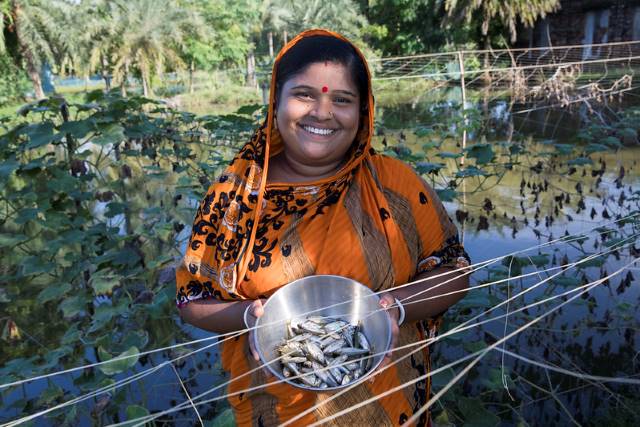 As the COVID-19 pandemic swept through the world, smallholder Bangladeshi farmers began to suffer. Worldwide lockdowns disrupted supply chains, which
 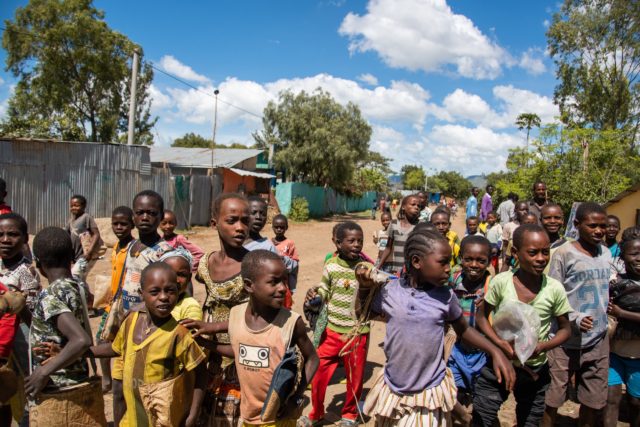 The ongoing COVID-19 pandemic has become another challenge for Ethiopia as the East African country faces civil conflict, food scarcity and increasing poverty. For the first time in 22 years, the number of people living in extreme poverty globally
 As of 2021, the Philippines is
  Three years of drought and a sharp recession caused by COVID-19 have left a third of Southern Madagascar’s population unable to put food on the table. Extreme malnutrition rates are on the rise and many children are having to beg to help families survive. Immediate action is needed to avert this humanitarian crisis in Madagascar.