• Link to X
  • Link to Facebook
  • Link to Instagram
  • Link to TikTok
  • Link to Youtube
  • About
    • About Us
      • President
      • Board of Directors
      • Board of Advisors
      • Financials
      • Our Methodology
      • Success Tracker
      • Contact
  • Act Now
    • 30 Ways to Help
      • Email Congress
      • Call Congress
      • Volunteer
      • Courses & Certificates
      • Be a Donor
    • Internships
      • In-Office Internships
      • Remote Internships
    • Legislation
      • Politics 101
  • The Blog
  • The Podcast
  • Magazine
  • Donate
  • Click to open the search input field Click to open the search input field Search
  • Menu Menu

Archive for category: COVID-19

COVID-19, Global Poverty

China’s Distribution of COVID-19 Vaccinations in Africa

COVID-19 Vaccinations in Africa
COVID-19 vaccinations in Africa account for only 2% of vaccinations the world administers. Meanwhile, other countries are close to vaccinating the majority of their populations. This is a glaring example of the dangerous vaccine inequity burdening developing countries. The United Nations Security Council recently called for accelerated availability of COVID-19 vaccinations in Africa. A statement that all 15 members endorsed emphasized the need for “equitable access” to quality, affordable COVID-19 tests, treatments and vaccines. With wealthy nations buying a disproportionately large amount of the world’s vaccine supply, it is imperative that developing African countries receive the proper aid and resources to implement proper vaccination programs across the continent. That is where China comes in.

China’s Efforts

China has thus far set the precedent in the global response towards increasing COVID-19 vaccinations in Africa, pledging to provide vaccines to over 40 African countries. China has described its actions as purely altruistic. To back this up, China has either been donating or selling the vaccines at favorable prices. Foreign Ministry official Wu Peng told reporters that “We believe that it is, of course, necessary to ensure that the Chinese people get vaccinated as soon as possible, but for other countries in need, we also try our best to provide vaccine help.” So far, the Chinese efforts to counter vaccine inequity have been quite successful. China has already committed half a billion doses of vaccines to African countries. By engaging in “vaccine diplomacy,” China has been able to expand its influence in Africa through tactful, yet charitable actions.

However, Wu makes the important distinction that “Aid alone cannot solve Africa’s vaccine issues. We must support local manufacturing of vaccines in Africa, even though this is difficult due to (low) levels of industrialization.” While difficult, initiating the local manufacturing of vaccines will have monumentally positive effects in curbing the disease. Starting in June 2021, Egypt will be able to start locally producing China’s Sinovac vaccine. Sinovac has not only provided Egypt with advanced technical guidance in producing the vaccine, but also the rights to manufacture and pack the vaccine domestically. China hopes to replicate this in other African countries.

US-China Rivalry

Boasting claims of being able to produce at least 2.6 billion doses by the end of 2021, China will likely continue to lead the way in vaccinating a large portion of the world’s population. In light of China’s generous distribution of COVID-19 vaccines, many have criticized the U.S. for hoarding vaccines. In response to this, President Joe Biden has now pledged to donate an additional 20 million vaccine doses. Certainly, the continued proliferation of aid from wealthy nations will help to increase the rate of COVID-19 vaccinations in Africa. Developed nations cannot hoard vaccines or vaccine technology and expect the pandemic to end. The pandemic will not end until the current state of vaccine inequity disappears.

– Conor Green
Photo: Flickr
June 3, 2021
https://borgenproject.org/wp-content/uploads/borgen-project-logo.svg 0 0 Kim Thelwell https://borgenproject.org/wp-content/uploads/borgen-project-logo.svg Kim Thelwell2021-06-03 07:30:162024-05-30 22:23:38China’s Distribution of COVID-19 Vaccinations in Africa
COVID-19, Global Poverty, Human Trafficking

Human Trafficking in Sierra Leone

Human Trafficking in Sierra LeoneAs the COVID-19 pandemic emphasizes the importance of protecting vulnerable people from human trafficking, the need for a global solution has never been greater. Preliminary research shows that Sierra Leone acts mainly as a country of origin from which traffickers move individuals; this refers to victims trafficked within the country and abroad. Traffickers traffick both adults and children from Sierra Leone for a range of different purposes, including prostitution, labor, service as child soldiers and adoption. The government of Sierra Leone does not fully meet the minimum criteria for the prevention of human trafficking, but it demonstrates increasing efforts to do so.

Trafficking as an “Emerging” Issue in Sierra Leone

Civil society groups regularly comment that trafficking is “an emerging issue” that has existed in Sierra Leone for a long time, but now has a fresh identity as a form of exploitation. Traffickers move a large proportion of Sierra Leoneans internally from mostly rural areas to cities and towns. This form of trafficking impacts a significant amount of children who experience exploitation for sexual or labor purposes.

However, the population generally did not have access to knowledge about internal trafficking. Many people understood this term only in a very limited sense involving the abduction of children for adoption abroad. Overall, there was a great deal of uncertainty about what did and did not constitute trafficking. As an emerging issue, there is an urgent need to clarify the subject among civil society, the government and the population. This will require comprehensive awareness-raising and sensitization activities, as well as technical training. Addressing trafficking problems efficiently can help people make wise decisions about counter-trafficking interventions. Child protection agencies across the globe will therefore benefit from the successes and lessons learned from counter-trafficking efforts.

Sierra Leone as a Source Country

Information collected from various destination countries reveals that traffickers have trafficked Sierra Leoneans abroad for different forms of exploitation. Much trafficking to the E.U. appears to be for prostitution, as data shows that all assisted trafficked persons in the Netherlands were working in the sex industry. In the Middle East, Lebanon underwent identification as a key destination for Sierra Leonean children. Traffickers generally recruited them with promises of education or well-paid jobs. However, in reality, these children worked as domestic workers and often experienced sexual exploitation from their employers. Available data suggests that traffickers trafficked children to West Africa for working in plantations in Guinea and on the Ivory Coast, begging, committing petty crimes and prostitution. The presence of Sierra Leonean unaccompanied minors (UAMs) in various destination countries is arguably a signal of trafficking risk.

It is important to be aware of the extent to which human trafficking is an issue and how trafficking cases occur. Baseline information that one can use to evaluate the further growth of the problem, as well as the effectiveness of the policies and programs in place to tackle trafficking must also emerge. More in-depth qualitative research is necessary to understand the nature of trafficking in the country, including the recruitment process, the routes and destinations, victim profiles and the forms of exploitation.

Government Action

The government has demonstrated substantial efforts to prevent human trafficking; therefore, Sierra Leone has received an upgrade to Tier 2. These efforts included the increase in investigations and prosecutions, the arrest of traffickers for the first time in 15 years, increased training for trafficking officials, the commitment of an NGO center to the development of victims’ shelters and the establishment of anti-trafficking task forces at the district level.

However, the government still did not meet the minimum standards in several key areas. Shelter and services, especially for male trafficking victims, remained inadequate. Law enforcement did not investigate past reports of corruption and complicity which impeded law enforcement efforts. Sierra Leoneans remained susceptible to traffickers as labor migrants. The government had to rely heavily on NGOs and private shelters, including UNICEF — a large advocate against child trafficking in Sierra Leone.

Recommendations to Stop Human Trafficking in Sierra Leone

The key to stopping and addressing human trafficking in Sierra Leone will be the implementation of anti-trafficking legislation. The police must learn about the recent trafficking law and its required elements, and the judiciary must receive training regarding how to enforce the law. Enforcement of policies and legislation on child protection needs to undergo urgent development. The porous nature of the borders of Sierra Leone requires attention in order to tackle trafficking and other forms of crime. Moreover, awareness-raising campaigns and income-generating programs must target rural areas that many trafficked children originate from. While human trafficking in Sierre Leone is a serious issue, the increased counter-trafficking efforts are a step in the right direction.

– Aining Liang
Photo: Flickr

May 27, 2021
https://borgenproject.org/wp-content/uploads/borgen-project-logo.svg 0 0 Kim Thelwell https://borgenproject.org/wp-content/uploads/borgen-project-logo.svg Kim Thelwell2021-05-27 01:31:072021-05-26 09:56:43Human Trafficking in Sierra Leone
COVID-19, Global Poverty

Impact of COVID-19 on Poverty in the Philippines

Impact of COVID-19 on Poverty in the Philippines
One cannot say enough about the impact SARS-CoV-2 or COVID-19 has had on the Asian continent. Claiming the lives of some 3 million globally and infecting close to 140 million people around the world, the COVID-19 pandemic has affected the entire world. With the Philippines being among the first to witness the brunt of the virus, the impact of COVID-19 on poverty in the Philippines has been significant. After imposing lockdown measures in mid-March, President Duterte of the Philippines has maintained an iron hand of control as numbers have continued to rise.

The Impact of COVID-19 on Poverty in the Philippines

The resulting lockdowns due to the virus have created a significant downturn in the job market, thus exacerbating the impact of COVID-19 on poverty in the Philippines. At the beginning of the pandemic, the Philippines’ unemployment rate hovered around 5%, but it has now worsened due to lockdown measures. According to the Philippines Statistics Authority, unemployment rose to 17.6% in April 2020 due to the COVID-19 pandemic. Moreover, it is a figure that could rise as lockdown measures continue, leading to increased levels of poverty and hunger.

As a result of increased unemployment, poverty has risen, with expectations determining that almost 3 million Filipinos would enter poverty by the end of 2020. The impact of COVID-19 on poverty in the Philippines is temporary but the right measures and lifting lockdown measures as rates and vaccinations roll out could alleviate it.

Infrastructure Projects in the Philippines

While rising poverty rates, increasing hunger levels and stagnating GDP have been common for industrializing countries in this pandemic, the Philippines sees the woes as potential wins, opportunities to flip its eager human capital into a kickstarter for economic growth. Vivencio Dizon, the Presidential Adviser for Flagship Programs, said that “Infrastructure, a neglected aspect of the Philippines represents an opportunity for the country to reclaim some of its lost economic potential.”

Duterte’s government has reviewed almost $80 billion worth of physical infrastructure projects. Many government officials in the Filipino government are confident that these projects will help mitigate the impact of COVID-19 on poverty in the Philippines as many are looking towards the future. One of the projects is the “Build Build Build” program, a project that will involve building infrastructure across the Philippines. A combination of over 20,000 smaller infrastructure projects like the construction of airports, roads, seaports, hospitals, administrative centers and more will demand both highly skilled and low skilled labor to coordinate and enact and oversee construction projects across the rural and urban areas in the country.

Looking Ahead

Despite the impact of COVID-19 on poverty in the Philippines, the country’s infrastructure projects may help provide employment to its citizens. Through the implementation of the “Build Build Build” program, the Philippines may find its way on the road to economic recovery.

– Alex Pinamang
Photo: Flickr
May 26, 2021
https://borgenproject.org/wp-content/uploads/borgen-project-logo.svg 0 0 Jennifer Philipp https://borgenproject.org/wp-content/uploads/borgen-project-logo.svg Jennifer Philipp2021-05-26 09:39:342024-06-06 00:59:35Impact of COVID-19 on Poverty in the Philippines
COVID-19, Global Poverty

5 COVID-19 Relief Efforts in Developing Countries

5 Efforts Toward Reduction of COVID-19 Effects in Developing CountriesSince the end of 2019, the spread and containment of the novel coronavirus have been on many people’s minds. Throughout the pandemic, it has become clear that money and access to the resources necessary to combat this virus are a privilege that not all countries can afford. However, the needs of impoverished countries in relation to the COVID-19 pandemic have not gone unheard. Various foundations, organizations and governmental leaders from developed countries have made efforts to combat the effects of  COVID-19 in populations that need assistance the most. Here are five COVID-19 relief efforts in developing countries.
5 COVID-19 Efforts in Developing Countries

  1. The Bill and Melinda Gates Foundation has long fought against global poverty by making healthcare and education accessible to those in need. This foundation has responded to the global health crisis by donating approximately $2 billion to combat the novel coronavirus worldwide. The money that the Bill and Melinda Gates Foundation has donated is used for a variety of measures to combat the pandemic and its effects. Support for the endeavor of creating accurate tools to diagnose individuals with the virus within populations is one such measure. Another is the support of healthcare systems within developing countries with medical resources and front-line working personnel. A third measure is an increase in the availability of digital learning technologies within countries that are suffering further due to a lack of educational resources. The creation of a COVID-19 vaccine was also supported by the Bill and Melinda Gates Foundation.
  2. Developing nations have come together to assist developing countries struggling with the pandemic’s secondary effects through the G20 Debt Pact. G20 countries created a debt pact in which it was agreed to write off debts that developing countries owed. Due to the expenses of the pandemic, many nations are struggling to repay debts to developed countries. This pact eased the financial burden of countries already suffering from the novel coronavirus.
  3. Gavi, the Vaccine Alliance is an organization that works to vaccinate populations in developing countries with limited medical resource access. As the novel coronavirus has become a present worldly concern, Gavi has recently been working to make the COVID-19 vaccine available to countries without the necessary resources to purchase vaccine doses independently. Developed countries have thus far obtained the majority of vaccines produced as a result of a monetary advantage. Gavi has urged that the vaccine be more widely distributed as the pandemic will not cease if vaccines are only available in select areas of the world. Its hope is that, by the end of 2021, efforts will allow one billion vaccines to be available to the vulnerable in developing countries.
  4. The Papal Foundation is a Catholic-based organization working to offer a helping hand to global communities. Part of the mission of the foundation is to assist those who are most vulnerable in the world, regardless of age. This foundation has fulfilled its mission with respect to COVID-19 reduction by donating $1.8 million to the impoverished in the face of this pandemic. Overall, this money goes toward providing individuals in impoverished countries with basic needs and care, as the pandemic has made resources like food and hygienic materials scarce for many.
  5. The International Monetary Fund (IMF) found that increased COVID-19 testing can be one of the most effective ways for impoverished countries to fight the effects of this pandemic. Increased testing allows for fewer lockdown measures put into place, which can greatly help the economies of these countries. Rapid tests are an inexpensive and effective way of testing mass amounts of people. Moreover, increased testing can help COVID-19 relief efforts by both decreasing the spread of COVID-19 in impoverished countries and increasing desperately needed funds and resources.

The needs of individuals in impoverished countries are still drastic, as many of the economies and medical systems remain underdeveloped amid COVID-19. While the effects of COVID-19 have hit developing countries harder than in other areas of the world, these COVID-19 relief efforts, along with many others, have made a positive impact in combating the virus and its secondary effects.

– Olivia Bay
Photo: Flickr

May 26, 2021
https://borgenproject.org/wp-content/uploads/borgen-project-logo.svg 0 0 Kim Thelwell https://borgenproject.org/wp-content/uploads/borgen-project-logo.svg Kim Thelwell2021-05-26 01:30:352021-05-25 13:20:435 COVID-19 Relief Efforts in Developing Countries
COVID-19, COVID-19, Global Poverty

The World Bank’s Projects Adapt to COVID-19

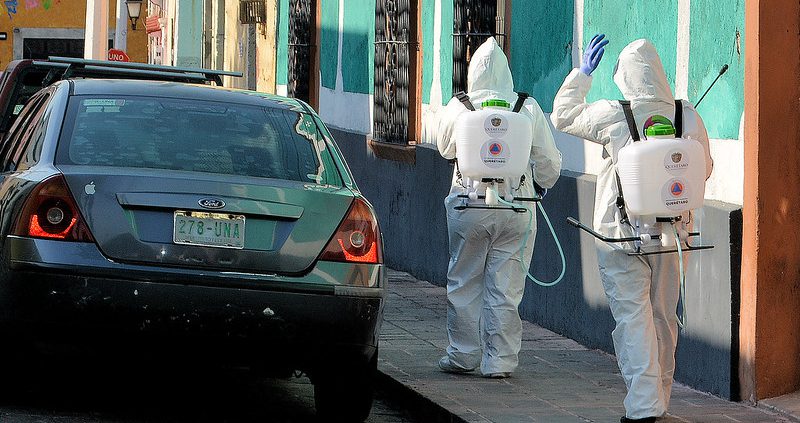
The World Bank's Projects Adapt to COVID-19The World Bank is a global financial institution that provides funding to low- and middle-income nations to aid in development. Since its inception, the World Bank has always been focused on sustainable solutions to the problems facing developing nations. For many countries and organizations, COVID-19 has been a massive unexpected barrier to the progress being made. Through 2020 and into 2021, the World Bank has had to adapt its existing projects and new endeavors to operate with COVID-19 in mind.
The Ghana Accountability for Learning Outcomes Project

The Ghana Accountability for Learning Outcomes Project, or GALOP, was established in 2019 with the goal of improving the quality of low-performing schools in Ghana and ultimately improving education equity. GALOP operates in 10,000 schools in disadvantaged areas, implementing measures to improve the quality of education and the presence of accountability. The project benefits more than two million students and tens of thousands of teachers.

Since COVID-19 struck and majorly disrupted education systems and school attendance, the project has been adjusted to remain as effective as possible. Notably, it has expanded its benefits for children with disabilities, for whom education is less accessible than ever. The World Bank is responding to the consequences of COVID-19 on the school system to provide more appropriate aid where necessary.

The Sahel Women’s Empowerment and Demographic Dividend Project

The Sahel Women’s Empowerment and Demographic Dividend Project, which has been active since 2014, is also being adapted to compensate for the impacts of the pandemic. The goal of this project is to empower African women and increase their accessibility to health services. A substantial part of its mission involves education and raising awareness about female empowerment.

The World Bank has been presented with a significantly heightened issue compared to when it took this project on more than five years ago. Domestic violence rates have increased, girls’ enrollment in schools is lower than ever and much progress in the way of female empowerment seems to have been undone by the pandemic. In response to this, the World Bank project has shifted its focus primarily to young girls and women at risk of violence. These are two groups whose hardships are most exacerbated by COVID-19. The World Bank recognizes that and has adjusted its actions to prioritize those most at-risk.

New Projects

In addition to revising and expanding existing projects, the World Bank has taken on many new projects specifically to help relieve the consequences of COVID-19. The organization has played a large role in providing vaccine accessibility to developing countries and has provided significant funding for its member nations to assist in mitigation and COVID-19 relief efforts.

Some projects, like Building Back Better, were created to provide support for impoverished communities so that they cannot only recover from the global health crisis but to maintain the progress made prior to it. Building Back Better focuses on implementing solutions that are sustainable and will be functional long-term within developing nations.

Other projects, like the Kinshasa Multisector Development and Urban Resilience Project, known as Kin Elenda, focus on problems that existed prior to COVID-19 but have been exacerbated by the crisis. In particular, Kin Elenda targets accessibility issues present in urban neighborhoods in the Democratic Republic of the Congo. It is providing solutions that are rooted in resilience and introducing equity to these urban areas.

In an April 2021 conference, India’s Minister of Finance Nirmala Sitharaman urged the World Bank to continue funding at this level, which is considered a “crisis response.” It is clear that the organization’s targeted efforts are providing genuine relief during this crisis, and the countries impacted would benefit from the continuation of these efforts.

The World Bank is dedicated to ending extreme poverty and promoting shared prosperity. While the global crises presented by COVID-19 have exacerbated many of the issues that contribute to poverty, the international organization has proved that it will continue to fight for its mission. The World Bank’s success in fighting the pandemic has presented evidence of poverty solutions that are both sustainable and adaptable.

– Samantha Silveira
Photo: Flickr

May 26, 2021
https://borgenproject.org/wp-content/uploads/borgen-project-logo.svg 0 0 Kim Thelwell https://borgenproject.org/wp-content/uploads/borgen-project-logo.svg Kim Thelwell2021-05-26 01:30:252021-05-25 12:15:14The World Bank’s Projects Adapt to COVID-19
COVID-19, Global Poverty

Vaccine Insecurity in Southeast Asia

vaccine insecurity in Southeast Asia
On March 12, 2021, the Quadrilateral Security Dialogue — known as the “Quad” — met at a virtual summit to discuss concerning issues across the Indo-Pacific. The Quad comprises Australia, Japan, the United States and India. Recently, they committed to providing one billion vaccines to the Indo-Pacific by 2022. The main focus is on Southeast Asia, which is struggling to inoculate its population. In other words, the Quad is taking on vaccine insecurity in Southeast Asia.

The Quad’s History

The Quad, which was formed in 2004, is a meeting format for the four influential democracies in the Indo-Pacific to discuss regional security issues. Originally, these democracies coordinated joint search and rescue missions and humanitarian aid in response to the Boxing Day Tsunami’s decimation of large areas of South and Southeast Asia. From there, the Quad met one more time in 2007 before disbanding for a decade.

However, the group began reconvening again at a ministerial level in 2017. The members became mutually concerned over the terrorism and Chinese aggression in the Indo-Pacific. As a result, the four foreign policies began supporting a rules-based international system and a free and open Indo-Pacific. This intersection had a heightened sense of importance as the group convened its first-ever leader-level summit in March 2021.

The motivation of the organization is not entirely clear. Some refer to it as an “Asian-Nato” intent on countering China‘s rise in the region. Others claim it is a group of like-minded, influential states coordinating responses to some of the most pressing issues of the day, including the environment, terrorism, COVID-19 response and humanitarian aid.

“The Spirit of the Quad”

Despite how others define the Quad’s intent, the latest summit concentrated less on geopolitics and more on issues plaguing the region. It released a statement entitled “The Spirit of the Quad.” This shared how the group focused on important humanitarian and anti-poverty issues of democratic values. Some of these are international law, infrastructure investment and disaster relief. Nevertheless, the most pressing issue the summit addressed was the coronavirus pandemic.

During the summit, the Quad “pledged to respond to the economic and health impacts of COVID-19.” It will do this by “building on the progress countries have achieved on health security [and] expand safe, affordable and effective vaccine production and equitable access, to speed economic recovery and benefit global health.”

The Plan

To achieve these results, the Quad will utilize the individual strengths of each member. For example, India is one of the largest vaccine developers in the world. Even before COVID-19, it developed 60% of the world’s vaccines. The Deloitte consulting firm partner, PS Earwaran, predicts that the Indian government will produce nearly 3.5 billion doses in 2021.

However, to increase that amount, the United States will provide technology and intellectual property rights to improve production methods. In addition, Japan will help finance the production upgrades. For Australia’s part, it will also assist with financing. More importantly, however, it will utilize its unique distribution capacity in Southeast Asia.

Additionally, the Quad will work through international organizations, including the World Health Organization (WHO) and COVAX. COVAX is particularly important because it is an international vaccine program. This program supports vaccine accessibility in the underdeveloped world. The goal of the COVAX program is to distribute two billion doses of vaccines to 94 lower and middle-income countries by the end of 2021.

Notably, the Quad is prioritizing Southeast Asia in its vaccine distribution. As the National Security Advisor for President Joe Biden, Jake Sullivan stated, “The Quad committed to delivering one billion doses to ASEAN (Association of Southeast Asian Nations), the Indo-Pacific and beyond by the end of 2022.”

Vaccine Insecurity in Southeast Asia

At first glance, Southeast Asia seemingly would not need the Quad’s focus due to its successful handling of the pandemic. The Sydney-based Lowy Institute created a performance index and ranking of 98 states and how each government handled the pandemic. The institute found that five of the seven Southeast Asian nations included were in the top 24 states. This ranked higher than Germany, Japan and the United States.

However, purchasing and distributing vaccines takes a different set of administrative skills and resources than containing a virus, leaving poorer nations more vulnerable. In other words, upper-middle-income countries with the administrative ability and resources like Singapore could hit widespread inoculation by mid-2022. Yet, with Vietnam being the exception, the rest of Southeast Asia is not likely to fair as well. The Economist Intelligence Unit recently reported that a bulk of the region’s population, including Myanmar, Laos, Cambodia, the Philippines and Indonesia, will take at least two years, maybe longer, to reach widespread vaccination.

It is not just poorer nations in the region that are struggling to inoculate their population. Although Malaysia is a middle-income country that just initiated a historic immunization program, it is struggling to vaccinate its entire population at an efficient rate. As of March 19, 2021, Malaysia had administered on average 22,215 vaccinations a week with a total of 367,213 doses. Assuming that everyone will need two doses each, this means only 0.6% of the population has received vaccinations. At that rate, it will take another 288 days to reach 10% of the population.

Although Southeast Asia has been relatively successful in containing the outbreak, it clearly needs assistance in vaccinating its population. In March 2021, the Quad committed to pooling each state’s comparative resources and expertise to take on vaccine insecurity in Southeast Asia. The Quad’s commitment is critical for the region’s health and post-pandemic recovery.

– Vincenzo Caporale
Photo: Wikipedia Commons

May 24, 2021
https://borgenproject.org/wp-content/uploads/borgen-project-logo.svg 0 0 Kim Thelwell https://borgenproject.org/wp-content/uploads/borgen-project-logo.svg Kim Thelwell2021-05-24 13:57:362021-05-26 04:32:50Vaccine Insecurity in Southeast Asia
COVID-19, Global Poverty

The World Bank’s Crisis Response to the COVID-19 Pandemic

The World Bank's Crisis Response
In early October 2020, the president of the World Bank Group (WBG) gave a speech to address the COVID-19 pandemic and the World Bank’s crisis response. In his speech, WBG president David Malpass discussed the enormous toll that the COVID-19 pandemic has had on developing countries. He also stated that the World Bank’s response would focus on alleviating poverty, inequality and debt burdens, and support educational and health opportunities.

Disparities

Dramatically uneven access to Personal Protective Equipment (PPE) across the globe is one indication of global disparities in economic well-being, which in turn have affected pandemic response capabilities. Lowering the transmission of COVID-19 requires the coordination of a globalized response. However, localized country-wide challenges in securing PPE, the most basic of pandemic safety necessities, prevent this possibility.

Illustrating this challenge is the fact that low-income countries have little economic agency to act during the global pandemic. Developed countries may face shortages in supplies of PPE. Those countries may even opt to reduce the supply of outgoing PPE sales in order to remediate domestic shortages. However, restrictive budgets, few local manufacturers and no way to import PPE exacerbate shortages in developing countries.

A 2020 National Institute of Health study estimated that if countries tightened up sales of PPEs, “export restrictions could initially increase prices of medical masks by 20.5%, Venturi masks by 9.1%, and protective equipment, such as aprons and gloves by 1% and 2% respectively” around the globe. Illustrating the problem, a recent survey of seven low-income developing countries across the world showed that on average, clinics and health centers were only able to supply two of four necessary PPE items to medical staff. The challenges presented by PPE distribution demonstrate the importance of the World Bank Group’s aid programs around the world.

Dual Challenges

Lockdown guidelines that have successfully “flattened the curve” in developed nations are not always a viable option for developing economies. For example, in India, nearly 90% of the workforce is in the informal employment sector. In sub-Saharan Africa, 86% of workers have informal employment. The nature of informal work requires workers to leave the house for work and as a consequence, choose between keeping their families fed or respecting lockdowns. Countries that struggle to lower transmission rates or offset the financial damage of lockdowns see dual challenges. Implementing measures that “flatten the curve” and lower transmission rates cause economic harm. On the other hand, failing to reduce hospitalizations inflicts strain on medical systems, leading to high infection rates and death tolls.

“A Fire That Must Be Put Out”

In the World Bank Group’s June 2020 COVID-19 Crisis Response Approach Paper, the ongoing COVID-19 crisis is described as “a fire that must be put out.” As a direct result of the pandemic, for the first time in 60 years, the World Bank projected that Emerging Markets and Developing Economies (EMDEs) will see economic contraction. The global economy will likely shrink by 5.2% in 2020, the deepest recession since World War II. For comparison, the global economy shrank less than 2% during the 2009 financial crisis. A number of traits cause EMDEs to be especially vulnerable to the pandemic’s negative economic impacts. Traits such as weaker health systems, dependence on global trade and tourism exacerbate financial instability. For the first time in decades, global poverty will rise.

The World Bank Group’s Response

Despite challenges, international financial institutions, including the WBG, are moving quickly to prevent the loss of hard-won development growth in EMDEs. The WBG has recognized the new paradigm of the pandemic and as an organization, has shifted its focus to a crisis response agenda. In April of 2020, the WBG announced the first projects directly related to COVID-19 and prepared to deploy up to $160 billion over a period of 15 months to address COVID-19.

Like other international organizations, the World Bank’s crisis response to COVID-19 aims to focus on issues directly related to the pandemic. However, the WBG ensures a continuation of its broader development objectives by placing its COVID-19 crisis response agenda within its own Twin Goals. Adopted in 2013, its Twin Goals are to bring extreme poverty down and to promote prosperity among the bottom sector of every country. The WBG’s massive $160 billion project rollout focuses on direct response to COVID-19, and on protecting past economic development gains. This includes maintaining steady progress towards the Twin Goals.

The World Bank’s current crisis response agenda can be divided into near, medium and long-term agendas. These agendas are termed relief, restructuring and resilient recovery. Relief relates to dealing with the most direct impacts of COVID-19. Its restructuring plans include strengthening health systems, restoring human capital and restructuring social and economic sectors. Resilient recovery is about building a future in recognition of a changed post-pandemic world. In pursuing these plans, the WBG ultimately aims to assist at least one billion people affected by the pandemic.

– Marshall Wu
Photo: Flickr

May 23, 2021
https://borgenproject.org/wp-content/uploads/borgen-project-logo.svg 0 0 Kim Thelwell https://borgenproject.org/wp-content/uploads/borgen-project-logo.svg Kim Thelwell2021-05-23 01:30:202021-12-02 11:25:01The World Bank’s Crisis Response to the COVID-19 Pandemic
COVID-19, Global Poverty

COVID-19 in Mexico

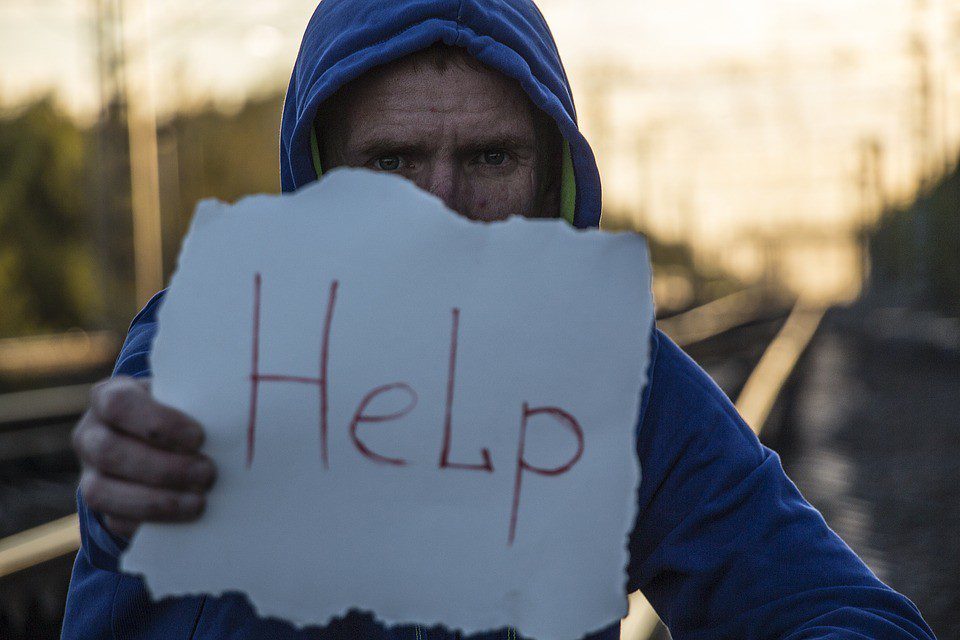
COVID-19 in MexicoThe COVID-19 pandemic has led to a historic level of downfall in Mexico’s economy, causing thousands of individuals to lose their jobs. As of 2018, approximately 42% of the Mexican population lived below the poverty line; the pandemic has unfortunately strongly contributed more and more individuals to the impoverished communities in Mexico. The Mexican government did not impose a general lockdown because many citizens could not afford it. Even so, the economy was paralyzed due to most consumers locking themselves down voluntarily. Furthermore, public hospitals collapsed, resulting in people unable to receive medical attention or the private visit that could ultimately save their lives. COVID-19 in Mexico has brought to light the wealth disparity among citizens in Mexican society.
Vaccine Inequality

Vaccine inequality is prominent among those living in poverty. Vaccines are not currently reaching the rural areas of Mexico where there are thousands of people who are now geographically isolated from vaccine centers. Additionally, those who live in rural areas would require technology to stay informed about these vaccine centers, but poverty inhibits people from accessing technology and therefore the necessary education and information about vaccination.

Many citizens in Mexico did not originally believe in the severity of the novel coronavirus; face masks did not start being worn as soon as recommended. Health authorities reported not only that many people were not using face masks but also a large number of people were unable to afford one. As a result, patients who were living in extreme poverty are less likely to survive COVID-19 in Mexico. This is largely due to the fact that the impoverished are more exposed to the virus compared to those who are able to afford to quarantine and avoid exposure.

Demographics

The Mexican government is struggling to give the necessary attention to many who need it most. According to the National Council for the Evaluation of Social Development Policy, or CONEVAL, COVID-19 in Mexico caused a 63% drop in household income. The pandemic has proven that staying home is a privilege that many impoverished citizens do not have. Statistically speaking, 27% of people living in poverty contracted the novel coronavirus, while only 5% of the upper-class contracted COVID-19. This demonstrates the clear relationship between high rates of infection and socioeconomic status in Mexico.

Looking Forward

COVID-19 in Mexico has caused thousands of deaths, and the lack of infrastructure and government initiatives has caused delays in the vaccination process. However, Mexico has received more than 2.7 million COVID-19 vaccines on behalf of the United States. The White House has made what is considered a positive diplomatic step forward in providing Mexico with these doses of the vaccine, and the hope is that even more vaccines will be sent by the U.S.

The NGO Direct Relief has donated 330,000 masks to help relieve the crisis. As well, Direct Relief assisted in importing the 100,000 KN95 masks donated by Academy Award-winning film director Alfonso Cuarón. Many people are benefiting from the action, and the vaccination process is slowly improving in Mexico.

COVID-19 in Mexico has demonstrated how socioeconomic status affects access to healthcare and the ability to protect oneself from the pandemic. However, vaccination has begun and donations of personal protective equipment, or PPE, are steps in the right direction for Mexico’s handling of the novel coronavirus.

– Ainara Ruano Cervantes
Photo: Flickr

May 22, 2021
https://borgenproject.org/wp-content/uploads/borgen-project-logo.svg 0 0 Lynsey Alexander https://borgenproject.org/wp-content/uploads/borgen-project-logo.svg Lynsey Alexander2021-05-22 01:31:282021-05-18 12:19:23COVID-19 in Mexico
COVID-19, Global Poverty

The Effect of COVID-19 on Mental Health in Spain

Mental Health in Spain
While COVID-19 is a terrible disease on a physical level, the pandemic has also posed a challenge to mental health. Moreover, the existence of the disease and political measures such as lockdowns have impacted mental health in Spain.

Current Mental Health Scenario in Spain

Before the outbreak of the pandemic, the incidence of cases of mental stress experienced a decrease. Thus, in 2011, Spain had a 22.1% prevalence of cases while the figure dropped to 19.1% in the year 2017. However, by the end of 2019, COVID-19 began to monopolize the news until it became a harsh global reality.

Initially, Spain had over 9,000 coronavirus new cases on March 31, 2020, and the country’s infection numbers rose from that time. However, the fear of the unknown and the danger of the rapid increase in cases shook the foundations of modern Spanish society. The danger was real, and the average citizens perceived their own vulnerability.

Thereby, while the number of new infections grew, the population began to feel the psychological consequences. With the approval of the state of alarm and subsequent lockdown on March 14, 2020, economic uncertainty and isolation began to harass Spanish families. A study indicated that this led to an increase in anxiety, post-traumatic stress and symptoms of depression between the months of March and April 2020.

With this, the consumption of psychotropic drugs also increased in accordance with this bleak context. During the lockdown, the consumption of anxiolytics rose 15% in a country. Even before the lockdowns, Spain was among the countries in the European Union that consumed the most anxiolytics, sedatives and hypnotics, with only Portugal exceeding it.

In order to avoid the aggravation of mental disorders, primary care is essential. For this, psychologists are necessary for patients who begin to feel symptoms pertaining to poor mental health.

An Unequal Impact

Within this general panorama, one should note that the incidence of depressive or anxious symptoms has been uneven. These symptoms have been more prevalent among lower classes as they have had greater economic uncertainty due to the COVID-19 pandemic. In fact, The Center for Sociological Research (CIS) stated this inequality in a recent report indicating that the percentage of lower-class people who have felt down, depressed or hopeless during the pandemic was almost double at 32.7% compared to 17.1% among those with a higher socioeconomic status. Also noteworthy is the prescription for psychotropic drugs; only 3.6% of upper-class people obtained psychotropic drug prescriptions in comparison with 9.8% of lower-class individuals.

Although Spain has a good public health system and a high life expectancy at 83 years in 2018, one of the highest in the world, psychological public care has some deficiencies. As a result, several people cannot access a psychologist.

This makes going to the psychologist a privileged reality. In quantitative terms, if compared with neighboring countries, the Spanish Ombudsman Office reported that while the ratio of psychologists in the Public System per 100,000 inhabitants in Europe is 18, in Spain, this figure drops to six psychologists per 100,000 inhabitants.

The Need for Political Action

Therefore, understanding the mental context and the challenges that the COVID-19 pandemic has presented regarding health and the economy, the country must adapt to the scenario and avoid further challenges for mental health in Spain. Given that the Spanish constitution establishes that health is a universal and free right, Spain must prevent mental health from becoming a privilege of a few.

The first “intrusion” of the matter into the political scene was the intervention of deputy Iñigo Errejón, of the Unidas Podemos party, who highlighted the problem in a vehement speech to Parliament. After a social and political upheaval on social media, Prime Minister Pedro Sánchez has promised to update the national strategy for psychological and psychiatric care of the National Health System in order to guarantee rapid and universal treatment for citizens.

The Prime Minister has admitted in Parliament that the matter is a problem of the first order. In order to provide an effective and rapid solution to this mental health crisis, the update of the Mental Health Strategy has received an endowment of 2.5 million euros. The prevention of mental disorders that include the early detection of potential suicidal behaviors is now on the table in current Spanish politics.

Will Spain’s measures be sufficient in reducing the levels of mental disorders in the Spanish population? Only time will tell. At the moment, Spain’s authorities are working on the issue.

– Guillermo Remón
Photo: Flickr

May 3, 2021
https://borgenproject.org/wp-content/uploads/borgen-project-logo.svg 0 0 Jennifer Philipp https://borgenproject.org/wp-content/uploads/borgen-project-logo.svg Jennifer Philipp2021-05-03 01:30:022021-04-29 10:37:52The Effect of COVID-19 on Mental Health in Spain
COVID-19, Education, Global Poverty

Mission: Recovering Education in 2021

Mission: Recovering EducationThe global impact of the COVID-19 pandemic on education has been devastating. According to the World Bank, more than 1.6 billion children have lost out on education due to the COVID-19 pandemic. In addition, as of March 2021, many children are still not back in school. The impact of COVID-19 on education systems globally is not just a short-term problem. These disruptions in education could potentially “amount to losses valued at $10 trillion in terms of affected children’s future earnings.” UNESCO, UNICEF and the World Bank have implemented a joint endeavor to ensure progress made on global education goals is not lost, especially since education is the key to poverty reduction. A 2016 report from Global Partnership for Education (GPE) states that 171 million people could be lifted out of extreme poverty if all learners had basic reading skills. For this reason, Mission: Recovering Education in 2021 focuses on three primary goals.

Mission: Recovering Education in 2021: Goals

  1. All children return to school. The benefits of going to school extend beyond learning. Children also receive nutritious meals, vaccinations and psychosocial support, factors that are critical to a child’s well-being. In a remote learning environment, children lose these benefits, in addition to falling behind their expected learning curves. Mission: Recovering Education aims to reunite children across the globe with critical resources by focusing on two targets. The two targets involve bringing school enrollment back to pre-COVID-19 levels and ensuring that schools provide services to catch up on learning and well-being losses.
  2. Recovering learning loss. The pandemic may have caused children to fall behind their age-appropriate learning curves. Many learners may no longer be ready for a curriculum that they would have been ready for had it not been for the COVID-19 pandemic disruptions. Remedial learning will help students to bridge the gap. It is important for remedial learning to be seen as essential and not just a luxury. Additionally, social-emotional learning also needs to be incorporated into classroom settings as bouncing back from setbacks can be challenging for children. Furthermore, digital technology is suggested for teaching basic literacy and math skills.
  3. Preparing and empowering teachers. Mission: Recovering Education recognizes the vital role teachers play in the global education system. Without healthy and well-trained teachers, students will be unable to recover the many months of learning opportunities they lost due to the COVID-19 pandemic. Recovering the lost months of learning is essential to reducing global poverty rates. Teachers should be prioritized for COVID-19 vaccinations and must receive support for implementing remedial education, incorporating social-emotional learning and transitioning to remote learning.

Looking Ahead

According to the GPE, education increases earnings by roughly 10% per year of further learning, supporting the fact that education reduces poverty. Mission: Recovering Education will incorporate monitoring tools to assess progress on its three primary goals. In doing so, the organization will help children globally recover as much lost education time as possible. This, in turn, will ensure that the global education system continues to lift children out of poverty.

– Thomas McCall
Photo: Flickr

May 1, 2021
https://borgenproject.org/wp-content/uploads/borgen-project-logo.svg 0 0 Kim Thelwell https://borgenproject.org/wp-content/uploads/borgen-project-logo.svg Kim Thelwell2021-05-01 07:13:392021-06-15 07:13:58Mission: Recovering Education in 2021
Page 15 of 30«‹1314151617›»

Get Smarter

  • Global Poverty 101
  • Global Poverty… The Good News
  • Global Poverty & U.S. Jobs
  • Global Poverty and National Security
  • Innovative Solutions to Poverty
  • Global Poverty & Aid FAQ’s
Search Search

Take Action

  • Call Congress
  • Email Congress
  • Donate
  • 30 Ways to Help
  • Volunteer Ops
  • Internships
  • Courses & Certificates
  • The Podcast
Borgen Project

“The Borgen Project is an incredible nonprofit organization that is addressing poverty and hunger and working towards ending them.”

-The Huffington Post

Inside The Borgen Project

  • Contact
  • About
  • Financials
  • President
  • Board of Directors
  • Board of Advisors

International Links

  • UK Email Parliament
  • UK Donate
  • Canada Email Parliament

Get Smarter

  • Global Poverty 101
  • Global Poverty… The Good News
  • Global Poverty & U.S. Jobs
  • Global Poverty and National Security
  • Innovative Solutions to Poverty
  • Global Poverty & Aid FAQ’s

Ways to Help

  • Call Congress
  • Email Congress
  • Donate
  • 30 Ways to Help
  • Volunteer Ops
  • Internships
  • Courses & Certificates
  • The Podcast
Scroll to top Scroll to top Scroll to top