• Link to X
  • Link to Facebook
  • Link to Instagram
  • Link to TikTok
  • Link to Youtube
  • About
    • About Us
      • President
      • Board of Directors
      • Board of Advisors
      • Financials
      • Our Methodology
      • Success Tracker
      • Contact
  • Act Now
    • 30 Ways to Help
      • Email Congress
      • Call Congress
      • Volunteer
      • Courses & Certificates
      • Be a Donor
    • Internships
      • In-Office Internships
      • Remote Internships
    • Legislation
      • Politics 101
  • The Blog
  • The Podcast
  • Magazine
  • Donate
  • Click to open the search input field Click to open the search input field Search
  • Menu Menu

Archive for category: COVID-19

COVID-19, Developing Countries, Health, Poverty

The Impact of COVID-19 on Poverty in Zimbabwe

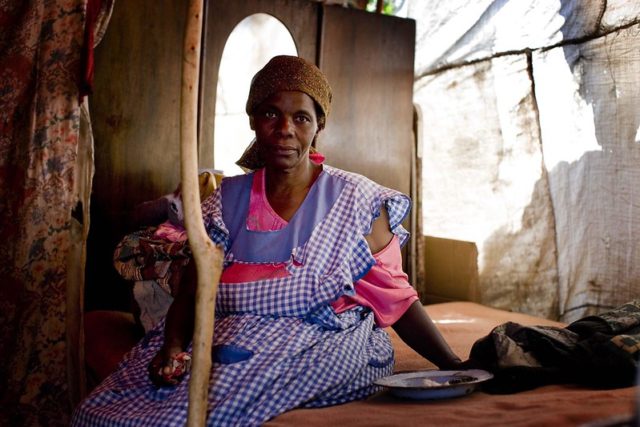
The Impact of COVID-19 on Poverty in ZimbabweThe effects of COVID-19 have been felt throughout the world. However, countries that were already experiencing poverty and health disparities are in worse shape now. Zimbabwe is one particular country that is struggling with the COVID-19 crisis. The impact of COVID-19 on poverty in Zimbabwe “further complicates Zimbabwe’s economic and social conditions.” With global aid and support, Zimbabwe can successfully recover from the effects of the pandemic.

COVID-19’s Economic Impact on Zimbabwe

According to a June 2021 economic analysis conducted by the World Bank, the number of  Zimbabweans living in extreme poverty increased to 7.9 million in 2020 due to the impact of the COVID-19 pandemic. The study also reveals that the impact of COVID-19 on poverty in Zimbabwe escalated extreme poverty overall to almost 50% in 2020. The COVID-19 crisis has also impacted basic public services in the areas of “health, education and social protection.”

Prior to the pandemic, poverty in Zimbabwe was already on the rise. In 2011, the number of Zimbabweans living in poverty increased from three million people to 6.6 million people in 2019. Before COVID-19, rising fuel and food prices contributed to the rising level of poverty in the country. However, the impact of COVID-19 on poverty in Zimbabwe has only exacerbated the dire circumstances with increased job losses and reduced household income.

It was reported that at least 30% of formal jobs within the country were lost due to the increasing number of COVID-19 restrictions. The country has lost roughly $1 billion from a lack of tourism. Zimbabwe still has restrictions at hotspots such as Mashonaland West, Masvingo and Bulawayo provinces. Intense restrictions require businesses in these areas to trade until 3 p.m. instead of 6 p.m. Limited trading hours economically impact the revenue of businesses.

Avoiding Another Lockdown

As Zimbabwe prepared to enter a third wave of the pandemic, another nationwide lockdown seemed unavoidable. The president of the Employers’ Confederation of Zimbabwe (Emcoz), Israel Murefu, warns that another lockdown would have a disastrous impact on the economy. Due to COVID-19 lockdown restrictions, businesses have suffered nationwide and Zimbabweans suffered extreme job losses.

The impact of COVID-19 on poverty in Zimbabwe has left its mark on the country. The rising level of unemployed Zimbabweans has caused a spike in extreme poverty cases. Murefu states that “adapting production processes to the new normal requires a huge capital outlay and takes time,” adding that the country should avoid another lockdown.

Global Assistance

Aside from internal changes that need to occur such as the government creating policies that will protect the impoverished and provide resources to people hit hardest by the pandemic, aid from world superpowers would help Zimbabwe get back on track.

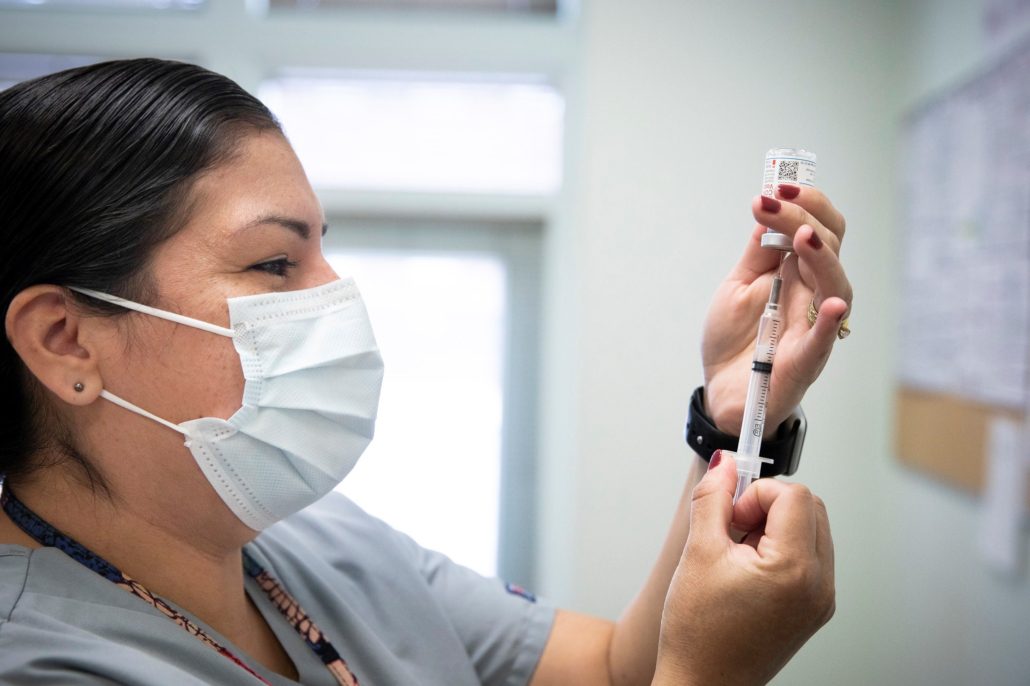
Zimbabwe is experiencing a significant shortage of vaccines. As cases continue to rise, it is more important than ever that the global community steps in to help. It was reported that China would be providing Zimbabwe with 2.5 million doses of the COVID-19 vaccine by the end of June 2021. As more people receive vaccinations, COVID-19 restrictions can ease and Zimbabwe can find its way to economic recovery.

Zimbabwe has reported more than 43,000 COVID-19 cases as of June 24, 2021. As cases continue to rise, the Zimbabwean government has committed to improves its COVID-19 awareness campaigns across the country in order to help reduce the spread of cases. A reduced burden of COVID-19 cases will decrease the economic burden stemming from strained healthcare services in the country.

It is also important for other countries and international players to provide more vaccine doses to Zimbabwe. Being that the country is unable to acquire enough resources to combat COVID-19, the generosity of other countries will help Zimbabwe regain stability. Though the recovery of Zimbabwe’s economy and job market will take time, recovery progress will accelerate if the global community is able to reach out a helping hand and share resources.

– Jordyn Gilliard
Photo: Flickr
July 21, 2021
https://borgenproject.org/wp-content/uploads/borgen-project-logo.svg 0 0 Lynsey Alexander https://borgenproject.org/wp-content/uploads/borgen-project-logo.svg Lynsey Alexander2021-07-21 07:30:072024-05-30 22:23:53The Impact of COVID-19 on Poverty in Zimbabwe
COVID-19, Global Poverty

Humanity and Hope: The Impact of COVID-19 on Poverty in Honduras

COVID-19 on Poverty in Honduras
Families in Honduras found strength within community ties and organizations like Humanity and Hope, despite the impact of COVID-19 on poverty in Honduras. There have been 249,118 COVID-19 infections in Honduras since the start of the pandemic. In May 2021, Honduras reported the highest peak with an estimated 1,000 infections a day, according to the Reuters COVID-19 tracker.

Prior to the pandemic, 40% of the total population in Honduras did not have employment. COVID-19 affected 250,000 families into food security due to job loss, according to the World Food Programme (WFP).

Supporting the Community

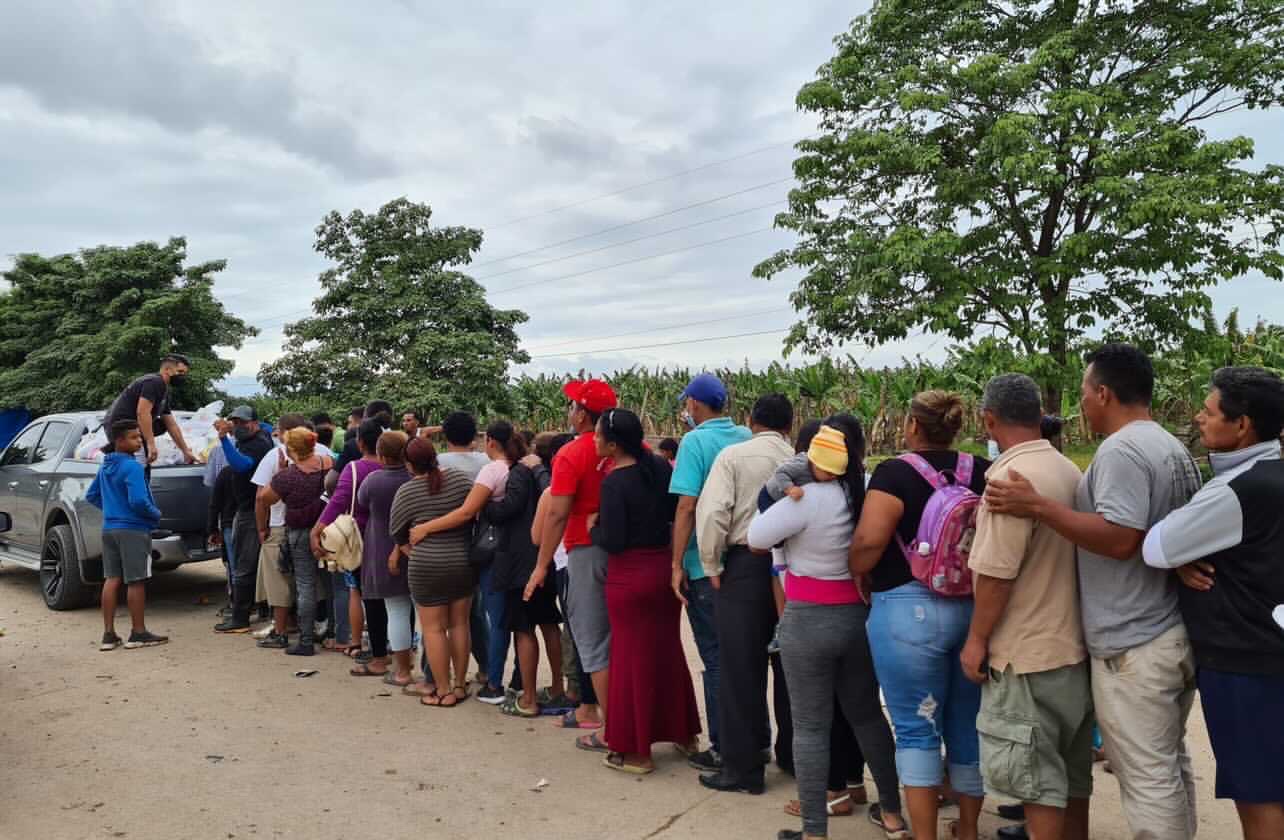
Despite the impacts of COVID-19 on poverty in Honduras, family communities within Honduras assisted others by handing them food and toiletries during the hardest times of the pandemic. Organizations like Humanity and Hope also stepped up, serving the communities of La Coroza, La Cuchilla and Remolino to help them become sustainable on their own.

Humanity and Hope, a nonprofit organization located in El Progreso, Honduras, initiated team and volunteer trips after a year of lockdown. Caleb Mejia, director of trips and Honduran volunteers, said people from different parts of the world take these trips and encounter the hardships of communities.

“Humanity and Hope does not want people to come down to Honduras and dig a hole or paint a school, and that’s it,” said Mejia in an interview with The Borgen Project.  “You can see something through television or through your phone, but it will never, ever be the same if you actually experience it.”

Humanity and Hope

Humanity and Hope operates on six different pillars: infrastructure, economy, community, health, education and leadership. According to Mejia, volunteer trips occur once a month with a focus on a pillar.

In July 2020, H&H’s annual health trip served nearly 1,010 people in a week. The annual health trip consisted of a team of 18 staff members, volunteers and assistance from the Honduran Red Cross and dentists.

“Along that week, we ended up doing triage, pharmacy, doctor consultations and hosted experience trips,” said Mejia.

When Hurricane Eta stepped in amidst a pandemic, Honduran communities suffered complete destruction. Despite the devastation and impacts of COVID-19 on poverty in Honduras, communities of Honduran family members, even those outside the U.S., came together to help others.

“I had the means and the people who were willing to help,” said Ashley Carrasco in an interview with The Borgen Project, a resident of California. “I helped because Honduras is my home, the love of my life.”

Ashley Carrasco and Franklin Castillo

In November 2020, Carrasco and her family fundraised an estimate of $4,000 for the communities of San Pedro Sula and Santa Barbara. Carrasco used the means of social media to fundraise on the Venmo app to provide to families affected by the pandemic and hurricane.

Carrasco and her family, located in the United States, shared their fundraiser with every possible follower. She transferred the collected funds to her cousin, Franklin Castillo, located in San Pedro Sula, Honduras, to purchase grains, diapers, baby formula, mattresses and toilet paper to distribute to the community.

“I witnessed many people losing their homes due to the hurricane and floods,” said Castillo in an interview with The Borgen Project. “The government’s response was slow like always. I have seen communities do more for each other than the government.”

Castillo raised a total of $9,000 with the help of family members in the U.S. He distributed the toiletries and food supplies estimated to last each family at least two weeks to nearly 300 families within communities that were impacted by COVID-19 and the hurricane.

Castillo continues to give a portion of his business earnings to the community. He said the pandemic is still affecting people as Honduras initiated vaccinations to the elderly, a small percentage of the population. According to Our World in Data, research university of Oxford, only 0.6% of the population has received two doses of the vaccine.

“I saw a positive change in the community,” said Castillo. “People who did not have much were trying to help others. My family and I were able to help, all thanks to God.”

– Diana Vasquez
Photo: Franklin Castillo

July 20, 2021
https://borgenproject.org/wp-content/uploads/borgen-project-logo.svg 0 0 Jennifer Philipp https://borgenproject.org/wp-content/uploads/borgen-project-logo.svg Jennifer Philipp2021-07-20 10:15:292024-05-30 22:23:56Humanity and Hope: The Impact of COVID-19 on Poverty in Honduras
COVID-19, Global Poverty

Managing Poverty and COVID-19 in Cambodia

COVID-19 in Cambodia
The IDPoor card is a critical resource in the United Nations’ new COVID-19 Cash Transfer Programme. This program aims to support socioeconomically disadvantaged citizens who COVID-19 in Cambodia has impacted. The IDPoor card, which the country implemented in October 2020, is a form of payment to impoverished families and individuals that helps them access essential resources like food, housing, healthcare treatment, education and more.

IDPoor Card in Action

The Cash Transfer Programme provides Cambodians with financial resources for housing security and healthcare access. The Cambodian government registers individuals in need of economic assistance and indicates how much aid they can receive. With financial support from the U.N. and UNICEF, the Cambodian government has significantly improved the daily lives of impoverished Cambodians.

Yom Malai is a Cambodian woman who received the IDPoor card and described her experience in a U.N. News Article: “We collect the money from a money transfer service,” she says. “During the COVID-19 pandemic, it has been a great help for my family. In addition, if we ever need to go to the hospital, we get medical treatment, care and medicine free of charge.”

Malai also explained the review process necessary to receive a card. It includes interviewing applicants and recording details about each household. By doing this, the government gains a holistic picture of each family’s financial resources and needs. Malai’s experience demonstrates the necessity of the IDPoor card in reducing global poverty, particularly in regions that are suffering economically due to COVID-19.

Poverty on the Rise

Even before COVID-19, Cambodians faced a disproportionately high amount of poverty. The U.N. calculated the hypothetical rise of poverty in this region in 2019, predicting that the impoverished population would increase to 17.6%, more than two times the impoverished count in 2019. Moreover, COVID-19 exacerbated many Cambodians’ financial disadvantages as the country’s economy limited jobs and healthcare needs increased. Specifically, the unemployment rate in Cambodia in 2020 was 3.2%, much higher than the 2019 rate of 0.7%.

The Cash Transfer Programme provides financial assistance to citizens registered with an IDPoor card. Each monthly payment depends on a household’s specific situation and needs. The already existing Cash Transfer Programme received further funding and spread to include as many impoverished Cambodians as possible. This act is a ray of hope amid the impact of COVID-19 in Cambodia.

For individuals who qualify, the card also acts as a form of medical insurance. It allows registered Cambodians to receive healthcare treatments or consultations without being charged. This healthcare coverage is extremely helpful to families as medical bills and incurred costs are large components of poverty.

In a UNICEF article, a young woman named Leont Yong Phin conveyed how her IDPoor card has helped her. “I’m still paying back a loan from when I got bad typhoid,” she says. “This money means I can repay and afford food. We’ve never had help like this before, it’s so reassuring.”

Encouraging Equity

In addition to providing necessary economic support and medical access, the IDPoor card program is essential for encouraging equity in Cambodia and reducing the disadvantages that come with certain socioeconomic conditions. By reviewing applicants’ economic history and family situation, the government can adequately provide the support necessary to address all citizens’ needs. In this way, the Cash Transfer Programme helps Cambodians with daily expenses and works to end inequity across the country.

Although the impact of COVID-19 in Cambodia has been significant, the IDPoor card and Cash Transfer Programme are greatly improving life for many Cambodians. With more support from international organizations like the United Nations, nonprofit organizations and even individuals, the program can provide even more resources to impoverished Cambodians.

– Kristen Quinonez
Photo: Flickr

July 20, 2021
https://borgenproject.org/wp-content/uploads/borgen-project-logo.svg 0 0 Jennifer Philipp https://borgenproject.org/wp-content/uploads/borgen-project-logo.svg Jennifer Philipp2021-07-20 06:46:302024-06-07 05:08:14Managing Poverty and COVID-19 in Cambodia
COVID-19, Food Insecurity, Global Poverty, Homelessness

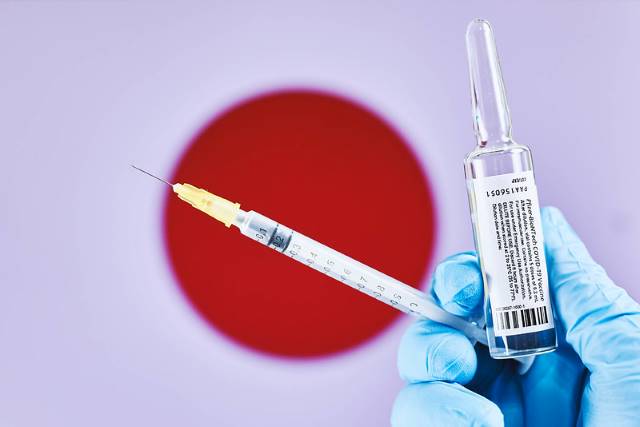
COVID-19 and Poverty in Japan

COVID-19 and Poverty in JapanThe COVID-19 pandemic has negatively impacted the 15% of people living in poverty in Japan, a figure already on the rise in recent years due to lower consumer spending and a shift to part-time employment. Citizens living below the poverty line are suffering from increased rates of food and housing insecurities. So, as the Japanese government prepares for the Olympics in the summer of 2021, it is also securing opportunities to combat rising poverty.
COVID-19 in Japan

Many policies in place at the beginning of the pandemic neglected the needs of Japan’s impoverished communities. For example, children could no longer receive government-funded meals due to school closures for public health safety. The pandemic has put pressure on the Japanese government to address preexisting social issues and the results will have a lasting positive impact. Collaborating with charitable organizations and businesses, the government has worked around traditional laws and regulations to alleviate the impact of COVID-19 on poverty in Japan.

Food Aid

One initial roadblock to COVID-19 relief was restrictions on who could receive food aid. After a poor harvest of rice in 1993, the Japanese government holds stockpiles of the grain in case of emergency. As part of a program called “food education,” the government releases a portion of this stockpile to schools each year in order to provide school lunches and emphasize the value of food. However, regulations made it difficult to release stockpiles to others in need during the pandemic, especially childless people.

The government is working to find loopholes in the 1993 stockpile law to ensure food security for Japan’s impoverished communities. Stockpiles are now allowed to release 300 kg of uncooked rice per year to each organization, compared to the 60 kg cap in previous years.

Charitable organizations such as Minoshima Megumi no Le in Fukuoka and volunteers at St. Ignatius Church in Tokyo have also worked to promote food security for families, refugees and other groups not covered by initial government distributions.

Housing Aid

The pandemic has threatened the safety of Japan’s homeless population. Initially, without adequate access to face coverings or sanitation, more than 4,500 citizens were at serious risk of catching the virus. While the Japanese government offers Livelihood Protection, a program designed to guarantee a minimum standard of living for all citizens, it is difficult to access for some populations in need, including homeless people.

Groups outside the government have also taken the initiative to limit the spread of the virus by providing housing. Across the country, hotels and inns are working to offer affordable shelter. One hotel chain based in Osaka currently offers rooms for ¥390 (about $4) per night. Rooms include a private bed and bath, amenities not found in the Livelihood Protection quarters. This offer helps 100 people at a time find safe living quarters, helping combat the pandemic while also dedicating a space for Japan’s homeless to take refuge for months to come.

Small Businesses and Labor Aid

Japan’s economy depends heavily on human resources, of which, small businesses represent 70%. When stay-at-home orders were implemented, tourist activity halted and consumer spending decreased and the country experienced its first large economic decline since 2015. By February 2021, 1,000 small businesses had closed with 25% located in Tokyo alone. These closures left more than 100,000 people without work, especially in retail, restaurants and manufacturing industries.

The Japanese government passed a record-setting COVID-19 stimulus package equivalent to 40% of Japan’s GDP to protect businesses and their employees. The stimulus allows the government to offer temporary no-interest loan plans to more affected businesses, opening the door for more citizens to receive the aid they need.

In Summary

Pressure from the pandemic has prompted Japan to address existing problems. The government, independent businesses and charities have taken an initiative to help manage the impact of COVID-19 on poverty in Japan. Such movements have the potential to continue even after the pandemic, advancing the country’s standard of living for years to come.

– Julia Fadanelli
Photo: Flickr

July 18, 2021
https://borgenproject.org/wp-content/uploads/borgen-project-logo.svg 0 0 Jennifer Philipp https://borgenproject.org/wp-content/uploads/borgen-project-logo.svg Jennifer Philipp2021-07-18 01:30:332024-05-30 22:23:49COVID-19 and Poverty in Japan
COVID-19, Global Poverty

Vaccinating Rural Communities With GIS

Vaccinating Rural Communities
There are logistical differences between distributing vaccines to heavily populated urban centers and poorer outlying areas. These differences require attention to ensure equitable distribution of the COVID-19 vaccine. Vaccinating rural communities, which are the most vulnerable to COVID-19, requires special attention. 

The Geographic Information System (GIS) is a tool for vaccinating rural communities to ensure equitable distribution. This system of maps allows civic authorities to access a comprehensive source of data and translate it into actionable information on the optimal places for setting up relief operations of any kind.

Information on socioeconomic conditions combined with an overlay of physical terrain provides the tools for determining who is most in need of immunization. This ensures that vaccine site planners make the most of a decentralized distribution plan when deciding how to provide for rural areas efficiently.

What Is It?

It is best to view GIS as a method of overlapping different types of data on a given location so that an interested party can view it in light of whatever context they might need. GIS users can filter out whatever data they do not find relevant to their task.

National Geographic adds that the system operates through entering relevant information such as topography and housing distribution in a process called “data capture.” This stores information in snapshots that can inform viewers of how recent their data is and illustrate changes through certain date ranges.

These data stem from multiple sources, involving images from an aerial scan and/or records of human activity. So, the value of GIS in vaccinating rural communities stems from the clear picture it offers distributors on where they can have the most impact. Pandemic frontline workers can make informed decisions wherever they are by pulling up relevant data from their maps on areas of interest.

Who Does It Help?

GIS, with its ability to keep people up-to-date on the condition of areas in need, provides the means to supplement efforts with additional pre-planning. Aside from working around the capacity of available healthcare centers by choosing areas with sufficient personnel and space for vaccinating rural communities, there are more benefits of GIS. These include:

  1. Once GIS creates fairness in planning for nationwide immunity, its information on demographics helps at managing vaccine distribution by relative need based on their vulnerability to COVID-19. On a broad scale, this can mean selecting a cluster of people based on relatively low access to healthcare or a high concentration of infirmities. On a smaller scale, this might involve isolating demographic groups such as the homeless or discriminated minorities.
  2. Keeping track of vaccine stockpiles becomes more important when a larger distribution range requires storing vaccines closer to rural areas. In cases where a country is using vaccines that require two doses, timely delivery is crucial. By storing vaccines in the countryside, distributors find a median between shortening the logistical tail and allowing for the distance necessary for reaching impoverished areas without such hospitals.

Who Is Using GIS?

South Africa quickly adopted GIS as a means of vaccinating rural communities in situations where income gaps between different municipalities impacted travel times to the nearest hospital.

“Reaching South Africans in remote places has begun using mobile teams and mobile pharmacies to ensure that the vaccination program covers ‘the last mile,’” writes Luis Monzon on work the South African government did with volunteers from health NGO Right to Care. Right To Care’s mobile pharmacies regularly use their access to digital maps for tasks as routine as locating the optimal route to their destinations.

An earlier success story is that of Nigeria’s experience using GIS in its efforts to eradicate polio when it was discovered that hand-drawn maps did not accurately reflect resources on the ground. This realization and the use of geospatial data served as the basis for fine-tuning the Nigerian government’s strategy. In having the foundation for a distribution strategy before receiving 16 million doses of Oxford-AstraZeneca’s vaccine, government projections indicate a 40% immunization rate by the end of 2021.

Equal Opportunity Efficiency

Widespread adoption of GIS ensures that a country’s disaster response strategy can protect even the most remote areas from the destabilizing influence of a national crisis. Future applications of this technology likewise stand to benefit as its pool of experienced users broadens.

Whether the responsibility of vaccinating rural communities is in response to a national health crisis or other disruption to normalcy, GIS ensures the fastest possible response in mitigating the impact of a disaster. Expanding access to such comprehensive data serves as a further step in building a self-sufficient network for disaster-preparedness beyond the scope of a pandemic.

– Samuel Katz
Photo: Flickr

July 17, 2021
https://borgenproject.org/wp-content/uploads/borgen-project-logo.svg 0 0 Jennifer Philipp https://borgenproject.org/wp-content/uploads/borgen-project-logo.svg Jennifer Philipp2021-07-17 10:42:582021-08-16 09:38:16Vaccinating Rural Communities With GIS
COVID-19, Global Poverty

The Impact of COVID-19 on Poverty in Ghana

impact of COVID-19 on poverty in Ghana
Ghana’s poverty rate has halved over the past 20 years, but COVID-19 stunted the country’s progress. Amid an economic crisis, many Ghanaian people have lost their jobs, healthcare and education due to the pandemic. The impact of COVID-19 on poverty in Ghana is severe, especially for women and children.

Child Labor is on the Rise

Global child labor decreased by nearly 40% between 2000 and 2020, but COVID-19 forced many children into the workforce. Before the pandemic started, 160 million children participated in child labor. If countries cannot mitigate the economic impacts of COVID-19, around 168.9 million children could be in child labor by the end of 2022. Children in low-income countries like Ghana are particularly at risk of experiencing child labor. Between expansive school closures, increased unemployment and lost family members due to COVID-19, Ghanaian children have become more susceptible to child labor since the pandemic started.

Children and families often turn to child labor because it is the only option available to meet their basic needs. Ghanaian children as young as 8 years old work jobs in industries such as mining, carpentry, fishing and transporting goods to support themselves and their families. Most countries have developed economic relief packages to assist families who are struggling, but it can be challenging for low-income countries to afford adequate social protection programs. The World Bank found that low-income countries, on average, spend only about $6 per capita in response to the pandemic. Adequate social protection programs may be necessary to fully combat the impact of COVID-19 on poverty in Ghana.

Educational Opportunities are Sparse

Many Ghanaian children have lost their educations since the pandemic started because of school closures or the need to drop out and support their families. At a shortage of proper funding, schools in Ghana struggle to afford food, technology for remote learning and resources for students with disabilities. Food insecurity has increased for students who formerly relied on their schools to provide meals every day. According to a recent study by Innovations for Poverty Action, 72% of Ghanaian children in public schools did not receive their usual daily lunches and 30% said they experienced hunger as a result of their schools closing. Without access to education, Ghanaian children are at risk of hunger and exploitation due to the vast impact of COVID-19 on poverty in Ghana.

To combat malnutrition, UNICEF is providing children with micronutrient supplements, such as iron folate, to improve children’s health. The Girls Iron Folate Tablet Supplementation (GIFTS) Programme, which UNICEF helped the Ghana Health Service implement and develop, has reduced anemia in girls from the Northern and Volta Regions of Ghana by 26%. UNICEF is also helping Ghana attain educational resources and create school programs that are inclusive to students with disabilities.

Ghana’s Limited Healthcare

The COVID-19 pandemic has decreased access to healthcare in Ghana, particularly for pregnant women seeking antenatal care. According to UNICEF, many pregnant women did not receive any antenatal care during the pandemic, either because it was unavailable or because they feared contracting COVID-19 at a health facility. Additionally, many children who were supposed to get standard vaccinations when the pandemic broke out did not receive them due to a vaccine shortage and fears of catching COVID-19 at health facilities.

The World Health Organization (WHO) is working with Ghana to make healthcare more accessible, ensuring health facilities are safe and have the resources they need. As the first country to receive the COVAX vaccine in February 2021, Ghana has been on the road to recovery from COVID-19 for several months. The country also received 350,000 doses of the AstraZeneca vaccine in May 2021. The Ghanaian government, UNICEF, Gavi and WHO are collaborating to endorse and distribute COVID-19 vaccines, which will help mitigate the impact of COVID-19 on poverty in Ghana.

Unemployment and Wage Reductions Skyrocket

According to the World Bank, more than 770,000 Ghanaian workers experienced wage reductions between March and June 2020 because of the pandemic and 42,000 workers experienced layoffs. While some businesses received support from the government, others did not or were unaware that such resources were available. Many businesses had to close at the beginning of the pandemic, which led to long-term financial struggles. The World Bank is working with the Ghanaian government to help businesses overcome damage from the pandemic and gain resilience in preparation for other economic changes. The organization is focused on raising awareness about government support programs like the Coronavirus Alleviation Programme, which protects jobs and benefits small businesses. The World Bank is also working on creating long-term, educational solutions that prepare young people in Ghana to enter the workforce with adaptability, certifications and a wide range of skill sets.

Solutions in the Works

Many organizations are working alongside the Ghanaian government to combat the impact of COVID-19 on poverty in Ghana. Organizations like UNICEF and Human Rights Watch are actively working to provide Ghana’s impoverished people with the resources needed to survive, including food, water, healthcare and education. The COVID-19 vaccine offers hope that Ghana will recover from the pandemic, opening the door for improvements in healthcare, education and jobs.

– Cleo Hudson
Photo: Unsplash

July 17, 2021
https://borgenproject.org/wp-content/uploads/borgen-project-logo.svg 0 0 Jennifer Philipp https://borgenproject.org/wp-content/uploads/borgen-project-logo.svg Jennifer Philipp2021-07-17 07:30:302021-07-17 05:35:33The Impact of COVID-19 on Poverty in Ghana
COVID-19, Global Poverty

COVID-19 Vaccination in the Maldives

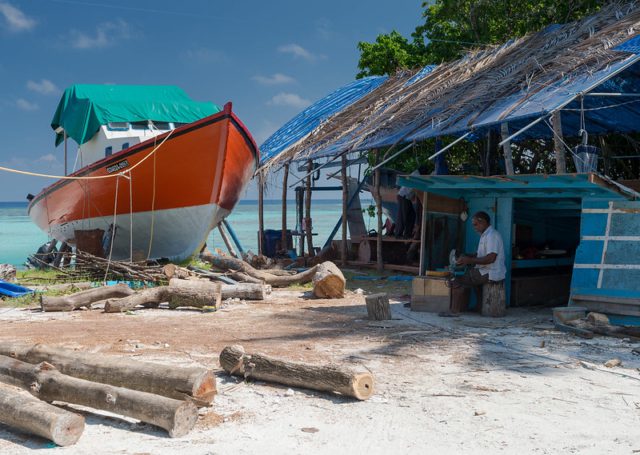
COVID-19 Vaccination in the MaldivesAs of June 29, 2021, the Maldives has reported more than 73,000 cases of COVID-19. The Maldives has a population of more than 515,000 with one of the country’s main sources of income stemming from tourism. The program for COVID-19 vaccination in the Maldives is not only protecting citizens but is also playing a significant role in post-pandemic economic recovery.
The Maldives in Numbers

In 2009, The rate of people living on less than $5.50 a day in the Maldives was 42.7%. Just seven years later, the poverty rate dropped to 3.4%. In recent years, the Maldives has made many improvements, contributing to the stability of the country. This includes infrastructure improvements and investments in health and education. The country boasts a close to 100% literacy rate and a life year expectancy of more than 78 years.

Through these developments, the Maldives has attained the status of an upper-middle-income country. In terms of economic growth, the country significantly relies on tourism revenue. In 2019, the tourism industry accounted for 21% of the country’s gross domestic product as more than 1.7 million people vacationed to the Maldives.

The Impact of COVID-19

In March 2020, the Maldives began to experience the harsh economic effects of the COVID-19 pandemic. The tourism industry came to an abrupt halt and borders remained closed until mid-July 2020. Even as travel into the country re-opened, the Maldives reported only one-third of visiting tourists compared to the number of tourists visiting in 2019.

The decrease in tourism has contributed to the 28% decline in gross domestic product in 2020 and an increase in poverty to 7.2%. The pandemic has affected employees in the tourism industry more than any other industry in the Maldives. The JobCenter reports that within the tourism industry in the Maldives, only 74% of employees remained employed in 2020, with 30% on “no pay leave.”

With the program for COVID-19 vaccination in the Maldives, the country has the opportunity to protect its citizens and simultaneously bring its tourism rates back up.

The Maldives Vaccine Rollout

As of April 14, 2021, the Maldives has vaccinated 53% of its population with first doses. The country prioritized “90% of its frontline tourism workers” with a first dose. The vaccine is available at no cost to residents and migrant workers and is approved for anyone 16 or older. With the help of other countries and partnerships, the program for COVID-19 vaccination in the Maldives has seen success so far.

Factors that play an important role in this vaccine success include India’s donation of 100,000 Covishield vaccines on January 20, 2021. The Maldives has also purchased 700,000 AstraZeneca vaccine doses straight from the manufacturer. The Maldives expects to receive vaccines from the COVAX facility as well. The country has also received vaccine supplies from Singapore.

Because of the small Maldivian population and the allocation of vaccines the Maldives is receiving from various allies and organizations, there are currently no supply shortage concerns. The United States has also committed to donating roughly seven million vaccines to Asia by the end of June 2021. The U.S. vaccine donation will be distributed to several Asian countries, including the Maldives.

Visit, Vaccinate and Vacation

COVID-19 vaccinations in the Maldives will soon be open to tourists. The Maldives hopes to enact a “3V” strategy, “visit, vaccinate and vacation.” This approach will begin only after the remaining unvaccinated residents of the Maldives receive both doses of the vaccine. Once the Maldives meets this goal, it will have the ability to vaccinate tourists upon entry.

Leaders hope this initiative will help restore the hard-hit tourism industry and promote the health and safety of all people. Many tourists work remotely from the Maldives on so-called “workations.” The Maldives’ leaders believe the initiative will appeal to people desiring a holiday with the incentive of also getting access to COVID-19 vaccinations. Increased tourism will allow the employment rate to rise as demand in resorts, restaurants and shops expands with more visitors.

Tourism is steadily increasing throughout the country. With a creative solution, the Maldives aims to restore pre-pandemic tourism levels and the economy while prioritizing the health of citizens and travelers.

– Delaney Gilmore
Photo: Flickr

July 17, 2021
https://borgenproject.org/wp-content/uploads/borgen-project-logo.svg 0 0 Jennifer Philipp https://borgenproject.org/wp-content/uploads/borgen-project-logo.svg Jennifer Philipp2021-07-17 01:30:212024-05-30 22:23:47COVID-19 Vaccination in the Maldives
COVID-19, Global Poverty

Mastercard Foundation in Kenya Helps Youth Fight Poverty

Mastercard Foundation in KenyaAccording to the Business Daily, close to 40% of Kenyan youth were unemployed in 2020. Specifically, unemployment most greatly impacts the age groups of 15-19 and 20-24 in comparison to the rest of the population. Apart from a rapidly growing population, a significant contributing factor to Kenyan youth unemployment is low educational achievement. Only 1% of Kenyan youth have, at most, an undergraduate qualification. The Mastercard Foundation in Kenya is working to change this.
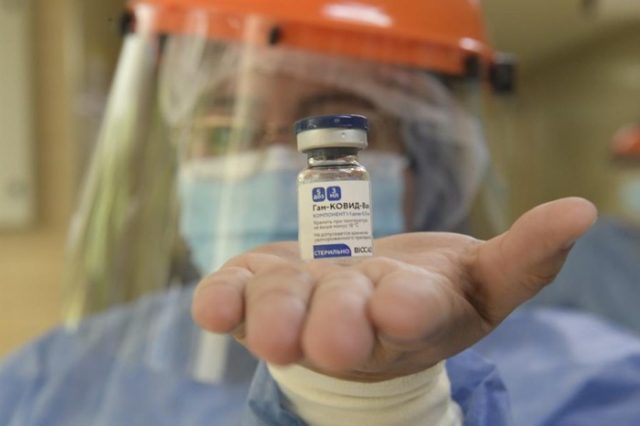
Jobs in Kenya

While Kenya’s economy is growing, most job opportunities are found in the informal sector. About 15 million Kenyans, most being youth, are employed in the informal sector. Turning to informal employment comes as a result of young people lacking formal qualifications. With higher education, young Kenyans can secure higher-paying jobs in skilled markets, enabling them to break cycles of poverty.

The MasterCard Foundation in Kenya

The Mastercard Foundation believes that everyone “deserves an opportunity to learn and prosper” regardless of economic circumstances. By collaborating with the “private sector, donors, young people and civil society,” the Mastercard Foundation creates an environment where the youth can secure employment and entrepreneurs can thrive.

The International Monetary Fund states that the increasing population in Africa “means that by 2035, there will be more young Africans entering the workforce each year than in the rest of the world combined.” However, a shortage of job opportunities and the lack of a skilled workforce present barriers to success. The Mastercard Foundation addresses this “skills mismatch” through various youth empowerment programs.

Young Africa Works

Young Africa Works in Kenya is a Mastercard Foundation initiative that aims to secure “dignified and fulfilling work ” for five million Kenyan youth by 2030. The initiative recognizes that “in the next five years, there will be an estimated six million un- and underemployed Kenyans,” mostly impacting Kenyan youth. The program strategy aims to “break down barriers faced by young men and women when accessing work, skills development or starting their own businesses.”

The initiative aims to accomplish this by harnessing technology and partnering with several organizations, banks and companies, focusing on the sectors of “agriculture, manufacturing, housing and healthcare.” Young Africa Works also focuses on “education and vocational training,” linking employers and job seekers through technology and the growth of entrepreneurs and small businesses through financial inclusion.

Youth Entrepreneurial Support During COVID-19

According to the World Bank, the Kenyan economy can recover from the pandemic in 2021. However, for the youth in the informal sector who do not have access to welfare services and employment benefits, economic recovery may appear to be out of reach. The informal sector in Kenya has been brought to a stall due to job losses. Furthermore, COVID-19 fears lead to heightened vigilance, and as a result, people buy less from street vendors, who are usually young.

In September 2020, Kenya National Chamber of Commerce and Industry (KNCCI) and the Mastercard Foundation partnered to create the COVID-19 Recovery and Resilience Program. The initiative aims to aid the recovery of small, youth and women-led businesses impacted by COVID-19. The initiatives will see “25,000 Micro, Small and Medium-Sized Enterprises (MSMEs) in Kenya benefit from an interest-free, zero-fee short-term concessional loan.” For businesses in the informal sector especially, the aid is a lifeline during the pandemic.

The Mastercard Foundation in Kenya is an example of how the private sector can help fight global poverty by engaging with the needs of the youth in developing countries. While a lot of work remains to aid the economic challenges faced by young people, the Mastercard Foundation in Kenya leads the way.

– Frank Odhiambo
Photo: Wikimedia

July 16, 2021
https://borgenproject.org/wp-content/uploads/borgen-project-logo.svg 0 0 Kim Thelwell https://borgenproject.org/wp-content/uploads/borgen-project-logo.svg Kim Thelwell2021-07-16 01:30:162021-08-23 07:11:28Mastercard Foundation in Kenya Helps Youth Fight Poverty
COVID-19, Global Poverty

The Impact of COVID-19 on Poverty in Argentina 

Impact of COVID-19 on Poverty in Argentina Lionel Messi, captain of the Argentina national football team and one of the highest-paid athletes in the world, fears contracting the coronavirus. His comment comes on the heels of Argentina’s withdrawal from Copa America because of a spike in COVID-19 cases. But, the pandemic has caused more than just football safety concerns. The impact of COVID-19 on poverty in Argentina has been harsh but the country is working to address these effects.
Spiking Cases

As Europe and the United States see a decline in COVID-19 infections, the virus’s new hot spot has become Latin America and the Caribbean. According to the Pan American Health Organization (PAHO), 89% of total COVID-19 deaths in those regions have occurred in Argentina, Brazil, Mexico, Colombia and Peru. As of July 2021, Johns Hopkins University reported that Argentina had seen more than 4.4 million COVID-19 cases and 94,000 deaths. Although lockdown measures remain in place, Argentina’s low vaccination rate presents an obstacle in battling COVID-19. As of July 2021, only around 9% of Argentina’s population is fully vaccinated.

COVID-19 and Poverty Rates

In the late 1990s, Argentina experienced an economic crash that pushed many people into poverty. From 1999 to 2002, the percentage of the population living on less than $5.50 per day rate rose from 28.5% to 49.9%. Over the next few decades, however, this trend saw improvements. Through social programs such as the Universal Child Allowance, a monthly stipend for unemployed parents of children younger than 18, the poverty rate decreased to 12.2% by 2018. However, the pandemic has driven poverty up again. By June 2020, the poverty rate rose to 40.9%, the highest since 2004, shortly after Argentina’s economic crisis.

Perhaps because Argentina was already in a recession when the pandemic began, the impact of COVID-19 on poverty in Argentina has been especially severe. The country’s unemployment rate rose from 9.8% in 2019 to 11.7% in 2020. The International Labour Organization (ILO) predicted that young women would face the highest unemployment rate. Therefore, industries with a large proportion of women workers, such as the tourism, hotel and restaurant industries, will have the most challenging recovery from the pandemic. Because of an already unstable economy, even the nearly $24 billion the Argentinian government spent on COVID-19 welfare programs was unable to pull citizens completely out of poverty.

Alleviating the Impact of COVID-19 on Poverty in Argentina

On June 11, 2021, Argentina approved the distribution of a single-dose vaccine that Cansino Biologics Inc. created. Cansino’s vaccine joins Argentina’s arsenal of approved vaccines, including the Sputnik V vaccine, the Sinopharm vaccine and the Oxford/AstraZeneca vaccine. Inoculating a majority of Argentina’s population is not only the greatest weapon against COVID-19, but also reduces the burden of medical care and helps the recovery of a struggling economy.

Argentina is also making progress in improving its public healthcare system. In early 2021, the World Bank Board of Directors approved a $250 million U.S. loan that will aid 17 million Argentinians through a Supporting Effective Health Care Coverage project to optimize medical care access, improve the treatment of chronic diseases and offer maternal and child health support.

Argentina is a global leader in livestock production with approximately 700,000 square miles of pasture land and the United States engaged in nearly $24 billion worth of trade with the country in 2019. If wealthy countries like the United States invest in poverty reduction in Argentina, not only will Argentina’s economy improve but more business opportunities will open to the United States and the rest of the world.

– Madeline Murphy
Photo: Wikimedia Commons

July 15, 2021
https://borgenproject.org/wp-content/uploads/borgen-project-logo.svg 0 0 Jennifer Philipp https://borgenproject.org/wp-content/uploads/borgen-project-logo.svg Jennifer Philipp2021-07-15 07:30:352024-05-30 22:23:50The Impact of COVID-19 on Poverty in Argentina 
COVID-19, Foreign Aid, Global Poverty

Tajikistan’s Response to COVID-19

Tajikistan’s Response to COVID-19In February 2020, many countries arranged a summit to discuss how they would assist countries with weaker health care systems due to the COVID-19 pandemic. Tajikistan’s response to COVID-19 was one of the topics at the summit.

Tajikistan, a small country in Central Asia, is regarded by the World Health Organization (WHO) as one of the most impoverished countries. Primarily private out-of-pocket deals run the country’s health care system. According to the WHO, this process undermines the system’s ability to grow in equity, efficiency and quality.

Combating COVID-19

Tajikistan was one of the first countries to receive COVID-19 support. In April 2020,  the World Bank provided emergency relief to Tajikistan, along with aid from various other countries. The World Bank said that it is a continuous goal to strengthen Tajikistan’s response to COVID-19 by improving its health care system.

On June 7, 2020, Tajikistan received emergency medical teams (EMTs) and mobile laboratories from Poland, Germany, Russia and the United Kingdom. After this support, the country began to see an increase in COVID-19 contact tracing, testing and optimization of patient care. The EMTs gave Tajikistani health care workers advice on how to handle severe COVID-19 cases.

Tajikistan enacted a national COVID-19 laboratory upscale plan, and with help from international aid, the Tajikistan government established a Public Emergency Operations Center. On July 22, 2020, Russian lab experts arrived in the Central Asian country to help strengthen its data management system. Now, Tajikistan is seeing an increase in testing and staff capacity.

In addition, USAID donated $7.17 million to the Tajikistan government. Tajikistan used the funding to support migrants that traveled into the country. The country is also buying new, life-saving equipment and medical supplies. In April 2020, the USAID and other American organizations sent 58,620 kilograms of food to more than 100 health and social welfare institutions. These donations totaled approximately $171,000.

Further, the World Bank allocated $11.3 million to a grant for the Tajikistan Emergency COVID-19 Project. The project works to improve healthcare for Tajikistan’s citizens, sending funds to impoverished households and informing the public on COVID-19 safety measures.

Hope for Tajikistan

The Intensive Care Unit in Varzob, Tajikistan, was one of 10 hospitals chosen for refurbishment with funding from the World Bank. The hospital received upgraded medical equipment and supplies to strengthen Tajikistan’s response to COVID-19. The Tajikistan hospital can now serve all district citizens instead of only private out-of-pocket citizens.

Several hospitals throughout Tajikistan received batches of medical equipment. Donations included 68 ICU ventilators, 68 ICU beds with patient monitors and 400,000 pieces of personal protective equipment.

According to the World Bank, 41% of Tajikistani households reported that they had to reduce food consumption, while 20% of families could not afford health care. With international funds, the Tajikistan government sent out one-time cash payments of 500 somonis to approximately 65,000 low-income families with children less than three years old.

In February 2021, Tajikistan received a grant for COVID-19 vaccines and to increase the oxygen supply in 15 of the country’s hospitals. Most of the funding went to Tajikistani patients suffering from COVID-19 to receive top-of-the-line care. Subsequently, the remaining grant money provided one-time cash assistance to an additional 70,000 poor households.

Future of Tajikistan

On June 16, 2021, the Asian Development Bank approved a grant of $25 million to strengthening Tajikistan’s response to COVID-19. This grant helped the country procure COVID-19 vaccines and improve its vaccination system. On the same date, Tajikistan created a goal to vaccinate about 62% of its population. This grant is one of many that allowed the country to strengthen its supply of medical equipment and care for the maximum number of high-risk COVID-19 patients.

As of July 9, 2021, Tajikistan has vaccinated 1.2% of the population, administering 223,648 doses. With help from international aid, the country is giving out approximately 9,273 doses each day. It will take more than 200 days to vaccinate 10% of the population, but Tajikistan is steadily recovering from the COVID-19 pandemic.

– Rachel Schilke
Photo: Flickr

July 15, 2021
https://borgenproject.org/wp-content/uploads/borgen-project-logo.svg 0 0 Kim Thelwell https://borgenproject.org/wp-content/uploads/borgen-project-logo.svg Kim Thelwell2021-07-15 06:32:522021-08-17 04:12:05Tajikistan’s Response to COVID-19
Page 12 of 30«‹1011121314›»

Get Smarter

  • Global Poverty 101
  • Global Poverty… The Good News
  • Global Poverty & U.S. Jobs
  • Global Poverty and National Security
  • Innovative Solutions to Poverty
  • Global Poverty & Aid FAQ’s
Search Search

Take Action

  • Call Congress
  • Email Congress
  • Donate
  • 30 Ways to Help
  • Volunteer Ops
  • Internships
  • Courses & Certificates
  • The Podcast
Borgen Project

“The Borgen Project is an incredible nonprofit organization that is addressing poverty and hunger and working towards ending them.”

-The Huffington Post

Inside The Borgen Project

  • Contact
  • About
  • Financials
  • President
  • Board of Directors
  • Board of Advisors

International Links

  • UK Email Parliament
  • UK Donate
  • Canada Email Parliament

Get Smarter

  • Global Poverty 101
  • Global Poverty… The Good News
  • Global Poverty & U.S. Jobs
  • Global Poverty and National Security
  • Innovative Solutions to Poverty
  • Global Poverty & Aid FAQ’s

Ways to Help

  • Call Congress
  • Email Congress
  • Donate
  • 30 Ways to Help
  • Volunteer Ops
  • Internships
  • Courses & Certificates
  • The Podcast
Scroll to top Scroll to top Scroll to top