• Link to X
  • Link to Facebook
  • Link to Instagram
  • Link to TikTok
  • Link to Youtube
  • About
    • About Us
      • President
      • Board of Directors
      • Board of Advisors
      • Financials
      • Our Methodology
      • Success Tracker
      • Contact
  • Act Now
    • 30 Ways to Help
      • Email Congress
      • Call Congress
      • Volunteer
      • Courses & Certificates
      • Be a Donor
    • Internships
      • In-Office Internships
      • Remote Internships
    • Legislation
      • Politics 101
  • The Blog
  • The Podcast
  • Magazine
  • Donate
  • Click to open the search input field Click to open the search input field Search
  • Menu Menu

Archive for category: COVID-19

COVID-19, Global Poverty

COVID-19 and Conflict in Myanmar

COVID-19 and Conflict in Myanmar
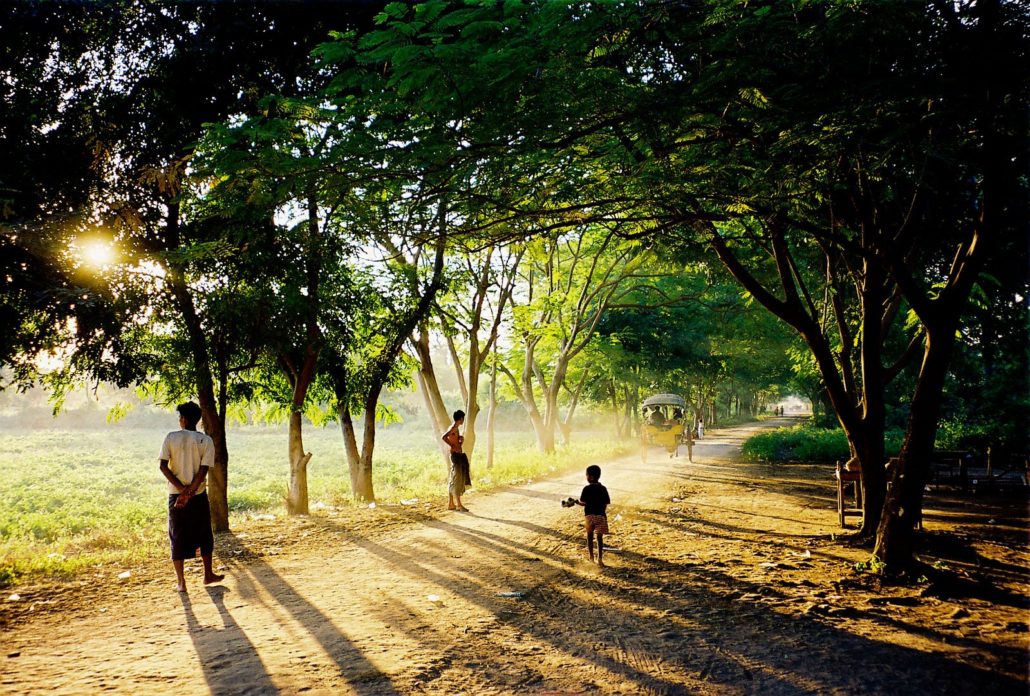
As new variants of COVID-19 spread across the world, outbreaks in Southeast Asia are particularly severe. Myanmar shares a 990-mile border with India, the origin of the highly transmissible Delta variant. The Delta variant is largely responsible for the most recent rapid outbreak in Myanmar, with new cases rising from 72 on June 2, 2021, to more than 2,000 on July 1, 2021. Myanmar’s rising case numbers come soon after the military coup that occurred in February 2021. The last five months since then have been rife with civil strife as the military responds with violence to any protests for the return of democratic leadership. COVID-19 and conflict in Myanmar pose significant challenges to the struggling country and further imperil Myanmar’s most vulnerable.

The Coup

On February 1, 2021, the Tatmadaw, Myanmar’s military, seized control of the government in a bloodless coup. The Tatmadaw disabled communication channels and raided the houses of government officials, putting some 400 members of parliament under house arrest. The members of parliament largely belonged to the National League of Democracy (NLD), Myanmar’s ruling party led by President U Win Myint and State Counsellor Aung San Suu Kyi.

NLD leaders have been charged with corruption and engaging in electoral fraud. Over the course of the five months since the coup, Burmese citizens have engaged in constant protest against the military regime. While the protests have largely taken the form of peaceful marches and street barricades, the military has often responded with live ammunition. In areas where protesters have been more aggressive toward security forces, the Tatmadaw has answered with destructive and indiscriminate airstrikes. Burmese civil society has mobilized in support of democracy but communication blackouts are a core piece of the Tatmadaw’s strategy to suppress information and frustrate organizations.

COVID-19 and Conflict in Myanmar

Many blame the Tatmadaw for the recent COVID-19 outbreak. The country’s previous outbreak that began in September 2020 was just winding down when the coup took place a few months later. While the first few months of military rule saw no rise in COVID-19 cases, it appears that the abandonment of the NLD’s policies of testing, lockdowns and vaccination has produced the country’s fastest rise in cases to date.

Myanmar’s healthcare infrastructure struggled with the first wave and the second wave is already exerting even more acute pressure on Myanmar’s health systems. Furthermore, healthcare workers, as well as workers in many other sectors of the economy, are also protesting the coup. Vaccinations are proceeding at a sluggish rate as international organizations, notably COVAX, have delayed shipments of the vaccine to the military regime, which many have accused of prioritizing shots for its soldiers over the elderly.

Humanitarian Assistance

The combination of post-coup conflict and the rapid outbreak have further endangered those living on the margins of Burmese society. According to the latest available estimates, Myanmar’s poverty rate stands at 25% as of 2017 — a rate that the United Nations Development Programme thinks could double by 2022 if left unaddressed.

The military coup has put the international community in a difficult position. In response to the coup, in February 2021, President Biden announced his decision to redirect $42.4 million of aid to Myanmar “away from work that would have benefited the Government of Burma.” Biden said that “Rather than supporting the military, we will redirect these funds to support and strengthen civil society.”

While the international community refuses to prop up the military regime with economic assistance and sanctions relief, there is no doubt an urgent necessity to provide relief for the impoverished caught between COVID-19 and conflict in Myanmar. NGOs have come together to call for an end to the fighting in order to deliver assistance to those in need.

Doctors Without Borders

Doctors Without Borders issued a statement that it would “continue to deliver impartial medical care to the most vulnerable to the best of [its]capacity while access and circumstances still allow for the provision of care.” Even though “staff movements [are] restricted” its programs are still operational. The organization emphasizes that it is “ready to adapt [its] medical humanitarian response as needed.” Amid the COVID-19 outbreak, the organization is assisting with COVID-19 screening, testing and monitoring while treating infected patients. Doctors Without Borders also “continues to share COVID-19 prevention and health promotion messages” in Myanmar and educates communities on handwashing and mask-wearing.

Donors and organizations must try to find ways to deliver relief that circumvents the military. International humanitarian assistance in Myanmar is necessary now more than ever as Myanmar’s most vulnerable people find themselves between a pandemic and civil strife.

– Will Pease
Photo: Flickr
July 15, 2021
https://borgenproject.org/wp-content/uploads/borgen-project-logo.svg 0 0 Lynsey Alexander https://borgenproject.org/wp-content/uploads/borgen-project-logo.svg Lynsey Alexander2021-07-15 06:29:052021-10-30 22:54:29COVID-19 and Conflict in Myanmar
COVID-19, Global Poverty

Impact of COVID-19 on Poverty in Sri Lanka

COVID-19 On Poverty In Sri Lanka
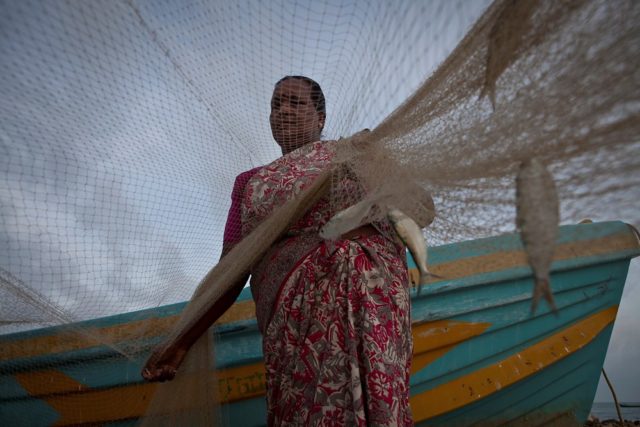
The COVID-19 pandemic has had countless effects on every aspect of life. However, it has particularly affected the economy and poverty levels. The impact of COVID-19 on poverty in Sri Lanka has halted significant poverty reduction progress due to how the pandemic has affected work stability and household income.

The Severity of the Pandemic

In May and June 2020, Sri Lanka faced increasing COVID-19 rates. The country is currently reporting about 1,282 new cases each day with the peak occurring on May 25, 2021. Sri Lanka remains on the lower end of the proportion of the South Asian population infected. However, the extremely low vaccine rate makes the situation dire. The country has administered approximately 5.3 million vaccine doses so far.

The Unstable Situation for Workers

The impact of COVID-19 on poverty in Sri Lanka is clearly visible in the labor market and job stability. Prior to the COVID-19 pandemic, Sri Lanka had made significant progress in reducing poverty. However, a majority of workers still work in agriculture and service with low incomes and poor job quality.  About 70% of these jobs fall in the informal sector, a sector vulnerable to job losses and wage cuts.

Increased unemployment along with low wages and little opportunity to save put workers in a tough situation when the pandemic began. Even workers who had formal employment still clearly felt the effects of the pandemic. For instance, certain export industries struggled due to decreased demand and restrictions on travel.

However, the pandemic caused these groups of people to lose their stable wages and fall below the poverty line, contributing to an increase in overall poverty. The unemployment rate overall rose by about 0.6% from 2019 to 2020. However, this figure may not take into account the workers with part-time employment or informal jobs. The increase in poverty rate is dramatic, going from 9.2% to 11.7% from 2019 to 2020 based on the $3.20 poverty line.

Effects on Households

The impact of COVID-19 on poverty in Sri Lanka and the ensuing instability in the labor market has had significant effects on households and forced many to adjust their lives. In just the first few months of the pandemic in 2020, nearly 40% of households had lost all of their income and 93% faced some consequences from the pandemic.

Sri Lankans are still feeling the effects of the initial economic shock. Because of reduced income, families have to find alternative ways to meet their basic needs. For many, food insecurity is now a prominent issue. As a result, many people have cut back on food consumption. To save on costs, households may consume less nutritious food, which could adversely impact the health of people, especially children.

The Government Assists

When there is a crisis as widespread and impactful as the current pandemic, governments will often take action to mitigate the effects on people. It is impossible to fully negate the impact of COVID-19 on poverty in Sri Lanka. However, some of the programs may help reduce the impact and prevent the complete collapse of the economy.

Using welfare programs that had already been in place, such as the Samurdhi program, the Sri Lankan government was able to lessen the blow to people who lost part of or all of their income. During the first wave, the government gave five million families a payment of Rs 10,000. During the second wave, it gave 1.4 million families Rs 5,000.

Along with these payments, the government also instituted programs to help with employment and training for public sector jobs to help keep people employed with a stable income. Other organizations such as the World Food Programme and CARE have also been working in Sri Lanka to ensure food security.

As more Sri Lankans receive vaccines and cases decrease, Sri Lankans will hopefully be able to return to their normal lives. Being back at work with a stable income will have an immense impact on the livelihoods of millions and government programs will help restore the economy. Sri Lanka had already been making progress in lowering poverty and will hopefully get back on track after the pandemic ends.

– Ritika Manathara
Photo: Flickr

July 14, 2021
https://borgenproject.org/wp-content/uploads/borgen-project-logo.svg 0 0 Jennifer Philipp https://borgenproject.org/wp-content/uploads/borgen-project-logo.svg Jennifer Philipp2021-07-14 01:30:402024-05-30 22:23:52Impact of COVID-19 on Poverty in Sri Lanka
COVID-19, Global Poverty, Refugees

Greece’s Refugee COVID-19 Vaccination Campaign

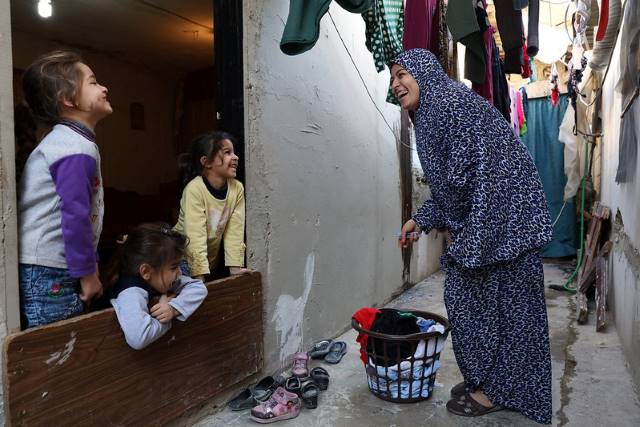
Greece's Refugee COVID-19 VaccinationAfter much delay, the Greek government has finally rolled out a concrete plan for vaccinating an estimated 60,000 migrants and refugees within its borders. Announced on June 3, 2021, Greece’s refugee COVID-19 vaccination campaign will use Johnson & Johnson’s single-dose vaccine to begin inoculating more than 11,000 asylum seekers on the Greek islands of Lesbos, Chios and Samos.
Greece’s Refugee COVID-19 Vaccination Rollout

Human rights groups have repeatedly criticized the center-right government of Prime Minister Kyriakos Mitsotakis for failing to make refugees a priority during the country’s vaccine rollout. Mitsotakis’s administration pledged to make refugees eligible for vaccines, but until this recent announcement, the national vaccination campaign had largely sidestepped Greece’s large migrant population.

The Euro-Mediterranean Human Rights Monitor and others have called the country’s “Greeks-first” policy discriminatory and misguided. Organizations argue that inhabitants of refugee camps are far more vulnerable to COVID-19 than the general population due to overcrowding, limited space and lack of access to proper sanitation facilities. Another point of argument is that stopping the spread of COVID-19 within these vulnerable populations can limit transmission in the rest of society, ultimately benefiting the whole country.

Refugees in Greece

The tension between refugee advocates and the Greek government began long before the COVID-19 pandemic. Greece is one of the most popular routes for migration into Europe from Asia, Africa and the Middle East. After crossing from Turkey, migrants often end up in Greece waiting for their asylum claims to process.

Resentment between Greek citizens and migrants has been steadily rising over the years and the Mitsotakis government has adopted an increasingly tough stance on illegal migration that has come under fire from human rights organizations.

Multiple groups have accused the government of illegally returning asylum seekers to Turkey or leaving them adrift at sea rather than processing them through official asylum channels. One particularly startling accusation claimed that “13 men, women and children currently residing in a refugee camp on the island of Lesbos were beaten, robbed and forced onto a life raft” by uniformed officials who claimed the group required COVID-19 testing. The Greek government has denied these allegations but humanitarian groups still stand strong in protecting the human rights of migrants and refugees.

Vaccination Challenges for Refugees

Mistrust could hamper Greece’s refugee vaccination campaign. According to officials, only about 15% of asylum seekers in Greece have expressed interest in receiving a vaccine, although the number may increase as the campaign gets underway. Across the globe, many refugees fear that registering with a government vaccination platform could lead to arrest, detention or even deportation. Others fall prey to misinformation or encounter language and digital access barriers.

However, the main reason for limited global refugee vaccinations so far is the dramatic difference in vaccine supply between wealthy and low-income nations. Wealthier countries account for 85% of the world’s administered vaccines yet “85% of the 26 million refugees in the world are hosted in developing countries.” A recent contributing factor to limited vaccine access relates to COVAX, the vaccine initiative providing COVID-19 vaccines to low-income nations. Due to supply issues, expectations determined that COVAX would distribute 190 million fewer doses than originally anticipated by the end of June 2021.

Reasons for Hope

Although the road to refugee vaccination in Greece has been bumpy, the newly announced campaign is still a positive first step toward providing the country’s vulnerable migrant population with access to COVID-19 vaccines. There are also signs from around the globe that refugees will soon be able to receive vaccines in far greater numbers.

As of May 2021, 54 countries have started vaccinating refugees and 150 countries have said either publicly or privately that they will include refugees in their vaccine campaigns. Jordan’s campaign, in particular, has had a strong start. The country was the first in the world to include refugees in its COVID-19 vaccination drive. By the end of May 2021, 30% of Jordan’s refugees had received at least one vaccine dose.

International health officials are optimistic that the vaccine inequality between upper and lower-income nations will soon decrease. In June 2021, the United States announced that it would be donating 500 million doses of Pfizer vaccines to “92 low- and lower-middle-income countries and the African Union” through COVAX. Recent positive efficacy results from the Novavax vaccine should boost global supply even further. Overall, hope is on the horizon as the world comes together in a collaborative effort toward combating the COVID-19 pandemic.

– Jackson Fitzsimmons
Photo: Flickr

July 13, 2021
https://borgenproject.org/wp-content/uploads/borgen-project-logo.svg 0 0 Jennifer Philipp https://borgenproject.org/wp-content/uploads/borgen-project-logo.svg Jennifer Philipp2021-07-13 01:30:482024-12-13 18:02:32Greece’s Refugee COVID-19 Vaccination Campaign
COVID-19, Global Poverty, Poverty

The Impact of COVID-19 on Poverty in Lebanon

impact of COVID-19 on Poverty in Lebanon
Lebanon is facing an economic crisis of unparalleled proportions. COVID-19 has severely impacted economic activity in Lebanon as it has in other countries throughout the world. However, the Lebanese economy was in freefall even prior to the pandemic. Since the economic collapse began in 2019, Lebanon has seen triple-digit inflation, heightened unemployment and a skyrocketing poverty rate. Stringent lockdowns in January 2021 kept the spread of COVID-19 under control. However, the impact of COVID-19 on poverty in Lebanon is severe, exacerbating Lebanon’s pre-existing crises and hindering economic recovery.

The Economic Crisis in Lebanon

Lebanon was once a popular destination for tourists who wanted to experience the Middle East’s beauty and rich culture. However, economic collapse and the COVID-19 pandemic have decimated one of the largest sectors of Lebanon’s economy: tourism. Economic instability has exacerbated precarious living conditions for millions of impoverished Lebanese people.

Public debt defaults and a banking liquidity crisis forced many businesses to close even before the pandemic hit. Lebanon’s economy has steadily contracted since 2019. The impact of COVID-19 increased Lebanon’s unemployment rate from 6.04% in 2019 to 6.6% in 2020, the highest rate seen in a decade. The failure of Lebanon’s economic and financial systems has resulted in millions unable to afford basic necessities.

Lebanon and Syria

The ongoing Syrian Civil War that began in 2011 has had significant ramifications in Lebanon. It has also contributed to the collapse of the Lebanese economy. Lebanon has had a long and fluctuant history with its much larger neighbor, Syria. Substantial business relationships exist between Lebanon and Syria’s political and economic elites. Lebanon’s economic disasters remain intrinsically tied to the decade of destruction in Syria. This has created a crisis of its own in Lebanon.

Lebanon houses more Syrian refugees than any other country. With Palestinian refugees included, refugees make up roughly a quarter of Lebanon’s population. These refugees live in camps and shantytowns that offer little protection from the elements and are void of public services. The COVID-19 pandemic has increased the number of Syrian refugees in Lebanon living in extreme poverty from 55% to 90%.

Civilian Poverty and COVID-19

Refugees are not the only ones struggling in Lebanon. With a poverty rate of more than 55%, material deprivation and the suffering it causes are widespread among the 6.8 million Lebanese natives and refugees alike. Many social support services were cut in response to the debt crisis, which left many with little assistance in the face of catastrophe.

Furthermore, August 2020’s Beirut port explosion killed at least 200 people, destroyed thousands of buildings and caused billions of dollars in property damage. Lebanon initially dodged a severe COVID-19 outbreak. However, medical services and ICU beds became heavily strained when cases peaked in January 2021. Thousands of Lebanese people have taken to the streets in past years to protest what they see as a corrupt and inept political class that has consistently failed the citizens of Lebanon.

COVID-19 Aid

In January 2021, The World Bank approved a $264 million project to reduce poverty in Lebanon. The Emergency Crisis and COVID-19 Response Social Safety Net Project (ESSN) will “provide emergency cash transfers and access to social services” to about 786,000 impoverished Lebanese people “reeling under the pressure of Lebanon’s economic and COVID-19 crises.” The project will also focus on developing social security nets in Lebanon to ensure an improved response to future economic shocks.

Exactly 147,000 households living in extreme poverty will receive financial support for one year. Additionally, “87,000 children between the ages of 13-18 will receive a top-up cash transfer to cover the direct costs of schooling.” A core objective of the ESSN is to create a sustainable social safety net that can readily support impoverished Lebanese people even after the World Bank’s aid ends. It is vital for aid to focus on those most vulnerable as the ESSN project highlights.

The Road to Recovery

The impact of COVID-19 on poverty in Lebanon has been harsh. While wealthy nations’ economies suffered from lockdowns and closures, the economic effects of the pandemic were even more acute in impoverished nations struggling to recover from pre-existing catastrophes. COVID-19 has made poverty more widespread, narrowing pathways out of poverty.

While the worsening situation in Lebanon has attracted international attention and support, the structural issues that led to extreme poverty have only been alleviated, not solved. With continued commitment and support from the global community, Lebanon can successfully rebuild and recover.

– Will Pease
Photo: Flickr

July 11, 2021
https://borgenproject.org/wp-content/uploads/borgen-project-logo.svg 0 0 Jennifer Philipp https://borgenproject.org/wp-content/uploads/borgen-project-logo.svg Jennifer Philipp2021-07-11 07:30:442021-07-09 07:20:54The Impact of COVID-19 on Poverty in Lebanon
COVID-19

COVID-19 Vaccinations in Malta

COVID-19 vaccinations in Malta
As of late May 2021, the rollout of the COVID-19 vaccinations in Malta has allowed 70% of Malta’s adult population to receive at least one dose. The country’s decreasing COVID-19 cases and the success of the vaccine rollout offer hope to Maltese officials as they plan to reopen the country.

The Rollout of COVID-19 Vaccinations in Malta

Thanks to Malta’s increase in vaccinated citizens, hospitalizations have decreased by 95%. The country’s health minister, Chris Fearne, reported that 42% of adults are fully vaccinated. The country has administered Johnson & Johnson, Moderna, Pfizer-BioNTech and AstraZeneca vaccines. On June 8, 2021, the country’s active COVID-19 cases dropped to just 70, with a report of only one new case. Malta is among the growing number of nations, such as Israel and Bhutan, that are reporting successful vaccine rollouts.

Malta’s Declaration of Herd Immunity

With the successful vaccine rollout, the Maltese government has declared herd immunity. However, the World Health Organization (WHO) has voiced uncertainty about such declarations. Due to new COVID-19 variants, the proportion of the population requiring vaccination to achieve herd immunity is unknown. The new variants reduce the effectiveness of the COVID-19 vaccine, meaning vaccinated people may still be at risk.

According to the Bloomberg vaccination tracker, the 42% of the Maltese population that is fully vaccinated does not include children 16 and younger. As a result, the total percentage of the population that is fully vaccinated is only 36.5%. Despite its small population of only about 500,000 people, the country has reported more than 30,000 COVID-19 cases and more than 400 COVID-related deaths.

Looking Ahead

Though COVID-19 cases are falling in Malta, the U.K. has announced that it will not lift its Malta travel ban. When the U.K. revised its “green list” of countries whose citizens will not have to follow quarantine requirements upon entry, Malta was still not part of the list. However, other countries such as Portugal and the Netherlands have eased restrictions on traveling to Malta.

Although the majority of Malta’s adult population has received vaccinations, the mask mandate will remain in place until July 1, 2021. After July 1, fully vaccinated people will no longer have to wear masks outdoors as long as COVID-19 cases stay relatively low.

As the country reopens and allows travelers to visit again, the Maltese government has set a new requirement for people entering the country: a vaccination certificate or a negative PCR test. The government will also provide incentives to visitors, such as hotel and scuba diving vouchers, to promote tourism and boost the economy.

Maltese citizens will also need vaccine certificates in order to attend certain public gatherings. The certificates will act as proof for citizens who have received COVID-19 vaccinations in Malta. Fearne reports that as of June 10, 2021, Maltese people have downloaded more than 60,000 vaccine certificates.

The success of Malta’s COVID-19 vaccination rollout inspires hope for other countries. With more vaccine diplomacy and less vaccine nationalism, more countries can progress toward achieving herd immunity.

– Jordyn Gilliard
Photo: Unsplash

July 10, 2021
https://borgenproject.org/wp-content/uploads/borgen-project-logo.svg 0 0 Kim Thelwell https://borgenproject.org/wp-content/uploads/borgen-project-logo.svg Kim Thelwell2021-07-10 01:30:232021-07-12 07:12:22COVID-19 Vaccinations in Malta
COVID-19, Global Poverty

Lockdowns Reduce COVID-19’s Impact on China

COVID-19’s Impact on ChinaAfter its first reporting in Wuhan, China, at the end of 2019, COVID-19 spread quickly across the world. COVID-19’s impact on China was initially pronounced as the government struggled to contain the outbreak, suppressing whistleblowers and drawing criticism from the international community. But, Beijing’s ability to reverse its early failures has impressed analysts, showcasing the strength of China’s response system.
Strict Lockdowns

On January 23, 2020, Beijing imposed strict lockdown measures in Wuhan. For 76 days, the city remained in quarantine, and the lockdown eventually expanded to include large swaths of the country. Although some experts greeted these efforts with skepticism, the world eventually enacted similar lockdowns.

However, few lockdowns were able to match the aggressiveness of China. In the United States, lockdowns were met with skepticism and protest, allowing the virus to rage through the country unhindered. But, on the other side of the Pacific, COVID-19’s impact on China was effectively curtailed. Despite the virus originating from Wuhan, China recorded no official daily deaths for multiple months in 2020.

Yet, experts remained doubtful of China’s COVID-19 performance. The CIA questioned the validity of Chinese COVID-19 statistics, seeing the data as a vast undercount of the actual total. But, the issue of undercounting was widespread outside of China as well, presenting itself in countries all over the world. Despite discrepancies in the official counts, a general narrative had taken shape by the end of 2020 that China successfully contained COVID-19.

COVID-19’s Economic Impact

The COVID-19 lockdown slowed the virus around the world but created new issues. Businesses shuttered, and the economy contracted without consumer spending. As a result, the world found itself in the most severe economic crisis since the Great Depression. China was hardly immune to these economic impacts. Output took a historic blow during the first few months of 2020, adding to Beijing’s larger concerns about its economic health. Despite its position as the world’s second-largest economy, China faces major obstacles to growth, from an aging population to ballooning levels of debt. COVID-19 lockdowns exacerbated these pressures, with the potential to curtail China’s decades of growth.

Positive Economic Growth in China

The speedy enactment of lockdowns allowed Beijing to repudiate its critics once again. While other great powers, including the United States, saw their economies contract, China was the “only major economy” in 2020 to register positive GDP growth. Far from leading to broader economic collapse, COVID-19’s impact on China appears to be a net positive geopolitically, accelerating the shift in power from the West to the East. China’s economy is now slated to be the world’s largest economy by the end of 2028, five years ahead of schedule.

China’s continued efforts to combat extreme poverty are notable. Before COVID-19, the government had laid out an ambitious pledge to completely eliminate extreme poverty, defined as $600 or less in yearly per capita income, by 2020. In 2019, decades of sustained economic growth led to less than 1% of Chinese people living in extreme poverty.

COVID-19 threatened to derail poverty reduction plans. But, instead of adversely impacting China’s stated objective, the rapid lockdowns engineered by Beijing allowed for a fast economic recovery and the completion of the original objective. By the end of 2020, Chinese President Xi Jinping proudly reported that the country had officially eliminated extreme poverty.

COVID-19 Vaccination Efforts

China initially lagged in the area of COVID-19 vaccinations. Pharmaceutical companies in the United States pushed out highly effective COVID-19 vaccines in record-breaking time, quickly inoculating sizable swaths of the population. With this aggressive drive, a return to normal reopening seemed to be within reach.

China initially encountered struggles in vaccinating the population. Its early vaccination program was slow and vaccine hesitancy presented a barrier to inoculation. However, this changed recently as China’s state apparatus manufactured hundreds of millions of COVID-19 vaccinations for rapid distribution. Now, China is taking the lead in vaccinations as the U.S. lags behind. To date, China has administered more than one billion COVID-19 vaccine doses.

This does not mean that China is out of the woods though. The efficacy of Beijing’s vaccines compare poorly to other vaccines, and many nations that received Chinese vaccines have still seen COVID-19 cases skyrocket. Nonetheless, China’s vaccine efforts are certainly commendable.

As the only economy with positive economic growth in 2020, China’s efforts to curb COVID-19 have proven effective. Aside from its COVID-19 response, China’s efforts to combat poverty have also positively contributed to increased prosperity and stability within the nation.

– Zachary Lee
Photo: Unsplash

July 8, 2021
https://borgenproject.org/wp-content/uploads/borgen-project-logo.svg 0 0 Jennifer Philipp https://borgenproject.org/wp-content/uploads/borgen-project-logo.svg Jennifer Philipp2021-07-08 01:30:492024-05-30 22:23:47Lockdowns Reduce COVID-19’s Impact on China
COVID-19, Food & Hunger, Food Aid, Global Poverty

Solving the Food Insecurity Crisis in Somalia

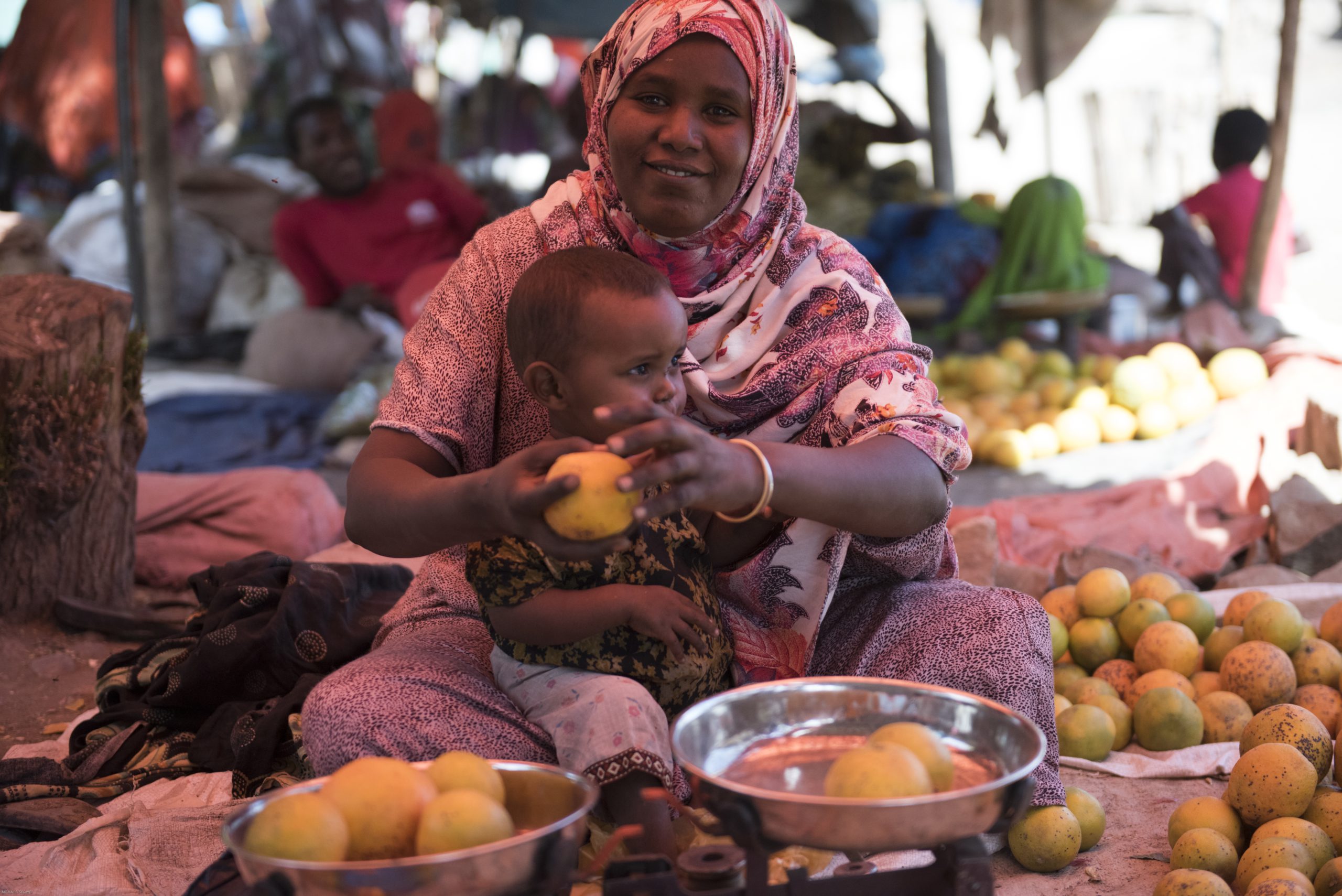
Food insecurity crisis in SomaliaSomalia’s climate consists of sporadic periods of intense rainfall between long periods of drought. So far in 2021, a devastating mix of severe droughts, intense floods and locust infestations in Somalia have devastated crop production and livestock herds, leading to a hunger crisis. The effects of the COVID-19 pandemic further exacerbated the previously high rates of poverty in the country and have contributed to the food insecurity crisis in Somalia. USAID is aiming to combat the hunger crisis in Somalia by providing food assistance while also targeting assistance efforts to limit malnutrition among children and pregnant women.
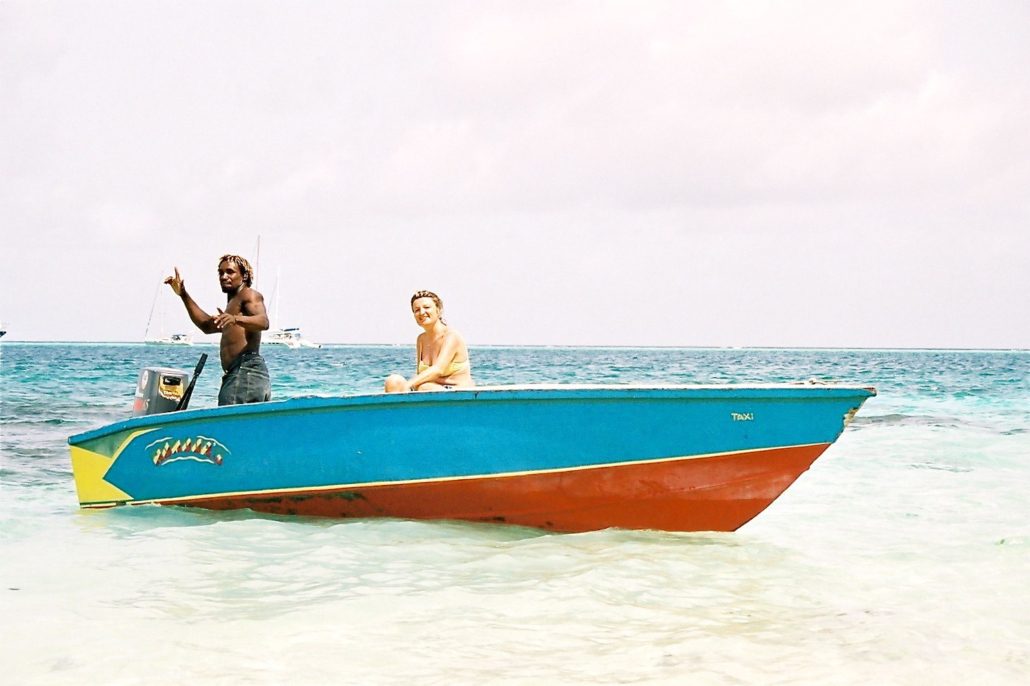
Causes of the Food Insecurity Crisis in Somalia

Typically, heavy rains strike Somalia between April and June and again between October and December. During the two rainy seasons, extreme rainfall and flooding regularly displace Somalis across the country. However, in 2021, the rainy season ended in May instead of June. This early end caused intense droughts in Somalia.

Rainfall in some areas of Somalia has amounted to only half of the year-to-date average. As a result, deficit farmers in the south and northwest of Somalia have not been able to access water supplies adequate to plant Somalia’s staple crops. Moreover, pastoral households’ inadequate access to water has decreased the size and productivity of livestock herds. The subsequent meat, milk and crop shortage might surge food prices in Somalia.

The Famine Early Warning Systems Network projected that the Somali yield of cereal crops in 2021 will be up to 40% less than the yearly average. The drought has already decreased the food and water intake for farmers and pastoralists across Somalia, and low crop and livestock yields in the late summer harvest will lead to lower incomes for farmers and pastoralists. This will limit the purchasing power of Somalis employed in the agriculture sector. Altogether, the drought and subsequent low-yield harvests could extend the risk of a food insecurity crisis in Somalia past the summer.

The State of the Somali Food Insecurity Crisis

The Integrated Food Security Phase Classification (IPC) scale is a system that governments, non-governmental organizations and the U.N. uses to analyze the severity of food insecurity situations. The IPC scale ranges from minimal (IPC Phase 1) to famine (IPC Phase 5). By the middle of 2021, the IPC expects 2.7 million Somalis to encounter at least the crisis level of food insecurity (IPC Phase 3). Specifically, the analysis expects 2.25 million Somalis to be at the crisis level of food insecurity while another 400,100 will be at the emergency level of food insecurity (IPC Phase 4).

COVID-19 in Somalia

While the COVAX initiative and the Somali Federal Government have started the vaccination campaign against COVID-19 in Somalia, the virus continues to devastate the fragile economy. Even before the COVID-19 pandemic, the poverty rate (percent of the population below $1.90/day, 2011 PPP) in Somalia was at 69%. The poverty rate among Somalis in rural areas was at 72%.

Further, the worldwide COVID-19 induced lockdowns have limited employment opportunities for Somalis working in foreign countries. Consequently, Somalis working internationally are not able to send much money back to their families in Somalia, which heavily supports consumption in the country. Moreover, Somali businesses have reduced their full-time staff by an average of 31% since the pandemic first struck Somalia.

Lastly, a global reduction in demand for Somali livestock has decreased Somali livestock exports by 50% since the beginning of the pandemic, which further weakens the income of already impoverished Somali pastoralists. Thus, the global economic downturn resulting from COVID-19 threatens to intensify the food insecurity crisis in Somalia.

US Aid to Somalia

On June 24, 2021, the United States Agency for International Development (USAID) announced a pledge of $20 million in assistance to Somalia. USAID’s aid pledge to Somalia was part of a larger USAID plan to provide a total of $97 million to African countries to combat the health and socioeconomic ramifications of the pandemic. The U.S. aid plan will focus on tackling the food insecurity crisis in Somalia and will supply the country with staple crops like sorghum and yellow split peas. The funding also aims to limit the malnutrition of children and pregnant women.

The aid package builds on a U.S. commitment of $14.7 million in June 2021 to provide drinking water, fight malnutrition and support victims of gender-based violence.

While Somalia’s struggle with poverty and malnutrition is a longstanding and complicated issue, assistance from the U.S. and the rest of the global community could prevent a famine in the short term and boost the country’s economic development in the long term.

– Zachary Fesen
Photo: Flickr

July 7, 2021
https://borgenproject.org/wp-content/uploads/borgen-project-logo.svg 0 0 Kim Thelwell https://borgenproject.org/wp-content/uploads/borgen-project-logo.svg Kim Thelwell2021-07-07 14:07:462024-05-30 22:23:54Solving the Food Insecurity Crisis in Somalia
COVID-19, Global Poverty

COVID-19’s Impact on Trinidad and Tobago

COVID-19's Impact on Trinidad and Tobago
COVID-19’s impact on Trinidad and Tobago, a tropical twin-island nation in the Caribbean, has been particularly harsh. As other countries return to normalcy, Trinidad and Tobago is facing its highest numbers of COVID-19 cases yet. In fact, it has seen a total of 33,920 cases and 918 deaths. Of its 1.3 million population, 7,162 currently have COVID-19. Government response consisted of closing the country’s borders, implementing stay-at-home orders and declaring a subsequent state of emergency. These measures have taken a toll on the country’s economy. The unprecedented loss of revenue has trickled down and affected various other sectors, disproportionately affecting the poorest Trinbagonians.

Economic Impact

Trinidad and Tobago is heavily dependent on revenue from crude oil and natural gas exportation. Global travel bans and local restrictions of movement resulted in decreasing fuel demands and worldwide devaluation.

The average price of crude oil, $60/barrel, began falling in January 2020. It reached an all-time low of $21.04/barrel in April 2020, a 65% decrease. Fortunately, since mass vaccination began, restrictions have eased, and prices began normalizing to around $60/barrel again by February 2021.

Tourism and Businesses

Tourism, the country’s second-largest income source, employs almost 10,000 persons and has halted following the country’s border closure. This resulted in up to 7% in job loss. Tobago in particular needs tourism to create jobs and supplement its economy, and both islands gain a large boost in foreign revenue during Carnival. The government closed beaches and canceled Carnival to save lives and with the hope of holding COVID-free Carnivals in future years as the country rebuilds its economy.

Poorer communities benefited from tourism with people working as boat-tour guides, street vendors and fishermen but lost out on those opportunities. Meanwhile, other non-essential and small businesses closed in April 2020. The later-imposed state of emergency saw several go bankrupt, further adding to the mass increase in unemployment and the potential loss of at least 10% of its GDP.

Economist Dr. Indera Sagewan said that while it is too early to confirm the exact number of businesses that closed due to COVID-19, she expects that more businesses will close permanently. She also expects that permanent employment will increase in the private sector.

“The social impact will be severe such as entertainment, tourism, the retail sectors as these sectors employ unskilled and semi-skilled individuals. They also operate in the lower-income bracket of society. This is the sector that has felt the brunt of COVID closures,” she said.

Helping Out

Local media outlets have been covering farmers, vendors and bus drivers fighting to make a living, spreading awareness of their plight and prompting community members to help each other. The government has offered Salary Relief Grants to affected persons in certain sectors, receiving over 15,000 applications, mainly from the retail, entertainment and food and restaurant sector.

Lengthy processing times of these applications have encouraged other entities to address immediate needs. Communities have hosted food drives, and the Digicel Foundation, partnering with 10 NGOs, offered $500,000 in food vouchers to 1,000 families that COVID-19 affected. The Trinidad and Tobago Association of Psychologists has also been offering free calls to help those who have experienced poor mental health as a result of job loss and quarantine during the pandemic.

An Overwhelmed Healthcare System

Early in the pandemic, the government created a parallel healthcare system, designating certain medical facilities to treat COVID-19 patients. However, the government did not fully enforce border closure, leading to a Venezuelan immigrant introducing the P1 Brazilian variant into the country.

Cases surged, with hospitals reaching over 95% occupation. The government’s inability to offer a steady supply of PPE, overtime or childcare pushed healthcare workers, who the pandemic had already spread thin, out of the profession. Despite the one nurse to 30 patient ratio, the Joint Trade Union Movement revealed that medical facilities were still only hiring healthcare workers temporarily.

Dr. Maryam Abdool-Richards, Principal Medical Officer, announced that hospitals were filling faster than emptying and they are “basically out of hospital beds.” This resulted in only 10 patients being admitted to the hospital per 100 cases. Meanwhile, those who were not able to afford private healthcare had to treat themselves at home. The U.S. government donated two field hospitals to mitigate COVID-19’s impact on Trinidad and Tobago, each with a 40-bed capacity.

Education Cutback

COVID-19’s impact on Trinidad and Tobago extends to education as well. Online learning has taken place since schools closed in March 2020. However, The Ministry of Education estimates that the resources needed to participate in school online are inaccessible to 60,000 students. The Ministry has provided most teachers with laptops but has not resolved the accessibility issue for poorer students. The Catholic Board of Education stepped in during 2020, partnering with the Telecommunications Services of Trinidad and Tobago (TSTT) to bring internet connectivity to almost 2,000 students in need.

Trinbagonians, mainly students who were studying abroad when the borders closed, have spent over a year stranded in foreign countries. Many have been running low on foreign currency for food and shelter. Local media outlets have been covering the plight of these nationals and encouraging locals to utilize various money-transfer platforms to help them. The government recently launched an Exemption Program to slowly repatriate locals through the regional airline.

Thirdly, the Ministry reduced academic scholarships for tertiary education from 400 to 100 and cut postgraduate funding due to the pandemic. However, the Hindu religious group Maha Sabher is fighting for the affected students’ right to education. It has filed a lawsuit against the government’s new policy which they describe as “unlawful, unfair, deprived students of a legitimate expectation to be assessed for scholarships on academic performance.”

One student who qualified for a scholarship under the previous policy has resorted to funding her medical degree via Gofundme. “It’s unfair how our government handled education during COVID, but people online have been so generous,” she told The Borgen Project.

Vaccinations

Willing Trinbagonians aged 60+ are gradually receiving vaccinations, in addition to public officials, some essential workers and some high-risk cases. Trinidad and Tobago’s government found vaccines difficult to secure so it has been depending on gifted doses. Luckily, other countries stepped up as Barbados,  Grenada, St. Vincent, Bermuda, the Grenadines and India donated a total of 64,500 AstraZeneca vaccines, China donated 200,000 Sinopharm vaccines and the U.S. donated 400 Pfizer vaccines.

In the words of ECLAC’s Executive Secretary Alicia Bárcena, “No country will be able to fight this pandemic without global and regional cooperation. At the end of the day, what we really need to consider is what will happen to multilateralism. There must be more integration. Without a doubt, we must move towards greater coordination.”

The aid of global partners has certainly helped alleviate COVID-19’s impact on Trinidad and Tobago. However, while the country’s vaccination efforts continue, its citizens are doing what they can to help each other.

– Serah-Marie Maharaj
Photo: Flickr

July 6, 2021
https://borgenproject.org/wp-content/uploads/borgen-project-logo.svg 0 0 Jennifer Philipp https://borgenproject.org/wp-content/uploads/borgen-project-logo.svg Jennifer Philipp2021-07-06 09:53:272024-05-30 22:23:50COVID-19’s Impact on Trinidad and Tobago
COVID-19, Global Poverty

Global Startup Awards Recognize Top Technology Innovators

Global Startup Awards Recognize Top Technology InnovatorsThe Global Startup Awards (GSA) Africa is an initiative spotlighting the top technology innovators across the continent. African citizens from all 55 states will participate in the world’s largest independent startup competition for the first time.
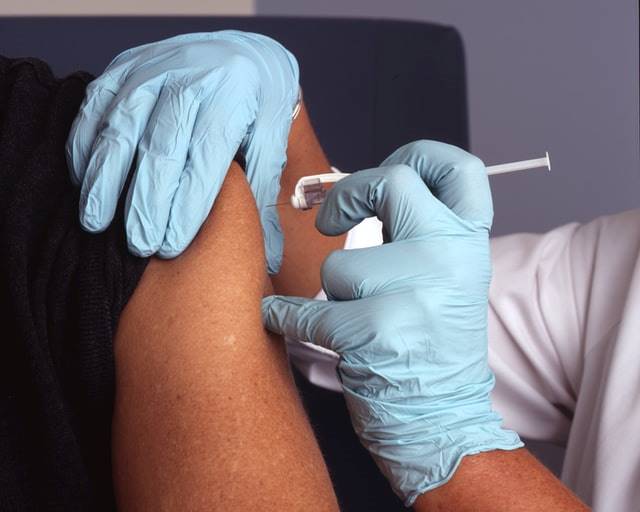
GSA Africa is rapidly growing its community by bringing local tech innovators together from all regions within the continent. This includes Southern, Northern, Eastern, Central and Western Africa. The expansion is possible due to the accelerating progress of Africa’s tech ecosystem. According to Partech’s Africa Tech Venture Capital Report, activity grew by approximately half in 2020 despite the ongoing global COVID-19 pandemic. 

Contributing to the Tech Startup Ecosystem

Africa is experiencing monumental changes in the tech industry. More startup companies are being recognized for innovative methods. Startups have been finding solutions in food security, food production and farming methods that will strengthen industries throughout Africa. Caitlin Nash is the co-founder of the Global Innovation Initiation Group which hosts the GSA. She aims to showcase Africa’s innovative community on a global stage. Additionally, she shares the benefits of global exposure. Startups have an opportunity to gain access to a global network and collaborate across borders.

The GSA will reward participants in all aspects of the startup. This includes the startup itself, the people behind the startups and the organizations that support the creators. The GSA’s mission is to feed, industrialize and integrate Africa. This ties into the goal of improving the lives of people living in Africa. With rapid technological developments happening across the world, many countries are more capable of taking those opportunities to keep up. However, this leaves most developing countries behind in these innovations. Thus, these awards shed light on the importance of technological development in those nations.

According to the U.N.’s Technology and Innovation Report 2021, frontier technologies represent a $350 billion market that can potentially grow to $3.2 trillion in 2025. However, developing areas like sub-Saharan Africa are unprepared to adopt and adapt to these technological changes. The GSA will bring forward the innovations needed to help developing countries in Africa and around the world stabilize resources and improve the lives of citizens.

The Contest Categories

The Global Startup Awards will present 12 categories for the 2021 contest. Women in Tech represents tech startups owned and founded by women. AgriTech will award solutions in food security, production, farming methods and nutrition. In addition, HealthTech recognizes startups initiating medical innovations in BioTech, HealthTech, wellness and telemedicine (virtual care for patients) to improve the quality of life. CommerceTech will award the startup that works on using technology to enable commerce in Africa. This will range from mobile commerce to blockchain and cryptocurrency.

Another category is IndustrialTech. This category provides Africa’s industrialization with solutions for safety, mining, manufacturing, production, logistics, mobility and supply chain management. ESG Tech, or environment, social and governance tech, will award startups aiming to improve environmental, social impact and social government solutions. These solutions include areas like renewable energy, sustainability, recycling, water and sanitation. Startup of the Year will award the startup that is making the biggest impact on the economy and the world.

The Best Newcomer category will recognize a startup less than two years old that is already making a big impact within the tech industry. Moreover, Founder of the Year will award a startup founder or co-founder making progress with their leadership skills. It will highlight a role model for the next generation of founders. VC of the Year will recognize those achieving financial success while investing in innovative companies that can positively impact the economy and the world.

Finally, Best Accelerator and Incubator Program will recognize programs that help empower entrepreneurs to grow their craft by providing tools and resources to thrive. The Best Co-Working Space category will award a co-working space that provides services, support and resources to create an environment that fosters innovation.

Moving Forward

The Global Startup Awards will find, recognize and connect new innovators around the world. These startups have the potential to better the lives of people living in developing countries, and the GSA will help bring these companies to life.

– Nia Owens
Photo: Flickr

July 5, 2021
https://borgenproject.org/wp-content/uploads/borgen-project-logo.svg 0 0 Kim Thelwell https://borgenproject.org/wp-content/uploads/borgen-project-logo.svg Kim Thelwell2021-07-05 07:30:042021-07-04 14:49:21Global Startup Awards Recognize Top Technology Innovators
COVID-19, Global Poverty

Efforts for COVID-19 Vaccination in Mongolia

COVID-19 Vaccination in MongoliaEfforts for COVID-19 vaccination in Mongolia can be described in the oxymoron “small but mighty.” This tiny nation is typically overshadowed by its neighboring states, Russia and China. However, in the event of a pandemic, the position as a small country enclosed by the borders of the world’s two largest vaccine manufacturers can be extremely valuable. Mongolia has benefited greatly from its close ties with its neighbors, powerful forces determined to aid their partners through vaccine diplomacy. As a result of these vaccination efforts, Mongolia hopes to be free of COVID-19 sometime around the Mongolian summer of 2021.

Helpful Partnerships

Mongolia has a sufficient number of vaccines to properly ensure protection within the adult population, primarily due to its advantageous location between China and Russia. The relationship between Mongolia and China dates back to the 1940s when the countries signed a treaty of friendship and mutual assistance. As for Mongolia and Russia, both nations signed the Russo-Mongolian Agreement back in 1912, which gives both countries major commercial advantages. Through these foreign policy agreements, toward the end of April 2021, Mongolia had 1.5 million doses of the Sinopharm vaccine from China and 20,000 doses of Sputnik-V vaccines from Russia.

Additionally, on March 24, 2020, the United States Agency for International Development (USAID) committed $1.2 million to assist the Mongolian government in its COVID-19 response, according to the U.S. Embassy in Mongolia. USAID is committed to assisting efforts for COVID-19 vaccination in Mongolia by strengthening the country’s disease-fighting capabilities. USAID also supports other critical areas such as “infection prevention and control, preparing laboratory systems for large-scale testing” and public communication on personal preventative measures. Due to aid from Russia, China, the United States and other foreign assistance, as of May 6, 2021, Mongolia has administered more than 1.3 million doses of COVID-19 vaccines.

Vaccination Diplomacy and Foreign Policy

The worldwide pandemic brought into sharp focus the importance of a nation’s foreign policy and what is made possible through efforts of foreign and domestic relations. Mongolia is reaping the benefits of vaccination diplomacy by relying on its well-established foreign policy framework. Mongolia’s COVID-19 vaccine initiative includes COVAX, an international effort aimed at ensuring equal access to COVID-19 vaccinations throughout the world.

Specifically, Mongolia’s foreign minister, Battsetseg Batmunkh, has maintained excellent relationships with Mongolia’s allies. For instance, the U.S. and Mongolia have been in regular contact on how the United States, as a key ally, can help Mongolia tackle COVID-19. Additionally, On February 24, 2021, Batmunkh expressed deep gratitude to the foreign minister of China, Wang Yi, for China’s generous assistance in providing resources to Mongolia to fight COVID-19. Batmunkh also adds that the China-Mongolia relationship sets a good example of how nations around the world can empower one another in the face of adversity.

The Mongolian government is so optimistic about the country’s vaccination rollout that Mongolia is promising citizens a summer free from COVID-19. With a fully vaccinated population of 53.4% as of June 1, 2021, Mongolia is without a doubt at the forefront of the worldwide effort to safeguard communities against COVID-19.

– Anna Lovelace
Photo: Unsplash

July 2, 2021
https://borgenproject.org/wp-content/uploads/borgen-project-logo.svg 0 0 Jennifer Philipp https://borgenproject.org/wp-content/uploads/borgen-project-logo.svg Jennifer Philipp2021-07-02 05:16:582024-05-30 22:23:47Efforts for COVID-19 Vaccination in Mongolia
Page 13 of 30«‹1112131415›»

Get Smarter

  • Global Poverty 101
  • Global Poverty… The Good News
  • Global Poverty & U.S. Jobs
  • Global Poverty and National Security
  • Innovative Solutions to Poverty
  • Global Poverty & Aid FAQ’s
Search Search

Take Action

  • Call Congress
  • Email Congress
  • Donate
  • 30 Ways to Help
  • Volunteer Ops
  • Internships
  • Courses & Certificates
  • The Podcast
Borgen Project

“The Borgen Project is an incredible nonprofit organization that is addressing poverty and hunger and working towards ending them.”

-The Huffington Post

Inside The Borgen Project

  • Contact
  • About
  • Financials
  • President
  • Board of Directors
  • Board of Advisors

International Links

  • UK Email Parliament
  • UK Donate
  • Canada Email Parliament

Get Smarter

  • Global Poverty 101
  • Global Poverty… The Good News
  • Global Poverty & U.S. Jobs
  • Global Poverty and National Security
  • Innovative Solutions to Poverty
  • Global Poverty & Aid FAQ’s

Ways to Help

  • Call Congress
  • Email Congress
  • Donate
  • 30 Ways to Help
  • Volunteer Ops
  • Internships
  • Courses & Certificates
  • The Podcast
Scroll to top Scroll to top Scroll to top