• Link to X
  • Link to Facebook
  • Link to Instagram
  • Link to TikTok
  • Link to Youtube
  • About
    • About Us
      • President
      • Board of Directors
      • Board of Advisors
      • Financials
      • Our Methodology
      • Success Tracker
      • Contact
  • Act Now
    • 30 Ways to Help
      • Email Congress
      • Call Congress
      • Volunteer
      • Courses & Certificates
      • Be a Donor
    • Internships
      • In-Office Internships
      • Remote Internships
    • Legislation
      • Politics 101
  • The Blog
  • The Podcast
  • Magazine
  • Donate
  • Click to open the search input field Click to open the search input field Search
  • Menu Menu

Archive for category: COVID-19

COVID-19, Global Poverty

Improving Health in Papua New Guinea

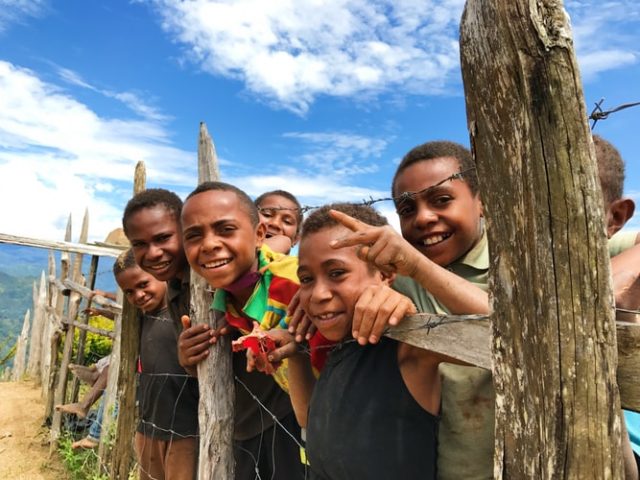
Health in Papua New GuineaFor the island nation of Papua New Guinea, the COVID-19 outbreak has led to some positive developments despite the harm the pandemic has caused. Health officials state that the COVID-19 pandemic has tested medical infrastructure in Papua New Guinea, providing opportunities for the country to strengthen its healthcare system and be better able to deal with future health crises. Several organizations are committed to improving health in Papua New Guinea.

Healthcare Accessibility

Lack of accessibility to healthcare is a significant barrier for the citizens of Papua New Guinea. One of the defining characteristics of Papua New Guinea is how vast and well-dispersed the country is with roughly 600 islands. Its many secluded and remote areas may seem ideal for a vacation destination, but these qualities prove to be challenging from a healthcare perspective. Due to the abundant natural resources, around 80% of residents live off the land in rural areas that are not in close proximity to medical facilities. Despite logistical trials, the country is slowly but surely making progress.

Vaccine Distribution

As of April 12, 2021, Papua New Guinea had reported almost 10,000 confirmed cases of COVID-19. On April 16, 2021, the Oceania nation received 132,000 vaccines from the COVAX Facility. The national vaccine rollout was launched on May 4, 2021, first focusing on the 3% of the population making up frontline workers. Considering the decentralized population and the late start in acquiring vaccines, Papua New Guinea has made progress in fighting COVID-19. By educating the population about vaccines and medical vernacular, health officials agree that efforts to combat the virus have better prepared the country for future medical crises.

Identifying Shortcomings

In addition to vaccination efforts, COVID-19 response funds are being used to create water facilities in vulnerable areas such as the North Fly District. This improvement will benefit the country on a long-term basis. The COVID-19 pandemic has tested the local medical system by pointing out flaws. This has prompted Papua New Guinea to find solutions to make future outbreaks more manageable.

Weakened demand due to the pandemic has left Papua New Guinea’s economy crippling. Vaccinations are serving to remedy the economic strain as much will go back to normality once a greater part of the population is vaccinated and the economy will be stimulated. As normalcy returns, the unemployment rate and poverty rate are projected to gradually decrease. However, Papua New Guinea’s healthcare system still needs support from outside organizations in order to strengthen.

3 Organizations Supporting Healthcare in Papua New Guinea

  1. Doctors Without Borders is a humanitarian aid organization. It provides medical assistance needed around the world. In  order to improve health in Papua New Guinea, its current focus is fighting tuberculosis. With mobile clinics and less invasive treatments, the organization is able to care for patients situated in remote areas and save them the cost of travel to and from a medical facility.
  2. The PNG Foundation specifically supports approximately 70,000 Kamea people of Papua New Guinea. Rugged highland terrain creates difficulty accessing health, educational and infrastructure support. The goals of the PNG Foundation include providing basic medical care and maintaining the hospital and schools.
  3. The well-being of Papua New Guinea’s women and children lies at the heart of the Highlands Foundation’s mission. The organization combats maternal and infant mortality. Its projects include sending medical supplies, clothes, toiletries and sanitary items to hospitals in the remote areas of Papua New Guinea. The Highlands Foundation also leads training programs for local medical staff and sends volunteers to ease the pressure of the national medical personnel shortages.

Global organizations, foreign aid and private donors have aided Papua New Guinea by providing vaccines, equipment and other essential resources. The COVID-19 pandemic has brought to light the struggles of Papua New Guinea’s healthcare system. Now that the shortcomings are apparent, Papua New Guinea will require further support and assistance in order to address these issues and strengthen healthcare in the country.

– Lucy Gentry
Photo: Unsplash
April 30, 2021
https://borgenproject.org/wp-content/uploads/borgen-project-logo.svg 0 0 Lynsey Alexander https://borgenproject.org/wp-content/uploads/borgen-project-logo.svg Lynsey Alexander2021-04-30 02:57:412021-06-18 02:58:03Improving Health in Papua New Guinea
COVID-19, Global Poverty

The Impact of COVID-19 on FGM

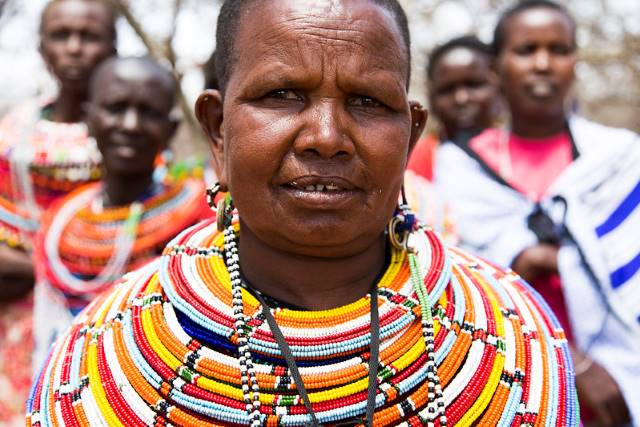
COVID-19 on FGMThe COVID-19 pandemic has increased rates of female genital mutilation, especially in African communities. The Orchid Project reported this elevated level after communicating with organizations and activists who are working to end FGM. COVID-19 has certainly negatively affected FGM. Women are prevented from leaving their communities to escape the practice because governments are obliged to implement lockdown measures. The COVID-19 pandemic has also heightened issues of gender inequality. The pandemic has deprived women of essential health services and resources. The lack of access to adequate medical assistance is especially dangerous because FGM practices can lead to serious health consequences.

The Traditional Practice of FGM

According to the World Health Organization, “traditional circumcisers” mostly conduct FGM, but FGM is also often administered by healthcare providers who believe the practice is safer when performed by a medical professional. However, FGM has no health benefits and only harms women and girls. Women undergo FGM because of cultural norms. In many communities, women’s fears of rejection make them more likely to endure FGM for social acceptance. Moreover, some communities believe that FGM increases marriageability, which provides economic reasons for FGM as marrying off a girl means the economic burden on the family is eased. FGM practices also link to “cultural ideals of femininity and modesty.” COVID-19 has increased incidents of FGM because people see lockdowns as “an opportunity to carry out FGM undetected.”

The Severity of FGM

FGM has immediate and long-term health implications such as extreme pain, urinary tract issues, hemorrhaging, sexual problems and even psychological problems. The mutilation of the genital tissue may necessitate further medical surgeries in order to address the damage and resulting complications. COVID-19 has significantly increased the rates and severity of FGM because of restrictions preventing women from leaving communities to seek medical assistance and lockdowns providing an opportunity to carry out the practice discreetly.

The Joint Programme on FGM

One of the U.N. Sustainable Development Goals includes the elimination of FGM by 2030. In 2008, the United Nations Population Fund and UNICEF created the Joint Programme on FGM to support the goal of putting an end to FGM practices globally. The initiative works at all levels to raise awareness about the devastating consequences of FGM and encourage communities, girls and women to renounce the practice. The initiative focuses on 17 key countries where rates of FGM are notably high.

By 2019, the initiative had already “helped more than 3.2 million girls and women receive prevention, protection and care services related to FGM.” Furthermore, 31.6 million people in 15 countries agreed to stop the practice of FGM. The program has led to countries such as Nigeria banning FGM entirely. The Joint Programme on FGM acknowledges that COVID-19 has exacerbated incidents of FGM. To address this, the initiative has advocated for governments and humanitarian organizations to include FGM response and prevention efforts in their COVID-19 response plans.

Female genital mutilation is a culturally entrenched practice requiring interventions to include communities in order to break through cultural barriers. Organizations are working to create awareness of this human rights violation and create lasting change to end female genital mutilation by 2030.

– Ainara Ruano
Photo: Flickr

April 30, 2021
https://borgenproject.org/wp-content/uploads/borgen-project-logo.svg 0 0 Kim Thelwell https://borgenproject.org/wp-content/uploads/borgen-project-logo.svg Kim Thelwell2021-04-30 01:53:162021-06-18 01:53:40The Impact of COVID-19 on FGM
COVID-19, Global Poverty

COVID-19 Response: Africa’s Road to Recovery

COVID-19 response
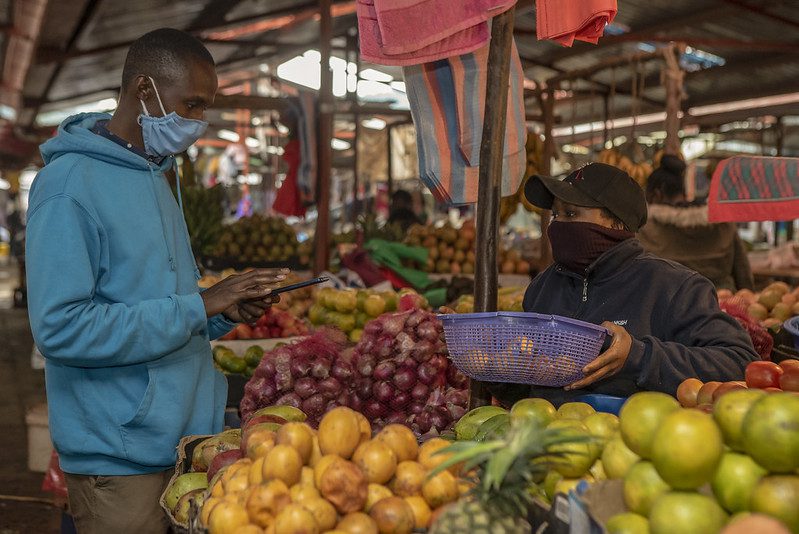
While the COVID-19 pandemic has yet to come under control, many countries around the world have taken steps to economic recovery. African nations in particular, although prone to severe economic impacts, have shown significant progress in their COVID-19 response. According to the World Bank’s October 2020 Africa’s Pulse issue, GDP growth projections in all regions of Africa are positive for 2021 and 2022 following GDP growth decrease in 2020. This article highlights three countries that are demonstrating optimistic economic growth after COVID-19.

Rwanda

COVID-19 Response Measures: Rwanda has received recognition for its efforts to contain initial outbreaks. This is likely due to the country’s aggressive measures combining public health mandates and innovative utilization of technologies. What separates Rwanda’s response is its reliance on scientific guidance and a high-tech approach to health and social service policies. For example, treatment centers are using human-sized robots for temperature checks and supply deliveries. National enforcement also deployed drones to monitor and ensure compliance with lockdown measures.

Fiscal Policy: The December 2020 update on fiscal policy in Rwanda includes $314 million in economic stimulus, corporate tax exemptions and subsidies, cash transfers to citizens (unemployment benefits) and food assistance. Rwanda’s financial capacity proved beyond national resources but international support was able to expand it. UNDP Rwanda and the World Bank are currently working closely with the Rwanda Ministry of Finance to discern how much the COVID-19 response plan will need for operation.

Monetary Policy: The National Bank of Rwanda reduced the policy interest rate to 4.5%. It has further plans to establish liquidity and digital payment support measures. In Africa’s Pulse, the World Bank classifies Rwanda as the only country established in the Growth Taxonomy in sub-Saharan Africa. The taxonomy compares pre-pandemic performance to mid-pandemic growth. Expectations have determined that Rwanda will achieve the highest post-pandemic recovery with a GDP growth of 7%. With economic drivers like vaccine campaigns and investment and trade boosts, countries like Rwanda and Tanzania expect GDP increases. East Africa in general is expected to reach 5.1% GDP growth as opposed to the continental average at 3.2%.

Kenya

COVID-19 Response Measures: Kenya adopted many of the common direct response measures, such as a widespread lockdown. Additionally, the U.N. praised Kenya’s maintenance of well-equipped emergency treatment hospitals to best accommodate not only Kenyan patients but also U.N. personnel and partners. Kenya’s hospitals can also potentially play an important role in regional humanitarian development.

Fiscal Policy: Kenya announced a $534 million economic stimulus, a $377 million COVID-19 health expenditure, corporate tax exemptions and subsidies, cash transfers to citizens and food assistance. Like other African countries, Kenya is receiving financial assistance from major international entities such as the World Bank and the E.U. With 86 different donors, Kenya received Ksh 194,663,072,350 ($177,3769,915.25) for COVID-19 response plans.

Monetary Policy: The Central Bank of Kenya reduced the policy interest rate to 7% and planned liquidity support measures. Additionally, the government launched the National Hygiene Program (Kazi Mtaani) to reduce pandemic-induced unemployment. It offers employment with daily wages to the hardest-hit communities. Jobs include street cleaning, garbage collection and disinfection. Kenya’s trade activities also indicate promising economic recovery. According to the World Bank’s Africa’s Pulse, Kenyan exports have already recovered rapidly and have surpassed pre-pandemic highs.

Senegal

COVID-19 Response Measures: The World Bank highlighted Senegal as demonstrating a successful health response to COVID-19. Swift responses were key, particularly in regards to test capacity, quarantine facilities and ventilators. Preventative measures also included temperature checks and hand sanitizer distribution. By September 2020, 80% of confirmed cases had recovered.

Fiscal Policy: Senegal has an $801 million economic stimulus, a $130 million COVID-19 health expenditure, corporate tax exemptions and subsidies, cash transfers to citizens and food assistance. Some participating entities for Senegal’s financing include the African Development Bank Group (AfDB), the International Monetary Fund (IMF) and the World Bank. For instance, AfDB contributed €88 million to support Senegal’s measures to provide relief to vulnerable households, businesses and job security initiatives.

Monetary Policy: Senegal’s monetary policy is in collaboration with other West African countries, including Benin, Guinea-Bissau, Mali, Niger and Togo. These countries work with the Central Bank of West African States (BCEAO), which has made FCFA 4.750 billion ($8,383,750) available to banks and has reduced policy interest rates to 4%. In Africa’s Pulse Growth Taxonomy, Senegal is one of five countries in the top tercile of growth performers. It has a classification of “improved.” Improved GDP growth can indicate the first signs of economic recovery.

The Road to Recovery

As a result of early preventative policy measures, fiscal and monetary policies, international financing and trade initiatives, many African countries have paved a road to post-pandemic recovery. Rwanda, Kenya and Senegal are merely three of the African countries benefiting from smart policy measures and quick COVID-19 responses. In many cases, these countries are experiencing even higher levels of growth than they did before the pandemic. The steps that these countries and others took can serve as a model for how to navigate the economic hurdles of a global pandemic.

– Malala Raharisoa Lin
Photo: Flickr

April 22, 2021
https://borgenproject.org/wp-content/uploads/borgen-project-logo.svg 0 0 Kim Thelwell https://borgenproject.org/wp-content/uploads/borgen-project-logo.svg Kim Thelwell2021-04-22 07:30:242024-06-06 00:59:30COVID-19 Response: Africa’s Road to Recovery
COVID-19, Education, Global Poverty

E-learning in Mexico: A Path for Poverty Reduction

E-learning in Mexico
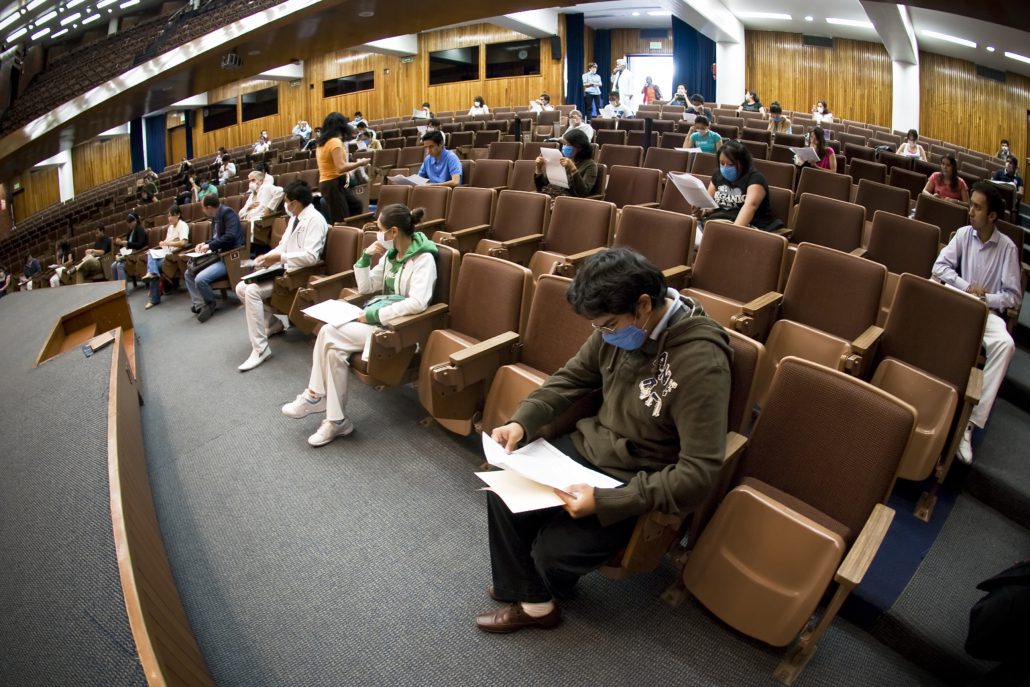
In Mexico, education has led discourse within the public and private sectors. Improvement efforts in education depend greatly on government administrations. However, the country’s government has been hindered in its efforts to improve education. Mexico has grown a lot in the last decades, but structural inequality and regional economic disparities are prevalent. Four out of every five people are in situations of poverty or are vulnerable to poverty. Additionally, only 40% of people in rural areas have internet access and the pandemic has only exacerbated this issue. Due to COVID-19, internet service has become crucial to guarantee proper education, as well as tools for students and entrepreneurs. Increased use of e-learning in Mexico is imperative now more ever.

Previous Projects in Education

Approximately two decades ago, Mexico began to carry out several academic-related projects. Universities, such as Tecnológico de Monterrey, and the government worked together to provide information and communication technologies (ICTs) in rural and remote communities. More precisely, the Virtual University of the Tecnológico de Monterrey established an initiative that built over 1,000 Community Learning Centers.

These centers guaranteed online education to rural communities by providing computers with internet access. Faculty members, teachers and students all contributed to this effort. They provided support and guidance to these rural and remote communities, which directly contributed to the development. The beneficiaries of this initiative reported that these centers helped them obtain employment opportunities, carry out their businesses and facilitated educational involvement.

In 2012, México Conectado (Mexico Connected) was implemented. The project’s aim was to provide a national network that guaranteed internet connectivity for the entire population, especially for those in rural communities. This achievement would promote greater access to all people and also contribute to social inclusion. By the end of 2012, there were approximately 14,000 connection points around the nation. Three years later in 2015, the 14,000 connection points skyrocketed to a total of 101,000 connection points. This initiative helped reduce the digital gap and promoted e-learning in Mexico’s public schools and universities.

Current Status

The pandemic has generated a shift in social demands. Actions are needed to provide e-learning — not for comfort, but out of necessity. Public health, social equalities, economic prosperity and effective education all rely on increased access to e-learning in Mexico. Currently, around 30 million Mexicans in public schools must learn from their homes. In cities, the number of people enrolled in online courses skyrocketed, but distance learning in rural areas has become challenging. The cost to rent a computer with internet access — a requirement for remote learning — is approximately $0.50 an hour. This cost may seem low but the reality is that the income in some areas in Mexico can be only $5 a day. Furthermore, nearly half of the educational institutions previously utilizing México Conectado for internet access no longer have internet service.

As a result, Internet para Todos (Internet for All) replaced México Conectado. The new program seeks to provide internet service to remote and highly marginalized areas. It aims to facilitate government actions and promote economic development. Nonetheless, budgetary insufficiencies and improper management of resources have hindered contract renewal with the suppliers as well as the overall availability of e-learning in Mexico.

As a result, the Mexican government was forced to create a distance learning program through television and radio. Although it is a way of solving the problem, it is an outdated method that does not contribute in the same way as e-learning does to the economic development of communities. Investment into the education sector is undervalued as an effective mechanism for poverty reduction. Improved e-learning infrastructure is crucial in order to achieve integrated economic development and sustainable growth.

A Call for Increased E-Learning

Education is a fundamental pillar for the progress and integral growth of societies. It is necessary to implement strategies to fulfill the current social and economic needs of communities. Currently, the education sector is shifting to e-learning due to remote schooling during the pandemic. Even after quarantine measures end, innovative internet technologies will have permanently shifted education strategies. Location will no longer inhibit access to education, as quality education is becoming accessible anytime and anywhere.

Social programs should provide these tools to all the national territories to give students and entrepreneurs the necessary tools to continue creating prosperous communities. E-learning in Mexico enables economic development and poverty reduction, making it the way to a brighter future.

– Isabella León Graticola
Photo: Flickr

April 13, 2021
https://borgenproject.org/wp-content/uploads/borgen-project-logo.svg 0 0 Kim Thelwell https://borgenproject.org/wp-content/uploads/borgen-project-logo.svg Kim Thelwell2021-04-13 12:22:072024-05-30 22:23:13E-learning in Mexico: A Path for Poverty Reduction
COVID-19

COVID-19 Vaccine Distribution: France to Support African Nations

COVIS-19 vaccine distribution
Vaccines for the COVID-19 virus are emerging at an increasing rate around the world. The COVID-19 vaccine distribution is a primary challenge for political leaders. Ensuring that everyone has access to vaccines is imperative to achieving global recovery. In many countries, COVID-19 cases are still at large. National leaders put individual national laws in place to fight against the rising numbers. Though they have helped lower those rates, the number of cases has not yet begun to level out. The vaccines that nations have currently distributed should curb those numbers further. This will allow vaccinated individuals to resume their pre-pandemic daily routines slowly.

Inequal COVID-19 Vaccine Distribution

Some countries have priority access to vaccines, which is largely due to national wealth. This leads to poorer nations not having the ability to purchase vaccines. To combat this for the betterment of global health, France, in particular, has begun to put forth ideas and efforts with the intent to help such nations gain access to vaccines.

French President Emmanuel Macron has proposed that richer countries ought to transfer roughly 3-5% of their vaccines to countries in need. According to an interview with the Financial Times, he said, “This would have no impact on the rhythm of vaccine strategies (in rich countries). It won’t delay it by a single day given the way we use our doses.” According to Macron, German Chancellor Angela Markel has no problems with the initiative, and he hopes to convince the United States to share their vaccines as well.

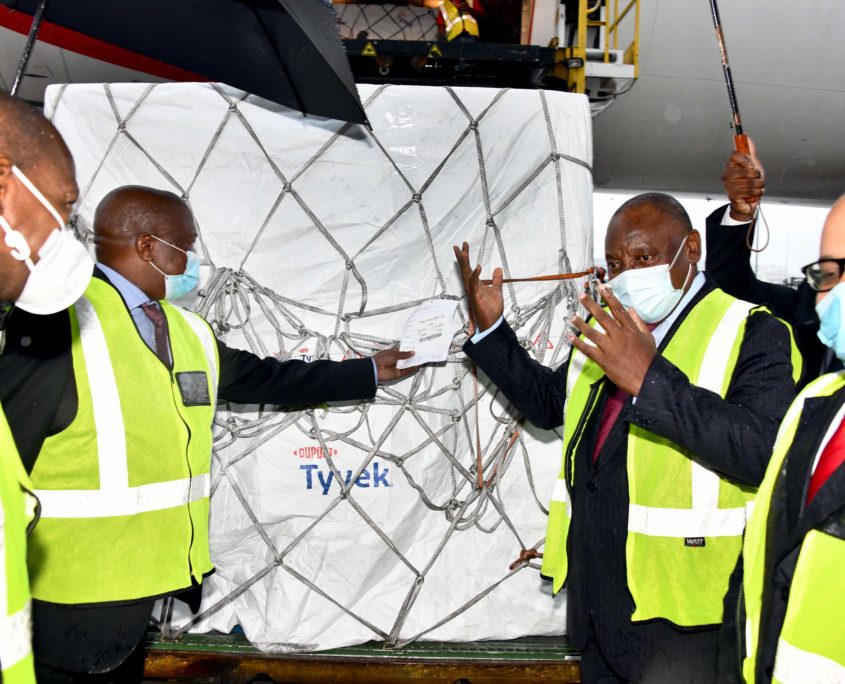
African leaders have put forth the request for 13 million doses of vaccinations to help its population. The leaders plan to give a large portion of those to caretakers, allowing them to help patients in need. Currently, COVAX will be making accessible vaccinations available to African countries. However, the countries will use the vaccine only for emergencies. Thus, the calls for more vaccines are important.

France’s Plan for Vaccine Distribution

To help fight for better COVID-19 vaccine distribution in African countries, France has established a designated four-part plan to help affected communities efficiently. These steps include support of African healthcare systems, aiding African research and supporting humanitarian and economic efforts. The goal is for France to support various healthcare systems to ensure that patients and citizens receive the best treatment until a vaccine can be distributed. Until these countries have proper access to vaccines, the World Health Organization (WHO) will work with the financing they received from wealthier governments.

Many other countries worldwide are also working to help one another receive the help needed to fight the COVID-19 pandemic. Chinese scientists developed a vaccine that is currently in use in Hungary and Serbia. Beijing and Russia are selling and donating their own vaccines to nations abroad. If the number of cooperations increases in the upcoming months, there will be more vaccines available worldwide. Since the virus can still spread with mutations from other parts of the world, this is also crucial to rich nations’ national security.

– Seren Dere
Photo: Flickr

April 10, 2021
https://borgenproject.org/wp-content/uploads/borgen-project-logo.svg 0 0 Kim Thelwell https://borgenproject.org/wp-content/uploads/borgen-project-logo.svg Kim Thelwell2021-04-10 01:30:392024-05-30 22:23:12COVID-19 Vaccine Distribution: France to Support African Nations
COVID-19, Global Poverty

How COVID-19 has Affected Poverty in the Philippines

COVID-19 Affected Poverty in the Philippines
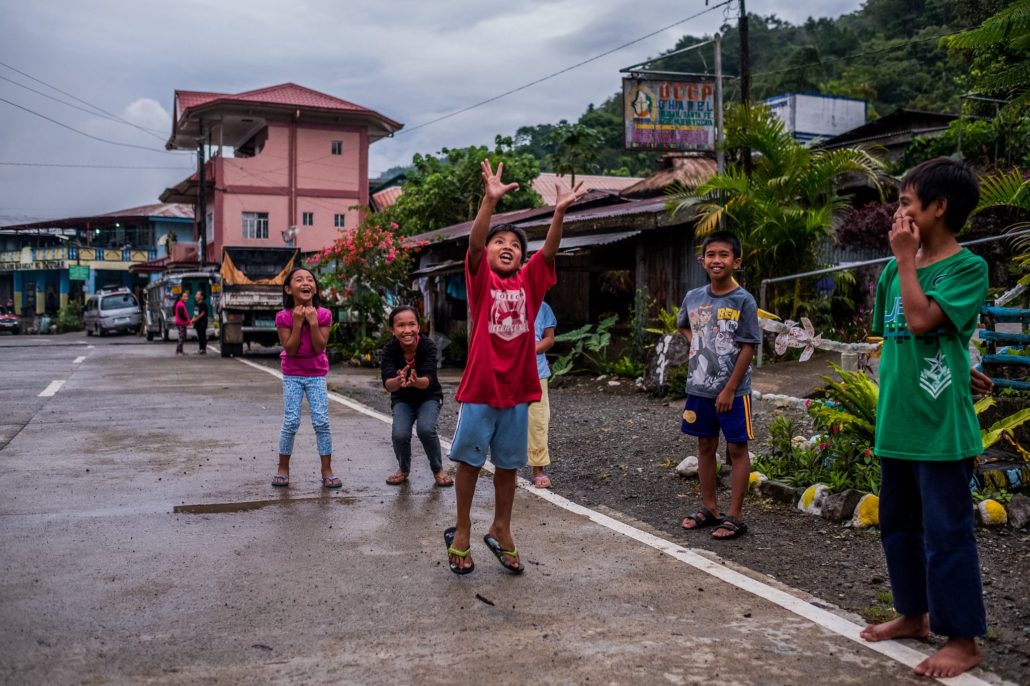
The COVID-19 pandemic could push an additional 207 million people into extreme poverty based on predictions, bringing the total to over 1 billion by the year 2030, according to research from the United Nations Development Program (UNDP). COVID-19 has affected poverty in the Philippines, an archipelagic country in Southeast Asia, with no exception. The COVID-19 pandemic is significantly impacting the Philippines when it comes to the economy, jobs and poverty incidence. Here is some information about the effects of COVID-19 on poverty and how the government of the Philippines plans to address them.

Poverty Reduction

Prior to COVID-19, the economy of the Philippines made progress in delivering national, inclusive growth, as indicated by an impressive decline in poverty rates. Poverty rates declined from 23.3% in 2015 to 16.6% in 2018. The Philippines expected this trend to continue and impact household incomes throughout the country in a positive way, particularly wages from those of lower-income groups.

The COVID-19 pandemic had negative consequences for poverty reduction in the Philippines. The World Bank projected that the Philippines’ GDP would shrink by 8.1 % in 2020, from the previous forecast of 6.9%. Rong Qian, a senior economist with the World Bank, attributed the downgraded 2020 forecast to the GDP contraction of 11.5% during the third quarter of 2020. The third-quarter contraction came as a string of typhoons hit the country from October to November 2020.

Economic Effects of COVID-19

The COVID-19 pandemic has resulted in a contraction of economic growth driven by significant declines in consumption and investment growth. The pandemic has also led to profound disruptions in areas like manufacturing, agriculture, tourism, construction and trade throughout the country. This feeds into how COVID-19 affected poverty in the Philippines on different levels. The impact on the country’s economy has been severe, leading to the lowest consumption growth in over three decades. The effects on the economy began to take place in February 2020 with a considerable decline in the arrival of tourists, falling by 41.4%. Coupled with this, private consumption growth declined to 0.2% in the first quarter of 2020 from 6.2% in the previous year. Both the hotel and restaurant industries suffered considerably, shrinking by 15.4%.

The economic collapse in 2020 has also led to high unemployment throughout the country. The economy will lay off people with service jobs in several different fields. Many others will be on unpaid leave from their companies. Employment recovery can lag the country’s economic growth by six to 18 months. Estimates have determined that unemployment will remain at elevated levels, moving from 12.4% at the end of 2020 to 9% by June 2021.

Possible Financial Support

Prior to COVID-19, the government of the Philippines reduced poverty from 23.3% in 2015 to 16.6% in 2018. This was a result of steady economic growth, the creation of new jobs and social assistance programs. The COVID-19 pandemic will likely reverse the recent gains in addressing extreme poverty. COVID-19 related restrictions have cut off income for seasonal workers, entrepreneurs and low-end service jobs. They were the country’s drivers of poverty reduction in recent years. Achim Fock, the World Bank Acting Country Director for Brunei, Malaysia, the Philippines and Thailand hopes that offering “financial support to affected firms, especially small and medium enterprises, to prevent job losses and bankruptcy, can help ensure that the recent shocks do not cause permanent damage to the country’s productive capacity and human capital.”

Social Amelioration Program

The government of the Philippines introduced a social protection program during the country’s quarantine to address how COVID-19 affected poverty in the Philippines. The government provided emergency subsidies through its Social Amelioration Program (SAP). SAP covered 18 million poor households, making up 70% of the entire population that it granted coverage to. SAP beneficiaries include 4.4 million households enrolled in the safety net program Pantawis Pamilyang Pilipino Program along with other vulnerable Filipinos such as informal workers.

Projected Improvement

Economic managers assert the Philippines will remain under a less restrictive quarantine throughout the beginning of 2021. They are hoping the economy will open 100% once vaccination levels reach at least 60% of the population. The growth of the economy could still improve and poverty could reduce in the coming years as long as there is a rebound in consumption, a significant push in public investment and great strides in the recovery of global growth. Predictions have stated that economic growth will return to at least 6% in 2021 and 7% in 2022.

– Elisabeth Petry
Photo: Flickr

April 5, 2021
https://borgenproject.org/wp-content/uploads/borgen-project-logo.svg 0 0 Kim Thelwell https://borgenproject.org/wp-content/uploads/borgen-project-logo.svg Kim Thelwell2021-04-05 15:58:272021-06-03 15:58:40How COVID-19 has Affected Poverty in the Philippines
COVID-19, Economy, Education, Global Poverty

5 Ways COVID-19 is Affecting Education Inequality in Japan

Education Inequality in Japan
The COVID-19 pandemic is wreaking havoc on the lives of students all over the globe, and the disruption of daily routines and local economies is aggravating the global education crisis that already threatens many countries. COVID-19 is impacting education inequality in Japan in unprecedented ways.

5 Effects of COVID-19 on Education Inequality in Japan

  1. Disadvantaged Students: When schools locked down in Japan during the pandemic, disadvantaged students struggled to acquire food and the various social services that their schools normally provided. Schools assist young children with everything from nutrition and health to socialization and stimulation. While COVID-19 has placed a burden on all students, it has disproportionately affected those who rely on schools for meals and in-person learning. To help support Japanese students’ learning at home, the Ministry of Education, Culture, Sports, Science and Technology, also known as MEXT, has set up a learning support portal, which offers various tips for learning each subject at home, new learning materials and videos, all for free.
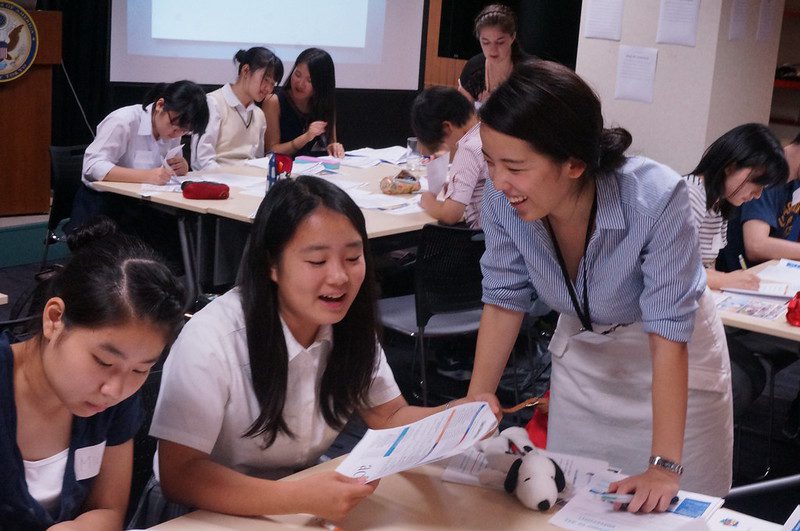
  2. Higher Education: Due to the exorbitant costs of higher education in Japan, less than one-fifth of low-income students can afford university studies, and this situation has only worsened with COVID-19. Therefore, MEXT is providing university students with emergency economic support during the pandemic. The program provides Japanese students with cash handouts worth 200,000 yen, so that those who are facing difficulties, like reductions in their household incomes or part-time work opportunities, can still continue their schooling. The program covers anyone attending a university or other educational institution in Japan.
  3. Online Learning Challenges: One in 20 Japanese children lack the amenities necessary for sufficient online learning, such as a quiet workspace, computer access or new textbooks. Japan is significantly behind other Organization for Economic Cooperation and Development (OECD) countries in its ability to incorporate information communication technology into school curriculums. Despite being such a technologically advanced country, only 40% of 15-year-old Japanese students are enrolled in schools where their principals report sufficient availability of adequate computer software.
  4. The Digital Divide: A MEXT survey from April 2020 showcased how difficult it has been for Japanese public schools to adapt to the new normal. The digital divide between Japan’s urban and rural areas and across socioeconomic lines has complicated this transition to online learning. One step that has emerged to address these challenges involves a partnership with Japan’s top three mobile phone companies which have eliminated some additional charges for their users aged 25 and under.
  5. Child Poverty and Education: Prior to the pandemic, Japan already had issues with child poverty and education inequality. The Nippon Foundation estimated the economic impact of leaving this poverty unaddressed, even before the pandemic exacerbated the issue. Its survey began with the assumption that economic gaps cause children to have disparities in education, resulting in vast differences in future income. Two scenarios compared what would happen if Japan left the situation unaddressed as opposed to what would happen after implementing new measures to reduce disparities in education. If Japan were to take measures to correct the situation, the number of college graduates would increase, resulting in more people growing their lifetime earnings. However, if it does not address economic gaps among children, the situation will not change. Taking measures towards addressing economic gaps and education among Japanese children would also cause Japanese citizens to eventually pay more taxes and social security premiums, which would reduce the government’s fiscal burden after the pandemic.

Looking Ahead

It is possible for Japan to take a leadership role in coordinating strategies to reduce educational inequality. With proper assistance and studies from organizations like The Nippon Foundation, Japan’s mission toward education equality may end up back on track.

– Elisabeth Petry
Photo: Flickr

April 1, 2021
https://borgenproject.org/wp-content/uploads/borgen-project-logo.svg 0 0 Kim Thelwell https://borgenproject.org/wp-content/uploads/borgen-project-logo.svg Kim Thelwell2021-04-01 07:55:122024-05-30 22:23:325 Ways COVID-19 is Affecting Education Inequality in Japan
COVID-19

COVID-19 Vaccinations in Hong Kong

Hong Kong Vaccinations
At the moment, hundreds of thousands of people around the world are receiving vaccinations against COVID-19. However, there are still many who have not received doses. Governments are working to supply enough vaccines in order to return the world to the previous level of production. However, many roadblocks exist that places must overcome before that can happen, and such difficulties are not always easy to solve. A problem that has arisen in Hong Kong is that many individuals are reluctant to take the vaccinations offered to them.

Distrust in Hong Kong

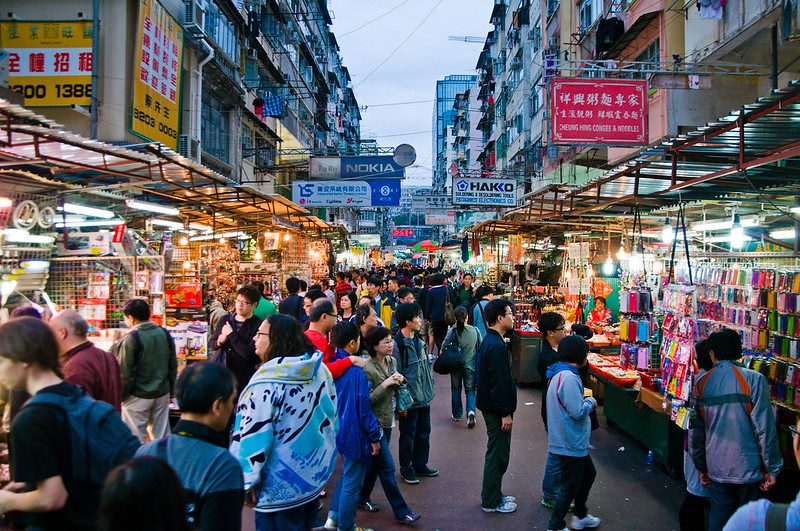
As of March 2021, a month after the beginning of the distribution of vaccines, only 6.01% of Hong Kong’s population had been vaccinated. However, Hong Kong does not have a shortage of vaccines. Although the country received the batches of doses it ordered, the vaccination centers have run low on personnel, and many people have not been signing up to receive the vaccines. There is distrust between the government and the citizens of Hong Kong, which makes it difficult for many individuals to come to terms with the idea of utilizing government-issued medicine. While there are both Western and Eastern produced vaccines available to the public, many people are wary of receiving them. Media coverage reports of fatalities due to vaccines have deterred many individuals despite government medical consultants claiming the deaths were from causes unrelated to the vaccine.

Vaccine Recall

For a period of time, Hong Kong put the vaccinations on hold due to the discovery of some faulty packaging. There were concerns that someone had tampered with the product, and distributions underwent recall for inspection. After a 12-day suspension, BioNTech determined the vaccine was usable, and the vaccination processes resumed. However, Hong Kong received an additional 300,000 doses on the chance that any vaccines required replacing. There is hope that with the arrival of new supplies, people may be more willing to trust that the vaccines will have no fatal effects.

Incentives

Due to the public reluctance toward vaccinations in Hong Kong, the government has reached the conclusion that incentives may be necessary. For example, exemptions from travel bans or issued vaccination certificates that could grant entry to special locations may entice more people to obtain vaccinations. With the potential to relax social distancing restrictions, the government hopes to have the number of vaccinations reach at least 70% of the population. Especially for individuals who are not natives of Hong Kong, such as students and those on work visas, higher vaccination rates may allow people to return home once countries loosen travel restrictions.

The government is also pushing to have businesses vaccinate employees in a bid to show that employee health improves with the vaccine. This process has mostly occurred in air flight companies, which will allow aircrew employees to avoid the mandated quarantine whenever they land within the country. The offer would then extend to other citizens as well.

– Seren Dere
Photo: Flickr

March 29, 2021
https://borgenproject.org/wp-content/uploads/borgen-project-logo.svg 0 0 Kim Thelwell https://borgenproject.org/wp-content/uploads/borgen-project-logo.svg Kim Thelwell2021-03-29 09:46:002021-06-02 09:46:14COVID-19 Vaccinations in Hong Kong
COVID-19, Development, Global Poverty

Countries that Experienced Economic Growth in 2020

Economic Growth in 2020
“Everyone is growing.” At the end of 2019, this was the World Bank’s outlook of the economic trajectory for the year 2020. The global economy was steadily growing and strengthening, and only a select few countries were facing GDP and economic contractions. Here is a look at the countries that experienced economic growth in 2020.

COVID-19’s Impact on the Economy

At the end of 2020, the World Bank sang a much different tune than what it did at the end of 2019. After the onset of a global pandemic, the majority of the world’s economies have taken a turn for the worst, the year turning out to be one of the worst in terms of economic growth and development. A far cry from the projected global GDP growth of 2.5%, as in June 2020, the International Monetary Fund (IMF) predicted that the world would close out the year with a GDP growth rate of -4.9%.

For some countries such as Spain, the U.K. and Tunisia, economic growth in 2020 had already fallen by around 20% by the year’s second quarter compared to the same period of 2019, a record quarterly fall for many countries. In other countries such as Taiwan, Finland, Lithuania and South Korea, the economic impact was much less than 5% contractions in GDP.

However, while the problem of economic recession was common for most nations, there were a select few that were not only able to ward off a negative growth pattern but steadily grew in the face of a global crisis. According to reports from the International Monetary Fund (IMF), in October 2020, only 16 countries would sustain economic growth in 2020 of more than 1%, and 11 would grow at a rate between zero and 1%. That leaves a whopping 167 nations facing economic contraction.

5 Countries that Experienced the Highest Economic Growth in 2020

  1. Guyana: Guyana currently has the fastest growing economy globally, with an economic growth rate of approximately 26.21% in 2020. The mainland country serves as home to one of the most promising newly discovered oil basins globally and a vast supply of other natural resources. The recent oil discoveries and new production began in late 2019. Guyana’s economy is expanding fast and expects the GDP to more than double by 2025. Therefore, while it is likely that the Guyanese economy did face setbacks due to the COVID-19 pandemic, the explosion of its oil industry has been able to keep the country’s economy heading in the right direction.
    2. South Sudan: After facing stunted economic growth in the 2010s due to civil unrest, the relatively newly independent South Sudan faced harsh humanitarian and food insecurity crises. However, in 2018, the country signed a new peace agreement, followed by the reopening of many of its oil wells, boosting its main revenue source. Between 2018 and 2019, the country gradually maneuvered itself back into a steady growth pattern that maintained a 4.11% growth in GDP in 2020.
    3. Bangladesh: Over the years 2016 to 2020, the Bangladesh economy has recorded a 7.6% growth in GDP. Such rapid expansion has allowed the country to graduate from the U.N.’s list of Least Developed Countries (LDC). Because of its now stable macroeconomic environment, buoyant domestic demand and export-oriented industry-led growth, Bangladesh has been able to maintain an approximate 5.2% growth rate during 2020, with predictions that it will see an increasing growth rate of 6.8% in 2021 and the coming years.
    4. Egypt: Similar to Guyana, the Egyptian economy has recently benefitted greatly from lucrative natural gas discoveries. Though the pandemic and global economic crisis hit the country’s economic growth in 2020 due to a sudden fall in tourism, remittances and exports, its previous main sources of income, the revenue from its oil discoveries, was enough to stabilize growth in the economy. Already, the Egyptian economy is on the path to recovery with a projected 2.76% growth in 2021, before returning to its previous growth levels averaging at 5.28% in the coming years.
    5. Benin: Due to intentional and effective key economic and structural reforms in recent years, Benin reached a growth rate of 6.41% between the years 2017 and 2019. Therefore, while economic activity did slow for the country heavily dependent on re-export and transit trade, it was able to sustain economic growth in 2020 at a rate of approximately 2%. As the world adapts to and moves towards the end of the pandemic and global economic crisis, expectations have determined that Benin’s economy will return to faster growth rates of around 5% to 7% in the upcoming years.

Looking Forward

It was low- and middle-income emerging economies that were better able to sustain a growth trajectory throughout the 2020 global economic crisis. In fact, China, which the COVID-19 pandemic hit first, has been the only trillion-dollar economy that sustained positive economic growth in 2020. Economic growth is crucial for reducing and eradicating poverty and can lead to social improvements in affected countries. Therefore, the hope is that the countries that are not on the above list will return to pre-pandemic growth rates, and the five fastest-growing nations of 2020 keep developing at this level.

– Rebecca Harris
Photo: Flickr

March 25, 2021
https://borgenproject.org/wp-content/uploads/borgen-project-logo.svg 0 0 Kim Thelwell https://borgenproject.org/wp-content/uploads/borgen-project-logo.svg Kim Thelwell2021-03-25 08:28:402021-04-26 08:28:54Countries that Experienced Economic Growth in 2020
COVID-19, Global Poverty

Healthcare in Barbados: Combating COVID-19

Healthcare in Barbados

Healthcare aids in the prevention, treatment and diagnosis of an illness. Healthcare has greatly improved through research and newly discovered science and medicine. Although, the outbreak of COVID-19 has hurt many populations around the world. As a result, healthcare was forced to adapt radically and rapidly. According to the World Health Organization (WHO), almost every country experienced a disruption to its health services. Low and middle-income countries reported the greatest difficulties. However, Barbados’s response to the COVID-19 crisis has proven to be more successful than other nations.

Barbados

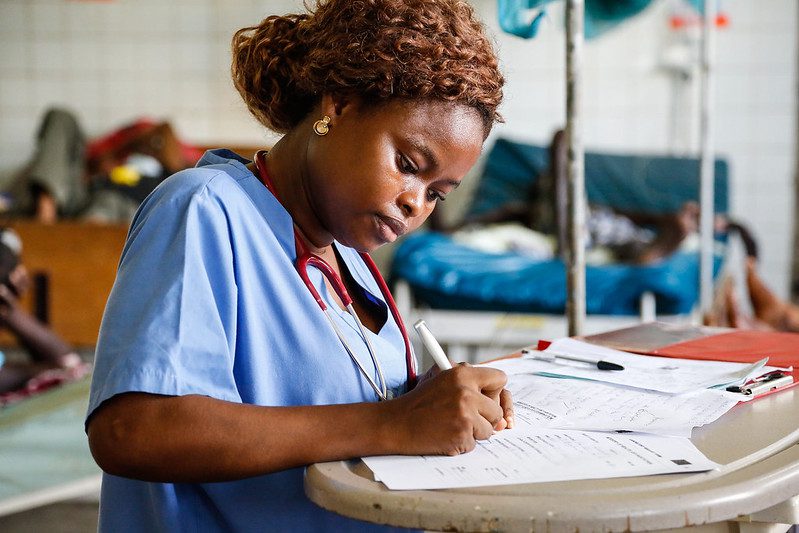
Healthcare in Barbados is of high standard and easily accessible to everyone. The Queen Elizabeth hospital has about 600 beds and offers care in areas such as radiology and obstetrics. Furthermore, there are eight government Polyclinics that provide free medical treatment for minor ailments, five Geriatric hospitals for elderly care and a network of Child Care facilities. With a population of about 287,375 people, the country has seen around 365 COVID-19 cases and seven deaths.

Combatting the Virus

The Pan American Health Organization (PAHO) planned to strengthen laboratory capacity for early detection of COVID-19. Barbados ‘Bet-dos Santos Public Health Laboratory’ became one of the first in the Caribbean to acquire test kits and reagents for COVID-19 detection. Additionally, Barbados received concurrent training of laboratory personnel in the new testing protocol.

According to Barbados Today, COVID-19 patients were receiving an experimental drug called Remdesivir and were recovering quickly in April. The doctor leading the trial said, “the patients taking part in a clinical trial of the drug have all had severe respiratory symptoms and fever but were able to leave the hospital after less than a week of treatment.”

Barbados’s government established a COVID Rapid Response Unit and a COVID Engagement Unit to monitor quarantine sites and crack down on violation of COVID-19 protocols. A Cuban medical team in Barbados won the 2021 Nobel Peace Prize for its outstanding work in response to the COVID-19 pandemic in December. David Comissiong, the Ambassador of Barbados to CARICOM (Caribbean Community) nominated the nation. Additionally, medical teams have gone to up to 38 countries and 12 Caribbean countries.

Adjusting for Visitors

Barbados is a popular tourist hotspot and it still wishes to accommodate visitors. The government created the Welcome Stamp, a new visa for remote workers. This visa allows visitors to stay for up to 12 months and work remotely. According to the Insider, Barbados’s new incentive allows people to relocate to a popular destination and still continue to work from home. Barbados had 1,693 Welcome Stamp applications by the end of October. Travel guidelines have been implemented to prevent the spread of the virus. Thus, airports require health screening procedures and quarantine procedures.

Barbados is a thriving country that successfully utilizes its accessibility to healthcare. Healthcare in Barbados is vital. The country is not selfish or prejudice with its medical management. Furthermore, it lives by an egalitarian system regarding health protection. Barbados has used its resources to aid other countries and provide solutions and trials to carriers of the virus. The country and its medical teams will continue to take the proper precautions to protect its inhabitants and those in other countries.

– Thomas Williams

Photo: Flickr

March 22, 2021
https://borgenproject.org/wp-content/uploads/borgen-project-logo.svg 0 0 Kim Thelwell https://borgenproject.org/wp-content/uploads/borgen-project-logo.svg Kim Thelwell2021-03-22 19:35:452021-03-22 19:31:52Healthcare in Barbados: Combating COVID-19
Page 16 of 30«‹1415161718›»

Get Smarter

  • Global Poverty 101
  • Global Poverty… The Good News
  • Global Poverty & U.S. Jobs
  • Global Poverty and National Security
  • Innovative Solutions to Poverty
  • Global Poverty & Aid FAQ’s
Search Search

Take Action

  • Call Congress
  • Email Congress
  • Donate
  • 30 Ways to Help
  • Volunteer Ops
  • Internships
  • Courses & Certificates
  • The Podcast
Borgen Project

“The Borgen Project is an incredible nonprofit organization that is addressing poverty and hunger and working towards ending them.”

-The Huffington Post

Inside The Borgen Project

  • Contact
  • About
  • Financials
  • President
  • Board of Directors
  • Board of Advisors

International Links

  • UK Email Parliament
  • UK Donate
  • Canada Email Parliament

Get Smarter

  • Global Poverty 101
  • Global Poverty… The Good News
  • Global Poverty & U.S. Jobs
  • Global Poverty and National Security
  • Innovative Solutions to Poverty
  • Global Poverty & Aid FAQ’s

Ways to Help

  • Call Congress
  • Email Congress
  • Donate
  • 30 Ways to Help
  • Volunteer Ops
  • Internships
  • Courses & Certificates
  • The Podcast
Scroll to top Scroll to top Scroll to top