• Link to X
  • Link to Facebook
  • Link to Instagram
  • Link to TikTok
  • Link to Youtube
  • About
    • About Us
      • President
      • Board of Directors
      • Board of Advisors
      • Financials
      • Our Methodology
      • Success Tracker
      • Contact
  • Act Now
    • 30 Ways to Help
      • Email Congress
      • Call Congress
      • Volunteer
      • Courses & Certificates
      • Be a Donor
    • Internships
      • In-Office Internships
      • Remote Internships
    • Legislation
      • Politics 101
  • The Blog
  • The Podcast
  • Magazine
  • Donate
  • Click to open the search input field Click to open the search input field Search
  • Menu Menu

Archive for category: Conflict

Conflict, Development, Global Poverty

Virunga Alliance: Rebuilding the DRC

Virunga AllianceThe Democratic Republic of the Congo (DRC) is actively working to rebuild and redevelop after decades of war and mismanagement that crippled the nation. The DRC, one of the largest countries in Africa, has a population of more than 100 million people. The nation has been at the center of regional conflicts, including the First and Second Congo Wars, which were among the most destructive in recent history. These conflicts created long-term socio-economic instability, which continues to impact the region. To combat these challenges, the Congolese government has implemented National Action Plans (NAPs)—a series of strategies designed to promote social cohesion and economic development.

National Action Plans for Stability and Growth

The first National Action Plan (NAP), implemented in 2010, focused on improving the rights of women and girls within local communities. The plan aimed to integrate women into the local economy and improve their societal standing. However, the government viewed this initial effort as a learning experience, identifying implementation weaknesses, according to PeaceWomen.org.

Applying these lessons, the government adopted the second NAP in 2018, with an implementation period from 2019 to 2022. This plan built upon the first by increasing women’s participation in local political organizations, allowing them to advocate for their rights and economic opportunities. Additionally, the second NAP aimed to curb the small arms trade in eastern DRC, where the majority of rebel groups operate. These armed groups control a large portion of the Congo River Basin, home to nearly 60 million people. Restricting the flow of small arms limits their firepower, but the root cause of these groups—economic instability—remains a significant challenge.

While the region is fertile, many people lack access to credit, preventing them from fully developing agricultural markets. Instead, most rural inhabitants rely on subsistence farming and fishing, with little opportunity for economic advancement. Economic instability has forced many individuals into illegal trades, including poaching for ivory, extortion and kidnapping. From 2017 to 2019, these activities resulted in more than 6,000 civilian deaths.

Virunga Alliance: A Model for Sustainable Growth

To address these ongoing issues, the Congolese government partnered with Virunga National Park to launch the Virunga Alliance—an initiative aimed at creating a sustainable economic model that expands the job market and aligns local economies with the natural landscape.

The Virunga Alliance focuses on three key sectors: tourism, energy and agriculture.

  • Reviving Tourism. Before armed conflicts disrupted the region, Virunga National Park was as popular as the Serengeti. The Alliance aims to rebuild infrastructure and improve governance, paving the way for a new wave of tourists. Since the park reopened in 2014, more than 17,000 visitors have returned—an early sign of progress.
  • Sustainable Energy Development. Revitalizing the energy sector is key to economic recovery. The Virunga Alliance has constructed three hydroelectric facilities, providing electricity to nearly 1 million people. The initiative also offers a loan-based electricity system for businesses, allowing them to access power and repay loans based on usage. More than 127 local entrepreneurs have joined this program, using sustainable energy to develop businesses.
  • Expanding Agricultural Markets. Infrastructure and electricity improvements are enabling local farmers to tap into regional and international markets. With better food storage facilities and improved roads, agricultural businesses can increase exports, creating a cycle of economic growth. As these businesses expand, job opportunities multiply, strengthening local economies.

Looking Ahead

The implementation of these programs is expected to strengthen local economies and stabilize communities affected by decades of conflict. While challenges remain, initiatives like the National Action Plans and the Virunga Alliance demonstrate that sustainable economic development is possible. By investing in women’s empowerment, small business support and infrastructure projects, the Democratic Republic of the Congo is taking critical steps toward long-term economic recovery.

– Jonathan Joseph

Jonathan is based in Milwaukee, WI, USA and focuses on Good News for The Borgen Project.

Photo: Flickr

March 15, 2025
https://borgenproject.org/wp-content/uploads/borgen-project-logo.svg 0 0 Precious Sheidu https://borgenproject.org/wp-content/uploads/borgen-project-logo.svg Precious Sheidu2025-03-15 07:30:312025-03-16 07:30:25Virunga Alliance: Rebuilding the DRC
Africa, Conflict, Developing Countries, Global Poverty

The East African Community and the Eastern Congo Crisis

The East African CommunityThe Democratic Republic of Congo (DRC) has endured more than three decades of conflict, with constant attacks on civilians and insecurity fueling a severe humanitarian crisis. Even before the recent surge in violence, 21 million people were internally displaced and in dire need of humanitarian assistance, a number that continues to rise daily. The ongoing DRC crisis in Eastern Congo has displaced more than 6 million people, creating a cycle of dependency on aid.

This situation will likely worsen the DRC crisis due to funding shortages, including significant cuts from the United States, which accounted for 70% of the DRC’s aid in 2024. Despite these challenges, humanitarian organizations and regional neighbors like the East African Community (EAC) remain committed to fostering peace and delivering essential aid to the Congolese people.

First Congo War 1960-1965

Shortly after gaining independence from Belgium, chaos erupted as the Force Publique soldiers at the Thysville military base, marking the beginning of the DRC crisis. Congolese soldiers revolted against their white counterparts, demanding better wages. This unrest quickly escalated to other military bases, igniting widespread violence across the nation.

Just two days earlier, the provinces of Katanga and South Kasai had declared their independence from Congo. These post-colonial power struggles led to the assassination of Patrice Lumumba on January 17, 1961, which only deepened the chaos. On November 25, 1965, Mobutu Sese Seko seized power in a coup, renaming the country Zaire. He ruled until 1997 when he was ousted after decades of corruption and economic mismanagement.

The Rwanda Genocide and its Aftermath

When the Rwandan genocide ended in 1994, the Rwandan Patriotic Front (RPF) reclaimed the Rwandan capital, Kigali. The advance of the Tutsi-led rebels forced more than one million Hutu refugees to flee to the DRC (then Zaire), where they staged attacks against the Kigali government while being sheltered by Mobutu.

In 1996, the Rwandan Patriotic Army (RPA) and the Alliance of Democratic Forces for the Liberation of Congo-Zaire (ADFL), under the command of Laurent Kabila, conducted attacks on the camps. The war pitted the ADFL against Mobutu Sese Seko’s Zairian Armed Forces (FAZ), Interahamwe militia, Rwandan Armed Forces ex-FAR and mercenaries. This rebellion stoked ethnic tensions, particularly with the Banyamulenge Tutsis in eastern Congo and eventually led to the overthrow of Mobutu in 1997.

Second Congo War 1998-2003

After Mobutu fled to exile in Morocco, Kabila expelled all foreign soldiers, but the Hutu militias stationed in eastern Congo continued their attacks on Rwanda. In August 1998, Rwanda invaded eastern Congo with the support of Congolese Tutsi and rebel groups against Kabila. This marked the start of the Second Congo War, which drew in as many as 14 different armies, including troops from Angola, Namibia and Zimbabwe, who backed Kabila against Burundi, Uganda and Rwandan forces against Kabila.

The wars led to countless deaths, displacements and entrenched ethnic divisions and resource-driven conflicts in eastern Congo, leaving a legacy of instability that persists today.

The Role of the East African Community

The EAC is a regional intergovernmental organization comprising of Kenya, Uganda, Rwanda, Tanzania, South Sudan, Burundi, DRC and Somalia. The community has committed to maintaining peace and restoring stability in the DRC. Some of the interventions include:

  • In July 1999, Rwanda, Uganda and four other warring nations signed the Lusaka Accord, formalizing a ceasefire to end the Second Congo War.
  • In 2002, Rwanda and Uganda endorsed the Pretoria Agreement, while Uganda and the DRC agreed to withdraw Ugandan troops and restore bilateral relations under the Luanda Agreement.
  • Between 2008 and 2009, Rwanda and DRC held joint military operations called Kimia to disarm armed groups in eastern DRC.
  • In 2022, the EAC deployed regional forces to eastern DRC to work with the DRC forces to combat armed groups and support humanitarian efforts.
  • In 2022, the EAC Nairobi Process emerged, rallying regional leaders, civil society and international partners to prioritize dialogue and negotiation, particularly pushing for dialogue between the government and M23. 
  • In 2023, the Joint EAC-SADC united regional leaders in committing to a lasting solution, urging peaceful coexistence. Despite setbacks, such as President Tshisekedi’s refusal to attend a virtual summit hosted by Kenya’s William Ruto in 2025, regional collaboration remains central to resolving the crisis.

Final Remarks

The East African Community has dedicated significant efforts to fostering dialogue and promoting peace in the DRC, from a conflict dynamic to peace initiatives. However, it has encountered various challenges and criticisms. The deployment and subsequent withdrawal of the EAC Regional Force underscored the need for a more effective approach to tackle the issues comprehensively.

The differing economic and political interests among member states complicate the mission to pursue peace, as these divergent priorities have prompted the DRC government to seek assistance from external parties, further exacerbating the country’s instability.

The DRC crisis is a complex weave of historical injustices, failed governance, external meddling and a lack of global concern. Achieving a lasting solution goes beyond ceasefires. It requires dismantling systems that favor resource exploitation at the expense of human dignity. It also calls for holding regional powers responsible for destabilizing and empowering Congolese communities to take charge of their recovery.

– Grace Ruria

Grace is based in Nairobi, Kenya and focuses on Technology and Politics for The Borgen Project.

Photo: Flickr

March 12, 2025
https://borgenproject.org/wp-content/uploads/borgen-project-logo.svg 0 0 Lynsey 2 https://borgenproject.org/wp-content/uploads/borgen-project-logo.svg Lynsey 22025-03-12 01:30:482025-03-12 01:07:37The East African Community and the Eastern Congo Crisis
Aid, Conflict, Global Poverty

The Rafah Border Crossing Opening and Rebuilding Palestine

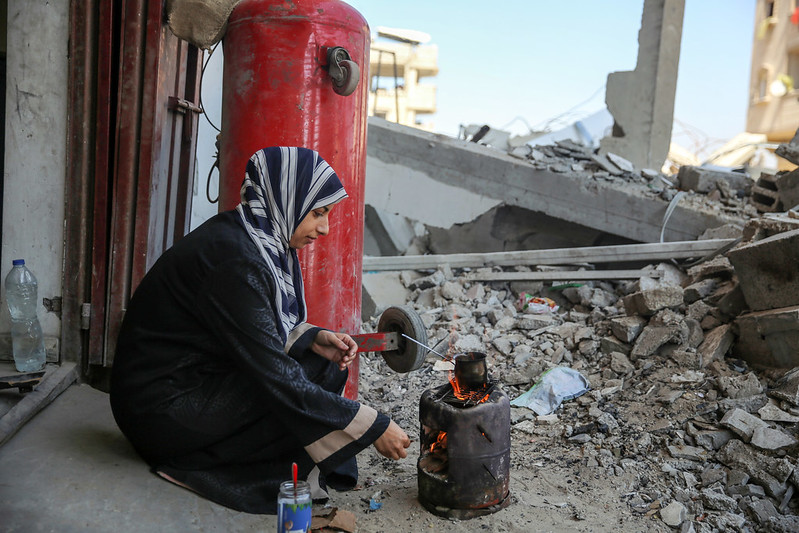
Rafah border crossingThe Rafah border crossing, situated between the Gaza Strip and Egypt, has historically served as Gaza’s sole passage to the outside world that does not traverse Israel. Established following the 1979 Egypt–Israel peace treaty, it has long been a critical route for Palestinians seeking medical treatment. During times when other crossings were closed or restricted, the Rafah border crossing became a vital lifeline for the region.

The Impact of the Border’s Closure

The Rafah border crossing was sealed in early May 2024 following Israeli military actions. During an offensive in the southern part of Gaza, Israeli forces seized control of the Palestinian side of the crossing. This closure severely hindered the delivery of humanitarian aid and the evacuation of the injured, exacerbating the humanitarian crisis in Gaza.

Tania Hary, director of Gisha, an Israeli human rights group, stated, “The most vulnerable residents of Gaza—its children, sick, and elderly—are paying the highest price” as a result of the closure, The New York Times reports.

The border’s closure left more than 2 million Palestinians trapped in Gaza without access to medical treatment or relief, adding to the region’s suffering.

Before the reopening, more than 6,000 patients were ready for evacuation for medical treatment abroad, and more than 12,000 patients were in urgent need due to the collapse of Gaza’s health system.

Reopening and Humanitarian Efforts

Since the Rafah border crossing reopened, Gaza’s Health Ministry has reported that 37 children could enter Egypt for medical treatment, with approximately 60 family members accompanying them, according to AP News. This marked a significant success for those advocating for medical evacuations.

Several organizations have stepped forward to support these efforts.

The EU has reactivated its civilian mission to monitor the Rafah border crossing, deploying personnel to support Palestinian border officials. This initiative aims to ensure the efficient transfer of individuals requiring medical care out of Gaza.

International Network for Aid, Relief and Assistance (INARA) has been instrumental in organizing evacuations and ensuring that those in need, especially children, receive the treatment they urgently require.

The World Health Organization (WHO) has been actively involved in coordinating medical evacuations, providing logistical support, and advocating for expedited transfers. It estimates that between 12,000 to 14,000 Palestinians require urgent medical care outside of Gaza.

Looking Ahead: The Path to Recovery

Despite the successful evacuation of some individuals, the process remains laborious. Arwa Damon, founder of INARA, described the evacuation of 2,500 Palestinian children requiring lifesaving medical care as a lengthy and complicated process. Parents or guardians must first apply for medical evacuation, after which the Health Ministry in Gaza reviews the cases and categorizes them based on urgency.

While the Rafah border crossing reopening has provided immediate relief, Gaza still faces immense challenges in its reconstruction efforts. The conflict has left extensive damage to infrastructure, with thousands of homes destroyed, and critical facilities like hospitals and schools severely impaired. The United Nations estimates that rebuilding Gaza will require more than $1.2 billion just to clear the rubble and could until 2040 to rebuild the shattered houses.

Security Concerns and International Efforts

The situation remains unstable, with fragile ceasefire talks still in progress. The outcome of these negotiations remains uncertain, as both local and international actors continue to push for a resolution. The international community’s continued involvement will be essential in navigating these complex negotiations.

The reopening of the Rafah border crossing is a vital step toward alleviating the immediate humanitarian crisis in Gaza. However, substantial challenges persist. Long-term recovery will require continued international support, effective coordination, and the removal of material restrictions that hinder the region’s reconstruction.

– Mmanoko Faith Molobetsi

Mmanoko is based in Pretoria, South Africa and focuses on Good News and Politics for The Borgen Project.

Photo: Flickr

February 22, 2025
https://borgenproject.org/wp-content/uploads/borgen-project-logo.svg 0 0 Naida Jahic https://borgenproject.org/wp-content/uploads/borgen-project-logo.svg Naida Jahic2025-02-22 07:30:132025-02-22 01:30:34The Rafah Border Crossing Opening and Rebuilding Palestine
Conflict, Global Poverty, Politics

Fragility and Rule of Law in Syria

Fragility and Rule of Law in SyriaFor more than 54 years, the Assad regime ruled Syria with tight control, shaping its political and social landscape. With its recent downfall, rebel forces have filled the power vacuum, facing the immense challenge of rebuilding the country after decades of authoritarian rule and conflict.

Fall of the Regime

The fall of the Assad regime marked a pivotal moment in Syria’s history. Intense military operations, spearheaded by the leading rebel force, the Hayat Tahrir al-Sham, increased their influence on growing unrest and dissatisfaction with the regime. These efforts culminated in a series of strategic offensives, ultimately resulting in the takeover of Damascus in early December, 2024.

This victory was celebrated all over Syria but also exposed the fragility and rule of law. The collapse left a significant power vacuum, with various factions vying for control and struggling to establish governance in a deeply divided society.

Stabilization and Rule of Law

The integration of rebel forces into a unified defense ministry is a critical step toward addressing the fragility and rule of law in Syria. Rebel groups, including Hayat Tahrir al-Sham, the Syrian National Army backed by Türkiye and others, allied to create a cohesive defense ministry.

This move indicates a commitment to stability and governance, reducing internal conflicts among factions. While this unity signals progress, the country still faces challenges in establishing a robust framework for governance and the enforcement of laws, particularly in areas previously dominated by Assad loyalists.

Signs of Progress and Ongoing Challenges

Despite the ongoing fragility, there are glimpses of progress in Syria. For the first time after the fall of the Assad regime, Syria’s Christian community celebrated Christmas, symbolizing a shift toward religious freedom and tolerance. This moment marked a hopeful milestone for communities long suppressed under the regime’s rule.

Additionally, efforts to include women in governance are gaining momentum. Aisha al-Dibs, the newly appointed head of the Women’s Affairs Office, has emphasized the critical role of women from all provinces and ethnicities in rebuilding Syria. These developments demonstrate potential advancements in addressing the fragility and rule of law in Syria.

Toward Stability and Governance

The fragility and rule of law in Syria remain at the forefront of the country’s transition from decades of Assad rule. While the fall of the regime indicated the formation of a unified defense ministry marked significant milestones, Syria’s path to stability is fraught with challenges. Promising signs, however, include progress in fostering religious tolerance, increasing the inclusion of women in governance and unifying rebel factions.

Yet, much work remains to be done to establish a cohesive and inclusive government. As Syria rebuilds, addressing the fragility and ensuring the rule of law will be essential for achieving long-term peace and stability.

– Mmanoko Faith Molobetsi

Mmanoko is based in Pretoria, South Africa and focuses on Good News and Politics for The Borgen Project.

Photo: Flickr

January 9, 2025
https://borgenproject.org/wp-content/uploads/borgen-project-logo.svg 0 0 Lynsey 2 https://borgenproject.org/wp-content/uploads/borgen-project-logo.svg Lynsey 22025-01-09 01:30:152025-01-08 08:14:43Fragility and Rule of Law in Syria
Conflict, Global Poverty

Child Soldiers in Kosovo

Child Soldiers in Kosovo
The use of child soldiers has long been a tragic consequence of war, affecting countless regions across the globe. The Kosovo War (1998–1999) was no exception, with reports highlighting the involvement of child soldiers in armed groups like the Kosovo Liberation Army (KLA). Today, Kosovo has largely transitioned from its wartime past to a period of relative stability. However, there is little evidence to suggest current use of child soldiers in Kosovo.

Kosovo War

The Kosovo War, a violent struggle for independence from Yugoslavia, saw widespread human rights violations, including the use of child soldiers. 

In February 1998, the Kosovo War broke out between Albanian Kosovo residents, who sought independence and self-determination, from the Federal Republic of Yugoslavia and Serbian government forces as there was deep-seated animosity between the Albanian majority and the Serbian minority. Serbia’s policies of repression, including the systematic denial of rights to ethnic Albanians, escalated tensions. The Kosovo War lasted 15 months and 15,000 people lost their lives. In 1999, the war concluded with the withdrawal of the Serbian army and the establishment of the United Nations Interim Administration Mission in Kosovo.

Child Soldiers

The KLA, otherwise known as the Ushtria Clirimtare e Kosoves – UČK, a mostly Albanian Kosovan paramilitary group fighting for Kosovo’s independence, reportedly recruited children as young as 15. While some joined voluntarily, inspired by nationalist sentiments or familial pressure, however, there were also cases of coercion and manipulation. Furthermore, during the war, widespread poverty fueled the vulnerability of children to exploitation and becoming child soldiers. 

In October 2000, the International Organization for Migration (IOM) revealed that among the 16,024 registered members of the Kosovo Liberation Army (KLA), approximately 10% were under the age of 18. Most of these minors were 16 or 17 years old, while around 2% were younger than 16. The youngest recruits, predominantly girls, were typically assigned roles such as cooking and logistical support rather than direct combat. Other girls also joined the KLA, such as a 15-year-old whose father proudly declared, “I am a soldier, my son is a soldier, my daughter is a soldier, and all my 11 children will become soldiers. We will fight until we achieve our freedom.”

Legislature After War

After the war concluded in 1999, Kosovo has since claimed independence in 2008, but the scars of war, particularly among youth, continue to be felt. 

Despite this, Kosovo has made strides in ensuring the safety and future of its children. Legislative reforms in Kosovo have played a pivotal role in aligning the country’s child protection policies with international standards. Kosovo’s implementation of its 2003 Criminal Code incorporates provisions at criminalizing recruitment of child soldiers.  

Articles 151 and 153 specifically address the conscription or recruitment of children under the age of 15 into national armed forces, armed groups, or their use in hostilities during international or non-international armed conflicts. These acts are considered grave violations, punishable by sentences ranging from 5 years to life imprisonment. However, these provisions apply only during an actual armed conflict.

In addition, Article 155 criminalizes the recruitment of children aged 15 to 18, irrespective of whether an armed conflict exists. This offense carries a penalty of 1 to 10 years in prison. These protocols have strengthened Kosovo’s legal frameworks to protect children from exploitation in armed groups in any future armed conflict.

Economically

Prior to the war and changes that took place on the Balkan peninsula, Kosovo was the poorest by the region’s standards. By the draw of the war, nearly half of Kosovo’s population lived below the poverty line. The conflict significantly reduced the number of able-bodied workers, caused extensive damage to most infrastructure, and severely disrupted commercial activity. Poverty was directly correlated with child soldier recruitment, as impoverished families often faced coercion, or children voluntarily joined for the promise of basic needs or nationalist fervor. Today, while progress has been made, Kosovo still grapples with significant poverty levels, with over 30% of its population living below the poverty threshold. This underscores the ongoing need to address poverty as a root to prevent the cause of child exploitation and can help reduce ethnic tensions to prevent another war.

Conclusion

During the Kosovo War, child soldiers were a significant percent of soldiers, showing how poverty and conflict affects vulnerable populations. 

Today, while the recruitment of child soldiers in Kosovo has largely ceased, the scars of war remain in economic hardship. Addressing ongoing economic hardship and strengthening child protection laws are essential steps in preventing future exploitation. By fostering education, economic opportunity and community resilience, Kosovo can continue its post-conflict recovery for peace and stability.

– Avery Hazard

Avery is based in Spain and focuses on Politics for The Borgen Project.

Photo: Flickr

December 13, 2024
https://borgenproject.org/wp-content/uploads/borgen-project-logo.svg 0 0 Jennifer Philipp https://borgenproject.org/wp-content/uploads/borgen-project-logo.svg Jennifer Philipp2024-12-13 07:30:082024-12-12 13:06:56Child Soldiers in Kosovo
Conflict, Global Poverty

Obstacles Following the Ceasefire in Lebanon

Ceasefire in LebanonThe conflict in Gaza, which started in October 2023, has left 44,000 Palestinians dead, as of November 2024. Lebanon became entangled in the conflict when the “Iran-aligned Shia militant and political group,” Hezbollah, started firing rockets into northern Israel in response to the war in Gaza. Since Lebanon has been involved in the conflict, Israel has been launching devastating attacks on the country, along with a ground invasion in southern Lebanon; UNHCR estimates that about 1.2 million Lebanese have been displaced and about 3,700 Lebanese people have been killed since the beginning of the conflict. Yet, As the war in Gaza rages on, there has been a very recent and tentative ceasefire agreement between Israel and Lebanon. With this ceasefire, many displaced Lebanese are returning home. This article will explore the obstacles following the ceasefire in Lebanon

Issues with Health Care

Because of the conflict, Lebanon’s health care system has been exhausted to an extreme degree. Also, Israeli attacks affected health care facilities in very high proportions. The World Health Organization (WHO) reports that the crisis has affected “one in 10 hospitals in Lebanon” and “63% of incidents in Lebanon..impacted health personnel.”

Now, Lebanese people are trying to return home, and the health care system will not be able to support them unless it gets more resources. Rabih Torbay, CEO of Project Hope, says, “The priority must be to replenish stocks of medicines, reestablish clinics, and ensure emergency care is available.” After destroying many health care facilities, people naturally flock to safer areas, which become overcrowded and have limited resources.

Torbay says Lebanese Mayors are asking for medical assistance even over food and water. They pointed out that people with diseases or serious injuries have nowhere to go and will likely die.

Project Hope

Luckily, organizations like Project Hope are assisting Lebanon during this crisis. Project Hope is a humanitarian and health organization founded in 1958 that helps countries across the globe. They provide urgent relief in times of disaster. It delivers medicine, offers psychological first aid, secures water, partners with local experts and more.

Along with a lack of basic medical needs, displaced Lebanese people are suffering from trauma and a lack of appropriate hygienic materials. Project Hope “field assessments have revealed an increasing need for mental health and psychosocial support (MHPSS), particularly among children.” As a result, “Project HOPE has distributed 1,700 hygiene kits and other essential dignity and non-food items to IDPs in 10 schools across the Mount Lebanon area.” It hs provided “emergency trauma supplies” also.

The nation not only needs supplies, but they need medical centers themselves. “Project Hope is establishing two mobile medical units staffed by specialized local doctors and nurses.” This organization is tackling some of the greatest obstacles following the ceasefire in Lebanon.

Destruction and Danger Zones

With the very recent ceasefire agreement, thousands of displaced Lebanese head home. Despite the horrific crisis, there have been a few celebrations; the ceasefire has brought some relief to the Lebanese people as many of them return to villages in the south. However, this excitement is stunted by the immense destruction throughout the nation. The attacks have completely destroyed some communities and many people do not have much of a home to return to. Destruction of infrastructure is another one of the obstacles following the ceasefire.

In addition to the destruction, some areas on the border are unsafe. Although the ceasefire requires the Israeli army to leave, Israel sent out a message saying that there are 10 border villages where people are “prohibited” from going, even if they are “residents” of the area. This situation has led to confrontations that have left Lebanese people and journalists with injuries as they confront Israeli tanks and soldiers. Israeli soldiers and tanks have fired on people in these areas, claiming people entering the area are “violating the conditions of this ceasefire,” reports NPR.

Save the Children

Save the Children is another organization assisting Lebanon. The organization reports that it has “supported 166,000 people in Lebanon, including more than 67,000 children.” Even more, it provides safe shelters to help families with no homes to go back to.

Save the Child reports that there are “1.5 million children in Lebanon out of education.” This reality is only adding to the already traumatic experience. However, charities like Project Hope and Save the Children are working to provide as much support as they can.  Save the Children reports that they are “working with local partners and government authorities” to help children and families as they begin to rebuild.

Though people are skeptical that the ceasefire in Lebanon will last, many see it as an important and hopeful step for Lebanon. Despite obstacles following the ceasefire, Lebanon keeps moving forward and works to reconstruct.

– Michael Messina

Michael is based in Newburyport, MA, USA and focuses on Politics for The Borgen Project.

Photo: Flickr

December 6, 2024
https://borgenproject.org/wp-content/uploads/borgen-project-logo.svg 0 0 Naida Jahic https://borgenproject.org/wp-content/uploads/borgen-project-logo.svg Naida Jahic2024-12-06 07:30:332024-12-06 02:17:35Obstacles Following the Ceasefire in Lebanon
Children, Conflict, Global Poverty

Save The Children Supporting Communities in Gaza

Supporting Communities in Gaza​​Gaza has a population of 2.3 million and is one of the “most densely populated” regions in the world. Hamas, a Palestinian nationalist organization, has been governing Gaza since 2006. Tensions between Hamas and Israel have led to a cycle of violence and governance challenges in Gaza. On October 7, 2023, Hamas launched an attack on Israel, and both sides have since engaged in heavy fighting. This conflict has led to widespread civilian casualties and created a humanitarian crisis. Children in Gaza are facing displacement, famine, disease and many other life-threatening challenges. Aid organizations are facing many security issues. This article outlines how Save The Children is supporting communities in Gaza.

Supporting Communities in Gaza

Save The Children has been present in Gaza since 1973 and has been particularly prominent in the territory since October 7, 2023. There is growing demand for humanitarian aid but is hard to provide without a ceasefire. Despite this, Save The Children works tirelessly to provide aid to as many people as possible. Over the past year, Save The Children has reached more than 688,000 people and focuses on helping children in Gaza.

Nutrition Services

Malnutrition is widespread in Gaza and can lead to diminished health in children. Save The Children offers nutritional services to support the children of Gaza. It screens children and adults for malnutrition, especially targeting children under 5. This allows them to give the best treatment and chance of survival. The organization distributes food to as many regions as possible despite the security risks imposed by the conflict. They provide mothers with breastfeeding advice, promoting and supporting best breastfeeding practices. Save The Children also provides nutritional education to families and community workers to promote balanced meals to improve children’s health.

Physical Health Services

Save The Children works to provide physical health support to children. It distributes vaccinations to prevent the spread of life-threatening diseases, such as polio. It ensures that many children receive clean water and sanitation resources, such as essential toiletries and household utilities. The organization has built a maternity unit to ensure mothers have a safe environment in which to deliver their babies. A paediatric center has also been developed to treat children suffering from injuries such as burns caused by conflicts.

Tima, a Gazan citizen, found out she was pregnant in July 2023. In October 2023, Tima was afraid for the delivery and safety of her baby. Save The Children’s emergency maternity unit provided Tima with a safe place to give birth. In April 2024, Tima gave birth to baby Lana. Lana was born healthy but after a few days out of hospital, living in unsanitary conditions, Lana became unwell with sepsis. Save The Children gave Lana the antibiotic treatment she needed to survive.

Mental Health and Shelter Services

Save The Children provides mental health services to children who have suffered violence, displacement and trauma. It has built safe environments for those facing displacement from their homes and families. The organization has also developed temporary educational units to facilitate ongoing learning during the conflict, according to its website.

Save The Children has provided resources for temporary shelters for those facing displacement. It has supplied families with cash to purchase essential basics and build a more liveable shelter. Resources such as sanitation and hygiene kits have helped families to develop safer living environments, according to its website.

Looking Ahead

Save The Children is desperately seeking a ceasefire to be able to deliver aid more safely. However, such organizations face continual risk from the conflict, making it more difficult to reach people in need. Once aid is more readily available, future strategies have been developed to assist Gaza’s children further. The organization hopes to provide more permanent infrastructures for hospitals and educational units, distribute water storage tanks for longer-lasting sanitation and build more resilient shelters for displaced families.

– Millie Trussler

Millie is based in London, UK and focuses on Global Health and Politics for The Borgen Project.

Photo: Unsplash

December 5, 2024
https://borgenproject.org/wp-content/uploads/borgen-project-logo.svg 0 0 Naida Jahic https://borgenproject.org/wp-content/uploads/borgen-project-logo.svg Naida Jahic2024-12-05 01:30:122024-12-05 00:01:12Save The Children Supporting Communities in Gaza
Conflict, Global Poverty, War

How a Civil War is Intensifying Poverty in Sudan 

Poverty in Sudan 
Before the outbreak of civil war in 2023, Sudan was already in perilous danger, having a staggering MPI (Multidimensional Poverty Index) of 52.3% in 2014. Almost 16 million people needed humanitarian aid, which has continued to spiral. Fueled by the fire of a gruesome civil war which has already claimed the lives of an estimated 20,000 people. With poverty in Sudan already reaching disastrous levels, the civil war has plunged the country’s population into further despair.

A Brief Explanation of the Civil War

After Omar al-Bashir was ousted from power in 2019, there was a new government structure. The idea behind the new government was to transition to a more democratic system. However, as the years passed, this seemed to become less and less likely. When Prime Minister Abdalla Hamdok resigned in January 2022, a power struggle emerged. The two people at the epicenter of this struggle were Abdel Fattah al-Burhan (head of the armed forces) and Mohamed Hamdan Dagalo (deputy head of the armed forces and leader of the Rapid Support Forces).

Violence loomed over Sudan for the next year however, the two factions did not come to blows until April 2023. With both al-Burhan and Dagalo refusing to give up the fight, this civil war has rumbled on for more than 18 months and there seems to be no end in sight.

The Toll of Civil War and Poverty in Sudan

The civil war has taken an extraordinary toll on the people of Sudan. Eleven million civilians have already been displaced, 8.1 million of which are yet to leave Sudan, according to the International Rescue Committee (IRC). Its capital Khartoum, which was once a bustling city full of life and activity has now become a mere wasteland due to the intensity of the fighting. Sudan’s health systems have been left decimated by the conflict. According to UNICEF, 70% of the health facilities in conflict-affected areas are currently unable to function. Furthermore, the war has halted Sudan’s youth from being able to access education.

In October 2023, UNICEF estimated that in Sudan, one in every three children lost “access to school due to increased violence and insecurity.” Poverty in Sudan poses a long-term problem as without adequate education, Sudan risks having a grossly underdeveloped workforce, making it even more difficult to grow their economy in the long run.

International Aid to Address Poverty in Sudan

The reaction from the West has been positive. In August 2024, U.K. Development Minister, Anneliese Dodds announced that an additional £15 million would go to Sudan, South Sudan and Chad to help avert the humanitarian crisis. With this increase, the U.K. ODA (official development assistance) given to Sudan rose to £97 million.

The U.S. response has been a similar one. The U.S. remains the largest contributor of foreign aid to Sudan, having donated $1.4 billion since 2022, $980 million of which has come from USAID.

Whilst the increase in aid to Sudan is a step in the right direction, the humanitarian crisis is still ever-present, leading many to question whether there is anywhere near enough funding for the people of Sudan. Furthermore, there seems to be very little from the U.S. and U.K. about how it will attempt to reduce poverty in Sudan as this issue was a disastrous problem even before the civil war.

Light at the End of the Tunnel

While the majority of scenes that we are seeing in Sudan are horrific, there are some true heroes in the conflict. One of which is CARE International, a non-governmental organization (NGO), that works “around the globe to save lives, defeat poverty and achieve social justice.”

The organization which began work in Sudan in 1979, has carried out some truly inspiring work and since the outbreak of civil war, has helped more than 6,000 internally displaced people to receive emergency food rations in the city of Kassala. In East Darfur, CARE has “reached 1,303 children with food rations.”

Another NGO involved in the humanitarian efforts is the International Rescue Committee, which began work in Sudan in 1981. The organization has set up a clinic on the border of neighboring country Chad, to cater to refugees who are fleeing Sudan.

The work of NGOs is crucial in easing the humanitarian crisis caused by the civil war; however, the scale of the crisis in Sudan is enormous and will almost certainly need further assistance from countries across the world.

– Andrew Nicoll

Andrew is based in Long Melford, Suffolk, UK and focuses on Business and Politics for The Borgen Project.

Photo: Pexels

December 3, 2024
https://borgenproject.org/wp-content/uploads/borgen-project-logo.svg 0 0 Jennifer Philipp https://borgenproject.org/wp-content/uploads/borgen-project-logo.svg Jennifer Philipp2024-12-03 07:30:382024-12-03 00:58:28How a Civil War is Intensifying Poverty in Sudan 
Conflict, Developing Countries, Global Poverty

Poverty in Colombia’s Chocó Region

Poverty in Colombia’s Chocó RegionChocó, Colombia’s poorest region, has long been a victim of ongoing conflict, corruption and racism, resulting in a poverty rate that far exceeds the national average. Almost 80% of the population in Chocó lives below the poverty line. The impact on children is especially severe, with child mortality rates in the region doubling those seen elsewhere in Colombia.

While the alarming poverty rate can be attributed to the ongoing armed conflict between the National Liberation Army (ELN) and the Autodefensas Gaitanistas de Colombia (AGC), discriminative poverty remains in abundance. About 82.1% of the population in this region are Afro-Colombian and indigenous communities, such as the Embera, who also call Chocó home. These groups face conflict, discriminative policies and geographical difficulties, resulting in malnutrition and a lack of care and access to necessities.

While the region remains under scrutiny from armed groups and conflicts, there are some initiatives in place to help alleviate extreme poverty in Colombia’s Chocó Region. The Millennium Development Goals Achievement Fund (MDG-F) aims to improve food security and nutrition in Chocó. Similarly, a government notion of “total peace” operates across the country to better the situation in post-conflict zones and ensure peace prevails. The situation in Chocó remains dire, but promises by current President Gustavo Petro bring hope for the future.

Why Is Chocó Poor?

  1. Armed Conflict: Chocó has historically been plagued by conflict and hardship, from Colombia’s civil war to enduring clashes between the leftist guerrilla group ELN and the right-wing paramilitary group AGC. These opposing forces continue to battle for territory, illicit trade routes, economic control and key smuggling pathways into Panama, fuelled by the region’s abundant illegal drugs and valuable natural resources like timber, platinum and gold. Many years of friction have led to the displacement of 181,000 people, high rates of sexual violence and limited access to essential services. The violence has left many individuals in psychological distress, with little to no access to necessary medical or mental health support.
  2. Geography: Chocó has a unique and complex geography, enriched with highly biodiverse, dense forest, the Andean mountains to the East and the Pacific coast to the West. Many areas are only accessible by boat or plane, making it an easy target for armed groups and vulnerably isolated from essential amenities. This remoteness means that more than 30% of the population has no access to running water and 80% have no sewage system, spurring the spread of disease and infection. Furthermore, Chocó has the poorest health care in Colombia, with only one hospital accessible in Quibdó, leaving much of the population vulnerable to often easily cured illnesses or injuries. 
  3. Farming: The lack of transport links, infrastructure and money means most rely on farming to sustain a living, specifically coca and Pancoger farming. However, changes in weather patterns and the increased effects of climate instability, pollution and flooding have destroyed much of the arable land, leading to increased crop failures and, thus, food shortages. Harvesting Coca plants has been a long-standing form of farming in Colombia, providing much necessary income for small-holder farmers. However, the market has dropped significantly and the government has implemented initiatives to destroy the crop to target illegal industries.

Total Peace

Since Petro’s election in 2022, his administration has championed a “total peace” initiative to reduce violence and foster long-term stability in Colombia. This strategy allows the government to negotiate with criminal organizations in hopes of securing permanent disarmament and eventually reducing violence in Colombia. Petro has pledged significant investments in education and reconciliation efforts, supporting various programs that address the roots of conflict.

Additionally, he has prioritized investment in post-conflict regions like Chocó, where longstanding violence has left deep scars. Among his administration’s key achievements, Petro announced a guaranteed investment of $24.5 million for road infrastructure in Chocó. Progress has also been seen in security, with reported clashes between state authorities and armed groups decreasing by 48%, signaling a hopeful shift toward stability in the region.

The MDG-F’s Joint Program

The MDG-F’s Joint Program focuses on improving food security and nutrition for impoverished people in Chocó. The program is directed at helping the particularly vulnerable, including pregnant women, children and Indigenous and Afro-Colombian communities who face marginalization and exclusion. While the program promotes physical and cognitive development in individuals, it also aims to strengthen inter-ethnic and gender relationships to maintain peace and reduce inequality.

The program recorded several successes in reducing poverty and improving health outcomes, particularly among children in Colombia’s Chocó region. More than 80% of malnourished children recorded at the start of the intervention have shown significant recovery, contributing to decreased food and nutrition insecurity across the region. Beyond physical health improvements, the program has fostered a sense of empowerment and active community participation, helping residents feel more involved in shaping their futures and supporting each other in the journey toward stability and well-being.

– Sofia Bowes

Sofia is based on the Isle Of Skye and focuses on Good News and Global Health for The Borgen Project.

Photo: Flickr
November 20, 2024
https://borgenproject.org/wp-content/uploads/borgen-project-logo.svg 0 0 Lynsey 2 https://borgenproject.org/wp-content/uploads/borgen-project-logo.svg Lynsey 22024-11-20 07:30:362024-11-20 00:18:02Poverty in Colombia’s Chocó Region
Aid, Conflict, Global Poverty

How Award-Winning Authors Are Showing Support for Palestine

Support for PalestineThe relentless brutality of Israeli forces has reduced Gaza to a state of extreme humanitarian crisis. Catherine Russell, executive director of the United Nations Children’s Fund (UNICEF), reports that “the entire Palestinian population in northern Gaza is at imminent risk of dying from disease, famine or ongoing bombardments by the Israeli military.”

With no sign of an end in sight and access to aid severely restricted, global support for Palestinians is crucial for encouraging leaders of the most powerful nations to act in every way they can to see this reality of horror come to an end. One thousand acclaimed publishing professionals and authors, including the author of “Normal People,” Sally Rooney, have demonstrated their stance of support for Palestine by signing a letter that pledges to boycott Israeli cultural institutions.

The Situation in Gaza

Palestinian rights are increasingly violated day by day as the conflict continues to escalate. Since the conflict began on 7 October 2023, more than 40,000 lives have been lost and a minimum of 97,000 civilians have been injured in Gaza. Intern physician Dr. Amira Qadeeh spoke with The New Humanitarian about the devastating impact of the conflict on those living through this nightmare.

Qadeeh expresses: “Before, I was in the safety and comfort of my home, leading a quiet life … and doing all the things that are normal for any human being. Now we need a miracle to get clean drinking water, enough healthy food, a blanket that warms us in the bitter cold and above all, safe shelter.” Urgent continued support for Palestine is crucial for the restoration of livelihood; however, with many companies, countries and institutions still profiting off this crisis, we are witnessing complicity that actively enables the bloodshed to persist.

Support for Palestine From Book Industry Figures

Rooney, Arundhati Roy and Rachel Kushner are just a few names among more than 1,000 signatories of the pledge to boycott Israeli cultural institutions that “are complicit or have remained silent observers of the overwhelming oppression of Palestinians.” Organized by the Palestine Festival of Literature, the boycott recognizes the existence of institutions profiting from others’ suffering. All those in favor of this campaign express that they will refuse to work with any Israeli publishers, festivals, literary agencies and publications that are complicit in the violation of Palestinian rights.

This also includes those operating “discriminatory policies and practices” or “whitewashing and justifying Israel’s occupation, apartheid or genocide.” Among others, Rooney’s support for Palestine has been unwavering, demonstrated through her history of openly advocating for Palestinian rights and refusing to “sell the Hebrew translation rights of her third novel, “Beautiful World, Where Are You,” to an Israeli publisher in 2021. 

The impact of well-known and loved book industry figures such as Rooney using their influence to speak out about the situation in Gaza, as well as calling for the boycott of institutions, is invaluable for generating as much public support for Palestinian rights as possible. Moreover, this high-profile boycott has the power to influence others and highlight companies and institutions that capitalize on the conflict in Gaza.

– Imogen Prince

Imogen is based in Oxford, UK and focuses on Good News and Politics for The Borgen Project.

Photo: Flickr

November 13, 2024
https://borgenproject.org/wp-content/uploads/borgen-project-logo.svg 0 0 Lynsey 2 https://borgenproject.org/wp-content/uploads/borgen-project-logo.svg Lynsey 22024-11-13 07:30:262024-11-12 23:54:41How Award-Winning Authors Are Showing Support for Palestine
Page 4 of 6«‹23456›»

Get Smarter

  • Global Poverty 101
  • Global Poverty… The Good News
  • Global Poverty & U.S. Jobs
  • Global Poverty and National Security
  • Innovative Solutions to Poverty
  • Global Poverty & Aid FAQ’s
Search Search

Take Action

  • Call Congress
  • Email Congress
  • Donate
  • 30 Ways to Help
  • Volunteer Ops
  • Internships
  • Courses & Certificates
  • The Podcast
Borgen Project

“The Borgen Project is an incredible nonprofit organization that is addressing poverty and hunger and working towards ending them.”

-The Huffington Post

Inside The Borgen Project

  • Contact
  • About
  • Financials
  • President
  • Board of Directors
  • Board of Advisors

International Links

  • UK Email Parliament
  • UK Donate
  • Canada Email Parliament

Get Smarter

  • Global Poverty 101
  • Global Poverty… The Good News
  • Global Poverty & U.S. Jobs
  • Global Poverty and National Security
  • Innovative Solutions to Poverty
  • Global Poverty & Aid FAQ’s

Ways to Help

  • Call Congress
  • Email Congress
  • Donate
  • 30 Ways to Help
  • Volunteer Ops
  • Internships
  • Courses & Certificates
  • The Podcast
Scroll to top Scroll to top Scroll to top