• Link to X
  • Link to Facebook
  • Link to Instagram
  • Link to TikTok
  • Link to Youtube
  • About
    • About Us
      • President
      • Board of Directors
      • Board of Advisors
      • Financials
      • Our Methodology
      • Success Tracker
      • Contact
  • Act Now
    • 30 Ways to Help
      • Email Congress
      • Call Congress
      • Volunteer
      • Courses & Certificates
      • Be a Donor
    • Internships
      • In-Office Internships
      • Remote Internships
    • Legislation
      • Politics 101
  • The Blog
  • The Podcast
  • Magazine
  • Donate
  • Click to open the search input field Click to open the search input field Search
  • Menu Menu

Archive for category: Conflict

Conflict, Global Poverty, Health

Health Care Crisis in Sudan

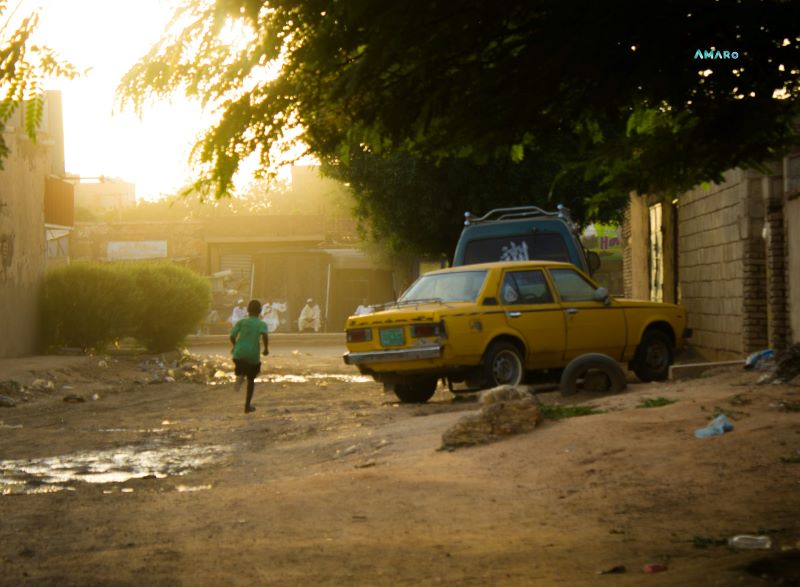
Health care crisis in SudanSudan faces its second year of civil war due to a power struggle between the Sudanese Armed Forces (SAF) and the Rapid Support Forces (RSF). Before the conflict, Sudan was already facing a humanitarian crisis caused by long-term political and economic instability. This year, Sudan was at the top of the list of countries in need of humanitarian assistance due to the escalation of conflict, mass movement of people, and the health care crisis in Sudan.

The Ongoing Civil War

The power struggle between the SAF and the RSF has created division within the country, with the SAF controlling the eastern regions and the RSF controlling the cities of Khartoum and the west. Foreign involvement also further intensified the Civil war, with the UAE and Chad supporting the RSF and Russia supporting and supplying weapons to the SAF. This rivalry and divide create an opportunity for a fractured Sudan with foreign-backed factions, like the Militia warfare in Libya.

Therefore, the ongoing civil war in Sudan has created a need for urgent international attention and humanitarian aid. The World Food Program (WFP) states that this conflict has made “the world’s largest hunger crisis.” Sudan’s situation has impacted millions and has quickly become the largest displacement crisis.

More than 25 million people across Sudan and its neighboring countries, South Sudan and Chad, struggle to find stability, food and shelter. According to the U.N., around 14,000 people have been killed and double that have been injured. More than 3 million refugees have fled the war since April 2023, and more than 8 million are internally displaced.

Poverty and War

Due to the ongoing conflict, food insecurity has become an extreme issue for the Sudanese people. More than 755,000 people face famine-like hunger, and famine on a larger scale could become a reality. In Sudan, 70% of the population relies on agriculture and livestock; however, many of these areas are used as grounds for fighting due to the conflict, according to the British Red Cross.

According to the WFP, 90% of people in need of humanitarian assistance and facing hunger are stuck in isolated areas inaccessible to the WFP. Authorities revoked permission for trucks to cross the borders to reach Sudan which further disturbed the distribution of humanitarian aid. Therefore, thousands of people in Darfur are struggling with hunger and malnutrition.

Health Care Crisis and Human Rights in Sudan

This deadly conflict has completely deteriorated Sudan’s already vulnerable health care system, limiting people’s access to medical attention and essential resources. More than two-thirds of hospitals in conflict zones are out of service, while the remaining are facing closure due to medical supply shortages, limited funding and staff.

Targeted attacks on hospitals and health care workers have prevented injured patients’ including women and children, from receiving medical attention and help. Hospitals in Sudan lack food, water and medicine. This health care crisis in Sudan limits civilians’ access to essential health care services and basic human necessities. Physical and verbal violence against staff has also increased and many people cannot receive medical help due to pressure from external groups.

Moreover, displacement and people’s urgent need to flee have severely impacted the Sudanese population. The lack of health care, water and sanitation led to the spread of various infections and waterborne illnesses. An outbreak of measles has caused the death of more than 1,000 children across the country, while diseases like cholera continue to spread, with around 8,000 confirmed cases, according to the International Rescue Committee (IRC).

Overcrowded shelters also increase health risks for vulnerable groups. Families struggle due to high food prices, inadequate shelter and limited medicinal care for people with chronic illnesses. Children also lack access to education due to the severity and distress of the conflict. concerns over sexual violence and public safety are also rising. The UNHCR calls for urgent civilian protection and safe access to aid and shelter.

Solutions

In response to increasing needs, many organizations are contributing to humanitarian efforts in Sudan despite the security and political barriers limiting humanitarian assistance in the country. UNICEF is working to provide essential services for children, including nutrition, education and safe water. The International Committee of the Red Cross (ICRC) provides medical aid, equipment, and urgent surgical procedures for injured civilians.

In addition, Save the Children is working to provide children with psychological support and primarily focus on child protection. At the same time, Doctors Without Borders runs emergency medical projects in conflict zones, offering treatment for malnutrition, vaccine programs and trauma care.

Conclusion

The health care crisis in Sudan has reached critical levels, with most hospitals out of service or struggling to operate amidst the war. Hospitals and health care facilities are short on staff and supplies but face continuous attacks, making them difficult to access and limiting health care treatments. The displacement of people also makes it difficult for people to access basic needs like water and medicine, increasing the risk of sickness and diseases. Many humanitarian organizations are working to provide medical aid, food supplies and shelter. However, urgent international efforts are necessary to support Sudan’s health care system and ensure its people’s safety and security.

– Gufran Elhrari

Gufran is based in London, UK and focuses on Global Health and Politics for The Borgen Project.

Photo: Unsplash

November 10, 2024
https://borgenproject.org/wp-content/uploads/borgen-project-logo.svg 0 0 Naida Jahic https://borgenproject.org/wp-content/uploads/borgen-project-logo.svg Naida Jahic2024-11-10 01:30:142024-11-10 01:50:07Health Care Crisis in Sudan
Aid, Conflict, Global Poverty

The UK’s Response to the Humanitarian Crisis in Lebanon

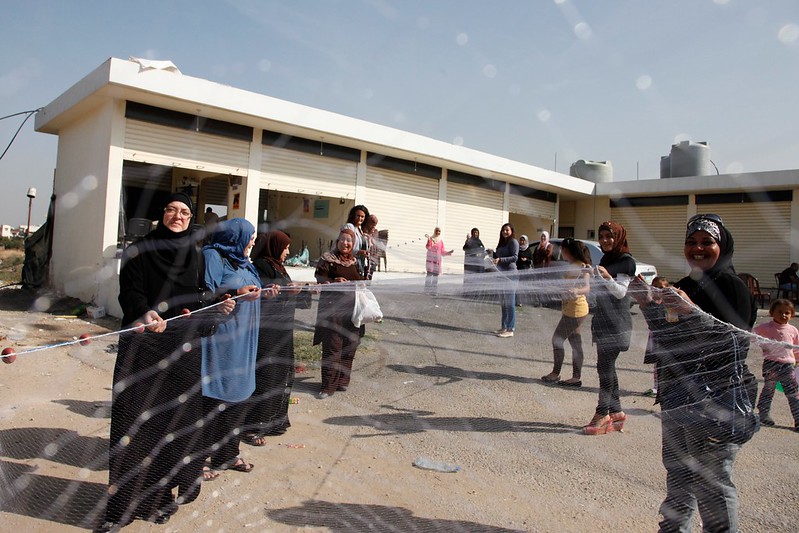
humanitarian crisis in LebanonThe reignition of conflict between Israel and Palestine marked October 2023. Whilst the aggression between these two regions caught the attention of the international community, the conflict also resurfaced historic tensions along the Israel-Lebanon border which has escalated to military raids and missile attacks between Hezbollah and Israel as of the end of September 2024. According to Lebanon’s Prime Minister Najib Mikati, air strikes have already displaced 1 million Lebanese citizens. This article will highlight how the U.K. responded to this new humanitarian crisis in Lebanon.

UK Government Donation to UNICEF in Lebanon

The British government announced it was donating £5 million to UNICEF to support the response to the humanitarian crisis in Lebanon. The package aims to address the needs of those displaced, including 74,000 children. To reach those displaced in Lebanon the money, sent on September 27, 2024, will go towards medical supplies, hygiene kits and fuel for water stations. The aid also includes training for emergency teams to respond to health and nutrition needs.

UNICEF currently has 35 shelters in Lebanon, which can host more than 14,000 people. Since the majority of these shelters are public schools the rising conflict has disrupted children’s learning. Despite this, UNICEF has delivered 26,380 liters of bottled water, 2,900 sleeping bags and two large high-performance tents to support demands for shelter.

The Development Director and Deputy Head of Mission at the British Embassy Beirut, Victoria Dunne welcomed the news on the UNICEF donation and stated: “We are profoundly saddened by the civilian deaths in Lebanon. The number of casualties and the scale of displacement is distressing…The U.K. has been and will remain a strong supporter of Lebanon.”

Poverty Rates and Humanitarian Crisis in Lebanon

Before the violence between Israel and Lebanon resurfaced, the country was already battling rising poverty rates. According to the World Bank, the level of poverty in the Middle Eastern country has “more than tripled over the last decade” and currently affects 44% of the population, as of May 2024. The World Bank recommends various interventions to reduce poverty in Lebanon. This includes implementing a social safety net, and macro-fiscal reforms to support price stability, allow space for social spending and make public transportation more accessible so citizens can reach public services such as healthcare.

The conflict could further damage Lebanon’s economy; the potential decline in tourism rates could produce a $450 million loss alongside the real estate and foreign direct investment sector, totalling $550 million in losses. This bleak economic forecast resulting from this conflict could exacerbate pre-existing poverty and humanitarian crisis in Lebanon unless a strong infrastructure and aid can support vulnerable citizens.

The UK’s Role in Lebanon’s Development

The U.K. has long played a role in assisting in social and economic development in Lebanon. This includes trade deals such as an agreement in 2019 between the two countries which led to Lebanon becoming the U.K.’s 100th largest trader in 2022.

Lebanon has also been a key beneficiary of the U.K.’s Official Development Assistance (ODA) program receiving £804 million from 2010-2021, where 94% was given for humanitarian purposes. The U.K. also led a Community Stability Program to alleviate tensions between Lebanese and refugee communities by strengthening institutional responses to community conflict.

The Conflict Moving Forward

Though it is unclear how long the conflict between Lebanon and Israel will last, the rates of death and internal displacement are continuously increasing. As of September 10, 2024, the death toll from Israeli attacks was 589. However, since then the number of casualties and displaced persons has increased as Israel has carried out around 1,600 strikes in Lebanon whilst Hezbollah has launched 200 rockets towards Israel.

The U.K.’s legacy of humanitarian and development support to Lebanon should indicate that the British government will continue to provide humanitarian assistance to Lebanon should the crisis continue. The donation of £5 million to UNICEF will help international organizations working in the country to house the displaced and protect vulnerable groups such as children.

– Sofia Brooke

Sofia is based in Oxfordshire, UK and focuses on Politics for The Borgen Project.

Photo: Flickr

October 11, 2024
https://borgenproject.org/wp-content/uploads/borgen-project-logo.svg 0 0 Naida Jahic https://borgenproject.org/wp-content/uploads/borgen-project-logo.svg Naida Jahic2024-10-11 07:30:292024-10-11 01:50:11The UK’s Response to the Humanitarian Crisis in Lebanon
Aid, Conflict, Global Poverty

Diplomatic and Humanitarian Aid as Keys to Stability in Lebanon

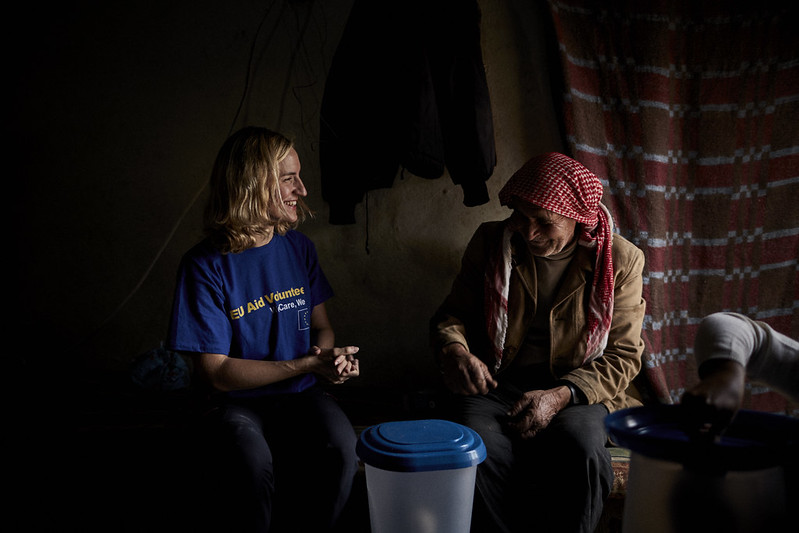
Stability in Lebanon As of September 26 2024, Israel and Hezbollah forces have been exchanging fire over, which destabilized the situation in the Middle East further. So far, more than 700 innocent civilians have been killed in Lebanon, many of whom are women and children. Additionally, thousands of residents in the south of Lebanon have fled to the northern part of the country to escape the conflict, which could worsen the already high rate of poverty in the country. Despite the intensity of the conflict in the last few days, governments and humanitarian organizations have been relentless in improving stability in Lebanon and its vulnerable communities.

Regional Support to Lebanon

Middle Eastern countries have been at the forefront of providing aid to the Lebanese people in their darkest hours and to pave the way for stability in Lebanon. For example, Saudi Arabia’s King Salman Humanitarian Aid and Relief Center (KSRelief) funded the ambulance services carried out by Lebanon’s Subul Al Salam Social Association in the northern part of the country. The association was able to carry out 59 ambulance missions on September 14, 2024, and they plan to use the funds to provide services to those in refugee areas, Saudi Press Agency (SPA). Similarly, on September 24, 2024, the Kuwait Red Crescent Society (KRCS) conducted a relief campaign for 10,000 displaced Lebanese families in shelter centers by providing essential items such as food, cleaning supplies and mattresses. This highlights only a little bit of the exhaustive efforts by countries worldwide to help Lebanon.

International Support to Lebanon:

Countries beyond the Middle East have been involved in the efforts to ensure that there is stability in Lebanon. For instance, on April 3, 2024, USAID announced that it is providing more than $67 million for humanitarian assistance to the most vulnerable communities in Lebanon. The funds will help organizations in Lebanon, such as the World Food Programme (WFP), continue to deliver life-saving aid to over 100,000 people in Lebanon. On the other hand, on May 2 2024, the European Union announced that it is providing financial assistance to the most vulnerable in Lebanon of €1 billion from 2024-2027 to support, among many things, basic health and education services. This shows that, despite the intensity of the current conflict in Lebanon, there are still good people trying to bring peace and stability to the country.

Stability in Lebanon: The Future

In the last few days since war broke out between Israel and Hezbollah forces in Lebanon, media outlets have been focusing disproportionately on the doom side of the conflict. Although it is right to point out the level of destruction in this war, there is also the often-overlooked part where diplomats and aid workers are working tirelessly to bring stability to Lebanon.

Regional countries, such as Saudi Arabia, have been providing aid non-stop to Lebanon as part of the effort to bring peace to the Middle East. Similarly, the U.S. and the EU are also working to end the conflict in Lebanon via diplomacy and humanitarian aid to strengthen the international human rights system. It may be difficult to feel hopeful for Lebanon given the nature of the news cycle today. Still, the facts on the ground give a strong reason to feel optimistic for a better tomorrow for the Lebanese people.

– Abdullah Dowaihy

Abdullah is based in Riyadh, Saudi Arabia and focuses on Good News and Politics for The Borgen Project.

Photo: Flickr

October 6, 2024
https://borgenproject.org/wp-content/uploads/borgen-project-logo.svg 0 0 Naida Jahic https://borgenproject.org/wp-content/uploads/borgen-project-logo.svg Naida Jahic2024-10-06 07:30:002024-10-06 01:19:54Diplomatic and Humanitarian Aid as Keys to Stability in Lebanon
Conflict, Foreign Aid, Global Poverty

Humanitarian Support for Ukraine

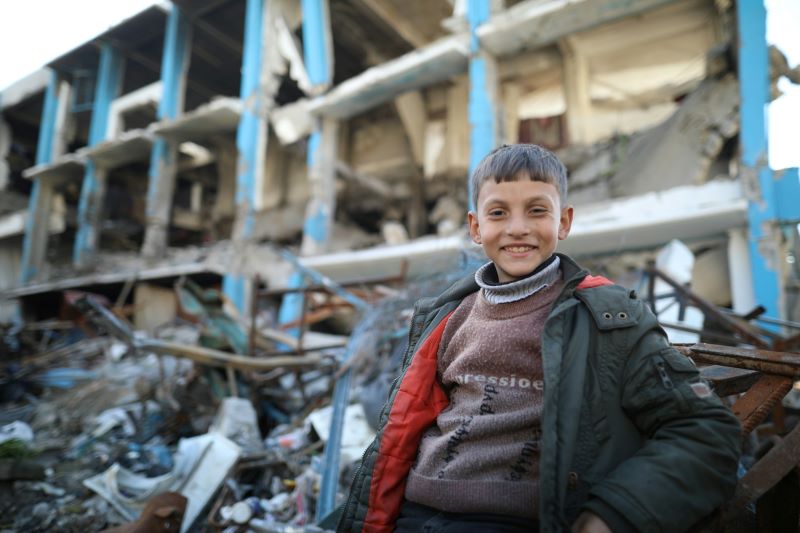
Humanitarian Support for Ukraine Since Feb. 24, 2022, Ukraine has faced widespread destruction that threatens its GDP and quality of life as a result of the ongoing conflict. This situation has led to one of the fastest displacements of people since World War II. The relentless brutality and intensity of the conflict have severely weakened Ukraine’s infrastructure and economy, erasing 15 years of progress. This regression has pushed an additional 7.1 million people into poverty, raising the poverty rate to 24.1% in 2022. With health services and an adequate supply of food and water also severely lacking, Ukraine has become an incredibly dangerous place to live, earning a spot on the IRC’s Emergency Watchlist.

Ukraine’s Humanitarian Crisis

Following discussions in London, Labour Party Foreign Secretary David Lammy and the United States (U.S.) Secretary of State Antony Blinken traveled to Kyiv on Sept. 11, 2024. In Ukraine’s capital, they conferred with President Volodymyr Zelensky about deepening the United Kingdom (U.K.) and U.S. alliance and increasing humanitarian support for Ukraine. Recent reports of Russia possessing ballistic missiles have prompted urgent reactions from the U.K.’s Labour Party. David Lammy vocalized his concerns and reinforced his commitment by stating, “The U.K.’s support to Ukraine is unwavering.”

Improving the Future of Ukraine

Since Feb. 2022, the U.K. government has provided nonmilitary aid and loan guarantees to Ukraine. With the recent transition to a Labour government, there are significant efforts underway to continue and expand this support. In light of the escalating conflict, David Lammy has acknowledged the urgent need for additional U.K. aid, committing over £600 million in humanitarian support for Ukraine. During his recent visit to Kyiv, Lammy stated, “The bravery and resilience of the Ukrainian people is inspiring. Alongside the U.S., we are committed to giving Ukraine what it needs to resist Russia’s illegal invasion.” This £600 million pledge will target several specific areas of need:

  • £242 million will be used from 2024 to 2025 ‘for urgent humanitarian, energy and stabilization needs, as well as for support of reforms, recovery and reconstruction.’ 
  • £100 million in humanitarian aid will be allocated to 2024 funding. This will specifically help Ukrainian citizens most vulnerable to the conflict.
  • A supplementary  £20 million will be added, which will ‘double 2024 assistance for critical repairs, protection of power grids and strengthening Ukraine’s energy infrastructure.’
  • A sum of potentially £40 million will go toward helping Ukraine recover from the conflict in a fixed and accelerated manner.
  • A proposed £484 million will be provided to World Bank financing through the form of loan guarantees in late 2024. This will help to rebuild and stabilize Ukraine’s economy.

Looking Forward

Ukraine’s ongoing conflict has devastated its infrastructure and economy, pushing millions into poverty and creating severe shortages in necessities. In response, the U.K. government, under the leadership of Labour Party Foreign Secretary David Lammy, has pledged £600 million in humanitarian aid. This funding will focus on urgent needs such as energy, food and health care, as well as long-term recovery efforts. The commitment aims to bolster Ukraine’s resilience against Russian aggression and help rebuild its economy.

– Imogen Prince

Imogen is based in Oxford, UK and focuses on Politics for The Borgen Project.

Photo: Flickr

September 26, 2024
https://borgenproject.org/wp-content/uploads/borgen-project-logo.svg 0 0 Precious Sheidu https://borgenproject.org/wp-content/uploads/borgen-project-logo.svg Precious Sheidu2024-09-26 07:30:472024-09-26 05:35:01Humanitarian Support for Ukraine
Children, Conflict, Global Poverty

Aid in Gaza and Yemen: UK Government’s Partnership with Kuwait

Aid in Gaza and YemenIn a press release from September 4, 2024, the U.K. government announced a new partnership with Kuwait. This will consist of a joint funding totaling £4.5 million delivered to UNICEF that will allow them to continue their lifesaving aid in Gaza and Yemen.

The U.K.’s Minister for the Middle East, Hamish Falconer, highlighted the U.K. and Kuwait’s “shared commitment” to dealing with international humanitarian crises. Falconer also acknowledged the role that conflict has had to play in the crises in both Gaza and Yemen, declaring that the U.K. is “pushing for more lifesaving aid to reach those in desperate need,” the U.K. Government reports.

Conditions in Gaza

As an organization centered around children in need, Gaza is a priority for UNICEF. Approximately nine in 10 of Gaza’s population are internally displaced, and half of those 1.9 million people are children.

Children in Gaza are facing countless challenges. From lack of water and food, to fuel and medicine. They are left with injuries and struggle with displacement due to the destruction of their homes and have more than likely lost loved ones. The latest figure by the Palestinian Ministry of Health estimates that more than 14,000 children have been killed in Gaza, UNICEF reports. The conditions for those left are abysmal, meaning UNICEF’s aid in Gaza is essential now more than ever.

Obstacles to delivering aid have made UNICEF’s work in Gaza more difficult. Israel restricted the shipments of food and medicine into the region and this has created famine and starvation as land routes for aid are under strict inspection.

Despite this, UNICEF has been able to dispatch emergency supplies to those in Gaza – this includes water, medicine, and medical equipment. The organization’s programs are also facilitating basic mental health facilities to support children through the unimaginable horror of growing up amidst conflict and destruction, according to its website.

The Need for Aid in Yemen

The humanitarian crisis in Yemen is significant, with around 9.8 million children requiring at least one form of humanitarian assistance. Since April 2022, Yemen has witnessed a reduction in active conflict, meaning civilian casualties specifically have become less of a pressing concern. However, the country naturally continues to suffer as a result of living through nine years of conflict.

Issues in Yemen are numerous, with socioeconomic instability at the core of the country. During the ongoing struggle, children are particularly vulnerable to exploitation, abuse and child labor, according to UNICEF. Families struggle with displacement and exposure to the outbreak of disease. Millions, including children, face daily life with a lack of safe water and adequate sanitation and hygiene. Food is also scarce, causing a nutrition crisis, according to UNICEF.

UNICEF is on the ground to provide aid in Yemen, providing invaluable food and medical supplies that are treating severe acute malnutrition in children. The organization has managed to provide more than 2.5 million children with Vitamin A supplements every six months to combat malnutrition and has vaccinated more than 815,000 children against measles, according to its website.

What the Money Means for UNICEF

The combined £4.5 million will provide vital aid in Gaza and Yemen. The press release specified that this funding will contribute to efforts by UNICEF to restore water and sanitation systems in Gaza and support primary health care services in Yemen, according to the U.K. Government.

With the support of this funding, UNICEF’s work could aid 1 million people in need in Gaza, and a further 1.45 million in Yemen. The organization has publicly expressed its gratitude to the U.K. and Kuwait following the announcement. UNICEF Representative to the Gulf Area, Eltayeb Adam, described the funding as a “beacon of hope” that will “have a transformative impact on the lives of children and families in Gaza and Yemen,” the U.K. Government reports.

– Maeve Relihan

Maeve is based in Birmingham, UK and focuses on Global Health and Politics for The Borgen Project.

Photo: Unsplash
September 22, 2024
https://borgenproject.org/wp-content/uploads/borgen-project-logo.svg 0 0 Naida Jahic https://borgenproject.org/wp-content/uploads/borgen-project-logo.svg Naida Jahic2024-09-22 01:30:282024-09-22 22:33:54Aid in Gaza and Yemen: UK Government’s Partnership with Kuwait
Aid, Conflict, Global Poverty

Collective Action to Fight Poverty in Gaza

Poverty in GazaThe events of October 2024 have heightened the plights and struggles of those who call the Gaza Strip and the West Bank home. The conflict has left millions of people in Gaza struggling with poverty and unable to access basic necessities. According to Martin Griffiths, the United Nations’ (U.N.) humanitarian chief, the continuing violence has made delivering aid to the area nearly impossible.

For more than 30 years, the Palestinian Solidarity Campaign (PSC) has been at the forefront of the U.K. movement for Palestinian rights. As a grassroots organization, it is involved in lobbying politicians, challenging government policy and holding the media to account. The Borgen Project spoke to its Student and Young People Officer, Stella Swain, to discuss the importance of the organization’s grassroots methods when it comes to drawing attention to the struggle in Palestine.

Poverty and Struggle in Gaza

It is estimated that nine in every 10 people in Gaza have been displaced internally due to the conflict. Half of these people are children, many of whom have lost their families on top of their homes. In addition, according to the Palestinian Ministry of Health, more than 14,000 children have already been killed in the violence.

Furthermore, famine has long been looming in Gaza. As a result of the continual displacement, violence and restrictions placed on aid, organizations like Save the Children estimate that 96% of the population in Gaza is facing severe food shortages. As of May of this year, close to half a million jobs had been lost from the Palestinian economy since October 2023. This drop includes an estimated loss of 200,000 jobs in the Gaza Strip, 114,000 jobs in the West Bank and 148,000 cross-border commuters from the West Bank to the Israeli labor market.

This massive drop in employment and job opportunities has led to an unprecedented increase in poverty across the country. The overall poverty rate of Palestinians stood at 32.8% in mid-2023 – around 64% in Gaza and 12% in the West Bank. However, as of present, nearly every single Gazan lives in poverty due to the destruction caused by the ongoing conflict.

Young People at the Forefront

Students have long led campaigns and protests that have shaped the world, including the movement against the Vietnam War and the fight to end apartheid in South Africa. Protests calling for an end to the conflict in Gaza are no different. More and more student encampments are being set up around the world as students and other young people demand that universities and governments acknowledge the violence in Gaza and its impacts on the civilians in the area. 

Swain stated that student organizing had shown universities that “the vast majority of their student body care deeply about where their institutions’ money is going and that they are determined that these institutions should enact their alleged ethos of global responsibility.”

Grassroots organizations, such as the PSC and The Borgen Project, mobilize the power of the people to bring about significant cultural, political and environmental change. Ben Jamal, the director of the PSC, emphasized the importance of public support at the organization’s Divest for Palestine Conference. He stated that their “longer-term and enduring task is to harness the energy of this extraordinary movement of solidarity and resistance into sustained campaigns to achieve the change needed” to end the violence and secure support and aid for the Palestinian people.

Looking Forward

The work of the PSC is a reminder of the importance of citizens coming together to hold their elected officials to account. The organization is working to bring the struggles of Palestinians to the forefront of the minds of powerful politicians who can provide aid and support. Grassroot organizations like PSC stand as proof of the importance of collective action to change the lives of those struggling in poverty.

– Kristina Grant

Kristina is based in Scotland and focuses on Good News and Politics for The Borgen Project.

Photo: Pexels

September 16, 2024
https://borgenproject.org/wp-content/uploads/borgen-project-logo.svg 0 0 Lynsey 2 https://borgenproject.org/wp-content/uploads/borgen-project-logo.svg Lynsey 22024-09-16 01:30:052024-09-16 01:24:06Collective Action to Fight Poverty in Gaza
Conflict, Global Poverty, NGOs

The Rohingya: How the IRC is Helping Myanmar

How the IRC is Helping MyanmarSince the 2021 military coup, Myanmar, especially the Rohingya has faced severe restrictions on freedoms of speech and assembly and has witnessed mass killings, arbitrary arrests, torture, sexual violence and other crimes against humanity. Currently, more than 2.7 million citizens are internally displaced, with more than 2.3 million of those displaced since the coup. Additionally, 15 million people face food insecurity. In total, 18.6 million people across Myanmar struggle to meet basic needs. This crisis is the latest in nearly half a century of military control, extreme poverty and natural disasters that have plagued the country.

Deterioration of Public Services and Infrastructure

The military junta in Myanmar has deteriorated living conditions, increased food insecurity and obstructed humanitarian aid, resulting in the collapse of health care and public services in conflict-ridden regions. Conflict often disrupts communication and blocks transport routes, enforcing martial law in most parts of the country. Myanmar suffers from significant infrastructure damage, including prolonged communication and electricity blackouts. With a severe shortage of health care workers, many facilities are shut down. This leaves a large number of the 2.7 million internally displaced who reside in rural areas to take lengthy journeys to access basic and critical health care.

Intensifying Conflict and Climate Challenges

Violence escalated in Oct. 2023 when multiple nonstate groups attacked Myanmar’s central government in the Northern Shan State. Since then, the fighting has spread across the country, jeopardizing civilian safety. Poverty and inflation continue to worsen as Myanmar faces ongoing climate shocks to its agriculture sector. Cyclone Mocha in 2023 damaged crops and food production, affecting the livelihoods of more than 3.4 million people. Now, with the impact of El Niño, including erratic rainfall and high temperatures, the already stressed agriculture sector faces further challenges.

The Rohingya in Myanmar

The Rohingya people, a predominantly Muslim ethnic group of about 1.1 million, have resided in Buddhist-majority Myanmar for centuries but remain among the most vulnerable groups. Myanmar does not recognize the Rohingya as one of its 135 official ethnic groups and has denied them citizenship since 1982, rendering them stateless. Most Rohingya reside in Rakhine State, where they cannot leave without government permission. They live in one of the country’s poorest states, confined to ghetto-like camps with limited access to basic public services and opportunities.

When Myanmar gained independence from Great Britain in 1948, it enacted the Union Citizenship Act, which identified 135 ethnic groups eligible for citizenship. Although the Rohingya were omitted, families residing in Myanmar for two generations could apply for identity cards and, in some instances, citizenship. Following the first military coup in 1962, the government restricted Rohingyas from carrying foreign identity cards, severely limiting their access to employment and educational opportunities. A 1982 law further exacerbated their plight by officially declaring the Rohingya stateless.

Persecution and Exodus of the Rohingya

Rohingya people have been fleeing Myanmar since the ‘70s due to “government crackdowns,” which often include rape, torture, arson and murder, but many families remain in the country. Currently, much of the internal violence targets the Rohingya, who are often unfairly blamed by the government for violent acts carried out by nonstate groups. Accusations of ethnic cleansing against the Rohingya by the government persist, which the government denies. Residents and activists report troops firing unprovoked at unarmed Rohingya men, women and children.

In 2018, the Associated Press released a video showing a massacre and five undisclosed mass graves of Rohingya people in Myanmar. Due to ongoing violence and persecution, not only by the junta military but also by past government powers, hundreds of thousands of Rohingya have fled to neighboring countries such as Bangladesh. Recently, tens of thousands of Rohingya refugees in Bangladesh have started protesting, calling for an end to the violence and persecution in Myanmar.

Advocacy and Aid: The IRC’s Role

Communities rely on humanitarian aid and community networks for social services such as health care and education. The International Rescue Committee (IRC) is helping Myanmar by responding to the needs of the current coup, but the nongovernmental organization has been working in the country for far longer. In 2008, the IRC entered Myanmar after Cyclone Nargis for emergency response and recovery efforts. It has since stayed in the country and expanded to programs focused on improving health, protection, water, sanitation, hygiene, career training and support for community development projects.

The organization runs shelter programs for internally displaced and crisis-affected communities, significantly expanding since the 2021 coup. Currently, the IRC is particularly focused on supporting those affected by the escalating conflict, marginalized communities and individuals displaced before 2021. It emphasizes partnerships with local organizations to deliver support effectively and also operates in Bangladesh, where hundreds of thousands of Rohingya refugees from Myanmar have sought refuge.

Community Support and Developing Local Capabilities

The IRC is helping Myanmar to recover from ongoing conflict and natural disasters, focusing on the most remote areas, including Rakhine, Chin and Shan States. Across these regions, the IRC trains community health workers, supports mobile health clinics and partners with local communities to enhance access to clean drinking water, improve sanitation and prevent disease. It also educates farmers on modern agricultural techniques and technology, empowers communities to identify their own needs and develops unique recovery plans. Furthermore, the IRC operates skills training and support centers specifically for women and girls and manages nine refugee camps along the Thailand border, which provide shelter to nearly 140,000 refugees.

Looking Ahead

As conflict and displacement continue to escalate in Myanmar, the need for humanitarian assistance remains critical. Organizations like the IRC are working to address the urgent needs of displaced populations by providing health care, clean water and shelter. Their focus on local partnerships and community empowerment has helped deliver essential services to remote areas most affected by violence and natural disasters. With continued efforts, these ongoing initiatives aim to improve the lives of those impacted by ongoing conflict and instability.

– Anna Thibodeau

Anna is based in Omaha, NE, USA and focuses on Good News and Politics for The Borgen Project.

Photo: Flickr

September 7, 2024
https://borgenproject.org/wp-content/uploads/borgen-project-logo.svg 0 0 Precious Sheidu https://borgenproject.org/wp-content/uploads/borgen-project-logo.svg Precious Sheidu2024-09-07 10:49:142024-09-17 01:32:14The Rohingya: How the IRC is Helping Myanmar
Child Poverty, Conflict, Global Poverty

Olive Kids Foundation Supports Displaced Palestinian Children

Displaced Palestinian ChildrenThe United Nations (U.N.) confirms a rise of more than 155% in violations against children in Israel and Palestine. The effects of the October 7 attack and the push for emancipation of the Gaza Strip since 1949 have sparked conflict. Despite multiple ceasefire attempts in Gaza, more than one million Palestinian children had been displaced by December 6 and more than 13,800

The situation in Gaza remains critical. Millions have fled, but those civilians who continue to live in the northern side of the Gaza Strip are surrounded by rubble, limited access to electricity and food and water shortages, which the U.N. reports are on the brink of famine. According to the United Nations Children’s Fund (UNICEF), about nine in 10 Palestinians are displaced, with children making up half of the estimated 1.9 million people affected. Furthermore, this displacement leads to separation, loss of property, abuse, exploitation and a lack of psychosocial support. Many displaced families struggle with the high costs of frequent relocations.

The Olive Kids Foundation

Amid this turmoil, the Olive Kids Foundation stands as a beacon of hope, providing essential support to the most vulnerable. Here’s how it is making a difference:

  • Child Sponsorship: A Lifeline for Orphaned Children: Orphaned children under the Olive Kids Association receive sponsorship from donors to cover their living expenses in Al-Amal. Additionally, 40% of the funds go toward their higher education, accessible once they turn 18. The foundation has successfully raised $90,000, ensuring these children have a stable future and access to quality education.
  • Medical Aid: Life-Saving Surgeries and Training: Olive Kids facilitates medical missions by sending Australian pediatric surgeons to local Palestinian hospitals and shelters. These missions include performing complex surgeries and training local medical professionals. In partnership with the Children First Foundation, severely injured Palestinian children are brought to Australia for life-changing surgeries. Additionally, the program provides immediate medical relief and builds local capacity through skill transfer.
  • Nutrition Initiative: Combating Malnutrition: Years of blockades have led to widespread malnutrition among Palestinian children. Furthermore, the recent conflict has worsened the situation, making nutritional support more critical. In response, Olive Kids has implemented a comprehensive nutrition initiative in its local orphanage, focusing on improving dietary habits. This program provides balanced meals and educates orphans, their families and staff about healthy eating practices.
  • Education: Building a Brighter Future: Olive Kids supports a range of educational initiatives to ensure that displaced children receive a well-rounded education. The Girls P/E Teacher program funds salaries for physical education teachers and provides sports kits, encouraging healthy social activities. Additionally, a supplementary program helps children with learning difficulties, offering specialized teaching methods to expand their skills.
  • Scholarships: Empowering the Next Generation: To encourage more Palestinian students to enter the medical field, Olive Kids offers scholarships. This initiative has seen a significant increase in graduates since its inception, with only three medical students graduating in 2019. The scholarship program has since expanded, providing crucial financial support and educational opportunities for aspiring medical professionals.

Making a Lasting Impact

The Olive Kids Foundation’s alumni often return to assist other children in similarly dire situations, creating a cycle of support and empowerment. Through their continuous efforts, the foundation aims to raise more donations to support displaced Palestinian children during this ongoing crisis.

– Lydie Udofia

Lydie  is based in London, UK and focuses on Global Health for The Borgen Project.

Photo: Flickr

August 10, 2024
https://borgenproject.org/wp-content/uploads/borgen-project-logo.svg 0 0 Lynsey 2 https://borgenproject.org/wp-content/uploads/borgen-project-logo.svg Lynsey 22024-08-10 07:30:542024-08-10 03:09:47Olive Kids Foundation Supports Displaced Palestinian Children
Conflict, Education, Global Poverty

The Palestinian Education Crisis: Scholasticide

Palestinian Education CrisisPalestine, composed of the West Bank and the Gaza Strip, is a region enduring prolonged conflict and political instability. The West Bank (bordered by Israel and Jordan) and the Gaza Strip (bordered by Israel and Egypt) are home to a combined population of more than 5 million Palestinians. The geopolitical conflict with Israel has led to severe socioeconomic challenges, including high mortality rates, restricted access to resources and continuous warfare.

The Education Crisis

The ongoing conflict has inflicted devastating damage on Palestinian education. Schools and universities throughout the region have been targeted, demolished or forced to shut down due to military actions. In Gaza, the situation is particularly dire. Reports describe how relentless warfare has shattered the education system, leaving students and educators struggling to maintain any semblance of normalcy.

A joint report by the World Bank and the United Nations (U.N.) revealed extensive damage to Gaza’s infrastructure, with educational facilities being among the most affected. Furthermore, U.N. experts have termed the deliberate targeting and destruction of schools as “scholasticide,” expressing deep concern over the long-term impacts on Palestinian children.

The lack of stable education has profound implications. With disrupted learning, Palestinian youth face a future with limited opportunities, leading to increased poverty and diminished economic prospects. Education is a fundamental pillar for development, and its disruption threatens the socioeconomic fabric of their society. Addressing these educational disruptions is crucial for ensuring the region’s more stable and prosperous future.

Aiding Educational Efforts

Several nongovernmental organizations (NGOs) are working to mitigate the Palestinian education crisis. They aim to provide immediate relief and create sustainable solutions for long-term recovery. The New Palestinian Educational Foundation (NPEF), the American Near East Refugee Aid (Anera), and the Educational Relief Fund are dedicated to providing academic opportunities and resources to students, aiming to rebuild and support teaching in the region. Their efforts focus on offering scholarships, educational materials and other essential resources.

Despite the bleak situation, these organizations have made considerable strides in addressing “scholasticide.” For instance, Anera’s Right Start! program supports preschools in the West Bank and Gaza to aid early childhood development. Right Start! is making investments in critical areas such as teacher training, better learning materials, and preschool infrastructure enhancements. These efforts enable pupils to continue their education and achieve their academic goals, even in adversity. Similarly, the NPEF has given more than 10 teachers mini-grants, supporting classroom innovations.

Looking Forward

The Palestinian education crisis is a stark reminder of the profound impact that conflict has on society’s youth. Ongoing violence and instability have severely disrupted the schooling system, threatening the future of Palestine and the economic development of the region. However, domestic and international efforts offer a glimmer of hope as people work tirelessly to restore education and support the dreams of Palestinian students.

– Asiya Siddiqui

Asiya is based in Fremont, CA, USA and focuses on Good News and Global Health for The Borgen Project.

Photo: Flickr

August 3, 2024
https://borgenproject.org/wp-content/uploads/borgen-project-logo.svg 0 0 Lynsey 2 https://borgenproject.org/wp-content/uploads/borgen-project-logo.svg Lynsey 22024-08-03 07:30:272024-08-03 04:44:26The Palestinian Education Crisis: Scholasticide
Conflict, Economy, Global Poverty

Ben & Jerry’s: Divesting from Israel

Divesting from IsraelBy divesting from Israel, Ben & Jerry’s did more than end the sale of ice cream in the occupied Palestinian territories. As the leading brand, Ben & Jerry’s is the face of the U.S. ice cream – a $19 billion U.S. market. Its divestment not only signals a significant economic impact but also a strong ethical stance in the human rights discourse at large. It bolsters Palestinian advocacy efforts and increases international pressure for policy reform.

“We believe it is inconsistent with our values for our product to be present within an internationally recognized illegal occupation,” wrote Ben & Jerry’s in a statement. Corporate divestments from Israel not only shift significant financial resources but also set precedents for other investors and reflect growing societal concerns about corporate responsibility in geopolitical conflicts.

What Is Divestment?

Divestment is the process of selling off assets for either financial, ethical or political reasons. In the context of the Israel-Hamas war, divestment refers to the withdrawal of investments from companies or entities operating in Israel or the occupied Palestinian territories.

Anyone who has watched the news in recent months has seen students at major universities calling for divestment. Protestors at Columbia University, for example, have a long list of divestment targets, demanding the college disclose and divest from companies like Amazon, Google and Airbnb.

Other major corporations, including Hudson’s Bay Company and UniCredit, have also announced divestments. To understand the significance of major corporate divesting from Israel, let’s consider Ben & Jerry’s as a case study.

Impacts of Ben & Jerry’s Divesting from Israel

Ben & Jerry’s divestment from the occupied Palestinian territories represents a strong ethical stance, influences public discourse, interacts with complex legal and political frameworks and applies economic pressure. This move highlights the potential for businesses to impact global human rights and policy issues through their investment decisions.

The Ben & Jerry’s divestment has placed economic pressure on Israel with an impact on both U.S. and Israeli economies and contributed to a broader social and political discourse around Israel’s occupation of Palestinian territories.

Economic Pressure on Israel

Ben & Jerry’s divestment from Israeli-occupied Palestinian territories puts economic pressure on Israel by challenging the legitimacy of its occupation and potentially promoting other companies or countries to reconsider their business ties.

The tangible economic pressure from divestment involves a combination of direct financial losses, disruptions in supply chains, impacts on local employment, stock market reactions, regulatory costs and changes in consumer behavior. Collectively, these pressures incentivize changes in policies and practices, aligning business operations with human rights considerations.

Impact on Israel and the US Markets

In Israel, the decision led to increased support for local ice cream brands and alternative suppliers. Local impacts include the reallocation of market share within Israel’s economy, particularly in the affected territories. In the U.S., depending on Ben & Jerry’s political affiliation, many consumers have supported and boycotted the company’s decision, leading to temporary influxes or declines in sales within certain demographics or regions.

The shifts in consumer preferences due to the controversy could have led to short-term changes in market share within the premium ice cream segment. In the past year, Ben & Jerry’s has lost nearly $1 billion in sales. This has allowed competitors like Häagen-Dazs, Baskin-Robbins and smaller artisanal brands to see an uptick in sales from consumers boycotting Ben & Jerry’s.

State-Level Regulations That Penalize Companies

The Israeli government lobbied states like North Carolina with anti-BDS (Boycott, Divestment, Sanctions) laws, which penalize companies that boycott Israel, potentially impacting business relations and financial interests. These state-level regulations prohibit state entities from contracting with or investing in companies that participate in boycotts against Israel or Israeli-controlled territories.

Broader Economic and Political Reactions

Human Rights Watch praised Ben & Jerry’s decision to stop selling ice cream in Israeli settlements in the occupied West Bank, urging the U.S. to follow suit in response to human rights abuses. The move by Ben & Jerry’s prompted reactions from various political and business entities. Israeli officials and pro-Israel groups in the U.S. pushed back strongly, labeling the move as economic terrorism and antisemitic. They warned of broader economic ramifications, including potential boycotts of Unilever products and strained business relations between U.S. entities and the company​.

​​In summary, Ben & Jerry’s divestment from the occupied Palestinian territories not only applies economic pressure but also reflects a strong moral position, influences public discourse and interacts with complex legal and political frameworks in the name of human rights advocacy.

– Sheridan Smith

Sheridan is based in Madrid, Spain and focuses on Business and New Markets for The Borgen Project.

Photo: Flickr

July 16, 2024
https://borgenproject.org/wp-content/uploads/borgen-project-logo.svg 0 0 Lynsey 2 https://borgenproject.org/wp-content/uploads/borgen-project-logo.svg Lynsey 22024-07-16 07:30:382024-07-16 00:50:45Ben & Jerry’s: Divesting from Israel
Page 5 of 6«‹3456›

Get Smarter

  • Global Poverty 101
  • Global Poverty… The Good News
  • Global Poverty & U.S. Jobs
  • Global Poverty and National Security
  • Innovative Solutions to Poverty
  • Global Poverty & Aid FAQ’s
Search Search

Take Action

  • Call Congress
  • Email Congress
  • Donate
  • 30 Ways to Help
  • Volunteer Ops
  • Internships
  • Courses & Certificates
  • The Podcast
Borgen Project

“The Borgen Project is an incredible nonprofit organization that is addressing poverty and hunger and working towards ending them.”

-The Huffington Post

Inside The Borgen Project

  • Contact
  • About
  • Financials
  • President
  • Board of Directors
  • Board of Advisors

International Links

  • UK Email Parliament
  • UK Donate
  • Canada Email Parliament

Get Smarter

  • Global Poverty 101
  • Global Poverty… The Good News
  • Global Poverty & U.S. Jobs
  • Global Poverty and National Security
  • Innovative Solutions to Poverty
  • Global Poverty & Aid FAQ’s

Ways to Help

  • Call Congress
  • Email Congress
  • Donate
  • 30 Ways to Help
  • Volunteer Ops
  • Internships
  • Courses & Certificates
  • The Podcast
Scroll to top Scroll to top Scroll to top