• Link to X
  • Link to Facebook
  • Link to Instagram
  • Link to TikTok
  • Link to Youtube
  • About
    • About Us
      • President
      • Board of Directors
      • Board of Advisors
      • Financials
      • Our Methodology
      • Success Tracker
      • Contact
  • Act Now
    • 30 Ways to Help
      • Email Congress
      • Call Congress
      • Volunteer
      • Courses & Certificates
      • Be a Donor
    • Internships
      • In-Office Internships
      • Remote Internships
    • Legislation
      • Politics 101
  • The Blog
  • The Podcast
  • Magazine
  • Donate
  • Click to open the search input field Click to open the search input field Search
  • Menu Menu

Archive for category: Conflict

Conflict, Employment, Global Poverty

Preserving Yemen’s Cultural Pride

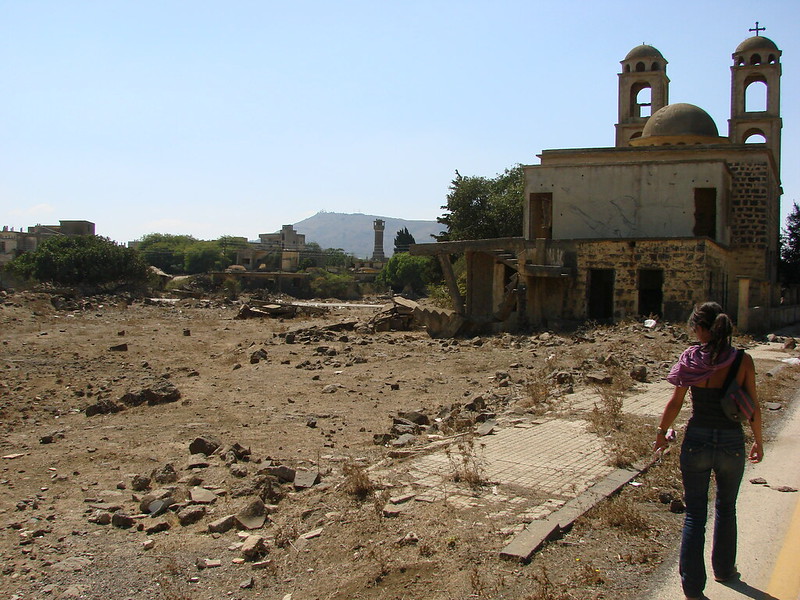
Yemen's Cultural PrideSince 2015, the civil war in Yemen has remained one of the largest humanitarian crises in the world. Widespread poverty, displacement, famine and diseases have dismantled the country. More than 80% of Yemenis struggle to access food, safe drinking water and adequate health services. The ongoing conflict and oppressive system continue to limit and deny Yemenis their fundamental human rights and freedoms.

However, Yemen’s cultural heritage fosters a profound sense of belonging, identity and resilience amidst the ongoing humanitarian crisis and conflict. Several initiatives are preserving and restoring historical archives, while instilling Yemen’s cultural pride and opportunities in the young generation. The Yemeni House of Music, Takween Cultural Club and the UNESCO Cash for Cash project are initiatives promoting artistic and creative industries, increasing employment and creating social cohesion among the Yemeni population.

Yameni House of Music and Art

Yemeni House of Music and Art (YHMA) is dedicated to preserving Yemen’s rich musical and artistic heritage. By digitizing 10,000 recordings, the lyric and audio heritage has been safeguarded. This has encouraged new research, helping to revive Yemen’s cultural heritage efforts. Additionally, there is a push to instill cultural pride in the younger generation by getting them involved in crafting and playing the Yemeni lute, Al Quanbus.

This endangered traditional musical instrument has been revived and honoured by Yemeni youth. YHMA promotes artistic expression through performances and exhibitions celebrating the richness of Yemeni culture. Likewise, The Heritage Symphony echoes a similar message and recently hosted composer Mohammad Alghoon, who plays a significant role in preserving Yemen’s musical legacy.

Alghoon’s ability to blend authenticity with modernity creates a distinct image of contemporary Yemeni cultural pride. Both celebrate Yemeni musical heritage, creating spaces of love, connection and identity, while promoting cultural pride.

Takween Cultural Club

The Takween Cultural Club ensures safe and expanded access to cultural artefacts and experiences. In particular, the restoration of the Alsutania Library has transformed the oldest library in Hadramout, becoming one of the first modern libraries in the Arabian Peninsula. The Writing Foundation supported the restoration project by reviving 3,000 manuscripts through basic repair strategies. During this process, damaged texts were digitized by newly trained library staff and volunteers.

More than 800 people participated, especially young men and women who gained practical IT and library management training. Both bookbinding and digital archiving formed the basis for ensuring the library’s longevity. After six months of conservation work, the library saw a 600% increase in visitors. Researchers, writers and university students can work safely and contribute to the archives. The library became a symbol of Yemeni cultural pride and community. It also became a hub for education and discussion through seminars and events, enriching public engagement.

UNESCO Cash for Cash Project

UNESCO Cash for Work supports Yemen’s disadvantaged youth by promoting social welfare opportunities. Launched in 2018, Cash for Work creates jobs related to cultural preservation for Yemen’s urban youth. The project seeks to develop sustainable short- and long-term employment opportunities since young people comprise 70% of the Yemeni population. These are focused on regeneration activities and the restoration of historic buildings.

This provides economic benefits and fosters a sense of cultural pride, social cohesion and peace-building through these restorative efforts. Additionally, Cash for Work addresses urban youth well-being and livelihood as it gives young people a purpose and skill set, preventing them from being influenced by radicalization movements.

Going Forward

Yemen’s cultural pride is at the nation’s heart, destabilized by the ongoing conflict. For many Yameni, these three initiatives have provided a sense of belonging, identity and community spirit. They have also successfully instilled a strong sense of cultural pride and purpose in the young generation of Yemenis to continue preserving, celebrating and restoring their rich and profound heritage into the future.

– Jule Riemenschneider

Jule is based in Oxford, UK and focuses on Good News for The Borgen Project.

Photo: Flickr
September 2, 2025
https://borgenproject.org/wp-content/uploads/borgen-project-logo.svg 0 0 Lynsey 2 https://borgenproject.org/wp-content/uploads/borgen-project-logo.svg Lynsey 22025-09-02 07:30:482025-09-01 13:32:10Preserving Yemen’s Cultural Pride
Conflict, Global Poverty, Government

Conflict and Addressing Poverty in the DRC

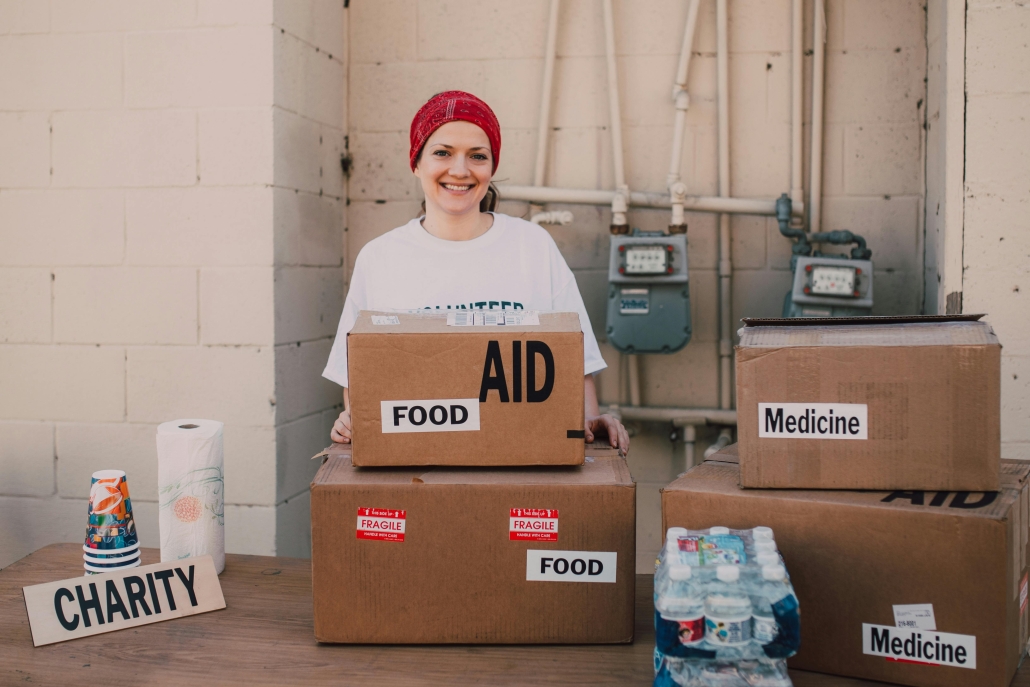
Addressing poverty in the DRCThe Democratic Republic of the Congo (DRC) ranks among the poorest countries in the world. Decades of armed conflict have worsened poverty despite the nation’s wealth in natural resources. According to the United Nations Development Programme (UNDP), more than 70% of people in the country live in poverty. Long-running armed conflict, displacement and limited access to essential services have deepened humanitarian needs and slowed development efforts.

Decades of Conflict and Instability

Since the mid-1990s, the DRC has experienced near-continuous violence. The First Congo War began in 1996, followed by the Second Congo War in 1998, which involved multiple neighboring countries. While formal hostilities ended in 2003, armed groups continue to operate in eastern provinces such as North Kivu, Ituri and South Kivu.

Recent updates from the International Crisis Group highlight a resurgence in violence by the M23 rebel group and other militias. According to the United Nations Office for the Coordination of Humanitarian Affairs (OCHA), more than 20 million people are in need of humanitarian aid in the DRC, with many in this situation for multiple years. Human Rights Watch reported in June 2025 that the M23 has forcibly transferred civilians and targeted local populations, worsening instability in North Kivu.

Poverty Deepens as Communities Are Displaced

Displacement due to violence has had severe economic consequences. The World Bank notes that instability has made it difficult for people to maintain steady incomes or access critical services such as education, health care and clean water. In rural areas, insecurity prevents farmers from cultivating land, disrupting food production and increasing hunger. The World Food Programme (WFP) estimates that around 28 million people in the DRC currently face crisis or emergency levels of food insecurity.

In areas like North Kivu, attacks on communities have forced families to abandon farms, livestock and livelihoods. The United Nations Children’s Fund (UNICEF) reports that more than 1 million people have been displaced. Conflict also weakens infrastructure and governance. In its latest country overview, the World Bank stated that public investments are limited, with many road networks and hospitals either damaged or inaccessible. Corruption and lack of coordination further slow efforts to rebuild after conflicts. 

Organizations Working Toward Solutions

Despite immense challenges, several humanitarian and development organizations are making progress in addressing poverty in the DRC. These initiatives focus on long-term recovery, livelihood development and local empowerment. Concern Worldwide has been operating in the DRC since 1994.

In recent years, it has implemented community-based programs in Tanganyika and North Kivu provinces. These efforts combine emergency nutrition support with clean water access, agricultural training and local peacebuilding. According to Concern Worldwide, its 2023 program has supported more than 100,000 people, helping communities recover from displacement and return to farming.

  • FINCA. FINCA Democratic Republic of Congo offers small-scale financial services that help low-income entrepreneurs start and expand businesses. Operating since 2003, FINCA provides loans, savings accounts and digital banking tools across all 11 provinces. By the end of 2022, FINCA had served more than 1.2 million clients in the DRC, with 70% of loan recipients being women. These services help individuals gain income stability, especially in areas underserved by traditional banks.
  • Oxfam International. Oxfam’s response in the DRC focuses on both emergency relief and addressing the structural causes of poverty. In 2023, the organization provided safe drinking water, food assistance and hygiene support to at least 600,000 people. Oxfam also works with local leaders to strengthen women’s participation in peacebuilding and development planning, ensuring that aid is inclusive and sustainable.
  • UNDP. The UNDP is also supporting long-term strategies to reduce poverty in conflict-affected regions. In a 2023 field initiative, UNDP trained youth in solar energy installation and supported the rehabilitation of health clinics in Kasai Province. Its programs also promote job creation and digital access, particularly for young people and women. By March 2024, these projects had already directly benefited more than 50,000 people.

Looking Ahead

Although the challenges are substantial, progress is underway. Local communities are increasingly involved in shaping solutions. Cash-transfer programs led by UNICEF in 2024 reached 14,000 vulnerable children and their families, allowing them to access food, clothing and shelter during emergencies. These interventions not only meet urgent needs but also build trust and agency within communities.

Addressing poverty in the DRC requires both humanitarian aid and long-term development strategies. By combining financial access, local governance support and community-driven recovery, organizations are helping the Congolese population rebuild from decades of disruption. As these programs expand and receive sustained support, more families will gain access to income, education and stability, which are vital tools for escaping the cycle of poverty.

– Charlie Wood

Charlie is based in West Yorkshire, UK and focuses on Global Health for The Borgen Project.

Photo: Flickr
August 31, 2025
https://borgenproject.org/wp-content/uploads/borgen-project-logo.svg 0 0 Precious Sheidu https://borgenproject.org/wp-content/uploads/borgen-project-logo.svg Precious Sheidu2025-08-31 01:30:462025-08-30 11:11:08Conflict and Addressing Poverty in the DRC
Conflict, Global Poverty, Violence

Fragility and Rule of Law in Nigeria

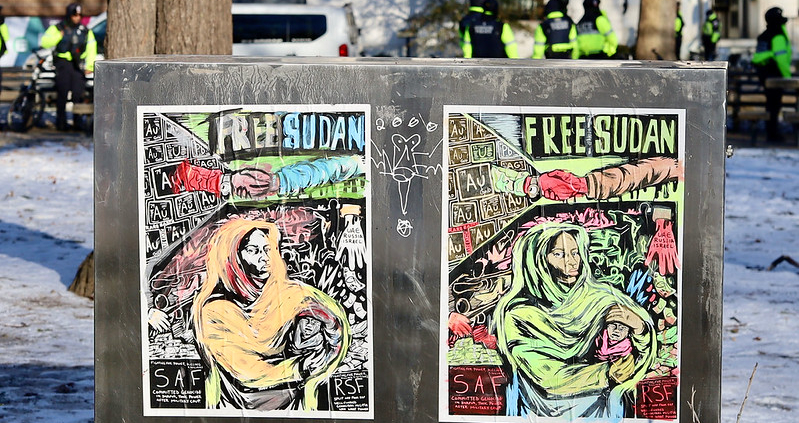
Fragility and Rule of Law in NigeriaNigeria, based in West Africa, has the largest economy and most populous country in Africa. It has a great amount of natural resources, such as oil, yet it remains one of the poorest countries globally, with an estimated 87 million Nigerians living below the poverty line. There are many reasons for endemic poverty in the region but one of these is the state of the rule of law in Nigeria, in particular, the nature of corruption and violence. These two features exist as persistent structural problems in the region. They undermine development efforts, job creation and service delivery. Poor Nigerians are most affected by these problems as they depend most on security and public institutions. These two issues weaken institutions and efforts to reduce poverty. Here are some of the ways that the state of the rule of law in Nigeria affects poverty.

Corruption and Poverty

Nigeria remains one of the most corrupt countries in Africa with a score of 26/100 from Transparency International, an organization dedicated to monitoring corruption. There is poor government accountability. Public institutions routinely suffer from embezzlement, ghost workers and contract fraud.

These practices drain funds that are meant for poverty reduction initiatives such as social welfare and infrastructure projects. Corrupt officials also often divert aid or demand bribes to release public goods. While there are some anti-poverty programs like N-Power, they often fail to reach the poorest and political favoritism further reduces their impact.

Corruption also worsens access to services. Citizens sometimes have to pay bribes to access health care, school enrollment, land documents or housing support. This inflates the cost of these services and makes them inaccessible to the poorest who need them the most.

Corruption also shapes access to job opportunities as nepotism and bribery influence public sector jobs, scholarships and government contracts. Poor people, lacking money or political connections, are often excluded from these opportunities. This reinforced cycles of inequality and poverty as elites stay empowered while the poor stay locked out. The poor state of the rule of law in Nigeria, as it pertains to corruption, reduces trust in the system and discourages participation in government programs or elections, furthering the cycle of poverty.

Violence and Poverty

Violence in Nigeria, since the fourth republic, has largely been concentrated in the northern and central regions. These regions also experience the highest poverty rates in Nigeria. Several studies have drawn the link between insecurity and deprivation in these regions. 

In particular, in the north-east (Borno, Yobe, Adamawa), Boko Haram has terrorized civilians in their attempt to overthrow the government, leading to mass displacement. Meanwhile, in the north-west (Zamfara, Katsina, Sokoto), there is widespread banditry, kidnapping and extortion. Additionally, in the middle belt of the country (Benue, Plateau, Taraba), there are herder-farmer conflicts and communal violence which lie along ethnic and religious lines.

In these regions, their poverty rates range from 60-80%. In contrast, the southern regions, such as Lagos and Anambra, have much lower poverty rates, suggesting a geographic overlap between insecurity and extreme poverty.

While it is likely the case that extreme poverty has led to violence in these regions, the violence itself has exacerbated poverty and its plight. It affects food production by reducing farming and livestock output and leads to great food insecurity as tens of millions are put at risk.

It also affects education as the destruction of schools and fear leads to dropout and inaccessibility. Likewise, Internally Displaced Persons from the violence, generally lack stable housing, health care and clean water. The weakened rule of law in Nigeria produces great violence which worsens poverty now and makes it more difficult to escape it in the future.

Anti-Corruption Initiatives

There have been some recent promising efforts to tackle corruption. In 2024, the Economic and Financial Crimes Commission (EFCC) secured 4,111 criminal convictions and recovered about $214.5 million USD in looted funds. The establishment of the Integrated Payroll and Personnel Information System (IPPS) has gone a long way to eliminate ghost workers. The launch of the Open Treasury Portal in 2019 has provided public access to federal government expenditures.

These initiatives have had some effect on tackling poverty. Recoveries help plug fiscal gaps for services, although they have limited impact on direct poverty alleviation. The elimination of ghost workers helps free up some salary funds. Transparency tools can build long-term trust and enable advocacy which is crucial in the fight against poverty although they currently remain underused or inconsistently updated. 

Security Reforms & Community-Based Approaches

Some efforts recently taken to address violence include military offensives such as Lafiya Dole against insurgents. The Civilian Joint Task Force (CJTF) has increasingly involved itself in local defense. Additionally, the government has initiated peacebuilding and deradicalization programs in Borno and Zamfara and has further emphasized community policing and state security networks.

These efforts have allowed the return of displaced persons in some areas such as in Borno, which goes a long way in tackling poverty. However, poverty reduction is slow due to damaged infrastructure, trauma and loss of livelihoods. Localized success stories exist but are not yet scalable or systemic. However, efforts in bolstering the rule of law in Nigeria goes a long way in facilitating poverty reduction in the country.

Looking Ahead

Nigeria faces complex and varied challenges, with insecurity, poverty, and corruption, but these difficulties are not insurmountable. Recent steps show a growing awareness that change is both urgent and possible. There remains real hope that Nigeria’s immense potential can be more fully realized.

– Seun Adekunle

Seun is based in Scotch Plains, NJ, USA and focuses on Politics for The Borgen Project.

Photo: Flickr
August 10, 2025
https://borgenproject.org/wp-content/uploads/borgen-project-logo.svg 0 0 Jennifer Philipp https://borgenproject.org/wp-content/uploads/borgen-project-logo.svg Jennifer Philipp2025-08-10 01:30:462025-08-09 23:24:14Fragility and Rule of Law in Nigeria
Conflict, Global Poverty, Nonprofit Organizations and NGOs

Nonprofits Fighting Poverty in Rwanda and the Congo

Poverty in RwandaOn June 27, Rwanda and the Democratic People’s Republic of the Congo (the Congo) signed a peace deal in Washington, D.C. Under the agreement, both countries agreed to “immediately and unconditionally cease any state support to nonstate armed groups.” The agreement hopes to make mineral wealth in the Congo more available and secure regional peace.

Rwanda–Congo Conflict

Conflict between Rwanda and the Congo dates back to the 1994 Rwandan genocide, where nearly 800,000, mostly Tutsi, people were killed by Hutu extremists. Lately, the Democratic Forces for the Liberation of Rwanda, allegedly supported by the Congolese and the M23 rebels, whom Rwanda supports, according to United Nations (U.N.) investigators, have plagued the region with violence.

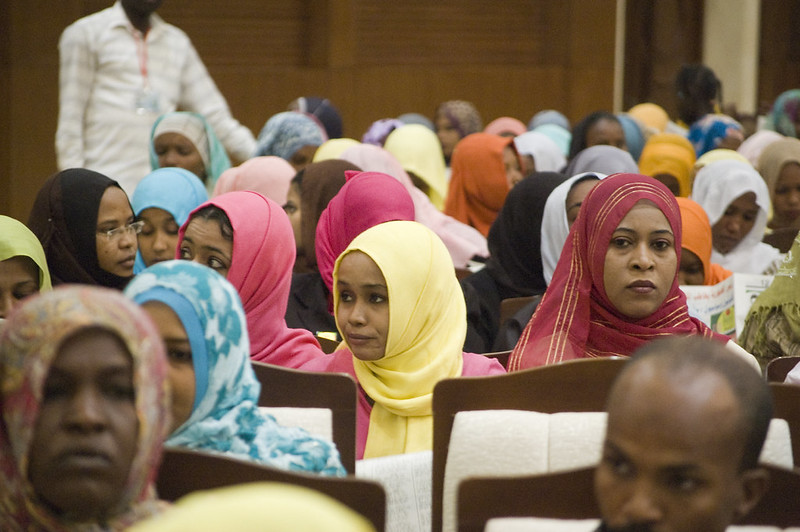
The violence has killed thousands of people in recent years and displaced millions of others to refugee camps that have little food, water or basic services. These camps leave displaced women and girls at risk of mass rape and in the hands of armed gangs; additionally, men and young boys fear being forcibly recruited by militant groups. In response to the devastation, nonprofit organizations provide relief for those in poverty in Rwanda.

The Congo: The Panzi Foundation

Founded in 1999 by Dr. Denis Mukwege, the Panzi Foundation provides healing and life-saving care to survivors of sexual violence in the Congo. After witnessing women suffering from inadequate maternal care at Lemera Hospital, he decided to specialize in gynecology and obstetrics. Later, when a woman came to him after being raped, he and his staff became specialists in sexual-violence treatment and gynecological trauma.

His foundation’s services include medical treatment for gynecological injuries, sexually transmitted infections and pregnancies that survivors suffer from. Additionally, since survivors also have post-traumatic stress disorder, depression and anxiety, the foundation also provides psychological support such as psychotherapy, follow-up care and community awareness.

Armed groups in the Congo use sexual violence to instill terror in villages and impose economic and political control in the area. In 2023, the U.N. reported nearly 123,000 cases of gender-based violence in the Congo. As part of the Panzi Model, the foundation also provides holistic healing, socioeconomic support and legal services for survivors. This includes vocational training, loan programs, legal assistance and civil registration support. According to the foundation, it treated more than 87,000 survivors and performed above 25,000 gynecological surgeries in the past 25 years.

Poverty in Rwanda: CARE

Helping in Rwanda is CARE, an organization that directly combats poverty. CARE operates in 24 of Rwanda’s 30 districts, providing food, health care and emergency relief. While the organization supports many other countries, it has been active in Rwanda since 1984. During the genocide against the Tutsi people, CARE provided relief to hundreds of thousands of refugees from Uganda.

Afterwards, it provided immediate aid to millions through food, shelter, HIV prevention, improved water systems and more. CARE also claims to be one of the few NGOs leading efforts to advance justice for girls and women in Rwanda. In 2017, for instance, it launched a strategic program that identified impoverished women and girls as a central focus.

One way CARE has supported women in Rwanda is through education. In 2016, under CARE Rwanda’s Gender Equality and Women’s Empowerment program, nearly 45,000 women and girls received literacy and numeracy training. Through initiatives like Safe School for Girls and Better Environment for Education, CARE has also worked to break down the barriers that limit women’s access to secondary and higher education.

Final Remarks

Though the results of the recent peace agreement are yet to be seen, many hope it can lead to more peace and prosperity in the region. Regardless, several nonprofit organizations, such as these, have worked for years to give survivors of the region’s conflict a chance at a better life.

– Seth Pintar

Seth is based in San Diego, CA, USA and focuses on Business and New Markets for The Borgen Project.

Photo: Flickr
August 9, 2025
https://borgenproject.org/wp-content/uploads/borgen-project-logo.svg 0 0 Lynsey 2 https://borgenproject.org/wp-content/uploads/borgen-project-logo.svg Lynsey 22025-08-09 01:30:462025-08-08 05:36:36Nonprofits Fighting Poverty in Rwanda and the Congo
Conflict, Global Poverty

Looking Forward: Innovations in Poverty Eradication in Ukraine

Poverty Eradication in UkraineIt has been more than three years since Russia escalated the Russo-Ukrainian War after its forces invaded Ukraine in February of 2022, plunging Ukraine into one of its most abysmal humanitarian crises yet. As a result of the current political strife between Russia and Ukraine, Ukraine’s poverty rate reached 37%. While the tragedy in Ukraine pervades civilian life, multiple NGOs, human rights organizations and charity initiatives have helped soothe the current poverty crisis in Ukraine. Here are five current innovations in poverty eradication in Ukraine.

The World Bank Initiatives

In 2023, the World Bank raised $38 billion for emergency financing relief initiatives for Ukraine. They also instituted the Ukraine Relief, Recovery, Reconstruction and Reform Trust Fund (URTF) to help the Ukrainian government fund administrative services, implement relief efforts and plan Ukraine’s recovery and reconstruction agenda. The URTF is also being used to fund efforts to repair infrastructure and reinstate public services, such as public housing and healthcare.

European Aid

In 2025, Spain, Germany, the U.K., France, Italy and the Nordic countries allocated a total of €72 billion in aid for Ukraine, marking a record for the most funding Europe has ever allocated to Ukrainian relief efforts. Indeed, many European countries increased their contribution to Ukraine after the U.S. decided not to allocate any funds to aid initiatives for them this year. The Nordic Countries and the U.K. are currently at the forefront of Europe’s foreign aid initiatives, filling the U.S.’s significant financial gap.

UN efforts

In 2024, the U.N. spent a total $685 million in foreign aid for Ukraine, allotting these funds to restoring economic growth in Ukraine, building housing and healthcare and education initiatives, amongst other efforts. In total, the U.N. supported 230,000 civilians through vocational training/job programs, helped 31,000 Ukrainians find housing and delivered around 800 metric tons of medical supplies to frontline regions.

CARE relief efforts for Ukraine

CARE International is currently working with numerous NGOs and other human rights organizations to implement innovations in poverty eradication in Ukraine. It is currently in partnership with the Charity Foundation Stabilization Support Services, the International Renaissance Foundation, Ukraine House and multiple women’s rights organizations to help provide humanitarian assistance, financial/operational assistance in the development of Ukraine’s democratic government and institute various programs that protect women’s and minority rights. CARE also partners with People in Need to help provide basic survival materials to Ukrainian citizens. It also developed a 24/7 psychosocial assistance hotline to safeguard the mental well-being of Ukrainian citizens.

Restore Ukraine

Founded in February 2022 after the invasion of Ukraine, Restore Ukraine prioritizes restoring Ukrainian cities and communities. Currently, they are in partnership with the International Organization for Migration, the International Justice Mission, Project Dynamo, MATTER, Goodwill, U.S.-Ukraine Foundation and United Help Ukraine, amongst others, to help distribute food, hygiene kits and construction materials to help sustain different shelters and hospitals in Ukraine. It has distributed more than 300 tons of food and 650 tons of construction materials since the start of its organization, helping more than 4,000 Ukrainians receive survival materials in the midst of the current political turmoil.

The Future

While many charity organizations, NGOs, and human rights organizations have mobilized to help institute poverty eradication innovations in Ukraine, the fight for poverty alleviation in Ukraine is far from over. Issues regarding income inequality, household financial well-being, labor market shortages, destruction of infrastructure and various other issues continue to tarnish the economic, social, and political state of Ukraine. The immense global contribution to the restoration of Ukrainian democracy and the well-being of its citizens signifies hope for the state of Ukraine. The efforts to eradicate poverty in Ukraine persist, no matter how long it may take to stabilize the welfare of its citizens.

– Ava Lachini

Ava is based in Author’s City and State: Los Angeles, California, USA and focuses on Celebs for The Borgen Project.

Photo: Flickr
August 7, 2025
https://borgenproject.org/wp-content/uploads/borgen-project-logo.svg 0 0 Naida Jahic https://borgenproject.org/wp-content/uploads/borgen-project-logo.svg Naida Jahic2025-08-07 01:30:502025-08-06 16:24:26Looking Forward: Innovations in Poverty Eradication in Ukraine
Conflict, Global Poverty, Health

The Years-Long Struggle of Cancer Patients in Gaza

Cancer Patients in GazaIn 2021, cancer was one of the leading causes of death in Palestine. Its mortality rate was higher in the Gaza Strip than in the West Bank, whose population exceeds that of the Strip by a million people. The Gaza Strip is flanked by the Rafah crossing at the far south, bordering Egypt and the Beit-Hanoun crossing up north, bordering Israel across 365km². After the Israeli blockade in 2007, the economy and health care took a severe blow and the movement of people, medicine and food shipments in and out of the Gaza Strip has been severely restricted.

Patients seeking treatment in the West Bank or East Jerusalem have been vulnerable to the continuous shutting of both crossings as well as arbitrary travel permit approvals. A weak health care system coupled with strict travel guidelines has made life impossible for cancer patients in Gaza far before the current conflict.

Incidence of Cancer in the Gaza Strip

Cancer is a widespread disease among Gazan civilians. Between 2014 and 2018, 8,326 cases were recorded. The most common types were breast cancer (18%), colon cancer (10.7%), lung cancer (11.4%), leukemia (9.1%), lymphoma (7.9%), prostate cancer (7.7%), bladder cancer (6.3%), brain cancer (5.3%), stomach cancer (3.2%), pancreatic cancer (2.5%) and kidney cancer (2.2%).

Women accounted for 10% more cases than men. For women, the most common type was breast cancer; for men, it was colon cancer. Among the 620 child cases reported, Leukemia was the most prevalent.

Health Care Access Restrictions

Many patients with various illnesses are referred outside Gaza to the West Bank, East Jerusalem and Jordan for specialized treatment. In 2019, the Palestinian Center for Human Rights (PCHR) statewide reported that the number of medical cases referred for specialized treatment was 26,855 cases, with 6,352 children. Gaza City recorded the highest referral rate, accounting for 46% of all cases across the Strip. However, exiting Gaza, even for medical care, is extremely difficult.

Due to the 18-year blockade, civilians must apply for a permit to cross through the Beit Hanoun (Erez) checkpoint far north of the Strip. Israel completely dictates the approval of the permits and the decisions are arbitrary, with some licenses approved after being rejected and others delayed or even dismissed without proper explanation. The delays can be life-threatening, especially for urgent cases; 8.8% of patients succumbed to their illness six months after they applied for their permit. Israel has also been inconsistent throughout the years; in 2012, the acceptance rate was 94%; in 2017, it dropped to 54%; from 2019 to 2021, it reached 65%, regardless of the urgency of the medical case.

The approval of the permits could depend on gender, age and condition; men aged 40 and below and patients with urological conditions have the lowest approval rates, respectively 47% and 44%. Children are the most vulnerable as they require a legal guardian to accompany them, which requires extra approval. From 2019 to 2021, 54% of parents who applied for a permit did not receive the approval in time for their child’s hospital appointment and neither parent didn’t accompany 32% of children. This is due to the rejection of the parent’s permit and the non-application of the parent to be a companion.

Post-War Circumstances

Before the ongoing crisis, the health care system in Gaza was already lacking proper supplies for cancer patients, hence the need for referral. The constant bombing, lack of fuel, medical supply shortages, insufficient staff and the targeting of hospitals and health care workers have shot the struggle of cancer patients in Gaza to unfathomable heights. The Turkish Palestinian Friendship Hospital was the only hospital in the strip specializing in oncology. However, it was forced to close within the first month of the Israeli attacks on Gaza; 12 cancer patients died within 10 days of its closure.

By May 2025, 94% of Gaza’s hospitals were damaged or destroyed, leaving only 19 operating for more than two million people. Seven of them only offer basic emergency care. Northern Gaza struggles the most as the civilians residing there have practically no access to health care. Leaving the strip is more impossible than ever. On top of the rejection of referral permits, Gazan citizens have to pay the Egyptian travel agency (Hala) $2,500 for a child and $5,000 for an adult to cross the Rafah border leading to Egypt, which is equivalent to more than fourfold the average Gazan’s yearly income.

The situation worsened after the border closed on March 2, blocking life-saving medicine, food shipments and fuel from entering the Strip for over four months. With a surge in critically wounded patients and the total collapse of the health system, hospital occupancy has soared beyond 200%. Meanwhile, 2,000 cancer patients in Gaza are being overlooked, as their conditions are deemed non-urgent.

Conclusion

Cancer patients in Gaza have suffered from more than their illness. Due to the 18-year-long siege on the Strip, many have lost their lives before accessing proper care. The current war has only accentuated their struggle as the collapsing health care system, influx of casualties and incessant bombings and evacuation orders on hospitals have deprived them of life-saving medical attention.

– Yasmine Belabed

Yasmine is based in Algeria and focuses on Technology and Global Health for The Borgen Project.

Photo: Pixabay

July 30, 2025
https://borgenproject.org/wp-content/uploads/borgen-project-logo.svg 0 0 Lynsey 2 https://borgenproject.org/wp-content/uploads/borgen-project-logo.svg Lynsey 22025-07-30 01:30:502025-07-29 15:56:28The Years-Long Struggle of Cancer Patients in Gaza
Conflict, Global Poverty, Refugees and Displaced Persons

Positive Developments at Zamzam Camp in Sudan

Zamzam Camp in SudanZamzam refugee camp is approximately 15 kilometers outside El-Fasher, North Darfur, in southwestern Sudan. Many consider this camp to be the largest camp for internally displaced people (IDP) in the world. The government and humanitarian organizations established Zamzam in 2004 to respond to the surge of displaced individuals caused by the outbreak of conflict in the Darfur region.

Zamzam began as a temporary shelter for those fleeing conflict, violence and devastation. Since then, Zamzam has grown into an expansive settlement, hosting 120,000 people, including 54,000 families. Here are six facts about positive developments at Zamzam camp for IDPs in Sudan, despite its current instability.

Education for Children

According to the European Union External Action (EUAA), almost 30 schools within the camp contribute to educating 25,000 enrolled children. Many children in this camp have never been outside due to the conflict, making these schools incredibly important for their development and education.

Support for Children

The United Nations Children’s Fund (UNICEF) has supported children within Zamzam, successfully creating Child-Friendly Spaces (CFS). These safe places aim to help in dealing with the stream of traumatized children and teenagers arriving at this refugee camp. According to UNICEF, an average day in CFS entails taking their minds off the horrors going on throughout the country by working with psycho-social support workers.

Community-Led Initiatives

Despite the conflict and siege, the community has come together to assist in positive developments at Zamzam by helping supply the refugees with food and water. The United Nations (U.N.) has interviewed young people in Sudan who have come together to tackle the famine-stricken conditions in Zamzam. The organization explains that many people go there to volunteer in community kitchens to provide food to the various shelters around the camp.

UN Aid Convoy Security

In 2025, armed groups attacked a U.N. aid convoy, leading to the death of five humanitarian actors working for UNICEF and the World Food Programme (WFP). This devastating attack has increased security for all future aid convoys and the protection of humanitarian actors.

Water Relief From COOPI

An international NGO called COOPI recently delivered clean water, latrines and sanitation kits to around 9,000 people. Since the civil war broke out in 2023, this NGO has amplified its humanitarian efforts in North Darfur and Zamzam. It uses a multi-sectoral approach to provide essential human needs.

SAPA’s Integrated Emergency and Resilience Project

This project from the Sudanese American Physician Association (SAPA) has led to significant humanitarian efforts with the funding of the Schmidt Family Foundation. According to SAPA, this project has provided Zamzam IDP camp with emergency aid, such as food, health care and water relief, to more than 229,000 people.

Additionally, SAPA’s project includes the secondary phase implementation of a long-term recovery/resilience plan. This phase of the project consists of forming a youth development center. Furthermore, the SAPA team designed it to help train future generations in essential trades that will help rebuild Sudan.

In recent years, amid ongoing instability in Sudan, there have been positive developments at the Zamzam camp for IDPs in Sudan, many aimed at improving the quality of life for its residents. From increased humanitarian aid and improved water and sanitation infrastructure to educational initiatives and community-led programs, Zamzam is slowly evolving from a place of emergency shelter to one of cautious hope.

– Emma Dornan

Emma is based in Fife, Scotland and focuses on Good News for The Borgen Project.

Photo: Wikimedia Commons

July 28, 2025
https://borgenproject.org/wp-content/uploads/borgen-project-logo.svg 0 0 Lynsey 2 https://borgenproject.org/wp-content/uploads/borgen-project-logo.svg Lynsey 22025-07-28 07:30:452025-07-28 01:43:23Positive Developments at Zamzam Camp in Sudan
Africa, Conflict, Global Poverty

Challenges and Progress regarding rule of law in South Sudan

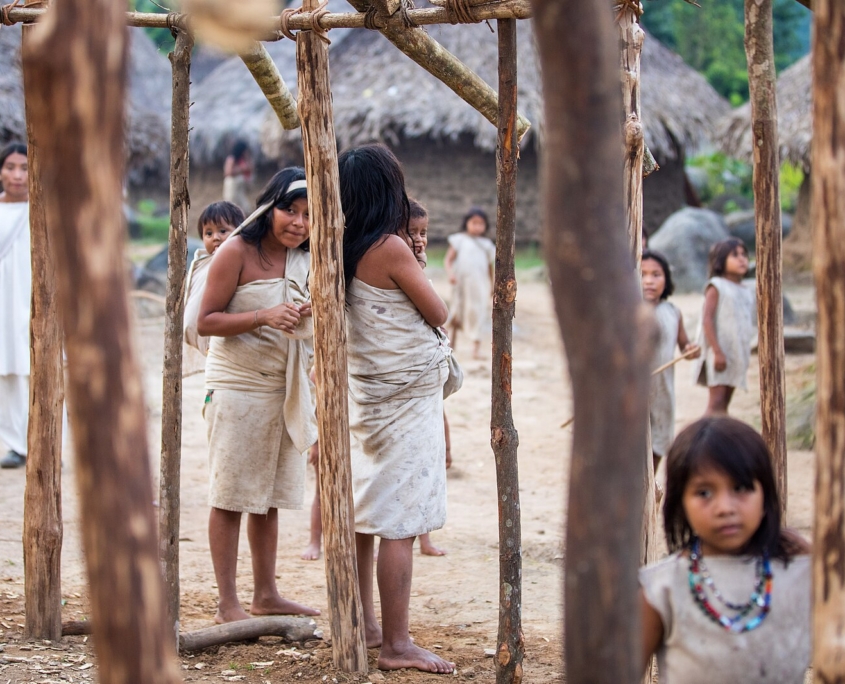
rule of law in South SudanWith decades of civil war and the blurred lines between military and political power, corruption has been widespread in South Sudan. This has weakened the rule of law, which has left civilians without protection and led to cycles of violence.

Rule of Law in South Sudan: The Constitution

South Sudan’s Constitution does outline the principle of separation of powers (Article 48) and equality before the law (Article 14). It also calls for an independent judiciary (Article 122) and establishes the Anti-Corruption Commission and Human Rights Commission to help uphold these democratic principles.

However, in practice, these mechanisms are often ineffective. Political and military officials are rarely held accountable as they evade prosecution. The independence of the judiciary is also at risk as officials have the power to influence courts and legal outcomes.

Moreover, the Constitution itself provides immunity to political and military officials. Military officers, for instance, cannot be tried in civil courts. Some provisions also grant excessive power to the president, further contradicting the rule of law and the separation of powers, according to BTI. The enactment of the Local Government Act, which redefined chiefs at courts as national actors, added to the problem since this limited their ability to represent the people’s voice independently.

Implementing the Revitalized Peace Agreement

To strengthen the rule of law, President Salva Kiir Mayardit and former First Vice President Riek Macha signed the Revitalized Peace Agreement in 2018. This included the obligation to establish the Hybrid Court for South Sudan (HCSS) in cooperation with the African Union, according to BTI. With this international involvement and the application of international legal standards, the HCSS was envisioned to be more independent to ensure justice for serious crimes.

Nevertheless, there has been little progress, as the South Sudanese authorities have delayed the establishment of the court. The foreign assistance budget from other countries decreasing in recent years, has also contributed to stalled progress.

Other obligations set out in the Revitalized Peace Agreement include the establishment of the Commission on Truth, Reconciliation and Healing (CTRH) and the Compensation and Reparations Authority (CRA). On a more promising note, the South Sudanese government passed legislation in November 2024 to establish these two bodies. Their main roles are to investigate and report on human rights violations, promote peace and reconciliation, and ensure compensation for victims.

The UN’s assistance

Another notable progress when it comes to the rule of law in South Sudan is the operation of a general court martial with the support of the U.N. In 14 cases, the court was able to prosecute military officials for crimes such as murder and sexual violence. The court sentenced them to prison and ordered them to compensate the victims.

The U.N. Mission in South Sudan (UNMISS) also extended support to victims by providing funding for free legal advice, mental health support, food, and accommodation. Although there are still limitations in this mission, such as the lack of victim protection during trials and a focus mainly on low-ranking officials, it still marks a meaningful step toward holding officials accountable under law.

Moving forward

Given their fragile political environment, there are still challenges to achieving rule of law in South Sudan. Hence, it is crucial for the government to continue its efforts toward transitional justice to break the cycle of conflict and address the root causes of violence. Only with commitment and long-term investment can South Sudan build a future where rule of law is not just a principle on paper, but a reality for its people.

– Lucy Cho

Lucy is based in Edinburgh, Scotland and focuses on Good News and Politics for The Borgen Project.

Photo: Flickr
July 17, 2025
https://borgenproject.org/wp-content/uploads/borgen-project-logo.svg 0 0 Naida Jahic https://borgenproject.org/wp-content/uploads/borgen-project-logo.svg Naida Jahic2025-07-17 07:30:492025-07-17 01:32:54Challenges and Progress regarding rule of law in South Sudan
Conflict, Global Poverty, Health

Health Care in Cameroon: Challenges of Conflict and Disease

Health Care in CameroonCameroon is a lower-middle income country located in Central Africa bordering the Atlantic Ocean. It is home to over 28 million people with a projected 80% population increase by the year 2050. Similar to the skyrocketing population, life-threatening diseases in Cameroon have also been on the rise in recent years.

The top causes of death in Cameroon recorded in 2021 include lower respiratory infections as number one followed by stroke and Covid-19, respectively. Since 2021, there has been a surge of infectious diseases such as malaria, tuberculosis and HIV in Cameroon and other neighboring countries, highlighting the urgency for accessible health care.

The fragility of the health care system in Cameroon is largely due to ongoing conflicts in the North West and South West regions. Since 2016, Cameroon has experienced violent confrontations between government forces and separatist groups, widely referred to as the “Anglophone crisis”. The violence has resulted in the displacement of millions and the destruction of more than 200 medical facilities. As a result, in 2025, a projected 3.3 million people living in Cameroon will need humanitarian aid.

Malaria

The malaria outbreak began in 2013, initially affecting the northern regions of Cameroon. According to CNN, 800 people died from the outbreak and over 12,000 individuals were hospitalized for severe malaria. However, less than 10 treatment centers were available and qualified doctors were scarce.

In 2021, 50% of hospitalizations in Cameroon were caused by malaria, with the majority of patients being children under 5 years old. Cameroon accounted for 2.6% of global malaria cases and 2.1% of malaria deaths in the following year.

In order to improve health care coverage for citizens in Cameroon, the CDC has supported the prevention and control of malaria since 2017. This collaboration has allowed Cameroon to introduce the Cameroon Field Epidemiology Training Program (CAFETP) in 2010, which has helped provide training to other medical professionals in several surrounding countries. The joint effort helped train hundreds of CAFETP graduates and technicians to effectively recognize and treat malaria.

Cameroon introduced a vaccine for malaria in January 2024, becoming the first country to do so. By December 2024, Cameroon achieved a vaccination coverage rate of 47%. While there are still some regions within Cameroon that lack adequate health care, this accomplishment has made substantial strides toward an equitable health care system.

HIV

As of 2024, Cameroon is estimated to have over 500,000 individuals living with HIV. Despite the substantial numbers, there is a notable drop in the prevalence of HIV between 2011 and 2018 in people ages 15-49. In more recent years, the HIV transmission rate between infants has also decreased, from 3.22% in 2023 to 1.78% in 2024. These achievements are primarily attributable to aid from organizations such as UNICEF and the CDC.

Funds raised by UNICEF brought resources to support HIV transmission rates among infants and young children. In addition, UNICEF supported various HIV interventions for pregnant women, including antiretroviral therapy and testing.

The support of the CDC through the U.S. President’s Emergency Plan for AIDS Relief (PEPFAR) allows access to HIV health care in all 10 regions in Cameroon. The magnitude of this is substantial, as 95% of individuals receiving HIV treatment in Cameroon are using PEPFAR-supported sites.

In addition, Cameroon launched its Universal Health Coverage (UHC) system in April 2023 as part of its effort to increase health care access, particularly for vulnerable populations such as individuals living with HIV. By December 2024, this program allowed over 3 million people to register for the UHC program while also ensuring free access to HIV services for over 400,000 individuals.

Tuberculosis

In 2021, tuberculosis was listed as the fifth highest cause of death among individuals living in Cameroon, affecting 164 per 100,00 people. The mortality rate has seen a slight decrease since 2015, going from 31 to 30 per 100,00 individuals. More notably, is the tuberculosis mortality rate in individuals with HIV going from 31 to 14 in the same time period.

The CDC played a vital role in this operation, as nearly all tuberculosis patients at PEPFAR facilities have also been tested for HIV. In addition to HIV treatments provided by the UHC program, it provided free consultations to nearly 650 thousand children, along with free tuberculosis treatment to over 27 thousand individuals.

In response to these medical milestones, Cameroon initiated the National Tuberculosis Control Program (NTP), focusing on ending tuberculosis by 2030. This strategy emphasizes screening and early diagnosis, training health care workers, disease prevention, and consistent management of HIV and tuberculosis in affected patients.

A Look Into the Future

While Cameroon continues to face health challenges intensified by internal conflicts, a growing population, and the burden of communicable diseases, recent developments demonstrate meaningful progress. Continued investment in health care access, especially for vulnerable and underserved populations, will be critical to ensuring that the country is equipped to meet both current needs and future demands. With outside support and long-term planning, Cameroon has the potential to strengthen its health care system and improve health outcomes for millions of its citizens.

– Grace Johnson

Grace is based in Chicago, IL, USA and focuses on Technology and Global Health for The Borgen Project.

Photo: Flickr
July 6, 2025
https://borgenproject.org/wp-content/uploads/borgen-project-logo.svg 0 0 Kim Thelwell https://borgenproject.org/wp-content/uploads/borgen-project-logo.svg Kim Thelwell2025-07-06 01:30:172025-07-05 11:44:04Health Care in Cameroon: Challenges of Conflict and Disease
Conflict, Development, Global Poverty

Rebuilding Khartoum

Rebuilding KhartoumKhartoum, the capital of Sudan, was once engulfed in civil war. After a hard-fought battle, the Sudanese Armed Forces reclaimed the city from the Rapid Support Forces on March 26. With the conflict subsiding, efforts are now turning toward rebuilding Khartoum and restoring hope for its future.

The Civil War

On April 15, 2023, the Rapid Support Forces (RSF) launched an attack on the Sudanese Armed Forces (SAF) in Khartoum. The RSF maintained control of the city until March 2025, displacing more than 13 million people in the process. While the current conflict is devastating, it is not unprecedented—Sudan has a long and painful history of violence. The Second Sudanese Civil War, which began in 1983, resulted in the deaths of more than 2 million people. The Darfur conflict, which started in 2003, claimed 300,000 lives and displaced approximately 2.7 million.

The ongoing civil war has caused more than 61,000 direct deaths, but the true toll is far higher. More than 150,000 people have died due to war-related effects such as famine and disease. The RSF has been accused of committing acts that may amount to genocide, echoing the violence seen in Darfur during the early 2000s. Reports of ethnically targeted attacks and mass displacement have raised serious concerns among human rights groups and international observers. This humanitarian crisis underscores the urgent need for both national reconciliation and sustained international support.

Khartoum in Ruin

The effects of the war and genocide have been catastrophic. Rebuilding Khartoum will undoubtedly pose a significant challenge, with Sudanese authorities estimating the process will cost around $300 billion. Natural disasters have only worsened the crisis, as rains and flooding have displaced thousands and contributed to a resurgence of cholera. Amid ongoing conflict, the Sudanese government is unable to adequately support displaced or sick individuals. Even before the war, Sudan faced a humanitarian crisis, with 15.8 million people in need of assistance; today, that number has more than doubled.

The famine in Sudan is now the worst the country has experienced in decades, and one of the most severe globally, according to Science. More Sudanese people are suffering from extreme hunger than in any other country in the world combined, marking a staggering humanitarian crisis. While food insecurity was already a major concern before the current conflict, the war has intensified the situation dramatically. Continuous bombing, indiscriminate shelling and the looting of markets and supply chains have devastated both rural and urban food systems.

The conflict has disrupted agricultural activity on a massive scale, as farmers have to flee their land. As a result, the production of staple crops has plummeted. Sorghum and millet have declined by 42% and 64% since 2023. In many regions, food is either unavailable or unaffordable, pushing millions closer to starvation. The crisis has reached a tipping point, with aid agencies warning that immediate intervention is necessary to prevent further mass loss of life.

The Road to Recovery

The process of rebuilding Khartoum could take an extensive amount of time. Recovery efforts will involve clearing unexploded ordnance, reconstructing critical infrastructure and restoring essential services such as health care, water and electricity.

The International Rescue Committee (IRC) has emphasized the importance of placing civilian well-being at the center of all recovery and peacebuilding efforts. The organization advocates for a unified diplomatic approach to ensure coordinated and effective action. Recognizing the many challenges ahead, the IRC continues to push for policies that address both immediate humanitarian needs and long-term stability.

IRC has been providing aid to Sudan since 1981 through fundraising efforts and humanitarian initiatives. Its work spans several critical areas, including clean water programs, health services, and support for survivors of gender-based violence. Through these efforts, the IRC remains committed to improving the lives of Sudanese people amid the ongoing crisis.

Mercy Corps, another organization actively working to support Sudan, provides cash assistance to displaced individuals and those in urgent need. The organization has distributed financial aid to over 12,000 families, enabling them to purchase essential items such as food, water, and medicine. In addition to emergency relief, Mercy Corps supports long-term recovery by supplying seeds and farming tools to smallholder farmers; an especially vital effort, as the majority of Sudan’s population relies on agriculture for their livelihood. Like the IRC, Mercy Corps has been delivering critical aid in Sudan for more than two decades.

The Future

Rebuilding Khartoum marks the start of a long road to recovery. With widespread destruction, famine, and displacement, Sudan’s future depends on sustained humanitarian support, coordinated diplomacy, and a lasting commitment to peace.

– Abegail Buchan

Abegail is based in Johnstown, PA, USA and focuses on Global Health for The Borgen Project.

Photo: Flickr
June 5, 2025
https://borgenproject.org/wp-content/uploads/borgen-project-logo.svg 0 0 Naida Jahic https://borgenproject.org/wp-content/uploads/borgen-project-logo.svg Naida Jahic2025-06-05 01:30:442025-06-05 00:10:41Rebuilding Khartoum
Page 2 of 512345

Get Smarter

  • Global Poverty 101
  • Global Poverty… The Good News
  • Global Poverty & U.S. Jobs
  • Global Poverty and National Security
  • Innovative Solutions to Poverty
  • Global Poverty & Aid FAQ’s
Search Search

Take Action

  • Call Congress
  • Email Congress
  • Donate
  • 30 Ways to Help
  • Volunteer Ops
  • Internships
  • Courses & Certificates
  • The Podcast
Borgen Project

“The Borgen Project is an incredible nonprofit organization that is addressing poverty and hunger and working towards ending them.”

-The Huffington Post

Inside The Borgen Project

  • Contact
  • About
  • Financials
  • President
  • Board of Directors
  • Board of Advisors

International Links

  • UK Email Parliament
  • UK Donate
  • Canada Email Parliament

Get Smarter

  • Global Poverty 101
  • Global Poverty… The Good News
  • Global Poverty & U.S. Jobs
  • Global Poverty and National Security
  • Innovative Solutions to Poverty
  • Global Poverty & Aid FAQ’s

Ways to Help

  • Call Congress
  • Email Congress
  • Donate
  • 30 Ways to Help
  • Volunteer Ops
  • Internships
  • Courses & Certificates
  • The Podcast
Scroll to top Scroll to top Scroll to top