Fragility and Rule of Law in Syria
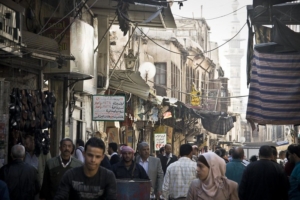 For more than 54 years, the Assad regime ruled Syria with tight control, shaping its political and social landscape. With its recent downfall, rebel forces have filled the power vacuum, facing the immense challenge of rebuilding the country after decades of authoritarian rule and conflict.
Fall of the Regime
The fall of the Assad regime marked a pivotal moment in Syria’s history. Intense military operations, spearheaded by the leading rebel force, the Hayat Tahrir al-Sham, increased their influence on growing unrest and dissatisfaction with the regime. These efforts culminated in a series of strategic offensives, ultimately resulting in the takeover of Damascus in early December, 2024.
This victory was celebrated all over Syria but also exposed the fragility and rule of law. The collapse left a significant power vacuum, with various factions vying for control and struggling to establish governance in a deeply divided society.
Stabilization and Rule of Law
The integration of rebel forces into a unified defense ministry is a critical step toward addressing the fragility and rule of law in Syria. Rebel groups, including Hayat Tahrir al-Sham, the Syrian National Army backed by Türkiye and others, allied to create a cohesive defense ministry.
This move indicates a commitment to stability and governance, reducing internal conflicts among factions. While this unity signals progress, the country still faces challenges in establishing a robust framework for governance and the enforcement of laws, particularly in areas previously dominated by Assad loyalists.
Signs of Progress and Ongoing Challenges
Despite the ongoing fragility, there are glimpses of progress in Syria. For the first time after the fall of the Assad regime, Syria’s Christian community celebrated Christmas, symbolizing a shift toward religious freedom and tolerance. This moment marked a hopeful milestone for communities long suppressed under the regime’s rule.
Additionally, efforts to include women in governance are gaining momentum. Aisha al-Dibs, the newly appointed head of the Women’s Affairs Office, has emphasized the critical role of women from all provinces and ethnicities in rebuilding Syria. These developments demonstrate potential advancements in addressing the fragility and rule of law in Syria.
Toward Stability and Governance
The fragility and rule of law in Syria remain at the forefront of the country’s transition from decades of Assad rule. While the fall of the regime indicated the formation of a unified defense ministry marked significant milestones, Syria’s path to stability is fraught with challenges. Promising signs, however, include progress in fostering religious tolerance, increasing the inclusion of women in governance and unifying rebel factions.
Yet, much work remains to be done to establish a cohesive and inclusive government. As Syria rebuilds, addressing the fragility and ensuring the rule of law will be essential for achieving long-term peace and stability.
– Mmanoko Faith Molobetsi
Mmanoko is based in Pretoria, South Africa and focuses on Good News and Politics for The Borgen Project.
Photo: Flickr
