• Link to X
  • Link to Facebook
  • Link to Instagram
  • Link to TikTok
  • Link to Youtube
  • About
    • About Us
      • President
      • Board of Directors
      • Board of Advisors
      • Financials
      • Our Methodology
      • Success Tracker
      • Contact
  • Act Now
    • 30 Ways to Help
      • Email Congress
      • Call Congress
      • Volunteer
      • Courses & Certificates
      • Be a Donor
    • Internships
      • In-Office Internships
      • Remote Internships
    • Legislation
      • Politics 101
  • The Blog
  • The Podcast
  • Magazine
  • Donate
  • Click to open the search input field Click to open the search input field Search
  • Menu Menu

Archive for category: Conflict

Conflict, Global Poverty, Refugees and Displaced Persons

How Conflict Fuels Poverty in Syria

How Conflict Fuels Poverty in Syria The Syrian conflict, now stretching into its second decade, has profoundly reshaped the nation’s socio-economic landscape. As the fighting persists, the humanitarian and economic toll intensifies, creating a vicious cycle of poverty in Syria.

Destruction of Infrastructure

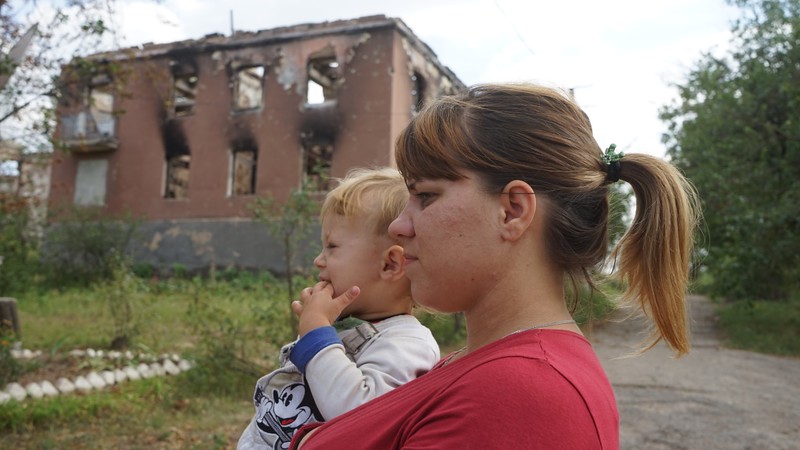
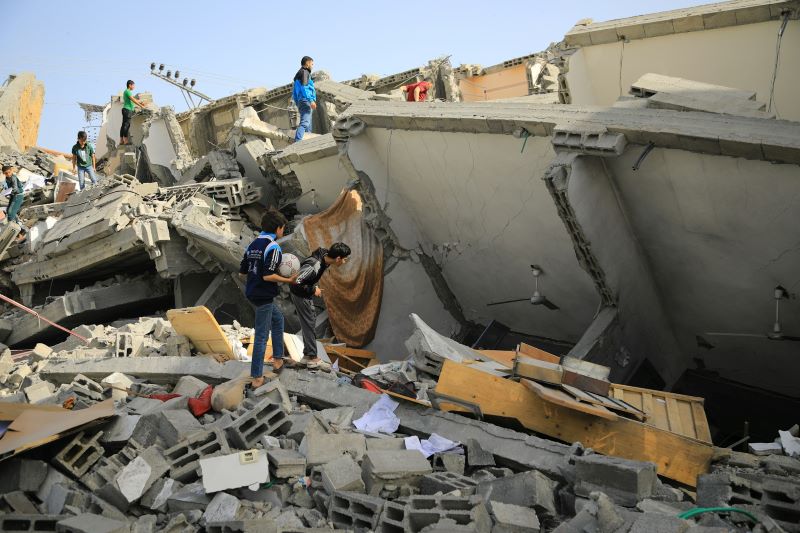
Destruction of infrastructure is one of the most immediate and visible widespread consequences of the Syrian conflict. Attacks on various types of infrastructure, including public, private and health care facilities, remain largely unaccounted for. Bombings, artillery fire and ground battles have reduced cities to rubble, destroying homes, schools, hospitals and utilities. With basic infrastructure demolished, economic activities stall. Factories, farms and businesses cannot operate effectively, resulting in significant productivity losses. The lack of electricity, clean water and transportation further hampers efforts to resume normal economic functions, exacerbating poverty in Syria.

Displacement and Loss of Livelihoods

The crisis in the Syrian Arab Republic has displaced more than 12 million people across the region, with 6 million Syrians finding refuge in Egypt, Türkiye, Iraq, Jordan and Lebanon. Displacement uproots families from their homes and communities, stripping them of their assets and means of income. In displacement camps and host communities, refugees face high unemployment levels. Competition for scarce resources and jobs often results in lower wages and poor working conditions. For those attempting to rebuild their lives, limited access to employment, education and health care perpetuates a cycle of poverty in Syria that is difficult to break.

Health Crisis

Almost a quarter of Syria’s hospitals are nonfunctional and cannot meet the growing health needs. More than 12.2 million people urgently need health assistance, but a shortage of workers and health care infrastructure has led to the collapse of the health care system. This collapse exacerbates poverty by increasing disease and disability burdens. Families must spend limited resources on medical care, often sacrificing other basic needs such as food and shelter. Chronic illnesses and untreated injuries impair individuals’ ability to work, further reducing household incomes and deepening poverty in Syria.

Education Disruption

The war in Syria has severely disrupted the education system, with many schools damaged, destroyed or repurposed as shelters for displaced people. This crisis has left more than 7,000 schools destroyed and resulted in two million children being out of education. A generation of children in Syria is growing up without ever having enrolled in school or received a proper education. To make ends meet, families often rely on child labor, pulling children out of school to work. This not only deprives children of their childhood but also limits their future economic prospects, perpetuating poverty in Syria.

Efforts by UNICEF and OXFAM

Efforts are underway to reverse the cycle of poverty in Syria. UNICEF is addressing this crisis by investing in climate-resilient technologies and systems, promoting learning, rehabilitating schools and scaling up unconditional cash transfers. In addition, OXFAM works across eight of 14 Syria governorates, providing clean water, distributing hygiene kits, promoting good hygiene practices in schools and giving families cash and food to meet their urgent needs.

Looking Ahead

The ongoing conflict in Syria has deeply entrenched poverty, disrupting infrastructure, displacing millions and collapsing essential services such as health care and education. Organizations like UNICEF and OXFAM are actively working to mitigate the crisis by providing crucial resources, rehabilitating schools and supporting basic needs. Despite the significant challenges, these ongoing efforts offer a pathway toward alleviating the severe economic and social impacts on the Syrian population, highlighting the critical importance of sustained international support.

– Rika Mokal

Rika is based in London, UK and focuses on Global Health for The Borgen Project.

Photo: Pixabay

July 2, 2024
https://borgenproject.org/wp-content/uploads/borgen-project-logo.svg 0 0 Precious Sheidu https://borgenproject.org/wp-content/uploads/borgen-project-logo.svg Precious Sheidu2024-07-02 03:00:362024-07-01 09:22:32How Conflict Fuels Poverty in Syria
Africa, Conflict, Global Poverty

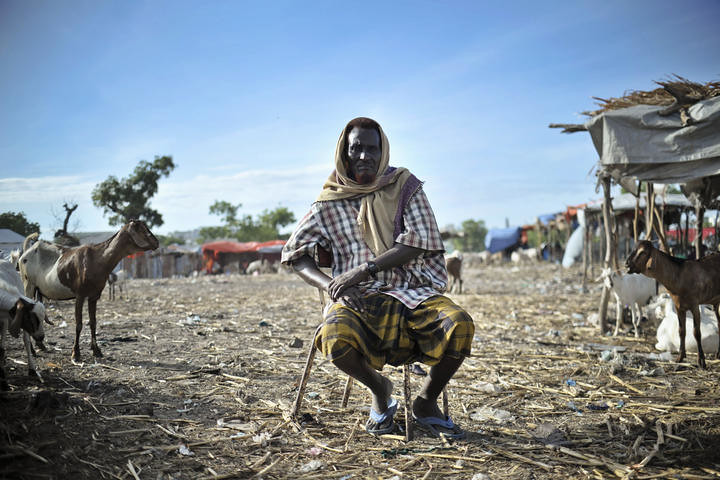
Alleviating Poverty in Post-Conflict Cities: UN Plans for Mogadishu

Plans for MogadishuA 2020 report by the World Bank predicts that by 2030, more than one-half of the world’s impoverished will be living in fragile and conflict-affected situations (FCS). Following 2007 estimates, the number of individuals living near or in FCSs has almost doubled, which has raised questions as to whether the 2030 poverty reduction goals can be reached.

The UNDP

In the past eight years, the United Nations Development Programme (UNDP) has been a beacon of hope, supporting stable and legitimate governments in states transitioning out of FCS. This concerted effort has yielded tangible results, improving stability and increasing development in these transitioning countries.

In collaboration with the United Nations (U.N.)-Habitat, the UNDP has spearheaded reconstruction initiatives for transitionary regions, demonstrating the potential for significant poverty reduction in post-conflict cities.

Pathways for Peace

The 2018 U.N. publication “Pathways for Peace” offers a compelling solution. The Institute for Economics and Peace’s research reveals a striking cost-effectiveness ratio for conflict resolution: 1:16. This means that investing in peace and development saves donor nations money in foreign aid over time and significantly contributes to poverty reduction in post-conflict cities. The success of these strategies is evident in the case of Mogadishu, Somalia.

U.N.-Habitat Plans for Mogadishu

Since 2012, Mogadishu has been one of the fastest-growing regions in Somalia. As a result of several years of internal conflict, the city and municipality surrounding it lack the necessary infrastructure and the general information needed to create strategic urban plans.

Following the 2014 Urban Analysis of Mogadishu conducted, the U.N. developed five plans for the city’s all-around development and socially sustainable growth. Projects one and two focus on building or redeveloping highway systems that connect the city with the surrounding municipality.

Project three specifically affects the rehabilitation and historical preservation of the medieval historic districts, specifically by developing drainage and waste disposal centers within the districts. While it is currently impossible to restore the entirety of the “old town,” developers plan to improve the district with smart tourism and new business opportunities within vacant buildings.

Project four hopes to expand market access within urban Mogadishu while expanding public transportation opportunities to and around market centers. Finally, Project Five plans to redevelop public spaces with the input of the districts of Mogadishu to redevelop public places that are significant to the communities they foster.

Final Remark on Plans for Mogadishu

All projects being researched and prepared are based on the relative stability of Mogadishu. Poverty reduction-centric planning and aid can only work in regions of peace; poverty in post-conflict cities can be alleviated more consistently than FCS-based poverty. By investing in peace, poverty can be reduced for more than 74 million people, and organizations such as the U.N. and World Bank can create localized programs and initiatives to allow communities to rebuild themselves.

– Jamie Sackett

Jamie is based in Hutto, TX, USA and focuses on Global Health and Politics for The Borgen Project.

Photo: Flickr
June 26, 2024
https://borgenproject.org/wp-content/uploads/borgen-project-logo.svg 0 0 Lynsey 2 https://borgenproject.org/wp-content/uploads/borgen-project-logo.svg Lynsey 22024-06-26 03:00:282024-06-25 04:21:01Alleviating Poverty in Post-Conflict Cities: UN Plans for Mogadishu
Conflict, Electricity and Power, Global Poverty

Micro-Hydropower Dams Light the Way in War-Torn Myanmar

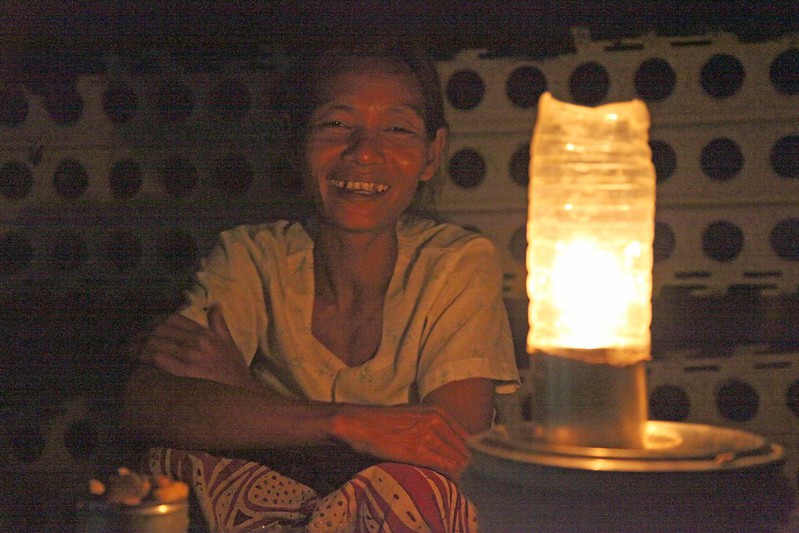
Micro-Hydropower DamsThe ongoing conflict in Myanmar has caused immense hardship, displacing millions and disrupting essential services. However, amid the challenges, hope emerges in remote villages. Micro-hydropower dams, harnessing the power of rushing rivers, are proving to be more than just a source of electricity – they are fostering self-sufficiency and resilience for communities facing immense adversity. Micro-hydropower provides reliable electricity, enabling villages to operate medical equipment, power schools for extended hours and improve communication infrastructure. This fosters a sense of normalcy and stability in a region grappling with conflict.

A Beacon of Hope in Conflict-Stricken Myanmar

Micro-hydropower provides a decentralized solution for communities in geographically isolated areas to build and manage their own standalone power systems where traditional electricity grids and infrastructure are inaccessible. This offers much-needed lighting for homes and energizes essential services like health care facilities, schools and water pumps, improving living standards and promoting community development. Micro-hydro projects can be constructed and maintained with local materials and expertise, reducing dependence on external aid and fostering a sense of ownership within the community. This empowers individuals and communities to take charge of their own development trajectory.

The World Bank estimates that around 736 million people globally lacked access to electricity in 2020, with a significant portion residing in conflict-affected regions. Traditional grid extension is often impractical in these areas due to security concerns and damaged infrastructure. However, micro-hydropower dams emerge as a viable alternative, offering a localized and sustainable solution for communities seeking to rebuild their lives. Micro-hydropower plants require minimal infrastructure compared to traditional grid connections, making them suitable for remote areas with difficult terrain or damaged electrical grids. This allows for quicker restoration of basic necessities and paves the way for future development.

Fostering a Sustainable Future

Beyond basic needs, micro-hydropower dams are igniting economic opportunities in war-torn Myanmar. The availability of electricity empowers local businesses, from small shops and workshops to agricultural processing units. This fosters income generation, creates jobs and stimulates the local economy, providing a pathway towards sustainable development and poverty alleviation.

Furthermore, micro-hydropower dams contribute to environmental sustainability. Unlike fossil fuel-based generators, often used in conflict zones due to their portability, micro-hydro plants produce minimal greenhouse gas emissions and air pollution. This aligns with Myanmar’s growing commitment to environmental protection and its efforts to rebuild sustainably. Micro-hydropower leverages a renewable resource, reducing reliance on fossil fuels and contributing to a cleaner environment.

Additionally, micro-hydropower can contribute to long-term stability and peacebuilding efforts by fostering self-reliance and economic empowerment. Micro-hydro projects can serve as a focal point for community development, bringing people together to work towards a common goal. This promotes social cohesion and creates a sense of shared purpose, paving the way for lasting peace and reconciliation.

Conclusion

In the face of immense challenges, the communities in war-torn Myanmar are demonstrating remarkable resilience. By embracing innovative solutions like micro-hydropower, these communities are a testament to the human spirit’s unwavering pursuit of a brighter future powered by their own ingenuity and the force of nature.

– Vincenzo Marino
Photo: Flickr

March 20, 2024
https://borgenproject.org/wp-content/uploads/borgen-project-logo.svg 0 0 Lynsey 2 https://borgenproject.org/wp-content/uploads/borgen-project-logo.svg Lynsey 22024-03-20 07:30:172024-03-20 16:37:36Micro-Hydropower Dams Light the Way in War-Torn Myanmar
Page 6 of 6«‹456

Get Smarter

  • Global Poverty 101
  • Global Poverty… The Good News
  • Global Poverty & U.S. Jobs
  • Global Poverty and National Security
  • Innovative Solutions to Poverty
  • Global Poverty & Aid FAQ’s
Search Search

Take Action

  • Call Congress
  • Email Congress
  • Donate
  • 30 Ways to Help
  • Volunteer Ops
  • Internships
  • Courses & Certificates
  • The Podcast
Borgen Project

“The Borgen Project is an incredible nonprofit organization that is addressing poverty and hunger and working towards ending them.”

-The Huffington Post

Inside The Borgen Project

  • Contact
  • About
  • Financials
  • President
  • Board of Directors
  • Board of Advisors

International Links

  • UK Email Parliament
  • UK Donate
  • Canada Email Parliament

Get Smarter

  • Global Poverty 101
  • Global Poverty… The Good News
  • Global Poverty & U.S. Jobs
  • Global Poverty and National Security
  • Innovative Solutions to Poverty
  • Global Poverty & Aid FAQ’s

Ways to Help

  • Call Congress
  • Email Congress
  • Donate
  • 30 Ways to Help
  • Volunteer Ops
  • Internships
  • Courses & Certificates
  • The Podcast
Scroll to top Scroll to top Scroll to top