• Link to X
  • Link to Facebook
  • Link to Instagram
  • Link to TikTok
  • Link to Youtube
  • About
    • About Us
      • President
      • Board of Directors
      • Board of Advisors
      • Financials
      • Our Methodology
      • Success Tracker
      • Contact
  • Act Now
    • 30 Ways to Help
      • Email Congress
      • Call Congress
      • Volunteer
      • Courses & Certificates
      • Be a Donor
    • Internships
      • In-Office Internships
      • Remote Internships
    • Legislation
      • Politics 101
  • The Blog
  • The Podcast
  • Magazine
  • Donate
  • Click to open the search input field Click to open the search input field Search
  • Menu Menu

Archive for category: Children

Information and stories addressing children.

Child Poverty, Children, Global Poverty

Charities Fighting Child Mortality in Afghanistan

Child Mortality in AfghanistanAfghanistan has one of the highest infant mortality rates in the world, with 43 deaths per 1,000 live births. The child mortality rate in Afghanistan is even higher, with 97 out of every 1,000 children dying before they reach the age of 5. Child mortality has numerous causes, including malnutrition, sepsis, sudden infant death syndrome (SIDS), malaria, HIV/AIDS, preterm birth complications and diarrhea. External factors, such as the political climate, can also play a significant role.

Afghanistan’s limited medical facilities exacerbate the issue. The country’s fragile health care system leaves mothers and young children particularly vulnerable to the spread of infectious diseases. With underdeveloped immune systems, children are especially susceptible to illnesses that claim the lives of thousands in Afghanistan each year. However, there are several charities fighting infant mortality in Afghanistan.

HealthProm

HealthProm, established in 1984, is a U.K.-based nonprofit organization focused on reducing child and maternal mortality. It started working in Afghanistan in 2008 and has significantly lowered the country’s high child mortality rate. The organization has achieved this by providing emergency transport for women in labor to health centers. It also encouraged the local communities to establish Women’s Safe Motherhoods Groups and Men’s Support Groups to create awareness of the risks associated with pregnancy and child birth.

Afghan Mother and Child Rescue

Afghan Mother and Child Rescue (AMCR) is another nongovernmental organization (NGO) dedicated to supporting women and children in Afghanistan. The organization focuses on constructing and maintaining health clinics and medical facilities to improve maternal and child health outcomes. The charity spends approximately $37,000 toward building and maintaining these essential facilities, ensuring greater access to health care for vulnerable populations.

UNICEF

Working alongside Afghanistan’s Ministry of Public Health, the United Nations Children’s Fund (UNICEF) facilitates the care of children, especially those in vulnerable regions. UNICEF supports Afghanistan’s children through initiatives focusing on health, nutrition, water sanitation and hygiene, all aimed at reducing child mortality. Nearly 1.2 million children younger than 12 months receive life-saving vaccines each year. These immunizations protect against nine diseases, significantly improving their chances of leading healthy lives.

Looking To the Future

Charities like HealthProm, AMCR and UNICEF are working to combat child mortality in regions with the highest rates. As child deaths in Afghanistan continue to decline, achieving the Sustainable Development Goal (SDG) of ending preventable deaths among children younger than 5 by 2030 becomes increasingly attainable, thanks to the growing number of children surviving and thriving.

The efforts of these charities, alongside other projects, are making a difference in the child mortality rate in Afghanistan by improving access to medical care and providing appropriate life-saving treatments and vaccinations. Since 2020, the infant mortality rate per 1,000 live births has decreased by 5.4 deaths.

– Megan Hall

Megan is based in Suffolk and focuses on Global Health and Celebs for The Borgen Project.

Photo: Flickr

December 1, 2024
https://borgenproject.org/wp-content/uploads/borgen-project-logo.svg 0 0 Hemant Gupta https://borgenproject.org/wp-content/uploads/borgen-project-logo.svg Hemant Gupta2024-12-01 01:30:002024-11-30 03:30:14Charities Fighting Child Mortality in Afghanistan
Children, Education, Global Poverty

EAA Is Tackling Barriers Faced by Out-Of-School Children

EAAThe distance to school, in many contexts around the world and particularly in remote, rural locations across developing countries, is one of the most obstructive barriers to education access for vulnerable primary-level children. According to the World Bank, “The single most important determinant of primary school enrolment is the proximity of a school.” Stated that as the distance between school and home grows, so, too, does the likelihood that a child will not have a chance to enroll or attend. The negative implications in such scenarios are apparent.

Education Above All Foundation

Since its inception in 2012, the Education Above All Foundation’s (EAA) Educate A Child (EAC) program has focused its energies on working in partnership to design interventions that address the range of barriers out-of-school children (OOSC) face. These efforts create opportunities for marginalized children to access quality primary education. That said, the mission has certainly not been a well-paved road, void of problems or pitfalls.

Yet, by holding fast to a set of core values, the EAA Foundation has shaped its development efforts, particularly by recognizing what works and building on effective strategies that produce results for the hardest-to-reach children. Early on, the EAA Foundation understood that the barriers that keep millions of children out of school, whether due to distance, poverty or other challenges, can “exist in different locations within a country or even within a single location, indicating the need for a variety of approaches and partners to address these challenges.”

That perspective has enabled the program to remain aware of real-world challenges that will inevitably arise while staying open to a variety of solutions—no matter the form they take—even when addressing the same persistent barrier. By now, it is clear OOSC will not benefit from one-size-fits-all approaches; their situations require tailored solutions. With this in mind, the EAA Foundation has recognized the merit of simple yet impactful interventions that have proven effective over the years and contributed significantly to reducing education exclusion.

A Critical Combination

Across the globe, where children on the margins find themselves several kilometers from the nearest classroom, the EAA Foundation and its partners rely on a critical combination of technical expertise and local knowledge to support the will of OOSC to realize their right to education. For instance, to address the distance barrier, the program has helped provide bicycles for children who might otherwise have no recourse but to drop out in Cambodia, The Gambia and Zambia.

This was achieved through respective joint initiatives with Action Education, the United Nations Children’s Fund (UNICEF) and World Vision. A buddy system where children travel in groups to and from school, with older peers offering guidance and groupings of mothers helping to ensure safe passage, has been introduced with effect in Nepal with United World Schools.

The Story of Tanzina

Tanzina, from Bangladesh’s remote Sunamganj District, a region prone to severe flooding, especially during monsoon season, grew up in a community where tradition and securing livelihoods against rising water levels often took priority over education. Moreover, traditional school buildings are generally impractical in the area’s natural floodplain.

As a result, young Tanzina had very limited opportunities to ever sit in a classroom. Nonetheless, through her own determination and a boat school initiative implemented in partnership with BRAC, which picks up children, holds classes on the boat and drops them off at home each day, Tanzina was finally able to realize her right to education.

Final Remark

It is remarkable how simple solutions and innovations in the most remote communities can have such an outsized impact on children who face daily challenges, like long distances to the nearest school, through no fault of their own. This serves as a reminder to be creative and seek solutions that fit the local context. After all, where there’s a will, there’s a way.

– Mary Joy Pigozzi, Executive Director, Education Above All Foundation’s Educate A Child Program.

Photo: EAA

November 21, 2024
https://borgenproject.org/wp-content/uploads/borgen-project-logo.svg 0 0 Hemant Gupta https://borgenproject.org/wp-content/uploads/borgen-project-logo.svg Hemant Gupta2024-11-21 01:30:592024-11-20 12:04:17EAA Is Tackling Barriers Faced by Out-Of-School Children
Children, Global Poverty, Health

The Top 5 Charities Operating in the Dominican Republic

Charities Operating in the Dominican Republic
With approximately one in four living under the poverty line and 40% being at risk of falling into poverty, the Dominican Republic suffers from a plethora of social issues. In particular, women and children are at most risk. For women, there are sharp increases in maternal mortality, with 107 women dying for every 100,000 births. Whereas for children, seven out of 10 have been pregnant at least once. The Dominican Republic is also prone to natural disasters which put infrastructure, food and water at risk. However, in recent years, five key charities have been operating in the Dominican Republic. They primarily focus on women and children but also improve healthcare, education and accessibility to food and water. Here are the five charities operating in the Dominican Republic.

Project Hope

Since 1996, Project Hope has worked in the Dominican Republic to respond to those most vulnerable: women and children, according to its website. It continues to improve care within maternity hospitals, distribute crucial medicines and supplies and partner with international universities to establish medical programs for staff training. Within its work, the organization has provided 2,300 children with health services and workshops covering pregnancy prevention and HIV/AIDs.

For the last 20 years, Project Hope has founded three maternal and child health clinics providing care for 150,000 patients each year. October 2019 report found that the charity had contributed to a 31% decrease in maternal mortality and a 25% drop in neonatal mortality.

World Vision

World Vision is an international charity whose work in the Dominican Republic has responded to food accessibility problems, educational issues and natural disasters. In response to Hurricane Fiona in 2022, the charity provided urgent support. Distributing more than 3,200 food and hygiene kits to survivors helped bring the country closer to stability, especially when inflation increased food prices, putting more families at risk of poverty. Donations to World Vision are concentrated on specific project areas, and once established, can work in the chosen community for 15-20 years.

Caritas Internationalis

Established in 1961, Caritas Internationalis has worked in the country to provide support for health care, housing, water, hygiene and cases of emergency. The international organization consists of 162 Catholic relief organizations working in 200 countries. In the Dominican Republic, the organization works with local governments to ensure that they follow policy and regulations. After Hurricane Noel in 2007, the charity provided humanitarian aid through helping those affected access clean water, and also participated in the rebuilding of houses and schools. 

The Mariposa DR Foundation

The Mariposa DR Foundation runs the “Unleash the Leader in a Girl” program aiming to empower girls most at risk of poverty and pregnancy. The foundation seeks to end generational poverty by educating women so that they can reach adulthood with a substantial education and avoid child pregnancy. In 2023, the Foundation raised $1,367,152 to support the program. In the same year, the program also opened a Culinary School, helping to improve nutrition for the girls and their families.

The organization puts an emphasis on attending summer programs. As the summertime can be a risk for young girls due to more time at home, there is an increased threat of early marriage or pregnancy. The time spent away from home, helps girls transition from childhood to adulthood safely.

Save the Children

Save the Children operates in 120 countries to guarantee children access to sufficient healthcare and education. In the Dominican Republic, the charity has helped to protect 1,665 children from harm, 3,765 children during the crisis, and provided 27,318 children with a healthy start. In several cases, the charity has provided portable water supplies, assisted with crop planting and animal breeding, and created community based vegetable gardens so that families can grow their own in times of short supplies.

These five key charities operating in the Dominican Republic have crucially helped with reducing poverty, the prevention of maternal mortality and child pregnancy. While there are still ongoing issues with many families still at risk of falling below the poverty line, these organizations continue to relieve pressures on those most vulnerable.

– Ellie Western

Ellie is based in London, UK and focuses on Global Health and Celebs for The Borgen Project.

Photo: Flickr

November 7, 2024
https://borgenproject.org/wp-content/uploads/borgen-project-logo.svg 0 0 Jennifer Philipp https://borgenproject.org/wp-content/uploads/borgen-project-logo.svg Jennifer Philipp2024-11-07 01:30:182024-11-06 23:57:30The Top 5 Charities Operating in the Dominican Republic
Africa, Children, Education

Education Initiatives in Namibia

education initiatives in namibiaIn the southwestern African nation of Namibia, education is of vital importance. Compared to its neighbors, Namibia invests around 10% more of total government expenditures on education, at roughly 25%. Furthermore, literacy rates are 92% overall and 95% for youth. This emphasis on the nation’s youth is critical for development in Namibia because an educated population base can raise employment and boost the nation’s economy. Despite these current successes, unequal access to education and poverty remain in the country, with 17.2% of the population living on less than $2.15 per day. In response, both the government and international organizations have developed plans for education initiatives in Namibia that tackle these issues and grow an educated workforce.

Government Work

Education is mandatory for Namibians between 6 and 16 years old and is free for both primary and secondary school since 2013 and 2016, respectively. In 2023, the country announced the Safeguarding Intangible Cultural Heritage in Basic Education in Namibia and Zimbabwe program, which trains teachers in both nations and establishes a community-based style of learning which emphasizes living heritage and culture.

With this initiative, Namibia moves closer to achieving SDG 4 – access to quality education for all. In addition, Namibia has recently undertaken efforts to digitize its education system, launching “The Digital Schools” as a test project to improve “digital learning environments and enhance teachers’ digital skills.”

USAID

Despite the efforts of the Namibian government, inequalities and deficiencies in education persist. Thankfully, international organizations have stepped up to spur development through their education initiatives in Namibia. USAID has been active since the nation’s birth through its Basic Education Systems Project, helping children in densely populated and underserved regions access primary education before it was free to do so.

USAID’s Ambassador Scholarship Program finances education for orphans and vulnerable children and keeps them in school, helping them receive an equal education to more advantaged students. Finally, a Youth Development program instills in students life skills and vocational training to keep them enrolled in education.

Roger Federer and MCC

Since 2018, the Roger Federer Foundation has encouraged a smooth transition for students entering primary school through its School Readiness Initiative. It assists Namibia’s youth with enrolling and staying in school and promotes equal access between girls and boys. Furthermore, its Early Learning Kiosk offers stimulating digital learning to students at a low cost in the form of a tablet.

The Millennium Challenge Corporation (MCC), another U.S.-based development effort, spent $145 million instituting education initiatives in Namibia through its Namibia Compact. The program trained new teachers and offered new textbooks to students. While test scores and education improved somewhat, the MCC founds new facilities to often not meet the needs of Namibian communities.

UNICEF

UNICEF focuses on education at a young age, using its Integrated Early Childhood Development approach to improve nutrition, stimulation and learning opportunities for pre-primary Namibian children, especially the disabled. Furthermore, the program trains parents in skills to ensure their children’s sustained learning on the path to enrollment in primary education.

Namibia is already far ahead of most African nations in terms of education. However, inequalities exist between vulnerable and disabled populations and the rest of the youth population. With both the government of Namibia and outside organizations recognizing this issue and taking action, vast improvements in education—and development as a whole in Namibia—are sure to follow.

– Cole Zickwolff

Cole is based in Los Angeles, CA, USA and focuses on Good News and Technology for The Borgen Project.

Photo: Flickr

October 26, 2024
https://borgenproject.org/wp-content/uploads/borgen-project-logo.svg 0 0 Naida Jahic https://borgenproject.org/wp-content/uploads/borgen-project-logo.svg Naida Jahic2024-10-26 01:30:442024-10-26 01:32:01Education Initiatives in Namibia
Child Labor, Children, Global Poverty

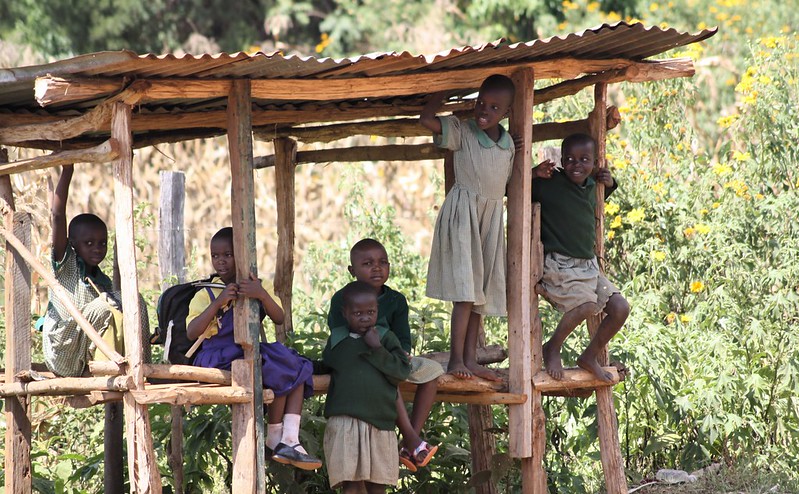
Child Labor in Pakistan: From Factories to Classrooms

child labor in pakistanIn 2021, Pakistan made minimal progress in combating the worst forms of child labor, despite some positive legislative efforts. Key developments included the passage of laws in Balochistan prohibiting hazardous work for children under 14, banning corporal punishment of children, and establishing special courts dedicated to child protection. Moreover, the Federal Investigative Authority trained law enforcement agencies, and more than 1,000 children were rescued from begging in Punjab. However, Pakistan’s advancement remained minimal due to practices that hindered significant progress.

To address this issue, vocational training programs are trying to reduce child labor in Pakistan. These programs focus on equipping children with practical, market-driven skills to enhance their employability as they transition into adulthood. Training in various fields allows these children to acquire skills that are in high demand, giving them a chance to secure stable, better-paying jobs.

Vocational Training Reducing Child Labor in Pakistan

The Prime Minister’s Youth Skill Development Program (PMYSDP) plays a pivotal role in providing vocational training opportunities for Pakistan’s youth. By focusing on both high-tech and conventional skills, the program equips young people with market-driven expertise, enabling them to transition from exploitative labor conditions into stable and dignified employment. Through these efforts, PMYSDP could not only help curb child labor in Pakistan but also empower young individuals to improve their socio-economic standing and contribute to the future development of Pakistan.

The Pakistan Bait-ul-Mal School for Rehabilitation of Child Labor, established in 1995, aims to remove children aged 5-14 from hazardous labor and provide them with free education, clothing and a stipend, along with subsistence support for their families. With 159 centers across the country, the program currently benefits 17,871 students. The program helps children from industries like brick kilns, mining and agriculture enroll in schools and receive primary education over four years, with opportunities for higher education.

The joint projects on eliminating child labor in Pakistan have implemented successful strategies, including the use of a unified non-formal education curriculum across districts for consistency and scalability. Furthermore, collaborating with government partners and using the Supporting Children’s Rights through Education, the Arts, and the Media (SCREAM) initiative for teacher training has fostered ownership and improved program delivery. A key achievement is extending pre-vocational and vocational training to working children, including those under 12 and their mothers, offering alternatives to child labor. Involving mothers has empowered them and strengthened their commitment to ensuring their children attend training programs regularly.

Making a Change

In conclusion, Pakistan is making progress in the fight against child labor through education, skills training and empowering families. Programs like the Prime Minister’s Youth Skill Development Program and Pakistan Bait-ul-Mal are giving children the tools to break free from exploitative work and build brighter futures. Indeed with continued commitment to enforcement and support for vocational training, Pakistan can create lasting change, transforming the lives of its youth and unlocking their potential for a better tomorrow.

– Aneela Agha

Aneela is based in Dubai, United Arab Emirates and focuses on Technology and Global Health for The Borgen Project.

Photo: Flickr
October 24, 2024
https://borgenproject.org/wp-content/uploads/borgen-project-logo.svg 0 0 Naida Jahic https://borgenproject.org/wp-content/uploads/borgen-project-logo.svg Naida Jahic2024-10-24 07:30:082024-10-24 00:34:47Child Labor in Pakistan: From Factories to Classrooms
Children, Developing Countries, Global Poverty

UNICEF’s Action Against Child Displacement in the DRC

Child Displacement in the DRCThe Democratic Republic of the Congo (DRC) is the largest country in sub-Saharan Africa, with a population of nearly 100 million. The DRC is rich in natural minerals, hydropower potential and extensive arable land. However, most of the population is unable to benefit from this wealth. The DRC faces political instability, autocratic leaders and long-term conflict. The country is in a humanitarian crisis, with much of the population, including children, experiencing displacement and extreme poverty. Many nongovernmental organizations (NGOs) are providing aid to help people affected by displacement, such as UNICEF’s action against militia-induced child displacement in the DRC.

Militia-Induced Child Displacement in the DRC

Much of the DRC is controlled by militia rebel groups, with territories seized on a regular basis. Its east and north provinces experience the most unrest, with violent killings of adults and children, as well as the ransacking of homes, schools and health centers. Families are often separated and forced out of their villages into crowded settlements without safe water, health care and basic services. More than eight million people in the DRC are “acutely food insecure.” Alongside the internal displacement of its citizens, the DRC also hosts refugees from neighboring conflict-affected countries.

Children are being recruited as militia fighters and subjected to sexual assault, violence and separation from their families. Rebel forces have displaced three million children from their homes. The Rwandan-backed M23 rebels are causing mass displacement of civilians and humanitarian organizations in eastern DRC. Recently, militia forces shelled refugee camps in the region, killing 17 people, most of whom were children.

UNICEF’s Mission

Without urgent humanitarian aid, children will continue to suffer. Malnutrition, disease and displacement to unsafe areas are causing high child mortality rates. UNICEF faces challenges while delivering aid due to dangerous environments and weak transport infrastructure for delivering resources. However, UNICEF’s action against militia-induced displacement of children in the DRC, alongside other national partner NGOs, works to provide urgent basic services. These include tarpaulins for shelter, cooking utensils, clean water and sanitation. It also has three long-term initiatives:

  1. Safe Spaces: UNICEF collaborates with local governments and NGOs to provide safe spaces for children. It focuses on providing protective services for survivors of sexual violence, forced military recruitment and separation from their families. In addition to providing physical protection, UNICEF also provides mental health and psychosocial support.
  2. Health Care: Militia groups have invaded many health care centers. The rebels use the premises to set up bases, cutting off basic health services to the population. UNICEF provides support to primary health centers in conflict areas. In 2023, these centers reached more than 375,000 children younger than 5.
    Children are provided with health checkups, including routine and emergency immunizations, to prevent the outbreak of diseases such as polio. UNICEF is also responding to the latest cholera outbreak. The organization provides communities with safe drinking water and water treatment kits. The NGO has people on the ground providing decontamination services for homes, as well as prevention techniques such as awareness and surveillance.
  3. Education: Educational institutions have also been overrun by rebels forcing children out of education. In response, UNICEF has built temporary education units to allow displaced children the opportunity to continue their education safely. It provides school supplies, remedial classes, psychotherapy support and encourages peacebuilding activities.

The Future

In 2019, the DRC appointed a new president, Félix Tshisekedi. He promised major reforms in a bid to transform the country’s image of poverty and war into a growing economy and a favorable place for investment. With support, the Congolese government is attempting to overthrow militia groups and reassert authority in the country.

Similarly, in 2022, the World Bank Group set up the Country Partnership Framework (CPF). This four-year strategy promotes the stabilization and development of the DRC. A large focus of the CPF is on human development and improving essential services such as education, health and social welfare. In 2023, the DRC received more than $8.6 billion from the World Bank to fund 23 development initiatives.

The DRC still suffers from fragility and conflict. However, missions such as UNICEF’s action against militia-induced child displacement in the DRC and the Country Partnership Framework are having positive impacts on the country’s security, economy and the well-being of its people.

– Millie Trussler

Millie is based in London, UK and focuses on Global Health and Politics for The Borgen Project.

Photo: Flickr

October 23, 2024
https://borgenproject.org/wp-content/uploads/borgen-project-logo.svg 0 0 Hemant Gupta https://borgenproject.org/wp-content/uploads/borgen-project-logo.svg Hemant Gupta2024-10-23 07:30:562024-10-23 01:24:03UNICEF’s Action Against Child Displacement in the DRC
Children, Education, Global Poverty

Child Poverty in Antigua and Barbuda

Child Poverty in Antigua and BarbudaAntigua and Barbuda is a country in the Caribbean with an estimated population of 103,600 people. Antigua is mainly known for its beaches and as a popular tourist destination. Tourism is the main driver of Antigua and Barbuda’s economy after sugarcane production became insignificant. In 2016, 18% of the population lived in poverty and 5% were considered indigent. However, the poverty rate in Antigua and Barbuda is lower than the average of 23% for the Eastern Caribbean.

Child Poverty

According to the United Nations Children’s Fund (UNICEF), child poverty in Antigua and Barbuda is largely affected by COVID-19, education and unemployment. In 2016, 24% of children ages 0-17 and 25% of adolescents ages 10-19 were living in poverty. UNICEF’s studies show that adolescents ages 10-19 in female-headed households were twice as likely to be poor compared to those in male-headed households. However, during the COVID-19 pandemic, child poverty rates were projected to rise to 29%.

Education

Secondary school students in Antigua and Barbuda take the Caribbean Secondary Education Certificate (CSEC) exams, which help them gain admission to colleges and universities. In 2018-2019, 27% of students passed five or more CSEC subjects, including English and mathematics. The average pass rate among Organization of Eastern Caribbean States (OECS) member countries is 28%. During the same period, the proportion of trained teachers was 48% at the primary level and 50% at the secondary level, significantly lower than the OECS averages of 72% and 60%, respectively.

Employment and Unemployment

According to UNICEF, youth ages 15 to 19 in Antigua and Barbuda were more likely to be unemployed, as there was little evidence of child labor. Instead, these youths focused on education and exploring future opportunities rather than entering the workforce. In 2016, 36% of youth in Antigua and Barbuda were employed, while 26% were unemployed. In comparison, 87% of adults were employed and 6% were unemployed. Young adults ages 20 to 24 (82%) were four times more likely to be employed than those ages 15 to 19. Additionally, 18% of youth ages 15 to 24 are classified as Not in Employment, Education or Training (NEET), with young NEETs being twice as likely to be ages 20-24 and more likely to be female.

Strengthening Education

UNICEF is focused on strengthening the education system in Antigua and Barbuda. This includes improving teaching quality, enhancing learning materials and integrating more communication technology. Post-COVID-19, UNICEF also aims to address multidimensional child poverty by working toward its eradication. It also wants to boost employability, which often relies on the tourism sector, to support continued economic growth. Additionally, in 2013, the World Bank Board of Directors approved a $10 million loan to Antigua and Barbuda to improve services for the population. Initiatives were aimed at boosting income and employability through temporary employment and training programs.

In Antigua and Barbuda’s 2021 Voluntary National Review (VNR), the government outlined several development goals under the theme “Leaving No One Behind.” These goals included no poverty, good health and well-being, quality education, gender equality and decent work and economic growth. For each goal, the VNR provided examples of the country’s commitment to achieving them. To address poverty among women and children, the government introduced the Social Protection Act of 2020 and a social security scheme aimed at reducing the 24% child poverty rate in Antigua and Barbuda.

Government Actions

In an effort to improve the quality of education, the government ensures universal access to primary and secondary education. It launched the One-Stop Education Center (OSEC) and the Financial Inclusion and Empowerment Center. These initiatives aim to reduce youth unemployment and lower the teenage pregnancy rate (27.7 per 1,000 among ages 15-19). The Social Protection Act of 2020 and the Antigua and Barbuda Labor Code promoted gender equality and improved employability for women and girls. To reduce unemployment rates (8.7% overall), the Financial Inclusion and Empowerment Centre provided opportunities for unemployed women and young women. The government also introduced new training programs to boost youth employment. In “Leaving No One Behind,” the government aims to monitor progress until 2030. This initiative seeks to promote social protection, end extreme poverty, reduce inequalities and address discriminatory behaviors in communities.

– Indira Smith

Indira is based in Manchester, UK and focuses on Global Health for The Borgen Project.

Photo: Pixabay

October 22, 2024
https://borgenproject.org/wp-content/uploads/borgen-project-logo.svg 0 0 Hemant Gupta https://borgenproject.org/wp-content/uploads/borgen-project-logo.svg Hemant Gupta2024-10-22 07:30:322024-10-22 01:18:23Child Poverty in Antigua and Barbuda
Children, Food & Hunger, Food Security, Global Poverty

Tiny Food Gardens for Children’s Homes in Suriname

Tiny Food GardensEconomic hardships due to inflation and the impacts of COVID-19 increased the need for initiatives to improve access to healthy food for children’s homes in Suriname. Ambassadors of Forest93 Suriname have established Tiny Food Gardens and First Food Forests to address this pressing issue.

Forest 93

Suriname is the smallest country in South America and simultaneously the world’s most forested country, according to CEOWORLD. Its forests, stewarded by the Indigenous and Maroon population, cover more than 93% of the country. Green Growth Suriname (GGS) established Forest93 as a national campaign to strengthen the public’s connection to nature and raise awareness of the need for nature legislation and novel approaches to data collection.

The name of this campaign serves as a reminder of the Surinamese government’s pledge made at COP-23 to maintain 93% forest cover. In 2021, successful fundraising by GGS enabled the launch of the Tiny Food Gardens initiative. In 2023, the Fernandes Bottling Company donated funds through a Christmas Caravan fundraising to GGS to expand the Tiny Food Gardens program.

Tiny Food Gardens

The Tiny Food Gardens program (TFG) launched during the COVID-19 pandemic in 2021, a time of increased hardship. Following the economic struggles caused by inflation and a plunge in gross domestic product per capita in 2016, Suriname faced further challenges due to the pandemic. According to the International Labor Organization’s Suriname Mid-term Market Labor Policy 2022-2025, unemployment rose and more businesses failed in 2021 compared to 2019. These circumstances heightened the need for initiatives to improve access to healthy food, particularly for the vulnerable inhabitants of children’s homes in Suriname.

The TFG initiative provides gardening training, educational booklets to monitor plant growth and informative sessions on sustainable solutions to single-use plastic, such as using plastic bottles for planting, in children’s homes. With this knowledge, the homes can grow their spices and vegetables. TFG ensured the homes could run their gardens as independently as possible by training youths in woodwork to craft gardening tables using a “train-the-trainer” approach. To ensure proper project implementation, part of the group monitored the gardening activities in children’s homes in Suriname for the first six months.

Impact

Children’s homes had tiny gardens in the form of gardening tables created as part of a social program for incarcerated people. Forest93 reports that at least two gardening tables were delivered to six children’s homes in Paramaribo, Wanica and Commewijne districts. More than 150 children participated in the TFG program. They helped cultivate 53 small gardens. Eleven young people completed the train-the-trainer course, four of whom gained valuable experience monitoring the project.

In addition to learning gardening as an essential life skill, studies have shown that gardening benefits mental and physical health. Additionally, Forest93 allocated a budget to install water tanks for rainwater storage for irrigation after it became apparent that homes participating in the project experienced increased water bills.

Conclusion

The TFG program has helped children’s homes cut costs while providing healthy meals. This initiative, initiated by ambassadors of Forest93 Suriname, plays a significant role in encouraging youth and the wider community to reimagine the possibilities of creating food security. TFG teaches young people to maintain a garden and enables them to experience the (mental) health benefits of connecting with nature.

– Tanisha Groeneveld

Tanisha is based in Leeds, UK and focuses on Good News and Global Health for The Borgen Project.

Photo: Pexels

October 12, 2024
https://borgenproject.org/wp-content/uploads/borgen-project-logo.svg 0 0 Hemant Gupta https://borgenproject.org/wp-content/uploads/borgen-project-logo.svg Hemant Gupta2024-10-12 07:30:562024-10-12 00:18:17Tiny Food Gardens for Children’s Homes in Suriname
Children, Global Poverty, Health

The Current State of HIV/AIDS in Algeria

HIV/AIDS in Algeria
HIV/AIDS is a significant health issue in Algeria, affecting thousands of lives. Despite efforts to combat it, the disease remains a challenge for the nation. 

The Prevalence

Algeria has seen an increase in HIV/AIDS cases over the last few years. According to UNAIDS, 26,000 Algerian children and adults were reported as living with HIV in 2023. Newly recorded cases of HIV in children and adults increased by 2,100 cases between 2022 and 2023. 

Early detection and treatment are crucial for managing the disease and preventing its spread. The government and non-governmental organizations work tirelessly to raise awareness and provide medical support to those affected.

Support Programs

The Algerian government has implemented several initiatives to combat HIV/AIDS. These programs, such as The Global Fund, focus on education, prevention, and treatment. Additionally, free antiretroviral therapy is available to patients, ensuring they receive the necessary medications to manage their condition effectively.

Non-governmental organizations (NGOs) also play a vital role in the fight against HIV/AIDS in Algeria. These organizations work at the grassroots level, providing education and support to communities.

They conduct workshops, distribute educational materials and offer counseling services to those affected by the disease. NGOs also collaborate with the government to implement nationwide awareness campaigns and improve access to health care services.

For example, The Kaiser Family Foundation is an NGO that focuses on various domestic and international health epidemics. This foundation specifically examines global health policies to better improve access to care for those living with HIV in the U.S. and overseas. 

The Impact of Stigma and Discrimination

Stigma and discrimination against people living with HIV/AIDS remain significant challenges in Algeria. Many individuals face social isolation and rejection due to their HIV status. This stigma often prevents them from seeking the medical help they need.

To address this issue, awareness campaigns aim to educate the public about HIV/AIDS and reduce the stigma associated with the disease. By fostering a more inclusive society, Algeria can better support those affected by HIV/AIDS.

Access to Health Care Services and Technology

Access to health care services is essential for managing HIV/AIDS in Algeria. The government has established numerous health care centers across the country to provide testing, treatment and counseling services.

These centers offer free and confidential HIV testing, which helps to make sure that individuals can receive a diagnosis without fear of discrimination. Additionally, trained health care workers provide compassionate and non-judgmental care to those living with HIV/AIDS.

Technology plays a crucial role in advancing HIV/AIDS research in Algeria. Labs use hot plate magnetic stirrers to achieve accurate results, which is particularly useful in the research of HIV/AIDS.

These devices ensure precise temperature control and consistent mixing, leading to more reliable data. By leveraging advanced technology, researchers can develop better treatment options and improve the overall understanding of the disease.

Community Support and Involvement

Support groups and community centers provide a safe space for people to share their experiences and seek emotional support. These groups also offer practical assistance, such as help with medication adherence and access to health care services. By fostering a strong sense of community, Algeria can better support those affected by HIV/AIDS and improve their quality of life.

The fight against HIV/AIDS in Algeria requires a multifaceted approach. By addressing the stigma, improving education, and leveraging technology, the country can better support those affected by the disease. Continued efforts and collaboration are necessary for making progress in this ongoing battle.

– Kelly Schoessling

Kelly focuses on World News for The Borgen Project.

Photo: Flickr

October 3, 2024
https://borgenproject.org/wp-content/uploads/borgen-project-logo.svg 0 0 Jennifer Philipp https://borgenproject.org/wp-content/uploads/borgen-project-logo.svg Jennifer Philipp2024-10-03 01:30:092024-10-03 00:55:42The Current State of HIV/AIDS in Algeria
Children, Conflict, Global Poverty

Aid in Gaza and Yemen: UK Government’s Partnership with Kuwait

Aid in Gaza and YemenIn a press release from September 4, 2024, the U.K. government announced a new partnership with Kuwait. This will consist of a joint funding totaling £4.5 million delivered to UNICEF that will allow them to continue their lifesaving aid in Gaza and Yemen.

The U.K.’s Minister for the Middle East, Hamish Falconer, highlighted the U.K. and Kuwait’s “shared commitment” to dealing with international humanitarian crises. Falconer also acknowledged the role that conflict has had to play in the crises in both Gaza and Yemen, declaring that the U.K. is “pushing for more lifesaving aid to reach those in desperate need,” the U.K. Government reports.

Conditions in Gaza

As an organization centered around children in need, Gaza is a priority for UNICEF. Approximately nine in 10 of Gaza’s population are internally displaced, and half of those 1.9 million people are children.

Children in Gaza are facing countless challenges. From lack of water and food, to fuel and medicine. They are left with injuries and struggle with displacement due to the destruction of their homes and have more than likely lost loved ones. The latest figure by the Palestinian Ministry of Health estimates that more than 14,000 children have been killed in Gaza, UNICEF reports. The conditions for those left are abysmal, meaning UNICEF’s aid in Gaza is essential now more than ever.

Obstacles to delivering aid have made UNICEF’s work in Gaza more difficult. Israel restricted the shipments of food and medicine into the region and this has created famine and starvation as land routes for aid are under strict inspection.

Despite this, UNICEF has been able to dispatch emergency supplies to those in Gaza – this includes water, medicine, and medical equipment. The organization’s programs are also facilitating basic mental health facilities to support children through the unimaginable horror of growing up amidst conflict and destruction, according to its website.

The Need for Aid in Yemen

The humanitarian crisis in Yemen is significant, with around 9.8 million children requiring at least one form of humanitarian assistance. Since April 2022, Yemen has witnessed a reduction in active conflict, meaning civilian casualties specifically have become less of a pressing concern. However, the country naturally continues to suffer as a result of living through nine years of conflict.

Issues in Yemen are numerous, with socioeconomic instability at the core of the country. During the ongoing struggle, children are particularly vulnerable to exploitation, abuse and child labor, according to UNICEF. Families struggle with displacement and exposure to the outbreak of disease. Millions, including children, face daily life with a lack of safe water and adequate sanitation and hygiene. Food is also scarce, causing a nutrition crisis, according to UNICEF.

UNICEF is on the ground to provide aid in Yemen, providing invaluable food and medical supplies that are treating severe acute malnutrition in children. The organization has managed to provide more than 2.5 million children with Vitamin A supplements every six months to combat malnutrition and has vaccinated more than 815,000 children against measles, according to its website.

What the Money Means for UNICEF

The combined £4.5 million will provide vital aid in Gaza and Yemen. The press release specified that this funding will contribute to efforts by UNICEF to restore water and sanitation systems in Gaza and support primary health care services in Yemen, according to the U.K. Government.

With the support of this funding, UNICEF’s work could aid 1 million people in need in Gaza, and a further 1.45 million in Yemen. The organization has publicly expressed its gratitude to the U.K. and Kuwait following the announcement. UNICEF Representative to the Gulf Area, Eltayeb Adam, described the funding as a “beacon of hope” that will “have a transformative impact on the lives of children and families in Gaza and Yemen,” the U.K. Government reports.

– Maeve Relihan

Maeve is based in Birmingham, UK and focuses on Global Health and Politics for The Borgen Project.

Photo: Unsplash

September 22, 2024
https://borgenproject.org/wp-content/uploads/borgen-project-logo.svg 0 0 Naida Jahic https://borgenproject.org/wp-content/uploads/borgen-project-logo.svg Naida Jahic2024-09-22 01:30:282024-09-22 22:33:54Aid in Gaza and Yemen: UK Government’s Partnership with Kuwait
Page 9 of 137«‹7891011›»

Get Smarter

  • Global Poverty 101
  • Global Poverty… The Good News
  • Global Poverty & U.S. Jobs
  • Global Poverty and National Security
  • Innovative Solutions to Poverty
  • Global Poverty & Aid FAQ’s
Search Search

Take Action

  • Call Congress
  • Email Congress
  • Donate
  • 30 Ways to Help
  • Volunteer Ops
  • Internships
  • Courses & Certificates
  • The Podcast
Borgen Project

“The Borgen Project is an incredible nonprofit organization that is addressing poverty and hunger and working towards ending them.”

-The Huffington Post

Inside The Borgen Project

  • Contact
  • About
  • Financials
  • President
  • Board of Directors
  • Board of Advisors

International Links

  • UK Email Parliament
  • UK Donate
  • Canada Email Parliament

Get Smarter

  • Global Poverty 101
  • Global Poverty… The Good News
  • Global Poverty & U.S. Jobs
  • Global Poverty and National Security
  • Innovative Solutions to Poverty
  • Global Poverty & Aid FAQ’s

Ways to Help

  • Call Congress
  • Email Congress
  • Donate
  • 30 Ways to Help
  • Volunteer Ops
  • Internships
  • Courses & Certificates
  • The Podcast
Scroll to top Scroll to top Scroll to top