• Link to X
  • Link to Facebook
  • Link to Instagram
  • Link to TikTok
  • Link to Youtube
  • About
    • About Us
      • President
      • Board of Directors
      • Board of Advisors
      • Financials
      • Our Methodology
      • Success Tracker
      • Contact
  • Act Now
    • 30 Ways to Help
      • Email Congress
      • Call Congress
      • Volunteer
      • Courses & Certificates
      • Be a Donor
    • Internships
      • In-Office Internships
      • Remote Internships
    • Legislation
      • Politics 101
  • The Blog
  • The Podcast
  • Magazine
  • Donate
  • Click to open the search input field Click to open the search input field Search
  • Menu Menu

Archive for category: Children

Information and stories addressing children.

Child Marriage, Children, COVID-19, Education, Global Poverty

Schooling During COVID-19 in Impoverished Countries

Schooling During COVID-19As COVID-19 started spreading, schools around the world shut down. For countries with already poor schooling systems and low literacy rates, the pandemic created even more challenges. The world’s most illiterate countries are South Sudan with a 73% illiteracy rate, Afghanistan with a 71.9% illiteracy rate, Burkina Faso with a 71.3% illiteracy rate and Niger with a 71.3% illiteracy rate. Schooling during COVID-19 has only increased the struggles these countries face as they try to promote literacy.
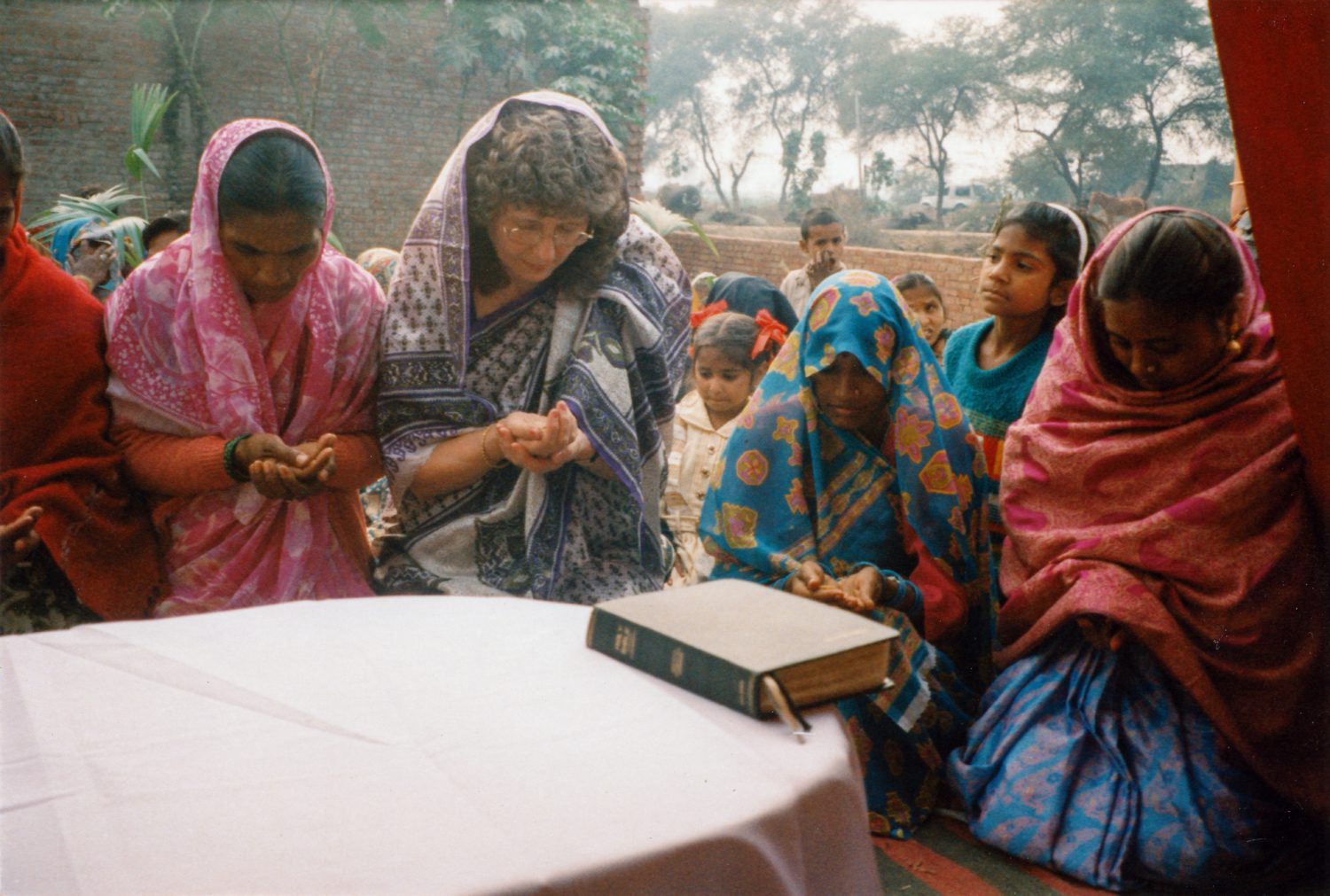
Literacy is an important aspect of reducing world poverty, as countries with the lowest levels of literacy are also the poorest. This is because poverty often forces children to drop out of school in order to support their families. Since those children did not get an education, they will not be able to get a high-paying job, which requires literacy. Thus, a lack of education keeps people in poverty. If countries with low literacy rates make schooling harder to access due to COVID-19, the illiteracy rate will increase, and the cycle will continue. Below are the ways that the four least literate countries are continuing schooling during COVID-19.

South Sudan

After almost a decade of fighting due to the South Sudanese Civil War, literacy rates are already low in South Sudan, as the war inhibited access to education. The government-imposed curfew in response to COVID-19 forced children to stay home. This especially challenges girls, whose families expect them to pick up housework at home due to gender norms. The government provided school over the radio or television as a virtual alternative to schooling during COVID-19. However, impoverished children who lack access to electricity, television and radio have no other option. This lack of access to education for poor Sudanese children will further decrease literacy rates. As a result, children may be at risk of early marriage, pregnancy or entrance into the workforce.

Afghanistan

In Afghanistan, there was already a war going on when the COVID-19 pandemic struck, creating a barrier to education. In 2019 alone, 200,000 students stopped attending school. COVID-19 has the potential to make this problem worse. Importantly, Afghanistan’s schooling crisis affects girls the most; by upper school, only 36% of students are girls. Further, 35% of Afghan girls are forced into child marriages, and not being in school makes them three times as likely to be married under 18. If they do not finish school, there is a high chance they will never become literate.

COVID-19 may exacerbate girls’ lack of access to school. When schools shut down, the schooling system in Afghanistan moved online in order to continue schooling during COVID-19. But only 14% of Afghans have access to the internet due to poverty. Since many parents are not literate, they cannot help their children with school. School shutdowns may also decrease future school attendance, especially for girls. As such, COVID-19 will perpetuate illiteracy in Afghanistan, with many children missing out on school due to poverty.

Burkina Faso

In Burkina Faso, school shutdowns have put children at risk of violence. Jihadist violence, tied to Islamic militants, has increased in the country. Violence forces children out of school, with many receiving threats, thus decreasing the literacy rate. Though school was a safe space for children, COVID-19 is making this situation worse.

As an alternative for schooling during COVID-19, Burkina Faso has broadcasted lessons on the radio and TV. However, many students do not have access to these technologies. Even if they do, staying at home does not protect them from violence, which could prevent them from going to school. In Burkina Faso, many children also travel to big cities to go to school. But without their parents being able to help them economically, many are now forced to get jobs, entering the workforce early. This lowers the number of children in school as well as the country’s literacy rate.

Niger

In Niger, 1.2 million children lost access to schooling during COVID-19, lacking even a television or radio alternative. Schools have since reopened, but children still feel the impacts of this shutdown. Before COVID-19, at the start of 2020, more than two million children were not in school due to financial insecurity, early marriage or entrance into the workforce. COVID-19 forced many children to give up schooling forever, as they had to marry or begin work and fell behind in school. As a result, this lowered the country’s literacy rate.

Improving Literacy Rates During COVID-19

While COVID-19 did prevent many children from accessing the education they need, many organizations are working to help them meet this challenge. One of these organizations is Save the Children. It is dedicated to creating reliable distance learning for displaced students, support for students and a safe environment for students to learn.

COVID-19 has left many students without access to education, jeopardizing the future for many. In the countries with the highest illiteracy rates, a lower percentage of children with access to education means a lower percentage of the population that will be literate. Improving literacy rates is key reducing poverty, as it allows people to work in specialized jobs that require a higher education, which then leads to higher salaries. If literacy rates drop, poverty will only continue to increase. This makes the work of organizations like Save the Children crucial during the ongoing pandemic.

– Seona Maskara
Photo: Flickr

October 9, 2020
https://borgenproject.org/wp-content/uploads/borgen-project-logo.svg 0 0 Kim Thelwell https://borgenproject.org/wp-content/uploads/borgen-project-logo.svg Kim Thelwell2020-10-09 08:58:382020-10-09 08:58:38Schooling During COVID-19 in Impoverished Countries
Child Poverty, Children, Global Poverty

Christian Organizations Making a Difference

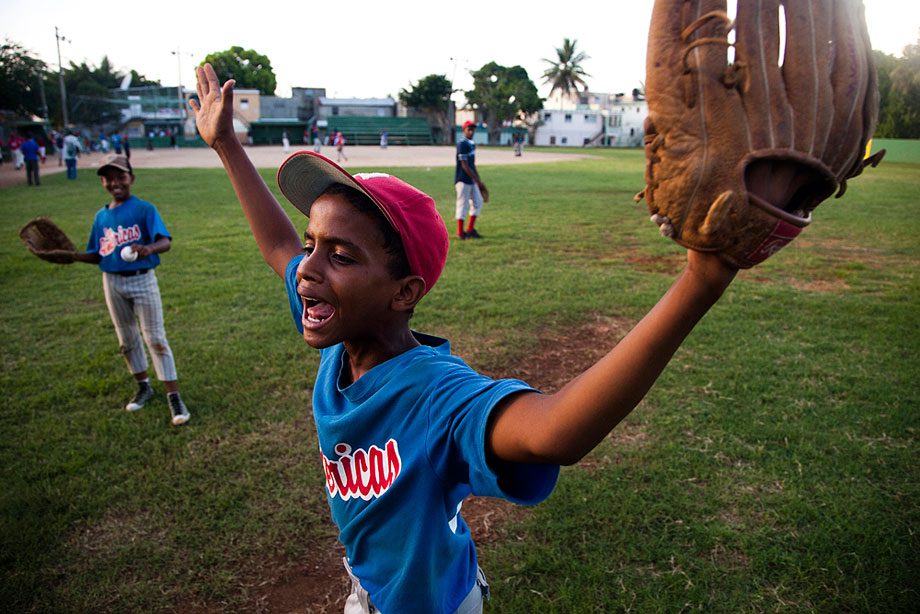
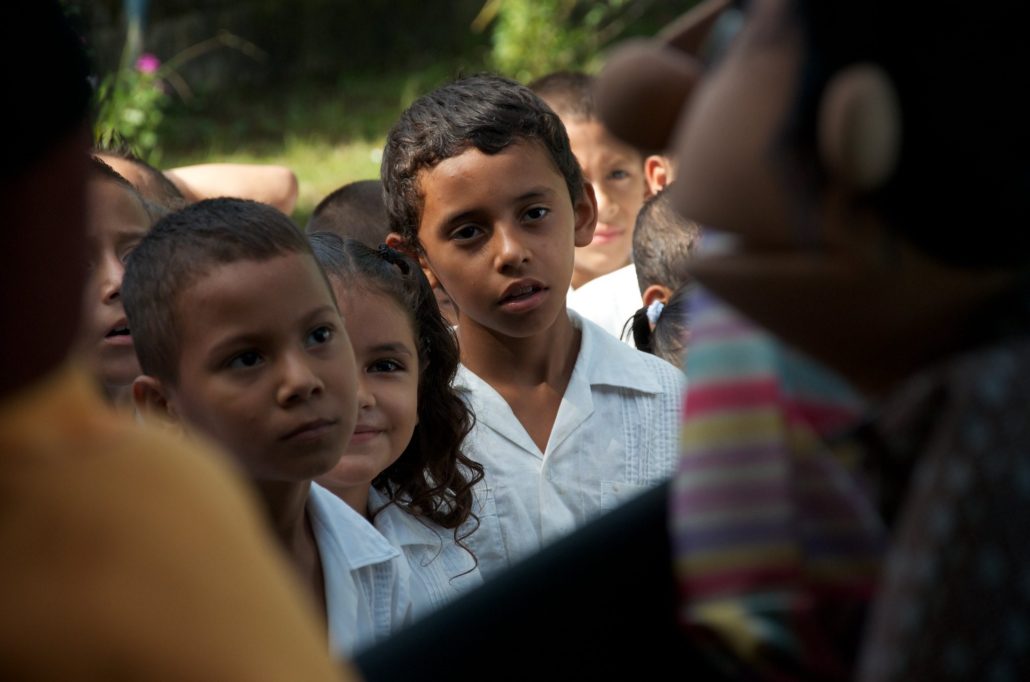
Christian Organizations Making a DifferenceMany faith-based organizations are committed to enacting humanitarian work throughout the world. Following the example of Jesus Christ, Christians commit themselves to assisting the most vulnerable populations around the globe. Historically, Christians have helped people around the world who need humanitarian aid and are often forgotten by mainstream organizations. Here are three Christian organizations making a difference to know about.
Three Christian Organizations Making A Difference

  1. Compassion International: Established in 1952, Compassion International is a Christ-centered organization whose main objective is to assist vulnerable children in need. According to its website, this organization takes a “holistic approach to child development” by assisting impoverished children in a variety of areas, from spiritual to economic development. The organization does not view child development as an instantaneous solution but rather a long-term commitment that requires perseverance. Compassion International works with “local churches in 25 countries around the world” to complete its work. It also founded the Child Sponsor Program, allowing donors to sponsor a child for $38 a month. Even such a small donation makes a huge difference in a child’s life thanks to Compassion International. Children supported by the program “are up to 75% more likely to become leaders in their communities” and around 80% are “more likely to graduate college.” In 2019, the sponsorship program connected 2.1 million children with sponsors. This hands-on assistance gives children hope for a future beyond their current circumstances.
  2. Samaritan’s Purse: Inspired by Jesus’ parable about the good Samaritan, Samaritan’s Purse is committed to assisting the poor, sick and suffering around the world. The organization effects change through the broad range of ministry projects that it conducts. Specifically, through its International Crisis Response, Samaritan’s Purse assists people impacted by natural disasters. This program provides food kits and installs community filtration systems to people in need. Crucially, these filtration systems can impact up to 2,500 people, by purifying up to 10,000 gallons of water. The organization also equips these impacted communities with medical teams and transitional shelters. Individuals may work with Samaritan’s Purse through hands-on volunteering or by creating a fundraising campaign.
  3. Cure International: Founded in 1986 by renowned orthopedic surgeon Dr. Harrison, Cure International bases its organization on Jesus’ teaching that the last will be the first. The organization dedicates its work to healing children with disabilities, whose home countries often treat them as the “last.” Cure International established its first hospital in Kenya in 1996, and since then it has established a presence in 14 more countries around the world. These “hospitals have performed more than 213,800 procedures” to treat disorders, such as clubfoot and spina bifida. Anyone can contribute to support Cure International and its work by donating just $39 a month.

These three Christian organizations exemplify the Bible quote, “Faith without works is dead.” As such, these Christian organizations making a difference demonstrate the significant impact that comes from putting one’s faith into action.

– Kira Lucas
Photo: Flickr

October 9, 2020
https://borgenproject.org/wp-content/uploads/borgen-project-logo.svg 0 0 Kim Thelwell https://borgenproject.org/wp-content/uploads/borgen-project-logo.svg Kim Thelwell2020-10-09 07:01:122024-05-30 07:52:06Christian Organizations Making a Difference
Child Poverty, Education, Global Poverty

MLB’s Grand Slam Against Poverty

Grand Slam
Major League Baseball (MLB) player Adam Wainwright is a two-time World Series champion. Additionally, Wainwright is a three-time All-Star, two-time Gold Glover, and Silver Slugger Award winner. In 2013, the Saint Louis Cardinals’ star found another use for his work ethic, leadership and passion by founding the Big League Impact (BLI) to fight poverty in the global community. He believes, “As an athlete, you only get a few years to have a platform like this. You might as well stand on it.” This article discusses some of the organization’s successes, highlighting why founding the organization was a grand slam against poverty.

The BLI began as a family fantasy football fundraiser. Today, this organization hosts campaigns and collaborates with fellow non-profits, athletes, musicians and other public figures. For example, the organization has taken Kyle Gibson into the ranks; the pitcher for the Texas Rangers who now serves as Vice President.

Teamwork Helps Puerto Rico Recover After Earthquake

Following two devastating earthquakes in 2019 and 2020, the BLI raised $30,000 for communities in Puerto Rico. This money went to two foundations: The Happy Givers and Yadier Molina’s Fundación 4. The Happy Givers has endeavored to improve lives in Peru, Tijuana and Puerto Rico. It used donation proceeds to provide power, clean water, emergency supplies and shelter to earthquake survivors. It gave further support by supplying backpacks packed with essentials for survival: whistles, hand sanitizer, toilet paper, flashlights, towels, water bottles, first aid kits and cereal bars.

Fundación 4, meanwhile, has focused exclusively on helping Puerto Ricans. BLI’s contributions went to children suffering from abuse, neglect, as well as diseases such as cancer. Fundación 4 also distributed necessities including food and water to Puerto Rican communities.

Fundraiser Drives Away Poverty and Hunger

Gateway Bronco (GB) is a company based in St. Louis, MO, that designs and restores Ford Broncos. This organization worked with the BLI and Omaze, an online fundraising platform, to fight against poverty. GB offered a classic Ford Bronco and $20,000 cash to bring in donations. This campaign raised $431,378.09 to benefit four charities:

  1. Crisis Aid International: Crisis Aid International serves to combat famine, disease, natural disasters and sex trafficking by serving families in East Africa and the U.S.
  2. Water Mission: Water Mission provides sustainable safe water solutions to people living in developing countries and facing natural disasters.
  3. Food for the Hungry: Food for the Hungry supplies clean water, medical aid, food, equal educational opportunities to children in over 20 countries.
  4. Help One Now: Help One Now fights poverty in developing countries by empowering entrepreneurs, educating and providing restorative care.

El Mogote is No Longer Parched for Safe Water

In 2019, Nick Ahmed, a shortstop for the MLB Arizona Diamondbacks, partnered with BLI. He traveled to El Mogote, Dominican Republic to open a water treatment center. With the help of Striking Out Poverty and Food 4 the Hungry, Mr. Ahmed was successful in providing 1,200 people with clean water. While there, Ahmed also played baseball with the children, saying, “their passion and joy for the game was so incredible!” Ahmed donated 31 pairs of New Balance cleats to the kids, allowing them to safely continue playing the game.

Healthy Competition for Global Health

Baseball and Football fans alike are encouraged to join the BLI fantasy football league. Entry requires a donation to the organization, ranging from $250 to $1500. Higher donations unlock additional prizes.

In 2020, Ahmed and starting pitcher Luke Weaver of the Arizona Diamondbacks will compete for the cause. Weaver is looking forward to the competition, “I’m excited to defend my title as the best fantasy footballer ever, but I’m welcome to all challengers in that and I hope somebody tries to take me down.” Ultimately, the winners are those in need around the world.

Looking to the Future

To date, BLI has raised over $5.2 million for charitable causes and foundations. Now, Wainwright is mobilizing and advising his fellow athletes on starting their own charities and nonprofits. He says, “What we want to do at Big League Impact, one of our biggest missions now is empowering other players to go out into their communities and into the world and do what they feel like means something to them. Something that hits home.”

– Heather Babka
Photo: Commons Wikimedia

October 8, 2020
https://borgenproject.org/wp-content/uploads/borgen-project-logo.svg 0 0 Kim Thelwell https://borgenproject.org/wp-content/uploads/borgen-project-logo.svg Kim Thelwell2020-10-08 08:14:362021-01-25 08:14:54MLB’s Grand Slam Against Poverty
Children, Global Poverty, Homelessness

Child Homelessness in Honduras

Homelessness in Honduras
As of the end of 2017, homelessness in Honduras was a prevalent issue. In fact, the IDMC (Internal Displacement Monitoring Center) reported that there were at least 432,000 IDPs (Internal Displacements) in the countries of El Salvador, Guatemala and Honduras. Many of them left cities due to high rates of homicide and “levels of violence comparable to that of war zones.”

With Honduras having a high economic rate over the past years, reports have still determined that more than 60% of Hondurans live in poverty. In 2016, Habitat for Humanity estimated that the housing deficit for Honduras was over 1 million units. Meanwhile, in 2018, more than 17,000 people experienced displacement due to natural disasters and violence. Among these stark numbers, the topic of street children in Honduras has broken the ice as one organization reported that “an estimate 6,000 adolescents live on the streets of Tegucigalpa and San Pedro Sula alone” and about 800,000 minors do not attend school or have employment. Here is some information about child homelessness in Honduras.

Child Homelessness in Honduras

Unfortunately, the reality for these children is more than not having a roof over their heads or beds to sleep in. Most of these kids have to earn their wages by selling artifacts, washing windows and begging as a means of survival. For those who are pushed to the limits, joining a street gang might be their only option as they seek a means for protection and ultimate survival.

The push to join the infamous “mara” gangs of Honduras has presented an even greater danger as Honduran children have increasingly participated in the frontlines of gang violence. The New York Times reported that, according to the Violence Observatory at the National Autonomous University of Honduras, “in 2012, the number of murder victims ages 10 to 14 had doubled to 81 from 40 in 2008.” Due to this violence, families have taken the extreme measure of sending their children to the U.S./Mexico border to seek refuge. In 2014, in a span of 4 months, more than 2,200 children arrived at the border from the city of San Pedro Sula in Honduras.

While Honduras saw the pertinence of child homicide rates, rather than alleviating the problem through increased social services, the Government of Honduras liquidated the Honduran Institute for Children and Families, which had run since 1998, in May 2014. The Government also closed all the children’s shelters along with it. Its reason for the cut in funding came from the ineffectiveness of political appointees who used 90% of the budget to pay salaries. Along with that, as nonprofit youth shelter Casa Alianza began to increasingly report on the high murder rate of children, the government denied the evidence and turned its face on the issue.

Casa Alianza

With the lack of government assistance, local and international NGOs have had to step up to provide shelter. Covenant House, or Casa Alianza, is just one of these organizations that hope to serve the homeless youth community. Casa Alianza opened its doors in Honduras back in 1987 and was the second Latin American site for the larger organization, Covenant House. Its methodology is simple; it gains the children’s trust by providing a safe and engaging environment and then either helps them return to their families or offers to allow them to stay at its residence centers. Jose Guadalupe Ruelas, the executive director of Casa Alianza, reported that thousands of children have found a home through this nonprofit shelter for homeless youth.

Combined with the stress of finding a proper meal and a place to sleep, homeless children in Honduras have been facing daily struggles of keeping themselves safe from street gangs and hoping not to become another number on a “murder rate” statistic. The constant danger and lack of funding from governmental agencies exacerbate the problem of child homelessness in Honduras further.

While organizations like Casa Alianza have provided much-needed assistance to this vulnerable population, governmental support and advocacy are necessary in order to properly address this concerning issue.

– Ana Paola Asturias
Photo: Flickr

October 5, 2020
https://borgenproject.org/wp-content/uploads/borgen-project-logo.svg 0 0 Jennifer Philipp https://borgenproject.org/wp-content/uploads/borgen-project-logo.svg Jennifer Philipp2020-10-05 07:36:292024-05-30 07:52:46Child Homelessness in Honduras
Children, Global Health, Global Poverty

Fighting the Infant Mortality Rate

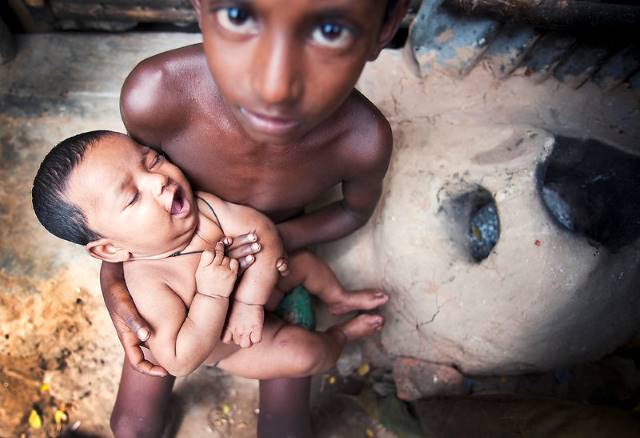
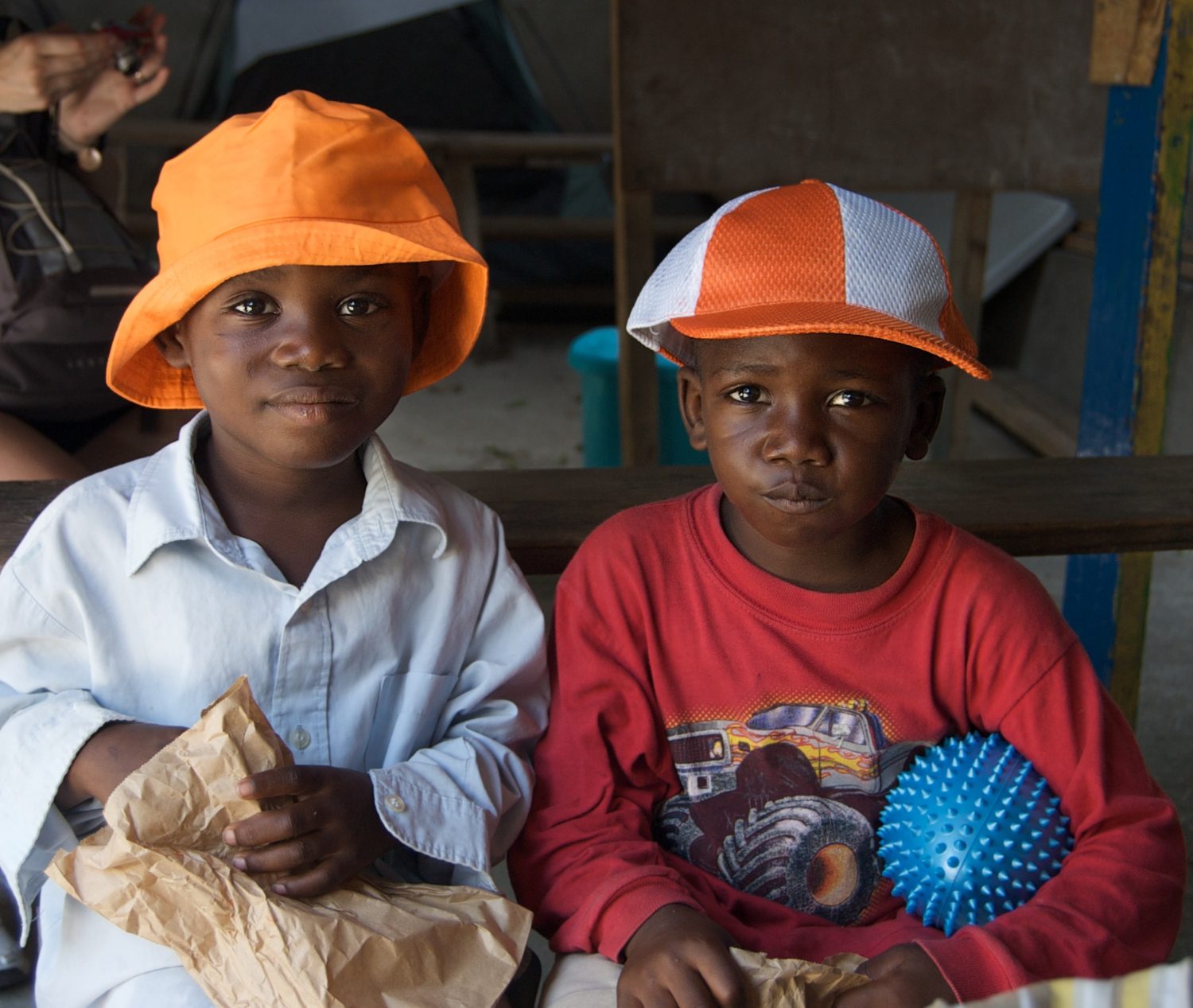
Infant mortality rateEvery year newborn babies take their first breaths after their mothers give birth to them. Around the world, these same mothers hope that their children will grow into adulthood without any major health complications hindering their development. Unfortunately, millions of babies have died within their first few months of life due to health issues. Those born in areas with populations vulnerable to poverty experience more frequent cases of infections compared to others living in better environments. Therefore, organizations around the world have implemented ways to lower the infant mortality rate. It is important to understand what causes high infant mortality rate (IMR) and what groups across the globe have been doing to help lower the rate over the years.
Infectious Diseases

Babies born in areas of extreme poverty are at higher risk of contracting an infectious disease compared to those delivered in more sanitary locations. Every year, an estimate of about 2.6 million lose their lives within their first month. Moreover, roughly 15% of the total amount of deaths are attributed to severe infections contracted. Many of those cases involving infections could have easily been lowered if the necessary medicine was available to help the babies recover. However, the issue is that these treatments are too expensive for most families to purchase even if it would save their children.

Additionally, there are many different infections and diseases that newborns can contract due to unsanitary environments during delivery. Data taken from the 1990s to 2017 recorded which infections and disease were the leading causes of deaths among children. The top cause of death for children under 5 was lower respiratory infections. After lower respiratory infections, preterm birth complications, birth asphyxiation and trauma were the next biggest reasons. In addition, there are many more problems that contribute to the high IMR early in its collection of data. However, one good piece of information is that since the 1990s, the IMR has lowered significantly.

USAID to the Rescue

The United States Agency for International Development (USAID) has worked with several partners to produce cost-effective measures to help lower the IMR, especially for those in poverty. Expensive treatments have been one of the main reasons why children die at an early age —  a terrible outcome just because their parents could not afford the necessary treatments. In order to solve this problem, USAID has helped manufacture chlorhexidine to save more lives at a significantly cheaper rate. Chlorhexidine is an antiseptic product that comes in a liquid or gel form. It helps to treat infections for newborns, thereby lowering the infant mortality rate by lowering the cost of the product. This single intervention has helped lower the IMR in multiple countries.

Lower IMR Guidelines

The Guttmacher Institute released data explaining that practicing family planning can greatly reduce the IMR in countries with areas of poverty. They recommend that more contraceptives be made available to those who wish to use it. That will increase the likelihood of women giving birth to healthier children if they choose to have any. The institute argues that people living in areas of poverty lack access to such resources. It is that very lack of resources that increase the odds of children contracting infectious diseases when born.

While there are still many factors contributing to the infant mortality rate, there are also many out there who are working to lower that rate. Organizations like USAID and the Guttmacher Institute are trying to make sure that as many children reach adulthood as possible. It is through simple measures like lowering treatment costs and increasing access to medicines and family planning options that infant mortality can be reduced globally.

– Donovan Baxter
Photo: Flickr

October 5, 2020
https://borgenproject.org/wp-content/uploads/borgen-project-logo.svg 0 0 Kim Thelwell https://borgenproject.org/wp-content/uploads/borgen-project-logo.svg Kim Thelwell2020-10-05 03:09:212020-10-05 03:09:21Fighting the Infant Mortality Rate
Child Poverty, Education, Global Poverty

Tackling Child Poverty in Niger

Child Poverty in Niger
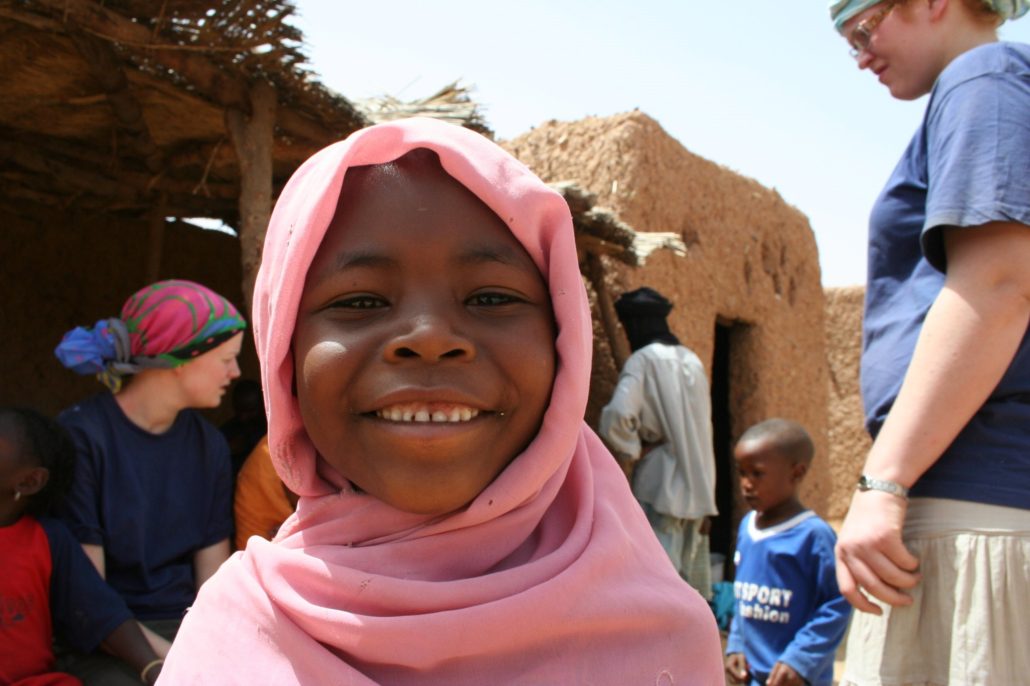
About 48% of children in Niger are living below the poverty line, and 75% of all Nigerien children under the age of 5 lack access to basic social services. As of February 19, 2020, more than 1.5 million Nigerien children needed humanitarian assistance. This article discusses child poverty in Niger and possible solutions.

The Issue

Niger has frequent droughts and sporadic rainfall. Food shortages commonly lead to malnutrition and displace families. About 40% of children under 5 experience malnutrition. Unfortunately, many children in poverty, particularly displaced children, cannot attend school. For example, Niger experienced a food crisis from 2005 to 2010; many schools closed as a result. Missing school can have lasting effects on a child’s life; sporadic school attendance links with crime involvement, drug abuse and joining armed groups.

Malnutrition is one of the many obstacles to education that Nigerien children face. Various conflicts on the border of Mali and Burkina Faso have endangered 111 schools and displaced over 78,000 people. Only 8% of preschool-aged children are enrolled in school; a fifth of children do not finish primary education. For children enrolled in school, 93% cannot perform basic reading or writing skills. Meanwhile, only 31% of girls and 42% of boys attend secondary school.

As discussed in the previous paragraph, girls are less likely to attend school. Child marriage is one reason girls are less likely to attend. In fact, about 76% of girls marry before they reach 18; meanwhile, 36% of girls between 15 and 19 either become pregnant or give birth. Nigerien women tend to play a different societal role than Nigerien men. The education gap reflects this difference: 26.9% of girls are literate in comparison to 50.2% of boys.

Overall, child poverty endangers Nigerien children and forces many to enter extreme, unsafe situations. About 380,000 Nigerien children are at risk of acute malnutrition. Children in Niger are also subject to inadequate education, violence and environmental issues. Many girls must enter marriage while others depend on prostitution to make a living. Similarly, young boys often experience exploitation by working at cheap labor or recruitment by arms groups.

The Solution

The issue of child poverty in Niger can be overwhelming, but the problem continues to improve with support. Children in Niger are more likely to reach their fifth birthday in the present day than 20 years ago. The efforts of various organizations have helped make this possible.

Save the Children, for example, has committed itself to the improvement of education and the prevention of child marriages. It has improved the lives of 3,632,000 children, saved 3,111,000 children from malnourishment and educated 192,000 children. Save the Children also reports having protected 93,000 children from harm, saved 852,000 children from crises and lifted 102,000 children out of poverty.

Additionally, Save the Children has invested in future programs that partner with the government of Niger and USAID in order to support vulnerable communities and bring them out of poverty. Since the project’s launch in 2020, it has worked to solve crises in impoverished communities. It aims to reach 1.4 million girls of reproductive age and 1.1 million children under the age of 5.

By 2019, the United Nations Children’s Fund had raised and mobilized $24 million to combat child poverty in Niger; this is more than half of the funds necessary to resolve the humanitarian crisis. With this money, UNICEF educated 59,000 children. It also distributed school kits to a total of 301,000 children. Additionally, UNICEF treated more than 414,000 children suffering from malnutrition.

Concluding Thoughts

There is a great need for humanitarian aid in order to eradicate child poverty in Niger. Child poverty in Niger stems from a lack of health, nutritional and educational resources as well as country-wide conflict and environmental issues. UNICEF has called for $45.9 million to combat the crisis, but it has only raised $24 million (58% of what it has called for). This is not enough to solve the crisis in Niger, but considerable progress has occurred.

– Adelle Skousen
Photo: Flickr

October 3, 2020
https://borgenproject.org/wp-content/uploads/borgen-project-logo.svg 0 0 Kim Thelwell https://borgenproject.org/wp-content/uploads/borgen-project-logo.svg Kim Thelwell2020-10-03 14:38:322020-12-16 14:38:45Tackling Child Poverty in Niger
Child Poverty, Developing Countries, Global Poverty, Health

5 Facts about Child Poverty in Rwanda

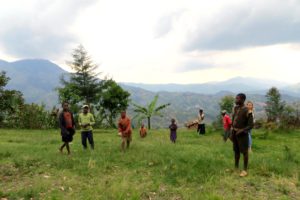
Child Poverty in RwandaJust over 20 years ago, the country of Rwanda suffered a devastating civil war and genocide, with more than 800,000 dead in 100 days. The children that suffered and survived the horrors are now adults, but what implications does this dark history have on Rwandan children today? Rwanda’s economic, political and social climates have entirely shifted since these tragic events. Of note, from 2001-2015, the country’s overall extreme poverty rate decreased by almost 24%. But more work is needed to help address the prevalence of poverty among the country’s youngest inhabitants. To that end, the national government has implemented the National Strategy for Transformation, aiming to halve the child poverty rate by 2030 from 39% to 19.5% or less. Here are five facts about child poverty in Rwanda.
5 Facts About Child Poverty in Rwanda

  1. Urban/Rural Divide. The provinces located in the West and South of Rwanda’s geographic landscape are significantly more rural, making child poverty disparities extremely visible compared to their urban counterparts. There are many different forms of poverty, but significant aspects affecting Rwanda’s rural youth include lack of sanitation and lack of health services. Currently, 20% more children under the age of 2 in rural areas experience greater than one form of poverty relative to those living in urban areas.
  2. Health. There have been significant health improvements for children in Rwanda, including the 70% reduction in child deaths over the last decade. However, health and healthcare are still lacking for Rwandan youth, as nearly 40% of children who die before the age of 5 are infants less than one month old. Though the rate of child deaths is alarming, Rwanda has significantly decreased its HIV/AIDS transmission rate between mother and child to 2% during the last three years.
  3. Education. Around 27% of secondary school-aged children did not attend in 2014 and more than half of Rwandan youth did not complete primary education in the same year.
  4. Child Rights. The median age in Rwanda is very young, standing at about 18.8 years old, due to the country’s genocide decades earlier. The young demographic has caused an increased awareness of child rights in the country, which has led to the passage of a bill that created a National Commission of Children. Children’s rights are now openly advocated for in the country as a result of the commission’s efforts, which address children’s rights to education, health and non-discriminatory practices.
  5. COVID-19. Rwanda experienced a period of economic growth and improvement prior to the COVID-19 pandemic. Fortunately, the World Bank Group provided funding of $14.25 million to help the country improve its COVID-19 response. Children in Rwanda have suffered by losing financial security and job access. Still, young farmers in the region have successfully adapted to the pandemic by adjusting the market for crops to save their lands and maintain a profit.

– Josie Collier
Photo: Wikimedia

October 3, 2020
https://borgenproject.org/wp-content/uploads/borgen-project-logo.svg 0 0 Kim Thelwell https://borgenproject.org/wp-content/uploads/borgen-project-logo.svg Kim Thelwell2020-10-03 11:47:502024-05-30 07:52:205 Facts about Child Poverty in Rwanda
Children, COVID-19, Food & Hunger, Food Insecurity, Global Poverty

But God Ministries Sustains Haiti


BGMIn March 2020, the world entered a time of pause. For some people, the earth seemed to echo a sigh of relief. But stomachs continued to grumble, rain steadily beat down upon roofs made of mud or junkyard scraps and pill bottles drained empty. Galette Chambon and Thoman, two Haitian communities, were no exception to the landslide caused by COVID-19. Thankfully, these two poverty-ridden places’ retaining wall halted the landslide. For nearly ten years, But God Ministries (BGM) has provided Galette Chambon and Thoman with sustainable resources. These resources include water wells, medical and dental clinics, schools, housing and various job opportunities to support the local community. Unfortunately, since the onset of the COVID-19 pandemic, many of these resources have not been readily available.

Food Insecurity in Haiti

One of the major needs plaguing the six million Haitians who live below the poverty line is a lack of food. During the school year, BGM feeds 16,000 children each day. Once schools shut down, food was no longer accessible to these children. Additionally, the country was in a state of civil unrest and facing a drought, worsening the situation. Since 2015, Haiti has faced the onset of economic blows including a decrease in foreign aid, depreciation of the national currency and the natural disaster of Hurricane Matthew. However, the cherry on top was the closure of local markets due to the pandemic, which heightened the crisis. Rather than sit back and watch the nation plummet, BGM took action by conducting a Food For Life campaign. Stan Buckley, the founder of But God Ministries, spoke with The Borgen Project about the campaign’s success. He said, “We raised $90,000 in a week. So far, we have given away $75,000 in food distributions.”

But God Ministries’ Response to the Pandemic

A major source of revenue for But God Ministries came from American teams who partnered with the ministry. Without funding from visiting groups, BGM had to cut back on the salaries of their Haitian employees. A positive outcome, according to Buckley, is the number of houses BGM has the opportunity to build in the community during this time. A portion of the people who planned on spending part of their summer in Haiti chose to donate the money they would have spent on travel to the organization’s housing fund. Buckley said, “We have the funds in place for 16 houses, and we have built around five so far.” He also noted that the civil unrest has died down due to the coronavirus. If this trend continues, the country will be on an uphill climb toward a successful economic and sustainable future.

Haitian Economy

Self-sufficiency is contingent upon the physical state of the nation. Unfortunately, over 96% of Haitians experience natural disasters. In 2010, Haiti’s economic and concrete landscape was shaken to the ground by an earthquake. Many countries forgave Haiti of its debt. However, the country’s clean slate quickly became tainted. By 2017, Haiti had accumulated $2.6 billion in debt. In concordance with the national debt, Haiti’s clothing export rose to new heights. As of 2016, the apparel register accounted for more than 90% of Haiti’s exports, further sustaining the nation.

Sustainability is But God Ministries’ overarching goal. “One of our goals is to have Haitians leading in every area …, and that’s a process. We have a Haitian preacher, Haitian principals and teachers, Haitian builders …, and the list goes on,” said Buckley. Right now, Thoman produces electricity through sustainable solar panels, which happened through a partnership with Georgia Tech. Hopefully, Galette Chambon will follow this precedent. Electricity is a major barrier standing in the way of Haiti’s progression. According to the CIA, investing in Haiti is difficult due to the lack of electrical reliability and weak infrastructure.

Without financial and resourceful investment from neighboring countries, it will be exceedingly difficult for Haiti to enter a state of self-sufficiency. However, the work of organizations like But God Ministries provides an example for others who wish to help the country emerge from the pandemic better than it was before.

– Chatham Rayne Kennedy
Photo: Flickr

October 2, 2020
https://borgenproject.org/wp-content/uploads/borgen-project-logo.svg 0 0 Kim Thelwell https://borgenproject.org/wp-content/uploads/borgen-project-logo.svg Kim Thelwell2020-10-02 15:50:282024-05-25 00:00:05But God Ministries Sustains Haiti
Children, Education, Global Poverty

Innovations in Poverty Eradication in Costa Rica

Innovation in Poverty Eradication in Costa RicaCosta Rica, a country in Central America known for its beautiful Caribbean beaches and biodiversity, has the lowest rate of poverty in Central America. However, rural areas still struggle somewhat with poverty. About 20% of Costa Ricans are currently living under the poverty line, making less than $155 a month. Thankfully, there are many innovations in poverty eradication in Costa Rica helping those most affected. New technologies, for example, are helping with education both remotely and in school. Here are a few innovations in poverty eradication in Costa Rica.

Education in Costa Rica

Academically, Latin America falls behind in mathematics. Children at a young age need to learn math to get a good start in school. But without resources, children in Costa Rica struggle to get a quality education. This not only affects their test scores but also their mindsets.

High-level education is also a problem in Costa Rica. As a small country, Costa Rica lacks the required resources to provide high-quality education for all of its students. About 4% of the country’s population 15 or older currently doesn’t know how to read and write. Poor early education often leads to illiteracy in teenagers. With preschool starting at the age of four, it is important that kids get a good start right away. Thankfully, there are innovations in poverty eradication in Costa Rica working to improve education in Costa Rica.

Tech Innovation in Costa Rica

To solve this issue, researchers and the country’s education ministry have implemented a pilot program focused on math and programming skills for preschool students. The Pensalo program offers a highly intelligent robot named “Albert” to assist students. This robot scans a series of flashcards, helps with sharpening memory and shows instructions that use mathematical and numerical concepts. This innovation in poverty eradication in Costa Rica has impacted 392 schools in four different provinces. So far, this robot has given children a great start to education.

Albert’s Impact

SK Telecom designed Albert after an agreement with the Inter-American Development Bank (IDB) to figure out a solution so that kids can have more opportunities to grow and learn in Costa Rica. With IDB being a good source of development in financing for Latin America, it was able to provide 1,500 robots for schools. Not only does this help education in Costa Rica, but it can also set a good influence in different countries. Albert shows that Costa Rica is able to create a sustainable level of quality education.

This is one of many innovations in poverty eradication in Costa Rica that have helped provide a good education to young students. Thanks to the Albert robot, children can now get a strong start to their education. This will have a ripple effect in the future, as education is a significant obstacle for children to overcome to escape poverty.

– Rachel Hernandez
Photo: Pixabay

October 2, 2020
https://borgenproject.org/wp-content/uploads/borgen-project-logo.svg 0 0 Kim Thelwell https://borgenproject.org/wp-content/uploads/borgen-project-logo.svg Kim Thelwell2020-10-02 15:09:282020-10-02 15:09:28Innovations in Poverty Eradication in Costa Rica
Children, COVID-19, Global Poverty, Health, Technology

How FREO2 Is Bringing Stable Access to Oxygen To Remote Health Centers

Access to Oxygen
Many often take oxygen for granted but during the COVID-19 pandemic, it has become a valuable and sometimes scarce resource. Coronavirus heavily affects the respiratory system; access to oxygen is crucial for doctors to effectively treat their patients. However, medical oxygen tanks often rely on electricity to function. In regions without stable access to power, this can be a dangerous system.

The FREO2 LPOS System

The Fully Renewable Energy Oxygen Foundation, or FREO2 for short, is an Australia-based health technology research group. It developed a suite of technology innovations that can store and dispense medical oxygen without using electricity. FREO2’s work includes the creation, development and deployment of innovative health technologies to underserved hospitals around the world.

FREO2 began developing its oxygen system in 2011. It was spurred by the dire effects that unreliable access to medical oxygen has on children suffering from pneumonia. Pneumonia is the greatest threat to children’s lives in the world, despite the proven effectiveness of medical oxygen as treatment. With the support of the Ugandan government, FREO2’s medical experts and engineers found a solution: they harnessed the power of water.

How Does the FREO2 LPOS System Work?

The FREO2 Low-Pressure Oxygen Store (LPOS) system uses an oxygen concentrator machine to remove most nitrogen from the surrounding air, leaving nearly pure oxygen which is then stored in a large bag. If the hospital experiences a power outage, the LPOS system uses gravity-powered water from above to push oxygen through its pipes at the correct height to ensure the appropriate amount of pressure for the patient. The LPOS system can provide electricity-free medical oxygen for 8 to 10 hours, allowing under-resourced hospitals to treat their patients more effectively.

At the Mbarara Hospital in southeastern Uganda, doctors struggled to provide uninterrupted access to oxygen to children afflicted with pneumonia and other respiratory infections because of unreliable electricity. FREO2 first used the LPOS system on a six-month-old patient in July 2018 at the Mbarara Hospital in Uganda. FREO2’s LPOS system was crucial to treating his pneumonia and his successful recovery.

Inequality in Access to Oxygen

Innovations such as the FREO2 LPOS system have the capability to save lives in remote regions during the coronavirus pandemic. Unequal access to oxygen is an indicator of stark health inequalities between and within countries. Although medical oxygen has been recognized as essential for decades, there are still many health centers without stable access to it.

After its initial success in 2018, FREO2 plans to dispense the LPOS system at scale to 30,000 clinics in regions across Africa and Southeast Asia where the risk of pneumonia is great. However, the COVID-19 pandemic has highlighted the urgency of this issue. To aid health centers during the pandemic, FREO2 has donated eight LPOS systems to rural hospitals in Uganda.

During the COVID-19 pandemic, unequal access to oxygen can be a matter of life or death. The ingenious work of organizations like FREO2 is central in the current global health crisis and beyond. Innovations like the LPOS system have the power to narrow the gap in healthcare access across the world. FREO2’s work could mitigate the effects of health crises at underserved health centers in the future.

– Leina Gabra
Photo: Flickr

October 2, 2020
https://borgenproject.org/wp-content/uploads/borgen-project-logo.svg 0 0 Kim Thelwell https://borgenproject.org/wp-content/uploads/borgen-project-logo.svg Kim Thelwell2020-10-02 10:00:402024-05-30 07:52:27How FREO2 Is Bringing Stable Access to Oxygen To Remote Health Centers
Page 63 of 137«‹6162636465›»

Get Smarter

  • Global Poverty 101
  • Global Poverty… The Good News
  • Global Poverty & U.S. Jobs
  • Global Poverty and National Security
  • Innovative Solutions to Poverty
  • Global Poverty & Aid FAQ’s
Search Search

Take Action

  • Call Congress
  • Email Congress
  • Donate
  • 30 Ways to Help
  • Volunteer Ops
  • Internships
  • Courses & Certificates
  • The Podcast
Borgen Project

“The Borgen Project is an incredible nonprofit organization that is addressing poverty and hunger and working towards ending them.”

-The Huffington Post

Inside The Borgen Project

  • Contact
  • About
  • Financials
  • President
  • Board of Directors
  • Board of Advisors

International Links

  • UK Email Parliament
  • UK Donate
  • Canada Email Parliament

Get Smarter

  • Global Poverty 101
  • Global Poverty… The Good News
  • Global Poverty & U.S. Jobs
  • Global Poverty and National Security
  • Innovative Solutions to Poverty
  • Global Poverty & Aid FAQ’s

Ways to Help

  • Call Congress
  • Email Congress
  • Donate
  • 30 Ways to Help
  • Volunteer Ops
  • Internships
  • Courses & Certificates
  • The Podcast
Scroll to top Scroll to top Scroll to top