• Link to X
  • Link to Facebook
  • Link to Instagram
  • Link to TikTok
  • Link to Youtube
  • About
    • About Us
      • President
      • Board of Directors
      • Board of Advisors
      • Financials
      • Our Methodology
      • Success Tracker
      • Contact
  • Act Now
    • 30 Ways to Help
      • Email Congress
      • Call Congress
      • Volunteer
      • Courses & Certificates
      • Be a Donor
    • Internships
      • In-Office Internships
      • Remote Internships
    • Legislation
      • Politics 101
  • The Blog
  • The Podcast
  • Magazine
  • Donate
  • Click to open the search input field Click to open the search input field Search
  • Menu Menu

Archive for category: Children

Information and stories addressing children.

Child Poverty, Global Poverty

Efforts to Reduce Poverty in Israel

Poverty in Israel
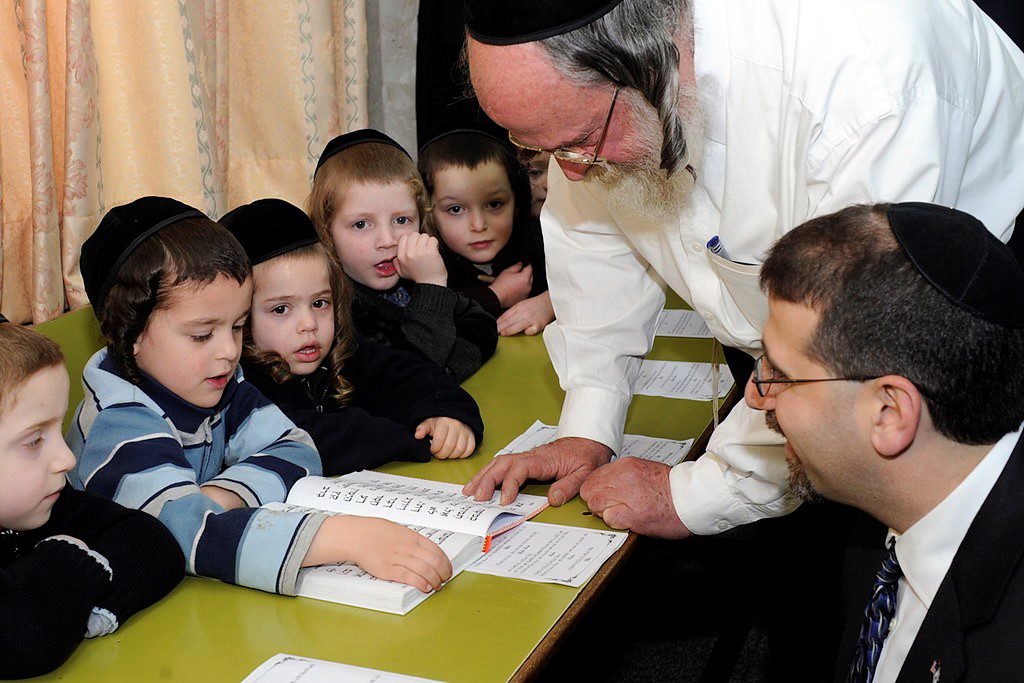
Israel is a country known for its wide ethics and religious diversity. However, it has one of the highest rates of poverty among developed countries. In fact, about 1.8 million people in Israel live in poverty, and that number rose from 19.4% of the population in 2017 to 20.4% in 2018. Of the 1.8 million people, 874,000 are children. Child poverty grew by 50% between 2008 and 2005 in Israel, and while the poverty rate has remained largely the same since 2005, Israel still has one of the highest rates of poverty in the developed world. With the amount of Israelites in poverty steadily increasing over the years, there are many ways to address the growing number of families and children living in poverty in Israel through various organizations and targeted relief efforts.

Statistics About Poverty in Israel

The socioeconomic divide is steadily increasing in Israel, with the divide between wealthy and low-income neighborhoods becoming more drastic. Additionally, previous legislative measures did not address poverty in the long term, and focused more on tax cuts rather than implementing social welfare programs that help poverty on a systemic level. In an interview with The Borgen Project, Anna Rajagopal, a student at Austin University and a Jewish and multiethnic educator, pointed out that “getting diaspora jews involved in donations, involved in monetary programs, involved in helping with financial aid and financial needs” is the best way to address poverty within smaller groups.

Rajagopal works to spread awareness about various issues plaguing Israelites and the Jewish community, such as anti-semitism and poverty. She noted that Orthodox Jews and Arabs are the ones poverty most disproportionately affects, and keeping their interests in mind is important for poverty alleviation efforts. In fact, 47% of the Arab population in Israel live in poverty, along with 45% of Orthodox households. Rajagopal also noted that poverty in Israel most often affects minorities and communities of color.

Movements and NGOs Targeting Poverty

Alongside these points, grassroots work has occurred to alleviate poverty in Israel by providing medical care, proper housing and other basic needs. One such organization working to provide aid is the Latet organization, which works to combat food insecurity among vulnerable groups, like the elderly, through a food bank and various financial assistance programs. Alongside these efforts, Latet has created youth programs to foster a sense of community. Its advocacy efforts are helping many poor people in Israel find support while spreading awareness of this issue to other countries.

Lastly, Rajagopal mentioned a more grassroots form of aid through a woman named Bracha Kappach, an Israelite woman who has worked towards poverty reduction efforts in Israel for the past 40 years. She operates on a small scale and opens her home to anybody who needs food or other financial assistance.

With this increasing awareness of Israel’s precarious situation, the government is working to increase the employment rate and make changes to the existing welfare program so that laborers can find jobs. Rajagopal’s insight into how the Israeli government can properly address poverty also includes involving multiethnic Jews in the conversation, because others often forget and villainize them when it comes to their portrayal in the media. “In fitting needs, there are ways to do it in which alienation wouldn’t be the forefront,” Rajagopal says. She believes that incorporating religious efforts will provide unity and highlight more poverty reduction efforts.

Conclusion

Israel remains entangled in a conflict with Palestine, which has shifted the focus away from poverty reduction for the time being. As such, organizations and grassroots movements like Haverim and Latet, and the work of individuals such as Kappach are primarily focusing on redirecting efforts towards helping the poor, and are especially important for providing essential aid and supplies for the most vulnerable parts of the population. These efforts in Israel prove that targeted aid and addressing the sociopolitical and religious identities of the Israeli and Jewish populations are essential to mitigating poverty in Israel in the long run.

– Xenia Gonikberg
Photo: Flickr

September 15, 2020
https://borgenproject.org/wp-content/uploads/borgen-project-logo.svg 0 0 Borgen Project https://borgenproject.org/wp-content/uploads/borgen-project-logo.svg Borgen Project2020-09-15 01:30:052024-05-27 09:34:26Efforts to Reduce Poverty in Israel
Children, Developing Countries, Global Poverty

Nutritional Solutions to Stunted Growth in Children

Stunted Growth in Children
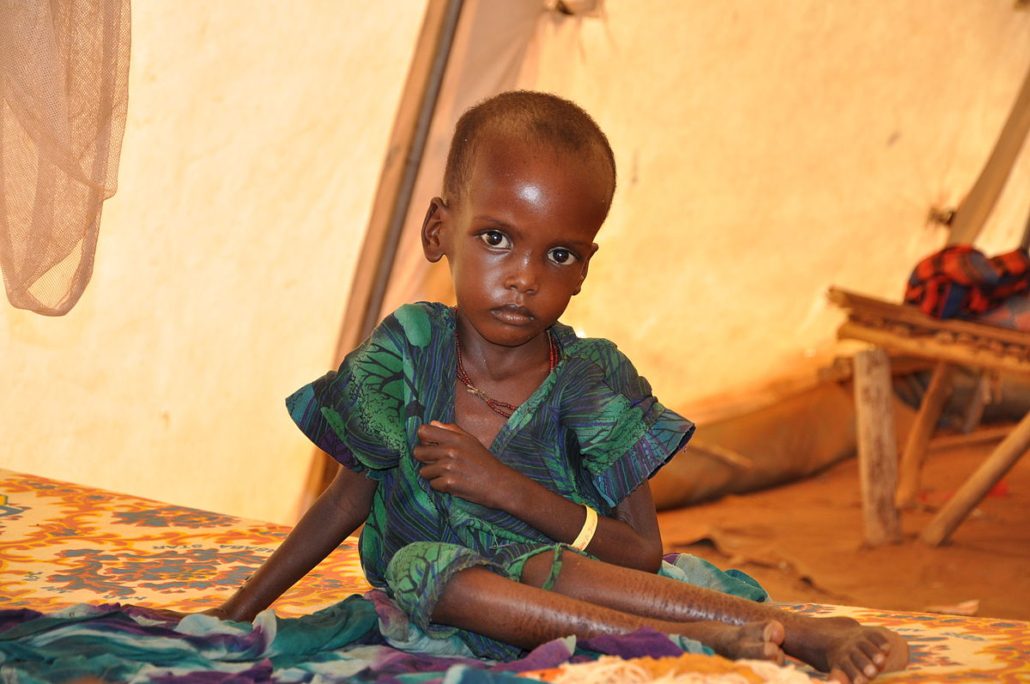
In 2019, 149 million children under the age of 5 around the world experienced stunted growth. Children that stunted growth affects are 33% less likely to evade generational poverty as adults. By continent, 36% of children in Africa under the age of 5 are malnourished. Around 40-45% of “all preventable child deaths” are due to undernutrition. In 2012, this meant that more than 6 million children died from stunted growth disorders.

Stunted Growth in Children

Malnutrition in the early stages of a child’s life causes stunted growth. Stunting correlates with impaired physical growth and cognitive development, a weakened immune system, higher mortality rates and overall poor health. Stunted growth is a chronic condition that appears within the first two years of a child’s life.

Children who experience stunting are more likely to be fatigued and less curious, which naturally lessens their psychosocial development. Additionally, they tend to face disciplinary challenges as well as possess less developed motor function and social skills. These challenges perpetuate the cycle of poverty, as stunted growth in children leads to higher dropout rates and a 22% reduced earning capacity in the workforce.

While the effects of stunted growth are largely irreversible, reducing malnutrition will lessen underdevelopment and other illnesses that stem from malnourishment. The World Health Organization (WHO) has plans in place to reduce the prevalence of this disease by 40% by the year 2025.

Physiological Explanation

Malnutrition causes diminished cognitive function and psychosocial adversity in children by altering neurological function. This, in turn, leads to reduced income as adults. Dendrites are neurons that communicate with nerve cells and pass on signals in the brain. Malnutrition in young children decreases the density of dendrites in the brain and therefore reduces the number of neurons. This process negatively affects critical brain development such as memory formation, locomotor skills and other neurological functions, which are critical to healthy brain development.

Links to GDP Growth

According to the Global Panel on Agriculture and Food Systems for Nutrition, malnutrition drains the global economy of approximately $3.5 trillion per year from lost productivity. Individuals often experience a lack of brain development during the first years of their lives from undernourishment. They later suffer from diminished productive capacities in their livelihoods. The Global Panel reports that a 3% to 16% annual GDP loss results from malnutrition. Simply put, better-nourished children grow into more productive adults.

Policy Changes and Solutions

As with many public health problems worldwide, foreign aid investments may be a critical starting point for reducing malnutrition and stunted growth in children in poor regions. The Food and Agriculture Organization of the United Nations (FAO) estimates that if the U.S. invested $1.2 billion per year in the global fight against malnutrition, the decrease in deaths and an increase in “future earnings” (GDP income and relative economic benefits) would generate $15.3 billion for the U.S. per year. This calculation represents a thirteen to one benefit-to-cost analysis.

An Ethical Approach

Much more than an economic incentive, there is a moral imperative to improve nutrition globally. Eliminating malnutrition would increase the overall health of populations. Poor communities that lack consistent access to nutritious food and healthcare would particularly feel this effect.

Research shows that, while the impaired cognitive state is not necessarily permanent and can improve incrementally, there typically remains overall “cognitive dysfunction” in stunted children in comparison to healthy children. The FAO’s recommendations include dietary supplements, food fortification (the addition of nutrients to food to increase the nutrient content) and biofortification (agricultural practices that incorporate DNA recombination to augment nutritional content in primary crops).

Along with FAO dietary solutions, the WHO has developed policy aims to reduce stunted growth in children by 2025. Its policies include collaboration between organizations such as Scaling Up Nutrition (SUN), which works to reduce global malnutrition and the health disorders that accompany malnourished children. SUN helps countries develop and implement government policies to improve nutrition during the critical period before a child’s second birthday. Through collective action efforts, SUN, WHO, governmental entities, the U.N. and individual stakeholders are joining forces to eliminate malnutrition.

– Nye Day
Photo: Wikimedia Commons

September 14, 2020
https://borgenproject.org/wp-content/uploads/borgen-project-logo.svg 0 0 Kim Thelwell https://borgenproject.org/wp-content/uploads/borgen-project-logo.svg Kim Thelwell2020-09-14 10:00:222024-05-29 23:23:08Nutritional Solutions to Stunted Growth in Children
Children, Global Poverty

Samu Social Senegal is Helping Children Off the Streets

Helping Children Off the Streets
In French, SAMU stands for “Service d’Aide Médicale Urgente,” meaning “Urgent Medical Services.” However, Samu Social is something very different. Samu Social works with the homeless and the impoverished to maintain and restore social bonds, to deliver entertainment and education and to deliver basic medical and food-related services. One of its most significant missions is helping children off the streets in Senegal.

Samu Social denotes a comprehensive approach to helping the world’s poor that places a huge emphasis on social interaction. Dr. Xavier Emmanuelli founded Samu Social in Paris in 1993. In 1998, Dr. Emmanuelli founded the umbrella organization Samu Social International. One branch of the Samu Social International that deserves a spotlight is Samu Social Senegal. This organization mainly operates in the capital city of Dakar and focuses on the plight of young street children, most of whom are talibé.

A Dangerous History of Exploitation

In West Africa in particular, there is a strong tradition of young children becoming talibé, students of the Quran who study with a marabout, a Quranic teacher. Senegal is 95.5% Muslim, and marabout can wield immense power and influence not just in the religious world, but in politics and business as well. As a result, the Senegalese view sending one’s child to study with a marabout at a daara, a Muslim school, one of the few avenues to success and prosperity.

To be sure, there are many good marabouts in Senegal who do not exploit their charges and faithfully impart their knowledge of the Quran. That being said, Human Rights Watch estimates that over 100,000 talibé must beg for food and money every day in Senegal. Beyond that, it is thought that many talibé who remain in the daara are subject to extreme abuse, malnutrition and lack of medical care. The problem has reached epidemic proportions, with President Mack Sall vowing to “remove children from the streets.” However, the extreme power and influence of many marabouts have hampered government efforts.

How Samu Social Senegal is Making a Difference

Enter Samu Social Senegal which, as a part of Samu Social International, “reaches out to the most desocialized people who have been pushed into a state of basic survival, as they have become ‘victims’, no longer able nor willing to seek ordinarily available assistance.” In Senegal, those people are often talibé, set adrift in the big city of Dakar with no guidance other than the imperative to beg. Samu Social Senegal helps these children primarily in two ways: with street rounds and accommodation.

Samu Social Senegal has two Mobile Assistance Teams (MAT) composed of a social worker, a physician and a driver. These teams drive around Dakar day and night, five days a week, amounting to more than 350 rounds per year. They do this to identify and help at-risk and vulnerable children. The MATs receive extensive training to accomplish four main missions:

  1. Medical assistance, both on the spot and in the form of referrals to hospitals.
  2. Psychosocial support, identifying vulnerable children, and responding to them constructively.
  3. Preventative education, focusing on general health, STDs, and substance abuse.
  4. Paving a way out of the street, helping rehabilitate children and reinsert them into a healthy social and professional atmosphere.

The MATs have seen success in Dakar by identifying nearly 8,000 children each year. Moreover, they distribute nearly 6,000 nutritional support packs each year along with the conducting of over 2,500 individual medical and social interventions.

How Samu Social Senegal Aids Children

However, this is only half of the work that Samu Social Senegal does in its mission of helping children off the streets. Some of its most important work is the providing of accommodations to children who are physically or psychologically vulnerable. Samu Social Senegal accommodations provide comprehensive support medically, socially and psychologically. They place a huge emphasis on rehabilitation of the body and mind using not only medical and psychological practices, but also more basic methods such as compulsory controlled social interaction, games, and artistic activities. Samu Social Senegal hosts up to 600 children each year, providing about 30,000 meals.

Ultimately, this is necessary to get children off the street, rehabilitate them and then reintegrate them into healthy and productive members of society. While it can be difficult to evaluate what it means to leave the street behind, Samu Social has helped reunite 521 families between 2016-2018, a success rate of 96.5%. Furthermore, it estimates that since 2004, 1,500 children have left the street in a “durable” way.

The problem of street children is a catastrophe not only in Senegal or West Africa but across the world. Such pervasive, entrenched practices and people can only undergo reform through the government. In the meantime, however, it is incredibly important to provide these children with the resources they need to rehabilitate. Samu Social Senegal should receive commendation for its excellent work helping children off the streets.

– Franklin Nossiter
Photo: Wikipedia Commons

September 14, 2020
https://borgenproject.org/wp-content/uploads/borgen-project-logo.svg 0 0 Kim Thelwell https://borgenproject.org/wp-content/uploads/borgen-project-logo.svg Kim Thelwell2020-09-14 07:31:052020-09-12 09:24:34Samu Social Senegal is Helping Children Off the Streets
Children, Education, Global Poverty, Refugees and Displaced Persons

The Education Crisis in Syria

Education Crisis in Syria
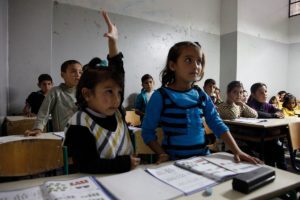
The Syrian Civil War began almost a decade ago and has effectively destroyed many aspects of governance and civilization throughout the historic Levant nation—including education. 5.8 million children from preschool to secondary school age were in need of education assistance in 2018, and about 3 million Syrian children—both in Syria and in surrounding countries as refugees—lack access to education altogether. Direct attacks on schools have been common since the conflict began, resulting in the damage or destruction of one-third of Syrian schools and the unemployment of almost 200,000 education workers. This situation has persisted for years, threatening an entire generation of Syrian children with a dire education crisis in Syria.

Dwindling Education Access within Syria

The general lack of access to education means that Syrians will have an increased difficulty enrolling in schools in later years. This domino effect will inhibit development and economic opportunities for millions of Syrians. A lack of development will perpetuate the country’s track record of conflict and humanitarian need. Poverty in Syria is a direct result of violent conflict. Poverty will only worsen as an increased number of uneducated Syrians enter the workforce. Although education is a fundamental right, it is becoming a rarity in Syria. Even those with access to schooling experience crowded classrooms, psychological trauma, curricula and language issues, poor teaching quality and lack of learning materials. These struggles associated with the education crisis in Syria have led nearly one-third of students to drop out before finishing primary school.

Over 6 million Syrians are internally displaced persons (IDPs), with about 50% of those IDPs being children. Fortunately, government bodies including the government of Syria, the opposition Syrian Interim Government and smaller local government bodies provide a semblance of education to IDPs. Non-Syrian government organizations are also involved, including Islamist groups, the U.N. and the Turkish government. There is very little coordination between these groups, though, endangering Syrian IDPs’ abilities to access reliable, standardized education.

Government structures and the Syrian economy incurred severe damage over the past decade. Many Syrian families deem it impractical to invest in education for their children, especially when that investment requires sacrificing food or shelter. Although this education crisis in Syria is certainly multifaceted, a lack of cohesion in the sector will worsen conditions. Families will increasingly turn to child labor and early marriage for financial stability.

Struggles for Syrian Refugees

The situation is just as dire for Syrian refugees in surrounding countries. About 1.5 million school-aged Syrians live in Turkey, Jordan and Lebanon, yet half do not have access to formal education. In these countries, the threat of child labor and language barriers are nearly insurmountable. However, the governments of those countries have made considerable efforts to provide education to Syrian refugees within their borders.

In spite of these government initiatives, Syrian refugees still face obstacles in obtaining a quality education. Only 25% of secondary school-aged children in Jordan are enrolled in school. Reasons for low enrollment are similar to those in Syria: poverty, lack of safe and affordable transportation and poor quality of education. For Jordanians, there is also little practical value in continuing education without reliable professional opportunities. Various administrative barriers exist to enrolling and there is a lack of accommodations for students with special needs.

The Jordanian government, with funds from foreign donors and NGOs, has a fairly successful primary education program, but international support has prioritized this program at the expense of valuable secondary school experience. As a result, this critical age group is neglected and left vulnerable to the implications of dropping out. Failing to enroll in secondary school undermines efforts to provide primary education, as students drop out after those first years.

Taking Action

Despite stark barriers for Syrian refugees throughout the region, international efforts provide some hope. UNICEF leads the response with a systematic approach, improving the capacity of the Syrian education system. They train teachers, rehabilitate schools, provide accelerated and self-learning programs and supply schools with essential learning resources.

On an international scale, UNICEF also works with Save the Children to target Syrian children in Syria, Turkey, Lebanon, Jordan, Iraq and Egypt by providing overall technical support. The NGO World Refugees School (WRS), backed by the internationally recognized City & Guilds, provides formal education to refugee and displaced children throughout the world. WRS has helped 6,000 students in northern Syria graduate in six pilot schools as of late 2019. It is also working toward its goal of expanding to 40 schools nationwide. WRS uses technology to compensate for poor access to materials. It focuses on the use of digitized textbooks, e-learning platforms and mobile classrooms to alleviate pressure on students and teachers.

The education crisis in Syria is severe and has gone unaddressed for years. The Syrian civil war has stolen an entire generation’s right to education. Even the multitude of government bodies and NGOs have struggled to form a cohesive system for Syrian children. However, the international community and humanitarian organizations provide hope for saving this generation from an endemic lack of formal education.

– Connor Bradbury
Photo: Wikimedia Commons

September 12, 2020
https://borgenproject.org/wp-content/uploads/borgen-project-logo.svg 0 0 Kim Thelwell https://borgenproject.org/wp-content/uploads/borgen-project-logo.svg Kim Thelwell2020-09-12 10:01:442020-09-11 09:54:48The Education Crisis in Syria
Child Poverty, Global Poverty

Jacinda Ardern: Childhood Poverty in New Zealand

Childhood Poverty in New Zealand
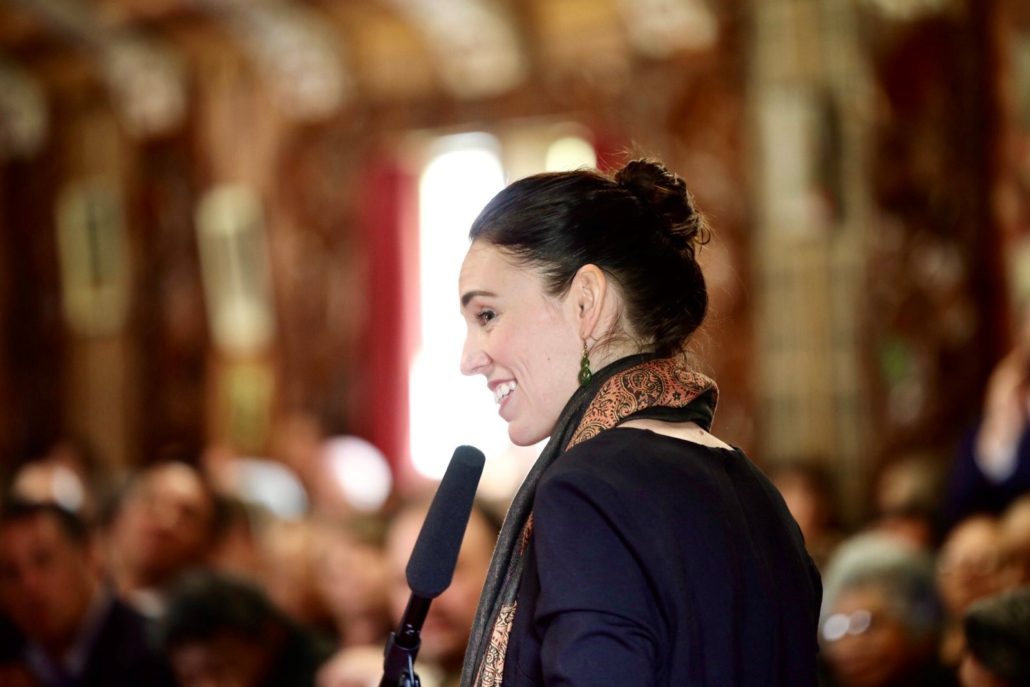
Jacinda Ardern was born on July 26, 1980, in Hamilton, New Zealand, an island country in the South Pacific Ocean with a population of more than 4 million people. In 2017, at the age of 37, she became the third female leader of New Zealand. She is the youngest Prime Minister of the country in 150 years and the second world leader to have a baby while in office. She is a global icon in many regards but lacks publicity for her work in fighting childhood poverty in New Zealand. This article will explore her success in passing and implementing recent poverty-reduction policies, including those during COVID-19.

Families Package

According to Prime Minister Jacinda Ardern herself, one of her proudest achievements as Prime Minister is implementing the Families Package on July 1, 2018. The goal of this package is to provide families with more money to support their children. It aims to reduce childhood poverty in New Zealand while redirecting $2 billion to health, education and housing.

As of 2019, one year after the Families Package came into effect, it has helped 1 million New Zealanders. The package increases maternity leave from 18 to 22 weeks to 26 weeks. Additionally, it has provided $67NZ to over 36,000 families with newborns for the first three years of the child’s life. Additionally, the Families Package has increased financial aid to more than 13,500 families who care for orphans and foster children as well as enabled more than 1 million elderly to heat their homes during the winter with the Winter Energy Payment.

Well-Being Budget

New Zealand’s Well-Being Budget emerged in 2019 to reduce homelessness and childhood poverty in New Zealand, expand mental health services, combat family violence and protect and advance the rights of indigenous populations.

It added an additional $40 million to suicide prevention assistance and $455 million to mental health services. Expectations determine that this will help 324,000 New Zealanders by 2023 and 2024. This package will also benefit 2,700 homeless people by creating 1,044 shelters. It will also increase funding for education and hospital research. It prioritizes the preservation of Māori and Pacific languages and the fight against illnesses such as rheumatic fever as well.

The United Nations Sustainable Development Solutions Network tested the success of the Well-Being Budget. Citizens rated their happiness on a scale of one to 10, with one being the least happy and 10 the happiest. This scale found that New Zealand had the eighth happiest population in the world whereas the U.S. ranked 19. This speaks to the positive impact of New Zealand’s Well-Being Budget on the quality of life within the country.

Stimulus Package

In light of COVID-19, New Zealand’s government launched a stimulus package similar to many other countries. The difference is that New Zealand’s stimulus package is greater than Great Britain, Australia, Singapore, Ireland and several other countries as it represents 4% of the country’s total GDP. This stimulus package covers incomes for people who cannot work from home. It allows them to take care of a sick relative or self-isolate after contact with someone with COVID-19. It also helps businesses in terms of taxes and provides more social welfare and income to low-income families. The package also includes funding for the healthcare industry to ensure a timely and appropriate response to the virus. Not only does this stimulus package indirectly help children, but it is undoubtedly a contributing factor to why New Zealand was able to eradicate the virus completely from its country.

These initiatives demonstrate the progress under Prime Minister Jacinda Ardern in the fight against childhood poverty. Though the reality of COVID-19 hinders this, many agree that others can learn from Jacinda Ardern and her administrative action.

– Rida Memon
Photo: Flickr

September 12, 2020
https://borgenproject.org/wp-content/uploads/borgen-project-logo.svg 0 0 Kim Thelwell https://borgenproject.org/wp-content/uploads/borgen-project-logo.svg Kim Thelwell2020-09-12 10:00:222024-12-13 18:02:11Jacinda Ardern: Childhood Poverty in New Zealand
Child Poverty, COVID-19, Global Poverty

Child Poverty in the Philippines During COVID-19

Child Poverty in the Philippines
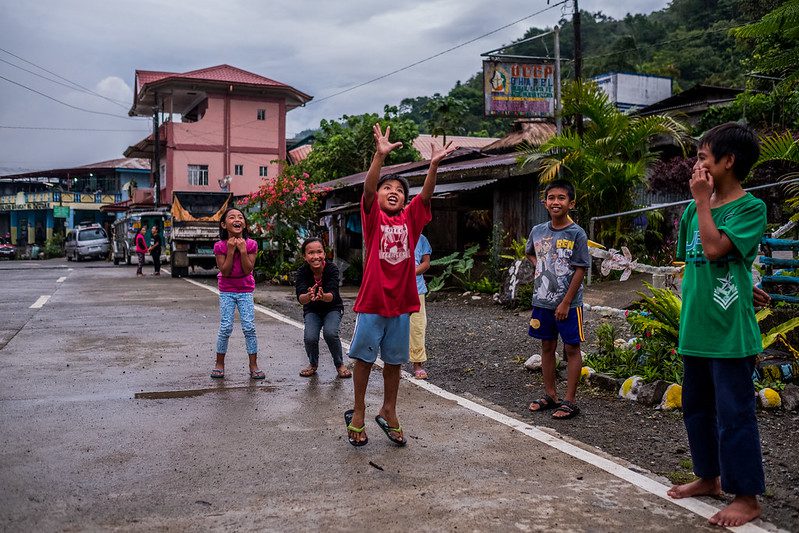
Child poverty is an immense issue the world over, and it has only become direr during the COVID-19 pandemic. Quarantine procedures mean that many people are no longer able to work. The effects of these procedures are pronounced in countries with high poverty rates. The high rate of child poverty in the Philippines means that the pandemic is affecting the most vulnerable.

Child Poverty and COVID-19

Poverty has a unique impact on children and can have long-lasting effects. UNICEF states that malnutrition, often due to poverty, can negatively impact children’s physical, social and emotional development. Poverty also increases the risks of children’s exposure to child marriages, violence, exploitation and abuse.

COVID-19 is increasing children’s vulnerabilities to these risks. According to the World Bank, 11 million people globally are at an increased risk of falling into poverty due to the economic shocks that the pandemic brought on. UNICEF and Save the Children claim that child poverty could potentially reach upwards of an alarming 700 million children globally if the world does not address the problem. Furthermore, children living in poverty may have increased risks from COVID-19 due to pre-existing conditions brought on by poverty, malnutrition and low-quality healthcare in poor communities, all of which can negatively impact their ability to recover.

What Does This Mean for Children in the Philippines?

The Philippines has made great strides in addressing poverty within the country in recent years. From 2015 to 2018, the country experienced a 5% decrease in its poverty rate. The World Bank suggests this decrease is unlikely to continue following economic shocks of the pandemic. The country is at risk of experiencing negative economic growth as a result.

Child poverty in the Philippines is significantly high at 31.4% in 2015. A rise in this figure could have potentially devastating impacts on the livelihoods of children in the country considering that 33% of Filipino children already suffer from malnutrition. In addition, 27% of the population lives in an urban setting. For those in poverty, this translates to cramped living spaces and a lack of access to clean water and sanitation. In 2011, 25% of the Filipino population lacked access to improved sanitation. These factors make social distancing and other health protocols to combat the spread of the disease increasingly difficult.

COVID-19 is also exacerbating a different crisis that Filipino children experience: cyber trafficking. Children in the Philippines are among those with some of the highest risks of cyber trafficking globally. With increasing risks of poverty in the Philippines, the online exploitation of children living in poverty will only grow. According to Senator Leila de Lima, former Justice Secretary for the Philippines, the vulnerability of online abuse for children is in part due to economic necessity. This relationship suggests a strong link between poverty and exploitation. COVID-19 prevention measures are also limiting activities to police this abuse. Lockdown measures have led to slowed investigations, the closing of courts and prosecutor’s offices. Human moderators of online abuse on social media platforms such as Facebook have also been being put on leave.

How to Help

UNICEF and Save the Children point to a need for increased services and programs for the poor, especially services or benefits that focus on children and families.

As poverty can reduce children’s resilience to combating the virus, aid relief is integral to increasing resilience and mitigating the potential increase in COVID-19 deaths due to child poverty within the Philippines. The Save the Children Philippines team, Building Urban Children’s Resilience against Shocks and Threats of Resettlement, is part of the response increasing children’s resilience to the virus. It distributes food relief packages and hygiene kits to poor families in Pasay City.

There are a number of actions one can take to support the reduction of child poverty in the Philippines. Calling one’s political leaders in support of the International Affairs Budget is one way a person could actively influence U.S. Foreign Policy to support the reduction of child poverty in the Philippines. Another option is to call in support of the Global Child Thrive Act which focuses on advancing early childhood development globally.

The Philippines receives $342,216,064 of U.S. Foreign Aid. However, only 25% of that goes to developmental food aid while a staggering 40% goes towards security. Making sure leaders are aware of the threat COVID-10 has on increased child poverty in the Philippines is one way to push them to support poverty reduction efforts.

– Leah Bordlee
Photo: Flickr

September 12, 2020
https://borgenproject.org/wp-content/uploads/borgen-project-logo.svg 0 0 Kim Thelwell https://borgenproject.org/wp-content/uploads/borgen-project-logo.svg Kim Thelwell2020-09-12 07:31:072020-09-11 09:26:02Child Poverty in the Philippines During COVID-19
Children, Global Poverty, Hunger

Hoarding Toilet Paper Versus Feeding Children in Africa

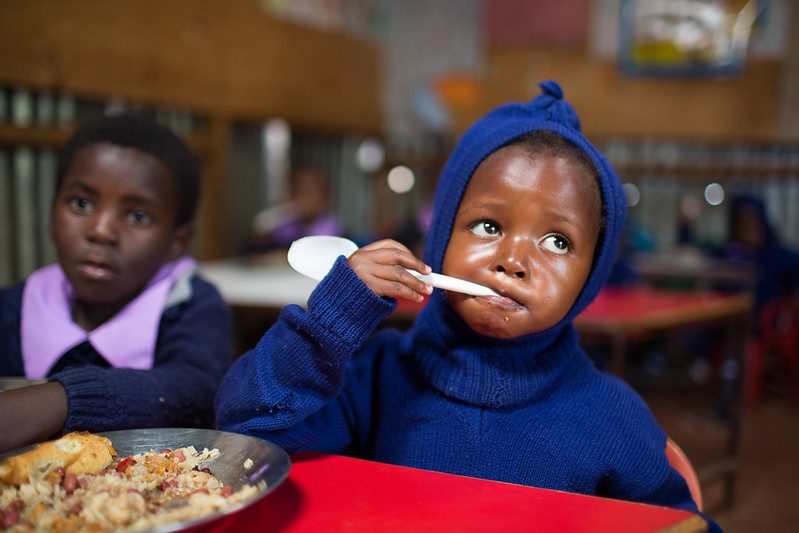
feed hungry children in AfricaDuring the early weeks of the pandemic, many Americans were buying extra items that were hard to find in grocery stores, such as toilet paper, paper towels, rice and cleaning supplies. Now that supplies are back on the shelves, using those items can help feed hungry children in Africa.
Grocery Shoppers Are Stockpiling

According to a survey conducted between March 13 and 15, 2020 among American grocery shoppers, 54% said that they had stockpiled supplies that would last them for two weeks. Almost one-fifth of the shoppers purchased items that would last between three and four weeks, while 20% stockpiled enough for one week, and 7% were supplied for over a month.

Toilet paper was not the only item being hoarded. This spring, worried consumers bought staples such as rice and pasta in record numbers. But does a family really need that second oversized bag of rice gathering dust on the pantry shelf? Statistics show that many people in the United States were over-supplying their pantries. For example, a five-pound bag of rice equals about 13 six-ounce servings, which would feed two people for almost a week if each person ate a serving of rice every single day. Similarly, five pounds of uncooked pasta is equivalent to 13 servings, which feeds two people each a serving of pasta every day for about a week. Instead of stockpiling and letting these items linger on the shelf until their expiration dates, it makes sense for people to use just five pounds each of rice and pasta per week. Doing so could save close to $20 at the grocery store.

Now that supplies such as toilet paper are back on the shelves, families can also use stockpiled paper goods regularly instead of storing them indefinitely in the closet. By not buying two 12-roll packages of toilet paper this month, and instead using the rolls already in the closet, a family could save around $25. This amount could feed a child in Africa for an entire month, according to the World Food Program.

Feed Hungry Children in Africa for an Entire Month

If a family also uses the package of paper towels sitting in the pantry instead of buying a new package, they would save around $20, which would feed a child in Africa for another three weeks. And using the extra cleaning supplies that are stashed under the sink — such as laundry detergent, dishwashing detergent, hand soap and spray cleaners — could save another $25, which would feed yet another child for one month. To sum up: dusting off and using just a few stockpiled paper goods, cleaning supplies and five pounds each of rice and pasta could cut around $90 from the next grocery bill. According to the World Food Program, $15 could feed a hungry child in Africa for one month. With the savings gained simply from using these items and not buying new ones, a person or family could feed six hungry children in Africa for an entire month.

The Pandemic Increased Global Hunger

The global need for aid is greater than ever. Prior to the pandemic, around 149 million people suffered from extreme hunger, but as the coronavirus spreads, that number could reach 270 million by December 2020. According to the World Bank, the prevalence of undernourishment in Zambia’s population is over 46%. This means that almost half of all people in Zambia do not have enough to eat. In the Republic of the Congo, 40.4% of people are hungry, while the same is true for 29.4% of Kenyans and 13.4% of Nigerians.

In addition, South Sudan has declared a famine, with an estimated one million children acutely malnourished. As of March 2020, South Sudan is one of the most food-insecure countries in the world, and the pandemic has exacerbated the situation. Around 6.5 million people, or about 51% of its entire population, could face acute food insecurity and require urgent food assistance this year. The need to feed hungry children in Africa has never been more pressing.

Easily Save $90 and Give

Again, simply clearing out those crowded pantries and kitchen shelves and using the stockpiled items could save around $90 in one month. What to do with the savings? Why not simply cross those stockpiled items off of this week’s grocery list and donate the money? The pantry shelves will be less crammed — and that is a good feeling, along with the knowledge that using these stored items has helped to feed hungry children in Africa.

– Sarah Betuel
Photo: Flickr

September 11, 2020
https://borgenproject.org/wp-content/uploads/borgen-project-logo.svg 0 0 Kim Thelwell https://borgenproject.org/wp-content/uploads/borgen-project-logo.svg Kim Thelwell2020-09-11 12:15:392024-05-29 22:27:12Hoarding Toilet Paper Versus Feeding Children in Africa
Child Poverty, Global Poverty

7 Facts About Inequality in China

inequality in chinaChina, a vast country harboring nearly 1.4 billion people, is situated in East Asia. In 1944, China, one of the four Allied powers during the Second World War, became a pillar in forming what would later become the United Nations. Furthermore, China has become one of the fastest growing nations throughout the world. Despite its longstanding partnership with the U.N. and its rapid economic growth, widespread inequality and poverty still exist in China. Here are seven facts about inequality in China.

7 Facts About Inequality in China

  1. Income inequality is due to many systemic factors. Location within the country, families, lineage and hukou (home registration) play a vital role in individuals’ income. Another element is the swift economic expansion that has overtaken the country, which many view as a necessity for the country’s development.
  2. Rapid economic expansion has both hindered and helped China. In 1978, China opted to expand its economy, which has made its GDP rise by nearly 10% annually. The swift growth has allowed over 850 million people — more than half of the population — to remove themselves from poverty. However, 373 million people still make $5 a day on average in China. Due to China’s rapid expansion, inequality across social, economic and environmental spheres persists.
  3. The merit-based Hukou system plays a pivotal role in the income gap between urban and rural locations. Moreover, it hinders rural workers from migrating and contributing to the larger urban centers spread across the country. China’s eastern seaboard is home to numerous densely populated cities, which has left the western regions predominantly rural. This system favors the upper echelon of society while discriminating against former farmers from villages.
  4. China has 23 provinces, yet five are autonomous. These self-governing regions include Taiwan, Hong Kong and Macau. Taiwan is considered a province yet it still has its currency, localized government and the national flag. Hong Kong and Macau are considered administrative regions, with the former set to be absorbed by the mainland in the coming years.
  5. In 1979, Mao Zedong, founding father of the People’s Republic of China, implemented a one-child policy that aimed to control the rapidly growing nation. More than three decades later, the country changed the policy to allow for two children per family in 2015. Despite strict efforts to diminish the surge in population, China still has a large proportion of children across all developing nations and a significant child poverty issue.
  6. Child poverty is a big issue in a country of nearly 1.4 billion. China holds one out of every five children across the developing world. Child poverty in China is a generational issue that can be traced back to family dynamics. However, the country is providing social assistance for children attending their education and for being fed an adequate amount. This strategy is known as a conditional cash transfer, and it helps children climb out of poverty.
  7. Healthcare hurts the poor. Nearly 200 million farmers have fled their respective regions to find work in cities, but the China has adopted a “pay first, claim later” form of healthcare. China has aimed to tackle healthcare through its rural poverty alleviation program; however, high medical expenses have adversely affected rural populations.

Despite China’s rapid economic growth, the country has suffered and experienced backlash over its imbalance in the social welfare of its citizens, its impact on climate change and the economy. These facts about inequality in China highlight elements that have played a role in perpetuating inequality and how it has predominantly affected those from rural settings. However, the country is determined to turn the tide on these challenges and has made headway moving forward, supported by the U.N.

– Michael Santiago
Photo: Needpix

September 11, 2020
https://borgenproject.org/wp-content/uploads/borgen-project-logo.svg 0 0 Kim Thelwell https://borgenproject.org/wp-content/uploads/borgen-project-logo.svg Kim Thelwell2020-09-11 09:09:042024-05-27 09:27:587 Facts About Inequality in China
Child Poverty, Children, Global Poverty

3 Organizations Helping Children in Ecuador

Children in Ecuador
Although Ecuador’s poverty rate has been steadily decreasing over the past two decades, children still suffer from malnutrition, lack of education, lack of healthcare and other deprivations. Cyclical poverty not only reduces the opportunities to become successful later in life, but it also makes children vulnerable to other domestic and social abuses like physical punishment and bullying. Fortunately, these three organizations are helping to support children in Ecuador, who often face neglect.

3 Organizations Helping Children in Ecuador

  1. United to Benefit Ecuadorian Children International: United to Benefit Ecuadorian Children International (UBECI) is a non-profit organization based in the capital of Ecuador. The organization has been working to support children in the markets of southern Quito since 1999. They create opportunities for children to develop their emotional, physical and social needs through recreational and educational engagements. UBECI fights for reduced working hours for children in the markets and helps them in school from primary enrollment to university. During this educative period, UBECI teaches social skills to the children to better integrate within society and spreads health education that will lead to a safer lifestyle. They emphasize “children’s rights to an education, right to lead a healthy life, and the right to an identity.” Through working directly with children living on the streets, UBECI touches the lives of more than 350 students, every school year and more than 600 during the summer. Therefore, the amount of youth the organization reaches per calendar year totals 1,770.
  2. Consortium for Street Children: Consortium for Street Children is a global charity that unites organizations dedicated to helping “street children,” through an international alliance. The alliance raises the voices of neglected children to the United Nations and engages directly with children on the streets. They currently have two projects protecting children in Ecuador. The Keeping Street-Connected Children Safe project, in collaboration with Red Nose Day USA, funds “innovative direct-service delivery projects” to support children in Africa, Asia and South America (including Ecuador). Their 2020–2021 grant will be tailored specifically to the new needs caused by the COVID-19 pandemic. The project, Building with Bamboo, was an explorative initiative whose goal was to learn how to implement a “resilience-based approach” to support street children, victims of sexual abuse and exploitation in Ecuador, Uganda and Nepal. The experience was shared within the Consortium for Street Children community to further the success of future projects.
  3. Children International: Children International is a charity that works to raise children out of poverty in 10 countries around the world. They have individualized four distinct problems regarding children in Ecuador. One, fight malnutrition; the organization started a Family Vegetable Gardens program to teach children and families about healthy diets. Also, this initiative helps to provide a steady income for their work within the garden. Two, tackle generational poverty; the organization teaches participants valuable skills to prepare for a more successful future. For instance, how to save money and be a responsible citizen. Three, lower the unemployment rate; the organization provides job training and hiring opportunities for teenagers. Four, make education more accessible; the charity community organized a tutoring system in which older students help younger children in Ecuador with math and language skills. Children International can do this through donations from the public and connecting needy children with willing sponsors abroad.

Efforts Must Continue

More than 40% of children in Ecuador live in poverty. Organizations like United to Benefit Ecuadorian Children International, Consortium for Street Children and Children International, however — ensure that future generations will have the tools to improve such statistics. Through breaking free from the cycle of poverty, children in Ecuador can capture a better life for themselves and future generations.

– Margherita Bassi
Photo: Flickr

September 11, 2020
https://borgenproject.org/wp-content/uploads/borgen-project-logo.svg 0 0 Kim Thelwell https://borgenproject.org/wp-content/uploads/borgen-project-logo.svg Kim Thelwell2020-09-11 07:35:422024-06-04 01:08:463 Organizations Helping Children in Ecuador
Children, Global Poverty, Health

Last Mile Health Rebuilds Healthcare in Liberia

Last Mile HealthLiberia borders Sierra Leone, Guinea, Cote d’Ivoire and the Atlantic Ocean. The West-African nation was established as a settlement by freed American slaves in 1820. Despite gaining independence in 1847, the country suffered from years of instability brought on by the military coup of 1980. Civil war broke out in Liberia in 1986 and endured until late 2003. With 14 years of civil war devastating both the population and the economy, Liberia, now home to nearly five million immigrant and indigenous peoples, has shifted its focus towards recovery. Many efforts acknowledge the inadequacies of healthcare in Liberia, one of them being Last Mile Health.

Founded by Liberian civil war survivors and American healthcare workers in 2007, Last Mile Health is a nonprofit organization dedicated to rebuilding healthcare in Liberia by creating a stronger, more resilient public health infrastructure within both urban and remote regions of the country. To date, Last Mile Health is responsible for a plethora of noteworthy improvements in healthcare and health outcomes in Liberia.

Healthcare in the Past

Between 1986 and 2003, 80% of healthcare clinics across Liberia closed their doors as a result of looting, destruction and the exodus of healthcare workers. Only 168 physicians remained in Liberia, predominantly in the capital city of Monrovia. Medical training systems stood on the verge of collapse. Today, nearly 1.2 million people throughout Liberia live more than an hour’s walk from the nearest healthcare facility.

Lack of access to quality healthcare in Liberia has resulted in poor health outcomes for Liberians. Alongside suffering from one of the world’s worst maternal and under-5 mortality rates, malaria, diarrhea, HIV/AIDS and other preventable and treatable illnesses are amongst the leading causes of death and disease in Liberia. A mere 39% of children under two in Liberia have received their recommended vaccinations.

Bringing Care to Patients

Last Mile Health builds community-based primary health systems within Liberia to bring healthcare to the poorest and hardest-to-reach regions. In 2012, Last Mile Health piloted a community health worker program in the Konobo District of Liberia that resulted in an unprecedented 100% coverage of the district by healthcare personnel. This pilot program has since been replicated, extending primary healthcare in Liberia to 1.2 million people.

Training Healthcare Workers

In 2017, Last Mile Health launched the Community Health Academy to strengthen the clinical skills of community health workers in Liberia. The Community Health Academy provides training to health care leaders to help them build resilient and effective public health infrastructure. As of 2019, more than 16,000 healthcare personnel from around the world have enrolled in the academy’s courses.

Improving Health Outcomes

In 2010, Last Mile Health launched Liberia’s first rural, public HIV/AIDS treatment program. The program exists in over 19 of Liberia’s public clinics.

By increasing access to and quality of healthcare in Liberia, Last Mile Health has increased the number of children receiving malaria, pneumonia and diarrhea treatment by over 40%, resulting in a significant reduction in under-5 mortality rates and improvement in child health outcomes. Maternal health outcomes have improved as more women can access skilled birth attendants and facilities for delivery and maternal care.

Increasing Average Life Expectancy

The average life expectancy for Liberians continues to increase each year as healthcare in Liberia rebuilds and recovers. By linking community healthcare workers with nurses, doctors and midwives at community clinics and equipping workers with the knowledge and skills that they need, Last Mile Health continues to fulfill its mission of bringing life-saving care to people in even the most remote areas of the country.

Last Mile Health promises a future in which no patient is out of reach from quality healthcare in Liberia. In the years to come, the nonprofit organization intends to expand its reach within Liberia and across Africa.

– Alana Castle
Photo: Flickr

September 10, 2020
https://borgenproject.org/wp-content/uploads/borgen-project-logo.svg 0 0 Jennifer Philipp https://borgenproject.org/wp-content/uploads/borgen-project-logo.svg Jennifer Philipp2020-09-10 01:31:212024-05-29 23:17:54Last Mile Health Rebuilds Healthcare in Liberia
Page 65 of 137«‹6364656667›»

Get Smarter

  • Global Poverty 101
  • Global Poverty… The Good News
  • Global Poverty & U.S. Jobs
  • Global Poverty and National Security
  • Innovative Solutions to Poverty
  • Global Poverty & Aid FAQ’s
Search Search

Take Action

  • Call Congress
  • Email Congress
  • Donate
  • 30 Ways to Help
  • Volunteer Ops
  • Internships
  • Courses & Certificates
  • The Podcast
Borgen Project

“The Borgen Project is an incredible nonprofit organization that is addressing poverty and hunger and working towards ending them.”

-The Huffington Post

Inside The Borgen Project

  • Contact
  • About
  • Financials
  • President
  • Board of Directors
  • Board of Advisors

International Links

  • UK Email Parliament
  • UK Donate
  • Canada Email Parliament

Get Smarter

  • Global Poverty 101
  • Global Poverty… The Good News
  • Global Poverty & U.S. Jobs
  • Global Poverty and National Security
  • Innovative Solutions to Poverty
  • Global Poverty & Aid FAQ’s

Ways to Help

  • Call Congress
  • Email Congress
  • Donate
  • 30 Ways to Help
  • Volunteer Ops
  • Internships
  • Courses & Certificates
  • The Podcast
Scroll to top Scroll to top Scroll to top