Tackling Child Poverty in Niger
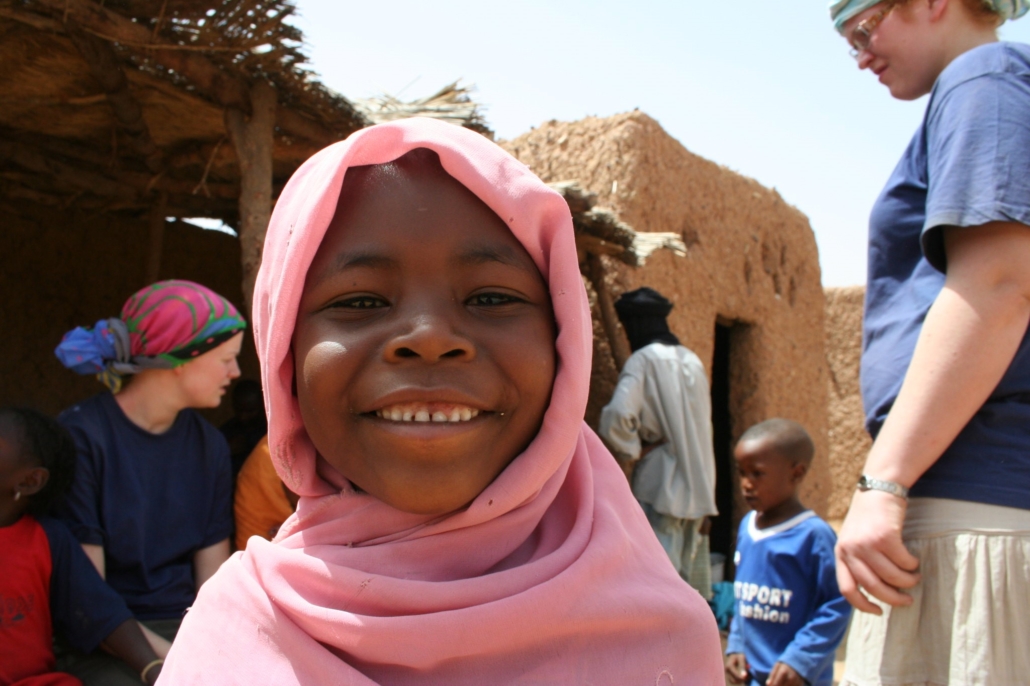
About 48% of children in Niger are living below the poverty line, and 75% of all Nigerien children under the age of 5 lack access to basic social services. As of February 19, 2020, more than 1.5 million Nigerien children needed humanitarian assistance. This article discusses child poverty in Niger and possible solutions.
The Issue
Niger has frequent droughts and sporadic rainfall. Food shortages commonly lead to malnutrition and displace families. About 40% of children under 5 experience malnutrition. Unfortunately, many children in poverty, particularly displaced children, cannot attend school. For example, Niger experienced a food crisis from 2005 to 2010; many schools closed as a result. Missing school can have lasting effects on a child’s life; sporadic school attendance links with crime involvement, drug abuse and joining armed groups.
Malnutrition is one of the many obstacles to education that Nigerien children face. Various conflicts on the border of Mali and Burkina Faso have endangered 111 schools and displaced over 78,000 people. Only 8% of preschool-aged children are enrolled in school; a fifth of children do not finish primary education. For children enrolled in school, 93% cannot perform basic reading or writing skills. Meanwhile, only 31% of girls and 42% of boys attend secondary school.
As discussed in the previous paragraph, girls are less likely to attend school. Child marriage is one reason girls are less likely to attend. In fact, about 76% of girls marry before they reach 18; meanwhile, 36% of girls between 15 and 19 either become pregnant or give birth. Nigerien women tend to play a different societal role than Nigerien men. The education gap reflects this difference: 26.9% of girls are literate in comparison to 50.2% of boys.
Overall, child poverty endangers Nigerien children and forces many to enter extreme, unsafe situations. About 380,000 Nigerien children are at risk of acute malnutrition. Children in Niger are also subject to inadequate education, violence and environmental issues. Many girls must enter marriage while others depend on prostitution to make a living. Similarly, young boys often experience exploitation by working at cheap labor or recruitment by arms groups.
The Solution
The issue of child poverty in Niger can be overwhelming, but the problem continues to improve with support. Children in Niger are more likely to reach their fifth birthday in the present day than 20 years ago. The efforts of various organizations have helped make this possible.
Save the Children, for example, has committed itself to the improvement of education and the prevention of child marriages. It has improved the lives of 3,632,000 children, saved 3,111,000 children from malnourishment and educated 192,000 children. Save the Children also reports having protected 93,000 children from harm, saved 852,000 children from crises and lifted 102,000 children out of poverty.
Additionally, Save the Children has invested in future programs that partner with the government of Niger and USAID in order to support vulnerable communities and bring them out of poverty. Since the project’s launch in 2020, it has worked to solve crises in impoverished communities. It aims to reach 1.4 million girls of reproductive age and 1.1 million children under the age of 5.
By 2019, the United Nations Children’s Fund had raised and mobilized $24 million to combat child poverty in Niger; this is more than half of the funds necessary to resolve the humanitarian crisis. With this money, UNICEF educated 59,000 children. It also distributed school kits to a total of 301,000 children. Additionally, UNICEF treated more than 414,000 children suffering from malnutrition.
Concluding Thoughts
There is a great need for humanitarian aid in order to eradicate child poverty in Niger. Child poverty in Niger stems from a lack of health, nutritional and educational resources as well as country-wide conflict and environmental issues. UNICEF has called for $45.9 million to combat the crisis, but it has only raised $24 million (58% of what it has called for). This is not enough to solve the crisis in Niger, but considerable progress has occurred.
– Adelle Skousen
Photo: Flickr
