• Link to X
  • Link to Facebook
  • Link to Instagram
  • Link to TikTok
  • Link to Youtube
  • About
    • About Us
      • President
      • Board of Directors
      • Board of Advisors
      • Financials
      • Our Methodology
      • Success Tracker
      • Contact
  • Act Now
    • 30 Ways to Help
      • Email Congress
      • Call Congress
      • Volunteer
      • Courses & Certificates
      • Be a Donor
    • Internships
      • In-Office Internships
      • Remote Internships
    • Legislation
      • Politics 101
  • The Blog
  • The Podcast
  • Magazine
  • Donate
  • Click to open the search input field Click to open the search input field Search
  • Menu Menu

Archive for category: Children

Information and stories addressing children.

Child Poverty, Global Poverty

Innovations in Poverty Eradication in Iceland

Poverty Eradication in Iceland
With a population of 341,741 people and poverty rates rising, Iceland has continued its trend of incorporating old and innovative solutions to eradicate poverty. Valdimar Svavarsson, the manager of the Christian nonprofit organization Samhjalp in Iceland, told The Borgen Project that “Iceland is overall considered to be among the best places to live in the world in terms of quality of life.” However, the COVID-19 pandemic has threatened that quality of life significantly. Several innovations in poverty eradication in Iceland, such as welfare centers, government programs and other new ideas have emerged as the pandemic has increased the unemployment rate in Iceland.

Lowering Unemployment and the Department of Welfare

Iceland has been working towards reducing its unemployment and poverty rate by initiating welfare centers. Six welfare service centers are in Reykjavik, and they help Icelandic citizens access services related to Icelandic schools, financial support, counseling and more.

The Department of Welfare for Reykjavik, Iceland coordinates a variety of projects and events to help with poverty-related issues in Iceland with the core values of welfare, respect and activity in mind for people who request help. It mainly focuses on projects involving financial assistance, child protection and social housing programs, which all help with Icelandic low-income households. In particular, the financial assistance department of the Department of Welfare works to help unemployed citizens and families in Iceland through a simple application process. The application process requires that citizens search for employment. However, citizens can appeal the results of their applications if they receive a denial.

Homelessness and Limited Housing

The capital city of Iceland, Reykjavik, last reported that 360 people were homeless at the end of 2017. In an interview with The Borgen Project, Vilborg Oddsdottir, the Head of the Domestic Department of the Icelandic Church Aid Group, said that “there is a low-income housing company in Iceland right now” to help deal with the high housing prices in Iceland.

Solutions to Reducing Child Poverty in Iceland

Another innovation in poverty eradication is how Iceland has been working toward eliminating child poverty in the country. In fact, it ranks at the top for children’s rights. As of the latest report in 2015, the child poverty rate in Iceland was on the lower end of approximately 5% based on their families’ income levels prior to the pandemic.

The Icelandic Church Aid Group formed in 1970 and is better known as the Church Relief Society. The Church Relief Society partnered with Iceland’s Evangelical Lutheran Church for an innovative poverty solution that gives educational supplies to lower-income families across Iceland through an application process starting in late August 2020. The new initiative entitled “No Child Left Out” wants to make sure students are not experiencing social isolation based on their family’s financial situation. Vilborg Oddsdottir advised The Borgen Project that “education is the best way out of poverty, and we have to maintain respect for all kinds of education” available to students in Iceland. In 2020, the Icelandic Church Aid Group helped approximately 30,000 children in Iceland according to Oddsdottir.

How Iceland enacted Innovative Testing Procedures and Government Aid during COVID-19

Only 5.4% of Iceland’s citizens were living below the poverty line in 2015. One of the major causes of poverty in Iceland is the COVID-19 pandemic, which has caused unemployment rates to skyrocket even as the country implemented innovations in COVID-19 protection early on. In the past few months, Iceland was able to test any citizen requesting a test and automatically isolate infected citizens from the public as most businesses remained open. Due to these innovative precautions, Iceland was able to reopen to tourists as early as June 15, 2020, and even implemented the requirement of testing each tourist.

After most of the Icelandic public received COVID-19 tests, the citizens were able to view their results using an innovative contact tracing application to prevent an outbreak. Even with precautions, Vilborg Oddsdottir has seen that “COVID has affected us a lot because now we have nearly 9% unemployment in Iceland. Even in our bank crisis, we have not seen unemployment like we have now.” The Icelandic government’s innovative support system is addressing the increased unemployment rate. The unemployment benefits stated that people would receive some of their salary based on the amount of part-time work they had with their company until September 30, 2020.

Food Aid

The Iceland Family Aid program has been working towards helping low-income families across Iceland since its founding in 2003. The organization is accepting food donations every month at its only two locations in Reykjavik and Reykjanesbaer. The way for the food undergoes distribution across Iceland is through an online registration process that delivers the food to low-income residents once a month, providing aid to various families and people living in poverty and aiding in poverty eradication in Iceland.

With the reduction in tourism and increasing unemployment rates due to COVID-19, Valdimar Svavarsson has found that “at the moment, the government is doing many things to support the growing group that is now facing unemployment.” The current innovative solutions and input of the Icelandic government should help the country bounce back from high unemployment rates while helping low-income citizens.

– Evan Winslow
Photo: Flickr

September 29, 2020
https://borgenproject.org/wp-content/uploads/borgen-project-logo.svg 0 0 Jennifer Philipp https://borgenproject.org/wp-content/uploads/borgen-project-logo.svg Jennifer Philipp2020-09-29 07:24:402024-12-13 18:05:34Innovations in Poverty Eradication in Iceland
Children, Global Poverty

“Nobody Knows”: Poverty in Present-Day Japan

Poverty in present-day Japan
The film titled, “Nobody Knows” or “Dare Mo Shiranai” in Japanese, shows the issues of poverty in present-day Japan — even though the film was made in 2004. The film, based on a child abandonment case, takes off when the single-mother, Keiko, leaves her boyfriend’s apartment. The oldest child, who is just 12 years old, had to care for his younger siblings (whose existence is hidden from neighbors and the landlord). The film depicts the struggle of poor children as well as a poor, single mother in a Japanese society where people are not willing to take decisive action to help others. Although Japan is one of the most developed countries in the world, 14% of children experienced poverty in 2018.

The Struggle of Single-Parent Households

About 56% of children raised by a single-parent live in poverty. In the film, the mother struggles financially. She explains that she has difficulties finding an apartment because of her status as a single parent of four kids. Finding a stable job can be difficult in current Japanese society because of the common perception that single mothers are unreliable.

Employers are hesitant to hire single-mothers because they may not be able to work when a child gets sick, for example. They end up working as irregular or part-time workers — a status that garners a lower income and less stability when compared with full-time. Irregular workers make up 40% of the workforce in Japan. Many single mothers have to work at two or more places in order to feed their children. In the film, the mother has no financial support from the fathers of her children. The reality of a single mother is often the same and due to current laws in Japan — single-mothers are often unable to obtain financial support from the fathers of their children. These factors all lead to the existence of subtle poverty in present-day Japan.

Ramifications for the Children

Although the children in the film cannot go to school, children from single-parent households who do go to school tend to struggle academically. The percentage of children who perform below average at school is higher for children who have single-parents when compared with those who have both parents. These children are more likely to be unable to attend “cram school” — where many Japanese students study for exams, after regular school. These factors regarding academic performance affect the earnings and job potential of these children’s future. In this way, the poverty of the current generation is passed on to the next generation. Furthermore, it is difficult to distinguish which children are struggling with poverty. This makes the issue of child poverty in present-day Japan even more elusive.

COVID-19’s Effects on Single Mothers and Children

Because of the current economic situation due to COVID-19, non-regular employees are at risk. The law does not protect them from getting fired and unemployment insurance may not be available for some. The request to stay home from the government has affected certain teenagers who have nowhere to go due to poverty or other family issues. Moreover, the closing of school negatively affected the children who rely on school meals.

Actions of Nonprofit Organizations

Several nonprofit organizations and volunteers have worked to help the people in need. Colabo, an organization helping girls in need, has provided food and shelter to teenage girls who have nowhere to turn — due to poverty, abusive parents or other personal reasons. Colabo reaches out to these girls in the city at night to let them know of its free service. In 2019, more than 500 girls used its bus café, where it provides free food and counseling services. Also, Colabo rents apartments at cheap prices for the girls’ use.

Kodomo Shokudo is a cafeteria that provides children with food — either for free or at a cheap price. In 2018, there were more than 2,200 locations across the country. These locations each have different programs to help children in need and many also provide a place where children can study and play. One of these locations even helps children learn how to cook. Kodomo Shokudo unfortunately cannot open presently due to the current COVID-19 pandemic. Some locations recently started delivering food to people in need and children who came to the cafeteria often. These initiatives by nonprofit organizations and their volunteers help poor children and spread awareness of child poverty in present-day Japan.

Addressing the Problem

The film “Nobody Knows” is more than 10 years old. However, the invisibility of poverty in present-day Japan and the struggle of single mothers are still prevalent in Japanese society. Raising awareness around poverty in present-day Japan is crucial to effectively address and solve the issue.

– Sayaka Ojima
Photo: Pixabay

September 27, 2020
https://borgenproject.org/wp-content/uploads/borgen-project-logo.svg 0 0 Kim Thelwell https://borgenproject.org/wp-content/uploads/borgen-project-logo.svg Kim Thelwell2020-09-27 10:00:392024-05-29 23:23:36“Nobody Knows”: Poverty in Present-Day Japan
Children, Global Poverty

BTS’ #ENDviolence Campaign and the Link between Poverty and Violence

#ENDviolence Campaign
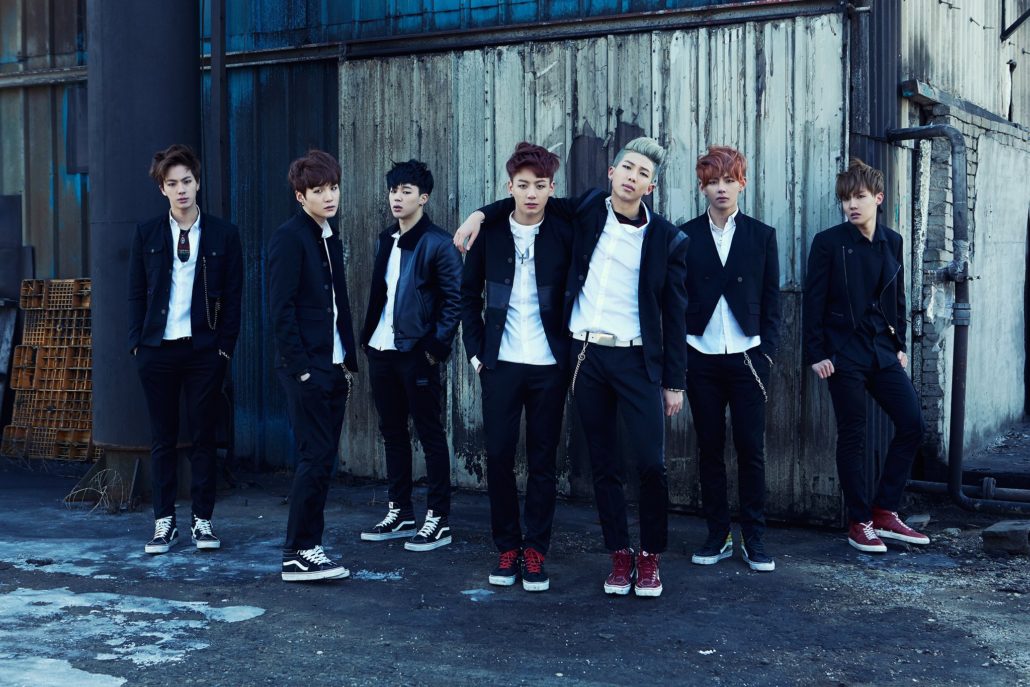
There is a powerful positive correlation between poverty and violence. Working to address this problem is BTS, a popular K-pop boy band. By partnering with UNICEF, BTS has supported the #ENDviolence campaign, which focuses on ending violence against children and teens worldwide.

The Correlation Between Poverty and Violence

One study revealed that children who grew up in poverty are “seven times more likely to harm themselves and be involved in violent crimes as young adults.” To reach this conclusion, the study analyzed 21,267 patients who had self-harm incidents and 23,724 individuals who were accused of violent crime between the ages of 15 and 33.

The results revealed that “children who remained in the top 20% of wealthiest families over their first 15 years of life were the least likely to harm themselves or commit a violent crime between the ages of 15 and 33.” On the other hand, children from families who lived in the least wealthy fifth of society were 13 times more likely to commit crimes and seven times more likely to hurt themselves as young adults.

Numerous research demonstrates the causes of self-harm and abusive behaviors of children, one of which is poverty. Overall, exposure to poverty has a significant impact on violent behaviors. Reducing poverty will therefore lead to a reduction in violent actions.

K-Pop Group BTS’ Support for UNICEF

BTS, one of the most popular K-pop boy groups, has raised approximately $1.4 million for the UNICEF #ENDviolence campaign. On June 22, 2020, the K-pop superstars won the 2020 UNICEF Inspire Award in the Integrated Campaigns and Events category.

The UNICEF Inspire Awards go to the most influential UNICEF campaigns. For this year, there were about 100 campaigns from 50 countries competing for the awards. BTS won this year’s Inspire Award because of the group’s wide range of work to promote children’s rights, which includes fundraising and raising awareness about the issue.

#ENDviolence Campaign

UNICEF launched the #ENDviolence campaign, also known as the Love Myself campaign, in 2017 to fight “against violence toward children and teens around the world.” Through the #ENDviolence campaign, UNICEF works actively to rebuild children’s lives. Some of the organization’s work includes bringing civilian life back to child soldiers and supporting shelters for street kids. UNICEF also protects trafficked children by training and funding a child protection team.

After BTS received the UNICEF Inspire Award, the secretary-general of UNICEF Korea, Lee Ki-Cheol, said, “BTS’ message that you need to love yourself in order to be able to love others is creating positive transformation all over the world. I believe this award is the result of BTS’ positive influence as they give children and youth across the Earth, both courage and comfort.”

BTS’ Global Philanthropy

BTS has not only helped the #ENDviolence campaign but has also contributed to other social and philanthropic campaigns. One member of the group, J-Hope, donated 100 million won ($84,407) to support underprivileged children. The donation went to the Green Umbrella Children’s Foundation. This organization supports children in need and helps students achieve their dreams. Along with the donation, J-Hope said: “Amongst the disadvantaged children that are victims of the various societal problems, I hope that these funds will be well-delivered to those that are facing financial difficulties due to the coronavirus.” J-Hope has been consistently making these generous donations so that the total amount of his donations so far reached 450 million won ($380,530). It’s safe to say that he along with his fellow BTS members are using their position to help people around the world.

– Alison Choi
Photo: Flickr

September 25, 2020
https://borgenproject.org/wp-content/uploads/borgen-project-logo.svg 0 0 Kim Thelwell https://borgenproject.org/wp-content/uploads/borgen-project-logo.svg Kim Thelwell2020-09-25 11:59:162020-09-28 11:48:03BTS’ #ENDviolence Campaign and the Link between Poverty and Violence
Children, Global Poverty

Innovations in Poverty Eradication in Japan

Innovations in Poverty Eradication in Japan
Since the late 1980s, Japan’s economy has struggled. In 1989, real estate prices skyrocketed, leading to an economic crisis in which Japan’s Nikkei stock dramatically rose and crashed by 50%. Despite boasting the world’s third-largest economy, Japan’s poverty rate has consistently increased by about 1% each year since 1989, reaching as high as 16.1% in 2012. Poverty in Japan “refers to people whose household income is less than half of the median of the entire population.” However, Japan has taken many actions to combat poverty. Furthermore, community members have come together to alleviate the pains of poverty, seeing a decrease in the poverty rate to 15% in 2020. Here are some examples of the innovations in poverty eradication in Japan.

Japan Social Development Fund

The Japan Social Development Fund (JSDF) was developed in June 2000 as a collaboration between the Government of Japan and the World Bank. The JSDF provides grants for community projects helping to end poverty in Japan, with a concentration on local governments. Projects include Livelihood Support, Improved Nutrition and Early Childhood Development, Inclusive Education, Legal Services and Basic Health and Sanitation Services. The program operates on a smaller level to ensure that smaller communities can receive the same help that larger cities might and make sure that it does not overlook smaller communities. The JSDF has been an immensely impactful innovation in poverty eradication in Japan, funding over $750 million USD.

The JSDF recognizes that poverty affects social groups differently. The JSDF looks after women and people with disabilities in particular. From its inception in 2000 to 2020, 100,138 mothers and children have received free nutrition education and services. In addition, 9,000 disabled students have received assistance to attend “mainstream schools” with inclusivity training.

Despite JSDF’s original intention to reduce poverty in Japan, it also works to eradicate worldwide poverty, serving 93 countries that the World Bank assists.

Japan Fund for Poverty Reduction

Beginning in May 2000, the Asian Development Bank started the Japan Fund for Poverty Reduction (JFPR), with a special focus on technical assistance projects for the poorest areas of Japan. In addition to financial grants, JFPR fosters long-term social development by teaching technical skills to citizens. This provides greater job opportunities for people in poverty. In total, the project has funded over $832 million for projects. The most recent annual report of 2018 details the innovations in poverty eradication in Japan. It spent a total of $317.2 million on technical assistance projects and $551.8 million on financial grants. JFPR is set to fund 459 new projects costing $896.6 million.

The Children’s Cafeteria

The Children’s Cafeteria focuses on assisting children in poverty. The organization provides free or reduced-priced meals to children, but its primary concern is helping alleviate the social and psychological problems associated with poverty. Workers ensure that the children never have to be alone, as it is common for them to be alone for hours while their parents work. Not only does this innovation in poverty eradication benefit the children emotionally, but it also provides a safe space for them to go. While the Children’s Cafeteria centers around food, volunteers encourage the children to stay and play together.

The Children’s Cafeteria has grown in popularity since it first opened in 2013, and locations have grown exponentially within the past few years.  Since 2018, 1,400 new cafeterias have opened, showing a growth rate of more than 50%. As of May 2019, the organization has 3,718 children’s cafeterias. The Children’s Cafeteria is present in all of Japan’s 47 prefectures, with approximately one cafeteria for every six school districts. The cafeterias feed close to 1 million children each year, with the help of 1.6 million volunteers.

Japan recognizes that the pains of poverty go beyond financial issues. The effects of poverty can also cross over to other areas such as education, nutrition, safety and mental health. By focusing on the many aspects of poverty, Japan has created a recovery model to inspire the rest of the world.

– Karena Korbin 
Photo: Flickr

September 24, 2020
https://borgenproject.org/wp-content/uploads/borgen-project-logo.svg 0 0 Jennifer Philipp https://borgenproject.org/wp-content/uploads/borgen-project-logo.svg Jennifer Philipp2020-09-24 11:35:062020-09-24 11:35:05Innovations in Poverty Eradication in Japan
Children, Global Poverty, Women & Children

Uyghur Women Speak Up About Abuses in Xinjiang

uyghur women
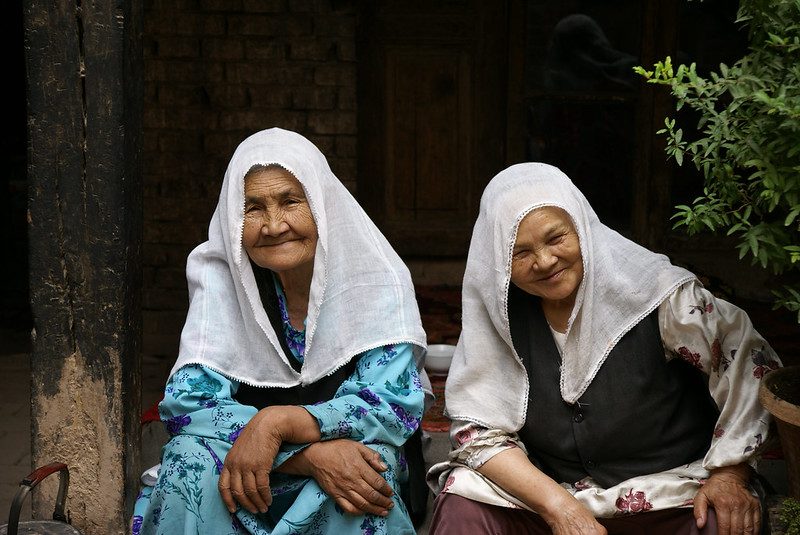
The Uyghur community in China is a suppressed Muslim Turkish minority centered in Xinjiang, a region in Central Asia. Since 2018, the Chinese government has placed up to two million Muslims and Uyghurs in concentration camps due to their cultural identity and religion. Uyghur women in particular face gendered abuses in addition to this mass incarceration.

Uyghur Women Speak Out on Harmful Practices in Xinjiang

Many courageous Uyghur women have come forward to expose the abuses they faced in the so-called re-education camps China has used since 2018. For example, a 38-year-old woman from Urumqi had to have her fallopian tubes tied because she had three children. Under Chinese rule, only two children are allowed per family.

Unfortunately, this is only one of the numerous cases in which Uyghur women have experienced sexual abuse or harassment in China. Experts believe that China has enforced its one-child policy by preventing 400 million births via forced abortions and mandated contraception. Because Uyghur families in Xinjiang are used to having up to 10 children, this rule is especially oppressive toward Uyghur women.

Since 2017, Uyghur families who violated this rule have experienced harsh punishments and violent attacks. In addition, there were 60,000 sterilizations in Xinjiang in 2018. This is about 57,000 more sterilizations than in 2014, when there were only about 3,000 in the region. As a result, Xinjiang’s population has dropped by more than 10% since 2014.

New Evidence

As a result of the stories women came forward with, new documentation has been released about the cruelties of China’s treatment of Uyghurs in concentration camps. Asiye Abdulaheb, an Uyghur woman residing in the Netherlands, joined forces with the International Consortium of Investigative Journalists to expose 24 pages of documents about the camps. This documentation followed 403 pages detailing the brutalities of Beijing’s concentration camps that were leaked in November 2019. Despite the resistance to China’s camps that followed the release of these documents, the government still denies these accusations. China continues to claim that the concentration camps are just job training centers and nothing more.

Actions to Combat the Oppression of Uyghur Communities

Despite the brutal violence that numerous Uyghur women have endured, many organizations have made strides toward aiding them. The Uyghur Human Rights Project is one such organization. Founded in 2004, the project is a research-based advocacy group dedicated to reporting the abuses faced by many Uyghur families in China.

The One Nation Project, a similar organization, aims to assist Uyghur victims currently living in concentration camps. With over 5 million beneficiaries, the One Nation Project uses donations to deliver food packages to Uyghur families. Other fundraising campaigns also exist to provide aid for Uyghur families. LaunchGood, a crowdfunding platform for Muslims, hosted a fundraiser that raised over $107,000 for Uyghur women and children. So far, the campaign has been able to help cover rent for 67 Uyghur families and has given over 343 monthly allocations to orphans.

Aside from projects and fundraising campaigns, however, there is much more the United States can do to stop the abuse in Xinjiang. One simple step would be ceasing to support forced labor from Uyghur communities. Popular brands such as H&M, Adidas, and Calvin Klein have been found to sell products made by forced Uyghur labor. More than 180 organizations are advocating for banning products made from forced Uyghur labor. Rep. Ro Khana, D-CA, goes further to ask the U.S. government to prohibit the importation of products made in Chinese camps.

Having stronger foreign policies can also allow the United States to obtain more support for Uyghur victims. As of now, the United States has lessened its involvement in the U.N. and has failed to hold China accountable for its abuses against Uyghur women and families. Because China is one of the five primary members of the U.N. Human Rights Council, it has the power to veto any proposal. With greater involvement in the U.N., the U.S. could work against the harmful practices that China conducts in Xinjiang. Foreign involvement in this issue is crucial. If the U.S. leveraged its power, alongside multiple projects and campaigns helping Uyghur victims, the abuses against Uyghur families could stop in the future.

– Aishwarya Thiyagarajan
Photo: Flickr

September 22, 2020
https://borgenproject.org/wp-content/uploads/borgen-project-logo.svg 0 0 Kim Thelwell https://borgenproject.org/wp-content/uploads/borgen-project-logo.svg Kim Thelwell2020-09-22 15:28:302020-09-22 15:28:30Uyghur Women Speak Up About Abuses in Xinjiang
Children, Global Poverty

Children with Cancer in Mexico

Children with Cancer in Mexico
For the last two years, parents of children with cancer in Mexico have been fighting the government due to drug shortages. Children are going months without chemo and those lucky enough to have the treatment are not receiving the drugs that keep the rest of their body safe from the radiation. Children have died waiting for their treatments. Parents are protesting in the streets and taking the word of the President on reform of the corrupt healthcare system with a grain of salt.

Corruption and Reduced Budgets Collide

To the people of Mexico, it does not come as a surprise that the President announced the existence of corruption in the medical industry and the healthcare system. During a speech, the President rebuked the notion that his recent budget cuts aided in the shortage, focusing instead on the healthcare system’s alleged internal corruption. AMLO claimed that pharmaceutical monopolies have gone as far as to withhold drugs from the ill.

However, in May 2019, the first large budget from the current administration hit healthcare. The cuts resulted in the cancellation of surgeries for children and layoffs of nearly 200 people per hospital. Operating on an extremely reduced budget means that hospitals can no longer afford large quantities of necessary medicines. One hospital has had to cancel multiple surgeries due to its inability to afford the normal amount of anesthesia.

Cuts to staff have put more patients at risk as there are not enough nurses to provide the necessary care. Another hospital currently does not have enough nurses for its pediatric floor. Additionally, it is running low on basic supplies and surgical equipment. Meanwhile, Mexican civilians believe both are the root cause of the extreme shortages and they want answers, not deflection.

The Biggest Risk for Children

Cancer is the most predominant reason of death for children in Mexico with an age range of 5 to 14 years old. This type of situation tends to hit families from rural areas the hardest due to the lack of healthcare facilities nearby. Low education rates among Mexico’s poorest make it nearly impossible for parents to know the signs of cancer, too. Malnutrition and consistent illness are not uncommon among extremely impoverished families and it is often too late once they are able to get to a doctor.

Preceding 2005, over half of the children with cancer in Mexico did not receive comprehensive medical care. Now, a child dies from cancer every four hours and the lack of drugs only amplifies the chance of mortality. The mortality rate is 50% but 70% of deaths are preventable if the child receives proper drugs and treatments early on.

Parents Fight Back

On September 4, 2020, parents and family members of children with cancer in Mexico took to the streets of Mexico City to protest drug shortages that have severely hindered their child’s quality of life. Their children have gone months without vital drugs like cardioxane that keep toxicity from chemo away from the heart. Meanwhile, canceled chemotherapy sessions are becoming routine. Cancer, no matter the type, does not yield in times of crisis. Children have died waiting for the reinstatement of treatments or for the refilling of necessary prescriptions.

The march was not the first and will not be the last. Throughout 2020, protests in Mexico have become an everyday occurrence in the fight for necessary cancer drugs for the children of the country. Most of the families that the shortage has afflicted are low-income or in extreme poverty and their only option is to fight to end the suffering of their sick children.

A Single Institute Makes A Difference

Casa De La Amistad (CDLA) is a Mexican organization in Chiapas (one of the poorest states in Mexico) dedicated to helping pediatric patients afflicted with cancer in rural areas. It provides a multitude of services for children diagnosed with cancer and their families. The CDLA works with hospitals spanning over the county and receives a notification when a child is in need of its services. It gives children transportation to and from hospitals for treatments and appointments, housing for them and their families, food, counseling for families and individuals and the continuation of school.

A recent partnership between CDLA and the AbbVie Foundation, Direct Relief has improved the survival rate of the children it provides for. Families are no longer abandoning treatment due to a lack of funds or transportation. In the first three years, the abandonment percentage dropped from 6% to 2%. Children receiving aid from the CDLA had a 50% lower mortality rate in comparison to the national average. Since 2018, CDLA and AbbVie have helped over 300 children, many of whom were on a waitlist.

Children with cancer in Mexico are suffering from a dilapidated healthcare system. Passing the blame does not solve the problem. Children’s lives are at stake but citizens from around the world are trying to make a difference where the government is failing.

– Amanda Rogers
Photo: Flickr

September 20, 2020
https://borgenproject.org/wp-content/uploads/borgen-project-logo.svg 0 0 Kim Thelwell https://borgenproject.org/wp-content/uploads/borgen-project-logo.svg Kim Thelwell2020-09-20 19:51:462024-05-30 07:52:35Children with Cancer in Mexico
Child Poverty, Global Poverty, Hunger, Malnourishment

Hunger in Brunei Darussalam

Hunger in Brunei Darussalam
Located on the northern coast of the Southeast Asian island of Borneo, Brunei Darussalam is a small state with a population of less than half a million people. As an absolute monarchy, the will of the Sultan largely dominates politics and economics in Brunei. Although it is a developing state, impressive strides have occurred in recent years to reduce hunger in Brunei Darussalam and have demonstrated the country’s potential for future success.

The Situation

In 2014, the United Nations reported that for the past few decades, food security in Brunei Darussalam has been stable and undernourishment has been relatively low. However, there are still several areas in need of improvement.

Food and nutrition for pregnant women and children are in need of particular attention. Estimates have determined that nearly 40% of all pregnant women were anemic, and child malnutrition is especially rampant. With stunting in 20% of children and a further 10% of children underweight, hunger in Brunei Darussalam is a serious problem for both children and women.

Much of the country’s issues with food arises from heavy reliance on imports. With forest covering more than 70% of Brunei’s land area, much of it still untouched and agricultural land is scarce, making up only around 3% of the country.

As of 2019, Brunei heavily relied on imported food from over 90 countries around the world, resulting in high food prices and occasional shortages of supplies. In response, Brunei’s Sultan Hassanal Bolkiah has declared food self-sufficiency to be a top priority for his administration.

Solutions

So far, the country has achieved much success. Since the Sultan’s drive for self-sufficiency, Brunei has reached nearly 100% domestic production for certain goods, such as chicken and eggs, and is at 80% domestic production for all seafood products and tropical fruits as of 2020. In doing so, Brunei’s government has managed to increase food supplies and self-dependence in the nation, thereby allowing easier and more affordable access to food for Brunei’s population.

Given the status of rice as a staple food in Brunei, the government has also set out to increase Brunei’s domestic rice production. The government-owned corporation PaddyCo has developed hundreds of hectares for rice farming, which projections have determined will return a 700% increase in rice yields between 2010 and 2025.

Sultan Bolkiah’s government has also set out to tackle the issue of child hunger in Brunei. In 2018, the Program Harapan dan Anak Harapan emerged to provide meal plans to 41 of the most disadvantaged primary schools across the country. By 2019, the program was capable of providing food to nearly 12,000 eligible children. Although statistics indicate that certain groups in Brunei continue to suffer from food insecurity, the country has undoubtedly made recognizable and admirable strides to combat hunger.

By focusing on self-sufficiency and addressing child hunger in Brunei Darussalam, the government and people of Brunei are working to make a difference in the most effective way they can. With continued work, the prospect of Brunei eliminating hunger entirely and ensuring food security for all seems to be a very real possibility.

– Shayaan Subzwari
Photo: Flickr

September 19, 2020
https://borgenproject.org/wp-content/uploads/borgen-project-logo.svg 0 0 Kim Thelwell https://borgenproject.org/wp-content/uploads/borgen-project-logo.svg Kim Thelwell2020-09-19 21:15:012020-11-06 21:15:16Hunger in Brunei Darussalam
Children, Global Poverty

5 UNICEF Product Innovations for Children

UNICEF product innovationsUNICEF is using its global status and its passion for the rights of children to acquire investments from businesses that provide children with technology that improves their health and overall wellbeing. Many of these UNICEF product innovations are reverse innovations or low-cost technologies created in developing countries that can help save lives around the world. Out of 16 innovations, these five are exceptional for helping children thrive.

Complementary Feeding Bowl

A common problem in impoverished countries is hidden hunger, which is an essential vitamin and mineral deficiencies. Even if children are getting enough to eat, they may not be consuming the nutrients needed for healthy growth and brain development. This puts them at a greater risk of having a vulnerable immune system. Depending on the nutrient deficiency, children could also face problems such as anemia, childhood blindness and diarrheal disease.

UNICEF product innovations hope to address this problem with a complementary feeding bowl. It includes a design with nutritional facts, as well as a list of ages and measurements to ensure each child receives the correct quantity of nutrients. A spoon that comes with the bowl helps provide the first solid food for children after breastfeeding by assuring that it maintains the right texture and quality.

High-Performance Tents

Uganda has been facing extremely long droughts and intense rains, which facilitate the spread of disease. Cyclones threaten the Philippines, resulting in property damage, injuries and an increase in refugees. Additionally, Afghanistan is facing extremely cold winter weather. This intense weather plagues each country and imperils the survival of their residents.

Improving the quality of emergency response tents to be able to withstand various climate conditions is one of UNICEF’s goals, and the target product profile includes more than 1,000 requirements. Additions include a vertical wall design that resists high winds, electric and solar kits, winter liner and hard flooring. The tents are for multipurpose use: in addition to offering shelter from cyclones and earthquakes, they also provide protection against outbreaks of disease.

School Furniture Designs

Improving the quality of the school environment benefits the productivity of both teachers and students. Teachers in low-income countries in Africa and Asia work for very little money and are often unequipped with the training and resources they need.

UNICEF product innovations aim to solve this problem through furniture designed for children and teachers to engage in a productive and comfortable classroom environment, particularly in Africa and Asia. Because the design uses local raw materials and manufacturing, it will benefit local economies and leave less of a carbon footprint.

Disability-Friendly Squatting Plate

Children with disabilities in developing countries are often seen as a burden to society. As a result, many do not receive the accommodations they need in education or daily life. This can lead children with disabilities to have low confidence in their ability to be independent.

UNICEF’s disability-friendly squatting plate aims to provide children who suffer from disabilities such as immobility or impaired vision with more independence. This innovation includes two devices that work together to help children with disabilities. The first is a squatting plate that offers support and can be screwed onto the plate of a toilet seat. The second device is placed on top of the squatting plate, making it easier to move onto the seat. Handles will also be a part of the design, offering balance. UNICEF will send 2,500 devices across the world each year.

Oxygen Therapy

The high cost of oxygen equipment makes it inaccessible in developing countries. Hypoxemia, or a low concentration of oxygen in the blood, commonly occurs in children with pneumonia. It increases childhood mortality and contributes to the death of over 100,000 children in developing countries. In Nigeria, pneumonia accounts for 18% of childhood deaths.

UNICEF’s oxygen system planning tool helps countries map out the required oxygen equipment, technical specifications and guidance manuals for obtaining devices. UNICEF product innovations also include a range of products that provide oxygen, listed in its supply catalog. Responding to the need for oxygen during the COVID-19 pandemic, UNICEF has made this particular innovation a priority.

These five innovations are working to fight poverty in developing countries. They are just a few of many products that emerged through UNICEF that, though often simple, make a large difference in improving the lives of impoverished children around the world.

– Zoe Schlagel
Photo: Flickr

September 16, 2020
https://borgenproject.org/wp-content/uploads/borgen-project-logo.svg 0 0 Kim Thelwell https://borgenproject.org/wp-content/uploads/borgen-project-logo.svg Kim Thelwell2020-09-16 15:46:112024-05-29 23:23:175 UNICEF Product Innovations for Children
Children, Education, Global Poverty, Health

New Zealand Government Provides Free Sanitary Products in Schools

New Zealand Government Combats Period Poverty By Providing Free Sanitary Products to Schools

The New Zealand government is combating period poverty by providing free sanitary products in schools, according to the Ministry of Education. This announcement comes after a 2.6 million dollar investment by the government. The plan will be introduced in select schools around the country but is expected to reach every school in New Zealand by 2021.

The government hopes that this new initiative will create fewer barriers for people seeking education and healthcare. There is resistance towards addressing these issues because menstruation is considered a “taboo” topic. By following in the footsteps of other countries, New Zealand is setting an example that combating period poverty addresses poverty as a whole.

What is Period Poverty?

Period poverty occurs when people who menstruate can’t afford products like tampons and pads, hindering their ability to continue living a normal life while on their period. Currently, there is a “pink tax” on sanitary products like pads and tampons. Some say this tax is gender-based discrimination because it prevents low-income menstruators from accessing sanitary products, inhibiting them from going to school or work. In New Zealand, 95,000 girls between the ages of 9 and 18 stay home from school, and 1 in 12 girls missed school because of a lack of access to period products.

New Zealand is following in the footsteps of Scotland and England, who have also made plans to tackle period poverty through government initiatives such as universal access to period products through new laws and legislation. Worldwide, 2.3 billion people don’t have adequate access to sanitary products. This isn’t just an issue in developing countries, as many wealthy nations like the United States, the UK, and Australia also have high numbers of period poverty rates.

The New Zealand government is using this initiative as a catalyst for ending child poverty in their country. Through the work of Dignity New Zealand, a non-profit that aims to help provide sanitary products, the conversation of period poverty reached the spotlight before the government’s intervention. Dignity New Zealand commented that while the government’s steps are important, it is only the beginning of the fight to end poverty on all levels.

Prime Minister Jacinda Ardern stated that the government is taking action because she wants to support kids in school. The ability of students to thrive in school is hindered if they have to miss several days out of each month because of their period. Ardern hopes that with this new ruling, period poverty will decrease and students will be more focused on their studies.

Education is necessary for ending the stigma surrounding menstruation. Lack of proper education about menstruation and hygiene can lead to various health problems and make women more vulnerable to violence and pregnancy complications as a result.

What Else is Necessary for Fighting Period Poverty?

Furthermore, alleviating period poverty goes beyond simply providing menstruation products. It also means providing adequate access to hygienic facilities, toilet paper, and proper education around proper health and hygiene practices.

New Zealand’s addressing period poverty as a means to alleviate poverty in their country highlights the ways in which global poverty can be addressed on a smaller scale. By providing free sanitary products in schools, New Zealand is setting an example for other countries to follow in order to destigmatize menstruation.

–  Xenia Gonikberg
Photo: Flickr

September 16, 2020
https://borgenproject.org/wp-content/uploads/borgen-project-logo.svg 0 0 Kim Thelwell https://borgenproject.org/wp-content/uploads/borgen-project-logo.svg Kim Thelwell2020-09-16 07:30:062024-05-29 23:23:04New Zealand Government Provides Free Sanitary Products in Schools
Children, Global Poverty

WIP: How Extreme Poverty Affects Different Age Groups


Poverty Affects Different Age GroupsExtreme poverty affects people all over the world in many different ways. Some countries experience endemic poverty where it is incredibly hard for their citizens to overcome their circumstances and break the cycle of poverty. On the other hand, some countries have been able to reduce their poverty rates due to economic growth, development and investment. However, regardless of these differences, many countries align on how extreme poverty affects different age groups.

Poverty’s Effect on Children and Teens

Firstly, adolescents are one of the most vulnerable age groups to be affected by extreme poverty. UNICEF reveals that 148 million children under the age of five are underweight; 101 million children are not enrolled in schooling, and almost nine million children under five years old die each year. These statistics are incredibly revealing especially when paired with the fact that malnutrition, lack of clean water and proper sanitation, diarrhea and pneumonia are the main causes of death among children.

Secondly, teenagers and young adults also experience difficulties in overcoming extreme poverty. For instance, lack of education and proper schooling is a major issue for many countries around the world. These young adults that are not in school may become subject to child labor or even become child soldiers in many countries. According to the UN Secretary General’s Global Initiative on Education, “Basic literacy and numeracy skills could lift 171 million people out of poverty, resulting in a 12% cut in global poverty.” This information elucidates the essential role primary education plays in breaking the cycle of poverty that many youths face in low-income countries.

One way to ensure adequate school enrollment is by supplying meals for children and teens. The World Food Programme explains how providing daily meals to children in school creates an incentive to send children to school. Not only do these meals increase attendance and decrease dropout rates, but they also improve children’s academic aptitude. Consequently, children acquire the skills and knowledge necessary to secure future jobs and escape extreme poverty.

Poverty’s Effect on Adults

Lastly, extreme poverty affects different age groups, the detrimental effects of which are also seen in adults. The main impact is the significantly lower life expectancy seen in lower-income countries. Life expectancy is “20-24 years lower in poor nations” for both men and women than it is in developed countries. Additionally, poor countries tend to have a higher maternal mortality rate for a variety of reasons ranging from improper and lack of healthcare and poor nutrition during pregnancy.

Although the way extreme poverty affects different age groups may seem separate and diverging, teenagers and adults face many similar hardships. For instance, illiteracy is a huge barrier to obtaining and maintaining a job. The World Literacy Foundation (WLF) explains that without basic literacy skills, tasks such as composing emails, reading daily memos, checking a bank account and even applying for a job in the first place become difficult. These examples do not even include the requirements of many white-collar jobs, such as interpreting data and spreadsheets or reading documents.

As a result, many citizens of developing countries cannot receive comparable income to those in developed countries. This leaves these poor citizens open to food scarcity and extreme poverty (working for less than $1.90 a day). These issues are especially taxing for adults with families and more than one mouth to feed.

Additionally, while children are more likely to die from malnutrition and lack of sanitation, many adults face similar realities. Poor nutrition can weaken one’s immune system, muscles, bones and sleep cycles which all contribute to the body’s healthy daily functions. If these body systems are not well-maintained, adults can struggle and even die from preventable diseases and health complications.

Organizations Working to Help

There are many organizations worldwide working to lift children out of poverty, such as the WLF, UNICEF and International Child Care (ICC). The former two work to improve education for young children, while the latter strives to improve health for children and their families. There are also numerous organizations that help young adults and adults, including End Poverty Now, Oxfam International and Global Citizen. These groups mainly work to tackle the systemic cycle of poverty by improving healthcare and income equality.

Poverty affects different age groups pervasively and it is difficult to alleviate. Impoverished people of all ages experience conditions and hardships that many developed nations do not face. To enact and obtain real economic and social change, it is essential to understand how extreme poverty affects different age groups. Then, governments, organizations, businesses and people around the world can work to implement strategies and policies to bring all ages out of poverty.

– Sophia McWilliams
Photo: Pixabay

September 16, 2020
https://borgenproject.org/wp-content/uploads/borgen-project-logo.svg 0 0 Kim Thelwell https://borgenproject.org/wp-content/uploads/borgen-project-logo.svg Kim Thelwell2020-09-16 06:28:152020-09-16 06:28:15WIP: How Extreme Poverty Affects Different Age Groups
Page 64 of 137«‹6263646566›»

Get Smarter

  • Global Poverty 101
  • Global Poverty… The Good News
  • Global Poverty & U.S. Jobs
  • Global Poverty and National Security
  • Innovative Solutions to Poverty
  • Global Poverty & Aid FAQ’s
Search Search

Take Action

  • Call Congress
  • Email Congress
  • Donate
  • 30 Ways to Help
  • Volunteer Ops
  • Internships
  • Courses & Certificates
  • The Podcast
Borgen Project

“The Borgen Project is an incredible nonprofit organization that is addressing poverty and hunger and working towards ending them.”

-The Huffington Post

Inside The Borgen Project

  • Contact
  • About
  • Financials
  • President
  • Board of Directors
  • Board of Advisors

International Links

  • UK Email Parliament
  • UK Donate
  • Canada Email Parliament

Get Smarter

  • Global Poverty 101
  • Global Poverty… The Good News
  • Global Poverty & U.S. Jobs
  • Global Poverty and National Security
  • Innovative Solutions to Poverty
  • Global Poverty & Aid FAQ’s

Ways to Help

  • Call Congress
  • Email Congress
  • Donate
  • 30 Ways to Help
  • Volunteer Ops
  • Internships
  • Courses & Certificates
  • The Podcast
Scroll to top Scroll to top Scroll to top