• Link to X
  • Link to Facebook
  • Link to Instagram
  • Link to TikTok
  • Link to Youtube
  • About
    • About Us
      • President
      • Board of Directors
      • Board of Advisors
      • Financials
      • Our Methodology
      • Success Tracker
      • Contact
  • Act Now
    • 30 Ways to Help
      • Email Congress
      • Call Congress
      • Volunteer
      • Courses & Certificates
      • Be a Donor
    • Internships
      • In-Office Internships
      • Remote Internships
    • Legislation
      • Politics 101
  • The Blog
  • The Podcast
  • Magazine
  • Donate
  • Click to open the search input field Click to open the search input field Search
  • Menu Menu

Archive for category: Children

Information and stories addressing children.

Children, Developing Countries, Education, Global Poverty, Nonprofit Organizations and NGOs

GiveLight Foundation: Empowering Orphans Globally

GiveLight FoundationWhen Alfin Nur was 11 years old, he lost his mother, father and one of his siblings in the 2004 Indian Ocean tsunami. Two years later, the GiveLight Foundation found Alfin and began to invest in his life. He studied at a boarding school in Banda Aceh, Indonesia, which GiveLight fully sponsored, while also providing him with love and emotional support. In 2015, he graduated from Al-Azhar University in Cairo.
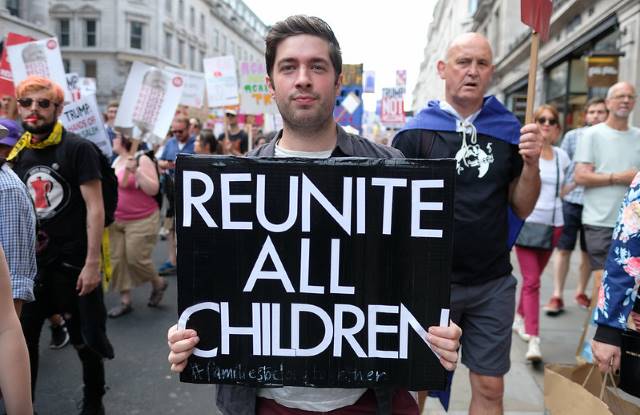
The GiveLight Foundation

GiveLight Foundation is a nonprofit organization that provides orphans with stability so that they can rise out of the cycle of poverty. Its mission is to build quality homes for these children and support them in receiving proper education that will serve them long-term. It emphasizes raising children in a loving and supportive environment and providing a sense of belonging.

“GiveLight Foundation is one big home for all orphans,” described Fatima Jaber, the founder of the GiveLight Baltimore Chapter, in an interview with The Borgen Project.

The same disaster that destroyed Nur’s family, hit and devastated the hometown of Dian Alyan, in Aceh, Indonesia. The tsunami killed a quarter of a million people overall, leaving many orphans. Alyan decided to build an orphanage called Noordeen Orphanage. A year later, with the help of friends, family and generous donors, the orphanage was housing 50 orphans. Through that, the GiveLight Foundation was founded.

It now has orphanages in many countries including Pakistan, Bangladesh, Indonesia, Morocco, Sri Lanka and Cambodia, providing a loving home for around 1000 children.

The Baltimore Chapter

GiveLight provides opportunities for people to start “chapters” in their own city. The chapters focus on raising funds and sponsoring the orphans of GiveLight. Most of these chapters are located within the United States in cities like Chicago, Southern California, Seattle, Baltimore, New Jersey and Orlando. GiveLight is also beginning to focus on opening chapters internationally. Currently, there is one in South Africa, Paris and Toronto and there are efforts to open chapters in Istanbul, Sydney, Brussels and Dubai, UAE.

Jaber, the founder of the Baltimore Chapter, talked about how she opened up the chapter in Baltimore around three years ago. “I heard Dian Alyan’s story when I lived in California in 2012 and knew I wanted to be involved. After moving to Baltimore and meeting supportive friends and a generous community, I thought it would be great to start a chapter here.”

Raising Funds for Orphanages

The Baltimore Chapter raises funds by hosting galas, game nights, scavenger hunts and walkathons. Soubia Balkhi, one of the other members of the Baltimore Chapter, told The Borgen Project in an interview that the last two galas had been very successful, with the team raising more than $10,000.

Because the cause is so broad, beforehand the team decides which GiveLight project the funds will contribute to. They typically like to focus on where the need is the most for that year. “For example, this year Bangladesh needs it the most and so the money from this year’s fundraiser will go to building an orphanage in Bangladesh,” said Balkhi.

The funds are then sent to the headquarters which has on-site representatives distribute the money specifically where it is needed.

Despite the limits due to COVID-19, the Baltimore Chapter continues to raise funds. Jaber discussed its latest event, taking place next month. “I’m excited to announce our next virtual scavenger hunt event! It is a fun and interactive social event where families can join, create teams and still follow all COVID-19 protocols.”

Empowering Orphans Alleviates Poverty

GiveLight is not a typical orphanage that solely provides children with a place to stay. It ensures that the orphans under its care are given a home and a proper life. The strategy that GiveLight uses allows the orphans to become self-sufficient through education, enabling them to be independent and to be able to give back. This is especially important considering that education is proven to positively contribute to reducing poverty.

Alfin Nur was not the only orphan who was able to graduate due to the opportunities that GiveLight provided for him. Rahmat Mico is now on his way to become a scientist and  Nursawami is a working mother who continuously gives back to GiveLight.

With more time, orphanages, chapters and supporters, GiveLight will be able to broaden its support in the qualitative manner that it has been doing since the very beginning.

– Maryam Tori
Photo: Flickr

February 18, 2021
https://borgenproject.org/wp-content/uploads/borgen-project-logo.svg 0 0 Jennifer Philipp https://borgenproject.org/wp-content/uploads/borgen-project-logo.svg Jennifer Philipp2021-02-18 01:31:582024-05-30 07:56:24GiveLight Foundation: Empowering Orphans Globally
Children, Global Poverty, Refugees

3 Key Facts on Child Refugees in Mexico

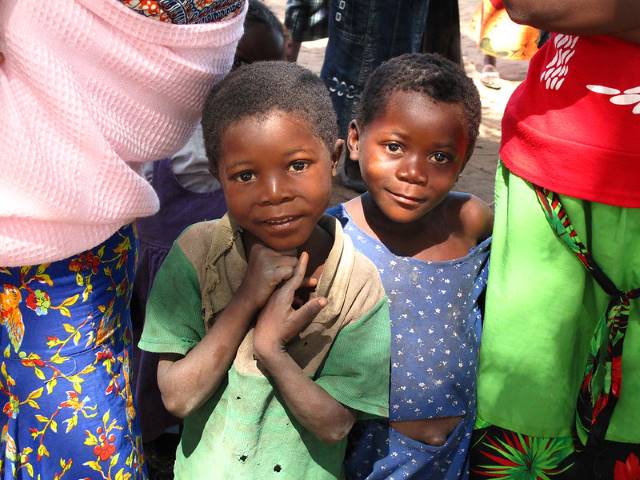
Child Refugees in MexicoIn recent years, Mexico has become an increasingly significant place of asylum. More than 70,000 refugees have submitted asylum applications in 2019, and despite an initial drop in applications in 2020 due to the pandemic, COVID-19 claims for asylum in December 2020 hit a record high. The well-being of child refugees in Mexico is of particular concern.
Child Refugees in Mexico

People are arriving in Mexico from El Salvador, Guatemala, Honduras, Nicaragua and Venezuela in search of safety, local integration, Mexican residency and a pathway to U.S. citizenship. In 2020, one in five refugees were children. With such alarming demographics, it has been essential for Mexico to address its overwhelming influx of asylum-seekers and find solutions to protect those vulnerable, especially children.

COVID-19 has heightened poverty among child migrants. Child refugees in Mexico are escaping forced recruitment, gang violence and crime that is a daily reality in their Central American countries. This has resulted in displacement, food scarcity and poverty. Since the COVID-19 pandemic, levels of insecurity amongst these children have only increased, with about 5,000 children (60% unaccompanied) returning to El Salvador, Guatemala, Honduras and Mexico.

COVID-19 has devastated children and families as extended lockdowns, school closures, stalled essential economic activities, neglected migrant reparations and rising violence has escalated vulnerability. Children seeking asylum are most affected by the virus due to the lack of access to safe water, sanitation and other essential services. Restricted access to international protection and regular migration pathways are other obstacles they are facing as they search for safety.

UNICEF has responded with efforts guided by the Core Commitments for Children in Humanitarian Action that focus on providing 2.3 million children and their families, including children affected by human mobility,  protection from the exposure of COVID-19.

Trump Policy Endangers Child Refugees

Since the Trump administration’s 2019 Remain-in-Mexico program, 70,000 non-Mexican refugees have been waiting in asylum camps for their U.S. court hearings in northern Mexico. Within this group, 700 children have crossed the U.S. border alone as their parents wanted them to escape the terrible camp conditions and show themselves to U.S. border officials since unaccompanied minors cannot be returned to Mexico under U.S. policy and law.

CBS News reported that the Office of Refugee Resettlement has been able to house all children who had left their parents in Mexico and 643 of them have been released to family members in the U.S. Although this is good news, the Justice Action Center has filed a lawsuit against the Trump administration for its plan to deport children with circumstances like these, threatening their safety if they go back to their home country. The NGO, Human Rights First, has complied more than 1,300 reports of murder, rape, kidnapping, torture and assault against migrants returned by the U.S.

Mexico Enlists Reforms to Protect Child Refugees

As of November 2020, Mexico has approved reforms that apply to children in all migration contexts, accompanied or not. The reform will put an end to immigration detention centers for boys and girls and instead will be referred to alternative accommodation. It will also allow international protection and eligibility for temporary humanitarian visas to prevent deportation or return until the migrant child’s best interest can be resolved.

The U.N. Refugee Agency (UNHCR) is collaborating with associated government agencies, U.N. sister agencies and civil society organizations to certify that referral procedures and appropriate shelter capacity are arranged.

Mexico’s Solidarity Plants Seeds for Progress

For a country that has been overwhelmed by the influx of migrants desperately seeking asylum, Mexico has responded with compassion and an assertion to reform its immigration policy. This combined with other humanitarian efforts will provide monumental aid and help eradicate the suffering of child refugees in Mexico.

– Alyssa McGrail
Photo: Flickr

February 18, 2021
https://borgenproject.org/wp-content/uploads/borgen-project-logo.svg 0 0 Yuki https://borgenproject.org/wp-content/uploads/borgen-project-logo.svg Yuki2021-02-18 01:30:522021-02-16 03:47:303 Key Facts on Child Refugees in Mexico
Children, Developing Countries, Education, Global Poverty, Health

The Remarkable People of Zambia

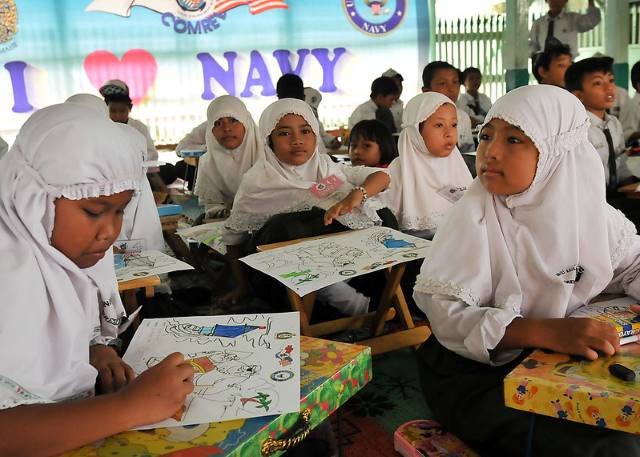
People of ZambiaOften when we think of the sub-Saharan region of Africa, we associate it solely with the conflict and tragedy that has burdened it for the majority of recent history. According to research done in 2019, there were 15 countries from the region involved in armed conflict. In the middle of this, however, lies the country of Zambia, which, contrary to some of its neighboring countries, has managed a peaceful transfer of power to self-rule, and more impressively, has implemented changes to become a democratic republic. Zambia has shown the very best of what united people can accomplish, regardless of the odds. And what is a country if not the very people who comprise it? As such, it is no surprise that a look into Zambian society reveals time and again the stories of unsung heroes who demonstrate unwavering altruism to their people and country.
Silumesii Maboshe – Co-founder of Bongohive

In 2011, Maboshe and his partners founded Bongohive with the objective to elevate the Zambian tech sphere to the next level. The organization functions as an incubator for tech startups throughout Africa but Maboshe has kept his focus on leveraging Bongohive’s operations to advocate and develop the ideas that serve to benefit Zambia in a capacity that goes beyond just the economic. “If I have one professional goal, it is the answer to this question. How can software and innovation change Zambia for the better?” Many of the 1300+ tech products that Bongohive has helped develop function to this end, one example being an app that allows constituents to comment on proposed changes in legislation. Beyond the development of products, the organization serves also as an open platform for techies seeking general advice and hosts dozens of events annually that pertain to technology and business within Zambian society. Maboshe understands that if Zambia is to realize a brighter future it must include a thriving tech culture. The invaluable role Bongohive is playing to that end cannot be overstated.

Christopher Malambo – Sanitation Activist

It is an issue that most are too uncomfortable to actively advocate for, but the fact is that approximately 90% of child deaths are attributed to poor sanitation and the spread of disease that is a result thereof. Additionally, the World Bank reports an annual monetary loss to the African continent of $5.5 billion as a result of poor sanitation. Malambo’s efforts directly combat these staggering statistics. The focus of his activism is toward the decreasing but still prevalent number of communities in Zambia that still practice open defecation. His first objective when entering a new village is education because many of the typical residents lack even a basic understanding of the importance of good sanitation and the adverse effects of a lack thereof. After demonstrating the danger inherent in open defecation, he then organizes and assists in the digging of latrines. Malambo’s unwavering selflessness and commitment to service in the name of saving lives represents the very best of what makes the people of Zambia truly remarkable.

Dorothy Phiri – Founder of Mercy Ministries

In 1996, Phiri founded Mercy Ministries in response to a higher calling. Today the organization works to provide education through the Chifundo Community School, which was the first project started by the Phiri’s. The organization especially focuses on orphans, disabled children and other vulnerable children who are unable to have their needs met by government-funded schooling. Additionally, Phiri provides a means for children of financially struggling families to attend school. Though Zambia does provide free schooling to all its residents, many families still struggle to fund basic schooling needs such as books and uniforms. In a region where the demands of maintaining a livelihood are prioritized over education, Phiri’s commitment to the people of Zambia aims to change the status quo.

These individuals and their stories are but a microcosm of the exceptionalism that defines the people of Zambia. With the efforts of Zambia’s exceptional people, the narrative of the entire region can begin to change for the better.

– Christian Montemayor
Photo: Flickr

February 17, 2021
https://borgenproject.org/wp-content/uploads/borgen-project-logo.svg 0 0 Jennifer Philipp https://borgenproject.org/wp-content/uploads/borgen-project-logo.svg Jennifer Philipp2021-02-17 07:31:002021-02-16 02:34:05The Remarkable People of Zambia
Children, Education, Global Poverty

Challenges for Education in Indonesia

education in Indonesia


The Republic of Indonesia, the Dutch East Indies until its independence in 1949, is a Southeast Asian archipelago (17,500 islands, 60% of which are inhabited, with over 40% of the population living in rural areas). Southeast Asia’s largest and most populous country, Indonesia, is the fourth most populous country in the world (281.19 million in 2023), with a population extremely diverse in terms of ethnic groups (300), languages (600+) and religions. 

Right to Education

Indonesia’s emphasis on education dates to independence and by the early 21st century, the great majority of Indonesians were literate. The country’s national education system mandates compulsory education for the first six years of primary education and the first of two three-year blocks of secondary education. Tertiary education comprises dozens of public institutions and thousands of private schools. Primary schools are primarily public (93%), but private schools comprise more than half (56%) of junior secondary schools and two-thirds (67%) of senior secondary schools.

Article 3 of Indonesia’s constitution declares the right to education for citizens, as well as the government’s obligation to fund a national system of education at a minimum of 20% of the state and the regional budgets. 

Current Status of Education

The World Bank in 2014 reported on the enormity of the Indonesian school system—a quarter of a million schools, 2.6 million teachers, 50 million students—the fourth largest education system in the world, behind the United States, India and China. 

By the 2022-2023 academic year, there were 400,000 schools in Indonesia, the majority being primary schools. In 2022, total government spending on education as a share of GDP was 0.9%, and in 2023, it was less than 0.1% on primary education, placing Indonesia in the lowest few of all countries ranked. 

Nevertheless, some recent key indicators are strong: literacy rate, 96% (2020); primary school completion rate, 101.92% (2023); secondary school enrollment, 97.17% (2023); tertiary school enrollment, 45.14% (2023). Still, the average years of formal education for individuals aged 15-64 was only 9.1 years in 2020, putting it at 88 out of 153 countries ranked. 

Education Challenges . . . and Controversy

Sustainable Development Progress. The U.N.’s Sustainable Development Report classifies Indonesia’s progress on SDG 4, Quality Education, as “challenges remain.” Participation rate in pre-primary organized learning needs to increase, although trends are on track for maintaining SDG achievement for net primary enrollment rate, lower secondary completion rate and literacy rate. 

Quantity versus Quality. After independence, there was a surge in school construction, followed by a shift toward educational decentralization. Decentralization has advantages, but led to uneven capacity over the country’s 500 districts, with excellence in urban areas as compared to the remote districts. One observer has suggested a multi-pronged approach to refocus funding, professionalize teaching, update and modernize assessments. 

Education versus Free Meals. In February 2026, the Indonesian government moved nearly a third of the education budget to the Free Nutritious Meals program, affecting the pay of civil servants and honorary (temporary) teachers. Critics noted that those funds had been targeted for education and should be used for student scholarships and salaries of both contract and honorary teachers, already subject to late and low salary payments. 

In March, a coalition of teachers and civil society groups, along with the Save Indonesian Education Coalition, filed a judicial review of the allocation (over $19 billion) to the free meals program taken from the education budget. It was estimated that this would reduce the allocation to the education sector by two-thirds, with student scholarships to receive only a little over $3 billion and teachers receiving $5.5 billion. The evidence from global programs is clear, it is argued: school feeding improves attendance and can boost nutrition, but it is not a substitute for foundational teaching, teacher training and curricular clarity. 

Meeting the Challenges?

RISE, the Research on Improving Systems of Education Programme, a “global research endeavor” determined that Indonesian students were not gaining basic, foundational skills—over 60% of high school graduates with third grade or lower mathematics competence. This was due in part to half of its teachers being unable to pass a teaching competence test. The RISE country research team worked to address these issues by engaging the communities and providing incentives for instructional time and accountability, 2019-2023. 

The Republic of Indonesia will celebrate 100 years of independence in 2045, and Indonesia’s Golden Vision 2045, published in 2020, set out the country’s aims for the next few decades. The Golden Vision acknowledged the country’s low learning outcomes compared to peers and called for “deliberate actions” to address this. Actions include increasing funding overall, increasing access to early childhood education, improving secondary education attendance and increasing accountability and service delivery of teachers.

One specific target of the Golden Vision is the development of digital talent so that the work force keeps pace with evolving technology and the growing demand for digital skills, which is now a focus of education and training programs. Indonesia’s commitment to the Golden Vision over the next two decades may determine its success in meeting the current educational challenges.

– Staff Reports 
Photo: Flickr

February 17, 2021
https://borgenproject.org/wp-content/uploads/borgen-project-logo.svg 0 0 Kim Thelwell https://borgenproject.org/wp-content/uploads/borgen-project-logo.svg Kim Thelwell2021-02-17 02:18:052026-03-16 10:58:16Challenges for Education in Indonesia
Children, COVID-19, Developing Countries, Education, Global Poverty

Continued Education for Vulnerable Children in Kenya

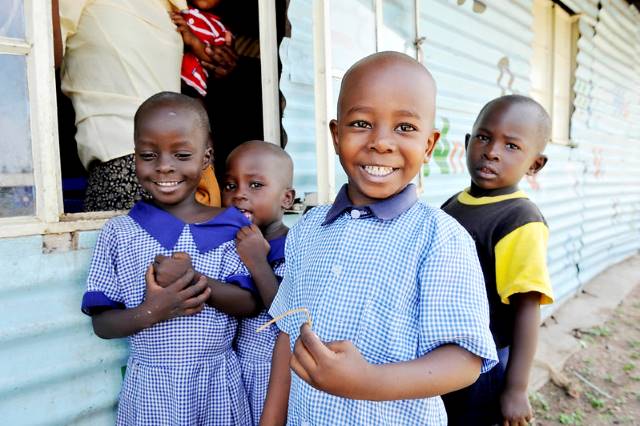
Vulnerable Children in KenyaOrganizations like UNICEF and ACAKORO have been providing educational resources to Kenyan students despite the immense difficulties in the country due to COVID-19 and 2020’s locust invasion. On March 15, 2020, the Kenyan Government forced schools to shut down due to COVID-19. Due to school closures, millions of students risk losing out on education during the pandemic. Organizations stepped in to provide resources, remote learning services and sanitation facilities to vulnerable children in Kenya.
Education in Kenya

Over the past decade, poverty in Kenya has improved due to the country meeting many of its Millennium Development Goals. The Millennium Development Goals are goals created by the United Nations to help underdeveloped nations improve and one of these goals is to achieve universal primary education. A key issue that Kenya needs to address is education disparities. According to a UNICEF study conducted in 2014, low educational attainment of the household head and living in rural areas is the highest indicator that predicts child poverty.

Impoverished children struggle to gain an education. More than 1.2 million primary-school-age children do not attend school. Even more vulnerable children like orphans have increased susceptibility to experiencing education disparities.

Employment in Kenya

Young people in search of employment experience difficulties finding a job that lifts them out of poverty. Only 1% of Kenyan youth have a university education and many young people are entering a job market with few hirable skills. A whole 40% of the youth in Kenya either did not go to school or failed to complete primary education and the largest percentage of people unemployed in Kenya is represented by those aged between 15 and 24. Higher education in Kenya is expensive and not accessible to disadvantaged children.

UNICEF Provides Aid

Nationwide access to quality education is key in reducing poverty and investing in the futures of vulnerable children in Kenya. UNICEF alleviated education burdens during the COVID-19 crisis by providing remote learning to students and giving solar-powered radios and textbooks to vulnerable families. Through UNICEF’s solar-powered radios, 40,000 vulnerable children were reached with educational resources that are necessary for remote learning. On December 23, 2020, UNICEF provided 700,000 masks to be distributed in time for schools to reopen on January 4, 2021. Improved access to sanitation is an ongoing issue, and due to the pandemic, the need for sanitation is of crucial importance. UNICEF foresaw the issue and provided handwashing facilities to hundred of schools.

ACAKORO

ACAKORO is a community-based organization, supported by UNICEF, that uses football as a tool for development. ACAKORO works with the community of the Korogocho slum and has been tutoring vulnerable children during COVID-19 so that they can continue their learning. UNICEF is also supporting the government and the Kenya Institute of Curriculum Development (KICD) with remote learning and getting schools ready to reopen safely.

The Kenya Jua Kali Voucher Programme

The Kenya Jua Kali Voucher Programme, implemented between 1997 and 2001, was a revolutionary comprehensive policy designed to provide vulnerable youth with vouchers to pay for training courses. A similar modern-day strategy can be put in place in order to address the lack of access to essential education in Kenya. Providing equal access to education for all children in Kenya is essential to lift people out of poverty.

Organizations such as UNICEF and ACAKORO are addressing education-related disparities amid the pandemic, thereby addressing overall poverty in the nation.

– Hannah Brock
Photo: Flickr

February 17, 2021
https://borgenproject.org/wp-content/uploads/borgen-project-logo.svg 0 0 Kim Thelwell https://borgenproject.org/wp-content/uploads/borgen-project-logo.svg Kim Thelwell2021-02-17 01:30:452024-05-30 07:56:41Continued Education for Vulnerable Children in Kenya
Children, Developing Countries, Global Poverty, Women, Women's Empowerment

Little Light Uganda: Empowering Ugandan Women

Little Light UgandaLittle Light Uganda is a nonprofit organization located in Namuwongo Slum, which is in Uganda’s capital, Kampala. Since its establishment in 2007, Little Light’s mission has been to provide aid to those in the community who are living in poverty.
Little Light Helps Uganda

Uganda’s economy has had a reduction in growth because of the COVID-19 pandemic, a locust invasion and heavy rains that led to flooding. With subsequent job loss along with the economic decline, programs like Little Light Uganda are essential for giving help to those in need. Little Light’s services include “giving access to proper education, economic empowerment and psycho-social support.”

Little Light Uganda has two groups in the organization, its youth group and its women’s group. The youth group, officially known as Spoon Youth, aims to provide the young people in Namuwongo a safe and reliable environment. The group also educates children on how to navigate life living in poverty, including matters of crime and violence. Children and youth make up more than 70% of Namuwongo’s population, half of them without parents, which is why Little Light works to provide them sanctuary and resources.

Women’s Empowerment Group

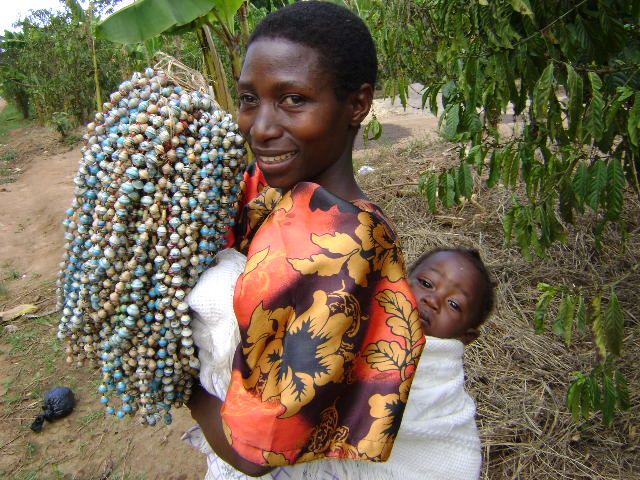
The mothers of children in the youth group are invited into Little Light’s women’s empowerment group, called “Umoja,” which is Swahili for “Unity.” The group’s mission is to give women living in the Namuwongo slum tools to better their economic and social situation. Members of the women’s group meet every afternoon at the organization to make authentic African jewelry from recycled newspapers and hand-rolled beads. The jewelry is marketed in Uganda and abroad to provide an income and livelihood for women.

Mama Pendo Jewelry

The name the group has coined for the jewelry brand is Mama Pendo, which translated from Kiswahili means “The Mother of Love.” The initiative aims to improve the quality of life for refugees and single mothers trying to provide their children with an education.

Little Light Uganda volunteers have worked with the women to support their hard work and create a website for their jewelry to be sold. The proceeds from sold jewelry go toward projects the women feel passionate about, all of which intend to benefit the conditions for struggling women and other vulnerable individuals.

Combating Malaria and COVID-19

One of the group’s projects is dedicated to fighting malaria in Uganda, which is one of the main causes of death in the country. According to the American Journal of Tropical Medicine & Hygiene, between 70,000 to 100,000 children in Uganda die from the disease every year. The group uses money earned from sold bracelets to buy an organic mosquito-repellent soap, which is given to disadvantaged families that live in places that are more vulnerable to malaria.

The women have also created an initiative to combat COVID-19. Since hygiene is an essential tool for preventing the spread of the virus, the group has pledged one bar of soap for a family in Namuwango living in poverty for every website purchase.

Women’s Empowerment for Poverty Reduction in Uganda

Little Light Uganda does a lot for its community with initiatives like the Mama Pendo project. Not only is the organization helping those in need but it is also empowering women living in poverty. Women with more resources and liberation are more likely to pursue their own education and prioritize the health, nutritional and educational needs of their children.

– Celia Brocker
Photo: Flickr

February 12, 2021
https://borgenproject.org/wp-content/uploads/borgen-project-logo.svg 0 0 Kim Thelwell https://borgenproject.org/wp-content/uploads/borgen-project-logo.svg Kim Thelwell2021-02-12 06:17:422021-02-12 06:17:42Little Light Uganda: Empowering Ugandan Women
Children, Developing Countries, Education, Global Poverty, Poverty Eradication, USAID

USAID Helps Youth Development in the Philippines 

Youth Development in the PhilippinesThe Philippines has an opportunity for rapid economic growth and the potential to greatly innovate industry across the country. This opportunity comes from the number of young people in the country. Young people account for 50% of the entire population of the nation, leaving it with immense potential for economic growth as these young people begin to enter the workforce. Youth development in the Philippines is crucial for the country’s transformation into a resilient nation.
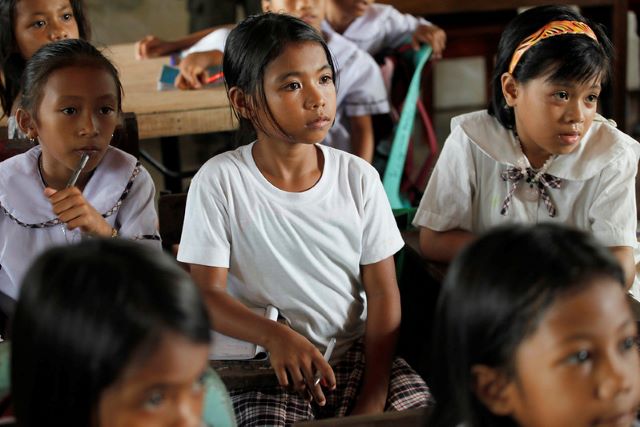
The Education Problem

Unfortunately for the Philippines, an alarming portion of these young people are currently not in any form of education or employment. One-fifth of all youth in the Philippines are either jobless or not attending school or employment training.

Even before the COVID-19 pandemic, the Philippines was facing an education crisis. The country placed last in reading comprehension and second to last in both science and mathematics in an international student assessment.

USAID: Youth Development in the Philippines

USAID has committed to help improve and promote public education and other forms of education in the Philippines. Starting in 2018, USAID began a five-year effort to create a series of programs aimed at uplifting economically disenfranchised Filipino youth who are at the most risk of poverty.

One program, in particular, YouthWorks PH is a five-year partnership between USAID and the Philippine Business for Education that engages the private sector to address the education needs of youth as well as the skill requirements of employers. This partnership will improve access to training and employment opportunities for at least 40,000 youth through an innovative work-based training approach. Young people are able to earn a competency certificate from a university or training institute while working in partner companies.

More than 5,000 young Filipinos will have access to free technical and vocational training as a result of this initiative partnering with Aboitiz Construction and D.M. Consunji, Inc. (DMCI), two of the biggest construction companies in the country.

This type of on-site vocational training will help prepare youth for well-paid employment opportunities and will create more skilled workers in the Philippines.

There are also other programs created by USAID specifically to increase the quality and accessibility of education in the Philippines. All Children Reading (ACR), is a program to increase the reading skills of Filipino children. ABC+ aims to address the interconnected factors that contribute to low education outcomes in the poorest performing areas of the Philippines.

Youth Development Potential

Young Filipino people could potentially bring about massive economic growth in the country. In order to fully capitalize on this opportunity, resources and development opportunities must be provided to the youth so that they can fully integrate into the workforce as skilled workers. For this reason, the youth development work of USAID is integral. Not only will it lift thousands of poor Filipino youth out of poverty but it will help create a stronger economy for the Philippines.

– Christopher McLean
Photo: Flickr

February 12, 2021
https://borgenproject.org/wp-content/uploads/borgen-project-logo.svg 0 0 Kim Thelwell https://borgenproject.org/wp-content/uploads/borgen-project-logo.svg Kim Thelwell2021-02-12 05:33:352021-02-12 05:33:35USAID Helps Youth Development in the Philippines 
Child Soldiers, Global Poverty, Human Trafficking, Women and Children

Human Trafficking in Afghanistan 

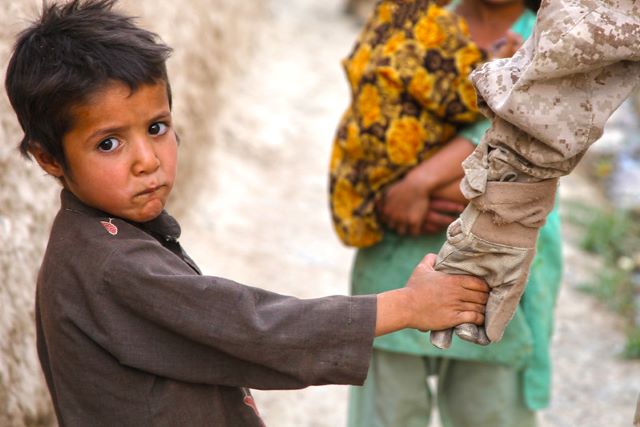
Human Trafficking in Afghanistan Afghanistan currently faces a large-scale human trafficking crisis that is rooted in centuries of abuse. Children and women are sold or kidnapped and forced into sexual slavery or armed forces. With the Afghani Government failing to properly protect victims and prosecute perpetrators, the U.S. Department of State and a network of NGOs are working to alleviate the problem.

The Systemic Issues

One of the major issues contributing to the human trafficking crisis within Afghanistan is the continued practice of bacha bazi, or “dancing boys”, in which sexual abuse against children is performed by adult men. Although technically illegal, the centuries-old custom has been proven hard to get rid of, with many government and security officials being complicit with its continuation.

The U.S. Department of State has declared Afghanistan Tier 3, the highest threat level, meaning that it does not meet the minimum requirements for combatting human trafficking and is not making a significant effort to do so.

This has a significant impact on Afghanistan because according to the Trafficking Victims Protection Act, the United States will not provide nonhumanitarian, nontrade-related foreign assistance to a country that is ranked on Tier 3. According to the June 2020 Trafficking in Persons Report, the use of child soldiers and bacha bazi has continued. Although there have been investigations and arrests made in an attempt to end bacha bazi, no police officers involved were prosecuted.

Addressing Human Trafficking in Afghanistan

The Afghani Government has shown efforts to end human trafficking within its borders. In 2019, it joined the United Nations Office on Drugs and Crime (UNODC) on a global initiative to stop human trafficking. This initiative aims to allocate resources to countries in the Middle East and Asia that need assistance in the battle against human trafficking.

USAID reported that in 2019,  Afghanistan increased the number of Child Protection Units within national police precincts, preventing the recruitment of 357 child soldiers. Furthermore, the National Child Protection Committee (NCPC) was created to respond to the practice of bacha bazi.

USAID has worked to assist the Afghani by training government officials to prosecute human traffickers and abusers as well as giving assistance to shelter workers that give legal and social resources to victims. It assisted in the creation of the Afghanistan Network in Combating Trafficking in Persons (ANCTIP), a network of Afghan NGOs that work with victims of human trafficking.

NGOs within the country have provided most of the assistance to victims of human trafficking. Approximately 27 women’s shelters in 20 provinces provided protection and care for female victims of trafficking. NGOs also operated two shelters for male victims under the age of 18.

Eradicating Human Trafficking

In order for Afghanistan to efficiently combat its human trafficking crisis and move to a lower tier level, Afghanistan needs to increase criminal investigations and prosecutions of suspected traffickers, especially in law enforcement and the military. Furthermore, traffickers must be convicted and adequately sentenced. This can be done by increasing the influence and powers of the NCPC and allowing the committee to remove public servants found practicing bacha bazi. Additional support from the country’s government must also be given to survivors of human trafficking. Only by rooting out the systemic abuse within the top institutions of the country can Afghanistan effectively address its human trafficking crisis.

– Christopher McLean
Photo: Flickr

February 12, 2021
https://borgenproject.org/wp-content/uploads/borgen-project-logo.svg 0 0 Lynsey Alexander https://borgenproject.org/wp-content/uploads/borgen-project-logo.svg Lynsey Alexander2021-02-12 04:53:062024-05-30 07:56:05Human Trafficking in Afghanistan 
Children, Developing Countries, Global Poverty, Health, Humanitarian Aid

Improvements to Healthcare in Mozambique

Healthcare in MozambiqueThe state of healthcare in Mozambique has drastically changed in the last few decades. While Mozambique was once a country with little access to healthcare services, the country has decreased mortality rates since the launch of its Health Sector Recovery Program after the Mozambican civil war, with assistance from the World Bank.

History of Mozambique

The Mozambican civil war that took place from 1977-1992 had lasting effects on the country’s healthcare system and economy, resulting in limited funding for health services and insufficient access to care providers.

The Health Sector Recovery Program was launched in 1996 in order to refocus on funding healthcare in Mozambique, which desperately needed expanded resources to address the growing health crises. New health facilities were constructed throughout the country increasing accessibility to healthcare. The number of health facilities in Mozambique from the start of the civil war to 2012 quadrupled from 362 to 1,432 and the number of healthcare workers increased along with it.

Improvements to Healthcare and Accessibility

About 30 years ago, Mozambique had one of the highest mortality rates for children under 5 but was able to significantly reduce this number after the success of the Health Sector Policy Program. In 1990, this rate was 243.1 mortalities per 1,000 children. The rate has been reduced to 74.2 mortalities as of 2019. Maternal health was also targeted by the program, with increased health facility births from 2003 to 2011.

Conflict in Cabo Delgado

Despite these improvements to healthcare in Mozambique, Cabo Delgado, a northeastern province, is facing one of the worst healthcare crises in the country since violence struck the area in October 2017. Conflict between non-state armed forces clashing with security forces and other armed groups has caused more than 200,000 people in the area to become internally displaced. Coupled with the aftermath of Hurricane Kenneth, one of the strongest hurricanes to hit Africa, the area is facing severe food shortages and lack of shelter for people.

Cabo Delgado has also seen a rise in COVID-19 cases and other diseases such as cholera, diarrhea and measles, resulting from inadequate clean water and sanitation.

Intervention by UNICEF

On December 22, 2020, UNICEF shared a press release on the increased need for healthcare in Cabo Delgado. As the rainy season begins, there is an increased risk for deadly disease outbreaks. It appealed for $52.8 million in humanitarian assistance for 2021 projects aimed at aiding Mozambique.

UNICEF is expanding its water and sanitation response in order to prevent the outbreak of water-borne diseases like cholera and the further spread of COVID-19.

UNICEF also aims to give crucial vaccines to children in Mozambique, increasing its numbers from 2020. The 2021 targets include vaccinating more than 67,000 children against polio and more than 400,000 measles vaccinations. Children will also be treated for nutritional deficiencies from food insecurity and UNICEF plans to screen more than 380,000 children under 5 for malnourishment and enroll them in nutritional treatment programs.

Mental health support services will be provided to more than 37,000 children and caregivers in need, especially those experiencing displacement from armed conflict and those affected by COVID-19.

The Future of Healthcare in Mozambique

While healthcare in Mozambique has significantly improved in the last few decades, a lack of health services still affects the country’s most vulnerable populations. Aid from international organizations like UNICEF aims to tackle these issues to improve healthcare in Mozambique.

– June Noyes
Photo: Flickr

February 11, 2021
https://borgenproject.org/wp-content/uploads/borgen-project-logo.svg 0 0 Kim Thelwell https://borgenproject.org/wp-content/uploads/borgen-project-logo.svg Kim Thelwell2021-02-11 01:30:552024-05-30 07:56:21Improvements to Healthcare in Mozambique
Child Poverty, Children, Developing Countries, Education, Global Poverty, Poverty Eradication

5 NGOs Improving Education in Cambodia

Improving education in CambodiaCambodia has come a long way in eliminating poverty. From 2007 to 2014, Cambodia’s poverty rate decreased by about 30% and it is now a middle-income country. However, one pressing issue that continues to trouble the country is access to education, particularly for those living in extreme poverty and rural areas. The good news is that several organizations are improving education in Cambodia by increasing access and tackling obstacles head-on.

Cambodian Children’s Fund

The Cambodian Children’s Fund (CCF) works in Phnom Penh, Cambodia’s Stung Meanchey district. Though the organization’s focus is on improving education in Cambodia, CCF starts by providing basic needs to the families living in the highly impoverished area that was once a dumping ground. This meant building suitable shelters and homes for families living in makeshift tents.

Once CCF helped provide essentials, the focus turned toward providing stable education for children, while their parents scavenged the junkyard to earn whatever income they could. Children that started in extreme poverty were now attending primary school through high school due to CCF. In 15 years, CCF provided education for more than 3000 children, and of those that started early in the program, nearly 70% were attending college.

Pour un Sourire d’Enfant (PSE)

French expatriates Christian and Marie-France des Pallières, created PSE when the couple traveled to Cambodia and noticed the number of children experiencing extreme poverty. The couple spent two decades advocating for children living in poverty in Cambodia, commuting between there and Europe.

Initially starting in Phnom Penh, PSE now has more than 6000 students benefitting from the organization’s projects throughout Cambodia, including more rural areas near Siem Reap and Sihanoukville. PSE provides everything from food to healthcare and enrolls children in state or corrective schools depending on their needs. Cambodia’s Ministry of Education has noticed success in PSE’s remedial schools. The PSE approach, now utilized by the government, will be improving education in Cambodia for 6000 children per annum.

Khmer NGO for Education (KHEN)

In 2014, KHEN changed direction from being a health education organization to highlight children’s rights. Now, KHEN is a large-scale NGO focused on improving education in Cambodia’s rural Battambang province for traditionally unprotected children, including those with disabilities, girls, minorities and children living in extreme poverty.

KHEN operates in more than 100 schools, most of which were built by the group, and serves more than 10,000 children. It has a long-term focus on education while also protecting children from human trafficking and poor health. Facing the COVID-19 pandemic, KHEN acted swiftly to modify its schools to be open-air and socially distanced, with sanitation stations. Teachers and volunteers received education on preventing the spread of COVID-19 and home-learning tactics changed as well.

Cambodian Community Dream Organization

The Cambodian Community Dream Organization (CCDO) was founded by U.S citizen, Jenni Lipa, who exclusively worked on building water wells in the rural areas around Siem Reap. Now, CCDO improves lives by providing sanitary services, health programs and extensive education systems. CCDO keeps costs low by using local and international volunteers and local paid staff.

There are three schools CCDO operates in, centered on English learning. CCDO offers a schooling experience like most developed countries, with physical education, libraries, playgrounds, arts and crafts and computer workshops. Children enrolled in the programs are particularly fond of the library. CCDO also provides early childhood education programs and gives students who excel in their classes opportunities for high school and university scholarships.

People Improvement Organization

Since 2002, the People Improvement Organization (PIO) has operated in poverty-stricken areas of Phnom Penh. Phymean Noun, a native Cambodian, believed the children scrounging through junk piles to make a living deserved a chance to achieve their dreams. The decision she made was to improve education in Cambodia in order to end child poverty.

PIO believes in providing high-quality education to all children in need. All students attend PIO schools voluntarily, but PIO provides clothes, food, clean water, full social care and health services. Many children who scavenged through junkyards to survive have been pulled out of poverty and are now attending PIO high schools and even university.

NGOs have helped reduce child poverty in Cambodia through better access and improvements in education. The low costs in Cambodia allow new organizations to form rapidly and successfully. Through similar philanthropic efforts toward improving education in Cambodia, child poverty can be successfully combated.

– Zachary Kunze
Photo: Flickr

February 10, 2021
https://borgenproject.org/wp-content/uploads/borgen-project-logo.svg 0 0 Kim Thelwell https://borgenproject.org/wp-content/uploads/borgen-project-logo.svg Kim Thelwell2021-02-10 07:30:502021-02-08 06:54:505 NGOs Improving Education in Cambodia
Page 52 of 137«‹5051525354›»

Get Smarter

  • Global Poverty 101
  • Global Poverty… The Good News
  • Global Poverty & U.S. Jobs
  • Global Poverty and National Security
  • Innovative Solutions to Poverty
  • Global Poverty & Aid FAQ’s
Search Search

Take Action

  • Call Congress
  • Email Congress
  • Donate
  • 30 Ways to Help
  • Volunteer Ops
  • Internships
  • Courses & Certificates
  • The Podcast
Borgen Project

“The Borgen Project is an incredible nonprofit organization that is addressing poverty and hunger and working towards ending them.”

-The Huffington Post

Inside The Borgen Project

  • Contact
  • About
  • Financials
  • President
  • Board of Directors
  • Board of Advisors

International Links

  • UK Email Parliament
  • UK Donate
  • Canada Email Parliament

Get Smarter

  • Global Poverty 101
  • Global Poverty… The Good News
  • Global Poverty & U.S. Jobs
  • Global Poverty and National Security
  • Innovative Solutions to Poverty
  • Global Poverty & Aid FAQ’s

Ways to Help

  • Call Congress
  • Email Congress
  • Donate
  • 30 Ways to Help
  • Volunteer Ops
  • Internships
  • Courses & Certificates
  • The Podcast
Scroll to top Scroll to top Scroll to top