• Link to X
  • Link to Facebook
  • Link to Instagram
  • Link to TikTok
  • Link to Youtube
  • About
    • About Us
      • President
      • Board of Directors
      • Board of Advisors
      • Financials
      • Our Methodology
      • Success Tracker
      • Contact
  • Act Now
    • 30 Ways to Help
      • Email Congress
      • Call Congress
      • Volunteer
      • Courses & Certificates
      • Be a Donor
    • Internships
      • In-Office Internships
      • Remote Internships
    • Legislation
      • Politics 101
  • The Blog
  • The Podcast
  • Magazine
  • Donate
  • Click to open the search input field Click to open the search input field Search
  • Menu Menu

Archive for category: Children

Information and stories addressing children.

Child Labor, Child Poverty, Global Poverty

Addressing Child Poverty in Greece

Child poverty in Greece
Child poverty in Greece is a prominent issue. About 40% of children under the age of 17 are at risk. According to Eurostat, Greece ranks at the top of the child poverty scale. Furthermore, Greece’s poverty rate is the third-highest within the European Union. This article will explore the state of child poverty in Greece and efforts to address it.

Education

The economic crisis in Greece is one of many reasons for the rising child poverty rate. Access to education has decreased as well. As a result, many children are unable to attend school and unemployment rates have skyrocketed.

State education is free until university in Greece and education is compulsory between the ages of 6 and 15. In spite of this, approximately 11.4% of students dropped out of school in 2010. Moreover, an average of 30,000 students never enter high school. The highest high school dropout rate is in the Dodecanese islands and Rhodope.

Child Abuse

Giorgio Nikolaidis is a child psychiatrist and head of the Mental Health Department of the Institute of Child Health. He stated that inadequate child protection services were further undercut long before the economic crisis. Authorities are often aware of domestic, sexual abuse against children; however, they do not take the correct measures to protect children.

“I have seen cases where four-year-old kids were treated for sexually transmitted rectal HPV for over a year and no investigation had been undertaken to determine how they got it,” Nikolaidis said. The reality is that there is no coherent system to effectively protect victims.

The Greek constitution prohibits forced labor, but the minimum age for work is as low as 12 for people working in a family business. Thus, families often send their children to the streets to beg for money. Although Greece ratified the Worst Forms of Child Labor Convention, these activities remain unpunishable by law. Children who spend more time on the streets are also at an increased risk of child trafficking.

Together for Children

Together for Children is an NGO that provides assistance to young people and their families. The organization is comprised of nine member organizations that work in child welfare. Its mission is to provide immediate support for children, families and individuals with disabilities.

The organization established a child helpline that provides free counseling services and emotional support for children and their families. Together for Children strives to tackle child poverty in Greece and create sustainable living conditions. Additionally, the organization ensures access to free education through various programs such as a nursery school for children with cerebral palsy, a development playgroup for children with cerebral palsy and other disabilities, a special primary school for children with cerebral palsy and productive workshops for adults with cerebral palsy. Together for Children also has activities and programs to support unaccompanied minors who are refugees.

Assisting more than 30,000 children every year, Together for Children has received the Silver Medal of the Academy of Athens for its social contribution. In 2019, it also received a BRAVO Award for engaging with thousands of citizens in support of its initiative: Equal Opportunities for Children: Actions for Health and Education in Remote Areas of Greece.

Looking Forward

Organizations like Together for Children help create a better society for children to flourish. It focuses on improving the health and well-being of impoverished children, creating opportunities for quality education and supporting refugees. This organization has taken great strides in alleviating child poverty in Greece.

Poverty in Greece remains high due to the lack of education, child abuse and labor exploitation. Sexual and labor exploitation impoverishes children mentally and physically. Although the Greek financial crisis is often blamed for inadequate social services, there is much more that the country should be doing to protect children. Moving foward, it is essential that the government and other humanitarian organizations prioritize addressing child poverty in Greece.

– Marielle Marlys
Photo: Flickr

March 20, 2021
https://borgenproject.org/wp-content/uploads/borgen-project-logo.svg 0 0 Jennifer Philipp https://borgenproject.org/wp-content/uploads/borgen-project-logo.svg Jennifer Philipp2021-03-20 07:31:112024-05-30 07:56:46Addressing Child Poverty in Greece
Child Poverty, Global Poverty

The Fight Against Child Poverty in Sudan

Child Poverty in Sudan
Sudan, a country in northeast Africa, is Africa’s third-largest country by area. After years of conflict and political instability, this vast country continues to suffer from underdevelopment and poverty despite its Human Development Index increasing by 52% from 1990 to 2017. One group that suffers the effects of poverty the most is Sudan’s children. Despite making recent gains in development, child poverty is still a major concern throughout Sudan because of its various humanitarian crises. Here are some important things to know about child poverty in Sudan.

Child Poverty Overview

According to UNICEF, 36% of Sudanese live under the poverty line. When children live in poverty in Sudan, they face violence, lack of schooling and health problems. In 2018, 1 million Sudanese children encountered global acute malnutrition because of food insecurity, poor health services and unclean water supply. The financial status of families often dictates access to resources. In Sudan’s poorest families, children have 2.1 times the risk of death in comparison to children in financially stable homes. To combat malnutrition, UNICEF has partnered with local farmers and communities to cultivate peanuts. Using peanuts, UNICEF creates Ready to Use Therapeutic Food (RUTF), a peanut paste that provides sufficient nutrients for malnourished children. UNICEF and partnering communities’ procurement of RUTF is making significant advances in addressing malnutrition.

Inter-Communal Violence

Violence and conflict harm many Sudanese children. Over a single weekend in January 2021, an inter-communal conflict in Darfur, Sudan killed 83 people, including children, and forced many families into displacement. Often separated from their families, displaced children live in horrible conditions and do not have access to health services. Some Sudanese children, mainly boys, even participate in armed conflict.

Registration of Children

In Sudan, 33% of children 5 and under have not registered with civil authorities. Registering a child at birth means the child is eligible for schooling, health services and other government activities. Parents often find obtaining registration difficult because of registration fees and insufficient registration centers. Registration rates vary by state with the average rate of registration being 67%. The highest rate of registration is in the Northern state with 98.3% and the lowest rate is in Central Darfur with only 30.9% of children registered.

UNICEF works in Sudan to ensure Sudanese children have appropriate registration. In 2019, UNICEF registered over 175,000 children in states with low registration rates like East Darfur, Gedaref, North Darfur and White Nile.

Child Labor and Overwhelmed Schools

Past political instability in Sudan led to a struggling economy. Because of this, many families struggle financially causing children to leave school to support their families. The government banned child labor but often leaves the ban unenforced in the informal sector. About 25% of Sudanese children participate in child labor. Common jobs for children are trading and carpentry. In Khartoum, Sudan, children earn $1 to $1.50 per day.

 Of all Sudanese children, aged 5-13, 3 million of them do not attend school. Although Sudanese law ensures free education, headmasters at schools often charge a fee meaning families cannot afford school to send their children to school.

In addition to children leaving school due to their families’ financial concerns, poverty overwhelmed Sudan’s school system. UNICEF’s Ministry of Education reported that Sudan built its school system to hold only 60% of the children which left 40% of children without the opportunity to receive an education. The government does not have the resources to accommodate all Sudanese children. Beginning in 2015, The African Development Bank (AfDB) implemented a project in Sudan that works to improve learning conditions by enhancing teaching capacity and developing technology training. AfDB plans to complete this project by the end of 2021.

Child Protection Programme

Within the past few decades, Sudan increased its Human Development Index and transitioned to a lower-middle-income country. While Sudan accomplished major developments, child poverty in Sudan continues to be an issue. UNICEF’s Child Protection Programme (CPP) in Sudan is making strides toward relieving child poverty in Sudan. CPP began in 2018 and plans to achieve results by the end of 2021. One way UNICEF accomplishes this is by working with national and state governments in Sudan to ensure that it appropriately meets the budgetary needs for children’s health, education and social protection. The program plans to ensure all children in Sudan have protection by offering care services and social support. Thus far, CPP provided services to over 1 million children.

UNICEF’s CPP utilizes the ‘whole child’ approach. The ‘whole child’ approach acknowledges that children need protection throughout their childhood, from infancy to teenagehood.

The ‘whole child’ approach recognizes that Sudanese teens face violence and danger because of the ongoing conflict. UNICEF’s CPP in Sudan intends to support Sudanese children who the armed conflict affected. In 2019, CPP provided 1,039,769 children with child protection services. CPP increased the number of social service workers in Sudan from eight to 12 per 100,000 children. Social service workers collaborate with the Ministries of Social Welfare and Justice to protect children from violence. In all, UNICEF’s Child Protection Programme works to form an environment free of violence and neglect, that supports all Sudanese children. Organizations, like UNICEF, continue to advance Sudan toward a country free of child poverty.

While child poverty in Sudan continues to evoke concern, the country has progressed and will continue to do so in the future as organizations, like UNICEF, address crucial problems affecting Sudan’s children.

– Bailey Lamb
Photo: Flickr

March 20, 2021
https://borgenproject.org/wp-content/uploads/borgen-project-logo.svg 0 0 Jennifer Philipp https://borgenproject.org/wp-content/uploads/borgen-project-logo.svg Jennifer Philipp2021-03-20 07:30:082024-12-13 17:51:28The Fight Against Child Poverty in Sudan
Children, COVID-19, Developing Countries, Education, Global Poverty

Virtual Learning for Colombia’s Indigenous People

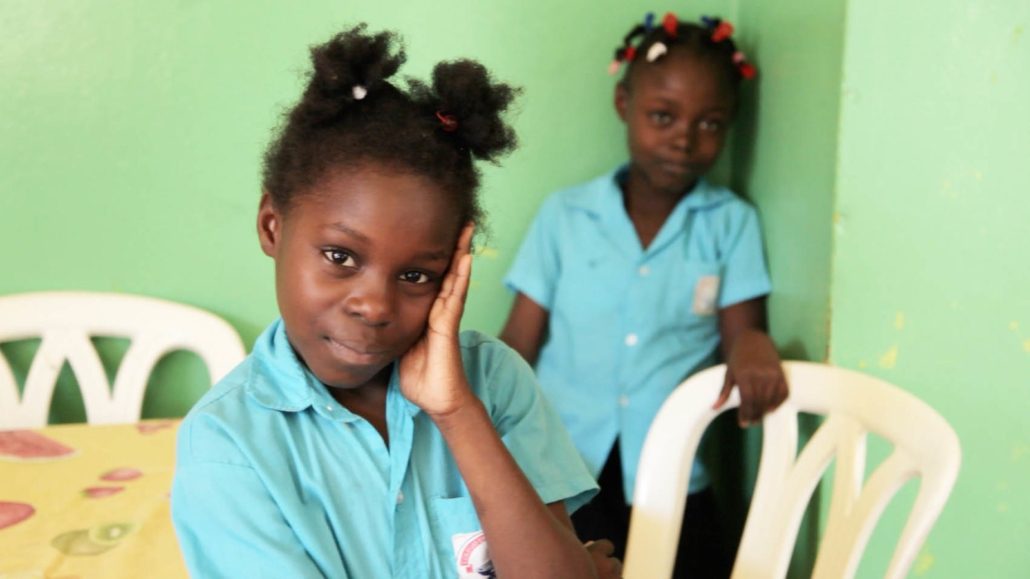
Colombia’s indigenous people An effort to bring virtual education resources to Colombia’s indigenous people helps students learn in their native language and creates opportunities for them to break the cycle of poverty. The COVID-19 pandemic has created food insecurity and economic challenges for many indigenous communities in Colombia and Latin America. Education has also undergone disruption as 137 million children in Latin America and the Caribbean are staying home from school. Fundación El Origen is addressing this lack of education during COVID-19 by bringing virtual learning to indigenous children in Colombia.
COVID-19’s Impact on Colombia’s Indigenous People

In Colombia, the economic toll of the pandemic has hit the indigenous people of Colombia especially hard. Across Colombia, an estimated 1.5 million indigenous people account for 3.4% of the total population, according to the International Work Group for Indigenous Affairs (IWGIA).

The largest indigenous group in Colombia, the Wayuu people, live predominantly in the region of La Guajira in northern Colombia along the border of Venezuela.

The pandemic has been so detrimental to the indigenous people of Colombia because it has shut down the tourism sector and 90% of people in La Guajira work in informal sectors like tourism. At the same time, remote work or school is nearly impossible as only 10% of people have access to the internet.

Fundación El Origen: Virtual Learning

Fundación El Origen is trying to break the cycle of poverty by making virtual learning an option for all students and by focusing on other educational challenges faced by indigenous and rural youth living in La Guajira. Spanish is the official language in Colombia, however, estimates have determined that people speak 70 different indigenous languages in the country. This presents a challenge to indigenous students who may have grown up speaking a native language and then have to attend classes that teachers teach in Spanish.

To even the playing field for indigenous students, especially during the pandemic, Fundación El Origen has supplied students with tablets that offer instruction in their indigenous wayuunaiki languages. Roughly 260 children from the Wayuu tribe of La Guajira received tablets.

The tablets use a virtual learning program called O-Lab. This program teaches students in Spanish and in their native language. Moreover, it works without an internet connection.

“They have to adapt to an education system that was not made for them,” said Tania Rosas, executive director of Fundación El Origen, in an interview with The Borgen Project.

In Colombia, more than 100,000 kids dropped out of school during 2020, largely because of the financial hardships of the pandemic, Rosas said. The problem is daunting and organizations like Fundación el Origen can only help a small portion of students in need. So far, Fundación el Origen has brought online learning to 2,000 children and hopes to reach even more children in 2021.

Access to virtual learning is the latest education barrier but education is not a new fight for the indigenous people of Colombia or Fundación el Origen.

The Importance of Education for the Indigenous

“We have been fighting for many years to have the rights to our lands and have the right to access quality education for our communities,” Rosas said. Rosas sees education as the best way for Colombia’s indigenous people to have a voice in government and for an entire community to leave poverty.

“If we give them access to education programs to help them understand those problems and create solutions, we are eventually ensuring access to sustainable development in their communities,” she said. “We think that education is the best way to empower them and give them the tools to ensure sustainable development.”

– Laney Pope
Photo: Flickr

March 17, 2021
https://borgenproject.org/wp-content/uploads/borgen-project-logo.svg 0 0 Jennifer Philipp https://borgenproject.org/wp-content/uploads/borgen-project-logo.svg Jennifer Philipp2021-03-17 01:30:232021-03-16 12:48:19Virtual Learning for Colombia’s Indigenous People
Children, Developing Countries, Education, Global Poverty

The Smile Foundation: Improving Education in India

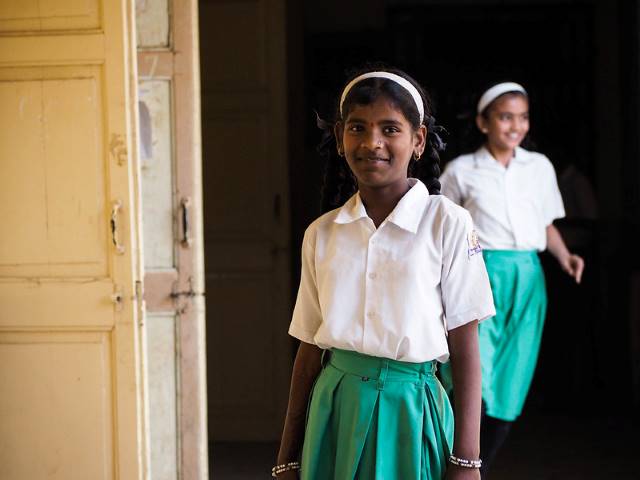
The Smile FoundationIndia is one of the poorest and populated countries, with more than 1.3 billion people. Nearly 70% of the population lives on less than $2 per day. Furthermore, women and children are among the most vulnerable groups that are most affected by poverty and inequality. The Smile Foundation commits to improving educational outcomes in India so that children have a way to improve their lives and rise out of poverty.
Education in India

The National Sample Survey Organization’s 2017-2018 survey showed that roughly 30 million children aged 6-17 were not attending school. UNICEF reports that approximately 20 million children between the ages of 3 and 6 do not attend preschool. Between 2011 and 2018, literacy rates in India increased by 5.07%. However, in 2018, the female literacy rate in India was 70.3%, compared to the male literacy rate of 84.7%.

Access, availability and quality of education in India are some of the most prevalent barriers to combating poverty for vulnerable women and children in underserved communities. The exclusion of children from educational opportunities based on caste, socio-religious identification, gender and ability, facilitates even more marginalization and poverty for disadvantaged groups.

The Smile Foundation

Education in India, especially among rural communities, is a strong determinant for ensuring a chance of economic security and female employment. Thanks to the diligent work of the Smile Foundation, a nonprofit organization empowering change through education and awareness, disadvantaged women, youth and children have an opportunity to escape poverty and achieve economic security.

Santanu Mishra, the co-founder and executive trustee of Smile Foundation, refers to education as, “the great equalizer that opens new gateways and opportunities to improve the standard of life.” Mishra explains that poverty is a multifaceted state that can derive from a lack of quality educational attainment, in addition to the absence of certain knowledge, assets and opportunities. Acquiring an education in India can improve individual well-being while interrupting the generational and cyclical nature of poverty. “I believe that education is the key that can transform the story of an individual from trying to survive to thriving in life,” says Mishra.

Vision and Approach

The Smile Foundation came about in 2002 with the aim of making a positive contribution to society. Today, the organization serves more than 2,000 villages and slums in 25 states of India through welfare projects promoting education, healthcare, income and women’s empowerment.

The Smile Foundation believes that “Civic Driven Change” which upholds public responsibility to increase community-based engagement, is pivotal to achieve transformation. The organization has collaborated with local and international groups, institutions and public figures to bear global awareness and response. In 2010, the Smile Foundation produced, “I Am Kalam,” the first film created by a development organization, which premiered at the 63rd Cannes Film Festival, winning 17 national and international awards. The film addresses the issue and importance of child education as a tool to rise out of poverty.

Utilizing a “lifecycle approach,” the Smile Foundation aims to improve welfare by empowering children and families through meaningful education, healthcare and social skills. The Smile Foundation employs “Social Venture Philanthropy” —  a concept which means connecting social investment plans to charitable giving by focusing on reach, sustainability, a culture of leadership and clear accountability. The organization’s Outreach model reaches rural regions, enabling deeper insight into obstacles of project implementation.

Mission Education

The Smile Foundation developed Mission Education (ME), a national program providing quality healthcare and education in India to over 232,000 underserved children since 2002. The ME program guarantees unbiased access to education through a four-step approach. This involves a focus on students, a focus on teachers, prioritizing an effective learning environment and community and stakeholder engagements.

“Education of girls also gets priority, with 51% of total beneficiaries being girls. This is done by bringing about an attitudinal change in the parents’ outlook toward education,” says Mishra. In 2019, 87% of qualified students who graduated from ME centers entered traditional schools and almost every ME teacher possessed sufficient academic training.

Going Forward

Amid COVID-19 challenges, the Smile Foundation has implemented personalized, virtual education plans to guarantee disadvantaged students an adequate opportunity to succeed. The Smile Foundation also utilizes socio-behavioral guidance and capacity-building opportunities for teachers to prepare students to become active members of society.

“I often say that our vision at Smile should be that one day we should not exist,” says Mishra. Mishra explains that the Smile Foundation intends to mobilize community-based action, sensitize global responses and perpetuate government accountability to achieve sustainable change and eventually become a bygone organization.

Improving Education in India

The Indian government has taken strides toward improving the education system but further measures are crucial to combat the pandemic-induced likelihood of increased out-of-school children rates. Mishra suggests that the government should prioritize family-based social and economic assistance to encourage parents to send their children back to school. Mishra believes that a synergistic approach works best. This involves support from NGOs, advantageous stakeholders, community programs and components of an effective learning environment. In combination, this produces the greatest results for providing children an equal opportunity to thrive in life and rise out of poverty.

– Violet Chazkel
Photo: Flickr

March 16, 2021
https://borgenproject.org/wp-content/uploads/borgen-project-logo.svg 0 0 Kim Thelwell https://borgenproject.org/wp-content/uploads/borgen-project-logo.svg Kim Thelwell2021-03-16 07:30:242021-03-12 07:58:57The Smile Foundation: Improving Education in India
Children, Developing Countries, Development, Global Poverty

Going Global: The NBA in Africa

The NBA in AfricaThe National Basketball Association (NBA) is known as one of the best leading professional basketball leagues to ever exist. With 30 franchises across North America, the NBA has a large following and media presence with fans and supporters from all around the globe. The top NBA players have lucrative careers that many young people dream of achieving. However, this dream has always seemed out of reach for young people in Africa. Many who play basketball in Africa are unsure of how to pursue a successful athletic career, may lack the access to adequate training and coaching and may not even be aware of the possibility. The NBA has partnered with the International Basketball Federation (FIBA) to create the Basketball Africa League (BAL), the first official league outside of North America. The NBA in Africa could be a complete game-changer, opening up possibilities and positively impacting Africa’s economy.
The Basketball Africa League

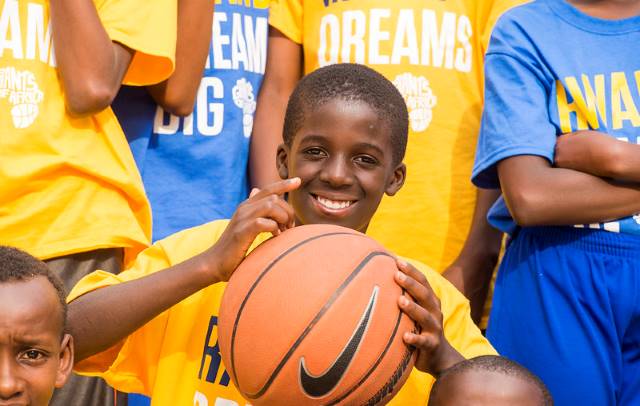
Though the BAL is the first NBA league in Africa, it is certainly not the NBA’s first interaction with the continent. Basketball Without Borders (BWB), also in collaboration with FIBA, is an international basketball camp that unites youth from Asia, Europe, Latin America and Africa in order to promote the sport and encourage social change. The top youth players train under NBA players and coaches. Life skills training is also provided. It focuses on the importance of education, leadership, development and health. The participation of young women is important to NBA Africa, allowing them opportunities that were never an option before. In 2019, BWB hosted its 17th event in Africa. BWB is much more than just basketball, it helps players develop important life skills that they can take forward.

The NBA Academy Africa

The NBA’s activity in Africa does not end at the BWB. The NBA Academy is an elite basketball initiative meant to provide high schoolers outside of the U.S with holistic training development. There are six academies across Australia, China, India, Mexico and Africa (Senegal). The Senegal center opened in 2018 and is the primary training location for NBA Academy Africa prospects. The NBA Academy’s holistic approach includes a focus on education. These young people either attend a local public school or receive a scholarship to a local private school. They also receive additional academic support.

In December 2019, the BAL announced the host cities of Cairo (Egypt), Dakar (Senegal), Lagos (Nigeria), Luanda (Angola), Rabat (Morocco) and Monastir (Tunisia). The NBA will host games in these cities and build infrastructure. Rwanda will also host BAL Finals. These games started in 2020 but COVID-19 postponed further events.

Benefits of the NBA Africa

Dikembe Mutombo, a former Congolese-American NBA player, expressed his gratitude and excitement for the BAL. Mutombo was a rare case of an African making it to the NBA. He knows that for many children in Africa, the prospect is out of reach. Masai Ujiri, a Nigerian-Canadian former professional basketball player who is now president of the Toronto Raptors, expressed that the BAL will also allow for new opportunities of employment and revenue in Africa.

Africa’s population is predicted to double by 2050. Accordingly, the NBA in Africa is an especially important part of the development and dreams of the new generations to come. The NBA in Africa will create jobs, revenue and stimulate the economy. The NBA is thus contributing to the alleviation of poverty in Africa.

– Grace Wang
Photo: Flickr

March 15, 2021
https://borgenproject.org/wp-content/uploads/borgen-project-logo.svg 0 0 Kim Thelwell https://borgenproject.org/wp-content/uploads/borgen-project-logo.svg Kim Thelwell2021-03-15 07:30:272021-03-12 01:07:59Going Global: The NBA in Africa
Children, Developing Countries, Global Poverty, Health

Smile Train Improves the Lives of Children With Clefts

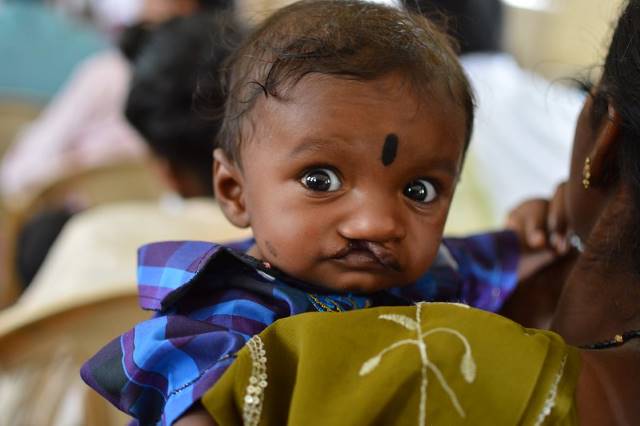
Smile TrainMore than 170,000 children in developing countries are born with cleft lips or palates. Children born with clefts in developing countries often go untreated due to a lack of trained surgeons and facilities as well as the high cost of corrective surgery. Without surgery, children struggle to eat, breathe, hear and speak. Smile Train is a nonprofit that works to provide life-enhancing services to children with clefts in developing countries.

Cleft Lips and Palates

Cleft lip occurs when the lip does not completely form during fetal development. On the other hand, cleft palate occurs when the roof of the mouth does not completely close during fetal development, leaving an opening that can extend into the nasal cavity. Clefts can also occur in varying degrees.

The cause of cleft lip and palate is unclear but research shows that both genes and the environment are contributing factors. In addition, several syndromes are commonly associated with cleft lip and palate. This includes Down’s syndrome and Stickler syndrome.

Cleft deformities can result in a range of issues such as feeding difficulties, dental problems, hearing impairments, speech impediments and breathing struggles. Cleft surgeries and other essential cleft services are imperative because they significantly improve a child’s quality of life.

Smile Train’s Mission

Smile Train is the world’s largest organization that focuses on helping children with clefts in developing countries. It works on a sustainable model that goes beyond simply providing cleft surgeries. It also works to provide other essential services to address the struggles that come with cleft lips or palates. These services include nutritional support, dental care, orthodontic treatment and speech therapy. Smile Train works in more than 70 countries and has helped more than 1.5 million children in the past 20 years.

Smile Train’s sustainable model focuses on providing training, funding and resources to empower medical staff in developing countries to provide free cleft surgeries and care in their very own communities. Once these doctors are trained, a ripple effect occurs as they train more doctors within their communities and beyond. This means that children with clefts will receive quality care and treatment for years to come.

A Smile Train Story

During the early stages of the COVID-19 pandemic in the Philippines, a little girl named Elizabeth was born with a cleft lip. Financial difficulties made it impossible for her parents to afford the necessary treatment and care for her. The family learned about Smile Train partner, Tebow CURE. Through the assistance of Smile Train donors, Elizabeth was able to have surgery at no cost. The surgery helped to ensure that Elizabeth has a good quality of life ahead of her.

Smile Train gives parents in developing countries renewed hope that their children will lead healthy and productive lives despite difficulties.

– Olivia Bay
Photo: Flickr

March 14, 2021
https://borgenproject.org/wp-content/uploads/borgen-project-logo.svg 0 0 Kim Thelwell https://borgenproject.org/wp-content/uploads/borgen-project-logo.svg Kim Thelwell2021-03-14 01:30:182024-05-30 07:56:40Smile Train Improves the Lives of Children With Clefts
Child Poverty, Global Poverty

Children and Wales’ Waking Poverty

Children and Wales’s Waking Poverty
Of any nation in the United Kingdom, Wales has had the highest increase in child poverty. Approximately 200,000 children (in households up to 60% of median income) live in poverty, or one in three. Likewise, 90,000 children (in households up to 50% of median income) live in severe poverty. In total, from 2017-2018, 29% of children suffered from poverty. This is due to high living costs, unemployment, public spending and benefit cuts. As a result of the U.K. government’s tax and welfare reforms, experts predict a continuous rise of Wales’ waking poverty.

Poverty-Reduction Legislation

To combat this waking poverty, some legislation has been and is currently undergoing implementation. For example, the Children and Families (Wales) Measure 2010 and the Rights of Children and Young Persons (Wales) Measure 2011 legislation have helped children in need.

In addition, the Childcare Funding (Wales) Bill provides funding 30 hours per week, up to 48 weeks per year, to working parents to assist in the education and childcare of their three- and four-year-old children. Westminster had also passed the Children and Families Act 2014, which provides flexible working for parents and focuses on family justice.

The rights and welfare of children go hand-in-hand. Addressing this, the Children (Abolition of Defense of Reasonable Punishment) (Wales) Bill ensures children’s rights in the face of any domestic assault or punishment that parents inflict, as well as instilling parenting guidelines and counseling.

COVID-19

COVID-19 has contributed to this waking poverty. Due to the pandemic, more children have suffered mentally, emotionally and physically. It has severely affected the educational system, as countless children have had to stay at home due to the outbreaks. The tight governmental restrictions have kept children at home, but at the expense of their emotional well-being.

In response, Wales’s First Minister Mark Drakeford announced that children may participate in their organized sports if games and practices take place outside their county boundaries. Additionally, children under the age of 11 will not have to social distance since their risk of transmission is low. As the cases lessen, guidelines will gradually ease in Wales and people can return to work and healthy, recreational activity.

ECPN and Moving Forward

While such legislation has occurred, Wales needs to take more steps to decrease Wales’ waking poverty. Change lies with the Welsh and U.K. government. In Wales, The End Child Poverty Network Cymru (ECPN) appeals to Wales for better, new strategies to combat this poverty.

ECPN, operating since 2004, is a coalition that Children in Wales manages. It specifically addresses the state of impoverished Welsh children by increasing public awareness, implementing measures to support children and ensuring all governmental policies are intact to eliminate child poverty. ECPN’s work brought the issue to the forefront at the United Nations Committee, which inquired and made recommendations on child welfare reform.

Organizations like the ECPN call for child poverty pledges from political parties nearing the 2021 election to the National Assembly for Wales. Meanwhile, in the U.K., coalitions appeal to respective political parties for reduction strategies, in addition to closing the link between benefits and inflation.

All this aid will ensure better survival, physically and mentally, for Welsh children. In time, Wales’ waking poverty will fall with more action and policy on the part of the United Kingdom and Welsh government.

– Shelby Gruber
Photo: Flickr

March 14, 2021
https://borgenproject.org/wp-content/uploads/borgen-project-logo.svg 0 0 Jennifer Philipp https://borgenproject.org/wp-content/uploads/borgen-project-logo.svg Jennifer Philipp2021-03-14 01:30:172024-05-30 07:55:59Children and Wales’ Waking Poverty
Children, Development, Global Poverty, Health

The Childcare Benefits Scandal in the Netherlands

The Childcare Benefits Scandal
Many regard the Netherlands as a prosperous nation. The majority of its residents live decent lives and can easily access social welfare benefits. However, like many places throughout the world, the country has seen an increase in the number of people who can no longer make ends meet. Even with benefits assistance, 1 million out of 17 million people suffer economically. This crisis has affected all demographics. There is growing evidence of the disproportionality of this economic stratification. Certain government agencies and policies that the Netherlands intended to serve as financial safety nets for people caused more harm for some than good. This resulted in the childcare benefits scandal.

Over the past two years, the country has dealt with de toeslagenaffaire or “the benefits affair.” This is a scandal involving the illegal reclamation of social benefits by the government. It forced many victims into financial ruin. The scandal exposed both the overzealous anti-fraud practices of the Dutch tax services. It also exposed their continued unconstitutional ethnic profiling of fraud suspects. In January 2021, the third cabinet of Prime Minister Mark Rutte, known as Rutte III, resigned over the scandal. This article addresses the causes and consequences of the toeslagenaffaire. It is one of the most recent, dramatic examples of corruption and institutional bias in Dutch history.

De Toeslagenaffaire: What Exactly Happened?

Over the past decade in the Netherlands, tens of thousands of innocent people received social benefits for childcare. The belastingdienst (Tax and Customs Agency) falsely identified the people as having committed welfare fraud. The system declared it the childcare benefits scandal. The case sparked increasing outrage. Moreover, the system flagged the parents as fraud risks due to their nationality.

In 2012, the belastingdienst used people’s second nationality as one of the five so-called “indicators” of potential fraud. This was in addition to four other factors, such as possessing high-deductible items. In 2014 and 2015, the Netherlands amended privacy laws. This prevented access to information regarding a benefit recipient’s nationality from the belastingdienst in an effort to combat institutional discrimination.

However, the belastingdienst retained access to personal records belonging to benefits-receivers created prior to the removal of the person’s nationality. After this came to light, the Adeling Toeslagen (Benefits Department) continued to deny ethnic profiling, arguing that it was only concerned with an individual’s Dutch nationality. Adeling Toeslagen did not single out any nationality. It investigated all Ghanian nationals in 2020 based on evidence. Spokespeople from the belastingdienst claimed discrimination based on nationality was different than discrimination based on race or origin. However, the Adeling Toeslagen later admitted to engaging in ethnic profiling.

Stripped Benefits

Being falsely identified as fraudsters resulted in parents being stripped of their benefits and ordered to repay said benefits in full. When parents protested these false fraud allegations, they could not obtain legal aid, their objections routinely received dismissal and they still had to pay. This often amounted to tens of thousands of Euros. The scandal plunged very low-income families into crisis, resulting in many losing their personal possessions, jobs and marriages.

Justice in Court

The court awarded the parents 30,000 Euros (just over $36,000 USD) eventually. The court distributed the funds over a span of four months. The court expected payment from the parents concerning illegal debt. In fact, one ruling stated that parents must use at least two-thirds of their allotted 30,000 Euros to repay the illegal debt concerning the childcare benefits scandal. However, authorities eventually waved their full debts so that they could keep their full compensation amount. However, many still have not received their compensation.

Who Was Responsible?

There are still cases and inquiries pending. However, little accountability has occurred thus far. The court forced the Rutte III cabinet to resign. The court held no member responsible for the matter. This was based on a high court ruling claiming although the rule of law had been violated, the belastingdienst, as an institution, was immune to prosecution. The court did not prosecute any individual official. The members committed no discrimination “in their own interests.” This was despite the fact employees of the belastingdienst – who had sounded the alarm for years about the issue – had called for the prosecution of their managers themselves.

Cabinet Members Unharmed

Despite the media attention, the resignation of the Rutte III cabinet was of little consequence to the cabinet members. Mark Rutte’s first cabinet, Rutte I, had to resign in 2012. This occurred after his coalition was unable to find a compromise regarding the proposed introduction of controversial austerity measures. The cabinet re-appointed him as Prime Minister twice after his resignation. A statement from 2003 convicted Mark Rutte of racism in 2007 when he was Secretary of State. He subjected Somali residents to extra fraud investigations concerning the childcare benefits scandal.

Even though Rutte III has resigned, each member may serve in their position until elections on March 17, 2021. Continuous elections will allow each member to hold office. Rutte’s party, the People’s Party for Freedom and Democracy (Volkspartij voor Vrijheid en Democratie) appears poised to secure another victory in the upcoming elections. This is based on a current Ipsos poll, even after losing some support in the wake of the resignation of Rutte III.

– Olivia Nelson
Photo: Pixabay

March 10, 2021
https://borgenproject.org/wp-content/uploads/borgen-project-logo.svg 0 0 Kim Thelwell https://borgenproject.org/wp-content/uploads/borgen-project-logo.svg Kim Thelwell2021-03-10 08:21:202021-05-10 08:21:33The Childcare Benefits Scandal in the Netherlands
Child Marriage, Children, Global Poverty, Health

Combating Sexual Violence in India

Sexual Violence in India
Sexual violence is hard to quantify as it comes in many forms. Addressing sexual violence in India is difficult due to stigmas around gender and sexuality. Furthermore, victims of sexual violence are primarily children. Educating youth and providing resources for victims is crucial to reducing sexual violence in India.

Prevalence of Sexual Violence

India has a much lower rate of sexual assault cases than the United States. However, it is likely that most sexual assault incidents go unreported. This is due to social stigma, cultural expectations of marriage and the prevalence of sexual violence against children.

Less than 10% of sexual assault victims seek assistance from law enforcement. Due to limited law enforcement in rural areas, the police neglect around 100,000 reported rape cases per year. Additionally, only one-third of these cases lead to a conviction.

Sexual violence against children is rampant in India. A Ministry of Social Justice and Empowerment study estimated that 53% of boys and 47% of girls experience sexual abuse during childhood. Girls are at high risk of suffering from sexual violence between the ages of 15 and 17. As a result, it is much less likely that victims will report the abuse they experience.

Child Marriage and Violence

It is common in India for girls to enter into arranged marriages at a young age. Around 45% of girls marry before reaching 18 years of age. Additionally, 22% have their first child before the age of 18. Victims of sexual violence often know their perpetrators. Furthermore, most husbands consider their wives property. As such, police frequently overlook cases of domestic violence.

Information Barriers

Schools often neglect to teach students about sexual violence due to its taboo nature. A 2017 survey found that 15% of adolescents felt comfortable discussing sexuality with their parents. However, over half of the sample could not define what sex was.

Sexual education programs are becoming more common throughout India. Yet, these programs often do not discuss the nuances of sexual relationships and power dynamics between genders. The World Health Organization (WHO) recommends implementing comprehensive sex education into curriculums. This curriculum helps delay the age at which young people enter into sexual relationships and reduces the number of sexual partners. This aids in preventing unplanned pregnancies and the spread of sexually transmitted diseases.

The YP Foundation – Empowering Youth

The YP Foundation emerged in 2002 and works to educate young people in “feminist and rights-based leadership.” Know Your Body Know Your Rights (KYBKYR) is a program that provides a series of workshops for young students. This program is led primarily by young women who educate students about gender issues and safe sexual behavior. Every year, around 1,500 young people attend KYBKYR workshops that cover gender expression, relationships, violence, anatomy, body image, puberty, HIV, sexual orientation and discrimination.

SNEHA – Resources For Domestic Violence Victims

SNEHA is a nonprofit that emerged in 1999 with outreach programs that prevent, address and monitor abuse against women and children across India. One program includes five crisis centers and four women’s hospitals in Mumbai that provide counseling, medical attention and legal assistance. About 16,328 women have received counseling from this program.

Furthermore, SHENA uses mobile phone technology to collect data before, during and after treatments at these counseling programs. Thus, data points allow statisticians to assess the programs’ effectiveness.

Additionally, SNEHA has trained 7,915 law enforcement officers, 10,722 hospital staff and various other professionals on how to handle cases of sexual assault appropriately. SHENA has also helped pass the Women Against Domestic Violence Act in 2005 and the Protection of Children Against Sexual Offenses in 2012.

Combatting sexual violence in India requires refined education and adequate access to counseling for adolescents. Breaking down the communication barriers about sexuality and domestic violence is important in addressing this issue. An open discussion about cultural norms and the pervasiveness of sexual assault against children is necessary to create a safer place for everyone.

 – Elise Brehob
Photo: Unsplash

March 10, 2021
https://borgenproject.org/wp-content/uploads/borgen-project-logo.svg 0 0 Yuki https://borgenproject.org/wp-content/uploads/borgen-project-logo.svg Yuki2021-03-10 01:30:272024-05-30 07:56:34Combating Sexual Violence in India
Children, Education, Global Poverty

3 Standout Indonesian Youth Programs

Indonesian Youth Programs
Around 85 million children live in Indonesia, making up one-third of the country’s population. Children are necessary for their country’s future, and the education and opportunities they receive are what allow them to have that impact. That is why it is important for children to have programs and organizations that give them more opportunities and allows them to realize their full potential. Several Indonesian youth programs provide these opportunities to children in Indonesia. The Indonesia Youth Foundation, Indonesian Youth Opportunities in International Networking (IYOIN) and Indonesian Youth Diplomacy are prime examples of Indonesian youth programs that aid children in education, provide resources and give them outlets to channel their passions.

Indonesia Youth Foundation

The Indonesia Youth Foundation began on July 23, 2020, as a non-governmental organization. Its objectives include connecting the children of Indonesia and other global youth through a variety of youth activities, offering general knowledge about the country and taking part in world advancement and the development of youth.

One can track the organization’s Youth Empowerment program through a series of articles on the organization’s official website, each entry providing tips on subjects such as boosting productivity and caring for mental health. Also featured is information on education and tourism to provide a better understanding of Indonesia.

Indonesian Youth Opportunities in International Networking

Indonesian youths created IYOIN in 2015. Since then, the self-started Indonesian youth program has spread across several different regions in Indonesia, with 18 local chapters.

The purpose of this organization is to serve as a medium for children in Indonesia to congregate, share and work together to realize their values for the country. The opportunities that this program provides also aim to improve the Indonesian youths’ education and to ensure that the youth will have the qualifications to tackle their futures successfully.

IYOIN became a United Nations SDSN Youth Member in 2017, a program that works to guarantee education that is inclusive and equal for all, in addition to encouraging learning opportunities. IYOIN joined this program because these goals align with its own mission.

Indonesian Youth Diplomacy

Indonesian Youth Diplomacy is a nonprofit Indonesian youth program that promotes and provides international exposure and empowers the next generation of Indonesian leaders. Known initially as G20 Youth Indonesia, efforts to form the organization began in 2010. This process continued in 2011 when the Indonesian Organizing Committee emerged to recruit Indonesian youth interested in contributing to the annual G20 Youth Summit. Recognizing the necessity of involving Indonesian youth in diplomacy beyond what the G20 program provides, the organization updated in 2013. Now known as the Indonesian Youth Diplomacy, it sends Indonesia’s promising young leaders to represent the country in international forums to raise awareness of diplomacy.

Youth programs can offer multiple benefits to children. They provide youth with quality education, a chance to involve themselves in their community and learn essential life skills and create a healthy social environment. All three of the organizations give these opportunities to the children of Indonesia. These Indonesian youth programs are crucial to allow children to spread their wings and learn since the youth are the backbone of their country.

– Celia Brocker
Photo: Flickr

March 6, 2021
https://borgenproject.org/wp-content/uploads/borgen-project-logo.svg 0 0 Yuki https://borgenproject.org/wp-content/uploads/borgen-project-logo.svg Yuki2021-03-06 07:30:472024-06-07 05:08:123 Standout Indonesian Youth Programs
Page 50 of 137«‹4849505152›»

Get Smarter

  • Global Poverty 101
  • Global Poverty… The Good News
  • Global Poverty & U.S. Jobs
  • Global Poverty and National Security
  • Innovative Solutions to Poverty
  • Global Poverty & Aid FAQ’s
Search Search

Take Action

  • Call Congress
  • Email Congress
  • Donate
  • 30 Ways to Help
  • Volunteer Ops
  • Internships
  • Courses & Certificates
  • The Podcast
Borgen Project

“The Borgen Project is an incredible nonprofit organization that is addressing poverty and hunger and working towards ending them.”

-The Huffington Post

Inside The Borgen Project

  • Contact
  • About
  • Financials
  • President
  • Board of Directors
  • Board of Advisors

International Links

  • UK Email Parliament
  • UK Donate
  • Canada Email Parliament

Get Smarter

  • Global Poverty 101
  • Global Poverty… The Good News
  • Global Poverty & U.S. Jobs
  • Global Poverty and National Security
  • Innovative Solutions to Poverty
  • Global Poverty & Aid FAQ’s

Ways to Help

  • Call Congress
  • Email Congress
  • Donate
  • 30 Ways to Help
  • Volunteer Ops
  • Internships
  • Courses & Certificates
  • The Podcast
Scroll to top Scroll to top Scroll to top