• Link to X
  • Link to Facebook
  • Link to Instagram
  • Link to TikTok
  • Link to Youtube
  • About
    • About Us
      • President
      • Board of Directors
      • Board of Advisors
      • Financials
      • Our Methodology
      • Success Tracker
      • Contact
  • Act Now
    • 30 Ways to Help
      • Email Congress
      • Call Congress
      • Volunteer
      • Courses & Certificates
      • Be a Donor
    • Internships
      • In-Office Internships
      • Remote Internships
    • Legislation
      • Politics 101
  • The Blog
  • The Podcast
  • Magazine
  • Donate
  • Click to open the search input field Click to open the search input field Search
  • Menu Menu

Archive for category: Children

Information and stories addressing children.

Child Poverty, Children, Developing Countries, Education, Global Poverty

Improving Education for Children in Cambodia

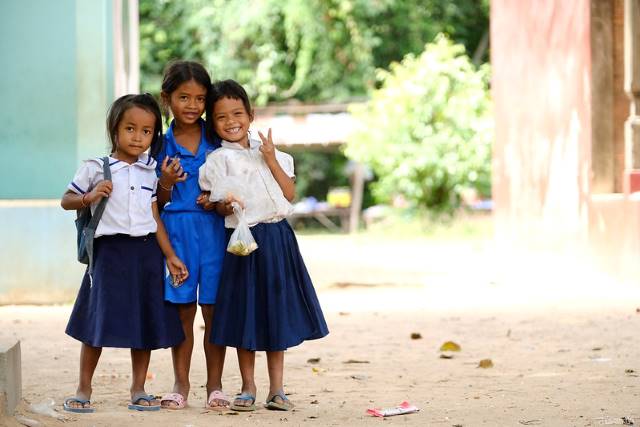
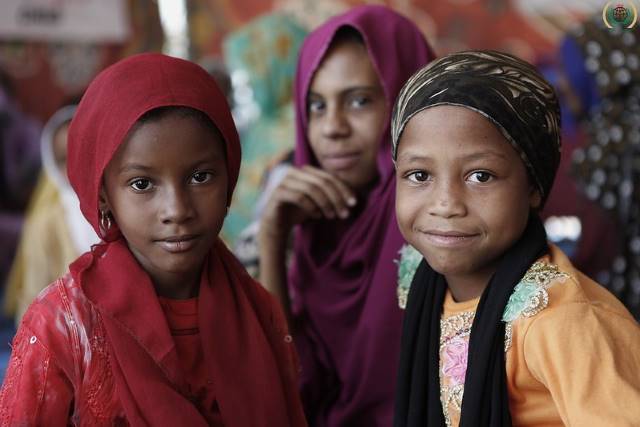
Education for Children in CambodiaAround 30% of the population in Cambodia lives below the poverty line. Poverty affects children significantly. More than 10% of children in Cambodia do not have access to education and roughly 44.8% (1.52 million) of children aged 5-14 are economically active. Organizations are working to improve access to education for children in Cambodia, especially those living in poverty.
The Prevalence of Child Labor in Cambodia

The reason child labor is so prevalent is that many Cambodian families cannot afford to send their children to school and are in desperate financial circumstances. The costs involved in sending children to school include textbooks, uniforms and transport which families cannot afford. In the rural areas of Siem Reap Province, many people live below the poverty line on less than a dollar each day. As a result, they have to choose between food or education for their children. This forces children to work instead of going to school so they can help support their families.

Lack of education along with insufficient nutrition leaves children developmentally behind. Education is a lifeline for children to rise out of poverty but some children simply cannot afford the luxury of learning.

Rebuilding School’s in Cambodia

Part of the problem is the lack of schools in Cambodia. In the rural areas, there are few schools. One can trace this back to when the Khmer Rouge took control in Cambodia in 1975. Not only did schools close but the buildings either underwent destruction or the government took them over for use.

Many Cambodian teachers and students lost their lives at this time as well because intellectuals posed a threat to the society the Khmer Rouge was trying to create. Roughly 75-90% of teachers, 96% of university students and 67% of all primary and secondary school students died in the massacre that lasted from 1975 to 1979.

Rebuilding has been an essential part of improving Cambodian children’s education, a process that continues to this day. In 2020, the Cambodia International Charity Organization, a Chinese-run NGO, constructed a two-classroom school building for Treap Primary School in a remote village. The school headmaster said the existing school building has been deteriorating, making it difficult for children to learn when it rains.

The Cambodian Children’s Fund

This nonprofit organization emerged in 2004 with the mission of “transforming the lives of the most impoverished, marginalized and neglected children in Cambodia through high-quality education, leadership training and direct support programs.” The Cambodian Children’s Fund (CCF) works on the ground directly with children who are the most affected by poverty most effects and its programs have positively impacted the education of many impoverished Cambodian children.

In 2019, 1,855 children enrolled in programs that the CCF offered. The pass rate for students taking their grade 12 exams who had involvement with the organization was 84% in comparison to the nation’s 67%. The program also saw 33 university graduates in 2019, marking a total of 84 CCF graduates who have moved on from the program as successful young adults.

Sophy’s Story

Sophy Ron is one of the many people the Cambodian Children’s Fund has helped. Sophy was 11 years old when the organization found her. She did not go to school and made a living selling items she could salvage from a landfill site. After the Cambodian Children’s Fund took her in and sponsored her, Sophy was able to pursue an education. In 2019, Sophy completed her first year of university after earning a scholarship to Trinity College at the University of Melbourne in Australia and gave the valedictorian speech for the graduating class of 2019.

While education is a key factor to help children like Sophy rise out of poverty, without the opportunities and resources available to impoverished families, education remains out of reach. Organizations like the Cambodian Children’s Fund and the Cambodia International Charity Organization make education for children in Cambodia a priority, ensuring that the cycle of poverty can break.

– Celia Brocker
Photo: Flickr

March 4, 2021
https://borgenproject.org/wp-content/uploads/borgen-project-logo.svg 0 0 Jennifer Philipp https://borgenproject.org/wp-content/uploads/borgen-project-logo.svg Jennifer Philipp2021-03-04 07:30:302021-03-04 06:26:39Improving Education for Children in Cambodia
Children, Developing Countries, Global Poverty

The World Forgotten Children Foundation

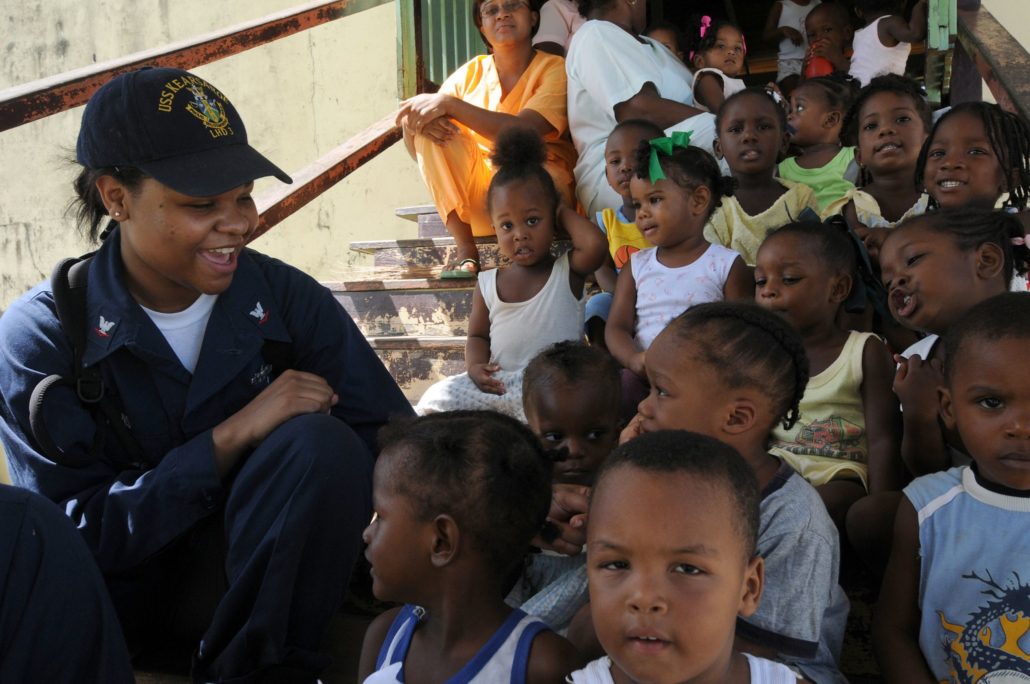
World Forgotten ChildrenWith poverty rates rising in developing countries, raising a family can be financially taxing. As 10% of the worldwide population lives on less than $1.90 per day, there are millions of individuals who cannot provide basic necessities for their children. When a child has a physical or cognitive disability, parents face an additional barrier when addressing the children’s needs. In dire circumstances, some parents are left with no choice but to place their children in orphanages. The World Forgotten Children Foundation (WFCF) focuses efforts on helping impoverished orphans, especially those with disabilities.
Orphans Living in Poverty

Globally, there are 153 million children who are orphans and a large portion of these children are found in developing countries. Additionally, it is estimated that eight to 10 million children with disabilities are living in orphanages. Orphanages in impoverished areas often lack access to adequate resources, especially for children who need extra care for specific disabilities. The facilities fall short on appropriate education, economic stability and infrastructure.

The World Forgotten Children Foundation is a nonprofit organization that focuses on addressing the link between poverty and orphaned children, with an emphasis on helping disabled orphaned children in developing countries. The organization understands the value of also addressing the needs of the community rather than simply targeting the orphaned children.

Helping Children Affected by Cerebral Palsy

In 2017, the WFCF supported the International China Concern (ICC), an organization that takes care of more than 350 children and young adults with disabilities across China, many of who have been abandoned since birth. In China, approximately two million children have cerebral palsy. This group of disorders is the most common motor disability for children and prevents an individual from properly moving and maintaining balance and posture. Children with cerebral palsy struggle to straighten their bodies enough to fall asleep due to spinal postural deformities and those with severe cases are at risk of more serious health issues if they are unable to sleep in an adequate position. Between 23% to 46% of children living with cerebral palsy suffer from sleep issues due to pain, discomfort, seizures and skin ulcers. Also, sleep deprivation can cause development problems.

The ICC’s mission is to use postural management to protect the body shape and to minimize life-limiting deformity. The WFCF funded $10,277 to provide custom-fitted sleep aid systems for 14 children. The sleep aid systems improved the children’s physical and emotional health and well-being.

Handicapes en Avant Project

Handicapes en Avant is a French charity group based in West Africa focused on improving and facilitating the everyday lives of those with disabilities. The WFCF partnered with the Dokimoi Ergatai program of Messiah College to fund $7,800 worth of equipment. Through the partnership, the project provided physically disadvantaged children with hand-powered tricycles, enabling the children to have increased mobility. Additionally, visual assist items for computers were purchased in order to support children with visual disabilities in West Africa. Also, in Burkina Faso, funding was provided for the development of the first electric tricycle for the handicapped children of the Handicapes Avant facility. Additionally, blind orphans at the Handicapes en Avant school were provided with drawing boards to make relief drawings, Braille writing tablets and several other educational materials.

Improving the Lives of Orphans

The World Forgotten Children Foundation recognizes the many challenges of orphaned children, especially those with disabilities. The organization works to amplify the health and welfare of these disabled children. Plans for more support projects are in the pipeline. One project at a time, the Foundation is improving the lives of orphans in developing countries.

– Sarah Frances
Photo: Flickr

March 4, 2021
https://borgenproject.org/wp-content/uploads/borgen-project-logo.svg 0 0 Kim Thelwell https://borgenproject.org/wp-content/uploads/borgen-project-logo.svg Kim Thelwell2021-03-04 01:08:032024-05-30 07:56:44The World Forgotten Children Foundation
Children, Global Poverty

Child Labor in The Dominican Republic

Child Labor in the Democratic Republic
The Borgen Project spoke to Rafael Olivares, someone who had witnessed how child rights can overpower child labor in The Dominican Republic. He was born in The Dominican Republic and traveled back and forth between The Dominican Republic and the United States throughout his early life. Rafael Olivares lived in The Dominican Republic for six years from the ages of 11 to 16-years-old. He endured impressionable experiences while living in the country, witnessing intense child labor. He lived in Santiago, fully known as Santiago De Los Caballeros, for five years. This city is located in the northern region of the country. He has also lived in Puerto Plata, fully known as San Felipe de Puerto Plata, for one year. It is a port and city also located in the northern
region of the country.

As a high school student, while living in The Dominican Republic, Rafael Olivares noticed that “young children were working street corners and would sell water bottles and would clean windshields of different cars to get some spare change.” He believes the government in The Dominican Republic should support education efforts to a greater extent, especially considering The Dominican Republic’s low rating in education in Latin America. Rafael Olivares noted that during his time as a student, he never heard of anyone discussing mental health or offering it to youth. Rafael’s family left an impact on him. This was due to his family migrating to the United States in the 1980s in search of better work opportunities to provide for the family.

The Rights of Dominican Children

All children have their rights. However, unfortunately, their rights frequently depend on the kind of economic background they come from. Children from affluent families often have more rights than children with lower-status families because of their entitlement. Meanwhile, children from less wealthy families may have a harder time navigating life. Over 40% of the Dominican population lives below the poverty line. Children from single-mother households or with a family of immigrants become susceptible to child labor as a means of providing for their families.

There is a serious problem with child labor in The Dominican Republic since one out of 10 children has to work. Without strict policies and protections in place, children may become trafficking victims, having to work in exploitative scenarios. The rise of tourism in the country has deepened the issue. Most families support their children leaving school to work full-time so that they can better handle the finances.

Child Labor Facts

The Dominican Republic wants to improve its child labor laws. It has made improvements by hiring more labor inspectors in 2019, creating an increase of 57%.

Child labor in The Dominican Republic proves to be dangerous because of the hazardous working conditions in agriculture and human trafficking. The ages of the children range from 10 to 14-years-old. About 28% of child laborers in The Dominican Republic work in the agricultural field, which involves sugarcane production and processing, and the production of coffee, cocoa, rice, tomatoes, bananas, beans, corn, garlic, onions and potatoes. The children fish as well.

About 98% of the children attend school without having to work, whereas 2% of Dominican children attend both school and work. The Dominican government implemented the extended school day program. This included nearly 80% of schoolchildren in 2019. All children attend school until the age of 18 through the free, public education system, including children who are undocumented.

The DREAM Project

The DREAM project is a nonprofit located in both The Dominican Republic and the United States. Michel Zaleski gained inspiration for the program in 1995 when he witnessed classrooms in the Dominican Republic with no hydro, running water or libraries, and limited teachers. Finally, in 2002, the DREAM project came into existence. Michel Zaleski sent over college students from the United States to help facilitate teaching at two public schools in Puerto Plata. Michel secured funding to build facilities for the DREAM project. These facilities included classrooms, libraries and bathrooms. The DREAM project takes pride in opportunity and sustainability, two of their many core values. Junot Diaz, an award-winning author, and singer Leslie Grace support the organization’s efforts. Both serve as honorary chairpersons.

The DREAM Project: Programs

The DREAM project offers a variety of programs to improve literacy among children, along with the Montessori Academy and programs to promote youth leadership. It has also implemented the Bachata Academy, community programs and global connection groups. The DREAM project website states that “96 percent of third-graders in the Dominican Republic read below grade level.” The DREAM project aims to promote quality education to students of all ages and improve reading scores while aiding youth in advancing into higher education. Its reading and library program intends for young children to actively read and write creatively as this could help them build relationships among others in the community. Overall, the DREAM project’s literacy programs help prevent child labor from occurring by giving youth a safe space to engage in fulfilling life-changing experiences.

Ministry of Labor

The Dominican Republic’s Ministry of Labor sends children that it finds in unsafe working conditions to the National Council for Children and Adolescents. Other organizations in The Dominican Republic helping to end child labor include the Office of the Attorney General and the National Police’s Trafficking in Persons Unit. Hopefully, the government will create stricter laws for a fair and just environment for children.

– Amanda Ortiz
Photo: Flickr


March 1, 2021
https://borgenproject.org/wp-content/uploads/borgen-project-logo.svg 0 0 Kim Thelwell https://borgenproject.org/wp-content/uploads/borgen-project-logo.svg Kim Thelwell2021-03-01 08:53:262021-05-19 08:53:40Child Labor in The Dominican Republic
Child Poverty, Education, Global Poverty, Sanitation

5 Facts About Child Poverty in Nigeria 

Child Poverty in Nigeria
Settled on the western coast of Africa is the country of Nigeria. Despite being Africa’s wealthiest country, Nigeria is home to nearly 83 million people living in poverty. With half the country’s population comprising of people under the age of 15, poverty in Nigeria disproportionately affects children. Extreme poverty has disturbed nearly every aspect of child development including education, nutrition, safety and hygiene. These five facts about child poverty in Nigeria offer insight into the struggles that plague children living in poverty and highlight the humanitarian efforts to come in 2021.

5 Facts About Child Poverty in Nigeria

  1. The majority of children in Nigeria live in poverty. According to the Harmonized Nigeria Living Standard Survey (HNLSS) in 2010, 70.3% of Nigerian children lived in poverty while 23.2% lived in extreme poverty. Those living in poverty live under the national poverty line. In Nigeria, the poverty line sits at just $381.75 USD. Despite living on such a small income, people living in poverty often still have access to government facilities for shelter, food and hygiene needs. Children living in extreme poverty, on the other hand, are not able to satisfy basic human needs like food, shelter and safety.
  2.  Only 26.5% of the country uses improved drinking water sources and sanitation facilities. Access to clean water, sanitation and hygiene are extremely necessary elements to life, as they directly affect one’s health and safety. Nigeria’s small amount of sanitation facilities are predominantly located in urban areas, making them accessible to a limited amount of people. Most Nigerians live in rural areas and do not have access to these government facilities. Like most poverty-related issues, this disproportionately affects children and their health. Contaminated drinking water and unsanitary living conditions are the prime contributors to the 70,000 annual deaths of children under the age of 5 due to waterborne illnesses.
  3. Nigerian children have poor access to education. Despite a national mandate for compulsory education, 10.5 million children do not receive formal schooling. Many children do not attend school because they work to support their families. Meanwhile, other children do not go to school because armed conflict has severely affected or destroyed their schools. Poor funding, lack of teachers and long commutes are among other reasons so many children do not attend school in Nigeria. Out of the 10 million mentioned, 60% of those without access to education are girls. This, unfortunately, frequently subjects young girls to child marriage, poverty and gendered roles that limit their potential as citizens.
  4. Millions are suffering from severe acute malnutrition. In 2020, UNICEF estimated that 2 million children in Nigeria suffer from severe acute malnutrition, making 32% of children under 5 stunted or severely impaired. Currently, only about two out of every 10 malnourished children receive medical treatment.
  5. Only 16% of children in rural areas have full immunizations. Routine immunization continues to be a struggle for the children of Nigeria, specifically in inaccessible rural areas. Immunization efforts have decreased significantly over the years, and unfortunately, diseases that had previously undergone eradication have returned to the country.

UNICEF’s Humanitarian Action for Children Appeal

With the COVID-19 pandemic devastating developing countries like Nigeria, the child poverty rates are only increasing. In response to this worsening crisis, UNICEF has created a comprehensive plan of humanitarian efforts in Nigeria and a list of goals for 2021.

Malnutrition and Disease

Malnutrition continues to be one of the leading causes of death for children in Nigeria. Food insecurity plagues rural regions of the country where government facilities are not accessible. To combat this crisis, by the end of 2021, UNICEF plans to admit 386,926 children under the age of 5 to UNICEF health facilities for severe acute malnutrition treatment.

Due to the worsening disease rates, UNICEF will be working with the Nigerian government to implement routine immunization efforts. These efforts will focus on rural areas as these are the regions that have the lowest percentage of vaccinations and see the least amount of service aid from the government. UNICEF projects this plan will result in 385,196 children receiving vaccinations against measles.

Sanitation

Contaminated water and unsanitary living conditions have been major contributors to child deaths in Nigeria. In 2021, UNICEF will focus on improving sanitary conditions and access to clean water in rural areas. UNICEF plans to focus these efforts on gender and disability sensitivity. In 2021, an estimated 850,000 people will receive access to clean water and sanitation facilities that are gender-specific and disability-friendly. In more rural, inaccessible areas, an additional 1.9 million people will obtain education on hygiene practices and receive hygiene tools and/or money for hygiene tools.

Education

As for education, UNICEF’s 2021 action plan accounts for access to formal or non-formal schooling for 1,345,145 children. In addition, 1,000 schools will implement infection prevention protocols and almost 700,000 children will receive individual learning materials. Education is vital to the UNICEF plan as it is the greatest resource for long-term progress and gives children the greatest chance to leave poverty later in life.

This comprehensive plan has the potential to bring essential humanitarian aid to 4.3 million people, including over 2 million Nigerian children that until now, have seen little to no aid due to the region where they live.

– Kendall Couture
Photo: Flickr

February 27, 2021
https://borgenproject.org/wp-content/uploads/borgen-project-logo.svg 0 0 Jennifer Philipp https://borgenproject.org/wp-content/uploads/borgen-project-logo.svg Jennifer Philipp2021-02-27 07:30:272021-02-23 08:52:585 Facts About Child Poverty in Nigeria 
Children, Developing Countries, Global Poverty

What to Know About Child Trafficking in Kenya

Child Trafficking in Kenya Kenya has the highest level of child trafficking in the African region. Kenya received the Tier 2 designation for human trafficking. This ranking refers to countries that are not fully compliant with the standards for eliminating human trafficking but are making efforts toward compliance, as the Trafficking Victims Protection Act, a federal bill the U.S Congress passed into law in 2000, defines.
Child Trafficking in Kenya

The cities of  Nairobi, Kisumu and Mombasa are where trafficking occurs the most. Traffickers traffic children for domestic servitude and sexual exploitation as well as forced labor, forced begging and forced marriage.

The African child trafficking market has become a refined system and it is difficult for authorities to keep up with the scale of the problem. Awareness Against Human Trafficking (HAART) reports that at best, only 2% of trafficked Kenyan children ever make it back home.

With these concerning statistics, it is crucial to bring awareness to these issues and create a judicious plan to put an end to child trafficking in Kenya.

The Vulnerability of Migrants and Refugees

The U.N. Economic Development in Africa Report 2018 notes that migrants, both legal and illegal, from bordering countries such as Somalia, Ethiopia and South Sudan are passing through Kenya in pursuit of better lives in southern Africa as well as Europe and the Americas. Many of these hopeful migrants become victims of exploitation. In Kenya, illegal recruiters make fraudulent offers of employment in the Middle East and Asia to deceive migrants, thus entrapping them, and oftentimes their children, in the trafficking web.

Kenya hosts approximately 470,000 refugees and asylum seekers. These refugees live in camps with limited access to education and livelihood opportunities which makes them vulnerable to abuse and exploitation.

The Abduction and Sale of Babies

In November 2020, BBC’s Africa Eye investigative journalism program exposed Nairobi’s flourishing black market trade in stolen babies. Children of vulnerable mothers are disappearing and being sold for profit and other mothers are selling their babies for mere survival. This form of illegal child trafficking happens at street clinics and even in plain sight at a major government-run hospital in Nairobi. Many impoverished Kenyans resort to stealing babies in order to sell them for lucrative prices — roughly $460 for a girl and $725 for a boy.

Many young women face challenges such as teen pregnancy. Kenya has one of the highest rates in Africa as 20,828 girls between 10 and 14 years old have become mothers while 24,106 older girls between 15 and 19 years old are either pregnant or mothers already. Some girls are entering sex work to survive which takes them away from school. In Kenya, abortion is illegal except in emergencies. With a lack of reproductive education and awareness of legal options, women may resort to selling their children on the black market.

Lacking Government Response

BBC’s Africa Eye reported that the government has no reports or accurate national surveys on child trafficking in Kenya and agencies are too under-resourced and under-staffed for success in tracking missing children in the black market. The U.S. Department of State’s 2019 Trafficking in Persons Report on Kenya noted that NGOs have affiliated with Kenyan authorities to assist with providing services to victims such as medical care, psycho-social counseling, rehabilitation and reintegration support, basic needs, legal aid and transportation. In some cases, NGOs acted alone when the government’s commitments became unresponsive or stagnant.

NGOs and international organizations have also worked with the government to implement regular training for prosecutorial and judicial officials, border guards, police officers and immigration agents on detecting and properly managing child trafficking in Kenya. This project is in response to the Kenyan authority’s tendency to treat victims as criminals and to label trafficking cases as immigration or labor law violations rather than crimes under the anti-trafficking law, thus leading to less stringent sentences for traffickers.

Organizations Addressing Child Trafficking in Kenya

Activist groups and NGOs alike are taking action in combatting the growing black market. From its inception in 2016 to December 2020, Missing Child Kenya has found and reunited 496 children with their families, committed 73 children to government homes for safe care and custody, documented 21 as deceased and is still searching for another 190. This is a total of 780 children in its case files.

Additionally, a Kenyan-based NGO, HAART Kenya has been engaged in anti-human trafficking efforts for 10 years. It has conducted more than 1,500 workshops on trafficking to educate and raise awareness of the issue and has assisted 585 survivors of human trafficking.

Efforts from organizations such as these ensure that child trafficking in Kenya is eradicated once and for all.

– Alyssa McGrail
Photo: Flickr

February 27, 2021
https://borgenproject.org/wp-content/uploads/borgen-project-logo.svg 0 0 Jennifer Philipp https://borgenproject.org/wp-content/uploads/borgen-project-logo.svg Jennifer Philipp2021-02-27 01:30:212024-05-30 07:56:44What to Know About Child Trafficking in Kenya
Children, Global Poverty

Addressing Mental Health in Armenia After Conflict

Mental Health in ArmeniaHundreds of thousands of civilians fled in search of safety when violence broke out in Nagorno-Karabakh on Sept. 27, 2020. Following these first violent clashes, organizations stepped up to provide humanitarian assistance for displaced civilians arriving in the capital Yerevan. The extensive damage to infrastructure and disruption of daily life, coupled with a harsh winter climate and COVID-19, will require help from the international aid community for many months to come. One area that this incoming aid will go to is mental health education and support. In 2019, the World Health Organization reported that one in five people in conflict-affected areas lives with a mental health issue. The longer a person lives with acute stress, anxiety or other mental health challenges, the more difficult it is for them to successfully secure basic needs. Aid groups are addressing the issue of mental health in Armenia with various programs.

Mental Health Support for Armenia

The Armenian Red Cross Society is providing humanitarian assistance to help people with basic necessities. This includes psychosocial support for returning soldiers and civilians. As of late December 2020, it had provided around 1,000 psychological services to wounded soldiers and their families.

The International Medical Corps, another emergency aid response group, is working with the Armenian Ministry of Health to assess current needs. In October 2020, the organization expressed its plans to provide training in psychological first aid for frontline healthcare workers. The organization will also provide mental health and psychosocial assistance to people who need it.

UNICEF Addresses Child Trauma

The UNICEF Armenia team and a local arts and music school called the Nexus Center for the Arts offer art and music-based support groups. These support groups give children and teenagers a chance to express themselves without having to talk. UNICEF reported testimonials of students who upon arriving were too afraid to open up but after participating in the support groups felt ready to talk about the trauma they had experienced. The groups also give students a chance to hang out, decompress and enjoy music in a comfortable and safe environment.

To help school teachers, UNICEF partnered with several civil society organizations to teach them how to address trauma in the classroom. UNICEF offered virtual lessons on trauma-informed teaching. The lessons gave 150 school psychologists and 900 public school teachers the skills to work in high-pressure situations and strategies to provide better psychological support to their students.

UNICEF Armenia also put together a psychological first aid guide. This guide has clear and concise information on how to respond to children in a mental health crisis. It emphasizes the importance of responding to children in an age-appropriate and individualized way.

The Increased Need for Mental Health Support in Armenia

Mental health in Armenia, especially following the conflict, is an issue that requires prioritization. The conflict and displacements have left 39,000 children out of school. The trauma caused by displacement has affected children in multiple ways. Ensuring the well-being of these children is a top priority for UNICEF and other organizations addressing mental health in Armenia. The hope is that these initiatives will combat the negative impacts of traumatic experiences in conflict-ridden areas like Nagorno-Karabakh.

– Caitlin Harjes
Photo: Flickr

February 25, 2021
https://borgenproject.org/wp-content/uploads/borgen-project-logo.svg 0 0 Jennifer Philipp https://borgenproject.org/wp-content/uploads/borgen-project-logo.svg Jennifer Philipp2021-02-25 08:53:262021-02-25 08:53:26Addressing Mental Health in Armenia After Conflict
Children, Global Poverty

RUTF and CMAM: Reducing Malnutrition in Children

Malnutrition in Children
The first 1,000 days of pregnancy to the infant’s second birthday are the most important for the children’s growth. The effects of malnutrition in children between the first two years of birth are irreversible. Malnourished infants are more prone to dying during infancy, susceptible to chronic health issues and likely to face development issues. Additionally, acute hunger has a serious effect on infants. Poor nutrition is responsible for 45% of the causalities of children under the age of 5. That is 3.1 million children each year.

However, hope exists. A dynamic duo –RUTF (Ready-To-Use Therapeutic Food) and CMAM (Community-Based Management of Acute Malnutrition)– has revolutionized the way healthcare systems function in low-middle-income countries.

Life Before

During the hunger crisis of the 1980s and 1990s, centralized Therapeutic Feeding Centers (TFCs) emerged to nurse malnourished children back to health. The TFCs delivered nourishments through therapeutic milk, which needed clean water and on-site preparations. Additionally, the TFCs had to operate around the clock, making them scarce and distant from local communities as it was difficult to find 24-hours staffing. Mothers would often have to leave home for weeks, endangering their livelihood and possibly the lives of their other children.

TFCs proved ineffective as mothers would withdraw their kids in between treatments to return home in time for work. The children in the centers were also more vulnerable to infections due to unsanitary conditions, resulting in millions of relapses. Consequentially, some died due to the shortened treatments and exposure to deadly diseases.

Also, for countries going through civil unrest, it is dangerous to set up feeding centers out in the open. The centers could fall victim to airstrikes or ground attacks. Thus, the idea of centralized systems appeared increasingly self-defeating.

What is RUTF?

RUTFs are energy-dense, micronutrient-rich pastes used in therapeutic feeding. These soft foods are a homogeneous blend of lipid-rich foods that have a nutrient profile close to the WHO-recommended therapeutic milk formula that some in patient therapeutic feeding services use. Typical ingredients for RUTF include peanuts, oil, sugar, milk powder, vitamin and mineral supplements. RUFTs are a safe and cost-effective therapeutic food. It provides malnourished children with the essential nutrients needed for development in a single serving.

Not only does it provide all of the nutrients necessary for recovery, but even after opening it has a long shelf life and does not spoil quickly. Since RUTFs are not dependent on water, the chance of bacterial growth is very low, making it safe to use at home without refrigeration. Youngsters enjoy RUTF, being healthy and convenient to use without medical supervision. Finally, people should use it in accordance with breastfeeding and other baby and young child feeding best practices.

What is CMAM?

The primary objective of therapeutic food was to spare mothers from traveling long distances and instead enable them to feed their children at home. Therefore, the former system underwent decentralization and became fragmented into community-based programs.

This approach became known as the Community-Based Management of Acute Malnutrition (CMAM), which transformed the entire healthcare system, along with RUTF. The primary purpose of this scheme was to bring food closer to the communities so that the children who were not suffering from serious complications could receive treatment at home. As a result, the system became safer, less crowded and hassle-free.

Typically, healthcare workers diagnosed malnutrition in children using the weight and height ratio. However, this is very time-consuming, expensive and labor-intensive to do on a community level. The solution to this problem was using a simple plastic strip that measured the mid-upper-arm circumference to inspect for malnutrition. Usage of the plastic MUAC tape made it increasingly easier to carry out the diagnosis quickly.

Helping Malnourished Children

After the initial skepticism upon the efficacy of the treatment, the idea of quick and easily accessible treatments grew popular among mothers. Together, CMAM and RUTF were able to curb the impact of famine. Usually, during a famine, the standard aim is to keep the child mortality rate under 10%. However, it commonly exceeds the goal, recording a 20% to 30% child mortality rate. But with the combination of CMAM and RUTF, the child mortality rate reduced to below 4.5%. The World Health Organization (WHO) declared CMAM as an effective system to fight malnutrition, which spurred a revolution in the healthcare system, saving the lives of millions of children worldwide.

Malnutrition in children can have a lifelong impact on their well-being if not treated properly. Luckily, the invention of RUTF, teamed up with the efficiency of the CMAM, is helping save the lives of millions of children while ensuring they live healthy and prosperous lives.

– Prathamesh Mantri
Photo: Flickr

February 25, 2021
https://borgenproject.org/wp-content/uploads/borgen-project-logo.svg 0 0 Kim Thelwell https://borgenproject.org/wp-content/uploads/borgen-project-logo.svg Kim Thelwell2021-02-25 06:48:352021-07-26 11:37:47RUTF and CMAM: Reducing Malnutrition in Children
Child Poverty, COVID-19, Global Poverty

The Effects of COVID-19 on Child Poverty in New Zealand

Child poverty in New Zealand
During the international struggle of dealing with COVID-19, New Zealand stood out as one of the few nations able to effectively and quickly minimize the virus. But the effects of COVID-19 on child poverty in New Zealand have worsened one of the country’s biggest social problems. More than 235,000 children live in poverty in New Zealand, a striking number considering New Zealand’s population of 4.8 million.

Child poverty in New Zealand is among the nation’s most dominant social issues. Tackling child poverty was a key tenant of Prime Minister Jacinda Ardern’s Labour Party Platform prior to her 2020 reelection. However, the economic fallout from the pandemic has hampered the government’s ability to deal with widespread poverty. Still, the government’s pandemic population assistance could be useful for taking on child poverty in the long term.

The Pandemic of Child Poverty

The New Zealand government defines child poverty across three measures. The first two include children living in low-income families before and after factoring in housing costs. The other encompasses children facing “material hardship.” Material hardship is a condition that a list of 17 factors in a child’s day-to-day life measures, such as owning two pairs of good shoes or having financial access to a doctor. If a child does not meet six of these items, the government considers them as living in material hardship. The government estimates that 13.4% of children in New Zealand were in material hardship in 2019 and that 20.8% of children lived in poverty after factoring in housing costs.

Even before COVID-19, the reduction of child poverty in New Zealand was challenging for the federal government. Even though Ardern and the Labour Party ran on the promise they would halve child poverty and material hardship by 2028, the percentage of children living below the poverty rate dropped by only 1.6% between 2018 and 2019. Early in 2020, UNICEF ranked New Zealand as having the 33rd worst record on child poverty out of 37 nations in the Organization for Economic Cooperation and Development (OECD).

COVID-19 Response and Alleviating Poverty

The New Zealand government’s response to COVID-19 provided a number of economic and social safety nets to those the pandemic affected, dedicating 4% of its GDP to pandemic relief. New Zealanders received a weekly relief payment until June 30, 2020. The amounts ranged from $585 a week for full-time employees and $350 a week for part-time employees. The government also introduced wage subsidy programs for employers and employees, allowing families to earn their pre-pandemic income even if they were unable to work regular hours or at their place of employment.

According to the government’s 2020 Wellbeing Budget, these relief programs kept several families from slipping into poverty throughout the pandemic. In managing the COVID-19 crisis, Jacinda Ardern’s government found effective ways to manage child poverty in New Zealand. It did this through the subsidization of wages and relief programs with the intention of protecting household economic stability. In addition to wage subsidies and relief packages, the government has worked to fight poverty during the pandemic through:

  • Doubling the “Winter Energy Payment,” a welfare program with a design of helping low-income families and pensioners pay for energy bills.
  • Introducing a rent freeze to prevent low-income or unemployed households from eviction.
  • Negotiating with major banks on deferring mortgages.

The Future of Child Poverty Response

These benefits are temporary, with the purpose of shielding New Zealanders from the economic impact of the pandemic. However, the government is incorporating economic relief into its long-term plans to tackle child poverty in New Zealand. Labour’s 2020 Manifesto, which the government’s response to the pandemic shaped, includes extensive plans to assist low-income New Zealand households and workers. This includes extensions of COVID-19 relief programs, such as wage subsidies for those seeking employment.

Child poverty in New Zealand remains a high national priority for the government and the people of New Zealand. The government’s fast response to COVID-19 mitigated what could have been a disastrous increase in child poverty. Should Jacinda Ardern’s coalition government between Labour and the Green Party continue to follow the success of its COVID-19 response, New Zealand could take major strides in tackling child poverty.

– Kieran Graulich
Photo: Flickr

February 24, 2021
https://borgenproject.org/wp-content/uploads/borgen-project-logo.svg 0 0 Kim Thelwell https://borgenproject.org/wp-content/uploads/borgen-project-logo.svg Kim Thelwell2021-02-24 06:40:002024-05-30 22:23:03The Effects of COVID-19 on Child Poverty in New Zealand
Children, Global Poverty, Slums

The People of Slovakia’s Lunik IX Slum

lunik IXAn uncomfortable reality is that there are many children in the world who do not have essentials such as food, water, electricity and a safe, sheltered home. This is the reality for the people living in Lunik IX in Slovakia.

Roma People in Lunik IX

There a several reasons why Lunik IX is an area that is neglected and overlooked by Slovakia. One is due to the large population of Roma people, a minority group unfairly discriminated against and long labeled as a reason for many problems in the country. The slum mostly consists of Roma people who lack the very things they need to rise out of poverty. The Roma population’s 97% unemployment rate is the biggest reason for poverty in the area. Many try to get jobs but are denied them purely based on their ethnicity.

This, as a result, heavily impacts children in Lunik IX. Their parents cannot provide for them, forcing them to live in a rundown area where there is little to no electricity and basic needs go unfulfilled. There is also little opportunity for them to break the cycle of poverty. All these issues have made the area a seemingly hopeless place for many of the children who live there.

Recreational Developments in Lunik IX

In the past few years, significant progress has been made in Lunik IX to improve living conditions for people. For one, there have been a lot of projects built purely for the purpose of giving children safe spaces to play in instead of playing in garbage and rubble. A gym, ping pong tables, a playground and a park have all been built, giving the residents safe recreational spaces. While these seem like small solutions to big problems, these spaces allow kids to be kids. The children of Lunik IX do not live typical childhoods and these projects allow them to engage in children’s play activities.

Other Key Developments in Lunik IX

Three important new developments in the area are the implementation of regular garbage disposal, the establishment of clean drinking water facilities and new construction projects. Lunik IX has been long plagued with poorly disposed of trash and a regular garbage disposal system eliminates this problem entirely. This alone can improve the health of people tenfold, as many of the diseases they face arise from unsanitary living conditions.

Clean drinking water is a necessity and it is something that Lunik IX lacks. There are plans for the reconstruction of water pipes with a prepaid system, which will ensure nobody accumulates debt from water payments.

Newer construction efforts are on track to solve the decay of many buildings and the lack of employment opportunities. Many of the newer buildings can be worked by residents, allowing them to have jobs they have previously been denied based on ethnicity.

Despite Lunik IX’s reputation as on of Europe’s worst slums, efforts are being made to change this and improve living conditions for the people.

– Remy Desai-Patel
Photo: Flickr

February 21, 2021
https://borgenproject.org/wp-content/uploads/borgen-project-logo.svg 0 0 Kim Thelwell https://borgenproject.org/wp-content/uploads/borgen-project-logo.svg Kim Thelwell2021-02-21 01:30:032021-02-17 01:43:15The People of Slovakia’s Lunik IX Slum
Children, Developing Countries, Global Poverty, Health

Smiles Forever: Restorative Dentistry in Bolivia

restorative dentistryLow-income countries have long been the victims of poor health care systems. Along with this health care system neglect has also come a large amount of dental care neglect. Both dental staffing and dental resources are scarce resources for those living below the poverty line in low-income countries. Smiles Forever is a nonprofit working within Bolivia in order to provide restorative dentistry as a way of increasing resources to a  population desperately in need.

Dental Care in Developing Countries

Most dental care within developing countries is given at hospitals that are either centralized or regional. This dental care does not do much to prevent or restore dental issues within the general population of a country. The dental care staffing is so low in many developing countries that trained dental professionals are forced to do the work that would normally be the job of dental assistants. This creates an ever-increasing cycle of dental worker unavailability. The creation of programs to train dental hygienists has been identified as a major solution to the extreme lack of restorative dentistry and dental care within struggling countries.

Major Dental Issues in Developing Countries

Throughout impoverished countries, there are a few dental issues that are seen most often and are in need of the greatest amount of restoration and prevention. These issues are dental caries, periodontal disease and tooth or gum abscesses.

  • Dental Caries: In simpler terms, this is when a tooth decays and leaves behind a cavity. Acids in the mouth that are present from sugar residue cause the enamel of a tooth to break down. Having access to simple dental materials like a toothbrush, floss and toothpaste greatly decreases an individual’s likelihood to develop dental caries. Fluoride provided at dental offices is also key in protection against dental caries.
  • Periodontal Disease: This disease is caused when there is a lot of plaque build-up on an individual’s teeth. The build-up causes an infection to infest the gums or bones throughout the face. Plaque build-up can only be properly removed by someone who has been training as a dental professional.
  • Tooth/Gum Abscesses: These are caused when tooth damage, usually from dental caries, allow for bacteria to invade a tooth or the gums. The bacteria causes pus to build up within the teeth or gums which causes a lot of pain and swelling. An abscess of this sort can only be treated by a professional and can cause sepsis if an individual is not given proper care.

The Mission of Smiles Forever

Smiles Forever is a nonprofit dental organization mainly working in Bolivia to provide free preventative and restorative dentistry. Its mission is to allow for a better quality of life, specifically for children growing up in Bolivia. Smiles Forever hopes that its work will act as a model for increased dental care in poor countries within South America.

Sandy Kemper, a dental hygienist from Seattle, is the founder of this nonprofit. She was inspired by a service trip that she took to Bolivia in 1999 in order to provide free dental work in the Madre de Dios shelter. A couple of years after her trip she returned to Cochabamba, Bolivia, in order to develop the Smiles Forever program after seeing how desperately in need the citizens were of restorative dentistry.

Programs Created by Smiles Forever

Smiles Forever has three main programs that it runs in Bolivia. These programs are its dental hygiene training program, its community partnering programs and its public fee-for-service clinic.

The dental hygiene training program was created in order to teach and train selected indigenous women to become dental hygienists. Each of the women is offered a full scholarship and the materials needed in order to become properly trained. The program is only conducted for half of each day so that the women can use the other half to support their families while being trained. Not only does this program allow for an increase in dental professionals in Bolivia but it also helps raise indigenous women and their families out of poverty by giving these women the opportunity to find full-time professional jobs.

The community partnering that Smiles Forever does is where a lot of its free dental work is provided. This organization works with other nonprofits throughout Bolivia that provide life-improving services. Through this partnering, it has been able to have a more widespread influence in providing dental care throughout Bolivia as its partners are very influential.

The public fee-for-service clinic was set up as a way to provide hands-on experience for individuals working in the dental hygiene training program and as a means of income to support the free community outreach efforts of the nonprofit. Individuals who attend the clinic pay in order to receive necessary preventative and restorative dentistry care.

Smiles Forever and Women’s Empowerment

Smiles Forever greatly supports the reduction of poverty and the provision of essential services through the uplifting of indigenous women. It recognizes that economic growth greatly increases when women play an empowered part in society. So far, 37 indigenous women have successfully completed the dental hygiene raining program and some have gone on to fully complete dental school. Overall, Smiles Forever has an all-around positive effect on the communities of Bolivia not only from a health standpoint but from a social and economic standpoint as a result of its efforts to empower women.

–  Olivia Bay
Photo: Flickr

February 19, 2021
https://borgenproject.org/wp-content/uploads/borgen-project-logo.svg 0 0 Yuki https://borgenproject.org/wp-content/uploads/borgen-project-logo.svg Yuki2021-02-19 00:52:322024-05-30 07:56:31Smiles Forever: Restorative Dentistry in Bolivia
Page 51 of 137«‹4950515253›»

Get Smarter

  • Global Poverty 101
  • Global Poverty… The Good News
  • Global Poverty & U.S. Jobs
  • Global Poverty and National Security
  • Innovative Solutions to Poverty
  • Global Poverty & Aid FAQ’s
Search Search

Take Action

  • Call Congress
  • Email Congress
  • Donate
  • 30 Ways to Help
  • Volunteer Ops
  • Internships
  • Courses & Certificates
  • The Podcast
Borgen Project

“The Borgen Project is an incredible nonprofit organization that is addressing poverty and hunger and working towards ending them.”

-The Huffington Post

Inside The Borgen Project

  • Contact
  • About
  • Financials
  • President
  • Board of Directors
  • Board of Advisors

International Links

  • UK Email Parliament
  • UK Donate
  • Canada Email Parliament

Get Smarter

  • Global Poverty 101
  • Global Poverty… The Good News
  • Global Poverty & U.S. Jobs
  • Global Poverty and National Security
  • Innovative Solutions to Poverty
  • Global Poverty & Aid FAQ’s

Ways to Help

  • Call Congress
  • Email Congress
  • Donate
  • 30 Ways to Help
  • Volunteer Ops
  • Internships
  • Courses & Certificates
  • The Podcast
Scroll to top Scroll to top Scroll to top