• Link to X
  • Link to Facebook
  • Link to Instagram
  • Link to TikTok
  • Link to Youtube
  • About
    • About Us
      • President
      • Board of Directors
      • Board of Advisors
      • Financials
      • Our Methodology
      • Success Tracker
      • Contact
  • Act Now
    • 30 Ways to Help
      • Email Congress
      • Call Congress
      • Volunteer
      • Courses & Certificates
      • Be a Donor
    • Internships
      • In-Office Internships
      • Remote Internships
    • Legislation
      • Politics 101
  • The Blog
  • The Podcast
  • Magazine
  • Donate
  • Click to open the search input field Click to open the search input field Search
  • Menu Menu

Archive for category: Children

Information and stories addressing children.

Children, Education, Global Poverty, Health, United Nations

Celebrities Working With UNICEF

Celebrities Working With UNICEF
The United Nations created the United Nations International Emergency Children’s Fund (UNICEF) in December 1946. It helped children in countries that WW2 impacted. In 1950, UNICEF began advocating for both children’s and women’s rights. It also works toward the protection, safety and health of developing countries. In 1953, UNICEF shortened its name to The United Nations Children’s Fund. UNICEF works in over 190 countries to provide vaccines, safe water, sanitation, education and skill-building. UNICEF has a program for celebrities and public figures called UNICEF Ambassadors. Ambassadors use their fame and platform to fundraise and raise awareness for children’s rights and advocacy. Each ambassador has its own motive and mission. Here are five celebrities working with UNICEF.

Selena Gomez

American actress and singer Selena Gomez began working with UNICEF in 2009. Gomez started as a “trick or treat UNICEF” nation’s spokesperson in 2010, helping raise $4 million. In 2011, Gomez took part in UNICEF’s 12 Days for UNICEF. This was a blog campaign focused on “the gift of giving back.” Its goal was to raise funds and awareness about the objectives of UNICEF. She also joined UNICEF’s Tap Project by bottling tap water from her home. Additionally, she posted public service announcements on social media for UNICEF’s clean water program.

Gomez took to Facebook and Twitter to promote “Sound The Alarm” in 2012. “Sound The Alarm” is an international campaign that raised funds for the child nutrition crisis in the Sahel Region of Africa. Later that year, she learned about the importance of social media in mobilizing and educating young people and made a public service announcement encouraging everyone to donate $10 via text to the emergency relief efforts campaign for the Sahel Region of Africa. Gomez also worked with and supported George Harrison’s FUND for UNICEF month of giving in 2011, held a charity concert benefiting UNICEF that raised over $200,000 in 2012 and visited Chile, Gana and Nepal with UNICEF.

Amelie Zibler

Amelie Zibler is just one of the many celebrities working with UNICEF. Zibler is famous for being a social media influencer on Tik Tok and Instagram and is a UNICEF Young Ambassador. Christina Zibler introduced Amelie, her daughter, to the NGO. Christina Zibler is a UNICEF Ambassador and CEO of “Jouer Cosmetics.” She uses her platform to raise awareness of current events and Middle Eastern politics. Zibler is just beginning her work with UNICEF.

Orlando Bloom

Orlando Bloom’s involvement with UNICEF dates back to 2007. He became a Goodwill Ambassador in 2009 when Bloom became highly involved with UNICEF. Bloom traveled to Mozambique with UNICEF in 2019 to meet with kids who experienced displacement from Cyclone Idai.

In 2018, Bloom traveled to Bangladesh with UNICEF to film the Netflix series “Tales by Light,” a documentary following children working in slums. Boko Haram violence forced hundreds of thousands of children out of their homes. Bloom traveled to South East Niger in 2017 to meet with the children. In 2016, Bloom went with UNICEF to Ukraine to increase awareness about the global education crisis for children in emergencies. Bloom also went with UNICEF to Jordan to meet with Syrian refugees in 2014. Additionally, Bloom traveled to Nepal in 2007 and 2008 to view water and sanitation projects.

Sofia Carson

UNICEF recently announced its newest national ambassador, Sofia Carson, in October 2020. Carson is a singer, activist and actress. She has worked with UNICEF since 2017. She specifically focuses on girls’ empowerment and protection by using her social media platform. Her platform educates her followers and spreads awareness regarding protecting young women. In 2019, Carson urged Congress to pass the Keeping Girls in School Act, which passed in The House of Representatives in 2020. Carson traveled with UNICEF to Recife, Brazil in 2019 to meet with teenagers and children to see UNICEF’s work, mission and dedication in person.

BTS

Korean boy band BTS and its label Big Hit Entertainment partnered with UNICEF in 2017 by creating the LOVE MYSELF campaign. The campaign aimed to end global sexual, domestic and school violence for children and teenagers. BTS also created a LOVE MYSELF fundraiser that raised $2.9 million in addition to putting out a song called “Answer: Love Myself.” BTS continues to spread the message of sharing love and making the world a better and safer place for all children and teenagers. In March 2021, BTS renewed its “Love Myself” campaign with UNICEF and donated $1 million to continue to end global violence and promote self-love.

Celebrities and public figures have raised millions of dollars for UNICEF. They used their large social media platforms to raise awareness. Besides these five, there are many more celebrities working with UNICEF.

– Lauren Peacock
Photo: Flickr

April 20, 2021
https://borgenproject.org/wp-content/uploads/borgen-project-logo.svg 0 0 Kim Thelwell https://borgenproject.org/wp-content/uploads/borgen-project-logo.svg Kim Thelwell2021-04-20 21:11:112024-05-30 22:23:15Celebrities Working With UNICEF
Children, Developing Countries, Global Poverty, Health, Poverty Reduction

The Many Ways Peanuts Reduce Poverty

Peanuts Reduce PovertyEvery year, more than three million children under 5 years old die as a result of severe acute malnutrition (SAM), making it the largest killer of young children. In developing countries, including sub-Saharan African countries, Uganda, Malawi and Haiti, malnutrition is a severe issue that pediatricians and scientists are looking for a simple way to solve. Some of these ideas are successfully showing how peanut butter and peanuts reduce poverty and save lives.

Malnutrition

Malnutrition starts in the womb. Therefore, scientists intend to stop malnutrition and anemia in young mothers hoping to give their babies a more nutritional start to life. In Malawi, roughly 50% of all pregnant women and nearly a third of nursing mothers are anemic and in need of a higher calorie diet that can start with peanut butter.

The Power in a Peanut

Peanuts contain more plant protein per ounce than any other nut, making it a powerhouse for nutrition. Only one ounce of peanuts reduces malnutrition by providing an adequate source of niacin and magnesium. Peanut butter is also a good source of fiber and contains other essential nutrients. The nutritional value in peanut butter creates better nutritional and health outcomes, necessitating fewer hospital visits for young children.

Peanuts also contain healthy oils that are “trans-fat-free, cholesterol-free and low in saturated fats.” As a high caloric nut and an impressive source of nutrients, peanuts reduce poverty because the nut addresses malnutrition in malnourished children and young mothers, helping them to gain weight and maintain a balanced diet.

Peanut Butter With a Punch

Peanut butter alone is a good source of nutrition and calories but scientists working to eradicate malnourishment have amped up the standard peanut butter recipes to cater to undernourished bodies.

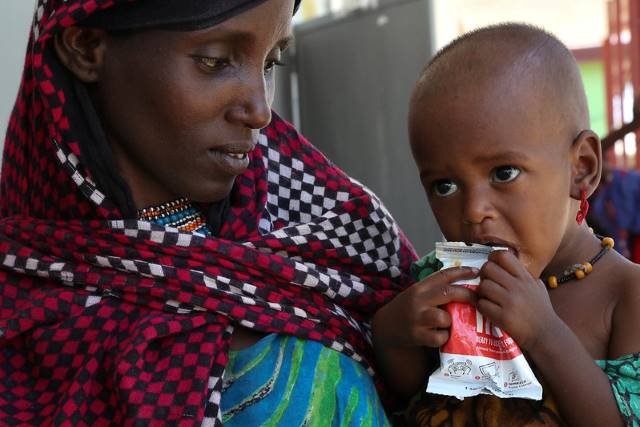
The most talked-about of these miracle nutritional products is Plumpy’Nut, a nutritional, protein-packed peanut-based paste. Plumpy’Nut comes in portioned plastic wraps that are easy to store and easy to open, making it a resilient food for unstable conditions. Unlike some other ready-to-use therapeutic foods (RUTF), one does not need to mix Plumpy’Nut with water, cutting down the risk of spreading disease.

Nourimamba is a similar peanut-based product that includes extra protein. Packaged in jars, hospitals mostly use Nourimamba to treat severely malnourished children. These jars of sweetened paste also end up in schools as snacks for children.

Dr. Mark Manary founded Project Peanut Butter, an organization in Malawi that helps to feed malnourished children in Sierra Leone, Malawi and Ghana. The organization uses a locally sourced, protein-rich and high caloric peanut butter known as “chiponde” to treat severe malnutrition.

While peanut butter is already a nutritious food, these pastes pack a greater punch in the fight against malnutrition. These products have a long shelf life and require no preparation, making them the ideal snack for undernourished individuals.

Positive Impacts on Poverty

Getting peanut butter into hungry stomachs is the top priority, but in the process, the nut helps uplift developing nations. In addition to addressing malnutrition, these peanut butter products create jobs that can break the cyclical poverty malnourished children are born into.

The Mwayi Wathu Peanut Butter Processing Group, supported by Oxfam and the Catholic Development Commission of Malawi (CADECOM), produces peanuts and peanut butter. This cooperative addresses malnutrition with its products while creating local jobs to stimulate the economy.

Peanuts Reduce Poverty

W. K. Kellogg graciously funded Accesso’s nutritional snack program, which aimed to feed 11 schools in central Haiti. As a result of this initiative, enrollment at the schools increased by 20%. The jobs that the program created allow parents to send their children to school. These families were unable to afford educational endeavors before.

Accesso works with 7,400 local farmers and has tripled the profits of farmers through its agribusiness model. Through this model, farmers strengthened their income and the organization can provide nutritional peanut snacks to more than 4,000 children every single day.

Part of this improved agribusiness model is the spicy peanut butter, Lavi, which holds the promise of opening up new markets for these developing nations. Accesso, the organization that championed the creation of Lavi, aims to expand its business to global markets, especially the United States, where demand for peanuts is high. As the most commonly enjoyed nut by U.S. citizens, more than two-thirds of all nut consumption in the U.S. is peanuts, making it a powerhouse in helping foreign farmers increase their incomes and rise out of poverty.

The benefits of nutritious peanut butter products show how peanuts reduce poverty in developing countries, tackling several concerns at once.

– Veronica Booth
Photo: Flickr

April 16, 2021
https://borgenproject.org/wp-content/uploads/borgen-project-logo.svg 0 0 Yuki https://borgenproject.org/wp-content/uploads/borgen-project-logo.svg Yuki2021-04-16 07:30:032021-04-13 03:21:03The Many Ways Peanuts Reduce Poverty
Child Labor, Children, Education, Global Poverty, Health

Fighting Poverty in the Cocoa Industry

Poverty in the Cocoa Industry
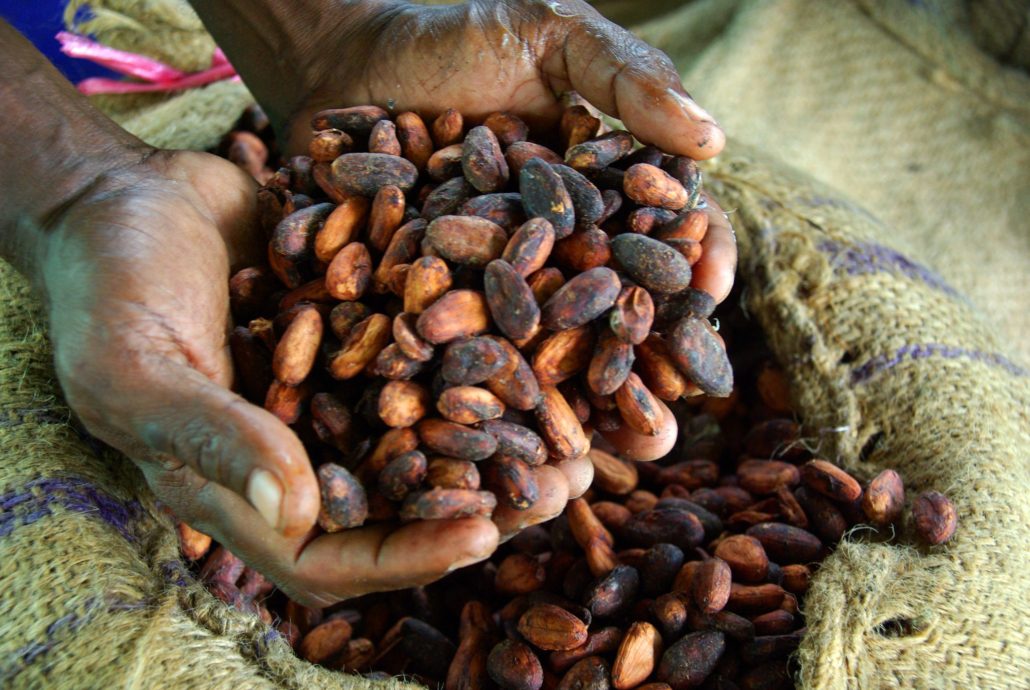
Tony’s Chocolonely, a chocolate company in the Netherlands, emerged in 2005. When police arrested a journalist by the name of Teun van de Keuken, he asked to go to prison. He hired a lawyer to help send him to prison and asked a judge to convict him of driving child slavery. However, the judge would not convict him, stating that his crime was simply eating a bar of chocolate. Keuken was not satisfied with this decision and ventured to create a chocolate company that would both combat child labor and poverty in the cocoa industry.

A Better Idea

Instead, Keuken decided to try to stop child slavery from the inside. He wanted to do this by setting up a chocolate company with the mission of ending child slavery in general by fighting poverty in the cocoa industry. Since 2005, the company has grown, and with it, so have its missions. The brand is now the Netherlands’ favorite chocolate company and it has an international reach as many supermarkets in Europe sell its products. Additionally, it is inspiring cooperatives and chocolate companies across the world. Here are Tony’s Chocolonely’s five guiding principles.

Tony’s 5 Guiding Principles

  1. Traceable Cocoa Beans: The company does not buy large quantities of anonymous beans, but rather trades directly with farmers and cooperatives so that it knows the environmental and social conditions in which the beans grew. The company has implemented Tony’s Beantracker so that it knows exactly where the cocoa for its chocolate comes from. This is part of its transparency to ensure conscious consumption.
  2. A Higher Price: The company pays a higher price for its cocoa to ensure that cocoa farmers earn a living wage, which is enough to feed their families and run their farms. This has involved paying a premium; as the cocoa market can be so volatile, Tony’s pays farmers the same amount, even when prices drop. This helps ensure that farmers have enough funds to maintain their livelihoods. In 2019, cocoa prices fell and Tony’s increased its premium from $375 to $600 per tonne to ensure the security of farmers’ income.
  3. Strengthening Farmers: Tony’s Chocolonely is working to professionalize farming cooperatives. If farmers work together, they will be more empowered to structurally challenge the inequality in the value chain. When working together, farmers can stand up to middlemen in the production chain, negotiate better prices when buying production resources as a collection and raise concerns. Tony’s facilitates meetings where farmers can engage and raise concerns, empowering farmers to speak up.
  4. The Long Term: Normally in the cocoa industry, a buyer seeks out the cheapest price. However, Tony’s has committed itself to sign five-year contracts to tie it into longer deals. The longevity of these deals allows the company to build relationships with the farmers. It also ensures farmers a stable income for five years so that they have a steady source of income and can feed their children and pay the bills.
  5. Improved Quality and Productivity: Tony’s invests in agricultural knowledge and skills related to growing cocoa and other crops. The company wants to help farmers increase their crop productivity to give them more stability in sales, but also in subsistence agriculture so they have the crops they need to survive nutritionally. To help here, Tony’s works with Soil & More to help farmers develop and source compost and organic fertilizer.

Walk the Walk, Talk the Talk

Tony’s Chocolonely leads by example in how it is fighting poverty in the cocoa industry. However, it has extended its mission to raise awareness and inspire others to act in the same way. It is spreading its message to more people every day in an effort to acknowledge the problems of slavery and poverty in the cocoa industry so that citizens can be more conscious consumers. Such awareness promotion is having an effect; in the Netherlands, where the company is based, 75% of people now know about the problems of child slavery and poverty in the cocoa industry and say they will try to be more ethical consumers.

Advocacy

Tony’s Chocolonely’s advocacy aims to inspire others. This is evident in its partnership with the Netherlands’ largest supermarket Albert Heijn, which has worked to make the chocolate it sells slave-free. In 2019, Tony’s Chocolonely also broke into the markets of the U.K. and Germany.

The company is aiming to pressure big chocolate producers like Nestle and Cadburys to eliminate child slavery from their practices. Tony’s Chocolonely wants to get to that tipping point where ethical practice becomes necessary for business and would like this to occur either through law or by requirement. In fact, it would like it to be necessary for businesses to have a license to operate in the cocoa industry.

– Lizzie Alexander
Photo: Flickr

April 8, 2021
https://borgenproject.org/wp-content/uploads/borgen-project-logo.svg 0 0 Kim Thelwell https://borgenproject.org/wp-content/uploads/borgen-project-logo.svg Kim Thelwell2021-04-08 10:58:262024-05-30 22:23:13Fighting Poverty in the Cocoa Industry
Children, Education, Global Poverty

Why Syrian Children Feel Their Country Is Unsafe

Children Feel Their Country Is Unsafe
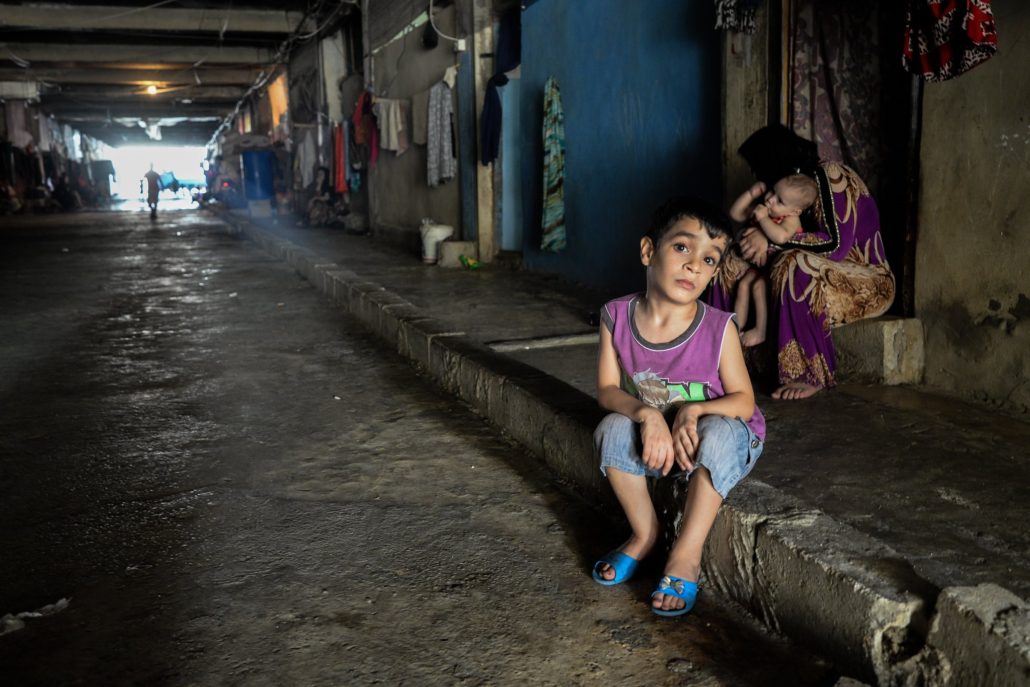
The year 2021 marks 10 years since the start of the war for Syria and its citizens. This war started shortly after Syrians launched the anti-government Arab Spring uprisings. Authorities swiftly took action and pushed back against Syrian citizens, leading to the deaths of over 500,000 people and 55,000 children, and causing Syrian children to feel their country is unsafe.

Product of War

This war scattered Syrian children throughout several countries as refugees. A Save the Children report has displayed testimonies from over 1,900 children ages 3-17, who are currently located in Syria, Jordan, Lebanon, Turkey and the Netherlands. About 87% of these children say they can never see themselves returning to Syria. Meanwhile, one in three children is still living in Syria. They go on daily runs through rumble-torn streets, collecting freshwater from large coolers and sitting in abandoned buildings. Some even sit with their parents at their still open food carts in front of bombed-down buildings. Understandably, these children wish they were anywhere else.

While many children in Syria do not feel safe, often children who have relocated do not feel safe either. Many children who left Syria with their families now find themselves in refugee camps, crammed into small tents with a dozen other refugees. The children feel that life is about nothing but war these days and wish to go to a place where they can be safe with toys, warm beds, plenty of food and education.

Lack of Education

About 42% of Syrian children did not attend school at the start of the war. In fact, Syria does not offer education to more than 3 million children. Meanwhile, only 31% of Syrian children have access to education in Lebanon and only 49% have access to education in Jordan. Additionally, about 25% of the schools undergo continuous bombing. As the war continues, poverty is continuing to rise, schools are experiencing destruction and teachers are becoming scarce. These circumstances help explain why Syrian children feel their country is unsafe.

Without schools, many children who still live in Syria feel no attachment to their homes and their communities. Children who still live in Syria and partook in the Save the Children survey said that they have no connection to Syria, and 58% of those surveyed have said that they experience discrimination. In fact, 44% of the children living in Lebanon and Jordan have experienced discrimination in their neighborhoods and schools.

A Better Future

When asked what they wish for the most, 26% of the children wished for a better future without violence. However, even after fleeing war-torn Syria, a country that many Syrian children feel is unsafe, refugee children frequently face extreme poverty. In Lebanon, which is facing an economic crisis, rapid spreading COVID-19 cases and an overabundance of refugees, about nine out of 10 Syrian refugees are struggling with severe poverty.

Some hope exists, though. About 70% of Syrian refugee children in the Netherlands have been receiving an education, with opportunities and freedom. About eight in 10 of these children say they wish to stay in the Netherlands where they continue to feel safe. However, while some children have been able to get opportunities for a better life, it is important to remember that millions of Syrian children are still in peril.

Solutions

Organizations like UNICEF are doing their part to help children who have relocated due to the violence in Syria. In fact, UNICEF’s efforts have led to polio vaccines, nutrition plans, safe drinking water, education services, infection prevention, a push for educational services and an expansion of social services and social skills to ensure Syrian children have the best tools for a better future. Through efforts like UNICEF’s, hopefully, the situation for Syrian children will improve.

– Claire Olmstead
Photo: Flickr

April 7, 2021
https://borgenproject.org/wp-content/uploads/borgen-project-logo.svg 0 0 Kim Thelwell https://borgenproject.org/wp-content/uploads/borgen-project-logo.svg Kim Thelwell2021-04-07 12:25:032021-06-09 12:26:19Why Syrian Children Feel Their Country Is Unsafe
Children, Developing Countries, Education, Global Poverty

3 Standout Children’s Programs in Vietnam

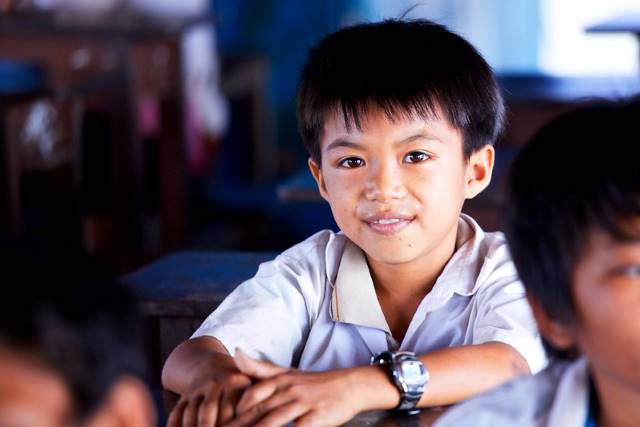
Children's Programs in VietnamChildren’s programs in Vietnam are vital to the country’s development. The country is home to 26.2 million children, 21.1% of whom currently live in multidimensional poverty, according to UNICEF. Vietnam has made progress on child welfare since 1990 when it was the first Asian country and the second global country to ratify the Convention on the Rights of the Child. The majority of children in Vietnam attend primary and secondary school, have access to adequate healthcare and have a longer life expectancy than their parents had. But, a significant population of Vietnam’s children still live in impoverished conditions and are deprived of basic needs. Fortunately, there are several standout children’s programs in Vietnam addressing this issue.
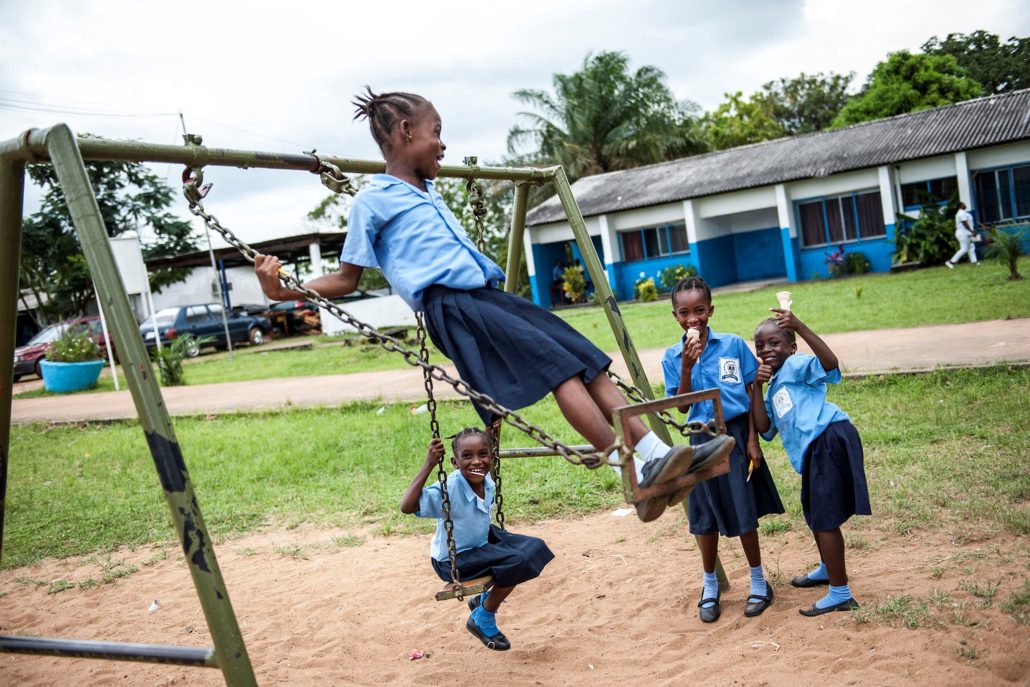
Children of Vietnam

Children of Vietnam was founded in 1998 by two friends bringing essential items to children and families by scooter. These two individuals, Ben Wilson and Luong Thi Huong, rode all the way to the Vietnam countryside. They brought food, medicine and clothing to ensure a brighter future for children growing up in poverty.

Today, Children of Vietnam has grown into an NGO that aims to “assist children, families and communities in breaking the cycle of poverty, ill health and homelessness.” It has several initiatives offering aid to children in Vietnam including education, healthcare, housing and nutrition. It also offers support systems for struggling single mothers and children with disabilities.

In 2019, Children of Vietnam successfully completed its Cycling Out Child Poverty tour. The organization was able to raise $146,974 to help Vietnamese children living in poverty.

Room to Read

Room to Read is an organization that aims to empower millions of children in low-income communities by improving literacy and gender equality in education. It operates in developing countries like Tanzania, South Africa, Bangladesh and Cambodia. Almost 90% of the staff are from the countries the organization works in. The organization particularly prioritizes the education of girls, ensuring girls receive equal opportunities for education, no matter their financial background. Room to Read supports young girls so that they can finish secondary school and learn essential life skills that can help them progress and advance.

The organization launched in Vietnam in 2001. Since then, 1.1 million children in Vietnam have benefited from the program. Almost 1,000 schools in Vietnam partnered with the Room to Read Literacy Program and 98% of students passed the program’s “gatekeeping exam” and advanced to the next level in their schooling.

Save the Children

Another organization that works to help children in multiple countries is Save the Children. Founded in 1919, the mission of Save the Children is to ensure a future for children where they grow up healthy, safe and educated. Working in more than 100 different countries, Save the Children has helped more than 144 million children around the world in 2019 alone.

Working in Vietnam since 1990, Save the Children has launched several initiatives to give Vietnamese children the opportunity for quality education, a healthier life and protection from harm. Save the Children has positively affected more than seven million Vietnamese children in 2020. In specific, Save the Children ensured:

  • Roughly 7,110,000 children were healthy and nourished
  • About 179,000 children were educated and empowered
  • Approximately 64,000 children were protected from harm

These standout children’s programs in Vietnam have made significant strides in improving the lives of Vietnamese children over the years. From health to education and safety, organizations have committed to protecting vulnerable children.

– Celia Brocker
Photo: Flickr

April 7, 2021
https://borgenproject.org/wp-content/uploads/borgen-project-logo.svg 0 0 Kim Thelwell https://borgenproject.org/wp-content/uploads/borgen-project-logo.svg Kim Thelwell2021-04-07 07:33:082024-05-30 22:23:123 Standout Children’s Programs in Vietnam
Children, Global Poverty

5 Ways to Help Liberian Youth


Help Liberian Youth
The Liberian Civil War lasted from 1989 to 2003, leaving the education system completely broken. Before the war, there were around 2,400 schools. However, after the war, only 480 schools remained. Edman Zayzay, founder of the 501(c)(3) nonprofit organization, Organize For Liberia (OFL), had a dream as a young boy of one day becoming an astronaut. He blames the war for stripping him of that dream. Organize For Liberia gave Liberian youth the opportunity to animate their dreams. Edman Zayzay wanted to improve society’s conditions for all Liberians and help Liberian youth gain access to resources.

Increased Education

OFL focuses on educating Liberian girls specifically. More than half of Liberian women and girls are illiterate. In Liberian culture, girls are the caretakers of the family. Duties include cooking, cleaning, tending the family farm and bearing children of their own. The more responsibilities girls have at home, the less time they have to go to school.

Organize For Liberia encourages its educators to develop relationships with parents. Most parents never had the means for school themselves and do not understand the importance of education. It is rare that parents make the sacrifice and allow education and opportunities for their daughters. If girls attend school, it allows them to pass what they learn to their families and ultimately spread knowledge to their community. If girls have careers or life goals, they should receive support to achieve them. Education helps develop sound decision-making skills to build a healthy future for themselves.

Youth Engagement Mentorship Program

Organize For Liberia pairs adult leaders with young people, giving mentees the opportunity to showcase what a post-war childhood looks like. It is common for minors living in poverty to resort to prostitution to earn food or shelter. Many young women are victims of abuse and rape. The OFL mentorship program encourages young women to value themselves and build connections with friends, family and the community to increase support and self-love. Young people learn the value of life experience and living responsibly, and the mentors learn the value of the influence young people have on Liberia’s future. Together, the pairing has the potential to bring social change to society.

Adolescent Pregnancy Awareness

The birth rate in Liberian adolescents is one of the highest in the world where about one in three adolescent girls are pregnant. About 19% of Liberian girls marry by age 15, while almost half of them marry before age 18. Younger women experience a higher-risk pregnancy. Many young mothers become pregnant against their will. Sadly, Liberia has one of the highest maternal mortality rates in the world. Organize For Liberia raises funds to support pregnancy awareness. This can help Liberian youths in more ways than one. Pregnancy leaves many girls unprepared. OFL encourages pregnant students to remain in school and to not give up on their education because of their pregnancy.

The STEM Initiative

Organize For Liberia’s Science, Technology, Engineering and Mathematics (STEM) Initiative offers education opportunities outside of the typical classroom. OFL offers after-school and summer programs that encourage computer and technology education. Those interested in science and engineering fields can further their computer skills with robotics programming courses. Funding keeps science books and technology journals in school libraries. The future of Liberia is dependent on the education of the young men and women who could grow to become the future innovators that rebuild Liberia’s society.

Civic Education

Scarred by war and adversities, Liberians often become violent after an election. Organize for Liberia encourages peaceful and informed protests. The more Liberians understand their political system, the less detached and forgotten they feel in a post-election environment. Citizens lost faith in the political system after the Liberian Civil War. Civic education informs young people of their rights. It benefits the youth in relation to defending themselves against systemic oppression. For instance, the right to vote helps Liberian youth to have a voice and active role in social justice and development.

Organize For Liberia formed to give hope to Liberian youths who can feel hopeless to the circumstances they were born into. Education is the building block for young people dreaming of a life different than the one their parents led. Increased funding allows the opportunity for education. The main reason parents cannot keep their children in school is that they lack funding for supplies and they rely on their children for help at home. If the Liberian youth have funding to provide school supplies, it would allow the window of opportunity to open up. As a result, the Liberian youth can grow to help their own children have improved lives. Gradually, education and resources will help Liberian youth accomplish those goals. Ultimately gender balance and opportunities begin in the classroom and OFL believes that every life, regardless of class or gender, has equal value.

– Sarah Ottosen
Photo: Flickr

April 4, 2021
https://borgenproject.org/wp-content/uploads/borgen-project-logo.svg 0 0 Lynsey Alexander https://borgenproject.org/wp-content/uploads/borgen-project-logo.svg Lynsey Alexander2021-04-04 13:35:292021-05-19 13:36:085 Ways to Help Liberian Youth
Children, Developing Countries, Education, Global Poverty, Health

Children with Disabilities in Kyrgyzstan

Disabilities in Kyrgyzstan
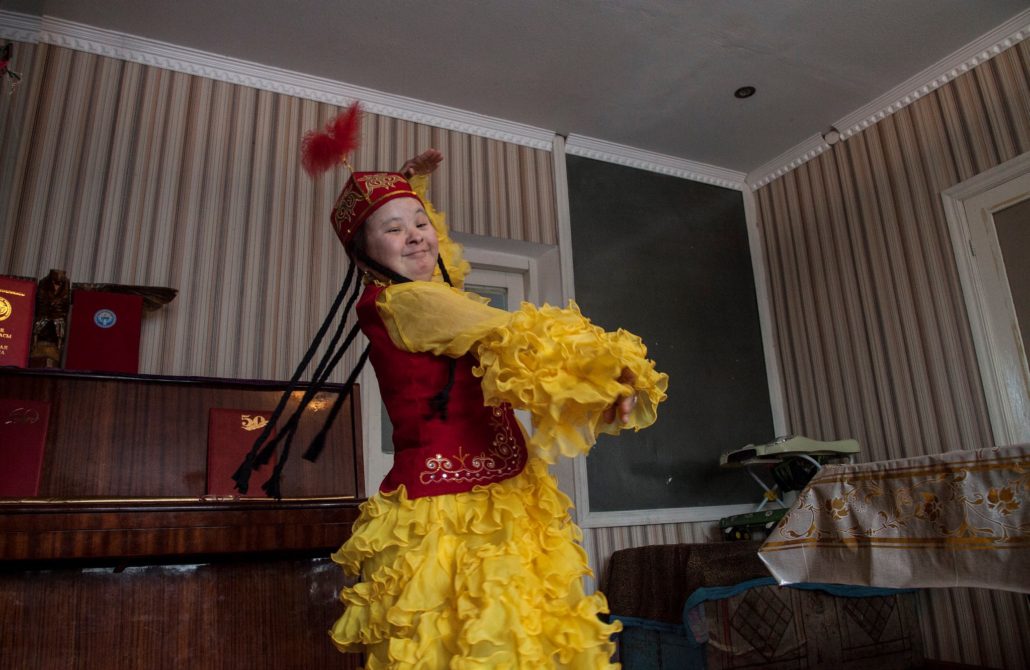
Kyrgyzstan is a small nation in Central Asia. It is west of China and south of Kazakhstan. In 2019, this former Soviet country ratified the United Nations Convention on the Rights of Persons With Disabilities (CRPD). Kyrgyzstan is now part of it along with 180 other countries. The approval of the CRPD showcases the progress that various organizations have made in recent years toward creating a more inclusive Kyrgyzstan. This is of vital importance to more than 31,000 registered children with disabilities in Kyrgyzstan who often lack basic civil rights.

Barriers to Inclusion

Since Soviet rule, the prevailing mindset in Kyrgyzstan is that people with disabilities require fixing. This has led to the development of stigmas against people with disabilities, and in turn, their exclusion from daily life. This can take the form of the children not receiving an education, and having limited access to health and rehabilitation services and institutional placement. According to UNICEF, in 2012, more than 3,200 children and teenagers with disabilities were living in institutions. Here, they often face inhumane treatment. For example, Human Rights Watch documented that staff use “psychotropic drugs or forced psychiatric hospitalization to control children’s behavior and punish them.” This kind of treatment is harmful and can result in an overdose.

Learning Better Together

In 2018, the Kyrgyzstan government launched several initiatives with the intention of fostering inclusion. One of these initiatives is the Learning Better Together Initiative. This is a partnership between USAID, the Ministry of Education and Science of Kyrgyzstan and UNICEF. UNICEF is responsible for placing children with disabilities or special needs in local schools. Teachers received training on how to work with children with disabilities and how to identify areas in which students need extra help.

There were 20 schools that participated in the pilot program. Each one received grants to use as they best saw fit. For example, the school in Kok-Sai used the grant to build a dance room and purchase exercise equipment to help children with disabilities improve their physical health.

While the main focus of the Learning Better Together Initiative is children with disabilities, it also implemented multilingual education. At least 20 school settings practiced this concept during the pilot program. These programs are important for a multiethnic nation like Kyrgyzstan.

Open the Door to the Child!

“Open the door to the child!” is a UNICEF public campaign. It is in partnership with the Osh and Bishkek Mayor’s office that informed the public about children with disabilities in Kyrgyzstan. Billboards displayed advertisements that talked about accepting those with disabilities. Similar posters and banners hung on bus stops and city lights. The stories of children with disabilities in Kyrgyzstan, including their trials and victories, aired on local television throughout the Osh Oblast (region).

Additionally, kindergartens handed out bilingual pamphlets to parents, outlining how to connect with children with disabilities. Psychology and sociology students came to kindergartens to teach how to make friends with others, including those who have disabilities.

UNICEF’s Early Identification and Early Intervention Programme for Children with Disabilities is a program that sends health care workers to homes with newborns and children to screen for health issues and disabilities. Currently, UNICEF is striving for early detection in children 8-years-old and under to ensure they get adequate health services. UNICEF is also aiming to prevent a child’s health from worsening.

Buchur

Buchur is a daycare center in Osh, Kyrgyzstan, which specializes in working with children with disabilities. Founded by UNICEF, the city now runs and finances the daycare center itself. Here, children with disabilities between the ages of 2 and 16 can learn skills and interact with one another instead of facing isolation at home. Furthermore, it facilitates a smooth integration into kindergarten or school. Buchur also tutors children from mainstream schools who need help with homework. Similar facilities are uncommon in Kyrgyzstan.

Basketball for All

Inspired by a similar Ukrainian program, Basketball for All teaches kids with down syndrome or autism the skills and teamwork needed to play basketball. Administered by World Link and FLEX alumni, this is the first project of its kind in Kyrgyzstan. Organizers integrate parent and student feedback into the program to ensure it has the desired effect on students. Though the COVID-19 pandemic cut the initial run of the program short, the organizers have expressed interest in continuing the program after the pandemic.

Kelechek Plus

Kelechek Plus is an organization that focuses on issues surrounding children with disabilities in Kyrgyzstan. One of its programs focuses on building inclusive playgrounds for children. These playgrounds help expose non-disabled children to children with disabilities and vice versa. This is important to the mental and emotional needs of the children. Kelechek Plus has built playgrounds in various cities around Kyrgyzstan, such as Osh and Karakol. A wheelchair-accessible merry-go-round is an example of the type of structures that parents could find at one of Kelechek Plus’ playgrounds.

The progress that Kyrgyzstan has made over the last few years has been valuable in regard to the inclusion of children with disabilities in Kyrgyzstan. However, most NPO and government initiatives affect mainly the cities, leaving the rural areas in need of social and academic services. Government assistance in rural areas needs to occur. However, the success of current inclusive programs could serve as a roadmap throughout Kyrgyzstan.

– Riley Behlke
Photo: Flickr

March 28, 2021
https://borgenproject.org/wp-content/uploads/borgen-project-logo.svg 0 0 Kim Thelwell https://borgenproject.org/wp-content/uploads/borgen-project-logo.svg Kim Thelwell2021-03-28 12:23:332021-05-19 12:23:48Children with Disabilities in Kyrgyzstan
Child Poverty, Global Poverty

Child Homelessness in Cameroon

Child Homelessness in Cameroon
A violent civil crisis over regional separatism, known as the Anglophone Crisis or Cameroonian Civil War, has decimated the Central African nation of Cameroon since 2017. One of the most disheartening consequences of the conflict is the extreme number of homeless children. As of 2019, Cameroon had over 900,000 internally displaced people, 51% of whom were children. Child homelessness in Cameroon has been a serious problem for many years, but the government has redoubled its efforts to combat housing shortages and population displacement.

Street Children

Homeless or impermanently housed “street children” are a growing problem in the urban centers of many developing countries. In Cameroon, where about 37.5% of the population lives below the poverty line, street children have been a prominent humanitarian concern for years. The escalation of the Anglophone crisis has produced significant increases in the number of children fending for themselves on the streets of Cameroon’s cities. In the past 10 years, the number of street children increased from around 1,000 to over 10,000.

A study that researchers at the University of Kwa Zulu-Natal conducted found that most street children in Cameroon subsist on less than $0.85 USD per day. Many street children rely on begging, drug use and sex work to survive their harsh conditions. Less than 1% of the street children who the researchers surveyed considered the public’s attitude toward them to be supportive. These children are dangerously vulnerable, especially in active war zones. Conflict-induced devastation is one of the most significant causes of child homelessness in Cameroon.

Impact of COVID-19

The COVID-19 pandemic has hit Cameroon, worsening conditions for all citizens but hitting street children especially hard. Urban centers are less sanitary and more harmful than ever before, something that the homeless and under-housed feel most keenly. Over 40,000 confirmed cases of COVID-19 have occurred in Cameroon and over 600 deaths.

Furthermore, the COVID-19 pandemic may have exacerbated the worst impacts of the Anglophone Crisis. As the global health crisis distracted the international community, both the military and armed separatist groups enacted more violence on civilians. This behavior endangers civilians directly but also causes many to flee their homes out of fear for their safety, increasing the number of Cameroon’s homeless dramatically. This surge in displaced individuals also stretches Cameroon’s already thin resources even more direly, worsening conditions for those already homeless.

Though the pandemic has increased the instability of living conditions for those on the streets, it has also given Cameroon’s government a stronger incentive to house street children, accelerating existing plans to provide housing to those who violence or poverty have displaced.

Initiatives to House Street Children

Cameroon’s Ministry of Social Affairs is partnering with the Ministry of Health to house and support thousands of street children while screening them for COVID-19 in the process. It began clearing the streets in April 2020, with plans to find housing for 3,000 street children in the near future.

The children will either return to their families or enter housing or job training programs to develop skills like cooking and sewing. Regardless of their specifics, this program will provide shelter, safety and opportunities to thousands of street children. This initiative will house not only displaced or abandoned children but also orphans and children who are seeking asylum from nearby countries.

Street Child, a U.K. charity, is also working in Cameroon to help provide protection and education for homeless children. The organization emerged in 2008 and operates by partnering with local organizations in areas with high rates of child homelessness to make education more accessible. Street Child has helped over 330,000 children go to school. Now the initiative is working with local organizations and the Cameroonian government to help provide COVID-19 relief, and developing specific programs to improve the wellbeing of children who the conflict has directly affected. Street Child focuses on expanding access to education and alleviating the symptoms of child homelessness in Cameroon.

– Samantha Silveira
Photo: Flickr

March 28, 2021
https://borgenproject.org/wp-content/uploads/borgen-project-logo.svg 0 0 Jennifer Philipp https://borgenproject.org/wp-content/uploads/borgen-project-logo.svg Jennifer Philipp2021-03-28 07:31:082021-03-24 11:01:10Child Homelessness in Cameroon
Child Labor, Child Marriage, Child Poverty, Children, Education, Global Poverty

Factors of Child Poverty in the Dominican Republic

Child Poverty in the Dominican Republic
The Dominican Republic is a major tourist destination, reeling in an estimated 6.5 million visitors in 2018. However, it also hosts a largely divided society with 40% of its population falling under the poverty line. Due to this poverty, Dominican children struggle considerably, dealing with several issues that do not allow them to succeed and confine them to a life of poverty. Here is some information about child poverty in the Dominican Republic.

Limited Access to Proper Education

One of the hardest struggles Dominican children must deal with is a lack of proper public education. These children in poverty attend public schools which often provide low-quality education with a lack of resources and poorly trained professionals. Due to a lack of financial resources, these schools also suffer from ill-suited scholastic programs and buildings in need of repair. Consequently, “more than 40% of Dominican children are uneducated,” and just 60% of enrolled children complete their primary education. Another problem worth addressing is the Dominican Republic’s high rate of repetition, especially in rural areas, with 44% of students in grades one to five, being three or more years older than the appropriate age and 60% of students in grades six to eight, again being older than the age they should be. 

Child Labor

 These children are then must work in order to support their struggling families. In fact, 2.1% of Dominican children from ages 10-14 are obliged to join the workforce. In fact, 28.1% of working children work in agriculture, 8.6% work in industries such as construction and producing baked goods and 63.4% have employment in public services. Many of these jobs are unsafe for children and some even suffer sexual trafficking and exploitation, especially Haitian children who traffickers frequently send to the Dominican Republic. 

Mistreatment and Abuse

Due to a lack of enforcement and prohibition, Dominican children frequently suffer from abuse. As of 2014, reports determined that 62.9% of children experienced physical or psychological mistreatment by their caregivers. This treatment of children in the Dominican Republic is concerning and leads to adults who deem it right to use violence to solve conflict and gain power. In fact, 8% of Dominican men from ages 15 to 49 consider it justified to physically abuse their wives for at least one reason, while 2% of Dominican women in the same age range agree with this justification of abuse. 

Child Marriage

Another significant issue young Dominican women struggle with is the regularity of child marriage. In fact, 36% of Dominican girls must marry before they turn 18 and 12% marry before they turn 15. Furthermore, as of 2014, 21% of girls from ages 20-24 reported having given birth before the age of 18. These marriages are harmful to these young women, who must place their own education and goals to the side to become wives and mothers against their will. 

Lack of Identity

Another huge problem for Dominican children is the number of births that are not on the official record. “More than a quarter of births in the Dominican Republic are not officially reported,” concluding in a large number of children with no identity or nationality. This leads to huge difficulties for these children who will never be able to fully enjoy their rights as citizens. For example, the Ministry of Education requires students to have a birth certificate to graduate high school, forcing all unidentified children to be unable to get a degree, leaving them with the least amount of opportunities to succeed. 

Solutions

Several organizations have emerged and the Dominican Republic is passing legislation to aid and raise awareness on these critical issues regarding child poverty in the Dominican Republic. Some of these organizations include Save the Children and UNICEF, which raise money to support poor communities by providing potable water and promoting health and hygiene.

Save the Children also focuses on improving education for Dominican children, using its platform to refurbish school buildings, build gardens, enhance teacher’s knowledge and improve sanitary infrastructure. It has protected 1,665 children from harm and provided 27,318 children a healthy start to their lives. Furthermore, The Ministry of Labor has increased the number of hired inspectors from 148 to 205 in 2019, demonstrating moderate improvement in decreasing child labor. More than anything, the Dominican Republic has made considerable improvements in healthcare, providing healthcare to 366,236 poor citizens who had previously lacked it through the Health Sector Reform APL2 (PARSS2). These improvements target the Dominican Republic’s most critical issues, including education, child labor and sanitation, helping alleviate the prominent issue that is child poverty in the Dominican Republic.

– Juan Vargas
Photo: Flickr

March 28, 2021
https://borgenproject.org/wp-content/uploads/borgen-project-logo.svg 0 0 Kim Thelwell https://borgenproject.org/wp-content/uploads/borgen-project-logo.svg Kim Thelwell2021-03-28 01:31:412024-06-06 00:59:31Factors of Child Poverty in the Dominican Republic
Children, Developing Countries, Global Poverty, Health

Fighting Malnutrition in Nepal

Malnutrition in NepalIn 2019, the malnutrition rate in Nepal was 43% for children under 5 years old. Malnutrition is defined as a lack of nutrition and can be a result of either being underfed or not eating enough nutritious foods. When children suffer from chronic malnutrition, it can result in stunting, which can permanently affect a child’s growth physically and cognitively. For the first two decades after 1990, malnutrition in Nepal decreased. Thereafter, malnutrition progress slowed down. Currently, malnutrition in Nepal is still a serious issue that needs addressing.

Malnutrition in Numbers

Nearly 66% of children between 0-5 months old are exclusively breastfed. Between 6-24 months old, only 36% of babies receive a minimum acceptable diet. Additionally, as little as 47% of these children receive diversified diets with the proper nutrients.

Mother Fights Malnutrition

To help fight malnutrition, adolescent girls, women and children, need access to better nutritious diets and associated nutritional care. According to UNICEF, “The first 1,000 days from the start of a woman’s pregnancy to a child’s second birthday offer an extraordinary window of opportunity for preventing undernutrition and its consequences.” In this critical period, preventative intervention is vital. This includes breastfeeding support,  supplementary foods for infants and micronutrient supplementation for women and children.

Bimala Chaudhary is an example of a mother who has been educated on the importance of nutrition. On a monthly basis, Chaudhary participates in a mothers’ group meeting where female community health volunteers teach mothers about how to improve both their own nutrition and the nutrition of their children. The mothers have been taught lessons that include the importance of handwashing and how to prepare nutritious porridge.

The health volunteers also visit Chaudary’s home to provide one-on-one nutritional counseling. A USAID-supported radio program called Mother Knows Best further emphasizes the lessons she learns through the women’s group. She also receives SMS messages to remind her to take her daughter for visits at the clinic in order to monitor progress.

To help the community, Chaudhary shares what she learns from the meetings with other mothers. Her end goal is to make sure no children are malnourished in the future.

Solutions

Since the 1990s, a lot of progress has been made to fight malnutrition in Nepal. The current country program (2018-2022) works to improve nutrition in Nepal. Adolescents, pregnant women, breastfeeding mothers, infants and young children receive special focus. UNICEF supports the Government of Nepal in the implementation of comprehensive nutritional strategies. These strategies include deworming children, vitamin A supplementation, iron folate supplementation and nutritional education and counseling.

The Nepal Youth Foundation has developed child malnutrition treatment centers. These Nutrition Rehabilitation Homes (NRHs) treat severely malnourished children, teach mothers about children’s health and train professionals on best nutritional practices. These homes bring in critically-underweight children for three to four weeks to help improve their health through a monitored diet. For a long-term solution, caregivers and mothers are taught how to make nutritious meals. They are then encouraged to share these lessons with their communities. Since the first NRH was opened in 1998, 15,000 malnourished children have been restored back to health.

Food for the Future

By increasing the nutritional education of communities, malnutrition in Nepal can improve. With both short and long-term solutions, organizations like UNICEF and the Nepal Youth Foundation improve the lives of mothers and children.

– Sarah Kirchner
Photo: Flickr

March 26, 2021
https://borgenproject.org/wp-content/uploads/borgen-project-logo.svg 0 0 Kim Thelwell https://borgenproject.org/wp-content/uploads/borgen-project-logo.svg Kim Thelwell2021-03-26 01:31:172024-05-29 23:22:31Fighting Malnutrition in Nepal
Page 49 of 137«‹4748495051›»

Get Smarter

  • Global Poverty 101
  • Global Poverty… The Good News
  • Global Poverty & U.S. Jobs
  • Global Poverty and National Security
  • Innovative Solutions to Poverty
  • Global Poverty & Aid FAQ’s
Search Search

Take Action

  • Call Congress
  • Email Congress
  • Donate
  • 30 Ways to Help
  • Volunteer Ops
  • Internships
  • Courses & Certificates
  • The Podcast
Borgen Project

“The Borgen Project is an incredible nonprofit organization that is addressing poverty and hunger and working towards ending them.”

-The Huffington Post

Inside The Borgen Project

  • Contact
  • About
  • Financials
  • President
  • Board of Directors
  • Board of Advisors

International Links

  • UK Email Parliament
  • UK Donate
  • Canada Email Parliament

Get Smarter

  • Global Poverty 101
  • Global Poverty… The Good News
  • Global Poverty & U.S. Jobs
  • Global Poverty and National Security
  • Innovative Solutions to Poverty
  • Global Poverty & Aid FAQ’s

Ways to Help

  • Call Congress
  • Email Congress
  • Donate
  • 30 Ways to Help
  • Volunteer Ops
  • Internships
  • Courses & Certificates
  • The Podcast
Scroll to top Scroll to top Scroll to top