• Link to X
  • Link to Facebook
  • Link to Instagram
  • Link to TikTok
  • Link to Youtube
  • About
    • About Us
      • President
      • Board of Directors
      • Board of Advisors
      • Financials
      • Our Methodology
      • Success Tracker
      • Contact
  • Act Now
    • 30 Ways to Help
      • Email Congress
      • Call Congress
      • Volunteer
      • Courses & Certificates
      • Be a Donor
    • Internships
      • In-Office Internships
      • Remote Internships
    • Legislation
      • Politics 101
  • The Blog
  • The Podcast
  • Magazine
  • Donate
  • Click to open the search input field Click to open the search input field Search
  • Menu Menu

Archive for category: Children

Information and stories addressing children.

Child Marriage, Children, Global Poverty, Women & Children, Women's Empowerment, Women's Rights

Consequences of Child Marriage in Niger 

Child Marriage in Niger 
Niger, one of the largest countries in West Africa, holds the highest rate of child marriages compared to the rest of the world. In fact, 75% of young girls marry before turning 18. This is because the nation’s legal marital age is 15 for girls and 18 for boys. Although Niger has made efforts to reduce child marriage, the country has noted only minimal progress in the last 20 years. As a result, many consequences have arisen from child marriage.

Why Does Niger Have a High Child Marriage Rate?

First, child marriage in Niger harshly affects girls deprived of attending school because they need to rely on others to survive. In addition, many young girls choose to drop out of school because of the unsafe learning environments. As a result, they cannot live an independent life due to the lack of income and confidence to make rational decisions. Due to few other options for their futures, many families decide to marry their daughters off for financial stability.

According to the World Bank, Niger has a poverty rate of 42.9%. However, Niger’s population continues to increase, causing the number of people in poverty to grow. Currently, many families are struggling financially, so they view child marriage as a way to alleviate their financial burdens. Because of this, marriage becomes “a strategy for economic survival” due to the lack of social protection, according to Save the Children.

Moreover, child marriage in Niger is common because many communities believe a woman’s purpose is to become a housewife and bear children. Due to this belief, families tend to prioritize the education of sons over daughters. To add, marrying young is a way that Niger communities attempt to prevent pregnancy before marriage, which is “a source of shame for the family,” Save the Children reports.

Consequences of Child Marriage in Niger

Although families aim to avoid pregnancy before marriage and look for financial stability by marrying their daughters off at a young age, this only causes more damage in the long run. For example, without education, young girls are unaware of the risks of early pregnancy. In fact, these young girls are at greater risk because 30% of the young girls show signs of malnutrition. As a result, “maternal mortality constitutes 35% of all adolescent deaths between ages 15 and 19,” according to Save the Children.

Not only do women face physical challenges but they also face mental health challenges caused by marrying at a young age. This is because young girls have to abruptly transition to adult life and take on responsibilities they are not mentally prepared to tackle. They are still at an age that requires guidance from a guardian. In a BMC Public Health study, many Nigerian girls expressed emotional distress and depression due to fulfilling their marital responsibilities and sexual demands from their husbands.

Due to the common practice of child marriage in Niger, young girls do not have the opportunity to have a childhood and face threats to their lives and health. For instance, some experience domestic violence and cannot return to school to escape these living conditions. Unfortunately, young married girls “have worse economic health outcomes than their unmarried peers, which are eventually passed down [sic] to their own children,” UNICEF reported.

How is Niger Receiving Help to End Child Marriage?

UNICEF is working to help implement laws and policies to help end child marriage and work within Nigerian communities to address the social norms that encourage child marriage. UNICEF partnered with the Niger Traditional Leaders and Association and the Islamic Congregation because they are well respected in their communities and can create new rules for people to follow.

Due to these advocacy efforts, the Niger Government created a national action plan, “Towards the End of Child Marriage in Niger,” that convenes every month to discuss what the community needs to do to advocate for better treatment of young boys and girls. Fortunately, “Education sessions by the Village Child Protection Committees were able to prevent cases of child marriage through direct mediation with parents and assisted girls to return to school,” UNICEF reported.

Lastly, Plan International Niger is helping girls establish confidence to fight child marriage in their communities. As a result, the young girls are using their voices and asking their leaders to end child marriage and provide them with an education to gain independence through employment. The Plan International Niger placed child protection committees throughout Niger and provided them with the tools to protect the rights of young girls to ensure change.

Child marriage is common in Niger, but it has far-reaching negative impacts on girls, such as emotional stress and depression. To add, young girls are at risk of domestic violence and pregnancy complications due to their age and malnutrition. These young girls have to become adults at an early age, which strips them of their childhood experiences. Fortunately, many young Nigerian girls are receiving help in an attempt to end the cycle of child marriage.

– Kayla De Alba
Photo: Flickr

January 30, 2022
https://borgenproject.org/wp-content/uploads/borgen-project-logo.svg 0 0 Jennifer Philipp https://borgenproject.org/wp-content/uploads/borgen-project-logo.svg Jennifer Philipp2022-01-30 01:30:242022-03-04 04:22:49Consequences of Child Marriage in Niger 
Children, Developing Countries, Development, Education, Global Poverty, Health

5 Ways to Support Sustainable Development Goal 2

Sustainable Development Goal 2
In 2015, the United Nations established 17 Sustainable Development Goals (SDGs) for creating global change in key areas by 2030, especially in lower and middle-income countries. The second of these goals, Zero Hunger, aims to “end hunger, achieve food security and improved nutrition and promote sustainable agriculture.” According to Action Against Hunger, in 2021, hunger affects almost 10% of the global population. Furthermore, just between 2019 and 2020, the number of people suffering from undernourishment globally rose by 161 million. To prevent the dire consequences of not reaching Sustainable Development Goal 2, the U.N. has suggested several steps for individuals to take to support this goal.

5 Ways to Achieve Zero Hunger

  1. Shop Local and In-Season. Eating locally-grown foods helps to support smaller-scale farmers in one’s community. Buying in-season foods also helps sustain local, native crops and plants. Preserving native crops helps increase genetic diversity as it increases the number of plant species in a given area. Maintaining genetic diversity in food production across the globe is one of the targets of Sustainable Development Goal 2 as this allows the plants with favorable traits — those that are resistant to pests or are able to provide higher yields — to proliferate.
  2. Reduce Food Waste. Food waste is one of the greatest barriers to eradicating hunger as food that could serve food insecure populations instead ends up in landfills. According to Feeding America, U.S. citizens waste “108 billion pounds of food” annually, equivalent to 130 billion discarded meals. However, food waste is not an issue unique to high-income countries: the U.N. Environment Programme’s “Food Waste Index Report 2021” has found that lower-middle-income nations annually discard 201 pounds of food per capita at the household level. In comparison, for high-income nations, this amount is 174 pounds per capita per year. To reduce food waste, people can freeze extra produce and save leftovers from meals. They can also buy “ugly” produce from the grocery store, which often ends up going to waste because it is less aesthetically desirable. However, the slightly misshapen produce found in grocery stores is still perfectly good to eat. In addition, staying informed on anti-food waste initiatives in low- and middle-income countries helps to develop global awareness and better understand the progress that these countries are making toward achieving Zero Hunger.
  3. Reduce Meat Consumption. The U.S. imported $216 million worth of beef from Brazil in the first nine months of 2021. Approximately 80% of deforestation in the Amazon is due to cattle ranching. Deforestation can have negative impacts on food production thousands of miles away. For example, deforestation of the Amazon at 40% would significantly decrease rainfall in the Rio de la Plata agricultural basin more than 2,000 miles away. Such droughts lead to decreased crop production, negatively impacting local farmers. To help mitigate the impact of the meat industry on deforestation, the U.N. has suggested that individuals consider vegetarianism for just a day per week. Just one day of vegetarianism could preserve “3 million acres of land.” Even though those who live in North America may be physically far away from local farmers in the Amazon, individual eating habits still impact these farmers.
  4. Support Organizations Focusing on SDG 2. Two organizations working to improve food security worldwide include the Global Alliance for Improved Nutrition (GAIN) and the World Food Program (WFP). GAIN focuses on providing aid to women, children and adolescents. One of its programs is Better Diets for Children, which provides support to small-scale food manufacturers in low- and middle-income countries to make nutritious, safe food more affordable and accessible. The program spans eight countries and aims to help more than 120 million people. The WFP provides food assistance to victims of extreme events, such as those facing natural disasters and conflict. The organization operates in more than 80 countries and provides more than 15 billion life-saving meals each year. One of the WFP’s programs is the food assistance program, which provides “cash-based assistance” so that families can afford nutritious food.
  5. Stay Informed and Spread the Word. Staying updated on global hunger reduction initiatives is important for tracking progress made toward Sustainable Development Goal 2. The U.N. SDG website and social media stand as great resources in this regard. It is also important to educate others about Sustainable Development Goal 2 by sharing ways that others can help and the organizations that people can support in achieving this goal. Social media serves as an essential tool for raising awareness of global issues.

Looking Ahead

Minimizing hunger is an important step in the sustainable development of low- and middle-income countries. By taking action to support Sustainable Development Goal 2, each person can help improve food security and small-scale agriculture worldwide.

– Aimée Eicher
Photo: Flickr

January 29, 2022
https://borgenproject.org/wp-content/uploads/borgen-project-logo.svg 0 0 Jennifer Philipp https://borgenproject.org/wp-content/uploads/borgen-project-logo.svg Jennifer Philipp2022-01-29 01:30:162024-06-04 01:08:515 Ways to Support Sustainable Development Goal 2
Children, Developing Countries, Development, Education, Global Poverty, Health

A Success Story: 10 Impressive Improvements in Rwanda

improvements in RwandaRwanda is the fourth-smallest country in Africa, located in the Great Rift Valley in the central part of the continent. The nation has a population of about 13 million people and is home to two main ethnic groups: the pastoral Hutu and the agricultural Tutsi tribes. In 1990, tensions rose between these two groups and sparked a civil war, resulting in the Rwandan genocide in 1994. The genocide led to the massacre of approximately 800,000 Tutsi civilians by Hutu extremists, marking one of the worst genocides in history. Since then, Rwanda has been in a state of repair and has made great strides in many areas of development. In particular, the Rwandan government notes 10 impressive improvements in Rwanda.
10 Improvements in Rwanda

  1. Poverty is on the Decline. In 2001, the poverty rate in Rwanda was as high as 77%, dropping to 55% in 2017. The introduction of the first five-year Economic Development and Poverty Reduction Strategy in 2008 and a second five-year plan in 2013 largely account for this reduction.
  2. Increasing Life Expectancy. The Rwandan Civil War had a significant impact on life expectancy, which fell to a mere 26 years in 1993. Since then, the government has committed to improving the health and quality of life for its citizens, achieving a life expectancy of 69 as of 2019.
  3. Rwanda is a Leading Country in Gender Equality. In the World Economic Forum’s 2017 Global Gender Gap Report, Rwanda ranked as one of the top five leading countries in gender equality alongside Finland, Iceland, Sweden and Norway. Since the civil war, the nation has pushed for more female leadership in politics — as of November 2021, the Rwandan parliament has a 61% women-led majority, the world’s highest rate of female representation in parliament. Rwanda also has one the highest rates of women participating in the labor force at 84% in 2019.
  4. Unemployment is Decreasing Despite the COVID-19 Pandemic. Before the pandemic, unemployment in Rwanda was steadily declining, dropping to less than 1% in 2019. Like many countries, lockdowns and other preventive measures for COVID-19 originally caused unemployment to skyrocket back up to 1.35% in 2020. However, Rwanda quickly bounced back — employment rates rose from 43% in the second quarter of 2020 to nearly 49% in the third quarter.
  5. Maternal Mortality Rates are Falling. In 2019, the maternal mortality rate in Rwanda decreased by nearly 23% “from 1,270 per 100,000 live births” in the 1990s to 290. This significant decrease is largely due to innovations in the medical field, which allow for better storage and delivery of blood supplies, preventing postpartum hemorrhaging deaths in women.
  6. Inequality is on the decline. Inequality is defined as “disparities between individuals or groups in areas such as income, wealth, education, health, nutrition, space, politics and social identity.” Historically, Rwanda was home to some of the highest rates of inequality in Africa. However, this is changing. Over the past two decades, Rwanda has noted significant improvements in terms of access to utilities. Access to health care is also improving although there are still disparities between urban and rural communities. From 2006 to 2017, inequality declined from 0.52 to 0.43 as measured by the Gini index.
  7. The Rwandan Economy is Growing. Prior to the pandemic, Rwanda was experiencing “an economic boom.” From 2000 to 2019, the economy grew by an average of 7.2% and the country’s GDP rose by about 5% annually. Rwanda has put in place measures to control COVID-19 within its borders, resulting in an unsurprising 3.4% GDP decrease in 2020. However, the nation hopes to resume growth following the distribution of vaccines.
  8. Land Restoration. Rwanda also notes great improvements in terms of the environment. In 2012, the Rwandan government initiated the Green Fund, “the largest investment fund of its kind in Africa.” So far, the project has created more than 10,000 jobs and encourages rural communities to participate in agroforestry and reforestation.
  9. Malaria Progress. Medical improvements in Rwanda have reduced fatal malaria cases significantly in recent years. In 2017, the country experienced upwards of 4.8 million cases, but in 2020, cases dropped to 1.8 million. Malaria-related deaths also reduced from 700 in 2016 to 148 deaths in 2020.
  10. Health care is Universal. Mutual Health is the name of Rwanda’s universal health care system, which was created in 2008. As of 2019, Mutual Health covered close to 96% of the population, lowering medical costs and providing services for even the most impoverished citizens of Rwanda.

Rwanda: A Success Story

The COVID-19 pandemic has created many new obstacles for Rwanda, but the “Land of a Thousand Hills” is advancing nonetheless. Since the civil war and the Rwandan genocide of 1994, the country has committed to recovery and restoration and has certainly exceeded all expectations. These many improvements in Rwanda are due to the great resiliency of the nation’s people, a nation that will continue to rise above all obstacles.

– Hannah Gage
Photo: Flickr

January 28, 2022
https://borgenproject.org/wp-content/uploads/borgen-project-logo.svg 0 0 Jennifer Philipp https://borgenproject.org/wp-content/uploads/borgen-project-logo.svg Jennifer Philipp2022-01-28 07:30:312024-05-30 22:25:39A Success Story: 10 Impressive Improvements in Rwanda
Children, Developing Countries, Development, Education, Global Poverty, Health

7 NGOs Contributing to Global Dental Health

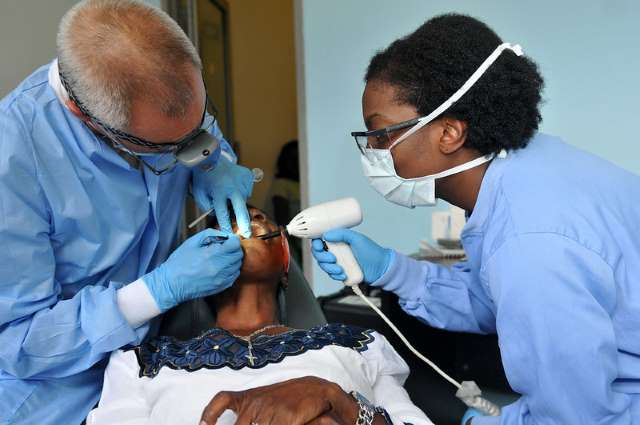
dental healthThere is a strong association between oral diseases and poverty. According to the World Health Organization, oral diseases impact approximately 3.5 billion people. In addition, it is estimated that 3.9 billion people worldwide suffer from dental decay, which can impact their overall “health and well-being” and increase the burden of health care costs for already impoverished people. Many remote and underserved communities lack access to treatment and preventative services, however, several nonprofits are working to increase access to dental health services globally.
7 NGOs Making Strides in Improving Global Dental Health

  1. Academy of Dentistry International Foundation. The Academy of Dentistry International is an honor society “for dentists dedicated to sharing knowledge… to serve dental health needs and to improve the quality of life throughout the world.” Its Academy of Dentistry International Foundation provides grants for missions and projects that assist disadvantaged communities, supporting dental care for people in Honduras, Columbia, Kenya, Jamaica, the Philippines and Belize since 2010. The Foundation funded Bright Smiles Cameroon in 2018, which offers oral health education to school-aged children. Another grant recipient was the Health and Development Society Nepal, which offers oral health training to primary care workers who can then offer health care services to marginalized communities in Nepal.
  2. Dentaid. This organization began its work in 1996, delivering dental treatment to more than 70 countries since then, including the U.K. Dentaid supplies dental equipment and sends volunteers to impoverished and rural communities. Its “DentaidBox,” an innovative portable bin, includes all the equipment necessary to perform dental surgery even when electricity and running water are unavailable. In 2021, the DentaidBox reached seven African countries. In that same year, Dentaid created eight free clinics for people who are homeless in the U.K. and has plans to launch nine more. It also offered services to refugees and asylum seekers in the U.K.
  3. Global Child Dental Fund. This organization aims to serve every child needing dental health services. Currently, the organization is working with Jordanian dental students to aid Syrian refugees in Jordan. About 1,500 children in Jordan’s refugee camps have received “toothbrushes, toothpaste and oral health education.” One of the fund’s projects, SEAL Cambodia, has treated more than “66,000 children with dental sealants.” Global Child Dental Fund also provides “special care dentistry” in poverty-stricken and remote areas. The fund has trained students in Zambia and offered services to children with special needs in Kenya and Cambodia.
  4. Global Dental Relief. Since 2001, Global Dental Relief has offered free dental care to children across the world, serving close to 200,000 children from 2001 to 2020 with its volunteer work in eight countries. In addition to providing dental care, Global Dental Relief is unique in that, in Guatemala and Nepal, it also provides meals to families suffering from food scarcity.
  5. Open Wide Foundation. The Foundation’s mission is “to bring lasting change to the state of oral health in underserved communities worldwide.” The Foundation targets communities that have the greatest need for dental health care, beginning in 2012 and since serving more than 200,000 people. Open Wide Foundation built its first clinic in the Guatemalan city of Peronia, an impoverished community that had little to no access to dental health services. Since then, the Foundation has opened additional dental clinics in Guatemala. The Open Wide Foundation also works with students, offering “mentoring and practicum opportunities” to first-year dental students.
  6. Smiles for Everyone. Smiles for Everyone offers free dental health services in several countries. Since its inception, more than 27,000 individuals have received free dental care. Smiles for Everyone offers basic dental services as well as root canals, dentures and implants. The organization also provides training to Paraguayan dentists on complex dental procedures. Many of the patients at the free dental clinics have never visited a dentist before.
  7. World Health Dental Organization. This organization offers free dental care and education to marginalized communities, primarily in Kenya. Its flagship clinic provides annual dental treatment to around 4,000 Maasai people who have limited access to dental services. One particular Maasai initiative is the Momma Baby Clinic program that offers “preventative oral health and early intervention strategies… to pregnant mothers and mothers of infants and young children,” educating “hundreds of mothers” a year. Another program, I Am Responsible, has led to the oral health education of more than 700 school children. The organization, through its programs, has also distributed 1,500 bamboo toothbrushes to children living in the Mara.

Looking Ahead

While many oral diseases continue to plague impoverished communities, NGOs are committed to addressing the issue by providing free dental care to previously out-of-reach communities. By volunteering services, supplying resources and carrying out skill-based training, these NGOs aim to create global change. Many also aim to offer education to school-aged children on good oral health and hygiene. As people have better access to essential resources for oral disease prevention, such as toothbrushes, toothpaste and running water, the burden to alleviate the public health problem of oral diseases will subside.

– Amy Helmendach
Photo: Flickr

January 27, 2022
https://borgenproject.org/wp-content/uploads/borgen-project-logo.svg 0 0 Jennifer Philipp https://borgenproject.org/wp-content/uploads/borgen-project-logo.svg Jennifer Philipp2022-01-27 01:30:092024-12-13 18:02:387 NGOs Contributing to Global Dental Health
Children, Education, Global Poverty

Reducing Poverty in the Thar Desert

OneProsper International
With the pressing global issue of world poverty, one can find hope for meaningful change in the work done by nongovernmental organizations (NGOs). One particular NGO making its mark in the fight against poverty is OneProsper International, a Canadian-based organization working toward solving poverty and improving rates of illiteracy among females in India, particularly in the impoverished Thar Desert. Here is how OneProsper International is working to reduce poverty in the Thar Desert.

OneProsper International’s Founding

In 2019, 20.8% of India’s population lived below the poverty line. Taking the headcount ratio of poverty into account, one can note that India has made great strides in reducing this ratio since 1973 when poverty stood at 54.9%. Despite progress, this rate of poverty is still notably high. With hundreds of millions of people still living in poverty, OneProsper saw a chance for meaningful change.

Founder Raju Agarwal from Ottawa, Canada, first came up with the idea to start OneProsper International on a trip to India where he was able to observe the extreme poverty and education problems firsthand. In an interview with The Borgen Project, Agarwal described a visit to India in his early 20s. He said that “a girl approached me holding a baby. I asked the girl why she was not going to school. She answered that she would love to go to school but did not have the opportunity.” Agarwal was moved.

Unsatisfied by several unfulfilling jobs at companies, some years ago he came across the book “Leaving Microsoft to Change the World” by John Wood. Drawing inspiration from the book, he saw a clear path and purpose, subsequently taking action to begin the nonprofit now known as OneProsper International.

The Importance of Girls’ Education

Since this initial experience, Agarwal has grown OneProsper into a meaningful and thriving organization that now works to reduce poverty in India with a special focus on promoting education for girls. Agarwal recognizes the importance of education as a tool to break the cycle of poverty. Through education, girls are able to acquire the knowledge and skills necessary to access stable and higher-paying, skilled jobs. With a stable income, girls are then able to lift themselves and their families out of poverty. Studies show that girls who attend school are less susceptible to child marriage and early motherhood. Educated mothers are also more likely to prioritize the education of their children, creating a ripple effect of benefits across the nation.

A Holistic Approach

OneProsper adopts a holistic strategy to address the barriers to girls’ education in India. The program outlines seven key steps, each resolving an obstacle:

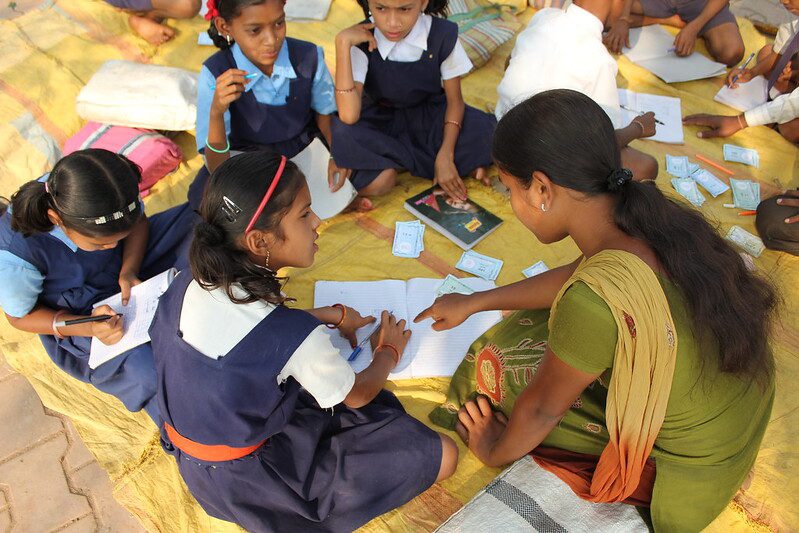
  1. Time. In the Thar Desert, young girls “spend up to seven hours a day collecting water.” OneProsper constructs “rainwater harvesting tanks” to allow the girls to use this time to gain an education at school.
  2. Clean Water. Without access to clean water, waterborne diseases run rampant with disproportionate impacts on children. OneProsper provides households in the Thar Desert with bio-sand filters “to turn harvested water into clean, potable water.”
  3. Respect. Cultural norms in India often perpetuate gender inequality, fostering the societal belief that females as less valuable than males. To show the importance and value of women, OneProsper engraves mothers’ names on each water tank to teach girls that women are indeed important and deserving of respect.
  4. Nutrition. OneProsper offers “seeds and farm training” so households can cultivate their own nutritious food.
  5. Costs of Schooling. OneProsper pays the primary and secondary costs of schooling, such as school fees, attire and other essential school resources.
  6. Transportation. To address distance and transport barriers, each girl receives a bicycle to get to school in a shorter time than walking would allow.
  7. Income. OneProsper helps farming families increase their incomes by improving their agricultural output through the construction of farming dikes in fields.

The organization’s website expresses that 100% of donations go toward supporting the people in the Thar Desert and directly funding girls’ education. Through this strategy, 260 Indian girls are able to receive an education and 130 families are receiving support to rise out of poverty.

English Learning Buddy Program

The English Learning Buddy (ELB) program consists of English-speaking volunteers virtually meeting with Indian girls from low-income families to teach them English. In this 10-week-long program, partners meet weekly and read from a children’s book, working to develop the Indian student’s English skills. Learning English gives these girls a chance to advance in their education, potentially internationally, thus breaking the cycle of poverty and opening them up to opportunities for success and prosperity.

The Future

When discussing future goals, Agarwal says he plans to continue to expand OneProsper International through events and fundraisers. He stated that “My goal is to engage students in fundraising. For example, organizing a soccer tournament, festival or fundraising event planned and led by students. Students would help to raise funds to sponsor girls in India. Afterward, students will receive videos showing how their giving is making a meaningful impact.”

Through the efforts of OneProsper International, the most disadvantaged girls in India are able to gain an education and an opportunity to bring themselves and their families out of poverty. Through its continued work, poverty in the Thar Desert should reduce.

– Andra Fofuca
Photo: Flickr

January 26, 2022
https://borgenproject.org/wp-content/uploads/borgen-project-logo.svg 0 0 Kim Thelwell https://borgenproject.org/wp-content/uploads/borgen-project-logo.svg Kim Thelwell2022-01-26 07:30:032022-01-17 13:23:41Reducing Poverty in the Thar Desert
Child Poverty, Global Poverty

Reducing Child Poverty in Lebanon

Child Poverty in Lebanon
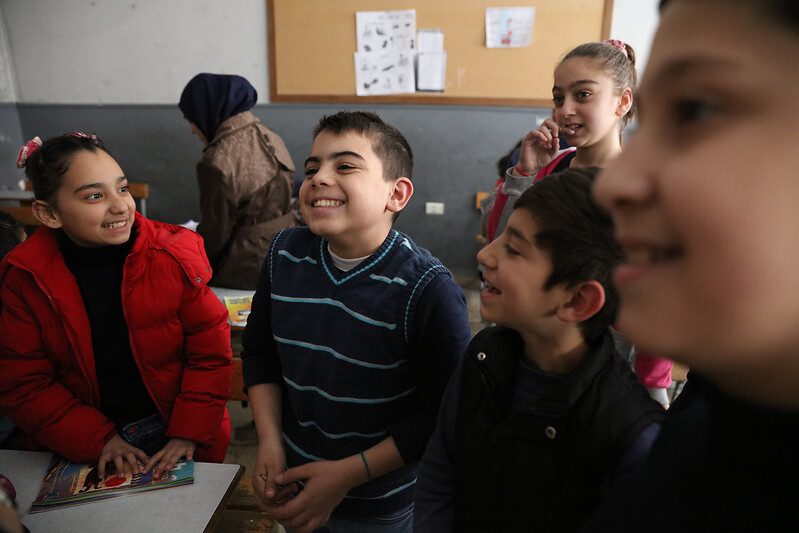
Children living in Lebanon have been experiencing the full impact of the weakened economy in the country. Due to the Beirut explosion and the collapse of the Lebanese pound, child poverty has been on the rise in Lebanon. Child’s education, health and protection have become difficult to acquire.

The Deterioration of the Economy

Lebanon has struggled with its economy for a while due to its reliance on foreign imports and the limited exports coming from its country. As of 2021, Lebanon has failed to see economic growth, but the government is continuing to borrow money from other countries.

In addition, Lebanon’s government consists of 18 politicians of different religious denominations, such as Christian and Muslim. Because of this, Lebanon is susceptible to interference from other countries. As a result, Lebanon has become “one of the world’s largest debt burdens as a result of years of inefficiency, waste and corruption,” according to Reuters.

Moreover, in October 2019, the Lebanese pound began to lose its value due to the shortage of foreign currency in their commercial banks. This caused high-interest rates, leading to the emergence of a black market. Because there is an absence of taxes on the transactions and the government is not aware of the activity happening in the black market, this harms the economy.

While Lebanon was struggling economically, an explosion in Beirut worsened its situation. For instance, on August 4, 2020, a large amount of ammonium nitrate, a chemical used in agricultural fertilizers and bombs, exploded throughout the city of Beirut. Due to this, the air filled with dust, causing concern about the toxins people were consuming in the air.

Unfortunately, the explosion killed 140, wounded 5,000 and displaced 300,000. Of those 300,000, 100,000 of them were children, as UNICEF reported.

About Child Poverty in Lebanon

Due to the deterioration of the economy, Lebanon’s poverty rate has doubled from 42% to 82% between 2019 to 2021. As a result, many families cannot afford basic necessities for their children because of inflation, thus increasing child poverty in Lebanon. These families face shortages of food, water and electricity in their homes. Under these circumstances, many children have no choice but to skip meals, according to the OWP.

In addition, “34% of children were not able to receive necessary primary health care,” the OWP reported. In fact, many families need to access water through private providers at a cost because water from public works is insufficient to drink.

Child poverty in Lebanon leads to children living in conditions where they cannot grow and thrive. As economic inequality increases, children become susceptible to child marriage, trafficking and sexual exploitation.

Education in Lebanon

Additionally, many children do not have the option to attend school anymore because of the Beirut explosion. Unfortunately, the explosion damaged 163 schools, leaving children struggling to obtain an education through other means.

Due to the lack of technology and internet connectivity, many children cannot participate in remote learning activities. As families endure the hardships brought upon by the explosion, families are resorting to  “sending their children to work in often dangerous and hazardous conditions, marrying off their daughters or selling their belongings,” said UNICEF’s representative in Lebanon, Yukie Mokuo.

To avoid child marriages and selling their belongings, children need to work. Many of them work in agriculture, metalworking or factories under inhumane conditions. Addressing child poverty in Lebanon, the government signed the ILO’s Convention on Child Labor, but it failed to become a law.

Save the Children

Lebanese children are receiving help from various organizations, such as Save the Children. Save the Children believes that children are the most vulnerable when disaster strikes, so it created an organization that focused on protecting them and giving them a chance at a new beginning.

Specifically, it is asking for donations to achieve its goals to improve the lives of Lebanese children. Some of the organization’s goals for child poverty in Lebanon are to increase the quality of education, restore schools and install water, sanitation and hygiene resources for the children to access.

Lastly, it hopes to protect Lebanese children from “psychological stress, neglect, violence, and abuse.” By doing this, Save the Children hopes to show the Lebanese children that they have the right to obtain these basic needs for a better future.

UNICEF

UNICEF has also been aiding children in Lebanon by providing Lebanese families with children with cash grants in the form of U.S. dollars, aiming to help 70,000 children in need. This is an effort to remove children from working and avoid skipping meals.

To add, UNICEF “is also providing mental health support and psychological first aid to children who are engaged in child labor, those who have experienced or are at risk of violence,” as stated on its website.

As a result, the children will have the ability to think for themselves and gain confidence and self-esteem. Similar to Save the Children, UNICEF has spent $6.9 million to help repair Lebanon’s water systems, aiding children’s health. The organization is continuing to reach more vulnerable children and their families, offering them support in any way it can.

With the increasing poverty rate in Lebanon, living conditions are becoming unbearable for many Lebanese children. Fortunately, Save the Children and UNICEF are assisting Lebanon, providing education measures, health services and protection for Lebanese children.

– Kayla De Alba
Photo: Flickr

January 25, 2022
https://borgenproject.org/wp-content/uploads/borgen-project-logo.svg 0 0 Jennifer Philipp https://borgenproject.org/wp-content/uploads/borgen-project-logo.svg Jennifer Philipp2022-01-25 01:30:512022-01-16 12:30:24Reducing Child Poverty in Lebanon
Children, Developing Countries, Development, Education, Global Poverty

Classroom Africa: How Wildlife Education Alleviates Poverty

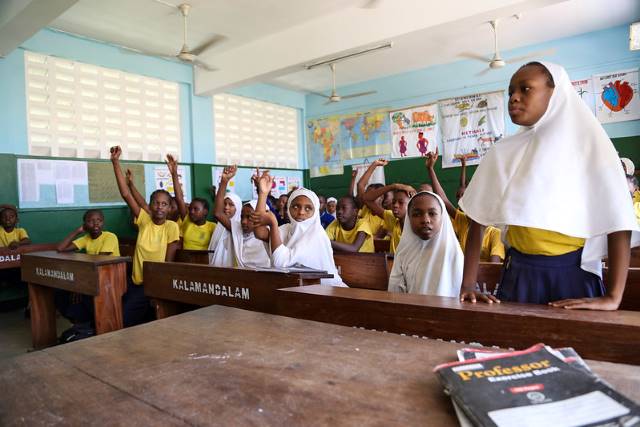
Classroom AfricaThe African Wildlife Foundation created a program in 2013 called Classroom Africa “to provide rural communities access to a quality primary school education” along with “a strong incentive to engage in conservation.” The main aim of Classroom Africa is “to foster the link between education and conservation, ensuring a stronger future for Africa’s children and its wildlife.” Operating in several African countries such as Ethiopia, Uganda, Zambia, Tanzania and the Democratic Republic of Congo, the program empowers underprivileged children by providing them with education and opens opportunities for them to pursue careers as conservationists. Wildlife education programs like Classroom Africa can uplift low-income children while also protecting the environment.

Primary Education in Developing Nations

Children in developing countries often lack access to primary education, especially in rural areas. In sub-Saharan Africa where Classroom Africa is based, more than 20% of children ages 6 to 11 are not receiving a classroom education, according to the African Wildlife Foundation. Extreme gender disparities in school attendance also exist — females are more unlikely to never receive an education in comparison to males.

Wildlife education programs like Classroom Africa provide educational opportunities to children in low-income areas and teach them about their local environment and sustainability. As a result, children are more likely to utilize and protect the natural resources around them, which can improve their quality of life in the long run. According to the World Bank, in 2018, sub-Saharan Africa held 66% of the world’s most extremely impoverished people. Wildlife conservation organizations can alleviate poverty by offering primary education opportunities that teach children practical skills and lessons about their local environment.

Greater Access to Opportunities

Wildlife education programs can set up low-income students for career opportunities later in life. With knowledge about wildlife conservation from a young age, children are more likely to grow up to pursue and succeed in careers as conservationists. In turn, these children serve their local communities and environments by improving sustainability and preserving natural resources. Children may also learn skills involving resource management and conservation, which have a multitude of social and economic benefits for low-income communities.

Additionally, wildlife education programs may provide teacher training programs, which create productive job opportunities for adults in the community. Wildlife education can alleviate poverty by creating job opportunities in developing countries and encouraging members of low-income communities to conserve and utilize valuable natural resources.

Quality of life is closely linked to environmental sustainability. Natural resources can yield an expansive range of socioeconomic benefits when people have the knowledge and power to conserve the environment. Wildlife education programs teach children from a young age how to use natural resources sustainably. One generation of educated conservationists can pave the way for future generations to reap the benefits of a sustainable environment.

Wildlife conservation can provide ample economic advantages that improve quality of life. For example, “safaris in Kenya generate close to $1 billion in annual revenue,” which would simply not be possible with a crumbling ecosystem and diminishing wildlife. A thriving ecotourism sector is able to create jobs for people in surrounding communities, providing an income that helps lift disadvantaged people out of poverty.

Looking Ahead

Wildlife education is particularly valuable in rural, low-income communities that are surrounded by nature but home to few people who have expertise in resource management and conservation. Children who partake in wildlife education programs can spread their knowledge to other community members, leading to a more sustainable community as a whole.

Classroom Africa shows that wildlife education benefits people in all stages of life. It teaches children valuable knowledge about resource conservation and sustainability and it opens career opportunities for young adults, especially in developing countries. Younger generations who partake in wildlife education programs can work alongside older ones to conserve their local environment and reap benefits while still prioritizing sustainability.

– Cleo Hudson
Photo: Flickr

January 24, 2022
https://borgenproject.org/wp-content/uploads/borgen-project-logo.svg 0 0 Kim Thelwell https://borgenproject.org/wp-content/uploads/borgen-project-logo.svg Kim Thelwell2022-01-24 06:20:192022-01-26 05:01:54Classroom Africa: How Wildlife Education Alleviates Poverty
Children, Development, Education, Global Poverty, Health

Women In The Philippines Utilize Solar Energy

Women in the Philippines utilize solar energy
Natural disasters are a major threat to all, yet even more so when electricity is absent. Women in the Philippines utilize solar energy and TekPaks to better endure hurricanes. Renewable solar energy has been on the rise for those in poverty, due to its inexpensive and environmentally-friendly aspects. A group of strong Filipino women is taking charge to bring solar energy and life-saving technology to their town.

Learning From Experience

In 2013, tropical cyclone Haiyan hit the middle of the Philippines, killing 6,000 and displacing 4 million. With winds reaching 195 miles per hour, this was one of the biggest and most powerful typhoons ever recorded. One town, Marabut, managed to have zero casualties due to its evacuation plan. The town did not have a designated building to go to for safety. As a result, residents had to find shelter in a cave.

The Tinabanan Cave has provided shelter for centuries and is 32 feet high. When the typhoon hit, more than 1,000 people made the trek up a stairless hill to safety. Lorna dela Pena was alone in Marabut when the super-typhoon struck. She described how her “grandfather’s dream was for it to have stairs” when questioned on the evacuation, as Reuters reported. Building stairs and implementing solar energy became a priority after the tropical disaster.

The Philippines-based Institute for Climate and Sustainable Cities (ICSC) trained Lorna dela Pena and Azucena Bagunas, both from Marabut, as solar scholars. They use their training to educate their community and implement vital technology.

TekPaks “Light” the Way

TekPak is a portable solar energy generator, which prepares communities for disasters preemptively. It is capable of powering phones, lights, kitchen appliances and more. The portable feature allows for easy evacuation and installation. Counting the number of people evacuated and communicating are greatly improved as well.

ICSC developed TekPaks and utilized them for storms since its first introduction. Azucena Bagunas described how ICSC used TekPaks “to power a nebulizer when someone had an asthma attack.” Additionally, it trained Pena and Bagunas on how to use TekPaks and educated others on its benefits.

Since electricity is a luxury for those in poverty, solar energy raises more ideas on its use, like harnessing solar energy as a replacement for coal energy. Not only is solar energy cheaper than coal, but it is safer as well. TekPak technology spread across the world for energy solutions and its new versions bring greater success.

Women Warriors in the Philippines

Bagunas and Pena work to educate and improve their community’s quality of life. Their women-led TekPak training sessions in their town make great strides to efficient evacuation drills and protocols. Women and children are among the most vulnerable to disasters, making solar energy a vital initiative.

Natural disasters disproportionately affect women since they “are more dependent on accessing resources that may be impacted.” Domestic work that women endure doubles during a disaster. Further, “women remain susceptible to poor health outcomes, violence and inequalities in all stages of a disaster,” according to Women’s Agenda. Solar energy provides solutions to many problems women face during and after natural disasters.

The use of solar lights rather than oil lamps has been extremely beneficial for the women in Marabut since it prevents crossing the sea for fuel. Collecting water after dark is hazardous for women yet once again, solar energy improves the task.

A Bright Future

Solar energy brings affordability and renewability together. Electricity is vital for the development and quality of life in communities. Solar energy provides a unique opportunity for those far away from power grids to have power. Ending extreme and energy poverty starts with basic necessities.

Women in the Philippines like Pena and Bagunas provide education and innovation to natural disaster victims. With the continuation of their work, the future of solar energy is bright.

– Anna Montgomery
Photo: Flickr

January 23, 2022
https://borgenproject.org/wp-content/uploads/borgen-project-logo.svg 0 0 Jennifer Philipp https://borgenproject.org/wp-content/uploads/borgen-project-logo.svg Jennifer Philipp2022-01-23 07:30:482022-01-16 02:04:11Women In The Philippines Utilize Solar Energy
Children, Developing Countries, Development, Education, Global Poverty

The Batwa People Face Extreme Poverty

Batwa People Facing Extreme Poverty
Being among the poorest populations in one of the poorest nations, Uganda, the Batwa people face extreme poverty in their everyday life. Once known to live in the depths of the African forests as one of the oldest indigenous tribes in the continent, they now reside in town slums. Many have come to wonder how a population that thrived for centuries started resorting to scavenging garbage cans for their next meal.

The Forest: A True Loss For The Batwa

In 1991, the Ugandan government “reclassified lands of the Batwa” to national parks. This move forced many Batwa people to relocate from their homes, sometimes by gunpoint. A 2008 report indicated that 45% of the Batwa people were landless and lived in poverty.

The Batwa people went from a community that once thrived in hunting and gathering to now struggling to find means of survival. The report also highlighted that many Batwa people are seeking work from foreign people under “bonded labor agreements,” resulting in them experiencing discrimination from “their ethnic neighbors.”

In addition, it is important to note that the Batwa people have lost more than their home; the forest was their place of worship and healing. With strong “spiritual and religious ties to the forest,” Batwa people have lost a significant part of their history and livelihood that provided them with herbal remedies when members became sick. The forest was incredibly significant to the lives and culture of the Batwa people.

The Batwa People’s Current Conditions

As aforementioned, some Batwa work for foreign people who are not part of their tribe. Others make a living from performing for tourists who visit the country. Unfortunately, due to the COVID-19 pandemic, there has been limited travel of tourists which means that many Batwa people lost their income, resulting in poverty. Due to these circumstances, many Batwa have resorted to “eating from garbage bins” to stay alive.

Solutions

With the massive displacement that took the place of the Batwa, their community is shrinking more and more as time goes by. With little to no resources to stay alive, extinction is knocking on their door. Furthermore, tourism is a key component to the Batwa people’s survival.

To keep the community going, Uganda is encouraging local tourism where the Batwa people are now giving tours of the Ugandan national parks, a place they once called home. With a keen knowledge of this territory, the Batwa people are the perfect tour guides for the forests.

Additionally, Uganda contains an impressive gorilla population that many people travel to see in person. Having shared the forest with them for centuries, the Batwa tour guides introduce visitors to this impressive species with respect and caution. Such tours, which now target even local tourists, offer a memorable experience that is a “culturally sensitive” visit whose proceeds go to people who truly need them.

The Takeaway

It is incredibly important to bring awareness to the Batwa tribe who live in extreme poverty and could disappear after centuries in the forest. With the modernization of their territory, this community has suffered a great loss of their home and livelihood and now faces extreme poverty and famine.

By supporting their efforts to survive through tourism and lobbying the Ugandan government to aid displaced peoples, this community could find hope again.

– Kler Teran
Photo: Flickr

January 22, 2022
https://borgenproject.org/wp-content/uploads/borgen-project-logo.svg 0 0 Jennifer Philipp https://borgenproject.org/wp-content/uploads/borgen-project-logo.svg Jennifer Philipp2022-01-22 07:30:512022-01-16 02:03:18The Batwa People Face Extreme Poverty
Children, Developing Countries, Development, Education, Global Poverty, Health

Energy Poverty in India and Tata Power

Energy Poverty in India
In India, a country with a population of more than 1 billion, almost 700 million people use solid fuels, such as wood and charcoal, as their primary energy source. Solid fuels have health impacts that can lead to adverse respiratory and cardiovascular conditions. The Lancet Global Health report from 2016 on India identified the air pollution from these fuels as the leading cause of chronic respiratory conditions, more than smoking. Squatter settlements are common in major Indian cities and often have informal power lines tapping into larger grids. These serve as an unreliable supply and source of electricity to large portions of the Indian population. Energy poverty in India affects all aspects of people’s quality of life, from health, education, productivity and even income-generating activities.

Renewable Partnerships

Energy poverty in India affects all aspects of people’s quality of life, from health, education, productivity and even income-generating activities. These affected areas strain the already stretched infrastructure in India and work against elevating the 8% in poverty.

In rural areas, dependence on solid fuels for energy requires long trips to forests to fetch these energy sources. According to the Encyclopedia of Social Work, this is a responsibility that women normally have. Because of its time-consuming nature, it prevents women from participating in income-producing activities that may elevate their economic conditions.

In light of the 244 million people experiencing energy poverty in India, Tata Power, India’s largest integrated power company and The Rockefeller Foundation have formed a partnership to address the issue. By utilizing Microgrids, this new initiative will be able to provide renewable electricity to nearly 5 million homes in India’s rural areas. Clean energy through these microgrids is set to assist businesses in Indian states like Bihar and Uttar Pradesh where 40% of enterprises rely on solid fuels such as diesel.

TP Renewable Microgrid Ltd. will run until 2026 and will deliver clean and cheap energy to rural households and businesses. Its unique microgrid design also aims to create 10,000 job opportunities in the green sector and assist the local farming irrigation systems. It could also make Tata Power the largest microgrid developer in the world.

Conclusion

Addressing energy poverty not only provides people with reliable energy sources but also connects them to the wider world. It backs the running of local infrastructures such as hospitals and schools, advances sanitation programs as well as farming and business techniques making them less costly and more efficient.

With the financial resources of The Rockefeller Foundation and Tata Powers’ ideas, this joint venture is a solid example of how innovation can enhance one’s impact when fighting poverty. Innovative microgrid design creatively uses already available resources and scales them for maximum impact.

– Owen Mutiganda
Photo: Flickr

January 20, 2022
https://borgenproject.org/wp-content/uploads/borgen-project-logo.svg 0 0 Jennifer Philipp https://borgenproject.org/wp-content/uploads/borgen-project-logo.svg Jennifer Philipp2022-01-20 01:30:402022-01-04 14:39:04Energy Poverty in India and Tata Power
Page 36 of 137«‹3435363738›»

Get Smarter

  • Global Poverty 101
  • Global Poverty… The Good News
  • Global Poverty & U.S. Jobs
  • Global Poverty and National Security
  • Innovative Solutions to Poverty
  • Global Poverty & Aid FAQ’s
Search Search

Take Action

  • Call Congress
  • Email Congress
  • Donate
  • 30 Ways to Help
  • Volunteer Ops
  • Internships
  • Courses & Certificates
  • The Podcast
Borgen Project

“The Borgen Project is an incredible nonprofit organization that is addressing poverty and hunger and working towards ending them.”

-The Huffington Post

Inside The Borgen Project

  • Contact
  • About
  • Financials
  • President
  • Board of Directors
  • Board of Advisors

International Links

  • UK Email Parliament
  • UK Donate
  • Canada Email Parliament

Get Smarter

  • Global Poverty 101
  • Global Poverty… The Good News
  • Global Poverty & U.S. Jobs
  • Global Poverty and National Security
  • Innovative Solutions to Poverty
  • Global Poverty & Aid FAQ’s

Ways to Help

  • Call Congress
  • Email Congress
  • Donate
  • 30 Ways to Help
  • Volunteer Ops
  • Internships
  • Courses & Certificates
  • The Podcast
Scroll to top Scroll to top Scroll to top