Effective Language of Instruction Policies Combat Learning Poverty
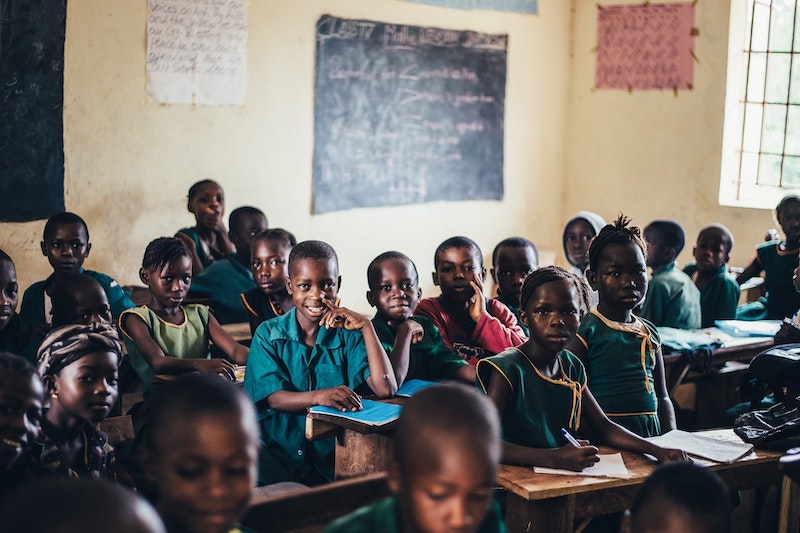
According to the World Bank, children are more likely to succeed and stay in school if they are taught in their native languages. However, about 37% of children who attend schools in low- and middle-income countries receive education in foreign languages, which puts them at an educational disadvantage. Effective language of instruction policies can help reduce learning poverty and improve children’s learning experiences. As a result, children are more likely to succeed in foreign languages and subjects like math and science, which can open up career opportunities down the line. Because educational attainment is a proven pathway out of poverty, the effective language of instruction policies must become a global priority.
The Effective Language of Instruction Policies
The World Bank lays out an approach to the effective language of instruction through public policy. The first principle of the World Bank’s approach is to educate children in their native languages up until at least their sixth year of primary school. The second principle states that children should have the opportunity to learn all academic subjects in their native language, not just reading and writing. Third, second languages at the primary school level must take the form of foreign language classes that begin with an emphasis on oral communication skills. Fourth, native language instruction should continue in schools even when “a second language becomes the principal language of instruction. “And finally, governments should continue to introduce effective language of instruction policies over time in order to best serve students and their countries.
Early Benefits
Limited access to effective language of instruction can hinder a student’s learning process as early as kindergarten. Children in low- and middle-income countries often lack access to educational resources at home, therefore, attending a school with ineffective language of instruction creates additional disadvantages for students. When children have access to effective language of instruction, they are more likely to excel in reading and writing, which are valuable tools in learning most other subjects. Children with access to education in reading and writing are more likely to engage in classes and schoolwork. Reading and writing skills can also help students excel in the real world, giving them career opportunities once they leave school.
A Foundation for the Future
Children who reap the most benefits from these policies often come from families with socioeconomic disadvantages. When a child’s family is unable to compensate for a lack of effective language of instruction at school, the child is more likely to drop out of school, repeat grades, experience learning poverty and receive a lower quality education overall, according to the World Bank. Effective language learning offers children opportunities to escape learning poverty, complete school and use the skills they learn to develop careers. The World Bank also finds that these policies reduce national education costs per student and in turn, allow governments to put more funding into achieving equal and quality education systems.
Learning poverty affects children all over the world and it often begins at a very young age. Effective language of instruction can benefit students everywhere and is particularly valuable for children in low- and middle-income areas, where learning opportunities may be scarce. Native language education lays out a foundation for student success, professional opportunities and national advancement, enabling children to break cycles of poverty.
– Cleo Hudson
Photo: Unsplash
