• Link to X
  • Link to Facebook
  • Link to Instagram
  • Link to TikTok
  • Link to Youtube
  • About
    • About Us
      • President
      • Board of Directors
      • Board of Advisors
      • Financials
      • Our Methodology
      • Success Tracker
      • Contact
  • Act Now
    • 30 Ways to Help
      • Email Congress
      • Call Congress
      • Volunteer
      • Courses & Certificates
      • Be a Donor
    • Internships
      • In-Office Internships
      • Remote Internships
    • Legislation
      • Politics 101
  • The Blog
  • The Podcast
  • Magazine
  • Donate
  • Click to open the search input field Click to open the search input field Search
  • Menu Menu

Archive for category: Children

Information and stories addressing children.

Children, elderly poverty, Global Poverty

Everything To Know About Poverty in Bulgaria 

Poverty in BulgariaFor a substantial portion (approximately 21.7% or 1.5 million in 2024) of Bulgaria’s population, poverty is an inescapable reality. Vulnerable citizens, especially Romani people, are born into families with little access to basic needs, such as education, housing and employment, further maintaining the cycle of systemic inequality. Recently, however, the nation’s government and nonprofits have been taking measurable steps toward a brighter outlook by reducing the risk of poverty for more than 1 million individuals since 2015. Understanding poverty in Bulgaria starts with recognizing who is experiencing the most impact and why the hardships persist, and the actions organizations are taking to alleviate the conditions of poverty in Bulgaria.

Who Faces the Greatest Risk

The effects of poverty disproportionately impact children and Romani communities. About 28.2% of Bulgarian minors were at risk of poverty in a 2024 report; four-fifths of them were born into households with parents who had not completed more than ISCED Level 1 education. Systematic inequality continues to affect Romani peoples’ access to basic needs unduly. The income inequality is especially notable, as the region with the lowest GDP per capita in the European Union, Severozapaden, also reports the lowest life expectancy.

Numerous interconnected factors have been maintaining this state of affairs, and their consequences are evident. While average wages and the poverty line have increased in recent years, they remain among the lowest in the EU. Individuals working in low-value-added industries (agriculture, most commonly) struggle most with poverty in Bulgaria. Due to low birth rates and emigration, Bulgaria’s population has dropped by nearly 25% since 1990. While rural communities are most subject to depopulation and low investment, economic growth remains concentrated in Sofia.

Social Transfers and EU Cohesion Funds

To support the impoverished, several government and NGO interventions have been implemented and are underway. Pensions, child allowances and other governmental social transfers are serving hundreds of thousands of households that were previously facing the predicament of whether to cut back on essentials in order to provide their children with food and school supplies. Such transfers decreased the likelihood of child poverty by 13.6 percentage points in 2023. Funding from the EU is especially important in facing regional imbalances and persistent poverty. The EU Cohesion Policy for 2021–2027 continues to support the improvement of infrastructure, as well as increased employment opportunities and vocational training. Additionally, billions of leva have been allocated by the Human Resources Development Programme to promote entrepreneurial activity, fund improved childcare and train employees. According to the Ministry of Labour and Social Policy, hundreds of thousands of Bulgarians have completed the training.

An NGO’s Impact

According to the European Anti-Poverty Network (EAPN), Bulgaria not only advocates for fairer wages and more inclusive social policies, but also directly assists households during energy crises. Thousands of families received such energy assistance, according to the EAPN’s 2023 Poverty Watch. The group has demanded that the government raise the minimum wage and pension, tax more equitably and guarantee that all disadvantaged populations receive proper support.

Looking Ahead

Bulgaria is moving towards the goal of leaving no one behind, thanks to national transfers alleviating child poverty, EU cohesion funds increasing access to education and jobs and civil organizations supporting vulnerable households. The most critical first step that is needed in the fight against inequality is the recognition that an issue as widespread as poverty affects millions of lives that have untold potential.

– Clara Garza

Clara is based in Los Angeles, CA, USA and focuses on Global Health and Politics for The Borgen Project.

Photo: Wikimedia Commons

October 30, 2025
https://borgenproject.org/wp-content/uploads/borgen-project-logo.svg 0 0 Jennifer Philipp https://borgenproject.org/wp-content/uploads/borgen-project-logo.svg Jennifer Philipp2025-10-30 07:30:262025-10-30 02:49:32Everything To Know About Poverty in Bulgaria 
Child Marriage, Children, Global Poverty

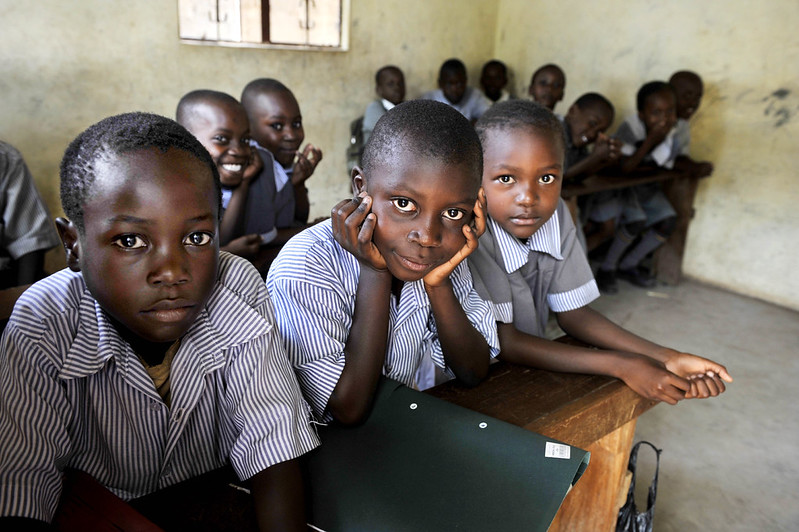
Child Marriage in Eritrea

Child Marriage in EritreaChild marriage disproportionately affects the lives of young girls in Eritrea, as an estimated 41% of girls are married before the age of 18 compared to 2% of boys, according to the most recent government data from 2010. Many recognize child marriage as a violation of human rights, with the Universal Declaration of Human Rights stating that consent to marriage must be ‘free and full’ and cannot be so when one of the parties is below adult age.

Eritrea revised its Marriage Law in 1991 to make 18 the minimum age for marriage, however, a 2025 Human Rights Watch report reported that child marriage remains prevalent despite this law. This is due to a lack of enforcement, as well as customary laws and legal exceptions. For example, 16-year-old girls can marry if they are pregnant or have already given birth.

Causes of High Rates of Child Marriage

The Girls Not Brides organization states that gender inequality is the driving factor behind child marriage in Eritrea, in addition to poverty, and a lack of opportunities for education or financial independence for girls. These factors are worse in rural areas where the rate of child marriage is significantly higher, 55.2% compared to 20.4% in urban areas. There is social and financial pressure on girls to abandon their studies to perform domestic or agricultural labor and enter marriage to relieve their families of financial burden.

Addressing the Problem

At the 2019 Nairobi Summit Eritrea committed to end all forms of violence against women and girls, including child marriage by 2030, committing to provide “access for all adolescents and youth, especially girls, to comprehensive and age-responsive information, education and adolescent-friendly comprehensive, quality and timely services to be able to make free and informed decisions and choices about their sexuality and reproductive lives.”

International aid can also help to end child marriage by reducing risk factors like poverty and lack of access to health care and education through targeted programs and partnerships. Organizations such as UNICEF and UNFPA work in Eritrea to protect those at risk of child marriage. The UNFPA collaborates with the Ministry of Health to strengthen the national health system and expand access to health care, particularly for underserved rural populations. UNFPA also work with the National Union of Eritrean Women to support legislation against underage marriage and FGM.

The Current Status of the Issue

Due to a lack of recent data from the government on child marriage rates, it is difficult to know how close Eritrea is to achieving the goal of eradicating child marriage by 2030. It is important that regulatory bodies get accurate and recent data from the government to address the issue and assess the progress that has occurred. International support is essential to improve access to education and provide resources to impoverished rural communities to alleviate financial pressures that push girls out of education and into marriage. Increased opportunities combined with stricter enforcement of the minimum legal age for marriage will help girls in Eritrea to live childhoods free from forced marriage.

– Nieve Dowling

Nieve is based in Bristol, UK and focuses on Good News and Politics for The Borgen Project.

Photo: Flickr
October 29, 2025
https://borgenproject.org/wp-content/uploads/borgen-project-logo.svg 0 0 Jennifer Philipp https://borgenproject.org/wp-content/uploads/borgen-project-logo.svg Jennifer Philipp2025-10-29 01:30:532025-10-29 00:48:40Child Marriage in Eritrea
Children, Global Poverty, Health

$28 Billion Pledge Boosts Childhood Anemia Prevention

Childhood Anemia PreventionIron deficiency anemia is the most prevalent, yet preventable, nutrient deficiency-related disease in the world. According to the World Health Organization (WHO), 269 million children younger than 5 are affected, primarily those in low-income countries. At the 2025 Nutrition for Growth (N4G) Summit, global leaders addressed childhood anemia prevention, pledging nearly $28 billion to address the crisis. This investment could change millions of lives; however, the challenge is turning commitments into actions that reach children who need it the most.

Childhood Anemia: Effects on Health, Education and Poverty

Iron deficiency anemia is primarily caused by inadequate nutrient intake. Children in poverty-stricken countries are most at risk as food insecurity prevents balanced meals. Excessive blood loss associated with malaria, a disease currently found in 83 countries, is also a compounding factor of anemia in children. The link between poverty and anemia highlights why it is essential to understand its impact on children’s health, education and future potential.

Anemia causes fatigue, weakness, compromised immunity and, if left untreated, heart problems. Beyond health issues, affected children struggle with attention and memory problems, impacting learning as well as social interactions. The result is poor school performance and increased absenteeism, which affects their access to future educational and career opportunities, further perpetuating the cycle of poverty.

Why Previous Efforts Fell Short

Previous N4G Summits prioritized malnutrition and childhood anemia prevention. Global leaders pledged $23 billion in 2013 to address global malnutrition and $27 billion in 2021 to invest in anemia and food fortification. Sadly, these pledges fell short as a result of weak monitoring, insufficient funding and implementation delays. COVID-19 disruptions additionally prevented 2021 programs from fully reaching target communities.

Based on previous tracking reports, the 2025 Summit has new priorities. With a historic investment of $28 billion, the WHO and global leaders aim to turn commitments into tangible results. The efforts emphasize accountability, targeted interventions and measurable outcomes, supported by data systems to track progress. These changes set the stage for this initiative to make a real difference.

How $28 Billion Supports Childhood Anemia Prevention

Building from previous frameworks, the WHO, in partnership with UNICEF and the Anemia Action Alliance, has developed a comprehensive strategy to address childhood anemia. Their four primary areas for intervention include:

  • Addressing root causes: Programs are being implemented to address the nutritional and infectious causes of anemia. Comprehensive care tackling iron deficiency, malaria and parasitic infections is paramount in reducing the prevalence of childhood anemia.
  • Supplement distribution: In collaboration with national ministries and outreach programs, the WHO and UNICEF will increase women and children’s access to iron and folic acid tablets.
  • Food fortification: Countries are enacting policies mandating the fortification of staple foods such as wheat, rice and salt, which make up the bulk of diets in low-income countries. Fortification with iron helps address the widespread deficiency that contributes to childhood anemia.
  • Health system improvements: The WHO and UNICEF are working with ministries of health to integrate anemia testing into routine health services, provide training to health workers and improve the delivery of supplies.

These efforts aim to create lasting systems that prevent childhood anemia rather than only treating it. When sustained, such progress improves health and boosts education, productivity and economic stability, helping break the cycle of poverty.

Turning Promises Into Progress: Why Transparency Matters

The impacts of anemia go beyond health; it impacts national growth, too. According to the World Bank, anemia in children reduces productivity and learning potential, costing low-income countries up to 4% of their GDP each year. To truly make a difference and reduce poverty across generations, commitments to improving health need to become actions.

That’s why the 2025 N4G Summit emphasizes trust and transparency. Past pledges faltered due to weak data collection and limited accountability. Organizations such as the U.N. and Global Nutrition Report are calling for stronger monitoring systems to ensure this doesn’t happen again. New tracking dashboards are in place to measure outcomes and ensure real progress is being made.

If governments and partners uphold their commitments, this unprecedented $28 billion pledge for childhood anemia prevention could finally create lasting change. It offers a once-in-a-generation opportunity to break the cycle of malnutrition and poverty for generations to come.

– Tina Kusal

Tina is based in Montrose, CA, USA and focuses on Good News for The Borgen Project.

Photo: Pexels

October 23, 2025
https://borgenproject.org/wp-content/uploads/borgen-project-logo.svg 0 0 Hemant Gupta https://borgenproject.org/wp-content/uploads/borgen-project-logo.svg Hemant Gupta2025-10-23 07:30:302025-10-23 00:43:31$28 Billion Pledge Boosts Childhood Anemia Prevention
Child Marriage, Children, Global Poverty

Everything To Know About Child Marriage in Nicaragua

Child Marriage in NicaraguaThe Nicaraguan government and local organizations have worked to reduce and eliminate child marriage and early unions. Their efforts have achieved a 50% decrease in the number of girls married before the age of 18, falling from 1987 to 35% in 2012. However, Latin America remains the only region in the world that has not shown a clear decline in child marriage over the last three decades. Nicaragua has the highest rates within the region and ranks 14th globally with 10% of girls marrying or entering a union before age 15. Among boys, 19% marry or enter a union before the age of 18. Here are the main reasons for child marriage in Nicaragua:

Poverty

Poverty continues to affect a large portion of Nicaragua’s population. The United Nations reports that 48% of people live below the poverty line. Continual climate disruptions devastate the environment and worsen economic conditions. High levels of organized crime and human trafficking also contribute to insecurity. Many families marry off their children to ease financial hardship and improve their economic situation, resulting in increased levels of child marriage in Nicaragua

Furthermore, Nicaraguan society continues to enforce cultural and gender norms that pressure girls to marry young and bear children. These expectations limit and restrict their opportunities.

Lack of Education

A lack of access to education is both a cause and result of child marriage in Nicaragua. Families often pressure girls to leave school after marriage. Communities with poor access to education have higher levels of child marriage.

When families remove girls from education to marry, they face a greater risk of teenage pregnancy. Reports show that 30% of girls who marry or enter a union become pregnant within the first year. A 2019 UNFPA study highlighted the high correlation between early unions/marriage and pregnancy among girls in Nicaragua. Not only this, but teenage pregnancies pose a serious health risk for young mothers with increased maternal mortality rates.

Solutions in Place

The Nicaraguan government has implemented several measures to reduce child marriage and aims to end early and forced marriage by 2030. The government co-sponsored the 2013 and 2014 United Nations General Assembly resolutions on child, early and forced marriage. In 2013, as a member of the United Nations Economic Commission for Latin America and the Caribbean, Nicaragua adopted the Montevideo Consensus on Population and Development, which recognized the need to address the high levels of adolescent pregnancy and its associations with forced marriages.

The government also updated legislation under the Follow-up Mechanism to the Belem do Para Convention to ensure the minimum age of marriage was 18 for both men and women. During its 2019 Universal Periodic Review, the government agreed to review recommendations to combat all harmful practices against women and girls, including child marriage in Nicaragua.

Beyond legal reforms, the government and international organizations have focused on education and advocacy. Several non-governmental organizations (NGOs) and educational initiatives work to keep girls in education. For example, SOS Children’s Village, a charity dedicated to improving the lives of children living in poverty, has provided education to more than 2,630 children. Other global charities, such as UNAIDS, have partnered with UN Women, UNICEF and the World Health Organization in a joint initiative to eliminate child marriage and to ensure that governments meet the needs of women and girls in Latin American and the Caribbean. Due to the work of these initiatives and awareness brought to these issues, a number of communities now acknowledge the harm that child marriage in Nicaragua caused.

The Path Forward

There is still much more work to be done. There are still barriers to reform that need to be addressed and tackled with global organizations calling for stricter and better enforced policies, more access to education for girls, a change in cultural gender norms and continuing efforts to end poverty. However, the continued successes of government initiatives and charity organizations suggests a real progress for the improvement of women and girl’s rights and opportunities and for the reduction of child marriage in Nicaragua.

– Alys Gaze

Alys is based in Wales, UK and focuses on Good News and Politics for The Borgen Project.

Photo: Unsplash

October 23, 2025
https://borgenproject.org/wp-content/uploads/borgen-project-logo.svg 0 0 Jennifer Philipp https://borgenproject.org/wp-content/uploads/borgen-project-logo.svg Jennifer Philipp2025-10-23 03:00:272025-10-23 00:23:15Everything To Know About Child Marriage in Nicaragua
Children, Education, Global Poverty

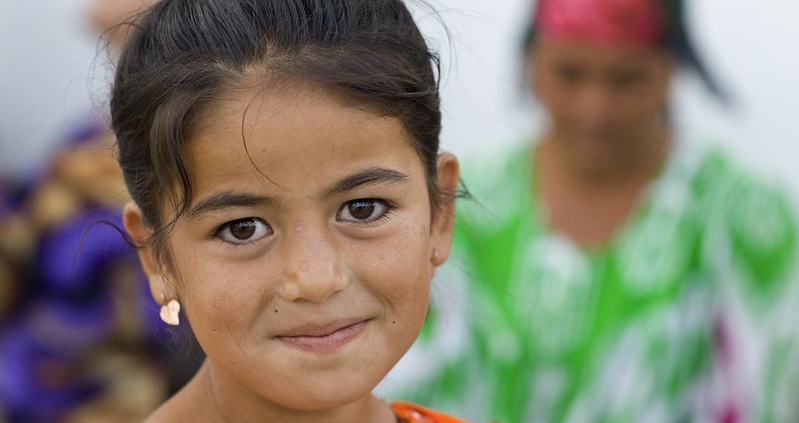
5 Charities Operating in Mauritania 

Charities Operating in MauritaniaMauritania, a largely desert country in West Africa bordering Senegal, Mali and Western Sahara, faces urgent challenges, including poverty, limited health care and barriers to education. The population relies heavily on agriculture, even though only 0.4% of the territory is arable. The country also experiences recurrent droughts and floods. In 2024, political instability in Mali caused a rise in refugees in Mauritania. Today, more than 288,000 refugees and asylum seekers live in the southeastern region of Hodh Chargui.

Five charities operating in Mauritania have helped improve access to education, health care and food assistance for vulnerable populations. International organizations such as the World Food Programme (WFP) provide food distribution and malnutrition services. The U.N. High Commissioner for Refugees (UNHCR) implements protection and inclusion programs for Malian refugees.

Progress in Mauritania comes from international and local organizations working together to improve health care, education and livelihoods. Both local and international charities operating in the country have positively impacted its development. Here is information about five charities operating in Mauritania. 

1. World Vision Mauritania

World Vision is a global Christian humanitarian organization that began operating in Mauritania in 1983. The NGO originated in Nouakchott and focuses on improving the well-being of children and families in vulnerable communities. Its mission is to reduce poverty and improve access to education, health care, clean water and livelihoods through sustainable, community-driven programs. World Vision Mauritania has supported more than 230,000 children enrolled in various educational programs and established more than 300 preschool structures to promote early childhood learning. The charity has improved access to clean water by constructing 619 drinking water systems and 302 wells, benefiting more than 114,000 people. World Vision established 894 savings and loan groups with more than 17,000 participants, 98% of whom are women. Through its comprehensive and measurable initiatives, World Vision Mauritania continues to create lasting change by empowering communities and fostering sustainable development.

2. Médecins Sans Frontières (MSF) 

Among the five charities operating in Mauritania, MSF began its operations in the country in 1992. In 2024, MSF returned to the Hodh El Chargui region in response to the increasing influx of refugees from Mali. The international organization provides basic health care, mental health support, sexual and reproductive care and treatment for malnutrition. MSF set up mobile clinics in many villages in Bassikounou to provide care to people arriving from Mali. It also collaborated with local organizations to improve emergency rescue efforts. MSF trained local officials in mass-rescue operations and first aid. In December 2024, it assisted migrants at the disembarkation point in Nouadhibou and supported three disembarkations and two land interceptions. Its work resulted in 2,590 outpatient consultations and 50 children admitted to outpatient feeding programs. By delivering essential health care and support services to vulnerable populations, MSF directly addresses critical gaps in Mauritania’s health care system.

3. Oxfam 

Oxfam has been active in Mauritania since 1983, mainly in Brakna, Gorgol and Hodh el Gharbi. Between 2005 and 2006, Oxfam GB also spent about £616,641 on disaster response in Mauritania.

Between 2010 and 2012, Oxfam’s small-scale irrigation project in Boghé, implemented with the Mauritanian Red Crescent and Spanish Red Cross, benefited 957 farmers in 20 cooperatives and indirectly improved food access for more than 12,000 people.

From 2022 to 2023, Oxfam supported education projects through Education Out Loud, investing $196,511 USD to strengthen 20 member organizations in 15 regions to improve education inclusion and monitoring of SDG 4. Its programs strengthen resilience in communities facing food insecurity, limited land access and educational challenges, helping people build sustainable livelihoods.

4. Youth and Hope 

Among the five charities operating in Mauritania, Houleye Thiam founded Youth and Hope in 2011. According to the organization, its mission is to eliminate barriers to education for young people in four targeted villages in rural areas of Mauritania. Youth and Hope delivers school sets to students twice a year, providing six notebooks and 12 pens. The sets are delivered by hand and the organization asks school teachers to confirm that the students have the basic supply needed to study. The local organization also operates in other villages that host former refugee populations returned from Senegal in 2011, like Gawdal, Diolly and Houdalaye. Youth and Hope’s work highlights the role of local initiatives in supporting vulnerable communities. 

5. Care and Relief for the Young (CRY) 

Since 1992, CRY has been an international charity that supports children and women in developing countries by providing education, shelter, feeding programs and micro-grants. Its work also includes helping orphans and street children through the provision of food, medicine, clothing and school fees, aiming to empower vulnerable groups through partnerships with local organizations. In Mauritania, where education access remains a major challenge, especially for children in rural and refugee communities, CRY’s work fills a crucial gap. In 2025, they launched the Child Development Centre in Mauritania, which supports more than 100 children and funds three feeding programs. The project provides direct assistance to orphans and street children and focuses on improving access to education, nutrition and health care.

The Bigger Picture

The work of these five charities operating in Mauritania makes a significant difference in the lives of Mauritanian people. The joint efforts of both local and international organizations support the most vulnerable groups, including children, women and refugees. Their programs provide direct assistance, such as food provisions, as well as grants and educational resources. Their mission is to help communities achieve sustainable livelihoods and build a better future for the country. 

– Angela D’Avino

Angela is based in Preston, UK and focuses on Good News and Global Health for The Borgen Project.

Photo: Flickr
October 23, 2025
https://borgenproject.org/wp-content/uploads/borgen-project-logo.svg 0 0 Jennifer Philipp https://borgenproject.org/wp-content/uploads/borgen-project-logo.svg Jennifer Philipp2025-10-23 01:30:432025-10-23 00:19:405 Charities Operating in Mauritania 
Child Poverty, Education, Global Poverty

Education in Nigeria: Children in Poverty

Education in NigeriaPoverty in Nigeria is one of the main barriers preventing children from accessing education, as many families cannot afford the school fees and materials needed for their children to attend school. As a result, countless children are out of school and trapped in cycles of poverty.

Children in Poverty

The United Nations Children’s Fund (UNICEF) reports that 54% of children in Nigeria are multidimensionally poor, meaning they face more than one form of deprivation. World Bank data further shows that child poverty levels exceed adult poverty levels. Children in northern Nigeria face particularly high rates of poverty. Additionally, parents’ education levels strongly correlate with the likelihood of their families living in poverty and deprivation.

Children from impoverished households are less likely to receive a quality education because they cannot afford essential school materials. Data shows that underserved children in Nigeria achieve only 19.7% learning compared to 49.4% among children from wealthier families.

Children Attending Schools in Nigeria

Violence in northeastern Nigeria has created widespread insecurity, making it difficult for children in the region to access education. The conflict has forced schools to close and displaced 3.3 million people, nearly half of whom are children. For girls, the situation is even more challenging, as cultural norms often prioritize boys’ education.

The Education Policy and Data Center reports that 33% of primary school–aged children in Nigeria are out of school, with girls disproportionately affected. According to the Malala Fund, nearly five million adolescent girls and a total of 8.97 million girls are out of school in the country. This makes young girls more vulnerable to child marriage.

The INEMO Foundation

The INEMO Foundation is a nongovernmental organization (NGO) that believes education is one of the most effective ways to reduce poverty in Nigeria. It directly supports families and schools to help keep children in school.

The INEMO Foundation was founded by Dr. Opeyemi Adeosun, the Executive Director and his wife, Sophia Inemotimi Adeosun, in Abuja, Nigeria. Adeosun was inspired by the novel “Only God Can Save Nigeria: What a Myth?”, which motivated him to help children in his community attend school in 2017.

After speaking with the novel’s author, Adeosun was invited to share his story on the author’s platform. This appearance attracted sponsors to his work, enabling him and his wife to help 62 children attend school in 2018. The couple officially registered the INEMO Foundation as an NGO in 2019 to continue and expand their efforts.

The Borgen Project spoke with Adeosun, who shared that he is a public health practitioner and wanted to help children in his community access education. “The education aspect has been the main part we focus on,” Adeosun said.

Reviving Schools, Restoring Hope

The Foundation’s latest project involved renovating a school in Keffi, Nasarawa State. “The Bank of Industry gave us some money to refurbish and renovate some of the classrooms,” Adeosun explained. “According to the school’s headmistress, since the renovations, they have seen more children enrolling and an increase in admissions.”

“That’s the biggest achievement we’ve had in any school,” says Adeosun, referring to the school’s renovation. The Foundation not only refurbished the school but also installed functional toilets and a reliable water supply for the community to use.

The Foundation also focuses on supporting local mothers and this approach has shown positive results. The financial assistance provided has helped cover school fees for many families. “Inflation has increased and many parents cannot afford this. So instead of the situation getting better, it’s actually getting worse,” Adeosun said.

“Poverty does not know religion, does not know ethnicity in Nigeria, but mostly those who are not educated, because the majority of the parents of these children in poverty I’m talking about are not educated,” says Adeosun as he expresses how uplifting education can be from poverty. For Adeosun, education in Nigeria is a key tool to help children escape poverty. So far, the Foundation has supported 300 children in returning to school.

Charities Working To Improve Education Access in Nigeria

Britain-Nigeria Educational Trust (BNET) is a charity that provides funding toward the advancement of education in Nigeria. The charity aims to support the training and development of teachers in Nigeria while also maintaining funding for other projects in education.

The BNET Trust has helped many schools and one of the projects it has given funding to is the Pacelli School for Blind and Partially Sighted Children. BNET’s funding has been significant as it enabled the school to buy a JAWS screen reader for the blind and partially sighted children. This has given children better resources fitted to their needs.

The Malala Fund is an international organization that aims to provide quality education for every girl. Founded by activist Malala Yousafzai, the Fund invests in local education advocates who can help to shape policies for girls’ education.

The priorities for the Malala Fund regarding Nigeria are to strengthen the right to education for girls who are married and young mothers. Another priority is to enhance the funding for girls in secondary schools. The organization wants to increase education funding at the federal and state levels so that girls in Nigeria receive better education.

UNICEF has reported that one in four Nigerian children is out of school and deserves to be educated. The charity has found that 73% of children aged between 7 and 14 do not have foundational reading skills. There is a significant gap between primary and secondary schools, with a lack of infrastructure, leaving only one secondary school for every five primary schools.

UNICEF aims to reach several goals for education in Nigeria by 2027 and one of these is to give 10 million children access to education. Another aim is to provide 4.8 million children with access to vital learning materials and for 22 states to increase and scale up their approach to literacy and numeracy learning.

– Alice Haston

Alice is based in Liverpool, UK and focuses on Good News and Global Health for The Borgen Project.

Photo: Dr. Opeyemi Adeosun

October 17, 2025
https://borgenproject.org/wp-content/uploads/borgen-project-logo.svg 0 0 Hemant Gupta https://borgenproject.org/wp-content/uploads/borgen-project-logo.svg Hemant Gupta2025-10-17 01:30:222025-10-17 02:45:23Education in Nigeria: Children in Poverty
Children, Food & Hunger, Global Poverty

Force For Good Foundation and Nourish The Children Initiative

Nourish The ChildrenThe Skincare industry is often catered towards luxury buyers, utilizing bold, minimalist designs and cutting edge technology. Specifically, NU Skin, a leading global brand with more than $1.7 billion in revenue in 2024, has made an emphasis on philanthropy. With such earnings, NU Skin has formed two philanthropy organizations.

The Force for Good Foundation

The main organization, the Force For Good Foundation, is a comprehensive nonprofit that focuses on improving the quality of life worldwide. Despite working with disaster relief and coastline preservation, the organization focuses on lifting children out of poverty without geographical constraints. Having been active for over 20 years in 50 countries and impacting more than 100,000 children, the Force For Good Foundation has undoubtedly been a leading organization in poverty reduction.

The secondary organization, Nourish the Children, is a for-profit social initiative focusing on combating hunger and malnutrition. Hunger plays a major role in adolescent poverty, causing 3.1 million deaths under the age of 5. Recognizing that at the bare minimum, children need to survive, NU Skin dedicates additional effort through Nourish the Children.

NU Skin’s Impact

NU Skin’s organizations undertook significant projects in Africa. The Force For Good Foundation has three programs in Malawi centered around conservation, sustainability, and access to clean water. The programs include the School of Agriculture for Family Independence (SAFI), Seeds of Hope, and Wells of Hope. SAFI introduces residents to sustainable farming techniques, with an increased yield of 700% after implementation.

The Wells of Hope, which built clean wells in villages each serving 500 people, reduces waterborne illnesses such as dysentery. Paired with Seeds of Hope’s preservation of native vegetation such as the sacred Baobab tree, villages have become increasingly secure and stable.

Food Distribution

In addition to development, Nourish the Children provides direct relief through distributing food to malnourished children in Malawi. NU Skin partners with food manufacturers to create VitaMeal, a nutrient rich vegetarian meal designed for malnourished children. Based on customer’s additional donations when a product is purchased, meals are manufactured and sent to Malawi. As each unit can feed up to 30 children for a month, more than 70,000 children receive food a day.

So far, the impact NU Skin’s Force For Good Foundation has made is monumental. As of 2023, the organization has given more than $3.5 million to advance the missions of the foundation. In the same year, NU Skin chartered 30 grants. Nonprofits need a stable amount of funding to stay afloat. On top of donations, NU Skin is dedicating a share of revenue to fund the foundation demonstrates significant philanthropic commitments and a desire to create value for the impoverished.

Companies such as NU Skin are leaders in promoting philanthropy in a luxurious industry. With noticeable success and impact on impoverished children, other high-end companies may follow suit. After all, a wealthy consumer base holds the most power to transform living conditions in impoverished communities.

– Owen Wu

Owen is based in Boston, MA, USA and focuses on Business and Good News for The Borgen Project.

Photo: Flickr
October 6, 2025
https://borgenproject.org/wp-content/uploads/borgen-project-logo.svg 0 0 Naida Jahic https://borgenproject.org/wp-content/uploads/borgen-project-logo.svg Naida Jahic2025-10-06 01:30:512025-10-05 23:46:19Force For Good Foundation and Nourish The Children Initiative
Children, Global Health, Global Poverty

Childhood Anemia in Sierra Leone: Scale, Costs, and Solutions

Childhood Anemia in Sierra LeoneIn Sierra Leone, childhood anemia remains a widespread public-health burden with immediate clinical harms and long-term economic consequences. Recent national surveys and nutrition profiles show very high prevalence among children under 5 and point to a large absolute caseload that demands both low-cost commodities and substantial delivery investments.

The 2019 Sierra Leone Demographic and Health Survey reported an exceptionally high prevalence of anemia in children under 5. When combined with population estimates for the under-5 cohort (~1,188,000), the implied burden is roughly 900,000 young children affected. Quantifying both prevalence and headcount helps translate epidemiology into program scale and budgetary needs.

Causes and Clinical Impact

Multiple drivers contribute to childhood anemia in Sierra Leone: inadequate access to iron-rich foods, repeated infections (including malaria), intestinal parasites, and poor water, sanitation and hygiene (WASH) conditions. Clinically, moderate and severe anemia in young children associates with reduced activity, impaired immune response, delayed cognitive development and elevated risks of hospitalization and mortality—outcomes that reduce lifetime human capital.

Home fortification with multiple micronutrient powders (MNPs) constitutes one of the clearest, evidence-backed interventions for reducing iron deficiency and lowering anemia prevalence in infants and young children. Meta-analyses and program guidance report reductions in anemia (meta-analytic point estimates commonly around the high-teens percentage reduction in targeted age bands) and substantial declines in iron deficiency biomarkers. At the procurement level, UNICEF price data have shown MNP product costs can be very low (for example, roughly $1.65 for 90 sachets), but product cost is only one component of a functional program.

Delivery Costs and Program Scale

Product procurement at UNICEF commodity prices implies a modest line-item for sachets alone: covering a six-month intermittent regimen for ~903,000 children would cost on the order of $1.5 million for the sachets themselves. Implementation pilots, however, highlight that distribution, community health worker time, training, supervision and adherence monitoring drive total costs far higher. Pilot studies report per-child program costs in the low tens of dollars (for example, approximately $53 per child via community platforms and ~ $66 via facility platforms in a nine-month pilot), which projects to program budgets in the tens of millions to reach the whole affected cohort.

UNICEF, WFP and HKI

UNICEF partners with the Government of Sierra Leone on child-nutrition programs, including infant and young child feeding (IYCF) counselling, and supports behavior change and supply-chain steps that are essential to sustained impact. Recent UNICEF reporting describes local innovations and maternal/child nutrition support activities deployed in 2024–2025.

The World Food Program (WFP) has piloted local production of affordable, nutrient-enriched complementary foods for children and works through community and school platforms to improve diet quality—an approach that reduces reliance on imported products and supports local economies. WFP described a 2023 pilot equipping women’s producer groups to hygienically make nutrient-rich complementary foods.

Helen Keller International (HKI) acts as a long-standing nutrition partner in Sierra Leone and has worked with the Ministry of Health to expand access to prenatal multiple micronutrient supplementation and other nutrition services; HKI’s recent program descriptions note expansion of prenatal supplement access across more than 1,400 health facilities in recent years, an example of scaling maternal nutrition to support child outcomes indirectly.

Conclusion

The numbers outline a stark but solvable public-health challenge: a large cohort of young children faces anemia, and inexpensive commodities exist that reduce prevalence. The decisive constraints are delivery systems and integrated public-health responses. Scaling proven platforms—UNICEF’s supply and behavior-change partnerships, WFP’s local complementary-food initiatives and HKI’s facility-level nutrition expansions—offers an operational road map: combine affordable MNP procurement with funded distribution, malaria and deworming measures and maternal-child nutrition services to convert low unit costs into durable population health gains.

– Alexander Broermann

Alexander is based in Frankfurt, Germany and focuses on Good News and Global Health for The Borgen Project.

Photo: Flickr
October 1, 2025
https://borgenproject.org/wp-content/uploads/borgen-project-logo.svg 0 0 Naida Jahic https://borgenproject.org/wp-content/uploads/borgen-project-logo.svg Naida Jahic2025-10-01 03:00:492025-10-01 01:06:35Childhood Anemia in Sierra Leone: Scale, Costs, and Solutions
Child Poverty, Children, Global Poverty

Organizations Reducing Child Poverty in Malawi

Child Poverty in MalawiMore than half of the children in Malawi live in poverty. A report conducted by UNICEF stated that all children (0-17 years) in Malawi experience the highest levels of deprivation in sanitation, education and housing. This is particularly worse for children in rural areas, as 76.6% against 24.4% in urban areas experience multi-dimensional poverty.

A child experiencing multi-dimensional poverty is defined by their inability to access specific goods and services simultaneously. In Malawi, poverty is nationwide, but the disparity between urban and rural areas, alongside the layers of poverty, is severe. However, several charities and programs have created solutions to end the cycle of child poverty and strengthen Malawi’s youth and future.

Open Arms Malawi

Open Arms Malawi aims to break the cycle of child poverty through community-led support. By engaging directly with families, Open Arms equips and empowers them with the resources necessary to raise healthy children and achieve self-sufficiency. From birth, it provides infant care to ensure babies survive their early years.

The organization not only supplies families with medicines, milk and food formulas but also covers medical expenses to prevent delays in treatment. Additionally, Open Arms offers parenting advice and education on nutrition and child care, along with monitoring growth charts and health status to create a supportive system for both children and parents, with goals being met. In 2024, 300 children had their health monitored and were provided with food, clothing, educational and medical advice throughout the year.

Self-sufficiency is encouraged through education and collaboration with families. By providing both short-term and long-term resources, sustainable change is driven through learning and developing independence. This strengthens Malawi’s youth from their earliest years and creates a brighter future for them.

Starfish Malawi

Among Starfish Malawi’s various projects aimed at empowering vulnerable children is Glad Tidings Orphan Care. Based in Ngolowindo, a rural village in Malawi’s Salima Lakeshore District, the project is staffed by just six workers. Through home visits, workshops for guardians and medical and nutritional support, the project has improved the lives of 240 children in the area.

Like Open Arms, Glad Tidings’ community-driven support is at the heart of its work. Glad Tidings collaborates with parents, caregivers and community members to carry out its programs and support children in need. Additionally, it provides accessible nursery education as an early intervention for disadvantaged children, encouraging physical, intellectual, creative, social and emotional development.

Currently, 525 children are registered at the GTO nurseries, receiving free nursery education. As such, these orphaned and disadvantaged children can access education, which provides stability and security, a key solution to tackling the cycle of child poverty in Malawi.

Hope4Malawi

Hope4Malawi’s Youth Program concentrates on the final stages of a child’s development as they prepare to leave school. The character development component teaches young people essential life and leadership skills that they can apply in their personal and professional lives, ultimately influencing their community. Hope4Malawi received sponsorships, which have granted full scholarships to 27 students and half scholarships to 28 more students.

Additionally, it has also provided educational resources. This changes the trajectory of the families who couldn’t attend school and provides children and families with an opportunity to reach their potential. Conversely, vocational and business skills are taught to empower young people to secure a livelihood.

These include problem-solving skills, academic skills for employment and business skills to broaden job opportunities and develop business ideas. This not only provides a foundation for young adults to build their careers and enhance employment prospects but also enables them to explore their own dreams. Hope4Malawi helps strengthen Malawi’s youth by encouraging them to turn those dreams into reality.

Going Forward

The community acts as the foundation of these initiatives, working to end child poverty and make a stronger generation of children in Malawi. By addressing and finding solutions to issues faced by babies from birth, the Open Arms support system can transform the lives of children and parents. As children grow, receive an education and seek employment, community-driven efforts persist through organizations like Starfish Malawi and Hope4Malawi’s Youth Program.

These organizations not only offer a helping hand but also help stabilize children from a young age and tackle the multifaceted poverty they encounter. By increasing funding, resources and raising awareness, these community-driven solutions would further strengthen Malawi’s youth and create a brighter future across the country.

– Jule Riemenschneider

Jule is based in Oxford, UK and focuses on Good News for The Borgen Project.

Photo: Flickr
September 30, 2025
https://borgenproject.org/wp-content/uploads/borgen-project-logo.svg 0 0 Hemant Gupta https://borgenproject.org/wp-content/uploads/borgen-project-logo.svg Hemant Gupta2025-09-30 03:00:392025-09-30 01:52:35Organizations Reducing Child Poverty in Malawi
Children, Global Poverty, Poverty Eradication

How MrBeast’s Chocolate Is Eradicating Child Labor

MrBeast’s ChocolateThe cocoa industry has long faced scrutiny over child labor. YouTuber Jimmy Donaldson, better known as MrBeast, is working to address the issue through his company, Feastables. The U.S.-based chocolate company is “on a mission to end child labor in the cocoa industry.”

MrBeast plans to reshape the industry from production to purchase by “empowering West African children to get off farms and into local schools.” Feastables is more than a chocolate brand; it is one of the few companies sourcing 100% of its cocoa from Fairtrade-certified cooperatives. It ensures farmers receive a living income while tackling the root causes of child labor.

The Cocoa Industry’s Child Labor Problem

The global chocolate industry, despite having faced criticism for its ties to child labor, has refused to cut its connection to farms with human rights violations. The Bureau of International Labor Affairs (ILAB) reports that more than 1.5 million children work on cocoa farms in Côte d’Ivoire and Ghana.

The International Labor Organization (ILO) defines child labor as: “Work that deprives children of their childhood, their potential and their dignity and that is harmful to their physical and mental development.” The Food Empowerment Project reports that children as young as 5 years old work on these farms. They often operate heavy and dangerous machinery and sometimes work up to 14 hours daily.

Historical Roots of Exploitation

Cocoa farming has deep colonial roots. It was introduced to the region to meet European demand through cheap or free labor. This practice continues in different forms today. Côte d’Ivoire and Ghana now supply about 60% of the world’s cocoa.

Yet, because of the demand for cheap cocoa, most farmers earn less than $1 per day, below the extreme poverty line. This widespread poverty often forces families to rely on child labor for survival. MrBeast, speaking on a podcast with Steven Bartlett, said he wants to show other chocolate companies that “you can still make a profit while being ethically sourced.”

How MrBeast’s Chocolate Stands Out

Feastables’ collaboration with the International Cocoa Initiative (ICI) aids on-the-ground work with farmers to address the inequities within the supply chain. ICI Executive Director, Matthias Lange, said it is “really positive to see a relatively young company operating in the cocoa sector take up their duty to ensure that they’re creating responsible supply chains that promote human rights.”

With these efforts, MrBeast’s chocolate company aims to eradicate child labor in West Africa. The company aims to achieve this in three key ways:

  1. Fairtrade Cocoa Sourcing: Feastables purchases 100% of its cocoa on Fairtrade terms. This involves workers receiving a “Fairtrade Minimum Price” for their goods, protecting against market price drops. Farmers also receive a “premium,” an investment tool for their business, improving production and working conditions.
  2. Living Income Reference Price (LIRP): Feastables pays farmers the LIRP or the market price, whichever is higher. Fairtrade defines the LIRP as “The price a typical farmer household with a viable farm size and a sustainable productivity level needs to earn a living income from their crop sales.” Maintaining this price is critical to tackling child labor, as Feastables explains: “Stopping child labor starts with addressing its root cause—poverty.”
  3. Child Labor Prevention: Feastables only partners with farms using child labor monitoring and remediation systems (CLMRS). These systems identify children in labor or at risk and provide solutions to remove or protect them. According to the ICI, CLMRS can reduce child labor by a third when effectively implemented.

The system operates through four key functions: raising awareness, identifying children, offering prevention and remediation support and following up with affected children. Strict adherence to CLMRS is central to MrBeast’s plan to eliminate child labor in West Africa.

Conclusion

The chocolate sector still faces major challenges. Yet, MrBeast’s Chocolate model shows companies can practice ethical sourcing without sacrificing profits. Feastables has partnered with three major organizations to scale its impact: Fairtrade, ICI and Tony’s Open Chain.

Through these partnerships, MrBeast has committed the company to high standards of transparency, farmer support and child protection. This approach sets an example for the industry. It shows that consumer demand and corporate responsibility can work hand in hand to drive lasting change.

– Ashley Pfeifer

Ashley is based in London, UK and focuses on Business and Good News for The Borgen Project.

Photo: Unsplash

September 26, 2025
https://borgenproject.org/wp-content/uploads/borgen-project-logo.svg 0 0 Hemant Gupta https://borgenproject.org/wp-content/uploads/borgen-project-logo.svg Hemant Gupta2025-09-26 07:30:372025-09-26 05:15:01How MrBeast’s Chocolate Is Eradicating Child Labor
Page 3 of 137‹12345›»

Get Smarter

  • Global Poverty 101
  • Global Poverty… The Good News
  • Global Poverty & U.S. Jobs
  • Global Poverty and National Security
  • Innovative Solutions to Poverty
  • Global Poverty & Aid FAQ’s
Search Search

Take Action

  • Call Congress
  • Email Congress
  • Donate
  • 30 Ways to Help
  • Volunteer Ops
  • Internships
  • Courses & Certificates
  • The Podcast
Borgen Project

“The Borgen Project is an incredible nonprofit organization that is addressing poverty and hunger and working towards ending them.”

-The Huffington Post

Inside The Borgen Project

  • Contact
  • About
  • Financials
  • President
  • Board of Directors
  • Board of Advisors

International Links

  • UK Email Parliament
  • UK Donate
  • Canada Email Parliament

Get Smarter

  • Global Poverty 101
  • Global Poverty… The Good News
  • Global Poverty & U.S. Jobs
  • Global Poverty and National Security
  • Innovative Solutions to Poverty
  • Global Poverty & Aid FAQ’s

Ways to Help

  • Call Congress
  • Email Congress
  • Donate
  • 30 Ways to Help
  • Volunteer Ops
  • Internships
  • Courses & Certificates
  • The Podcast
Scroll to top Scroll to top Scroll to top