• Link to X
  • Link to Facebook
  • Link to Instagram
  • Link to TikTok
  • Link to Youtube
  • About
    • About Us
      • President
      • Board of Directors
      • Board of Advisors
      • Financials
      • Our Methodology
      • Success Tracker
      • Contact
  • Act Now
    • 30 Ways to Help
      • Email Congress
      • Call Congress
      • Volunteer
      • Courses & Certificates
      • Be a Donor
    • Internships
      • In-Office Internships
      • Remote Internships
    • Legislation
      • Politics 101
  • The Blog
  • The Podcast
  • Magazine
  • Donate
  • Click to open the search input field Click to open the search input field Search
  • Menu Menu

Archive for category: Child Poverty

Child Poverty, Children, Global Poverty

Child Poverty in the Central African Republic

Child Poverty in the Central African Republic
Poverty is an issue the Central African Republic continues to face. In fact, around 71% of the Central African Republic’s population lives below the estimated international poverty line. In particular, child poverty in the Central African Republic is prevalent with an estimated half of the country’s population being under the age of 14. Many of these children are born into poverty, a situation they did not choose.

The Central African Republic is also one of the most impoverished nations in Africa; about 60% of the population lives in poverty. Some of the largest issues that children in the Central African Republic face are low enrollment in primary school, various armed conflicts and malnutrition. While these are significant burdens, there are several solutions that should drastically improve the situation of child poverty in the Central African Republic.

Low Enrollment for School

In countries experiencing poverty, schools can be a safe haven for many children. Not only do they offer a stable and caring environment, but they can also offer a lifeline to many children with hopes and dreams of leaving their situation. There are schools in the Central African Republic, such as the Youth Education Pack, that specifically teach trades and other professions to help young people obtain skills during the COVID-19 pandemic. Youth Education Pack receives funding from Education Cannot Wait, a fund that is working towards providing education during crises.

The Central African Republic enrollment is incredibly low, with only 62% of boys and around 41% of girls enrolled in primary school. This creates a significant gap, with many children already deep into poverty not going to school to progress. One cause of this problem is the various armed groups in the country. One of these is the People’s Army for the Restoration of Democracy, which frequently kidnaps children and forces them to fight.

While some attend school, the problems continue. Around 6% of high schoolers in the Central African Republic complete school. One solution would be to dedicate more resources to education. Through schooling, many children in poverty in the Central African Republic would be able to both learn and grow, while progressing in their education and moving from their current living conditions. After-school programs could be of great use and benefit as well, allowing children to have a safe space away from their home lives. Baha’i communities are an incredible example, where they have found multiple ways to prioritize and bring education to children who need it. There is a definitive aspiration by many to boost education in the Central African Republic and more success stories such as the one in Baha’i are inevitable.

Armed Conflict

Unfortunately, warring groups often recruit or kidnap many children of the Central African Republic to fight as soldiers. While many generally consider the use of children in warfare abhorrent, children are often incredibly susceptible to this. They are much easier to manipulate through coercion and threats of violence to themselves and their families. These children often become physically and mentally scarred by what they have seen and done.

An effective solution is to create more programs to help reintegrate former child soldiers. As stated before, many of these children need psychological help. By being able to discuss their trauma with professionals, they are able to process what happened to them and recover from the lasting effects. Other programs must emerge to make sure children do not even join said groups in the first place, educating them on what happens when they become child soldiers.

There are efforts already on the ground to help reduce child poverty in the Central African Republic. For example, War Child has been successful in helping former child soldiers of the Central African Republic, aiding around 7,947 children in 2018 alone. Another such organization is UNICEF, which has been reintegrating child soldiers for nearly 13 years after signing an agreement with the government as well as a rebel group known as the Assembly of the Union of Democratic Forces. While there is a great deal that needs to happen, there is hope for the children of the Central African Republic who the armed conflicts of the region personally affect.

Malnutrition

A significant problem amongst impoverished children in the Central African Republic is malnutrition. It is almost a residual effect of poverty itself and of the other problems that children face in the Central African Republic, mentioned above.

Around 38% of children in the Central African Republic are chronically malnourished and in need of serious care. This is parallel to the armed conflicts as well as the considerable rise in both food prices as well as shortages. In fact, around 45% of people in the country suffer from some level of food insecurity. These problems create a cycle where a lack of food resources for farming creates poverty and poverty itself creates more food shortages.

Luckily, many organizations, like the World Food Programme (WFP), are helping combat child malnutrition in the Central African Republic. WFP began the Central African Republic Interim Country Strategic Plan in 2018, a plan which aspires to help many children and at-risk families receive food daily. This can and will tremendously help combat the issue at hand and ensure that many children do not go hungry.

WFP’s efforts extend towards schools with its school feeding programs as well. These programs have both had positive effects on school attendance as well as the nutrition of many children. Malnutrition might be a definitive problem facing the Central African Republic, but much effort is going into making sure children receive the proper nutrients daily.

While the impoverished children in the Central African Republic seem to be in an incredibly tough spot physically, mentally and emotionally, there is a future for them. Many organizations have dedicated themselves to helping them. Moreover, the granting of awareness about child poverty in the Central African Republic should help prompt others into swift action.

– Remy Desai-Patel
Photo: Flickr
October 22, 2020
https://borgenproject.org/wp-content/uploads/borgen-project-logo.svg 0 0 Jennifer Philipp https://borgenproject.org/wp-content/uploads/borgen-project-logo.svg Jennifer Philipp2020-10-22 15:20:072024-05-30 07:53:16Child Poverty in the Central African Republic
Child Poverty, Global Poverty

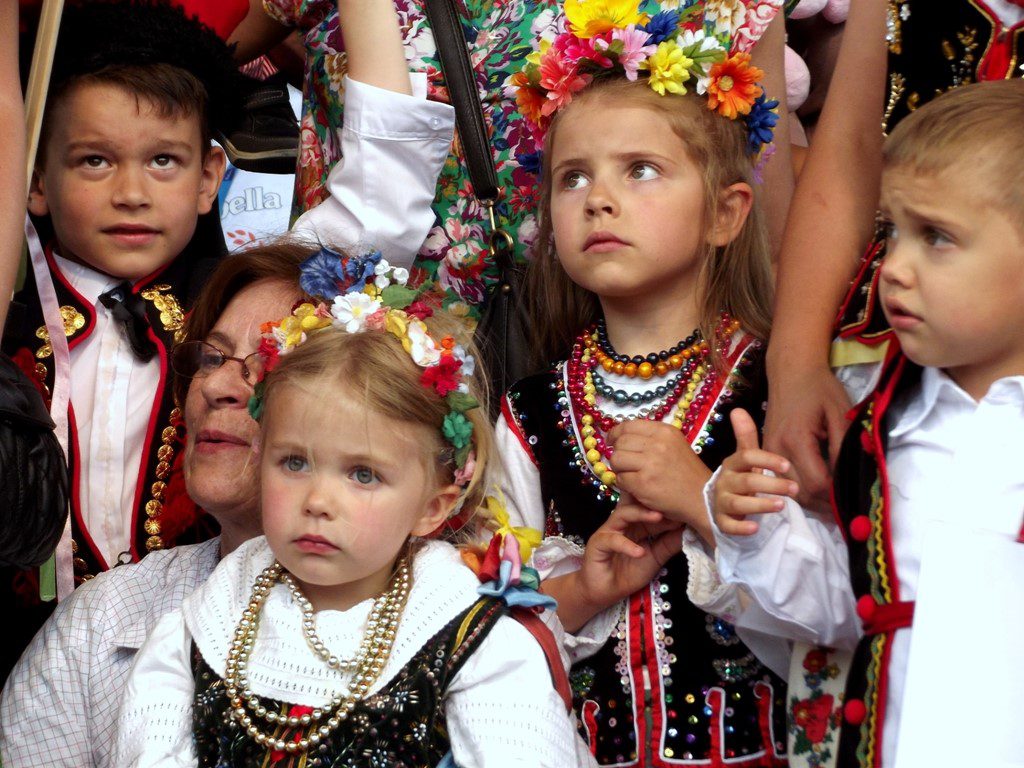
Tackling Child Poverty in Poland

Child Poverty in Poland
In 2016, child poverty in Poland was at a rate of 24.2%. The next year, the percentage of child poverty in Poland dropped to 17.9.

The Family 500+ Program

Although child poverty in Poland is declining, the country ranks in the middle among other E.U. countries. In large part, the country can thank the social policies that the Polish government has adopted, especially the Family 500+ program. This program benefits children where families with two or more children under the age of 18 receive PLN 500 per child monthly, regardless of income. Families with lower incomes receive the benefit for their first child as well. The program boosted additional financial support to about 12% of the average gross wage in 2016. The program shows a great increase in transfers to households living in poverty, as by design, it emerged to be supplementary to other social assistance programs and family benefits.

How the Program Helps

Although the World Bank has argued that the Family 500+ program could create undesirable outcomes, like female labor force participation, which would inhibit fertility rates within the country, the Family 500+ program is a tremendous aid to children in poverty in Poland. For instance, the Family 500+ program covers an estimated 55% of all children in Poland who fulfill the age requirement of being under the age of 18. Meanwhile, by the end of February 2017, the Family 500+ program covered more than 3.82 million children under the age of 18, totaling PLN 21 billion. This shows the Polish government’s commitment to alleviating child poverty in Poland, as the program has contributed to a dramatic increase in the government’s spending on children.

In addition to Poland’s new family benefits program that it launched in order to alleviate child poverty in Poland, the country has also increased efforts to boost birth rates through the program. According to a Eurostat report in 2015, Poland had one of the lowest fertility rates in Europe at a rate of 1.32 children per woman, placing Poland at the second-lowest, right after Portugal.

Success at Reducing Child Poverty in Poland

In a recent Oxfam report, which is an international charity based in Oxford, Poland placed 26th in the world for fighting inequality. In spite of this, Oxfam ranked Poland the best at utilizing social spending to fight poverty and alleviating child poverty in Poland. In fact, estimates have determined that Poland’s child poverty rate will reduce by 76%, because of the program’s cash transfers. Statistics Office shows a 13% to 15% increase in childbirth, as recorded in December 2016 and January 2017. Not only that, after the program’s introduction, rates of consumption and saving have increased and debt levels have decreased. This shows an increase in income which could, in effect, help to alleviate poverty in Poland as a whole.

The Family 500+ program proves to be a significant tool in eliminating child poverty in Poland.

– Danielle Lindenbaum
Photo: Flickr

October 21, 2020
https://borgenproject.org/wp-content/uploads/borgen-project-logo.svg 0 0 Jennifer Philipp https://borgenproject.org/wp-content/uploads/borgen-project-logo.svg Jennifer Philipp2020-10-21 08:02:432024-05-30 07:53:15Tackling Child Poverty in Poland
Child Poverty, Food & Hunger, Food Security, Poverty

Food Insecurity on the Islands: Hunger in Fiji

hunger in fijiFiji, a country bordering both Tonga and Futana, has faced increased obstacles with food security. It is estimated that amongst the population of 926,276 citizens, over 250,000 individuals are battling poverty and hunger. However, increased efforts have been made to combat this rise in hunger in Fiji.
Problem in Numbers

It is estimated that over 35% of Fiji’s population is below the national poverty line. With the income of households drastically declining, thousands of families do not have the proper resources to thrive.

Fiji children are also heavily impacted, further contributing to the increased rate of hunger in Fiji. It has been recently estimated that over 40% of Fiji’s children are malnourished. A majority of children in Fiji suffer from “protein-energy malnutrition”, meaning that they do not consume enough vital and nutritious foods for their bodies.

The Causes

The lack of food distribution in Fiji points towards a variety of factors. A primary cause is due to Fiji’s political instability and corruption. Additionally, with tourism making up a majority of Fiji’s GDP, the COVID-19 pandemic has led to decreased budgets and widespread unemployment.

Climate change has also affected hunger in Fiji. Cyclones have led to massive agricultural losses, resulting in widespread losses of income and the destruction of food that would be derived from the agricultural crops.

Another cause contributing to the hunger in Fiji is the increased dropout rates among children. With the majority of Fiji’s population battling poverty, children are often instructed to leave school in search of work. From grueling street work to harsh agricultural labor, children earn very little over the years.

In 2016 it was estimated that over 55% of children at primary school age were not attending school. This low schooling rate leaves many children uneducated, unskilled and closed off to stable job opportunities which in turn leaves them unable to afford basic necessities as adults.

The Road to Change

However, despite the increased rates of hunger among the Fiji population, organizations have stepped up to aid the needy. A prominent organization is Moms Against Hunger, which has dedicated itself to providing food for the individuals battling poverty. Moms Against Hunger has recruited numerous volunteers and has delivered over 250,000 food packages to families in need. Under the COVID-19 pandemic, hundreds of families received enough food to last several months.

Another impactful organization is HELP International, which looks to empower and educate individuals in need. HELP International focused its efforts in the nutrition sector, teaching individuals nutritional guidelines, financial literacy and the importance of schooling. Through these efforts, thousands of families can learn to manage a budget, eat well and pursue higher education.

Additionally, Aggie Global seeks to educate farmers on sustainable practices. Under a team of various volunteers, Aggie Global hosted workshops to teach farmers about crop control, production tricks and sustainable solutions. After conducting these workshops, hundreds of farmers were able to boost production, increasing the amount of food distributed to the public.

The Future

Despite organizations looking to aid those in need, Fiji continues to face problems in feeding the entirety of its population. The efforts from nonprofit organizations provide short-term relief but Fiji is in great need of government assistance to see great and lasting change.

For Fiji to see an immense reduction in its hunger rate, the government must act alongside nonprofit organizations to provide for families. In addition, the Fiji government must prioritize the youth and support and encourage the pursuit of higher education. With increased positive influence and support from Fiji’s government, poverty-stricken families all over Fiji would benefit, lowering the overall hunger rate.

– Aditya Padmaraj
Photo: Flickr

October 14, 2020
https://borgenproject.org/wp-content/uploads/borgen-project-logo.svg 0 0 Kim Thelwell https://borgenproject.org/wp-content/uploads/borgen-project-logo.svg Kim Thelwell2020-10-14 05:57:432024-06-06 00:43:15Food Insecurity on the Islands: Hunger in Fiji
Child Poverty, Children, Global Poverty

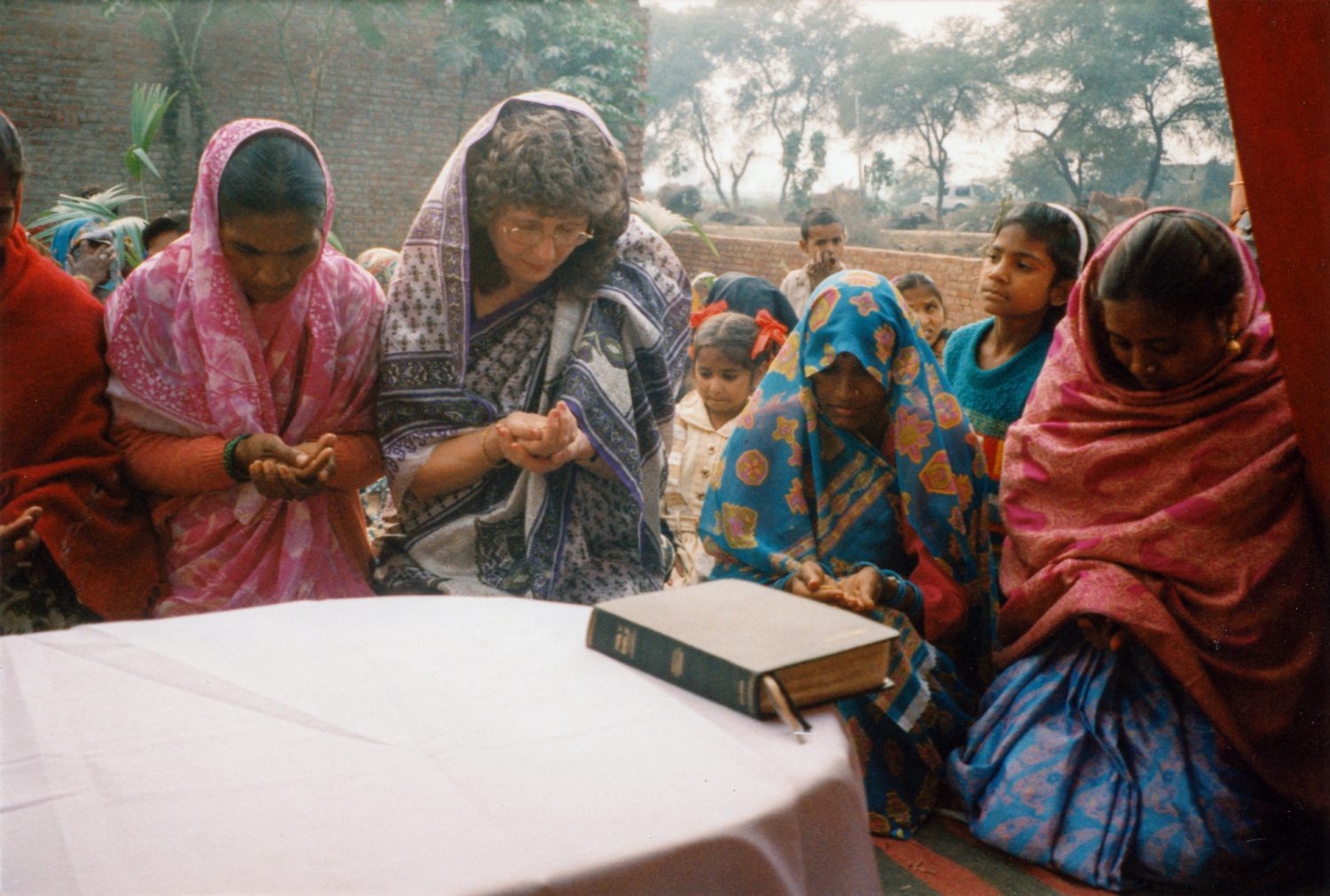
Christian Organizations Making a Difference

Christian Organizations Making a DifferenceMany faith-based organizations are committed to enacting humanitarian work throughout the world. Following the example of Jesus Christ, Christians commit themselves to assisting the most vulnerable populations around the globe. Historically, Christians have helped people around the world who need humanitarian aid and are often forgotten by mainstream organizations. Here are three Christian organizations making a difference to know about.
Three Christian Organizations Making A Difference

  1. Compassion International: Established in 1952, Compassion International is a Christ-centered organization whose main objective is to assist vulnerable children in need. According to its website, this organization takes a “holistic approach to child development” by assisting impoverished children in a variety of areas, from spiritual to economic development. The organization does not view child development as an instantaneous solution but rather a long-term commitment that requires perseverance. Compassion International works with “local churches in 25 countries around the world” to complete its work. It also founded the Child Sponsor Program, allowing donors to sponsor a child for $38 a month. Even such a small donation makes a huge difference in a child’s life thanks to Compassion International. Children supported by the program “are up to 75% more likely to become leaders in their communities” and around 80% are “more likely to graduate college.” In 2019, the sponsorship program connected 2.1 million children with sponsors. This hands-on assistance gives children hope for a future beyond their current circumstances.
  2. Samaritan’s Purse: Inspired by Jesus’ parable about the good Samaritan, Samaritan’s Purse is committed to assisting the poor, sick and suffering around the world. The organization effects change through the broad range of ministry projects that it conducts. Specifically, through its International Crisis Response, Samaritan’s Purse assists people impacted by natural disasters. This program provides food kits and installs community filtration systems to people in need. Crucially, these filtration systems can impact up to 2,500 people, by purifying up to 10,000 gallons of water. The organization also equips these impacted communities with medical teams and transitional shelters. Individuals may work with Samaritan’s Purse through hands-on volunteering or by creating a fundraising campaign.
  3. Cure International: Founded in 1986 by renowned orthopedic surgeon Dr. Harrison, Cure International bases its organization on Jesus’ teaching that the last will be the first. The organization dedicates its work to healing children with disabilities, whose home countries often treat them as the “last.” Cure International established its first hospital in Kenya in 1996, and since then it has established a presence in 14 more countries around the world. These “hospitals have performed more than 213,800 procedures” to treat disorders, such as clubfoot and spina bifida. Anyone can contribute to support Cure International and its work by donating just $39 a month.

These three Christian organizations exemplify the Bible quote, “Faith without works is dead.” As such, these Christian organizations making a difference demonstrate the significant impact that comes from putting one’s faith into action.

– Kira Lucas
Photo: Flickr

October 9, 2020
https://borgenproject.org/wp-content/uploads/borgen-project-logo.svg 0 0 Kim Thelwell https://borgenproject.org/wp-content/uploads/borgen-project-logo.svg Kim Thelwell2020-10-09 07:01:122024-05-30 07:52:06Christian Organizations Making a Difference
Child Poverty, Education, Global Poverty

MLB’s Grand Slam Against Poverty

Grand Slam
Major League Baseball (MLB) player Adam Wainwright is a two-time World Series champion. Additionally, Wainwright is a three-time All-Star, two-time Gold Glover, and Silver Slugger Award winner. In 2013, the Saint Louis Cardinals’ star found another use for his work ethic, leadership and passion by founding the Big League Impact (BLI) to fight poverty in the global community. He believes, “As an athlete, you only get a few years to have a platform like this. You might as well stand on it.” This article discusses some of the organization’s successes, highlighting why founding the organization was a grand slam against poverty.

The BLI began as a family fantasy football fundraiser. Today, this organization hosts campaigns and collaborates with fellow non-profits, athletes, musicians and other public figures. For example, the organization has taken Kyle Gibson into the ranks; the pitcher for the Texas Rangers who now serves as Vice President.

Teamwork Helps Puerto Rico Recover After Earthquake

Following two devastating earthquakes in 2019 and 2020, the BLI raised $30,000 for communities in Puerto Rico. This money went to two foundations: The Happy Givers and Yadier Molina’s Fundación 4. The Happy Givers has endeavored to improve lives in Peru, Tijuana and Puerto Rico. It used donation proceeds to provide power, clean water, emergency supplies and shelter to earthquake survivors. It gave further support by supplying backpacks packed with essentials for survival: whistles, hand sanitizer, toilet paper, flashlights, towels, water bottles, first aid kits and cereal bars.

Fundación 4, meanwhile, has focused exclusively on helping Puerto Ricans. BLI’s contributions went to children suffering from abuse, neglect, as well as diseases such as cancer. Fundación 4 also distributed necessities including food and water to Puerto Rican communities.

Fundraiser Drives Away Poverty and Hunger

Gateway Bronco (GB) is a company based in St. Louis, MO, that designs and restores Ford Broncos. This organization worked with the BLI and Omaze, an online fundraising platform, to fight against poverty. GB offered a classic Ford Bronco and $20,000 cash to bring in donations. This campaign raised $431,378.09 to benefit four charities:

  1. Crisis Aid International: Crisis Aid International serves to combat famine, disease, natural disasters and sex trafficking by serving families in East Africa and the U.S.
  2. Water Mission: Water Mission provides sustainable safe water solutions to people living in developing countries and facing natural disasters.
  3. Food for the Hungry: Food for the Hungry supplies clean water, medical aid, food, equal educational opportunities to children in over 20 countries.
  4. Help One Now: Help One Now fights poverty in developing countries by empowering entrepreneurs, educating and providing restorative care.

El Mogote is No Longer Parched for Safe Water

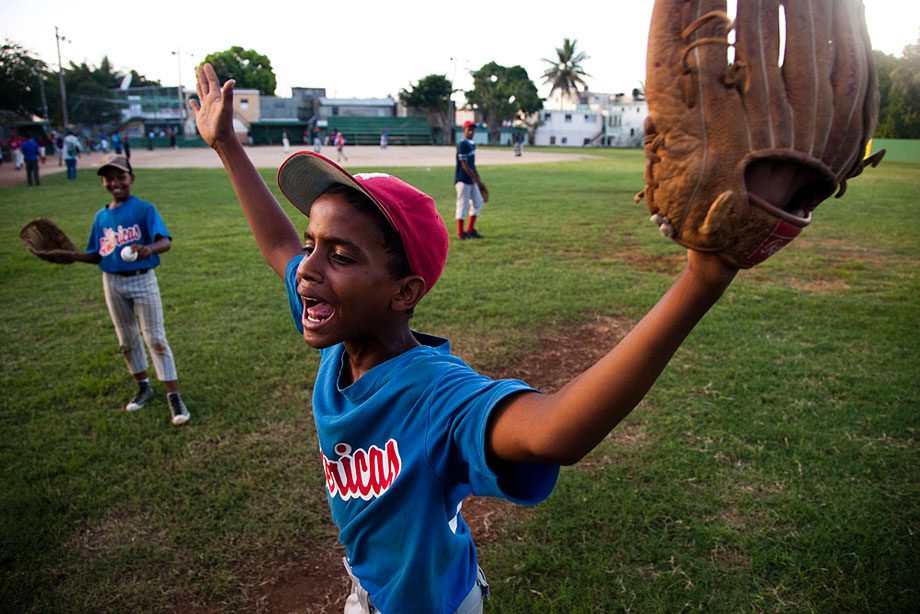
In 2019, Nick Ahmed, a shortstop for the MLB Arizona Diamondbacks, partnered with BLI. He traveled to El Mogote, Dominican Republic to open a water treatment center. With the help of Striking Out Poverty and Food 4 the Hungry, Mr. Ahmed was successful in providing 1,200 people with clean water. While there, Ahmed also played baseball with the children, saying, “their passion and joy for the game was so incredible!” Ahmed donated 31 pairs of New Balance cleats to the kids, allowing them to safely continue playing the game.

Healthy Competition for Global Health

Baseball and Football fans alike are encouraged to join the BLI fantasy football league. Entry requires a donation to the organization, ranging from $250 to $1500. Higher donations unlock additional prizes.

In 2020, Ahmed and starting pitcher Luke Weaver of the Arizona Diamondbacks will compete for the cause. Weaver is looking forward to the competition, “I’m excited to defend my title as the best fantasy footballer ever, but I’m welcome to all challengers in that and I hope somebody tries to take me down.” Ultimately, the winners are those in need around the world.

Looking to the Future

To date, BLI has raised over $5.2 million for charitable causes and foundations. Now, Wainwright is mobilizing and advising his fellow athletes on starting their own charities and nonprofits. He says, “What we want to do at Big League Impact, one of our biggest missions now is empowering other players to go out into their communities and into the world and do what they feel like means something to them. Something that hits home.”

– Heather Babka
Photo: Commons Wikimedia

October 8, 2020
https://borgenproject.org/wp-content/uploads/borgen-project-logo.svg 0 0 Kim Thelwell https://borgenproject.org/wp-content/uploads/borgen-project-logo.svg Kim Thelwell2020-10-08 08:14:362021-01-25 08:14:54MLB’s Grand Slam Against Poverty
Child Poverty, Education, Global Poverty

Tackling Child Poverty in Niger

Child Poverty in Niger
About 48% of children in Niger are living below the poverty line, and 75% of all Nigerien children under the age of 5 lack access to basic social services. As of February 19, 2020, more than 1.5 million Nigerien children needed humanitarian assistance. This article discusses child poverty in Niger and possible solutions.

The Issue

Niger has frequent droughts and sporadic rainfall. Food shortages commonly lead to malnutrition and displace families. About 40% of children under 5 experience malnutrition. Unfortunately, many children in poverty, particularly displaced children, cannot attend school. For example, Niger experienced a food crisis from 2005 to 2010; many schools closed as a result. Missing school can have lasting effects on a child’s life; sporadic school attendance links with crime involvement, drug abuse and joining armed groups.

Malnutrition is one of the many obstacles to education that Nigerien children face. Various conflicts on the border of Mali and Burkina Faso have endangered 111 schools and displaced over 78,000 people. Only 8% of preschool-aged children are enrolled in school; a fifth of children do not finish primary education. For children enrolled in school, 93% cannot perform basic reading or writing skills. Meanwhile, only 31% of girls and 42% of boys attend secondary school.

As discussed in the previous paragraph, girls are less likely to attend school. Child marriage is one reason girls are less likely to attend. In fact, about 76% of girls marry before they reach 18; meanwhile, 36% of girls between 15 and 19 either become pregnant or give birth. Nigerien women tend to play a different societal role than Nigerien men. The education gap reflects this difference: 26.9% of girls are literate in comparison to 50.2% of boys.

Overall, child poverty endangers Nigerien children and forces many to enter extreme, unsafe situations. About 380,000 Nigerien children are at risk of acute malnutrition. Children in Niger are also subject to inadequate education, violence and environmental issues. Many girls must enter marriage while others depend on prostitution to make a living. Similarly, young boys often experience exploitation by working at cheap labor or recruitment by arms groups.

The Solution

The issue of child poverty in Niger can be overwhelming, but the problem continues to improve with support. Children in Niger are more likely to reach their fifth birthday in the present day than 20 years ago. The efforts of various organizations have helped make this possible.

Save the Children, for example, has committed itself to the improvement of education and the prevention of child marriages. It has improved the lives of 3,632,000 children, saved 3,111,000 children from malnourishment and educated 192,000 children. Save the Children also reports having protected 93,000 children from harm, saved 852,000 children from crises and lifted 102,000 children out of poverty.

Additionally, Save the Children has invested in future programs that partner with the government of Niger and USAID in order to support vulnerable communities and bring them out of poverty. Since the project’s launch in 2020, it has worked to solve crises in impoverished communities. It aims to reach 1.4 million girls of reproductive age and 1.1 million children under the age of 5.

By 2019, the United Nations Children’s Fund had raised and mobilized $24 million to combat child poverty in Niger; this is more than half of the funds necessary to resolve the humanitarian crisis. With this money, UNICEF educated 59,000 children. It also distributed school kits to a total of 301,000 children. Additionally, UNICEF treated more than 414,000 children suffering from malnutrition.

Concluding Thoughts

There is a great need for humanitarian aid in order to eradicate child poverty in Niger. Child poverty in Niger stems from a lack of health, nutritional and educational resources as well as country-wide conflict and environmental issues. UNICEF has called for $45.9 million to combat the crisis, but it has only raised $24 million (58% of what it has called for). This is not enough to solve the crisis in Niger, but considerable progress has occurred.

– Adelle Skousen
Photo: Flickr

October 3, 2020
https://borgenproject.org/wp-content/uploads/borgen-project-logo.svg 0 0 Kim Thelwell https://borgenproject.org/wp-content/uploads/borgen-project-logo.svg Kim Thelwell2020-10-03 14:38:322020-12-16 14:38:45Tackling Child Poverty in Niger
Child Poverty, Developing Countries, Global Poverty, Health

5 Facts about Child Poverty in Rwanda

Child Poverty in RwandaJust over 20 years ago, the country of Rwanda suffered a devastating civil war and genocide, with more than 800,000 dead in 100 days. The children that suffered and survived the horrors are now adults, but what implications does this dark history have on Rwandan children today? Rwanda’s economic, political and social climates have entirely shifted since these tragic events. Of note, from 2001-2015, the country’s overall extreme poverty rate decreased by almost 24%. But more work is needed to help address the prevalence of poverty among the country’s youngest inhabitants. To that end, the national government has implemented the National Strategy for Transformation, aiming to halve the child poverty rate by 2030 from 39% to 19.5% or less. Here are five facts about child poverty in Rwanda.

5 Facts About Child Poverty in Rwanda

  1. Urban/Rural Divide. The provinces located in the West and South of Rwanda’s geographic landscape are significantly more rural, making child poverty disparities extremely visible compared to their urban counterparts. There are many different forms of poverty, but significant aspects affecting Rwanda’s rural youth include lack of sanitation and lack of health services. Currently, 20% more children under the age of 2 in rural areas experience greater than one form of poverty relative to those living in urban areas.
  2. Health. There have been significant health improvements for children in Rwanda, including the 70% reduction in child deaths over the last decade. However, health and healthcare are still lacking for Rwandan youth, as nearly 40% of children who die before the age of 5 are infants less than one month old. Though the rate of child deaths is alarming, Rwanda has significantly decreased its HIV/AIDS transmission rate between mother and child to 2% during the last three years.
  3. Education. Around 27% of secondary school-aged children did not attend in 2014 and more than half of Rwandan youth did not complete primary education in the same year.
  4. Child Rights. The median age in Rwanda is very young, standing at about 18.8 years old, due to the country’s genocide decades earlier. The young demographic has caused an increased awareness of child rights in the country, which has led to the passage of a bill that created a National Commission of Children. Children’s rights are now openly advocated for in the country as a result of the commission’s efforts, which address children’s rights to education, health and non-discriminatory practices.
  5. COVID-19. Rwanda experienced a period of economic growth and improvement prior to the COVID-19 pandemic. Fortunately, the World Bank Group provided funding of $14.25 million to help the country improve its COVID-19 response. Children in Rwanda have suffered by losing financial security and job access. Still, young farmers in the region have successfully adapted to the pandemic by adjusting the market for crops to save their lands and maintain a profit.

– Josie Collier
Photo: Wikimedia

October 3, 2020
https://borgenproject.org/wp-content/uploads/borgen-project-logo.svg 0 0 Kim Thelwell https://borgenproject.org/wp-content/uploads/borgen-project-logo.svg Kim Thelwell2020-10-03 11:47:502024-05-30 07:52:205 Facts about Child Poverty in Rwanda
Child Poverty, Global Poverty

Innovations in Poverty Eradication in Iceland

Poverty Eradication in Iceland
With a population of 341,741 people and poverty rates rising, Iceland has continued its trend of incorporating old and innovative solutions to eradicate poverty. Valdimar Svavarsson, the manager of the Christian nonprofit organization Samhjalp in Iceland, told The Borgen Project that “Iceland is overall considered to be among the best places to live in the world in terms of quality of life.” However, the COVID-19 pandemic has threatened that quality of life significantly. Several innovations in poverty eradication in Iceland, such as welfare centers, government programs and other new ideas have emerged as the pandemic has increased the unemployment rate in Iceland.

Lowering Unemployment and the Department of Welfare

Iceland has been working towards reducing its unemployment and poverty rate by initiating welfare centers. Six welfare service centers are in Reykjavik, and they help Icelandic citizens access services related to Icelandic schools, financial support, counseling and more.

The Department of Welfare for Reykjavik, Iceland coordinates a variety of projects and events to help with poverty-related issues in Iceland with the core values of welfare, respect and activity in mind for people who request help. It mainly focuses on projects involving financial assistance, child protection and social housing programs, which all help with Icelandic low-income households. In particular, the financial assistance department of the Department of Welfare works to help unemployed citizens and families in Iceland through a simple application process. The application process requires that citizens search for employment. However, citizens can appeal the results of their applications if they receive a denial.

Homelessness and Limited Housing

The capital city of Iceland, Reykjavik, last reported that 360 people were homeless at the end of 2017. In an interview with The Borgen Project, Vilborg Oddsdottir, the Head of the Domestic Department of the Icelandic Church Aid Group, said that “there is a low-income housing company in Iceland right now” to help deal with the high housing prices in Iceland.

Solutions to Reducing Child Poverty in Iceland

Another innovation in poverty eradication is how Iceland has been working toward eliminating child poverty in the country. In fact, it ranks at the top for children’s rights. As of the latest report in 2015, the child poverty rate in Iceland was on the lower end of approximately 5% based on their families’ income levels prior to the pandemic.

The Icelandic Church Aid Group formed in 1970 and is better known as the Church Relief Society. The Church Relief Society partnered with Iceland’s Evangelical Lutheran Church for an innovative poverty solution that gives educational supplies to lower-income families across Iceland through an application process starting in late August 2020. The new initiative entitled “No Child Left Out” wants to make sure students are not experiencing social isolation based on their family’s financial situation. Vilborg Oddsdottir advised The Borgen Project that “education is the best way out of poverty, and we have to maintain respect for all kinds of education” available to students in Iceland. In 2020, the Icelandic Church Aid Group helped approximately 30,000 children in Iceland according to Oddsdottir.

How Iceland enacted Innovative Testing Procedures and Government Aid during COVID-19

Only 5.4% of Iceland’s citizens were living below the poverty line in 2015. One of the major causes of poverty in Iceland is the COVID-19 pandemic, which has caused unemployment rates to skyrocket even as the country implemented innovations in COVID-19 protection early on. In the past few months, Iceland was able to test any citizen requesting a test and automatically isolate infected citizens from the public as most businesses remained open. Due to these innovative precautions, Iceland was able to reopen to tourists as early as June 15, 2020, and even implemented the requirement of testing each tourist.

After most of the Icelandic public received COVID-19 tests, the citizens were able to view their results using an innovative contact tracing application to prevent an outbreak. Even with precautions, Vilborg Oddsdottir has seen that “COVID has affected us a lot because now we have nearly 9% unemployment in Iceland. Even in our bank crisis, we have not seen unemployment like we have now.” The Icelandic government’s innovative support system is addressing the increased unemployment rate. The unemployment benefits stated that people would receive some of their salary based on the amount of part-time work they had with their company until September 30, 2020.

Food Aid

The Iceland Family Aid program has been working towards helping low-income families across Iceland since its founding in 2003. The organization is accepting food donations every month at its only two locations in Reykjavik and Reykjanesbaer. The way for the food undergoes distribution across Iceland is through an online registration process that delivers the food to low-income residents once a month, providing aid to various families and people living in poverty and aiding in poverty eradication in Iceland.

With the reduction in tourism and increasing unemployment rates due to COVID-19, Valdimar Svavarsson has found that “at the moment, the government is doing many things to support the growing group that is now facing unemployment.” The current innovative solutions and input of the Icelandic government should help the country bounce back from high unemployment rates while helping low-income citizens.

– Evan Winslow
Photo: Flickr

September 29, 2020
https://borgenproject.org/wp-content/uploads/borgen-project-logo.svg 0 0 Jennifer Philipp https://borgenproject.org/wp-content/uploads/borgen-project-logo.svg Jennifer Philipp2020-09-29 07:24:402024-12-13 18:05:34Innovations in Poverty Eradication in Iceland
Child Poverty, Global Poverty, Hunger, Malnourishment

Hunger in Brunei Darussalam

Hunger in Brunei Darussalam
Located on the northern coast of the Southeast Asian island of Borneo, Brunei Darussalam is a small state with a population of less than half a million people. As an absolute monarchy, the will of the Sultan largely dominates politics and economics in Brunei. Although it is a developing state, impressive strides have occurred in recent years to reduce hunger in Brunei Darussalam and have demonstrated the country’s potential for future success.

The Situation

In 2014, the United Nations reported that for the past few decades, food security in Brunei Darussalam has been stable and undernourishment has been relatively low. However, there are still several areas in need of improvement.

Food and nutrition for pregnant women and children are in need of particular attention. Estimates have determined that nearly 40% of all pregnant women were anemic, and child malnutrition is especially rampant. With stunting in 20% of children and a further 10% of children underweight, hunger in Brunei Darussalam is a serious problem for both children and women.

Much of the country’s issues with food arises from heavy reliance on imports. With forest covering more than 70% of Brunei’s land area, much of it still untouched and agricultural land is scarce, making up only around 3% of the country.

As of 2019, Brunei heavily relied on imported food from over 90 countries around the world, resulting in high food prices and occasional shortages of supplies. In response, Brunei’s Sultan Hassanal Bolkiah has declared food self-sufficiency to be a top priority for his administration.

Solutions

So far, the country has achieved much success. Since the Sultan’s drive for self-sufficiency, Brunei has reached nearly 100% domestic production for certain goods, such as chicken and eggs, and is at 80% domestic production for all seafood products and tropical fruits as of 2020. In doing so, Brunei’s government has managed to increase food supplies and self-dependence in the nation, thereby allowing easier and more affordable access to food for Brunei’s population.

Given the status of rice as a staple food in Brunei, the government has also set out to increase Brunei’s domestic rice production. The government-owned corporation PaddyCo has developed hundreds of hectares for rice farming, which projections have determined will return a 700% increase in rice yields between 2010 and 2025.

Sultan Bolkiah’s government has also set out to tackle the issue of child hunger in Brunei. In 2018, the Program Harapan dan Anak Harapan emerged to provide meal plans to 41 of the most disadvantaged primary schools across the country. By 2019, the program was capable of providing food to nearly 12,000 eligible children. Although statistics indicate that certain groups in Brunei continue to suffer from food insecurity, the country has undoubtedly made recognizable and admirable strides to combat hunger.

By focusing on self-sufficiency and addressing child hunger in Brunei Darussalam, the government and people of Brunei are working to make a difference in the most effective way they can. With continued work, the prospect of Brunei eliminating hunger entirely and ensuring food security for all seems to be a very real possibility.

– Shayaan Subzwari
Photo: Flickr

September 19, 2020
https://borgenproject.org/wp-content/uploads/borgen-project-logo.svg 0 0 Kim Thelwell https://borgenproject.org/wp-content/uploads/borgen-project-logo.svg Kim Thelwell2020-09-19 21:15:012020-11-06 21:15:16Hunger in Brunei Darussalam
Child Poverty, Global Poverty

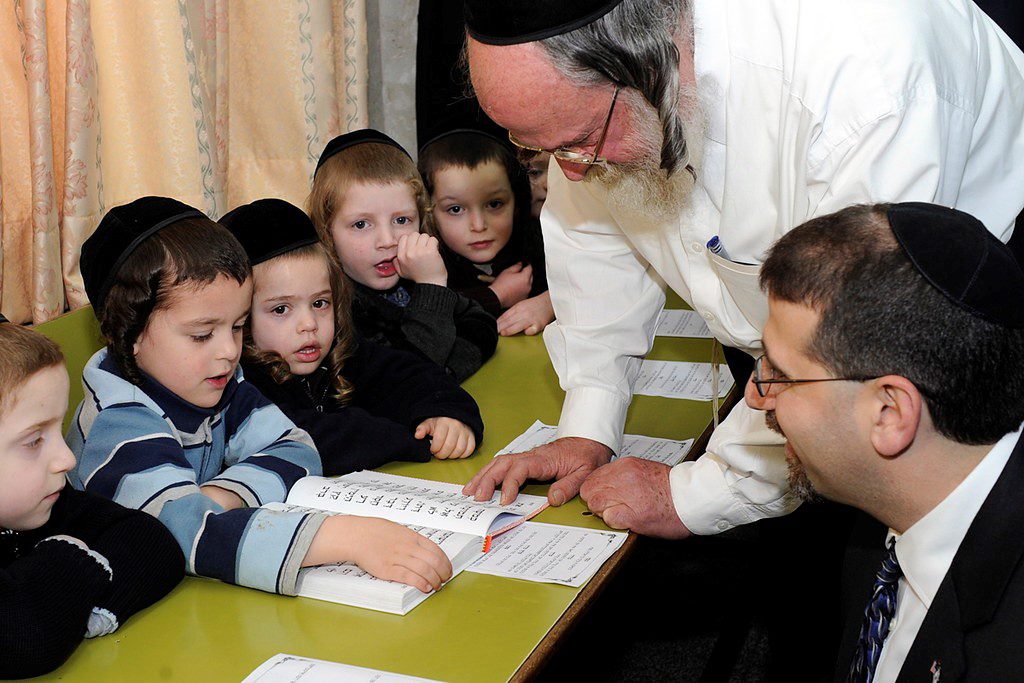
Efforts to Reduce Poverty in Israel

Poverty in Israel
Israel is a country known for its wide ethics and religious diversity. However, it has one of the highest rates of poverty among developed countries. In fact, about 1.8 million people in Israel live in poverty, and that number rose from 19.4% of the population in 2017 to 20.4% in 2018. Of the 1.8 million people, 874,000 are children. Child poverty grew by 50% between 2008 and 2005 in Israel, and while the poverty rate has remained largely the same since 2005, Israel still has one of the highest rates of poverty in the developed world. With the amount of Israelites in poverty steadily increasing over the years, there are many ways to address the growing number of families and children living in poverty in Israel through various organizations and targeted relief efforts.

Statistics About Poverty in Israel

The socioeconomic divide is steadily increasing in Israel, with the divide between wealthy and low-income neighborhoods becoming more drastic. Additionally, previous legislative measures did not address poverty in the long term, and focused more on tax cuts rather than implementing social welfare programs that help poverty on a systemic level. In an interview with The Borgen Project, Anna Rajagopal, a student at Austin University and a Jewish and multiethnic educator, pointed out that “getting diaspora jews involved in donations, involved in monetary programs, involved in helping with financial aid and financial needs” is the best way to address poverty within smaller groups.

Rajagopal works to spread awareness about various issues plaguing Israelites and the Jewish community, such as anti-semitism and poverty. She noted that Orthodox Jews and Arabs are the ones poverty most disproportionately affects, and keeping their interests in mind is important for poverty alleviation efforts. In fact, 47% of the Arab population in Israel live in poverty, along with 45% of Orthodox households. Rajagopal also noted that poverty in Israel most often affects minorities and communities of color.

Movements and NGOs Targeting Poverty

Alongside these points, grassroots work has occurred to alleviate poverty in Israel by providing medical care, proper housing and other basic needs. One such organization working to provide aid is the Latet organization, which works to combat food insecurity among vulnerable groups, like the elderly, through a food bank and various financial assistance programs. Alongside these efforts, Latet has created youth programs to foster a sense of community. Its advocacy efforts are helping many poor people in Israel find support while spreading awareness of this issue to other countries.

Lastly, Rajagopal mentioned a more grassroots form of aid through a woman named Bracha Kappach, an Israelite woman who has worked towards poverty reduction efforts in Israel for the past 40 years. She operates on a small scale and opens her home to anybody who needs food or other financial assistance.

With this increasing awareness of Israel’s precarious situation, the government is working to increase the employment rate and make changes to the existing welfare program so that laborers can find jobs. Rajagopal’s insight into how the Israeli government can properly address poverty also includes involving multiethnic Jews in the conversation, because others often forget and villainize them when it comes to their portrayal in the media. “In fitting needs, there are ways to do it in which alienation wouldn’t be the forefront,” Rajagopal says. She believes that incorporating religious efforts will provide unity and highlight more poverty reduction efforts.

Conclusion

Israel remains entangled in a conflict with Palestine, which has shifted the focus away from poverty reduction for the time being. As such, organizations and grassroots movements like Haverim and Latet, and the work of individuals such as Kappach are primarily focusing on redirecting efforts towards helping the poor, and are especially important for providing essential aid and supplies for the most vulnerable parts of the population. These efforts in Israel prove that targeted aid and addressing the sociopolitical and religious identities of the Israeli and Jewish populations are essential to mitigating poverty in Israel in the long run.

– Xenia Gonikberg
Photo: Flickr

September 15, 2020
https://borgenproject.org/wp-content/uploads/borgen-project-logo.svg 0 0 Borgen Project https://borgenproject.org/wp-content/uploads/borgen-project-logo.svg Borgen Project2020-09-15 01:30:052024-05-27 09:34:26Efforts to Reduce Poverty in Israel
Page 13 of 15«‹1112131415›»

Get Smarter

  • Global Poverty 101
  • Global Poverty… The Good News
  • Global Poverty & U.S. Jobs
  • Global Poverty and National Security
  • Innovative Solutions to Poverty
  • Global Poverty & Aid FAQ’s
Search Search

Take Action

  • Call Congress
  • Email Congress
  • Donate
  • 30 Ways to Help
  • Volunteer Ops
  • Internships
  • Courses & Certificates
  • The Podcast
Borgen Project

“The Borgen Project is an incredible nonprofit organization that is addressing poverty and hunger and working towards ending them.”

-The Huffington Post

Inside The Borgen Project

  • Contact
  • About
  • Financials
  • President
  • Board of Directors
  • Board of Advisors

International Links

  • UK Email Parliament
  • UK Donate
  • Canada Email Parliament

Get Smarter

  • Global Poverty 101
  • Global Poverty… The Good News
  • Global Poverty & U.S. Jobs
  • Global Poverty and National Security
  • Innovative Solutions to Poverty
  • Global Poverty & Aid FAQ’s

Ways to Help

  • Call Congress
  • Email Congress
  • Donate
  • 30 Ways to Help
  • Volunteer Ops
  • Internships
  • Courses & Certificates
  • The Podcast
Scroll to top Scroll to top Scroll to top