• Link to X
  • Link to Facebook
  • Link to Instagram
  • Link to TikTok
  • Link to Youtube
  • About
    • About Us
      • President
      • Board of Directors
      • Board of Advisors
      • Financials
      • Our Methodology
      • Success Tracker
      • Contact
  • Act Now
    • 30 Ways to Help
      • Email Congress
      • Call Congress
      • Volunteer
      • Courses & Certificates
      • Be a Donor
    • Internships
      • In-Office Internships
      • Remote Internships
    • Legislation
      • Politics 101
  • The Blog
  • The Podcast
  • Magazine
  • Donate
  • Click to open the search input field Click to open the search input field Search
  • Menu Menu

Archive for category: Child Poverty

Child Poverty, Developing Countries, Global Poverty

Child Poverty in Georgia

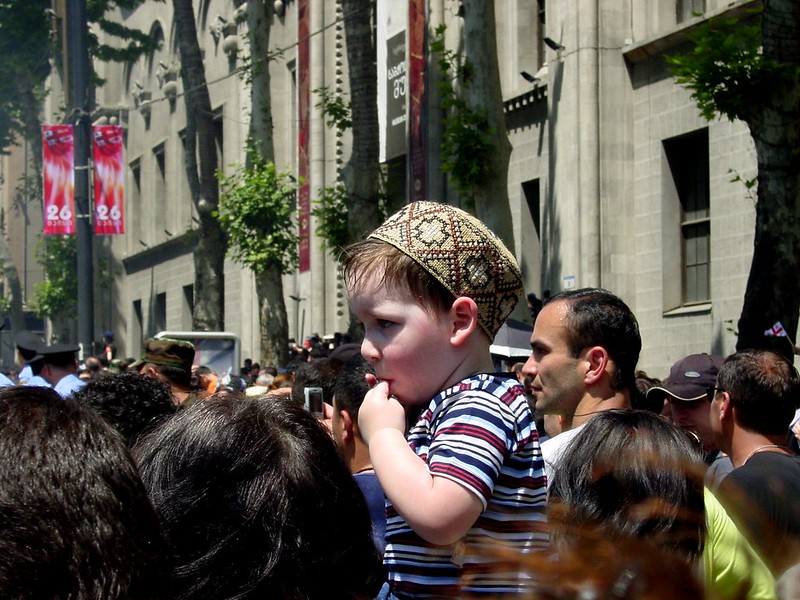
Child Poverty in GeorgiaNestled between Turkey and Russia, Georgia beckons with its rich history, vibrant culture and breathtaking landscapes. Yet beneath the surface of this picturesque landscape lies the stark reality of child poverty in Georgia.

The Challenge

Children in Georgia are disproportionately more susceptible to poverty than any other demographic group. Georgia continues to grapple with the absence of a comprehensive social protection system tailored to the needs of children, failing to support families and bolster their capacity to withstand adversity adequately. Deficiencies persist in legislation and policies geared towards prioritizing children and providing financial assistance and access to essential social services.

Consequently, numerous vulnerable families and children, including those with disabilities, victims of violence, minorities, and those from impoverished backgrounds, continue to be marginalized and underserved. In 2020, while the absolute poverty rate for the total population is 21.3%, this rate is higher for children at 26.4%, according to UNICEF.

The March 2020 declaration of a state emergency inflicted severe consequences on individuals in Georgia, exacerbating the plight of numerous families. Those already living in overcrowded households faced heightened vulnerability, pushing them deeper into poverty. Around 146,000 children aged 0 to 17 had a lower capacity to mitigate the impact of the COVID-19 pandemic, UNICEF reports. However, strong economic recovery in 2021 and 2022 translated into poverty reductions, with an estimated 15.6% of the population below the poverty line.

Targeted Social Assistance (TSA)

Georgia invests 7% of its GDP in social protection initiatives, according to UNICEF. The country implemented three main cash transfer programs in the last 15 years, the most prominent being the Targeted Social Assistance (TSA) program. As of October 2018, approximately 11.2% of the population in Georgia was receiving TSA cash benefits. Around 12% of children ages 0 to 15 live in a household with at least one member who receives TSA cash benefits. In addition, 14.2% of children of that same age group live in a household where a family member receives transfers from the Child Benefit Programme (CBP).

To help alleviate child poverty in Georgia, UNICEF has continuously worked with the Georgia government to improve the TSA program. It advocates for the enhancement and oversight of legislation and policies aimed at rendering the social protection system more conducive to the needs of children. Its efforts entail aiding the government in comprehending the underlying patterns and catalysts of exclusion, thereby influencing policy discourse and the allocation of public finances.

In addition, UNICEF collaborates in the development, adaptation, piloting and potential scaling-up of child-sensitive cash transfer programs, including child benefits, to further diminish child poverty in Georgia. Its ultimate goal is to ensure that the most vulnerable families with children possess the means to navigate economic upheavals and cultivate a nurturing and supportive environment for their children.

Childcare and Social Protection Services

Moreover, UNICEF strives to establish connections between childcare and social protection services, drawing upon recent achievements and insights gleaned from reforms in childcare and targeted social assistance. To highlight some of the success, UNICEF reports that since 2017, the revised TSA program has significantly improved the identification of poor families with children. In addition, the new child benefit contributes to reducing child poverty in Georgia. While commendable, past successes in reducing child poverty in Georgia underscore the ongoing need for further efforts. Despite remaining challenges, Georgia remains committed to reform and endeavors to steer its economic trajectory toward sustained prosperity in the future.

Reflecting on the successes achieved in reducing child poverty in Georgia, it is evident that UNICEF’s collaborative efforts with the government have been instrumental. UNICEF has made significant progress in supporting vulnerable families with children through initiatives such as the enhanced TSA program and the implementation of child-sensitive cash transfer programs.

However, despite these achievements, the persistent existence of child poverty in Georgia highlights the ongoing need for further action. As socioeconomic landscapes evolve and new challenges emerge, the Georgian government and UNICEF must continue their commitment to addressing child poverty. With continued dedication and collaboration, Georgia’s vision of a poverty-free future for its children can be realized. By addressing systemic barriers, enhancing program effectiveness, and prioritizing the needs of children and families, they can build upon past successes and pave a path toward a future where every child in Georgia has the opportunity to thrive.

– Maya DaSilva

Maya is based in Seattle, WA, USA and focuses on Global Health and World News for The Borgen Project.

Photo: Flickr
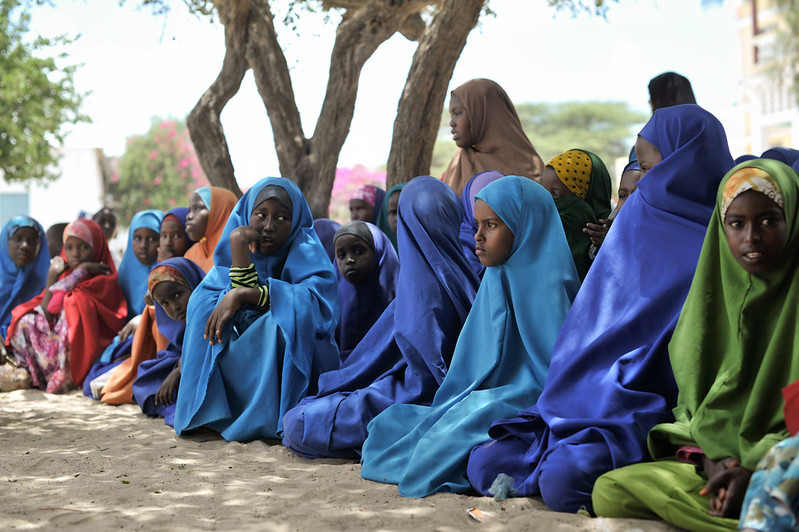
April 21, 2024
https://borgenproject.org/wp-content/uploads/borgen-project-logo.svg 0 0 Jennifer Philipp https://borgenproject.org/wp-content/uploads/borgen-project-logo.svg Jennifer Philipp2024-04-21 07:30:322024-04-21 01:48:07Child Poverty in Georgia
Child Poverty, Food Insecurity, Global Poverty

How Food for the Poor Is Fighting Poverty in Honduras

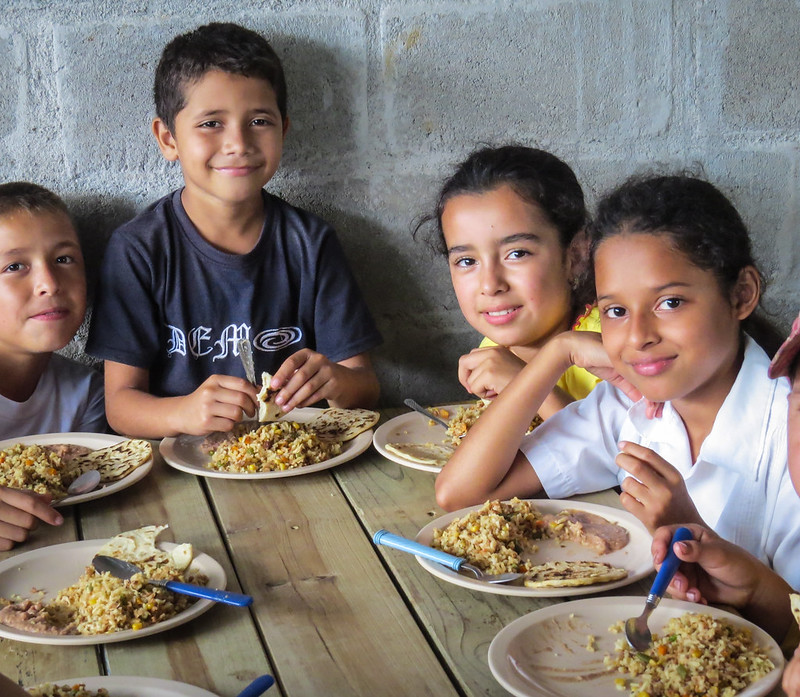
Food for the PoorHonduras is located in Central America and suffers from high levels of poverty. According to the World Bank, Honduras is one of the poorest and most unequal countries in the Central American region, with more than 50% of the population living in poverty. Food insecurity in the region remains high due to climate activities and the poor economic state of the country.

Furthermore, the United States Agency for International Development (USAID) estimates that 23% of all children less than 5 years old in Honduras suffer from stunting as a result of chronic malnutrition and how vital it is that this issue be addressed.

Food for the Poor (FFTP)

Food For the Poor began operating in Honduras in 1999 in order to help mitigate the effects of Hurricane Mitch, which battered Central America in 1998. FFTP works alongside charities such as CEPUDO, which is a locally-based charity operating in San Pedro Sula. Currently, FFTP is involved in 99 projects and aims to:

  • Builds schools to provide access to education above grade six.
  • Establish livelihood and income-generation projects.
  • Ship and distribute food to support nutrition programs at schools and community centers.
  • Ship medicine, pharmaceuticals and supplies to hospitals and clinics across the country.
  • Build safe and secure homes for families.
  • Send items to be included in emergency kits as part of emergency preparedness and response efforts.

Furthermore, in an effort to combat food insecurity in the region, FFTP partnered with Feeding My Starving Children and sent 62,208 MannaPack Rice meals to hundreds of Honduran families facing food insecurity in 2023. MannaPacks are a special meal for malnourished children that contains protein, vitamins and minerals. It is aimed at undernourished children in the Global South.

Partnerships

In 2009, FFTP partnered with CEPUDO to provide 5,000 Honduran schoolchildren with new desks and 48,000 residents with new shoes. This was in addition to the $204 million worth of educational supplies, food and health care items donated by FFTP in the previous years. The Executive Director of FFTP claimed that the most important way of breaking the cycle of poverty is through education and that was the spark behind the desk program.

CEPUDO and FFTP also provide workshops and training classes in education and community centers to aid poverty-stricken communities. Currently, the organizations are building a sustainable village in San Antonio. The village will “provide greater access to education, food, health, income generation and safe housing for families in need.”

This sustainable village will feature a vocational agricultural school. Additionally, there will be a health clinic designed to serve more than 1,000 residents and a women’s income-generation center. The organizations are also supporting local coffee farmers and implementing women’s empowerment training workshops that support careers in baking, sewing and more.

– Cordelia Moore

Cordelia Moore is based in Lewes, UK and focuses on Good News for The Borgen Project.

Photo: Flickr
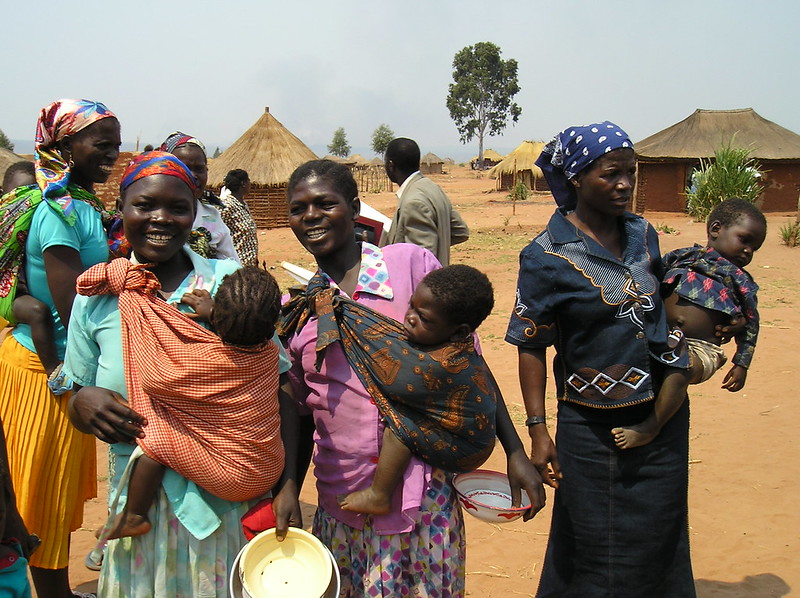
April 18, 2024
https://borgenproject.org/wp-content/uploads/borgen-project-logo.svg 0 0 Lynsey 2 https://borgenproject.org/wp-content/uploads/borgen-project-logo.svg Lynsey 22024-04-18 01:30:572024-04-17 09:58:15How Food for the Poor Is Fighting Poverty in Honduras
Africa, Child Poverty, Child Soldiers, Children, Developing Countries, Global Poverty

Child Soldiers in Sudan

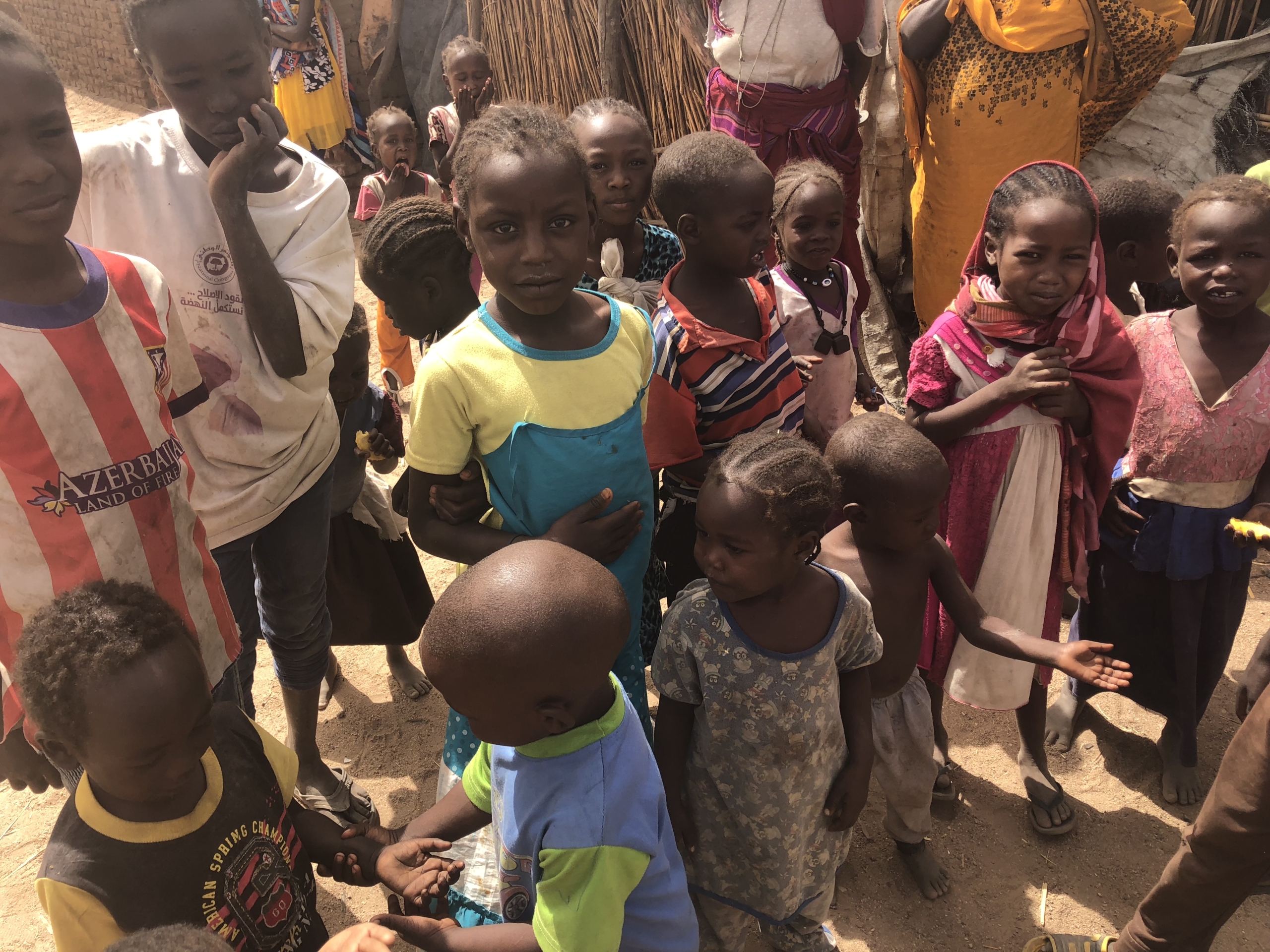
Child Soldiers in SudanSudan has been rife with conflict since its first civil war in 1955 when the north and south clashed. In 2005, they agreed to stop fighting and in 2011, South Sudan became its own country. But in the meantime, there have been ongoing tensions, especially in the Darfur region since 2003. Even though they made another peace deal in 2020 to have a temporary government, there was a military coup soon after and the fighting started again in 2023.

Across Sudanese conflicts, child soldiers are a consistent humanitarian concern, with most nongovernmental organizations (NGOs) emphasizing their recruitment in the South. However, according to the United Nations Children’s Fund (UNICEF), approximately 6,500 children served in armed groups in northern Sudan during the civil war, with around 70% serving in Darfur alone. This trend continued with armed groups recruiting more than 400 children between 2011 and 2020 and an 11% increase in recruitment just in 2023.

The Multi-Faceted Reality of Child Soldiers in Sudan

Children become soldiers for a variety of reasons. While some are forced into service by armed groups, many, especially those separated from their parents, do so “voluntarily.” Sudan’s conflict has caused extreme poverty and widespread violence, leaving children with few alternatives than to turn to the armed forces simply out of a need for their resources and protection.

Though some children may become soldiers consensually, such activity is still a violation of international humanitarian law. It can have severe long-term consequences on child soldiers, ranging from physical to psychological illness. The experiences of child soldiers, which are often the drivers of such trauma, are characterized by violence during an age when development is most vulnerable.

Child soldiers are not only combatants but may, in fact, serve a variety of roles. Recruitment may mean a child is utilized in the armed forces as a cook, porter, messenger or spy; many sexually exploit children, too. Limiting the scope of what a child soldier is to exclude these distinct forms of abuse can leave certain victims out of the reintegration process.

Understanding this nuance is crucial not only for grasping how child soldiers in Sudan serve but also for pinpointing where they serve. Though initially conscripted in areas like Darfur, many armed groups train child soldiers in Sudan for the sole purpose of being sent to combat zones elsewhere. Several reports indicate that dangerous conflicts ranging from Yemen to Libya may employ child soldiers from Sudan.

Solutions

Several organizations have played key roles in aiding child soldiers in Sudan and Darfur. In 2007, the United Nations (U.N.) initiated the African Union-United Nations Hybrid Operation in Darfur (UNAMID) to mediate hostilities, aiding child soldiers’ transition back into society through a process known as Disarmament, Demobilization and Reintegration (DDR). UNAMID oversaw several releases of child soldiers for reintegration. In 2011, The Sudan Liberation Army / Historical Leadership (SLA/HL) released 70 child soldiers, of which 24 were girls. Similarly, the Sudanese government released 21 child soldiers in 2016. Following the 2020 peace agreement, UNAMID ended its operations.

Subsequently, the United Nations Integrated Transition Assistance Mission (UNITAMS) was created to uphold the peace agreement and oversee Sudan’s transition to democratic rule. Continuing much of UNAMID’s goals, UNITAMS had “a strong child protection mandate,” which allowed for the monitoring of any human rights violations against children and the further facilitation of DDR. However, a military coup stopped the democratic transition in 2021, preventing UNITAMS from fulfilling this mandate. UNITAMS ultimately ended its operations on Feb. 29, 2024.

NGOs have also been essential to ending the recruitment of child soldiers in Sudan, with one of them being War Child. War Child is known for many campaigns, but in 2019, it launched its Can’t Wait to Learn program in Sudan, intervening in children’s education as early as possible to dissuade them from becoming soldiers. This targets the issue of recruitment at its source, bringing quality education to an impoverished population. War Child reached 2,667 children in 2019 alone but ended its operations following the resumption of conflict.

Final Remark

Despite the challenges, supporting organizations working toward ending poverty and the recruitment of child soldiers remains one of the best strategies to ensure the future of reintegration and demobilization in Sudan.

– Jacob Rampino
Photo: Wikimedia Commons

April 9, 2024
https://borgenproject.org/wp-content/uploads/borgen-project-logo.svg 0 0 Jennifer Philipp https://borgenproject.org/wp-content/uploads/borgen-project-logo.svg Jennifer Philipp2024-04-09 01:30:402024-04-08 15:26:18Child Soldiers in Sudan
Africa, Child Poverty, Global Poverty

Child Poverty in Guinea-Bissau

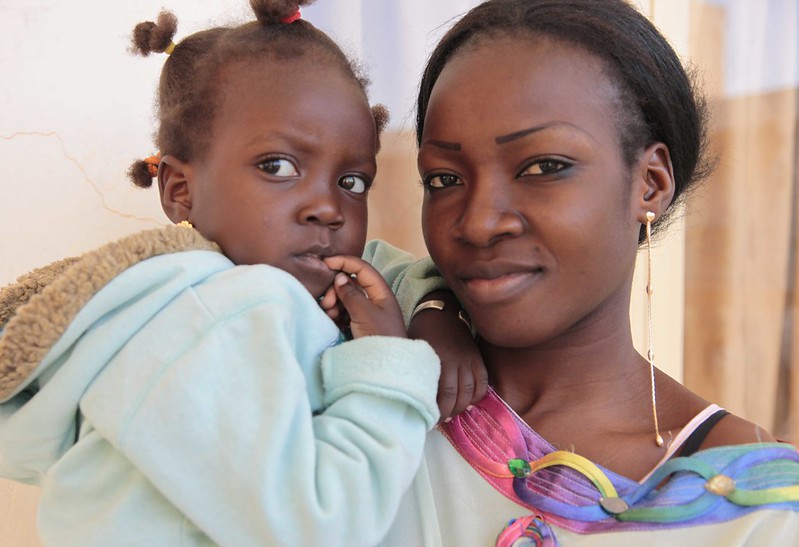
Child Poverty in Guinea-BissauGuinea-Bissau is a former Portuguese colony that has historically had much instability and political coups. The country gained independence in 1974 but with its long and arduous struggle against the colonial power, there have been several attempted coups in Guinea-Bissau. The most vulnerable of society are those who feel the consequences of Guinea-Bissau’s long history of instability and struggle: the children of Guinea-Bissau are hit the hardest. In regards to child poverty in Guinea-Bissau as of 2021, 5.8% of the population of Guinea-Bissau has at least one school child not enrolled in school while 44.1% of the adult population has not completed primary education. Additionally, even those who are in education are typically living under the international poverty line anyway.

Child Labor and Poverty

Poverty in this sense is not just measured in fiscal terms but rather in access to opportunities and resources. SOS Children’s Village estimates that 75% of children may not have access to housing, clean water or education. Additionally, child labor is a routine and necessity for many families. As many as 17% of children in Guinea-Bissau are child laborists which can cause both physical and mental harm.

Child labor can also lead to other exploitations; sexual, economic or slavery. This also affects children attending school. Currently, around 200,000 children in Guinea-Bissau have to work. Female children are particularly at risk of child marriage, violence and female genital mutilation which becomes a contributing factor to child poverty in Guinea-Bissau, according to SOS Children’s Village.

A Fragile Country

The World Bank defines Guinea-Bissau as “fragile,” which some have argued as a challenge for development tactics, whereas UNICEF argues the context of risk requires different approaches to international aid and development to adapt. Some argue that fragile countries have weaker trust in institutions. This creates a very difficult environment for those trying to help alleviate child poverty in Guinea-Bissau, however in recent years the EU’s Multi Indicative Programme 2021-2027 intends to improve cooperation from the EU to Guinea Bissau. In particular, the EU plans to intervene with three strategic priorities in Guinea-Bissau including: “Support[ing] Reproductive, Maternal and Child Health towards a Universal Health Coverage System – DAC 120” and “Enhance[ing] the Governance of the Education System and contribute to developing Technical and Vocational Education and Training (TVET) – DAC 110.”

The Government tried to rectify the issue of child poverty through the Convention on the Rights of the Child which aimed to create an effective child protection system but due to the political and military instability of the state the Convention has made slow progress. The United Nations has indicated that high illiteracy rates and cultural traditions mean that the Convention’s policies and changes have been delayed in their implementation. Additionally, Guinea-Bissau has slowed down the progress of the Convention by not officially translating the most common languages forcing those organizations still fighting for children in Guinea-Bissau to use ad-hoc and potentially inaccurate translations of the Convention.

Solutions

SOS Children Villages describe the children of Guinea-Bissau as being at risk due to the country’s difficult political and social situation but offers hope as recently have acknowledged that child mortality rates have improved. As many as 270 children and young people grow up under SOS Children’s Villages’ care in its flagship program to reduce child poverty in Guinea Bissau. SOS Children’s Villages has a dedication to improving the lives of children without parental care/at risk of losing parental care. It achieves this through their three step mantra; prevention, protection and advocacy. Prevention aims to keep families together to avoid child-parent separation while protection includes training foster parents in care standards and supporting young people with self-reliance. Finally, its advocacy focuses on making systemic change through policies by bringing the discussion of child poverty in Guinea-Bissau to the forefront of various platforms.

Other thinktanks such as The World’s Children’s Prize encourage the general public to speak out against child poverty in Guinea-Bissau by enfranchising people’s agency to say what they think and vocally speak out against child poverty.

– Sona Nikoghosyan
Photo: Flickr

April 4, 2024
https://borgenproject.org/wp-content/uploads/borgen-project-logo.svg 0 0 Jennifer Philipp https://borgenproject.org/wp-content/uploads/borgen-project-logo.svg Jennifer Philipp2024-04-04 07:30:492024-05-30 22:32:51Child Poverty in Guinea-Bissau
Child Poverty, Developing Countries, Global Poverty

Everything You Need To Know about Child Poverty in Palau

Child Poverty in PalauPalau, an archipelago, emerges as a tiny island nation spanning a mere 458 square kilometers in the vast expanse of Oceania. The country’s population, estimated at approximately 21,779 in 2023, harbors a notable proportion of vulnerable young individuals, with around 21.6% below 18. While Palau boasts commendable achievements in health care, evidenced by its low child mortality rates compared to other Pacific Islands Countries and Territories (PICTs) groups, with the “Under 5 Mortality” rate (Per 1,000) being 13.3%, it still confronts issues of poverty that afflict its youngest inhabitants.

Palau’s Economic Landscape

Palau’s economic landscape predominantly revolves around tourism, supported by agriculture and fishing. Palau is an upper-middle-income country with a Gross Domestic Product (GDP) per capita of US$13,230 in 2023. However, extreme poverty persists, particularly in rural regions with limited access to resources. The causes of family and subsequent child poverty in Palau are multifaceted and volatile. Palau also faces challenges similar to those of other PICTs. Theses include limited access to global markets, fragile resource bases, limited economies of scale, vulnerability to global economic changes and natural disasters that cause economic shocks.

The Extent of Child Poverty in Palau

The United Nations (U.N.) finds approximately 30% of children aged less than 14 living below the basic needs poverty line as of 2006. This is a huge indicator of child poverty in Palau. Children who grow up in poverty lack the necessities of life, such as food, cleanliness, shelter, health care and education. Globally, around one billion children are “multidimensionally” impoverished, which means they lack basic requirements such as nutritious food and safe water.

There is an absence of comprehensive data on childhood wasting and stunting, which is hindering efforts to address malnutrition and its adverse effects on child development. Equally concerning is the prevalence of obesity among Palauan youth, with a staggering 35% of them being classified as overweight or obese. These statistics prove that there is an urgent need for action to address not only material deprivation but also nutritional provision in food and underlying health disparities among Palau’s children.

Efforts to Combat Child Poverty in Palau

In response to these challenges, in collaboration with governmental and nongovernmental entities, the National Youth Council (NYC) of Palau plays an imperative role in advocating for youth empowerment and social inclusion. In the long run, this can be seen as a benefit to upskilling the youth. It provides them with better employment opportunities and, hence, leaves them less vulnerable.

NYC Palau, established in 2004, is dedicated to empowering youth by collaborating with government and NGOs to offer various services and activities. Through extensive research and database management, it monitors youth engagement in various sectors, assesses their well-being and addresses issues such as substance abuse, unemployment and conflicts with the law. Using this data, NYC Palau formulates policy mandates to achieve youth empowerment goals, setting targets for partner organizations.

President Tommy Remengesau also declared 2016 the “Year of the Youth” to prioritize youth welfare and enable an environment for their development. The declaration aims to implement a comprehensive youth strategy through the council that promotes all organizations to better identify and serve the interests of Palau’s youth. Additionally, NYC Palau implements career counseling programs, school-specific initiatives and schemes to enhance Palau’s labor market, which are often supported by grants.

Palau’s Commitment to Child Rights

Palau’s commitment to combating child labor, a grave reality and consequence of child poverty, is also displayed by its ratification of Convention No. 182 by the International Labour Organization (ILO). The 182nd Convention of ILO addresses the prohibition and elimination of the worst forms of child labor. This includi slavery, sexual exploitation, the involvement of children in armed conflict, prostitution, pornography and drug trafficking that endanger children’s health, morality or psychological well-being.

In 2019, Palau took significant steps to protect children from the worst forms of child labor by enacting a new Penal Code. This legislation specifically targets child pornography and the trafficking of children for labor exploitation, underscoring Palau’s commitment to safeguarding children’s rights and welfare. This is in addition to its impressive Realization of Children’s Rights Index score of 8.17 out of 10.

Final Remark

Child poverty in Palau is a multifaceted issue that demands nuanced solutions and collaborative efforts across sectors. Palau can chart a path toward sustainable development and social justice by continuing to address the underlying determinants of poverty, investing in education and health care and prioritizing youth empowerment.

– Malaikah Niyazi
Photo: Flickr

March 31, 2024
https://borgenproject.org/wp-content/uploads/borgen-project-logo.svg 0 0 Jennifer Philipp https://borgenproject.org/wp-content/uploads/borgen-project-logo.svg Jennifer Philipp2024-03-31 01:30:572024-03-30 02:25:10Everything You Need To Know about Child Poverty in Palau
Child Poverty, Global Poverty

CARE’s Work Toward Ending Child Marriage

Child MarriageChild marriage (CM) violates human rights and has detrimental effects on the lives and welfare of girls. Although there are legal prohibitions against the marriage of underage girls, cultural and social norms often take precedence over these enforced laws. However, nonprofit foundations and organizations are working toward eradicating the practice worldwide.

Among them is CARE, a nongovernmental organization that started in 1945 after Arthur Ringland and Dr. Lincoln Clark advocated for the establishment of a nonprofit entity designed to transfer food packages from America to Europe during World War II (WWII). Throughout the years, CARE developed other aid initiatives serving crises in response to changing global political dynamics, including the Berlin Blockade and the Korean War.

In 1982, programs for women’s advancement were established in Bangladesh. Similarly, in 1993, CARE targeted its efforts into prioritizing the empowerment of girls and women to tackle poverty. Today, the nonprofit works in up to 109 countries worldwide and has become a global organization working toward gender justice, among other causes.

CARE’s Approach

CARE has approached the fight against child marriage through a primary program called “Tipping Point.” The initiative was implemented from 2013 to 2023, in Bangladesh and Nepal in South Asia and adapted in West Africa, Mali, Niger and Northern Syria in the Middle East and North Africa (MENA) region. The program consisted of three phases.

The first phase, which lasted for four years, prioritized innovations and learnings by engaging adolescents and parents in sessions in which open dialogue was encouraged. A central effort in this phase was to challenge deep rooted harmful social norms related to CM. During weekly sessions with separate groups of girls and boys, the kids were encouraged to self-reflect and think about love, their strengths and their dreams, as well as unequal social norms such as girls’ mobility, division of labor, restrictions on girls and risks of Child marriage.

Additionally, boys worked on reflecting on their masculinity. The sessions with the mothers were focused on reproductive health, family planning and also their own agency. Part of these sessions included discussions about their relationships with the children and generally building soft skills within connections at the family level.

Second Phase

The second phase, which lasted three years, invested in creating spaces for all community members to reflect on the unequal social norms. Suniti Neogy, CARE’s Senior Technical Advisor, says that work at the community level was also a crucial part of the program, working toward changing norms around issues that girls grappled with, such as mobility and access to education.

Sessions were also held with religious leaders, school teachers and government officials on reflections on issues of equality, workload, sexual health, virginity and honor, including the risks and benefits of CM. CARE’s fight against CM begins with opening the dialogue among and between the families and the girls. “If you work on girls’ or women’s empowerment, but you don’t work with the families or you don’t work with the community around them, it’s not easy to change that,” says Neogy.

The third and final phase of “Tipping Point,” also lasting three years, used experience from the previous two phases to advocate for policies addressing core factors propelling the practice of CM. The final phase also connected girls with women’s rights organizations so they could find support beyond the program.

Challenges

Neogy says a primary challenge when fighting CM is how “everybody thinks that we are there to stop Child Marriage.” According to her, the question “How many child marriages did you stop?” is frequently asked in government forums. “If her confidence is not built, if she’s not even able to speak for herself, if she continues to have no agency, it will not make a difference in her life if she’s married today or tomorrow,” stated Neogy.

According to Neogy, prevention is the only way to combat Child Marriage. She says the work has to be done with different sectors and different stakeholders so that “from all sides, it’s the same language that is spoken.”

CARE’s Director of “Tipping Point,” Serkadis Amassu, says that combating CM with law reforms has not worked. She states that the practice is highly intrinsic to social and gender norms, with some communities in South Asia believing that marrying girls will bring respect to the family and save them from potential disgrace if the girl becomes pregnant before marriage.

Girls in Action

Girls in Action is also a part of CARE’s gender transformative program. The model brought together girls from different communities in Bangladesh and encouraged them to identify an issue in their community that hindered them from achieving their dreams and aspirations.

Through surveys, the girls collected data regarding that issue within their communities and they then presented it to the parents and other community members. Neogy says activities like this encouraged the girls to speak out, negotiate with their parents and build a relationship between the girls.

Success Story

CARE’s “Tipping Point” program concluded in December of 2023. However, its accomplishments toward bettering the lives of girls and adolescents still linger in the communities. Data published by the organization shows a reduction of CM by 63% in girls who attended 36 to 40 “Tipping Point” sessions in Bangladesh, the country with the fourth most cases of CM worldwide.

Overall, CARE’s published results show a favorable shift in social norms concerning girls’ freedom and agency, as well as a betterment of collective community efforts to uphold girls’ rights over time across various sectors.

– Paula Pujol-Gibson
Photo: Flickr

March 25, 2024
https://borgenproject.org/wp-content/uploads/borgen-project-logo.svg 0 0 Lynsey 2 https://borgenproject.org/wp-content/uploads/borgen-project-logo.svg Lynsey 22024-03-25 01:30:472024-03-24 03:54:26CARE’s Work Toward Ending Child Marriage
Child Poverty, Global Poverty, NGOs

What All for One Is Doing To Reduce Child Poverty in Belize

All for OneBelize is situated in Central America and struggles with high amounts of poverty. According to the United Nations Children’s Fund (UNICEF), almost half of Belizean children live in multidimensional poverty and more than a third of the population in Belize lives in multidimensional poverty. All For One found that in 2015, primary school completion in Belize was below 87%, contributing further to the high amount of poverty, especially child poverty, in Belize. However, All For One has recognized the vital necessity for intervention in child poverty to help alleviate poverty in Belize.

Child Poverty in Belize

Belize faces multiple obstacles as a country, making alleviating poverty extremely challenging. Belize faces internal social and economic pressures, alongside coping with the effects of climate change, regional economic and political events and migration patterns, all contributing to its challenges.

UNICEF found that only 55% of children have access to quality early childhood education, but 27% of the schools that UNICEF inspected have contaminated water, contributing to the high numbers of diseases among children in Belize.

There’s a significant link between education and poverty, underscoring children’s need to attend school. Education is crucial for equipping them with the skills they need in adulthood. It is also essential for the community to break the perpetual cycle of poverty. Education offers a way out of this cycle, improving the quality of life for the children and society.

What All for One Is Doing

All For One, a nonprofit international and domestic organization, aims to improve communities worldwide through focused efforts to develop children and create healthy environments and educational opportunities. The organization works worldwide, especially in Africa, but has worked considerably in Belize to improve the lives of so many children.

All For One has provided financial assistance to the Mesopotamia Human and Social Development Foundation in Belize City. The foundation aims to empower children through a resource center that offers after-school programs. These programs include computer literacy training for high school students, youth leadership workshops, creative arts, sports and entrepreneurship coaching.

All these programs aim to enable children to have the best possible start in life and equip them with the skills necessary to succeed. Not only does the foundation offer education, but it also provides a food bank and a school feeding program to address the high number of malnourished children.

All For One aims to improve children’s learning potential. To achieve this, the organization has partnered with an educational outreach program to provide basic educational supplies such as book bags, pens, pencils and notebooks. These essential items are typically out of reach for many children due to financial constraints and providing them can help children thrive in their education.

Conclusion

There is a clear connection between poverty and education. All for One aims to improve children’s learning experience through funding to prevent more children from living in poverty in Belize.

– Cordelia Moore
Photo: Flickr

March 23, 2024
https://borgenproject.org/wp-content/uploads/borgen-project-logo.svg 0 0 Lynsey 2 https://borgenproject.org/wp-content/uploads/borgen-project-logo.svg Lynsey 22024-03-23 01:30:162024-03-22 04:20:44What All for One Is Doing To Reduce Child Poverty in Belize
Aid, Child Poverty, Global Poverty

How Science is Alleviating Child Poverty in Ukraine

How Science is Alleviating Child Poverty in UkraineThe conflict with Russia has dramatically increased child poverty in Ukraine, with the rate doubling to more than 80% in just one year. A promising initiative by the United Nations International Children’s Emergency Fund (UNICEF) and INSCIENCE now offers displaced children a glimmer of hope.

Child Poverty in Ukraine

As recorded in the Humanitarian Needs Response Plan in 2024, there are 14.6 million people displaced or suffering from poverty in Ukraine and 3.17 million are children. The poverty and risk to the safety of children living in frontline areas across the Russian border are, of course, greater. However, poverty in Ukraine was already a challenge even before the escalation of violence in February 2022.

Educational Disruption and Innovative Solutions

Reports show an increase in poverty in Ukraine from 2021 disproportionally affects households with children in them. As reported by UNICEF, these households suffer most from poor access to basic utilities like electricity, water and heating. 

The war in Ukraine has severely affected children’s education, leading to reliance on online learning as a partial solution. However, the lack of access to essential learning tools like laptops, tablets and internet connectivity, due to the conflict, has compromised the effectiveness of this approach. This decline in educational quality contributes further to the poverty faced by Ukraine’s children. To combat these challenges, UNICEF and INSCIENCE have joined forces to equip children with the necessary resources to handle wartime trauma.

The “Science Kids” Initiative: A Beacon of Hope

The “Science Kids” initiative in Ukraine creates opportunities for children to hone their social skills and navigate the educational hurdles posed by the current conflict. This program not only offers a safe space for learning and creativity but also equips these young minds with strategies to process their trauma and cope with fear and anxiety, providing a semblance of normalcy in tumultuous times.

In Odesa, Mykolaiv and Kharkiv, the “Science Kids” program offers children a respite from the war through science exploration. At these sites, kids engage in learning, experiments and creative projects, such as observing an insect with a magnifying glass and drawing their imaginative insect. This initiative allows them to find some normalcy amidst turmoil.

Child Poverty in Ukraine: Addressing Mental Health

After class, they are then instructed in breathing exercises to help manage stress and anxiety. The coordinator of “Science Kids,” Yuliia Isliamova, spoke of the importance of good breathing exercises, saying it is “a very simple way to deal with anxiety and stress that they can use anywhere and with anyone – for example, with their parents or friends.” 

In addition, engaging with children’s mental health early can prevent the onset of serious psychological effects, thus avoiding its contribution to the cycle of poverty as they grow. Certainly, ending the war in Ukraine would significantly impact efforts to address poverty and child poverty.

Looking Forward

Amidst the backdrop of rising child poverty in Ukraine, initiatives like “Science Kids,” supported by UNICEF and INSCIENCE, offer a beacon of hope and resilience. By fostering educational engagement and mental well-being, these programs provide displaced children with the tools to overcome adversity and envision a brighter future. As the international community continues to support Ukraine, such efforts illuminate the path toward recovery and the potential for lasting change in the lives of its youngest citizens.

– Thomas Field
Photo: Unsplash

March 21, 2024
https://borgenproject.org/wp-content/uploads/borgen-project-logo.svg 0 0 Precious Sheidu https://borgenproject.org/wp-content/uploads/borgen-project-logo.svg Precious Sheidu2024-03-21 01:30:232026-04-16 09:57:49How Science is Alleviating Child Poverty in Ukraine
Child Poverty, Global Poverty

The Progress Against Child Poverty in Estonia

Child Poverty in EstoniaThe rising number of people in Estonia who are at risk of poverty is a worrying trend, particularly when it comes to child poverty. Children in Estonia are increasingly becoming more exposed to poverty, which requires urgent attention. Despite the challenges posed by this growing rate, encouraging progress is being made. From government-determined family benefits that can put a child through university to nonprofit food banks, there are many ways that the issue is being addressed, as well as opportunities for individuals to get involved.

Mistreatment 

Though the highest rate of those at risk of poverty is consistently older people who live alone, child poverty in Estonia is not absent. The recent at-risk-poverty rate increased the greatest for families with children, specifically those with three or more. As living prices for households continue to rise, particularly in the area of groceries, the at-risk number continues to climb, with the total number of people living in absolute poverty increasing from 18,000 in 2021 to almost 48,000 in 2022.

Many children are placed in state orphanages by the courts and while they may be temporarily placed in foster care, they are often not adopted. The The main reason for this is the significant challenge that foster parents face when caring for a child who has experienced trauma. With such a destabilized and traumatic upbringing, the children are not often given the chances or the tools for proper integration and often turn to delinquency.

Discrimination

On top of this, there is an issue of discrimination when large percentages of the population do not speak Estonian. Much of the population speaks only Russian. Though there are efforts to integrate minorities, they still face struggles in the job market when many professions and employers require that they speak fluent Estonian. This, in turn, creates more hardship for the children of the unemployed and difficulties for their future careers.

The percentage of children living in poverty, whether they are in families or living on their own, may vary over time, but it is a persistent issue that requires attention. The United Nations Children’s Fund (UNICEF) has developed a comprehensive plan to fully realize every child’s rights by 2030. Its data on Estonia indicates that, historically, the efforts employed to address the needs of children who live both in extreme poverty as well as anywhere below the national poverty line have been “average.” For these needs to be met by the 2030 goal, that effort will need to be increased to “very high effort” and “high effort,” respectively.

Encouraging Progress

Despite these hardships, there is still encouraging progress in the fight against child poverty in Estonia. Based on the 2022 Estonian Social Survey, even though the risk of poverty rate has gone up over the last 15 or so years, the absolute poverty rate has rapidly declined along the same timetable, with a spike in 2022 requiring focused effort to flatten out again.

As mentioned, food is one of the most significant factors pushing Estonian families and children into poverty. However, this is being addressed by several efforts to make it more accessible for those in need. One is the Estonian Food Bank, which has been significantly supported by the nonprofit organization Riesenkampff Stiftung. The Riesenkampff Stiftung Foundation was established in 2016 by the Riesenkampffs, a Baltic German family, specifically focusing on charitable and philanthropic initiatives in Estonia.

The Food Bank, established in 2010, works hard to fight poverty and encourage solidarity. Through the efforts of the local government and nearly 300 charity organizations, food is being distributed around the country to those in need by saving and redistributing surplus food, most of which would otherwise go to waste. Since the beginning of its food distribution in 2015, the initiative has provided food for an average of 25,000 people per year, with a large portion of them receiving aid twice a year.

Moving Forward

Unlike other European countries, the percentage of those living below absolute poverty in Estonia is measured, which gives an excellent indication of where the statistics truly lie. Since 2014, child poverty has been on a steady decline. At the same time, more effective family benefits systems have been implemented. A monthly child allowance has been the primary one helping children in poverty in Estonia precisely. Because it is not dependent on family income, it ensures opportunities for every child. With the child allowance, every child is eligible for a monthly allowance until age 16, which extends to 19 if they decide to pursue higher education.

Estonia is a small and often off-the-radar country and its plight, especially that of its children, is real. They face poverty, marginalization and uncertain futures. However, despite these real and present hardships, there is encouraging progress being made in terms of overall poverty in the country, as well as specifically addressing the needs of the children in absolute poverty.

– Isaac Songster
Photo: Wikimedia Commons

March 17, 2024
https://borgenproject.org/wp-content/uploads/borgen-project-logo.svg 0 0 Lynsey 2 https://borgenproject.org/wp-content/uploads/borgen-project-logo.svg Lynsey 22024-03-17 03:00:472024-03-15 05:12:19The Progress Against Child Poverty in Estonia
Child Poverty, Global Poverty

Baby Formula Procurement in Haiti

Baby Formula Procurement in HaitiIt is well-documented that breastfeeding is one of the safest ways to feed a newborn infant. There are wide-ranging benefits to naturally breastfeeding children, the mother and the infant. The act of breastfeeding is connected to protecting a child against life-threatening diseases. It supports healthy brain development and prevents many chronic maternal and childhood illnesses. This in turn can avoid costs of healthcare down the road.

Breastfeeding can be the difference between life and death for newborn infants in developing countries that suffer from widespread malnutrition. So, when a mother cannot produce milk naturally, it can increase the likelihood of child malnutrition and mortality.

Challenges Obtaining BMS

In countries like Haiti, obtaining essential food can be challenging, let alone breast milk substitutes (BMS). Hence, it is crucial for governments and organizations, such as the United Nations Children’s Fund (UNICEF), to ensure the proper allocation of funds for incentives that promote the heightened procurement of essential BMS.

Recently, UNICEF has taken a significant step forward by updating its guidance on the “Procurement and Use of Breast Milk Substitutes in Humanitarian Settings.” This revision has prompted policy changes. It includes a strategic emphasis on supporting infants below 6 in areas with high humanitarian needs.

Haiti

Haiti is a case study that UNICEF has highlighted directly in a recent report on the issues surrounding the importance of baby formula procurement. In 2021, Haiti was struck by a magnitude 7.2 earthquake, resulting in the deaths of 2,200 people and an estimated 650,000 citizens in need of humanitarian assistance.

In relation to a report conducted by the “Haiti Demographic Health Survey'” (DHS) in 2016-17, only 40% of infants aged below 6 months were exclusively breastfed. For comparison, 25% were bottle-fed. Among all children between 6-23 months of age, only 25% received a diet that met the minimum dietary diversity, which means a diet containing all four food groups. Moreover, just 11% of these children received a minimum acceptable diet. It’s important to note that this data was retrieved before the disaster.

After the disaster, many children who were not breastfed were considered at a very high risk. This was mainly due to the damaged water systems. The deaths of many parents left their children particularly vulnerable. In addition, the death of a breastfeeding mother puts significant strain on the nutritional well-being of her child. As a result, there is now greater concern about the increased malnutrition and death rates among these infant demographics.

UNICEF’s Response in Haiti

UNICEF achieved an early response immediately after the earthquake. This was achieved with high levels of cooperation from the Haitian government, detailing a precise nutrition plan a week after the disaster. The organization’s BMS procurement was swift and, due to internal quality checks, allowed for the distribution of high-quality BMS and RUIF (Ready to Use Infant Formula). Extensive training was also provided to health care workers to ensure that mothers, caregivers and infants had the proper support.

However, despite these achievements, some key challenges that UNICEF recognizes need to be addressed. Despite a swift response, some BMS distribution delay was encountered due to shipping constraints. A notable security situation in Port-au-Prince delayed the training of healthcare workers at the national level. UNICEF outlines in its report many of these challenges so that they can be analyzed and solutions implemented. The report not only chronicles the life-saving interventions that UNICEF makes in countries like Haiti, which desperately need humanitarian aid but also highlights the importance of baby formula procurement in Haiti and across the developing world.

– Domenico Palermo
Photo: Wikipedia Commons

March 16, 2024
https://borgenproject.org/wp-content/uploads/borgen-project-logo.svg 0 0 Lynsey 2 https://borgenproject.org/wp-content/uploads/borgen-project-logo.svg Lynsey 22024-03-16 15:00:132024-03-15 04:36:12Baby Formula Procurement in Haiti
Page 8 of 17«‹678910›»

Get Smarter

  • Global Poverty 101
  • Global Poverty… The Good News
  • Global Poverty & U.S. Jobs
  • Global Poverty and National Security
  • Innovative Solutions to Poverty
  • Global Poverty & Aid FAQ’s
Search Search

Take Action

  • Call Congress
  • Email Congress
  • Donate
  • 30 Ways to Help
  • Volunteer Ops
  • Internships
  • Courses & Certificates
  • The Podcast
Borgen Project

“The Borgen Project is an incredible nonprofit organization that is addressing poverty and hunger and working towards ending them.”

-The Huffington Post

Inside The Borgen Project

  • Contact
  • About
  • Financials
  • President
  • Board of Directors
  • Board of Advisors

International Links

  • UK Email Parliament
  • UK Donate
  • Canada Email Parliament

Get Smarter

  • Global Poverty 101
  • Global Poverty… The Good News
  • Global Poverty & U.S. Jobs
  • Global Poverty and National Security
  • Innovative Solutions to Poverty
  • Global Poverty & Aid FAQ’s

Ways to Help

  • Call Congress
  • Email Congress
  • Donate
  • 30 Ways to Help
  • Volunteer Ops
  • Internships
  • Courses & Certificates
  • The Podcast
Scroll to top Scroll to top Scroll to top