• Link to X
  • Link to Facebook
  • Link to Instagram
  • Link to TikTok
  • Link to Youtube
  • About
    • About Us
      • President
      • Board of Directors
      • Board of Advisors
      • Financials
      • Our Methodology
      • Success Tracker
      • Contact
  • Act Now
    • 30 Ways to Help
      • Email Congress
      • Call Congress
      • Volunteer
      • Courses & Certificates
      • Be a Donor
    • Internships
      • In-Office Internships
      • Remote Internships
    • Legislation
      • Politics 101
  • The Blog
  • The Podcast
  • Magazine
  • Donate
  • Click to open the search input field Click to open the search input field Search
  • Menu Menu

Archive for category: Child Poverty

Child Poverty, Development, Global Poverty

Everything You Need To Know about Poverty in New Zealand

Everything You Need To Know about Poverty in New ZealandMultiple paradigms change and affect poverty in New Zealand, much like the rest of the developed world. Age seems to be a primary indicator of poverty levels in the country. Here we examine everything you need to know about poverty in New Zealand.

Child Poverty

Child poverty in New Zealand is one of the most important issues in the country. Much of the national conversation about poverty surrounds families and children currently experiencing deprivation. One of the most important recent developments in the battle against poverty in New Zealand is the Child Poverty Reduction Act 2018.

The Child Poverty Reduction Act 2018 introduced nine measures to help combat childhood poverty. Eight of these measures had a significant effect on reducing the levels of poverty experienced by New Zealand’s children and families. Another one of the bill’s responsibilities is holding current governments accountable for the state of childhood poverty. Every 10 financial years, the government must evaluate the state of childhood poverty. This is based on the standards set forth in the bill. This bill was instituted as a direct answer to the statistics discovered by the New Zealand government.

In 2017, the New Zealand government studied the nation’s children. It found that 22.5% of the nation’s children were living below the 50% median disposable household income after the deduction of housing costs. Stats New Zealand also found that 12.5% of children were living in material hardship. This means they were unable to afford clothes and healthy food. These statistics were a major force that pushed New Zealand to combat childhood poverty. This war on poverty is not just linked to material hardship but to extreme poverty as well.

Homelessness

In 2018, 0.86% of New Zealand’s population were without homes, that is 41,000 people. The most comparable nation is Australia with 0.48% of the populace being registered as homeless. New Zealand’s failing approach to poverty is another reason the Child Poverty Reduction Act 2018 was put into place, but some are saying that the pressures that COVID-19 put on the country’s support systems as well as the Labour government are resulting in a more desperate New Zealand populace. 

The New Zealand government has spent millions of dollars on emergency housing for the thousands of people living on the street or on the brink of extreme poverty. This massive spending has been spearheaded by the Labour Party, but this has not curbed the party’s loss of support. 

Anecdotal and statistical evidence point toward the Labour Party’s lack of headway in the war against poverty as a major reason they lost support. In the 2020 election Labour won 50% of the vote, but has since lost 23% of their voter base. This massive drop in support is an indication of the disappointment that the people of New Zealand have experienced in their leading governmental party.

Final Thoughts

The situation of poverty, especially childhood poverty, is multifaceted and complex, and so is the solution. The New Zealand Government has worked hard and implemented a few pieces of legislation that have decreased childhood poverty.  The Families Package is a $5.5 billion investment that, among other things, improves parental leave pay, increases financial aid for families and increases tax credits for working families. This paired with increases in minimum wage and free school lunches show the way forward for New Zealanders. 

– Charles McFadden

Charles is based in Glasgow, Scotland and focuses on World News for The Borgen Project.

Photo: Flickr
June 19, 2024
https://borgenproject.org/wp-content/uploads/borgen-project-logo.svg 0 0 Jennifer Philipp https://borgenproject.org/wp-content/uploads/borgen-project-logo.svg Jennifer Philipp2024-06-19 01:30:432024-06-18 13:51:00Everything You Need To Know about Poverty in New Zealand
Child Poverty, Developing Countries, Global Poverty

The Socioeconomic Situation of Children in Syria

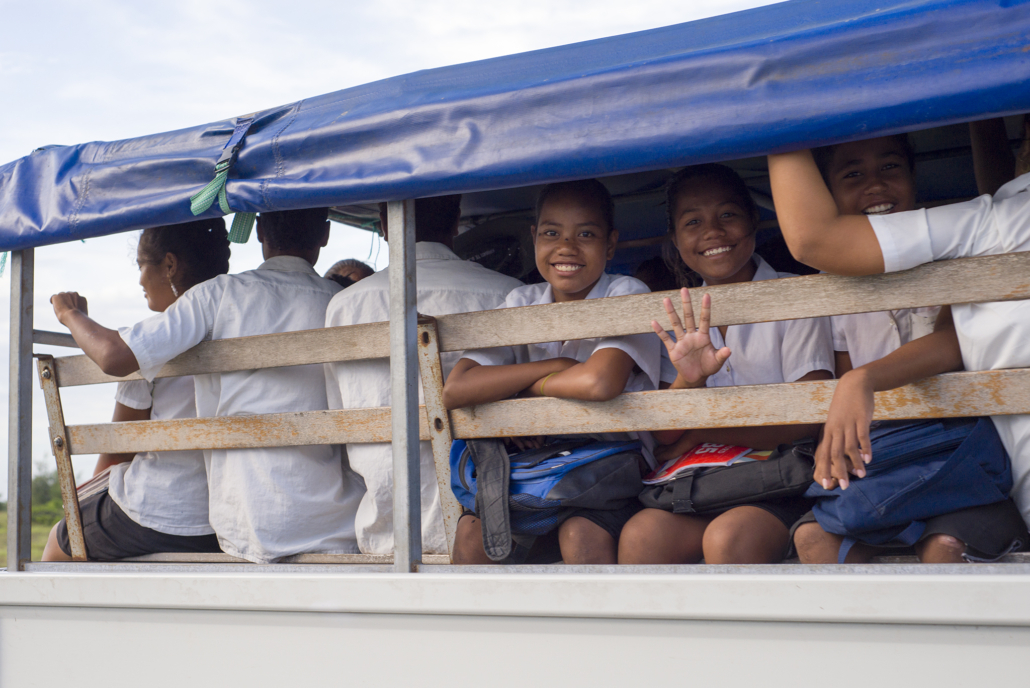
Children in SyriaFor a little more than a decade, the children of Syria have continued to bear the blows of the country’s socioeconomic and political crisis. In 2022, the United Nations Children’s Fund (UNICEF) revealed that around 2.4 million Syrian children no longer attend school, while an additional 1.6 million children were tethering with the idea of dropping out. The lack of adequate funding from the Syrian government has only worsened this epidemic since the national budget for education dropped from 7.1% in 2021 to 3.6% in 2022. Poverty within the family unit thus forces all members to become active contributors, children included.

Children Bear the Burden

Syria remains a country deeply devastated by the ravages of war, with more than 90% of its population living in poverty. A study conducted in 2022 by UNICEF concluded that an estimated 14.6 million Syrian civilians were in need of humanitarian aid. The most affected of this group of individuals was children, with more than 6.5 million in need of assistance.

Syrian children bear the burden of the conflict as many are forcibly pulled from school and thrust into the labor force in an attempt to salvage their family’s crumbling economic state. The Syrian Response Coordination Group detailed that child labor remains an ongoing issue in Syria, specifically among the displaced. The group reported that more than 37% of children between the ages of 14 and 17 are active participants in the labor force.

The humanitarian group also reveals that of the 85% of Syrian children who no longer attend school, 318,000 sought work. Though the exact professions vary, some include physically compromising trades. Young boys occupy positions in these dangerous trades, while young girls tend to take up work in agricultural fields. Bassel Muhammad, a shopkeeper in Idlib City, tells Syria Direct, “No business is empty of children, to say nothing of street vendors.” Muhammad then shares that he has employed two children, one 13 and the other 15, both of whom have left school to provide for their families.

A Changed Generation

Though child poverty persists in Syria, various initiatives have been taken to combat it. In 2013, UNICEF and World Vision joined forces to create No Lost Generation, a program that campaigns for the rights of Syrian youth. With the financial support of various donors, nongovernmental organizations (NGOs) and United Nations (U.N.) agencies, the initiative focuses on education and child protection.

Another initiative advocating for the rights of Syrian children is Mart Team, a Damascus-based charity. Through its campaign “Aqlamouna Amalouna,” meaning “Hope in our pens,” the charity aims to provide aid to students in need. In an interview conducted by Arab News, Marwan Alrez, the General Manager of Mart Team, states, “Parents have told us that schools demand hefty fees, prompting many of them to remove their children from school and force them into the labor market in order to contribute to household earnings.”

Alrez reveals that the average cost of school supplies for a single student is around 200,000 Syrian pounds, an estimated equivalent of $16. This places a great strain on the average Syrian household since many employed individuals only earn 185,940 Syrian pounds (about $14.8) monthly. Alrez’s charity initiative has helped an estimated 300 primary students meet their needs, whether for school supplies or school fees.

World Vision has also focused on the cause of Syrian children and developed six educational-based projects. These projects provide children in need with lunches, hygiene packages and school supplies. Furthermore, the Syrian government has noted this growing issue and has asked that schools be more lenient with their demands, whether regarding uniform policies or certain school supplies.

Final Remark

Adele Khor, UNICEF Regional Director for the Middle East and North Africa, proclaims, “A generation of children in Syria have already paid an unbearable price for this conflict.” Despite all of the admirable efforts from various groups, the Syrian children’s plight remains an issue. 

– Yasmine Nowroozi

Yasmine is based in Laval, Quebec, Canada and focuses on Global Health and Politics for The Borgen Project.

Photo: Flickr
June 18, 2024
https://borgenproject.org/wp-content/uploads/borgen-project-logo.svg 0 0 Lynsey 2 https://borgenproject.org/wp-content/uploads/borgen-project-logo.svg Lynsey 22024-06-18 01:30:072024-06-17 10:43:55The Socioeconomic Situation of Children in Syria
Child Poverty, Child Soldiers, Global Poverty

Child Soldiers in Pakistan

Child Soldiers in PakistanPakistan is an emerging middle power within the East Asia hemisphere quickly on the incline to becoming one of the world’s largest militaries and economic power in the East. However, for all its recent growth, a multitude of issues still plague the nation; terrorism, corruption, religious strife, illiteracy and poverty are all issues that remain, including the use of child soldiers in armed civil and religious conflict. Let’s take a look at the history of child soldiers in Pakistan and what steps the government has taken to eliminate and reduce the issue.

The Past

According to UNICEF, conflict parties around the world recruited more than 105,000 children between 2005 and 2005 and that number could be “much higher than reported.” It is hard to quantify just how responsible Pakistan is to these numbers due to the lack of statistics surrounding the subject, but that does not detract from its role in the involvement of child soldiering.

Pakistan struggles with the problem of active recruitment from factions and parties that are not associated with an official government. These militant groups work on cross-border recruitment strategies to bolster their ranks. The Taliban in Afghanistan forced recruitment through madrassas, Islamic seminary groups acting to radicalize the children. Similar situations arise in the bordering regions in Kashmir and Jammu, where party elders recruit teenagers and subject them to informal combat training. The elders push the envelope further as after combat training, they monitor the recruits at home to make sure that they are following the recruitment program.

In Pakistan, internal recruitment independent of outside parties was also going strong. The Mohajir Quami Movement (MQM) represents the Mohajir community in Pakistan but concurrently engages in periodic violence to resolve religious disputes. It is unknown how many numbered the ranks of MQM in the early 20th century, but the Coalition to Stop the Use of Child Soldiers reported that a degree of their number did consist of underage soldiers.

Socioeconomic Realities

Forced recruitment is not the only underlying cause of the prevalence of child soldiers in Pakistan: many choose to enlist. The reasons vary according to political circumstances and geographical and socioeconomic realities and can explain voluntary recruitment. In 2018, 21.9% of people in Pakistan lived in poverty. Poverty was prevalent while economic opportunity was scarce and many children did not have viable options to support themselves. The onset of poverty and financial instability led many children to resort to becoming child soldiers as a way to escape the poverty of Pakistan.

To further the issue, an increased number of underage soldiers is a result of the legislation and constitution of Pakistan. Under Article 39 of the 1973 Pakistan Constitution, “the state shall enable people from all parts of Pakistan to participate in the Armed Forces of Pakistan.” The law of Pakistan meant that as long as one volunteered, they could serve, independent of a legal and required age. As the U.N. reported in Geneva in 1997, the legal age [was] between 17 and 22 for officers and between 16 and 25 for soldiers, according to the Coalition to Stop the Use of Child Soldiers.

The constitutional mandate of 16 being the minimum age to serve in an official capacity paired with the active recruitment of militants through madrassas and grievance causes created a pipeline of child soldiers, however, in a more progressive turn, the government has slowly decreased the amount of child soldiers in Pakistan.

Government’s Initiatives

The Pakistani government is all too aware of their issues and has taken the first steps to overcome the issue of recruitment. Beginning with the problem of madrassas and radicalization of religion for terrorism, the Pakistani military announced it would bring more than 30,000 religious schools under government control in 2019. Many non-state armed groups used these schools to forcibly recruit children. By recognizing the issue of indoctrination at a young age from outside militants, the government is protecting the children and giving them an opportunity for education without the possibility of forced recruitment for armed conflict.

Other initiatives can help increase the education retention rate and act as a deterrent to becoming child soldiers voluntarily. There are multiple options for rehabilitating and inclusion besides forced participation in school. Programs like sports and recreation centers can keep kids engaged and able to experience childhood without the ramifications of militant group recruitment. Additionally, the Pakistani government can implement reintegration centers to destigmatize and de-radicalize former child soldiers. By addressing their issues, accepting them as part of society and taking steps towards integration, the rate of child soldiers will drop dramatically.

Child Soldiers Prevention Act (CSPA)

In 2008, the U.S. federal government passed the Child Soldiers Prevention Act (CSPA). This Act had one major goal: to combat the recruitment or use of children as soldiers by publicly identifying countries that engage in this practice. Since its inception, Pakistan has appeared on the CSPA list every year. However, in 2021, Pakistan, notably, was removed from the list, no longer being seen as a country that engages and participates in the practice of child soldiers. The justification waiver the President released upon the removal of Pakistan from the CSPA list relates as follows: maintaining “security assistance to Pakistan subject to the CSPA restriction supports critical U.S. objectives of promoting regional stability and counterterrorism in South Asia,” according to the Stimson Center.

Pakistan, a country once embroiled in political turmoil and radicalization has taken the first steps to legitimize itself. Taking the initiative to protect the education of children, increasing education rates and the protection of children shows that leadership is reforming the problems of the past. Children are no longer subjected to the active recruitment practices of internal militants and outside organizations. Stability within the region provided by the Pakistani military has created a wave of progression that is slowly eradicating the practice of child soldiers in Pakistan, serving as an example to other countries within the region and the globe.

– Luke Scroggins

Luke is based in Tolar, TX, USA and focuses on World News for The Borgen Project.

Photo: Flickr
June 7, 2024
https://borgenproject.org/wp-content/uploads/borgen-project-logo.svg 0 0 Jennifer Philipp https://borgenproject.org/wp-content/uploads/borgen-project-logo.svg Jennifer Philipp2024-06-07 01:30:352026-01-07 02:32:23Child Soldiers in Pakistan
Child Marriage, Child Poverty, Global Poverty

Child Marriage in Burkina Faso

Child Marriage in Burkina FasoDespite the implementation of the National Strategy for the Prevention and Elimination of Child Marriage in 2015, girls in Burkina Faso remain more likely than not to be married before they turn 18. The strategy outlines commitments aimed at ending child marriage in Burkina Faso by 2025. According to the United Nations (U.N.), however, current rates of progress anticipate it to take another 300 years to end child marriage around the world.

Education levels, humanitarian crises and economic hardship all contribute to Burkina Faso having the fifth highest prevalence rate of child marriage in the world, according to Girls Not Brides. Girls Not Brides is a leading global partnership to end child marriage that engages communities in open discussion to raise awareness of the harmful impact of child marriage, support girls who have been affected by an early or forced marriage and defend girls’ right to health, education and equal opportunity.

The Pressures Facing Young Girls in Burkina Faso

The practice of girls being subjected to early or forced marriages in Burkina Faso has been in place for generations. Rates have either stayed the same or increased in the past three decades due to growing instability in some areas, particularly the Sahel region. Girls are often exchanged or married off as soon as they are born, often due to financial agreements between families or in the pursuit of social advantage.

The consequences facing girls who refuse these arrangements are dire and often result in social exclusion and violence. Pog-lenga, meaning woman gift or bonus woman, is a common practice in Burkina Faso involving a bride bringing a niece or female relative to her wedding as a gift that a friend or family member of her new husband is entitled to take.

Education as a Game-Changer

In Burkina Faso, uneducated girls are four times more likely to experience child marriage than those with a secondary or higher education. The COVID-19 pandemic exacerbated the situation, leading to a decline in education levels as more than 2,000 schools closed, impacting more than 300,000 children.

Educating girls is not viewed as a necessity, as the expectation is for them to be quickly married, involved in household duties and have children at a young age. About 52% of girls in Burkina Faso will be married before they turn 18. This expectation for girls to have children as soon as they marry often leads to life-threatening health complications caused by childbirth at such a young age. Death during childbirth is the second biggest cause of death worldwide for girls between 15 and 19. However, maternal mortality in Burkina Faso is lower than the regional average.

Aside from lowering young girls’ chances of child marriage, education can transform how boys and men perceive the issue. Amnesty International found that boys often viewed forced marriage as a good thing as it “can be hard to get a girl” and often demonstrated that they were oblivious to any laws prohibiting forced or young marriages in Burkina Faso. The young men who were against forced marriages tended to be university-educated.

Girls Not Brides

In May 2019, Girls Not Brides joined a national partnership with the Coalition Nationale Contre le Mariage des Enfans au Burkina Faso (CONAMEB), which began in 2013 and now comprises more than 60 member organizations. CONAMEB promotes girls’ rights through raising awareness, policy and advocacy activities to end child marriage. The current mission is to raise the legal age of marriage for girls to 18 without exception. It is currently 15 for girls and 18 for boys when authorized by civil courts. The initiative also aims to educate the entire population on the commercial benefits of ending child marriage.

Other Initiatives

The United Nations Children’s Fund (UNICEF) and the United Nations Population Fund (UNFPA) Global Programme to End Child Marriage, initiated in 2016, has made significant strides in supporting more than 20,000 schools across various countries, including Burkina Faso, in enhancing adolescent girl-friendly education.

Burkina Faso was also the first country in West and Central Africa to adopt the National Strategy for the Prevention and Elimination of Child Marriage. While Burkina Faso still has some of the highest rates of child marriages in the world, significant progress is being made in educating the population and passing strict, clear laws against child marriage.

– Bea Newington-Bridges

Bea is based in Edinburgh, Scotland and focuses on Global Health and Politics for The Borgen Project.

Photo: Flickr
May 30, 2024
https://borgenproject.org/wp-content/uploads/borgen-project-logo.svg 0 0 Lynsey 2 https://borgenproject.org/wp-content/uploads/borgen-project-logo.svg Lynsey 22024-05-30 01:30:042024-05-28 05:53:39Child Marriage in Burkina Faso
Child Marriage, Child Poverty, Children, Developing Countries, Global Poverty, Nonprofit Organizations and NGOs

Solutions in the Fight Against Child Marriage in Somalia

Child Marriage in SomaliaAbout 36% of girls in Somalia are married before the age of 18 and 17% are married before the age of 15. Child marriage is expected in a lot of underdeveloped countries and is often a direct product of poverty. Somalia’s government does not have a national strategy or action plan to help combat this issue.

Causes of Child Marriage

Girls Not Brides is a nongovernmental organization committed to action against child marriage by mobilizing communities and drafting solutions. According to the organization, high rates of child marriage can be attributed to many factors, including gender inequality. Somalian girls are often married young to protect family honor. The social norms in the country emphasize the protection of young girls before marriage.

These young women are married for increased protection measures, mitigating instances of sexual violence or abuse. However, gender inequality is only one small portion of a larger problem: poverty. Often, in times of crisis and disaster, families use child marriage as a solution to cope with severe economic hardship.

The European Civil Protection and Humanitarian Aid Operations, a commission that supports countries based on international humanitarian law, reports that at least 6.9 million individuals in Somalia need humanitarian aid this year alone. Nearly half of the population is in severe need. Child brides are one solution to cope with such hardship. Higher rates of child marriage are further exacerbated by food insecurity and droughts, among other significant issues that the county faces.

Government Action and Legislation

The Somali Ministry of Women and Family Affairs created legislation to protect children from marriage. One of these initiatives included the Child Rights Bill. The bill prohibits the marriage of young children and the abuse of children in any form.

Furthermore, the Ministry of Women and Human Rights Development has developed other laws currently in the drafting stage that aim to protect children and implement elements of the Convention on the Rights of the Child into Somalia’s national laws. Adopted in 1989, the Convention on the Rights of the Child is an expansive treaty on the social, political and cultural rights of children worldwide.

The Humanitarian Relief and Development Council

The Humanitarian Relief and Development Council is a nonprofit, woman-led organization in Somalia supporting women, children and other minority groups facing conflict, poverty, violence and injustice. The organization works directly on the ground to provide community-based mobilization campaigns to spread knowledge and awareness on the harmful effects of sexual gender-based violence and child marriage.

In addition, families also receive health insurance. The nonprofit prioritizes women and children, a vulnerable population, by mobilizing community members to raise their concerns to government officials.

Looking Ahead

According to the Sustainable Development Goals (SDGs), Somalia has committed to eradicating child marriage by 2030. According to Girls Not Brides, global progress varies by country. However, the practice continues to decline globally. The organization reports that around 68 million cases have been prevented in the last few years. Progress has been linked to socioeconomic status, meaning economic growth plays a key role in reducing rates of child marriage.

In conjunction with humanitarian aid organizations, government initiatives are one of the few solutions to stop this slowly but surely decreasing problem. Child marriage prevention in Somalia starts with ensuring the rights of children and supporting families in economic hardship.

– Dominic Samaniego

Dominic is based in Fullerton, CA, USA and focuses on Good News and Technology for The Borgen Project.

Photo: Flickr

May 27, 2024
https://borgenproject.org/wp-content/uploads/borgen-project-logo.svg 0 0 Lynsey 2 https://borgenproject.org/wp-content/uploads/borgen-project-logo.svg Lynsey 22024-05-27 01:30:512024-05-26 09:06:54Solutions in the Fight Against Child Marriage in Somalia
Africa, Child Poverty, Global Poverty

The Impact of Reducing Child Poverty in Angola

Child Poverty in AngolaAn intense history of a 27-year civil war burdens Angola. The children of Angola are suffering the most – with high rates of child poverty, illiteracy and mortality. Low contraceptive use has resulted in a fertility rate of more than five children per woman. Positively, Angola has been a party to the Convention on the Rights of the Child since 1990 and efforts are underway to protect children in Angola from the consequences of poverty. That said, here are three areas that will undergo positive improvements if child poverty in Angola is reduced.

Education

Currently, 33% of children in Angola are illiterate and only 30% progress to upper secondary school. Additionally, more than a quarter of households in Angola have children who aren’t enrolled in school. This is mainly due to a lack of education, closely tied to intergenerational poverty traps. Education for girls is particularly at risk, with 30% of women aged 20-24 having been married or in a union before the age of 18. If poverty and hardship were not defining issues for these children, they could experience the normalcy of education and childhood.

Fortunately, there have already been significant improvements in education in Angola. The Committee on the Rights of the Child (CRC) has recognized multiple efforts being made to get more children into education. For example, the National Action Plan 2013-2020 was entitled “Education for All.” Additionally, the gross enrolment rate of children attending nursery, primary and secondary school increased to 97.5% in 2016.

Investment in the quality of teaching has led to more young people attending school – often due to the hard work of organizations such as SOS Children’s Villages. It works toward making education accessible to everyone. It has funded school fees, uniforms, learning materials and tutoring. Due to SOS Children’s Villages’ diligence and hard work, the project has enabled more than 1390 children in Angola to learn at its kindergartens and schools.

Health

Angola has suffered from an influx of droughts, flooding and diseases such as malaria, where medical treatment is sparse. Families in rural areas have found themselves struggling with rising food prices, leading to issues such as undernutrition being responsible for 45% of child deaths. A lack of access to water and sanitation has become a crucial issue for children’s health. However, when child poverty is dealt with, nutritious food will prevent the high rate of stunted children aged less than 5.

In response, Angola implemented a National Health Development Plan from 2012 to 2015, with one of its key objectives being to reduce maternal, infant and child mortality and morbidity rates. However, several challenges have arisen since the plan’s announcement. Malaria remains the leading cause of death in the country, responsible for more than 10,400 deaths in 2020. Additionally, the decline in oil growth in 2014 has led to decreased public spending in the health sector.

Despite these challenges, life expectancy in Angola is expected to increase from 61 years in 2023 to 68 years by 2050. Between 2018 and 2022, the health care workforce significantly increased and in 2020, Angola began offering specialty training courses for doctors in five provinces. By 2023, the program had expanded to include 2,500 medical doctors across 17 regions. The Minister of Health has also nominated a Task Force to oversee postgraduate training for health professionals.

SOS Children’s Villages is also actively working to ensure that social and health care facilities are accessible. Its efforts have enabled 450 families in Angola to stay together, providing crucial support and assistance.

Labor

Approximately 30% of Angolans live below the poverty line and widespread unemployment often leads to children becoming breadwinners for their households. The COVID-19 pandemic exacerbated a four-year recession in Angola, significantly impacting many families financially. Children aged 0-14 are particularly affected and live on less than $2.15 a day. Currently, three-quarters of children in Angola are living in poverty. Additionally, a staggering 19% of them work to support their families.

However, tackling extreme child poverty means that the number of children in the workforce within industries such as mining, construction and agricultural sectors will lessen and child trafficking will dissipate. Positive efforts have been made in this regard. Law no.3/14 criminalizes the exploitation of children for sexual purposes and prostitution.

Furthermore, in 2022, the Angolan government funded and participated in programs to prevent child labor. These initiatives include Social Protection Programs, Mobile Schools and Free School Meals for Children. Specifically, these programs target children in Southern Angola who are at high risk of being engaged in child labor.

– Xantippe Steele

Xantippe is based in Hove, UK and focuses on Good News and Politics for The Borgen Project.

Photo: Flickr
May 22, 2024
https://borgenproject.org/wp-content/uploads/borgen-project-logo.svg 0 0 Lynsey 2 https://borgenproject.org/wp-content/uploads/borgen-project-logo.svg Lynsey 22024-05-22 07:30:062024-05-22 01:13:57The Impact of Reducing Child Poverty in Angola
Child Poverty, Developing Countries, Global Poverty

Combating Child Marriage in Bhutan

Child Marriage in BhutanChild marriage remains a pressing concern in Bhutan, casting a shadow over the lives of countless girls and perpetuating cycles of poverty and inequality. Despite efforts to address this harmful practice, cultural norms, poverty and gender disparity continue to fuel its prevalence.

Child Marriage Statistics in Bhutan

According to a report from the United Nations Children’s Fund (UNICEF), 26% of women aged 20 to 24 in Bhutan were married before the age of 18, with 6% of them getting married before age 15. These numbers translate to more than 79,000 child brides in the country, with 1 in 4 young women experiencing marriage during childhood. Particularly prevalent in regions like Samdrup Jongkhar, Dagana, Sarpang and Mongar, child marriage persists as a deeply entrenched social issue.

Factors Driving Child Marriage

Poverty emerges as a significant driver of child marriage, as families from less educated and economically disadvantaged backgrounds often resort to marrying off their daughters early. Limited education among teenage girls exacerbates the problem, with more than 70% of child brides having received minimal or no formal education. Although urban areas have seen a decline in child marriage rates, rural regions continue to grapple with the practice, perpetuated by traditional customs like cross-cousin marriages and arranged unions among children.

Consequences of Early Marriage

The consequences of early marriage are dire, particularly concerning girls’ health, education and overall well-being. Shockingly, 90% of women (who were married before age 18) aged 20 to 24 in Bhutan have given birth before the age of 18 or 20, posing significant risks to maternal and neonatal health.

Moreover, early marriage erects formidable barriers to accessing education and socioeconomic opportunities for young women, further entrenching cycles of poverty and inequality. Married girls are also at heightened risk of domestic abuse and pregnancy-related complications and are more prone to dropping out of school, with far-reaching implications for their prospects.

Initiatives to Combat Child Marriage

Bhutan has taken steps to address adolescent health issues and combat child marriage through initiatives like the Youth Friendly Health Services program. The program, active from 2013 to 2018, aimed to improve youth access to health care while discouraging early marriage and increasing community awareness.

Grassroots efforts, supported by the United Nations Population Fund (UNFPA), have also seen 20 communities publicly commit to eradicating harmful practices, including child, early and forced marriage. In alignment with these efforts, Bhutan’s Marriage Act of 2017 establishes the legal marriage age at 18 for both genders, with no exceptions.

Furthermore, the Child Care and Protection Act (CCPA) deems engagement in marriage or sexual activity with a child as statutory rape. However, enforcement of these laws remains lacking, particularly in remote rural areas.

Call for Comprehensive Strategies

However, it is imperative to recognize that lasting change requires sustained commitment and collaboration from all stakeholders involved in addressing this critical issue. To effectively combat child marriage, concerted efforts are needed from governmental, civil society and international entities to enforce existing laws and address underlying factors such as poverty and gender disparity.

By advocating for change at multiple levels, a world where every girl has the opportunity to realize her full potential and lead a life of dignity and empowerment can be created.

– Sandeep Kaur

Sandeep is based in Manchester, UK and focuses on Global Health and Politics for The Borgen Project.

Photo: Wikimedia Commons

May 19, 2024
https://borgenproject.org/wp-content/uploads/borgen-project-logo.svg 0 0 Lynsey 2 https://borgenproject.org/wp-content/uploads/borgen-project-logo.svg Lynsey 22024-05-19 01:30:432024-05-19 01:14:18Combating Child Marriage in Bhutan
Africa, Child Poverty, Global Poverty

Alleviating Child Poverty in Eswatini

Poverty in EswatiniThe kingdom of Eswatini is a small country in Southern Africa. It is a landlocked nation surrounded by South Africa to its north, west and south and Mozambique to its east. While it takes only three hours to travel from Eswatini’s western to eastern borders, this country’s intriguing traditions, wildlife, festivals, ceremonies and public events are some of the primary reasons tourists frequent it. Nevertheless, around 58.9% of the population of Eswatini lives below the national poverty line. Within this population, 56.5% of Swazi children are multidimensionally poor, meaning they lack adequate nutrition, housing, clothing, sanitation, water, health care, education and information and communication technology (ICT). Fortunately, many organizations are working to serve children in Eswatini.

HIV Infections Among Swazi Children

HIV is a particularly cruel form of child poverty in Eswatini. With one of the highest rates of HIV infections globally, the country is grappling with the devastating impact of this disease. Currently, approximately 26% of Swazis suffer from this disease. In 2020, more than 13,000 children between the ages of 0 and 14 were living with HIV.

Fortunately, Eswatini has made significant progress in its war on HIV. It is one of two African nations in history to not only meet but exceed the 95-95-95 global HIV treatment targets in 2020 and the number of HIV infections is declining every year. In 2022, the Pact organization reported that more than 6,000 Swazi children were supported with HIV services through its Ready, Resourceful, Risk Aware project.

Further, in 2023, through a mobile clinic, the World Food Programme (WFP) provided treatment literacy training to 135 caregivers and 1,800 children at 46 neighborhood care points (NCPs) in Eswatini. Working with Eswatini’s government, the WFP created safety nets for Swazis affected by poverty and HIV/AIDS. The target of these safety nets was 27,000 at-risk children at NCPs and specific Swazi schools.

Malnutrition Among Swazi Children

Malnutrition is a prevalent issue among children in developing countries, representing a significant aspect of child poverty in Eswatini. One consequence of chronic malnutrition among Swazi children is stunting, which occurs when a child is shorter than average for their age. In 2022, the stunting rate for Swazi children stood at 20%. Additionally, malnutrition contributes to child wasting, a condition characterized by thinness relative to height and a weak immune system. About 2% of Swazi children aged less than 5 experience wasting and one in 20 is underweight.

Many nongovernmental organizations (NGOs) are helping Swazis fight against child malnutrition, with one standout leader being the WFP. In 2023, the WFP played a pivotal role in addressing child malnutrition in Eswatini through various initiatives. By identifying the most undernourished populations across the country, the WFP targeted its efforts where they were most needed.

Through the innovative home-grown school feeding program pilot, nutritious meals were provided to NCPs, which serve as a combination of soup kitchens and informal preschools offering food, daycare and education to orphaned and vulnerable children. By implementing this program and working with Eswatini’s Ministry of Education, the WFP provided 23,000 school children with healthy food.

Clean Water and Sanitation for Swazi Children

One in three Swazis does not have access to clean water. Consequently, more than 200 Swazi children aged less than 5 die yearly from diarrhea caused by poor toilets and dirty water. Therefore, to attain number six on the United Nations (U.N.) list of Sustainment Development Goals, Eswatini has determined to provide all Swazis with fair and universal access to clean, safe, affordable water, sanitation and hygiene by 2030.

Further, many organizations, such as World Vision and WaterAid, are working to provide Swazi children with clean water and better sanitation. In 2022, World Vision and WaterAid provided clean water to local regions throughout Eswatini, enabling more children to enroll in Eswatini’s schools and spend more time learning.

Final Remark

Many Swazi children continue to find everyday life difficult. However, men and women in and outside Eswatini work night and day to create a brighter future for these children.

– Jacob Stubbs

Jacob is based in Indianapolis, IN, US and focuses on Good News for The Borgen Project.

Photo: Flickr

May 17, 2024
https://borgenproject.org/wp-content/uploads/borgen-project-logo.svg 0 0 Lynsey 2 https://borgenproject.org/wp-content/uploads/borgen-project-logo.svg Lynsey 22024-05-17 01:30:162024-05-15 22:44:56Alleviating Child Poverty in Eswatini
Child Poverty, Developing Countries, Global Poverty, Technology

Helping Schoolchildren in Uganda Using Simple Technology

Schoolchildren in UgandaIn 2014, South Korean Park Joong-Ryeol created a small company in Uganda. He aimed to alleviate the problems that schoolchildren in Uganda face while traveling for water. This company is Jerrybag. It makes lightweight but sturdy bags to make transporting water more accessible and safer. Since its inception, the company has donated more than 18,000 Jerrycan bags to 30 schools in Africa.

Water Problems in Uganda

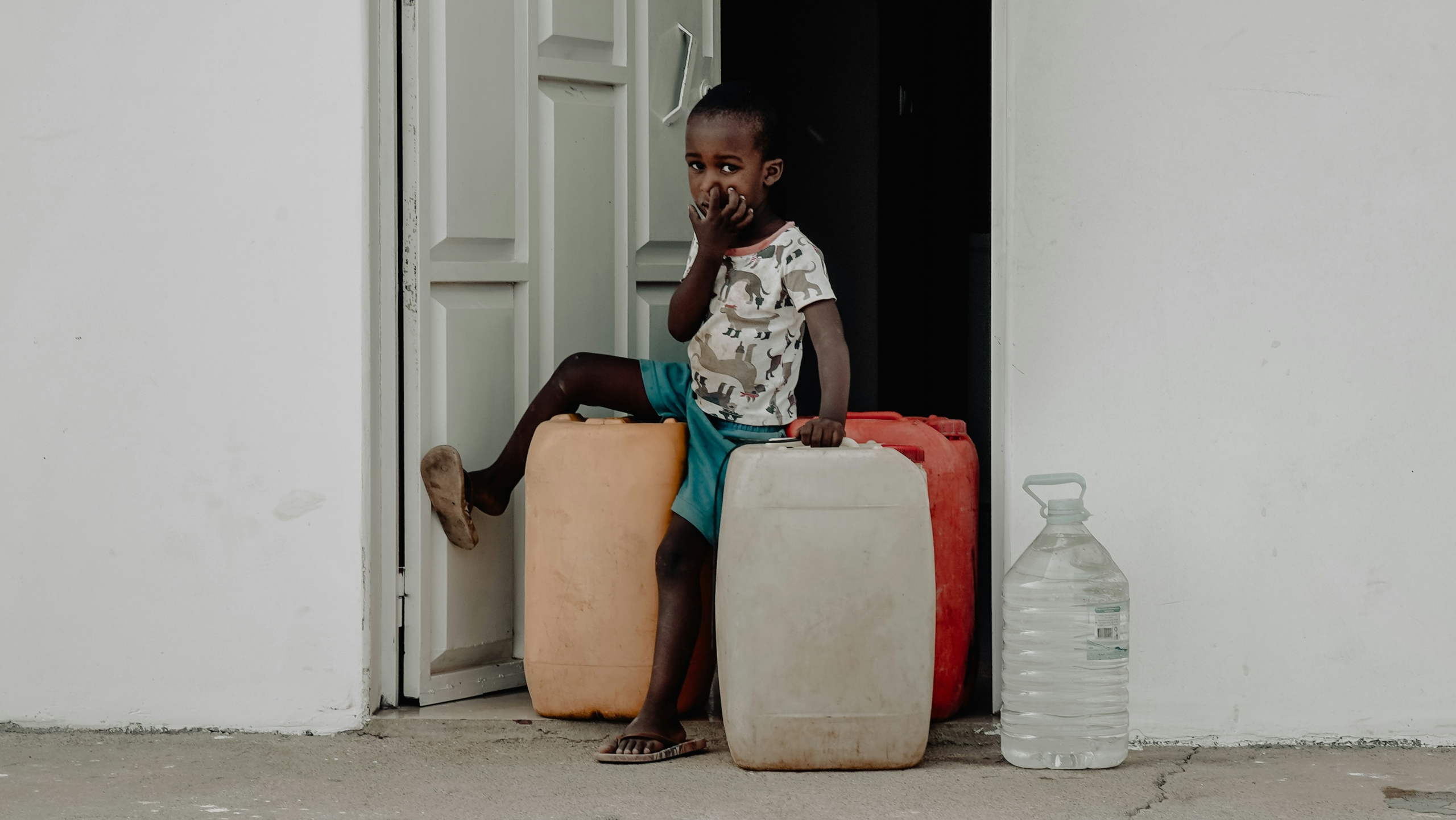
In Uganda, water is a scarce resource. In rural areas, it is difficult for citizens to get any water. Some estimates state that one in four people lack access to clean water. Women and children usually travel long distances to collect water for themselves and their families to survive. On average, they trek six kilometers and spend two hours each day getting water.

This grueling task deprives children of education, as they must prioritize fetching water over schooling and poses serious health risks. Schoolchildren in Uganda burdened with transporting heavy 10-kilogram jerrycans of water unaided suffer from spinal pain, with a study revealing that 62% of them experience such discomfort.

Moreover, the lack of paved sidewalks on rural roads exacerbates the dangers faced by these children. Forced to walk alongside cars, they are constantly at risk, with statistics highlighting the alarming rate of fatalities due to road accidents. In Uganda, for instance, an average of 12 people per day lost their lives in car accidents in 2022, compared to five per day in Britain during the same period. The unsafe conditions of these roads further compound the challenges encountered by children in their daily lives.

Jerrycan Bags

The Jerrycan bag is a waterproof backpack that fits a Jerrycan. It eases the burden for kids while they are transporting water. The bag features a reflective “SLOW DOWN” sign to notify drivers to combat the dangerous roads. Jerrybag adopts a holistic approach by empowering local women in Kampala through employment opportunities. By hiring these women to produce the bags, the company not only improves the lives of children but also contributes to economic empowerment in the community.

In recognition of its impactful work, Jerrybag received the prestigious Seoul Design Award in 2023. The award is given to projects that create sustainable solutions to everyday problems, underscoring the significance of Jerrybag’s work. Funding its operations in Uganda through its South Korea website, Jerrybag sustains its mission by selling merchandise and allocating a portion of the proceeds to its studio in Uganda. As the company’s popularity grows, it can scale up production to provide more bags for children in need. Jerrybag currently produces more than 400 bags monthly, exemplifying its commitment to making a tangible difference in the lives of children and communities in Uganda.

Jerrybag’s impact extends beyond providing water-carrying solutions in Uganda; the company has also played a significant role in supporting the nation during the COVID-19 pandemic. Demonstrating its commitment to community welfare, Jerrybag generously donated 4,870 hygiene kits and 14,160 masks, aiding the country’s efforts to combat the spread of the virus. Furthermore, Jerrybag engages in initiatives to empower disadvantaged children through design workshops, fostering creativity and skill development.

Final Remark

Jerrybag is a simple but creative solution to the struggle schoolchildren in Uganda face. The company’s success shows how basic changes like a new backpack can make a difference.

– Richard Sartor

Richard is based in London, UK and focuses on Technology and Solutions for The Borgen Project.

Photo: Wikimedia Commons

May 16, 2024
https://borgenproject.org/wp-content/uploads/borgen-project-logo.svg 0 0 Lynsey 2 https://borgenproject.org/wp-content/uploads/borgen-project-logo.svg Lynsey 22024-05-16 07:30:482024-05-15 22:40:12Helping Schoolchildren in Uganda Using Simple Technology
Child Poverty, Education, Global Poverty, Health

Parent Education Improving Childcare in Rwanda

Childcare in RwandaChildren are among the most vulnerable, often suffering from life-threatening conditions as a result of a severe lack of economic and social resources. Consequences include malnourishment and limited learning opportunities, all related to poverty. Research has shown a link between children’s poverty and their childhood health as well as later health outcomes as adults.

Health Impact and Stunting

According to the United Nations Children’s Fund (UNICEF), approximately 38% of Rwandan children are stunted, meaning their cognitive, motor and language abilities are severely impaired. This is a direct result of a child’s early development in life, which plays a crucial role in determining long-term educational outcomes. Children who come from low-income households are three times as likely than those in wealthier households to experience stunting. This significant disproportion showcases poverty as playing an important role.

Home Environment and Childhood Development

The home environment and parents are significant in shaping early childhood development. According to UNICEF, only one in five parents in Rwanda engages in early childhood learning activities in the home. Children are also limited in their opportunities to attend preschool or engage in other educational learning opportunities. Malnourished children are at a higher risk of becoming stunted, limiting their learning ability in the future.

Government Action

To assist parents, UNICEF and the Rwandan government worked together to implement initiatives to improve childcare. In 2019, in collaboration with the Ministry of Gender and Family Promotion, The National Parenting Curriculum was commissioned, aiming to enhance parent education and familial support.

The National Parenting Curriculum also outlines initiatives to reduce stunting and malnutrition among Rwandan children. It emphasizes the need for childhood development to begin long before school starts. The document also stresses the role of parents in helping to support children further.

Parental education can help keep children engaged and improve their quality of life to keep them sustained and out of poverty.

On-The-Ground Solutions

Extensive strategies from the Rwandan government and advocacy organizations are helping to mitigate the dangerous impact of poverty on childcare in Rwanda. One such initiative fighting on the ground is the Children of Rwanda.

Children of Rwanda is a nonprofit supporting children unable to attend school in Western Rwanda. The organization works directly with local schools to provide bursaries to children struggling with education costs. In addition, families also receive health insurance. The foundation has empowered more than 250 children to return to their local schools.

Looking Ahead

According to a policy research paper published by the World Bank examining global trends in poverty among children in international poverty lines, the extreme child poverty rate was reduced from 20.7% to approximately 16% between 2013 and 2022. This underscores the importance of government collaboration with humanitarian aid organizations in improving early childhood development and eradicating child poverty.

Recognizing the need for reform and support can help increase awareness of the dangerous effects of poverty on the well-being of children. We can prevent poverty and it all starts with supporting the children of the future.

– Dominic Samaniego

Dominic is based in Fullerton, CA, USA and focuses on Good News and Technology and Solutions, Global Health for The Borgen Project.

Photo: Flickr

April 25, 2024
https://borgenproject.org/wp-content/uploads/borgen-project-logo.svg 0 0 Lynsey 2 https://borgenproject.org/wp-content/uploads/borgen-project-logo.svg Lynsey 22024-04-25 07:30:452026-04-16 09:59:56Parent Education Improving Childcare in Rwanda
Page 7 of 17«‹56789›»

Get Smarter

  • Global Poverty 101
  • Global Poverty… The Good News
  • Global Poverty & U.S. Jobs
  • Global Poverty and National Security
  • Innovative Solutions to Poverty
  • Global Poverty & Aid FAQ’s
Search Search

Take Action

  • Call Congress
  • Email Congress
  • Donate
  • 30 Ways to Help
  • Volunteer Ops
  • Internships
  • Courses & Certificates
  • The Podcast
Borgen Project

“The Borgen Project is an incredible nonprofit organization that is addressing poverty and hunger and working towards ending them.”

-The Huffington Post

Inside The Borgen Project

  • Contact
  • About
  • Financials
  • President
  • Board of Directors
  • Board of Advisors

International Links

  • UK Email Parliament
  • UK Donate
  • Canada Email Parliament

Get Smarter

  • Global Poverty 101
  • Global Poverty… The Good News
  • Global Poverty & U.S. Jobs
  • Global Poverty and National Security
  • Innovative Solutions to Poverty
  • Global Poverty & Aid FAQ’s

Ways to Help

  • Call Congress
  • Email Congress
  • Donate
  • 30 Ways to Help
  • Volunteer Ops
  • Internships
  • Courses & Certificates
  • The Podcast
Scroll to top Scroll to top Scroll to top